Introduction
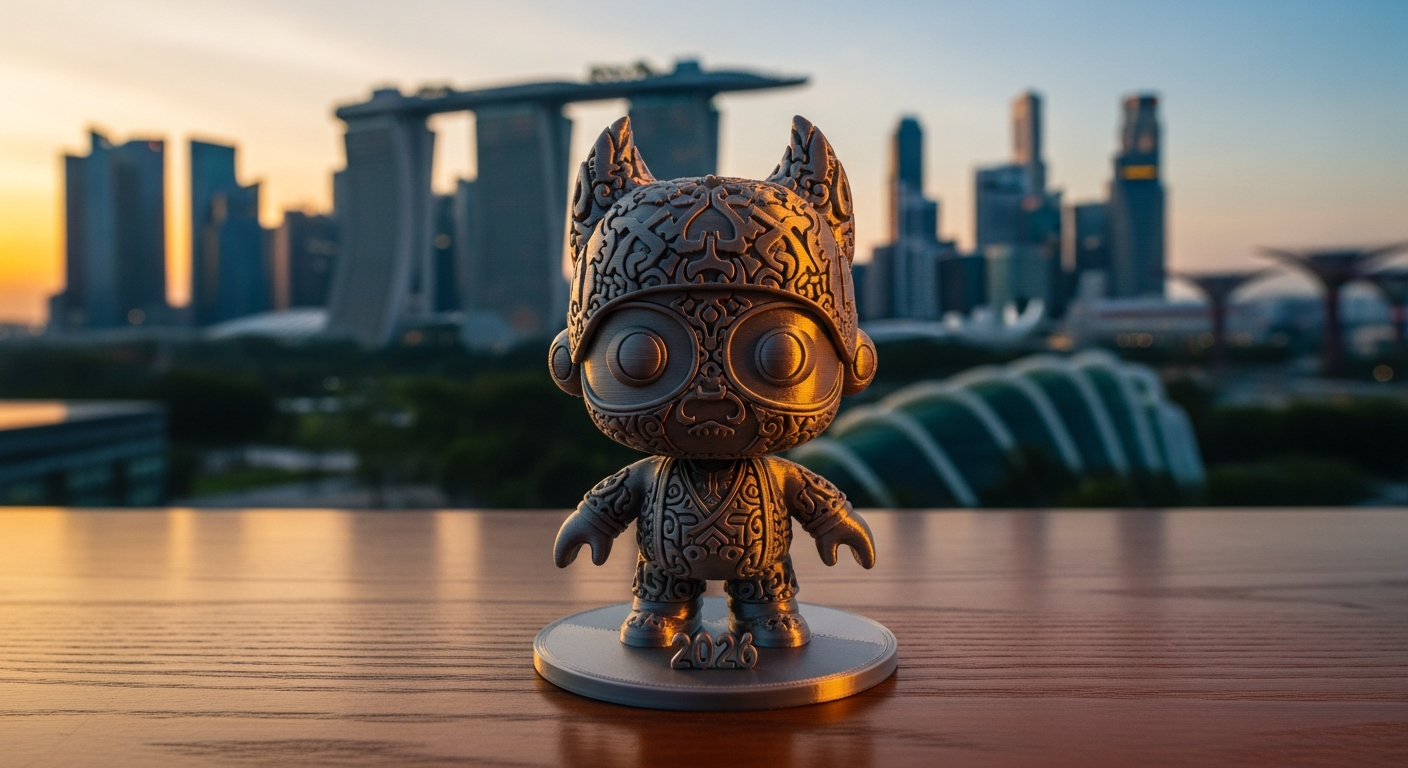
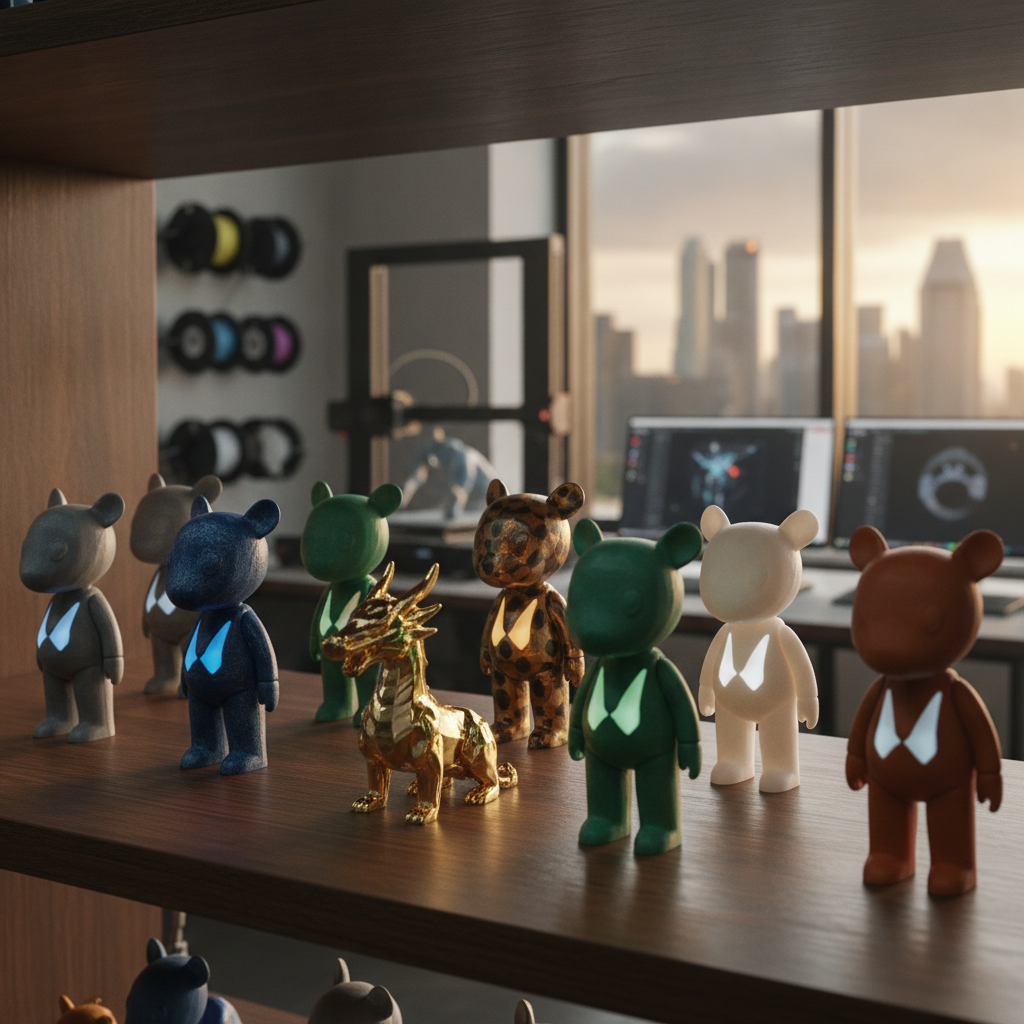
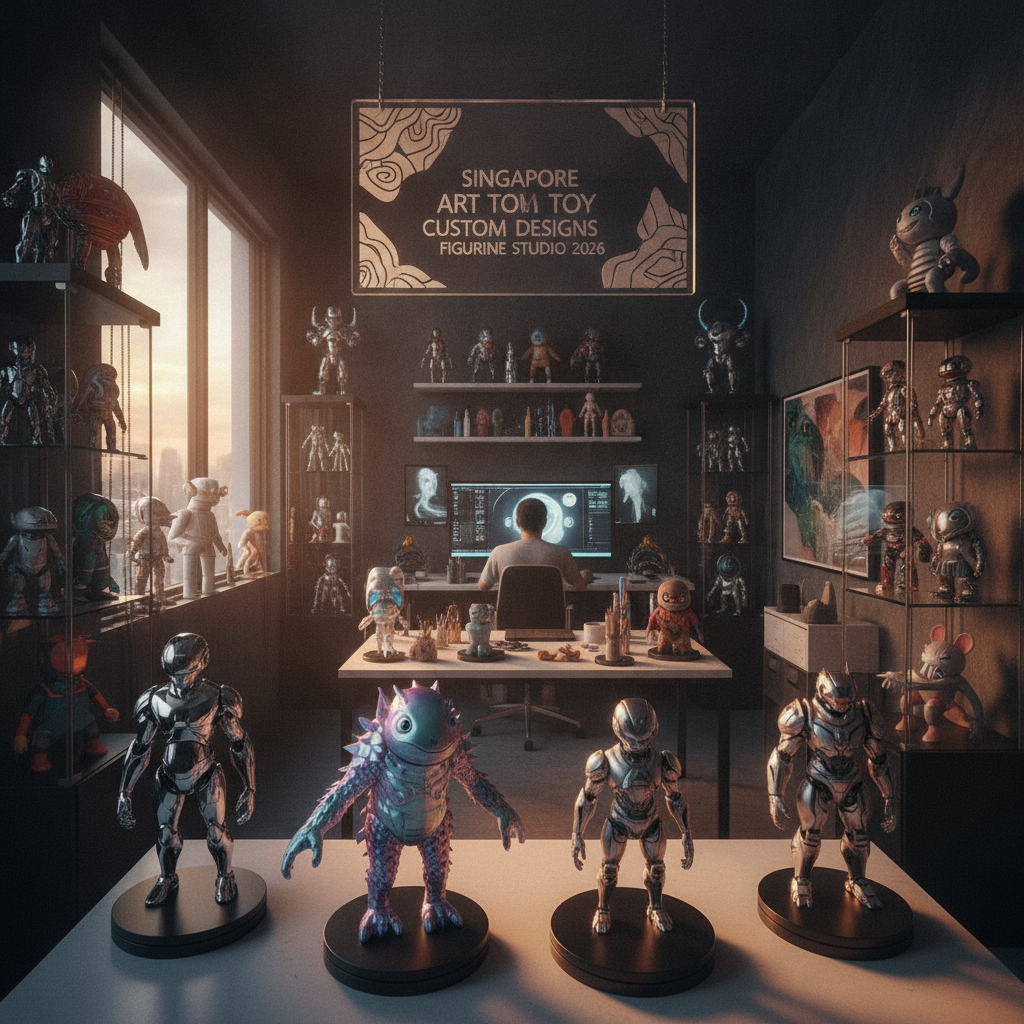
Fused Deposition Modeling (FDM) remains one of the most accessible and cost-effective technologies for producing custom figurines and small runs in Singapore. In 2026, advances in filament chemistry, slicing algorithms and post-processing workflows have elevated FDM from a prototyping tool to a viable method for collectible art and low-volume manufacturing. This article explores how FDM 3D printing Singapore services and custom figurine design Singapore practices combine to deliver high-quality, affordable figures for artists, startups and hobbyists.
Why choose FDM for custom figurines in Singapore
FDM 3D printing Singapore is popular because it balances speed, cost and material variety. Compared with resin-based processes, FDM offers:
- Lower material and machine costs, making small-batch production affordable.
- Wide filament choices (PLA, PETG, TPU, advanced composites) for different finish and durability needs.
- Faster build volumes for larger figurines without the same level of resin cleanup.
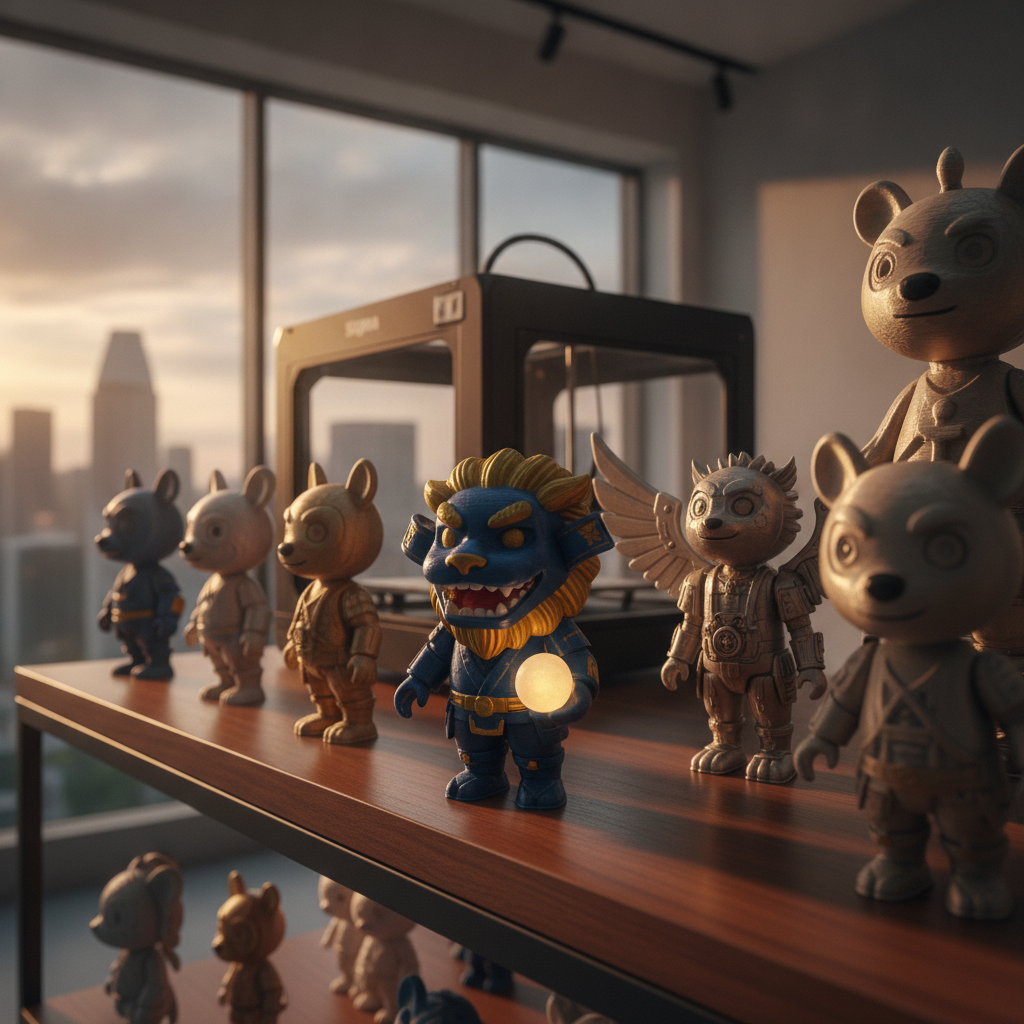
For many creators in Singapore, FDM is the sweet spot for test runs, market validation and even finished pieces after careful design and finishing. Artists and brands can validate sculpt proportions quickly and move to limited edition runs without the overhead of tooling.
Key trends shaping the Singapore market in 2026
- Sustainable filaments: Recycled PLA and bio-based materials have matured, enabling eco-conscious brands to market greener collectible production.
- Multi-part assemblies: Designers are optimizing figurines for snap-fit and magnetic assemblies, printed in FDM and finished to look seamless.
- Hybrid workflows: Combining FDM printing for structural parts with resin or metal accents to achieve higher detail where needed.
- Digital-first limited drops: Local studios increasingly pair physical custom figurine design Singapore projects with digital collectibles and augmented reality previews.
Explore professional CAD preparation and concept workflows in a dedicated industry guide: CAD modeling for limited-edition art toys.
Designing for FDM: practical tips for better figurines
Good results start at the design stage. When preparing custom figurine design Singapore files for FDM, consider:
- Wall thickness and structural ribs: FDM can struggle with very thin details. Design consistent wall thicknesses and internal ribs where strength is needed.
- Print orientation: Orient parts to minimize overhangs, reduce supports and improve visible surface finish. For faces and fine details, orient the model to preserve detail quality.
- Split-to-assemble strategy: Break complex models into print-friendly sections that snap or glue together. This reduces support artifacting and enables multi-color builds.
- Tolerances for fit: Account for filament shrinkage and printer tolerance—design test-fit features when exact fits are required.
If cost-efficiency is your priority, check local service options for affordable custom figurine design that specialize in FDM workflows.
Materials and finish options available in Singapore
Material choice and finish are decisive for perception and durability:
- PLA: Easy to print and paint, ideal for display pieces. Recycled PLA options support sustainability goals.
- PETG: Greater toughness and heat resistance, suitable for articulated or outdoor pieces.
- TPU: Flexible parts for soft accessories or bendable elements.
- Carbon- and glass-filled filaments: Add stiffness and industrial feel for mechanical bases.
Finishing techniques transform raw FDM surfaces into museum-ready figurines:
- Sanding and primer: The most common path to a smooth finish; wet sanding between primer coats refines layer lines.
- Filler and epoxy coatings: A thin epoxy coat can hide layer lines and create a glossy, durable surface.
- Airbrushing and hand painting: After priming, airbrushing provides smooth gradients and professional textures.
- Chemical smoothing: Limited to compatible filaments and hazardous in some cases; follow safety guidelines.
Workflow: from idea to finished figurine in Singapore
- Concept and CAD: Sculpt digitally in ZBrush or solid-model in Fusion 360. Optimize topology and prepare exportable STL/OBJ files.
- Prototyping: Print test pieces to check scale, balance and articulation. Rapid iterations are where FDM shines.
- Final print: Choose print settings (layer height, infill, shell count) tuned for surface quality and strength.
- Post-processing: Remove supports, sand, prime, and paint. Apply coatings for UV or abrasion resistance.
- Assembly and QA: Fit parts, test moving joints, and inspect for consistency across the batch.
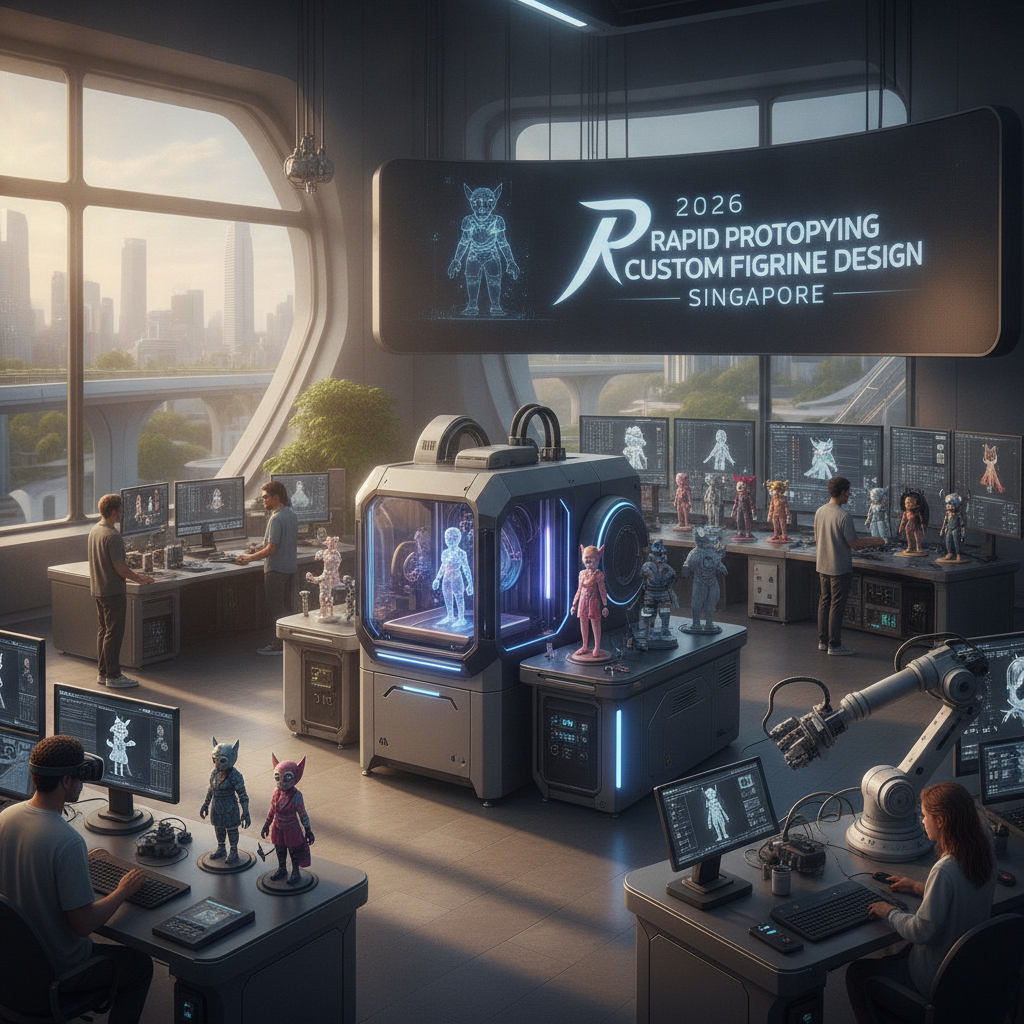
For studios offering streamlined prototyping services, consider partners who list rapid prototyping and custom figurine design as a core capability.
Cost considerations and production strategies
FDM is cost-effective, but pricing depends on several factors:
- Print time: Denser infill and fine layer heights increase time and cost.
- Material cost: Specialty filaments raise per-piece expense.
- Labor for finishing: Post-processing is labor-intensive and often the largest variable.
- Batch size: Per-unit cost declines with larger batches, but limited-edition pieces may prioritize quality over unit cost.
To manage costs without sacrificing quality, many creators in Singapore adopt a hybrid model: use FDM for the main body and add higher-detail resin-printed features where needed. A practical guide to Singapore’s leading providers can help you compare options: top 3D printing service.
Use cases: who benefits from FDM figurine production
- Independent artists and toy designers launching limited runs.
- Brands producing promotional pieces and product mascots.
- Game studios and tabletop publishers requiring prototypes or collectible miniatures.
- Architects and designers using stylized figures for presentation models.
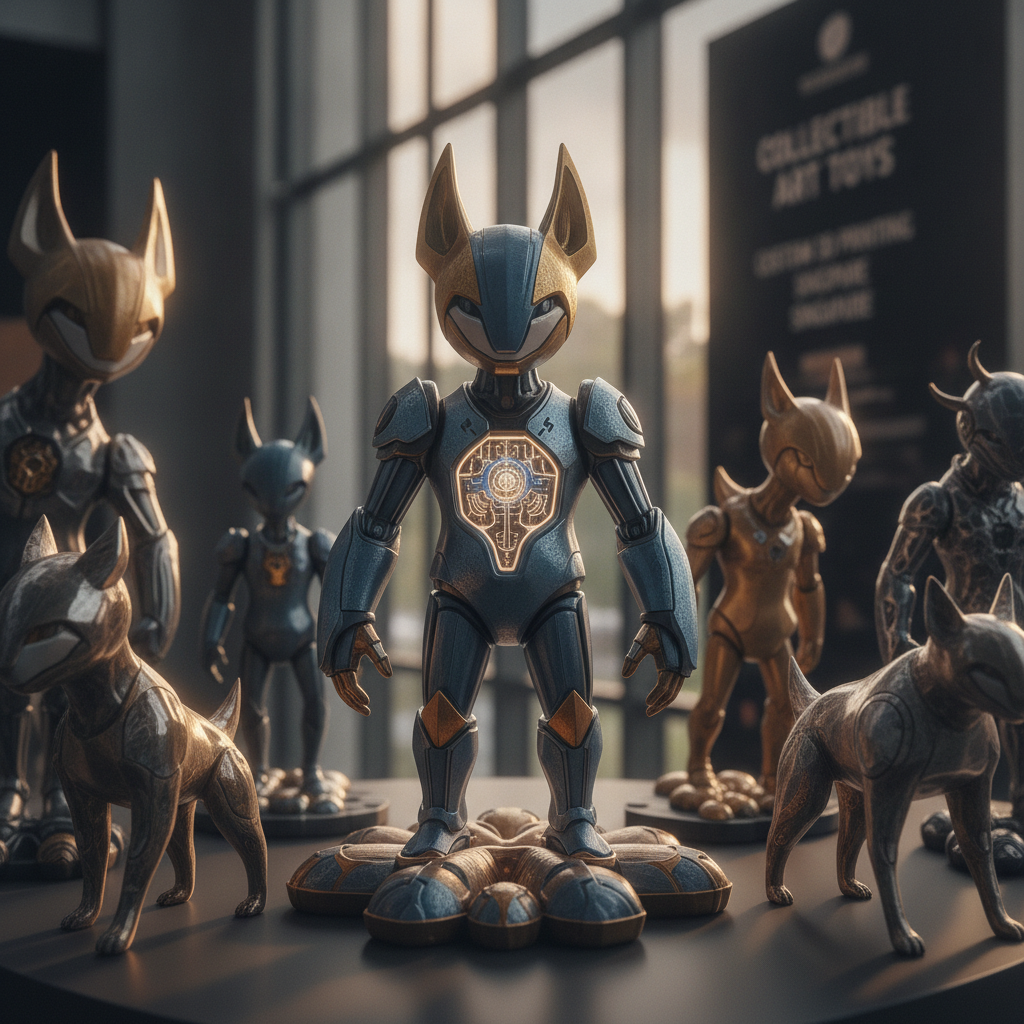
Collectors and designers are also embracing collectible art toys with limited release strategies that pair FDM production for structure and other processes for surface detail.
Choosing the right Singapore partner
When selecting an FDM 3D printing Singapore service or a studio for custom figurine design Singapore, evaluate:
- Portfolio and sample pieces: Look for finished items similar in scale and finish to your project.
- Communication and design support: Providers who review CAD files and suggest design-for-manufacture optimizations reduce rework.
- Turnaround and capacity: Confirm the studio can meet both prototyping speed and small-batch production needs.
- Post-processing capabilities: Verify painting, assembly and finishing services if you want a turnkey solution.
A mature partner will also advise on materials, durability and how to design for repeatability—critical when doing limited drops or pre-order campaigns.
Common pitfalls and how to avoid them
- Expecting resin-level detail from FDM: While FDM can be pushed for finer results, certain ultra-fine details still favor SLA or resin printing.
- Ignoring assembly fit: Without test prints, joints and snap-fits can be tight or loose—plan tolerance tests.
- Skimping on post-processing: Cheap prints can look low-quality without proper sanding, priming and painting.
- Overlooking regulatory needs: If selling toys, check safety standards for materials and small parts in your target markets.
A balanced approach—leveraging FDM strengths while compensating for its limits—yields the best outcomes.
Case study snapshot (typical project outline)
An independent Singapore designer wanted a 25 cm limited-edition figurine: they used a local FDM-first workflow—iterate in FDM for form, resin for facial micro-details, then epoxy-coat and airbrush. Total lead time from final CAD to finished pieces: six weeks for a 200-piece drop. The hybrid approach cut initial tooling cost while delivering collectible-quality surfaces.
Conclusion
FDM 3D printing Singapore remains an essential option for anyone interested in custom figurine design Singapore in 2026. With improved materials, smarter design-for-FDM strategies and professional finishing, FDM-produced figurines can meet the demands of collectors and creators alike. For cost-conscious projects, rapid validation or small-batch releases, partnering with experienced local providers delivers the best balance of speed, quality and price. Begin planning your design-to-drop workflow and choose a Singapore studio with proven experience in both FDM and hybrid finishing to ensure exceptional results.