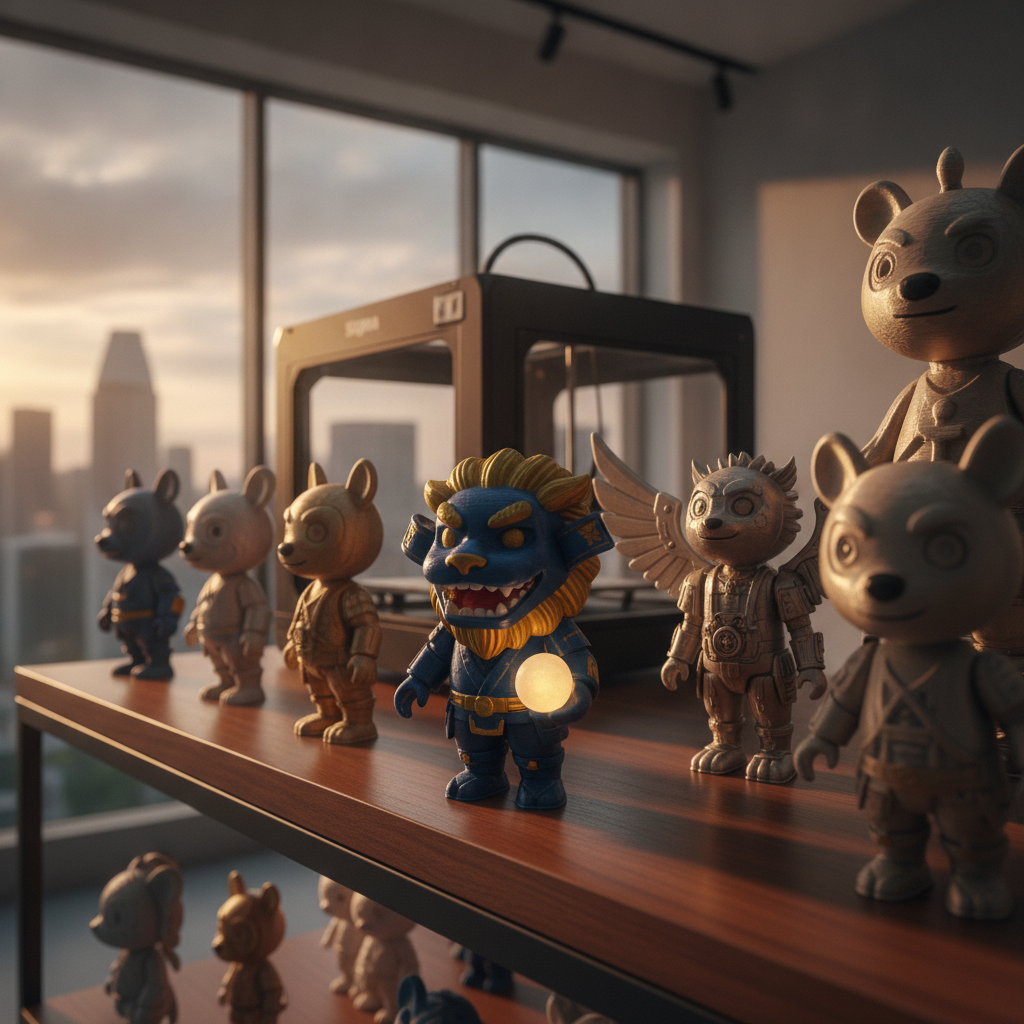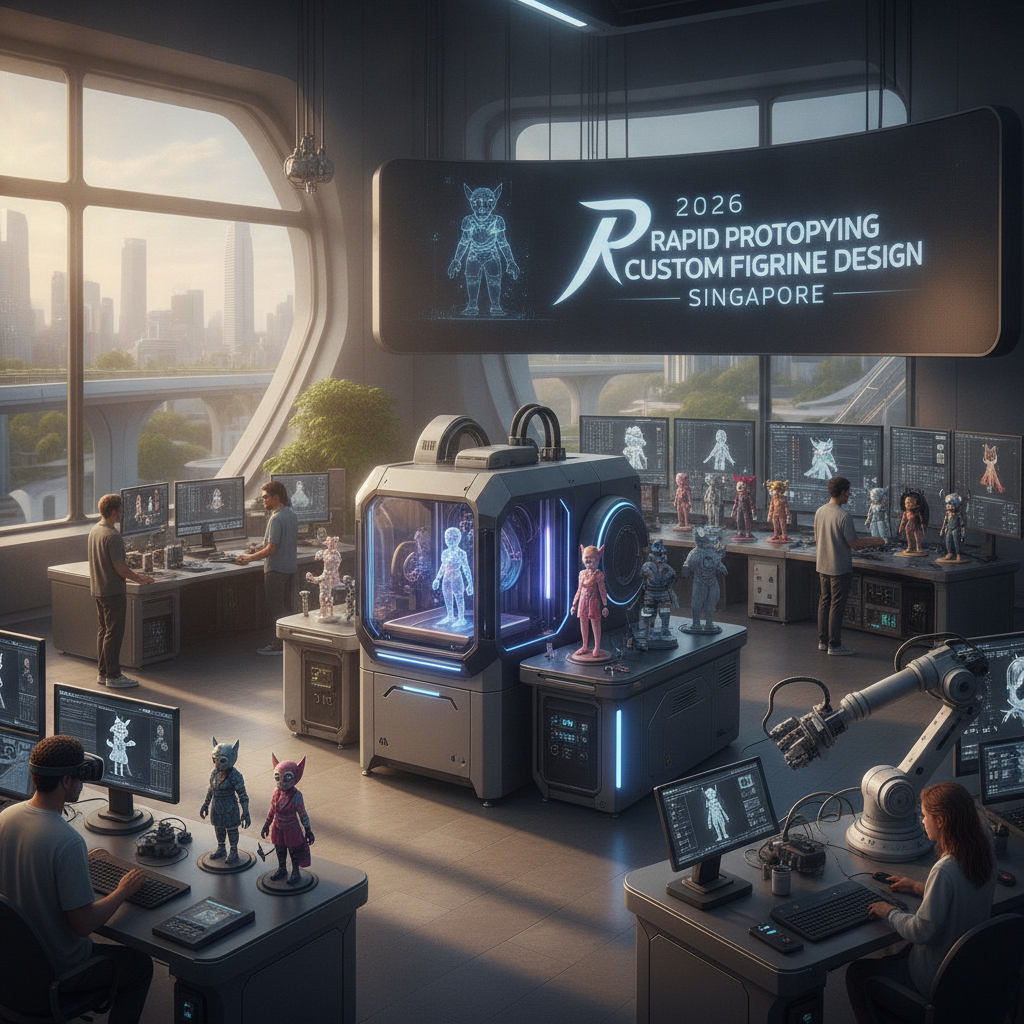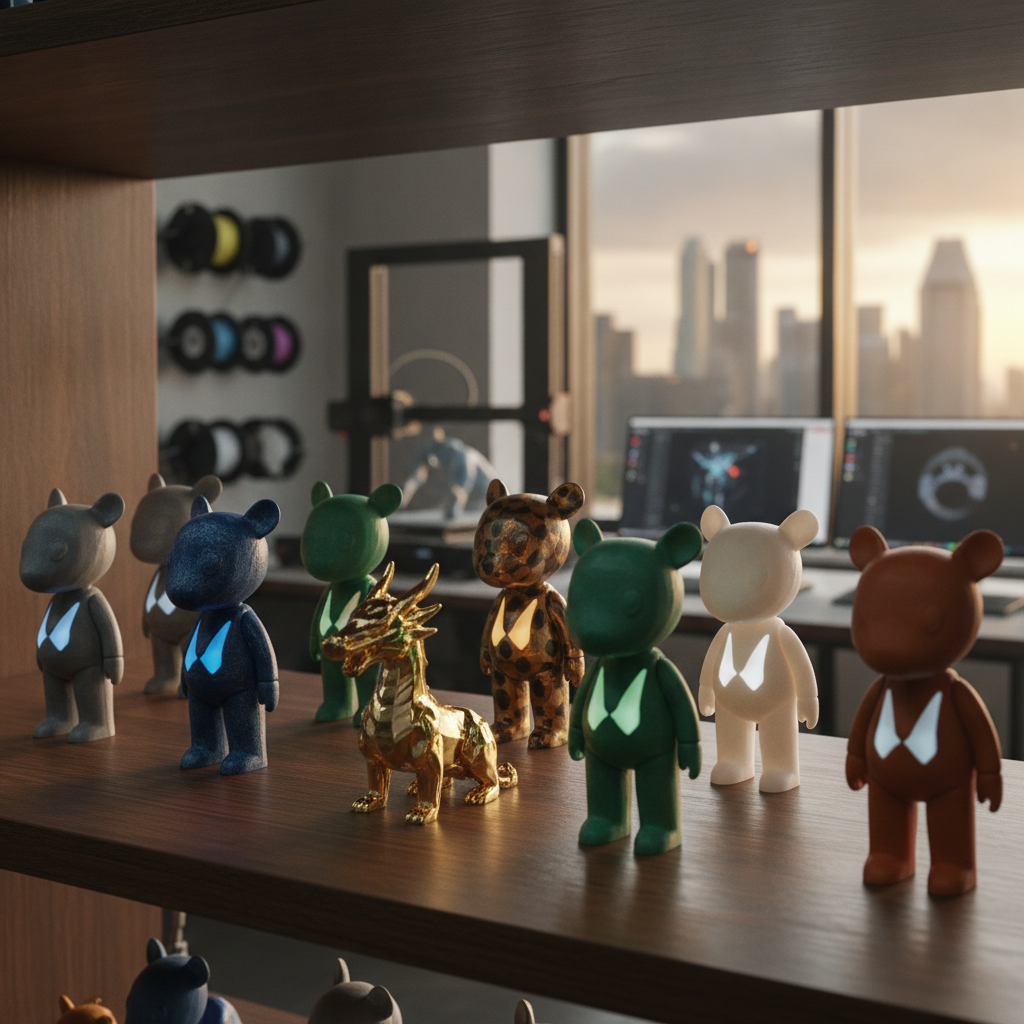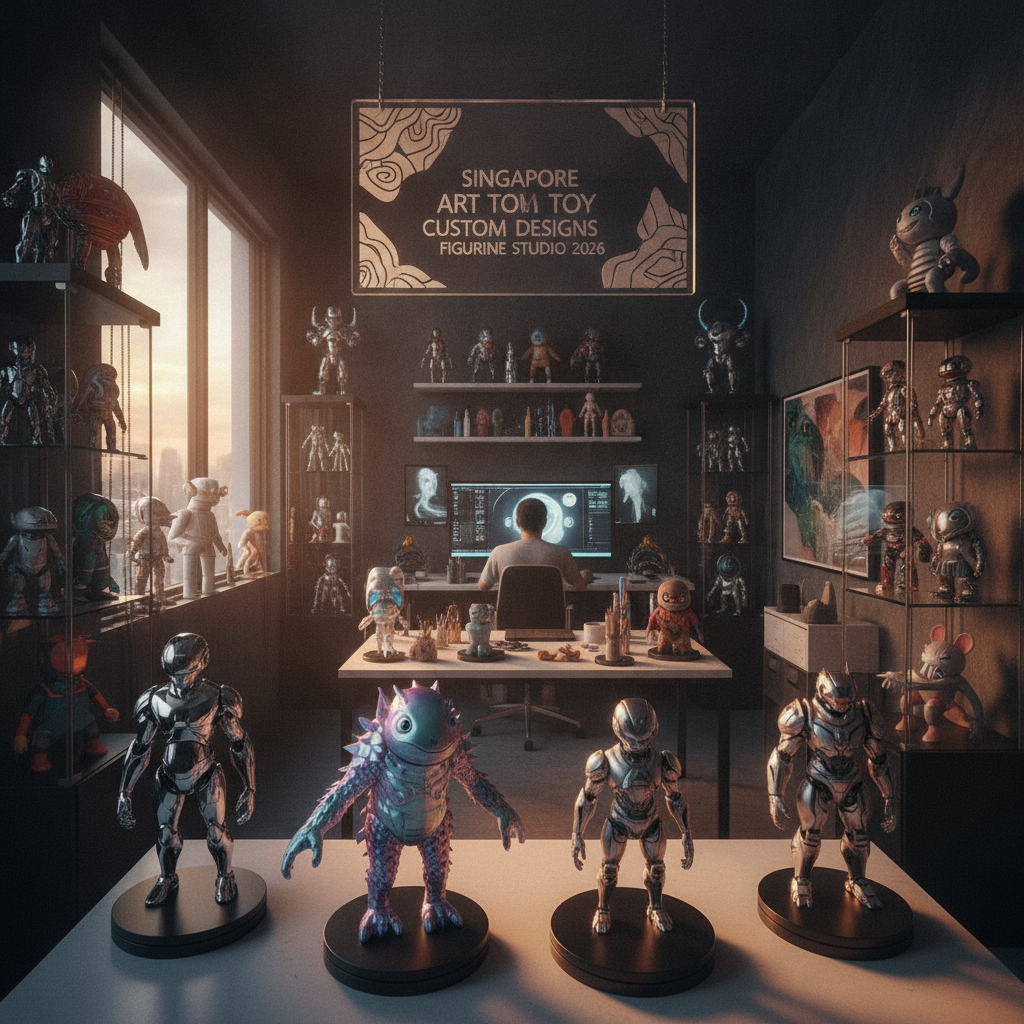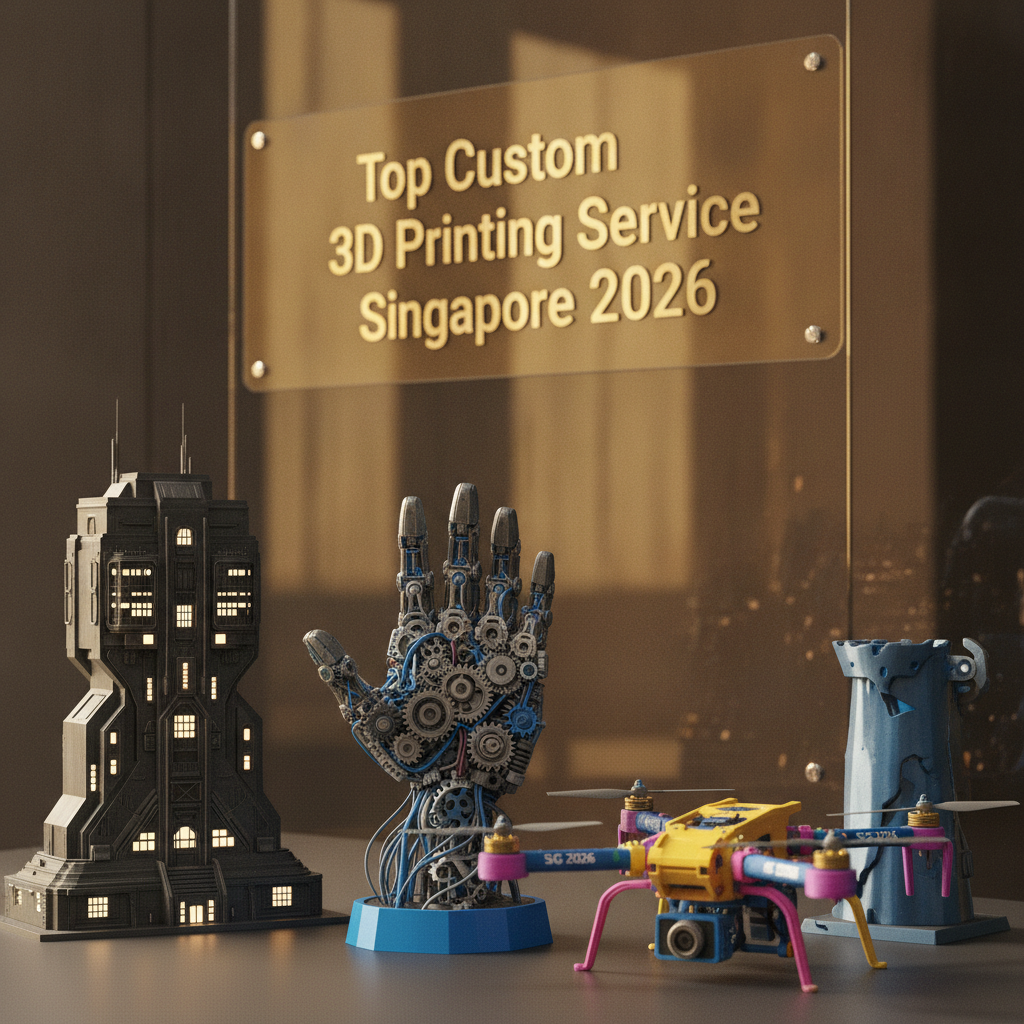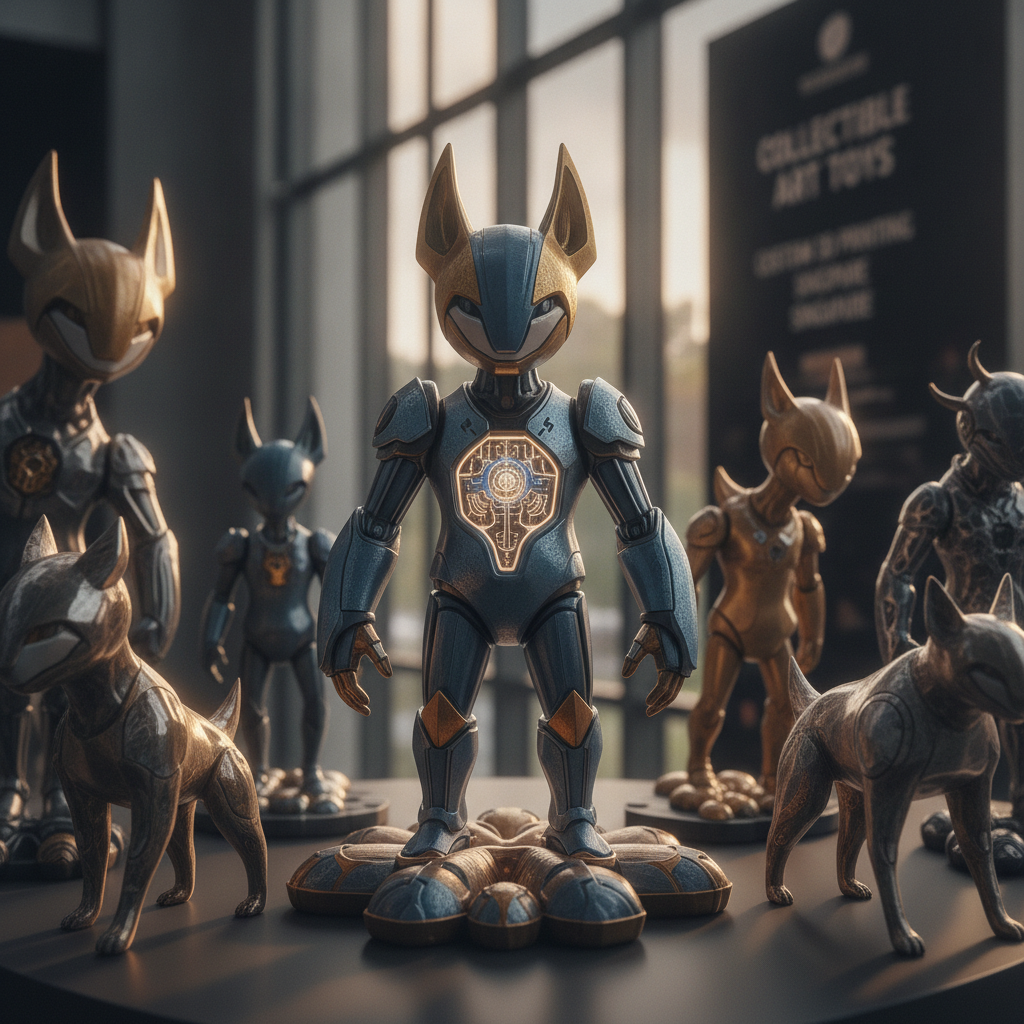
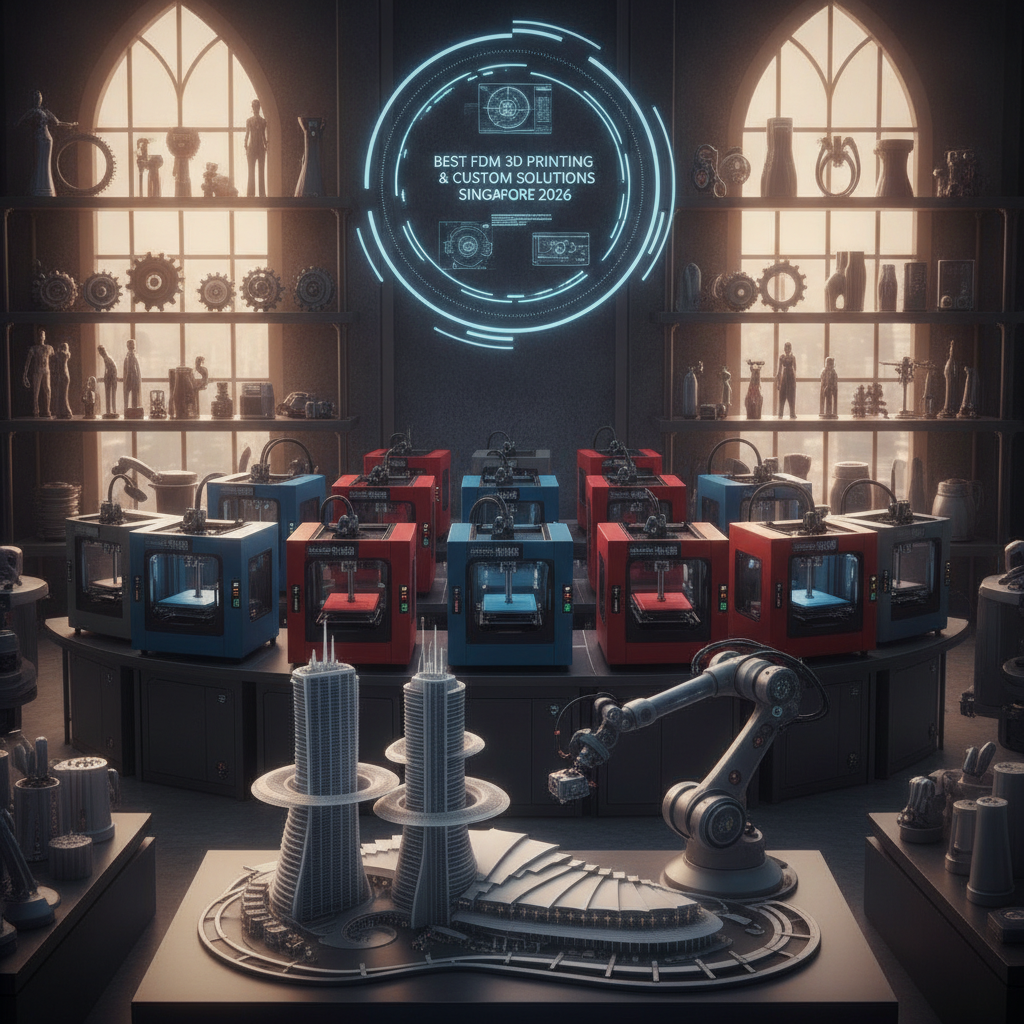

Collectible art toys have moved well beyond niche shelves and private collections. In 2026, they are cultural artifacts, designer statements and viable small-run products. Designers and independent studios increasingly rely on precision fabrication workflows to turn digital concepts into tactile, collectible pieces. At the same time, advances in custom 3D printing Singapore labs and services have made high-fidelity, short-run manufacturing faster, cleaner and more affordable — unlocking new creative and commercial opportunities.
Collectible art toys now combine artistic intent with production-grade engineering. The result is higher detail, consistent quality and the ability to produce limited editions without large upfront tooling costs.
Custom 3D printing in Singapore has evolved into a creative partner rather than just a production step. The most impactful ways it supports collectible art toys include:
These capabilities are particularly accessible through specialized providers and studios that understand the collectible art toy market and can advise on post-processing, paint-ready surfaces and assembly.
The production workflow for a collectible art toy built with custom 3D printing Singapore services typically follows these steps:
This process can be compressed or scaled depending on the edition size. For one-offs and artist proofs the emphasis is on fidelity; for small editions it’s on repeatability and surface consistency.
Not every 3D printing technology is equally suited to collectible art toys. Here’s how to match needs to processes:
Singapore’s service providers often offer hybrid processes — for example, printing a master in high-detail resin and then creating silicone molds for small vacuum or resin-cast editions.
Collectors expect flawless finishes. That means post-print workflows are as important as the print itself. Key finishing techniques include:
Many studios in Singapore provide end-to-end finishing services, including professional in-house painting or partnerships with local artists. This local ecosystem shortens lead times and keeps iterative communication tight between artist and fabricator.
Sustainability has become a meaningful differentiation for collectible art toys. Trends shaping the market in 2026 include:
Singapore’s additive manufacturing providers increasingly offer greener material options and optimized print nesting to minimize material waste. Artists can now communicate an environmental story alongside their limited editions, which resonates strongly with modern collector communities.
For artists and small brands, custom 3D printing Singapore enables business models that were previously prohibitive:
With shorter lead times and local supply chains, teams can react quickly to demand spikes and create scarcity-driven drops that build value.
Collectors buy stories as much as objects. The best collectible art toys in 2026 combine a compelling narrative with excellent craft. Consider these practices:
Singapore’s design community and maker spaces provide a fertile environment for collaborative showcases, pop-up galleries and launch events that amplify a drop.
As art toys grow in value, IP protection and contracts are important. When working with custom 3D printing Singapore providers, consider:
Working with local partners often simplifies legal logistics and quality control, but artists should still protect their designs and plan for enforcement if necessary.
Look for these traits when selecting a studio or service bureau:
Many artists begin with a trusted fabricator for prototypes and then expand to the same partner for limited editions — continuity helps preserve fidelity and reduces surprises.
Collectible art toys and custom 3D printing Singapore are converging into a vibrant ecosystem that champions creativity, precision and sustainable small-batch production. For designers, the benefits are clear: more control, faster iteration and the ability to monetize exclusive pieces without large capital expense. For collectors, the result is better-crafted, more personal and narratively-rich objects.
For practical next steps, explore local studios with portfolios of high-detail toy work, test material samples, and map a production plan that balances artistic intent with manufacturability. With the right partner and workflow, a sculpt can move from screen to shelf in weeks — and secure a place in a collector’s heart for years.
Learn more about how collectible art toys and custom 3D printing Singapore intersect, find resources on limited-edition runs, explore options for high-detail resin printing and discover trusted custom figurine design services.