Why FDM and custom 3D printing matter in Singapore (2026)
In 2026, Singapore’s manufacturing and creative sectors continue to rely on fast, affordable, and locally accessible additive manufacturing. FDM 3D printing Singapore has become a cornerstone for rapid prototyping, functional parts and hobbyist projects because of its cost-effectiveness and wide material choices. At the same time, custom 3D printing Singapore services are driving niche markets — from collectible art toys to precision industrial prototypes.
Local demand is shaped by several trends: shorter product cycles, growing interest in small-batch production, sustainability requirements, and the rise of collectible figurines that need intricate finishes. This article breaks down what to expect, how to choose a service, and practical tips to get high-quality results from FDM and custom providers in Singapore.
FDM 3D printing Singapore: the basics and why it’s still relevant
Fused Deposition Modeling (FDM) uses thermoplastic filaments melted and extruded layer by layer. Its popularity is driven by affordability, speed, and a wide range of engineering and aesthetic materials:
- Common filaments in Singapore: PLA for low-stress models, PETG for chemical and UV resistance, ABS/ASA for mechanical parts, and TPU for flexible components.
- Newer composite filaments: carbon-fiber or glass-filled PETG/PA blends for increased stiffness and functional use.
- Large-format FDM: expanding capability for bigger prototypes without assembly overhead.
Why pick FDM in Singapore? Short lead times and lower per-part costs make it ideal for iterative design and functional testing. Many local bureaus and makerspaces offer finishing services (sanding, priming, painting) that lift FDM parts closer to production quality.
Custom 3D printing Singapore: what “custom” can mean
Custom 3D printing covers bespoke projects — tailored figurines, limited-run collectibles, engineered end-use parts, and hybrid assemblies combining multiple technologies. In Singapore this often includes:
- Design-for-manufacture feedback and CAD optimization.
- Multi-material or multi-process workflows (FDM base + resin detail or CNC finishing).
- Surface finishing and color-matching for art toys and prototypes.
- Small-batch production runs with quality control and packaging.
If you need a single perfect prototype or a 100-unit limited run, custom 3D printing Singapore providers can tailor materials, tolerances and post-processing to your project requirements.
How to choose between FDM and other processes for your project
Ask these practical questions:
- Function vs. appearance: Is the part functional (mechanical stress, heat) or primarily aesthetic? FDM is great for functional prototypes; SLA/resin excels at fine surface detail.
- Material requirements: Do you need UV stability (ASA), chemical resistance (PETG), flexibility (TPU) or high stiffness (CF-filled)? Choose a material and a provider that stocks it.
- Tolerances and fit: For tight tolerances and small features, consider higher-resolution technologies or a combination (e.g., FDM for structure + resin for fine surfaces).
- Budget and lead time: FDM tends to be cheaper and faster for larger parts; custom services that include finishing will increase cost but reduce hands-on time.
A local consultation often clarifies the best path — many Singapore firms offer free quoting and design reviews.
What to expect on pricing and lead times in 2026
Pricing depends on material, part volume, post-processing and finishing. Typical ranges in Singapore:
- Simple FDM prototype (small): modest flat fee + material cost. Expect 1–3 business days for simple jobs.
- Medium complexity (assembly, multicolor, sanding/priming): 3–7 business days.
- High-finish custom collectibles (paint, color matching, vinyl decals): 7–14+ days, depending on hand-finishing.
Bulk or repeat orders usually unlock discounts and streamlined scheduling. If time-sensitive, ask about express runs or local inventory of common filaments. Many studios also provide staged delivery — prototype first, then a refined small run after your feedback.
Materials and sustainability — what’s new for 2026
Sustainability is front and center. Options include recycled PETG and bio-based PLA blends. Singapore’s greener initiatives mean more service bureaus offer filament recycling programs and certify material sources.
Functional updates:
- High-temp engineered filaments (PEEK/PPSU) remain niche but are more accessible through local partners for specialised industries.
- Composite filaments (carbon/glass-filled) for stiff lightweight parts are mainstream for functional prototyping.
If sustainability matters to your brand or project, request material data sheets and disposal/recycling policies from providers.
Post-processing and finishing — turning prints into final products
The raw output from FDM often needs finishing for consumer-ready appearance. Common post-processing steps available in Singapore custom shops include:
- Sanding and priming for smooth surfaces.
- Vapor smoothing (for ABS) to reduce layer lines.
- Painting and airbrushing with color matching for collectibles.
- Assembly, gluing, and mechanical insert installation (metal threads, bushings).
- Clear coats, texturing and decal application for branding.
A strong provider will offer before-and-after photos of similar projects; request samples to evaluate finish quality.
Local market strengths: why use a Singapore-based provider
- Proximity: faster iteration cycles and lower shipping risk if you need revisions.
- Communication: easier coordination across time zones and in-person proofing.
- IP protection: working locally simplifies NDA and IP agreements.
- Integration: access to additional services like packaging, product photography, and small-batch assembly.
For creative sectors like collectible art toys, local studios often provide a full service from concept to finished product — consult their portfolio for examples.
Practical checklist before sending files to a service
- File format: STL or OBJ are standard; some shops request native CAD for assemblies.
- Wall thickness and tolerances: minimum 0.8–1.0 mm for most FDM parts, but check material-specific limits.
- Orientation and support needs: let the provider advise on optimal print orientation to reduce supports and improve strength.
- Assembly features: include holes for screws, slots and alignment features in your CAD when you need post-assembly.
- Color and finish references: provide Pantone values or photos if color accuracy matters.
A pre-print consultation avoids surprises and saves cost.
Case use: collectibles and designer toys — getting museum-quality finishes from FDM
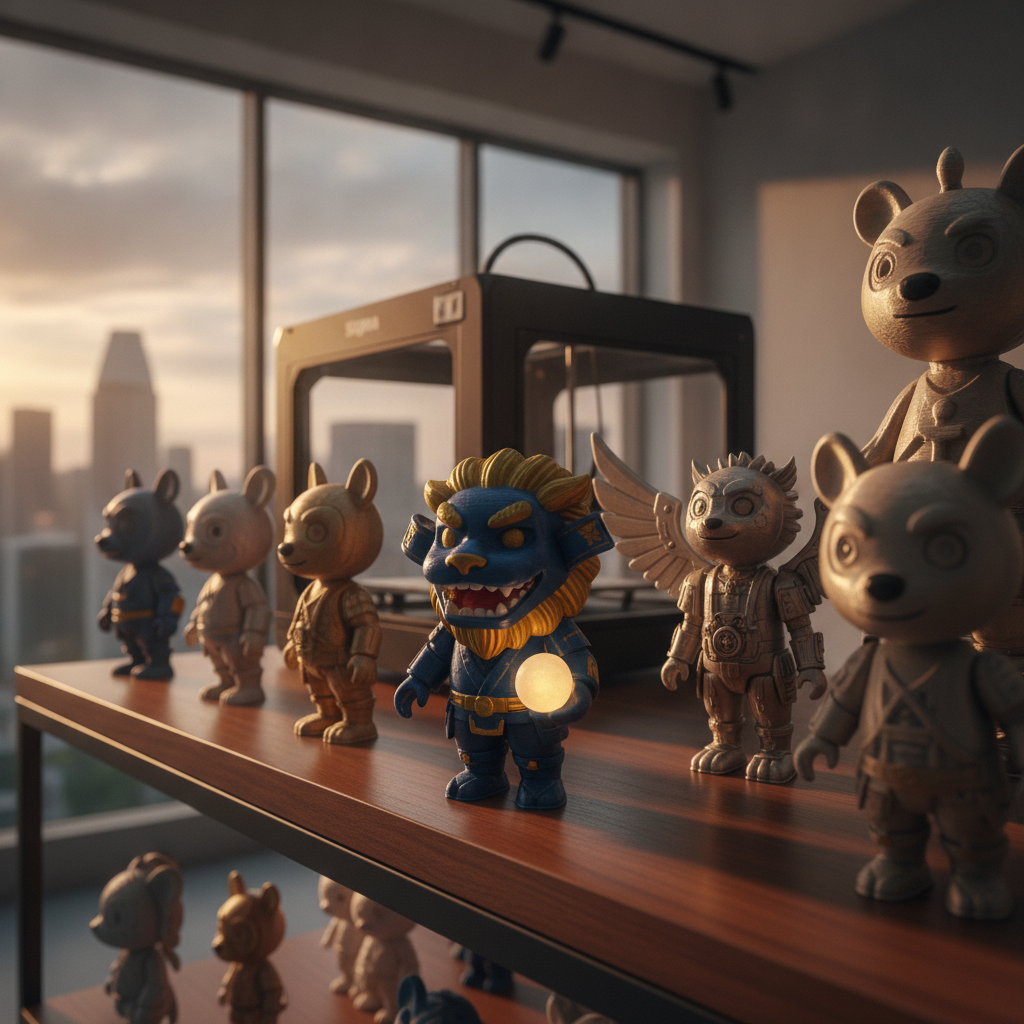
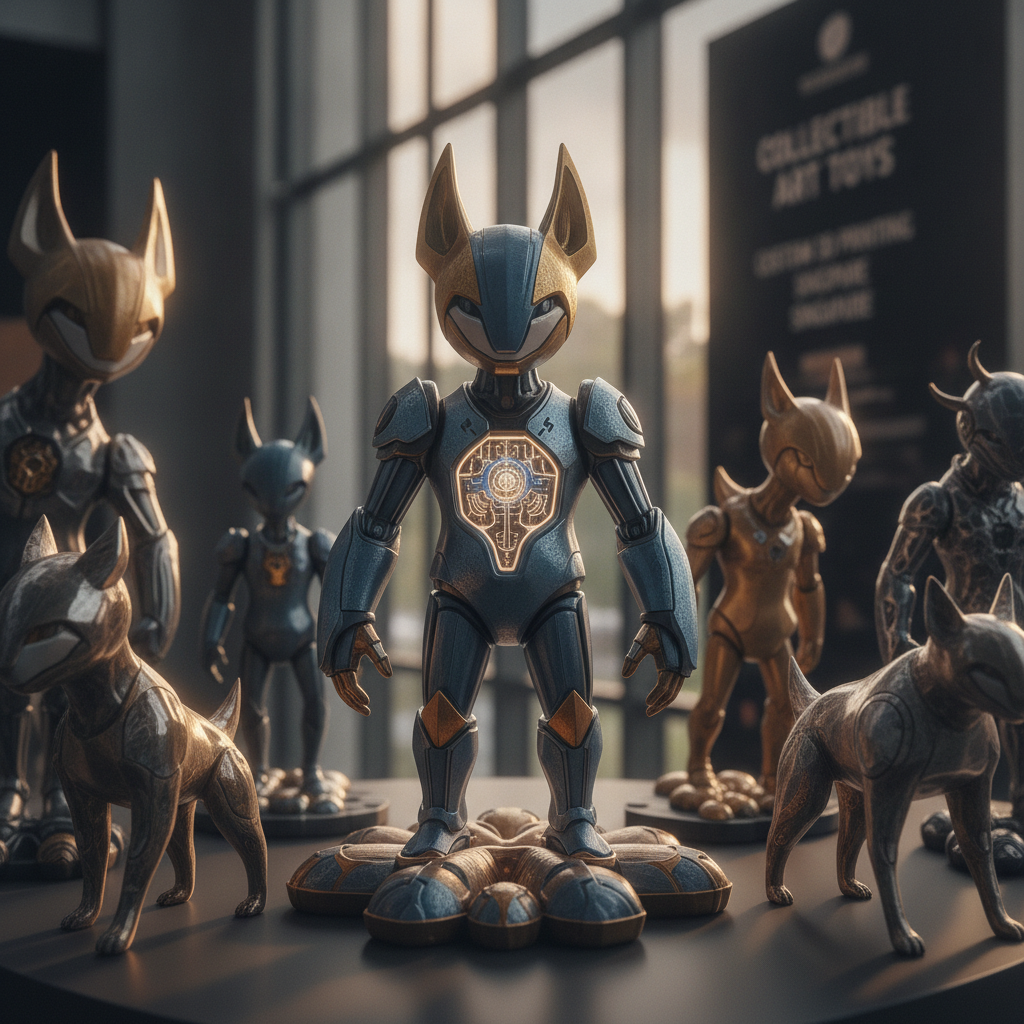
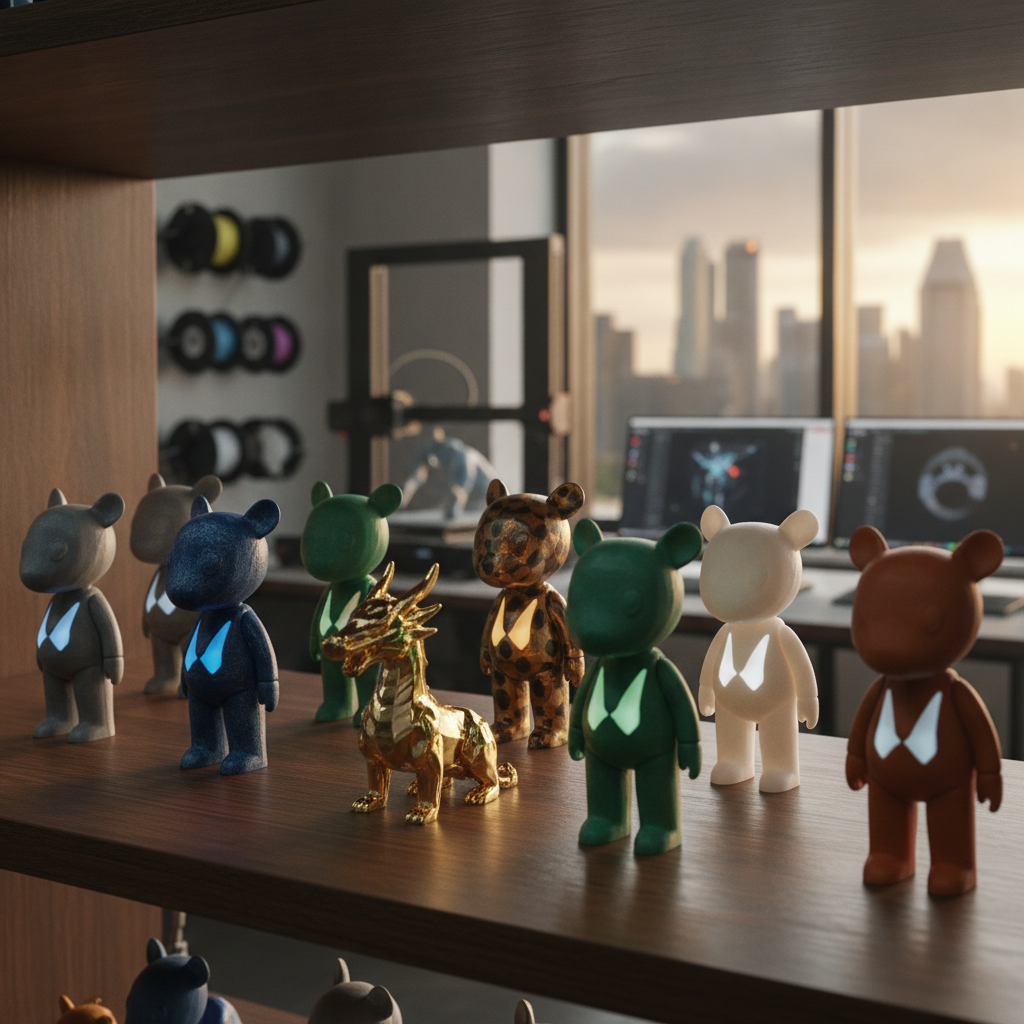
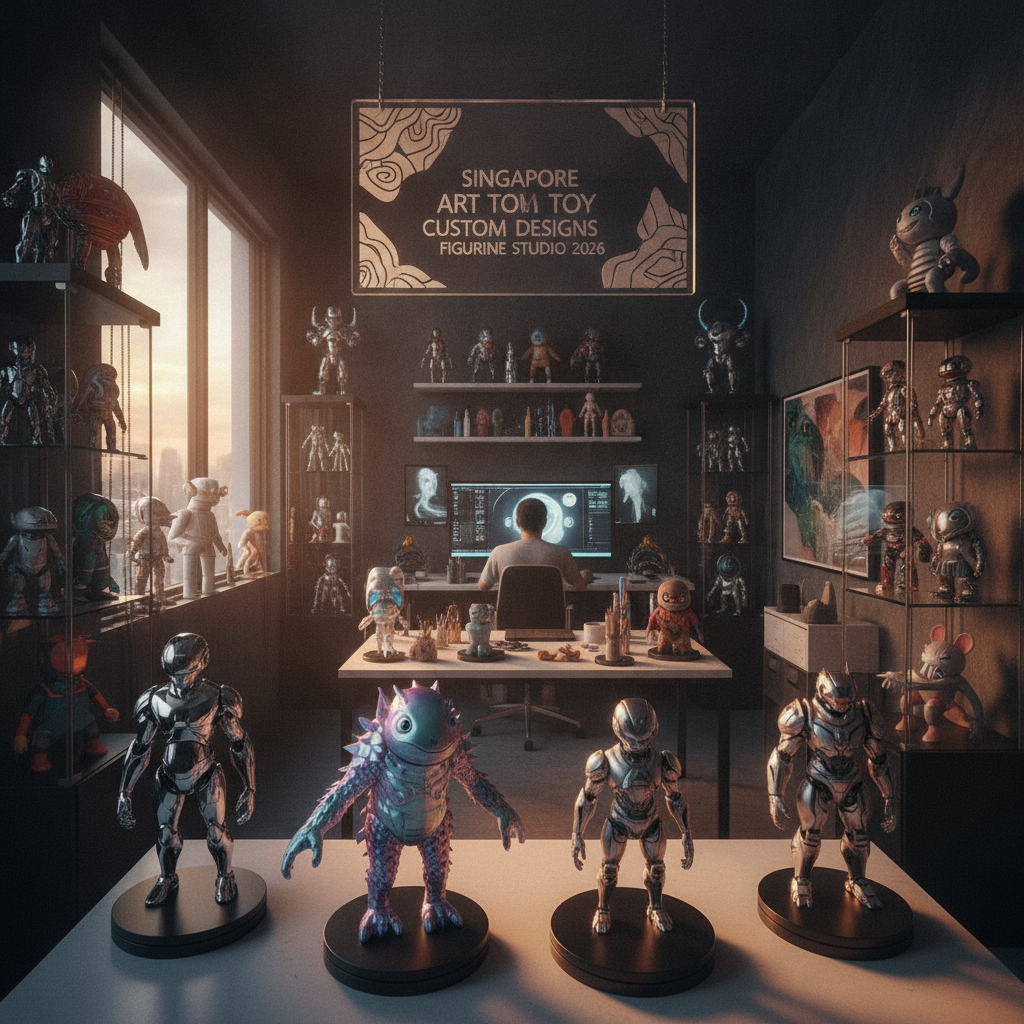
The collectibles market in Singapore continues to innovate through hybrid workflows: FDM produces the structural core or large components, while high-detail resin prints or CNC finishing add surface fidelity. Providers then apply multi-stage painting and coatings.
If you’re producing figurines or art toys, consider:
- Using FDM for hollow armatures that reduce material and enable internal supports for wiring or electronics.
- Outsourcing finer features to resin or post-milling critical faces.
- Allocating budget for hand-painting if you want a limited-edition artisanal feel.
Several local studios showcase collectible projects and process stories online — review portfolios to gauge their aesthetic match to your vision.
How to work with a local studio: communication tips
- Share a short brief: intended use, target audience, expected units, and budget range.
- Ask for a staged quote: prototype cost, per-unit cost for small batch, finishing cost.
- Request sample photos and an estimated timeline with milestones.
- Sign an NDA if IP or novel designs are involved.
Remember: a good partner will give constructive DfM suggestions that reduce cost and improve reliability.
Emerging tech and trends to watch in Singapore 2026
- AI-assisted slicing: automated optimizations that balance strength, print time and material use.
- Multi-material FDM heads: enable combining flexible and rigid materials in a single print for more complex parts.
- Integrated color printing: color-mixing extruders are getting better for photorealistic surfaces.
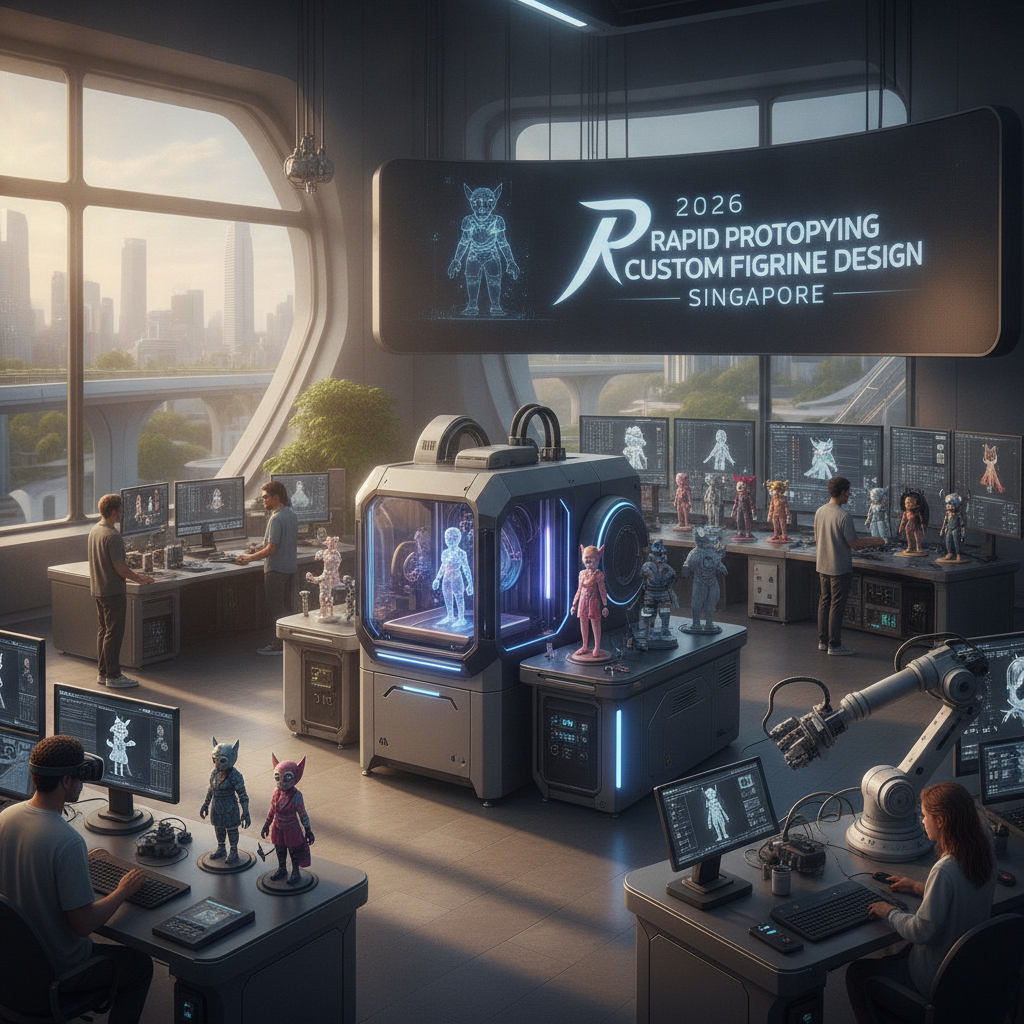
- Localized micro-factories: small Singapore labs offering end-to-end production for design-led brands.
These trends improve turnaround, quality and the range of feasible projects for local creators and SMEs.
Quick comparison: when to choose FDM vs. full custom service
- Choose FDM 3D printing Singapore when: you want quick, low-cost functional prototypes, large parts or test-fits. Ideal for engineering iterations.
- Choose custom 3D printing Singapore services when: you need high-quality finishes, color accuracy, packaging and a complete small-batch workflow.
Many projects benefit from a hybrid approach — start FDM for structure, then use custom finishing to achieve product-ready aesthetics.
Final tips for a successful 3D printing project in Singapore
- Start with a conversation: local providers can quickly assess feasibility and cost.
- Be realistic about finishing: hand-finishing elevates costs but is often necessary for retail-ready pieces.
- Budget for iteration: the fastest path to success is one prototype, one refinement, then a small pilot run.
- Ask for references and portfolios: real-world examples reveal a shop’s strengths.
If you’re exploring studios, check portfolios that showcase both FDM and finished collectibles to ensure they can deliver the final look you want.
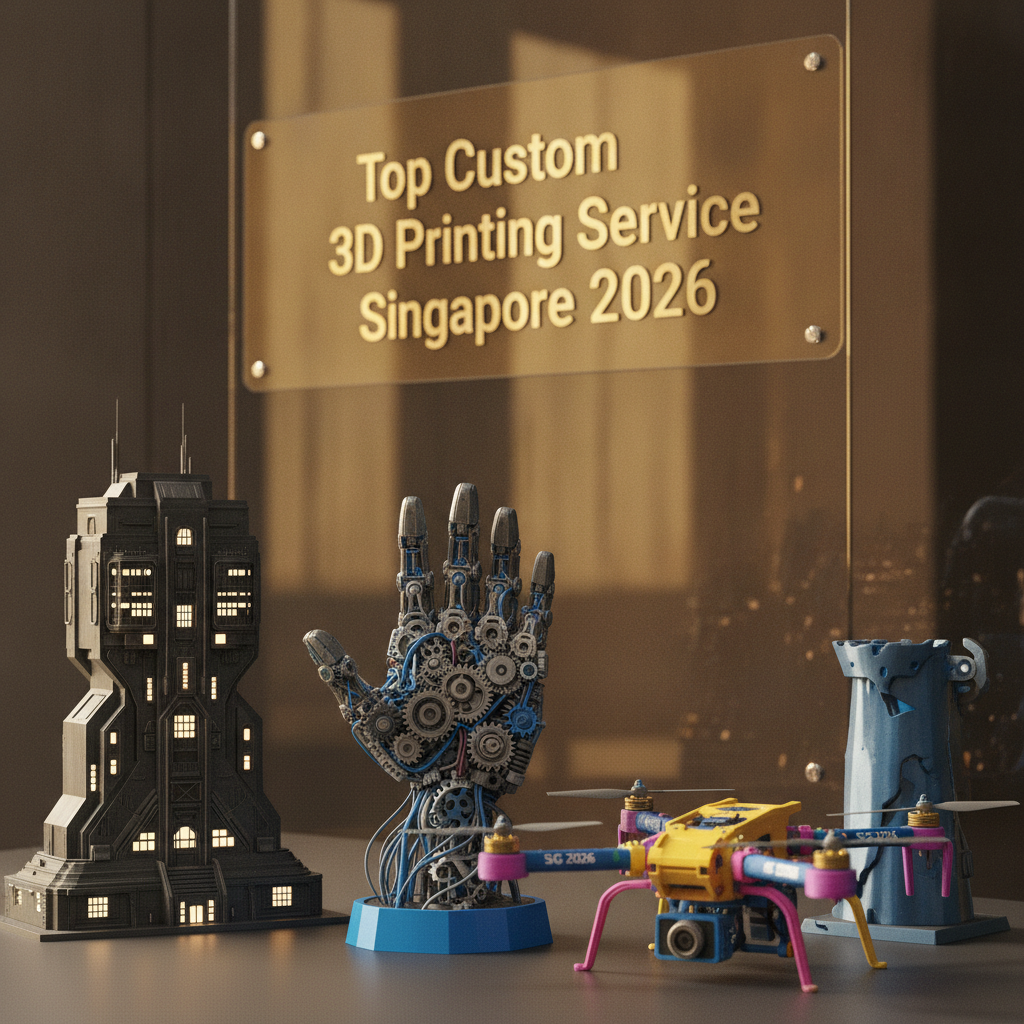
Explore local service portfolios to compare styles and finishing options, or read case studies on collectible art toys and custom processes. For rapid prototyping and figurine design, review detailed project breakdowns at rapid prototyping examples. If you’re focused on market-ready collectible production, find guidance on how custom 3D printing fuels collectible art. Finally, if you need a shortlist of providers, check curated lists of the top custom 3D printing services in Singapore.
By balancing material choice, realistic timelines and clear communication, you can leverage FDM 3D printing Singapore and custom 3D printing Singapore services to launch prototypes and limited-run products that stand out in 2026’s competitive market.