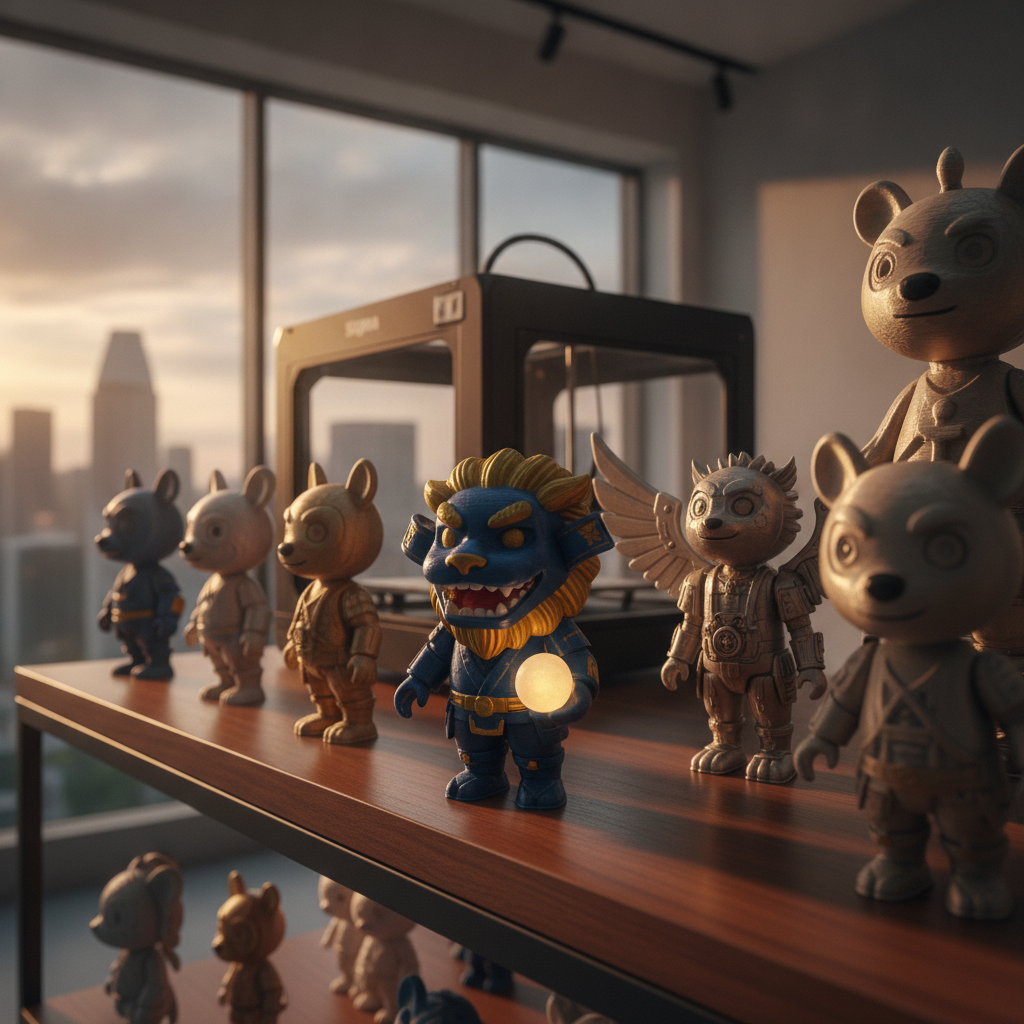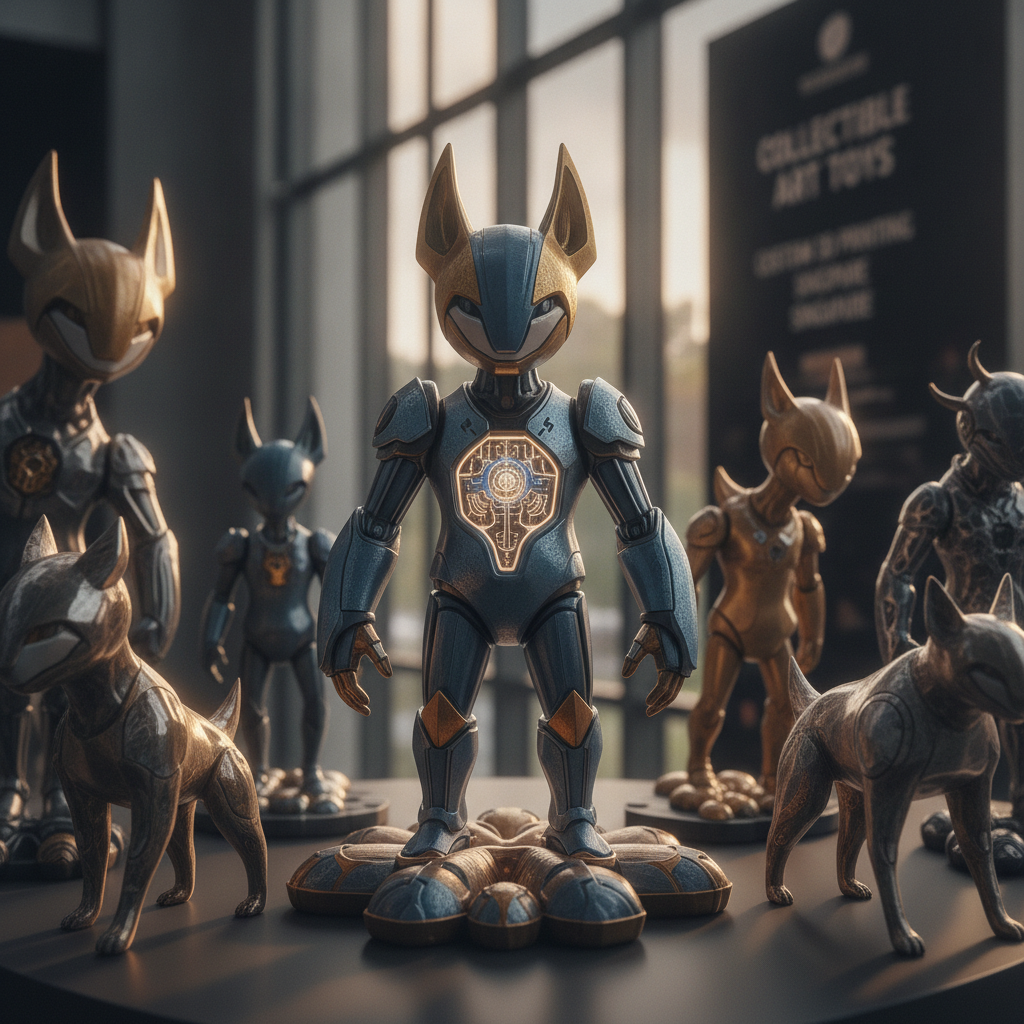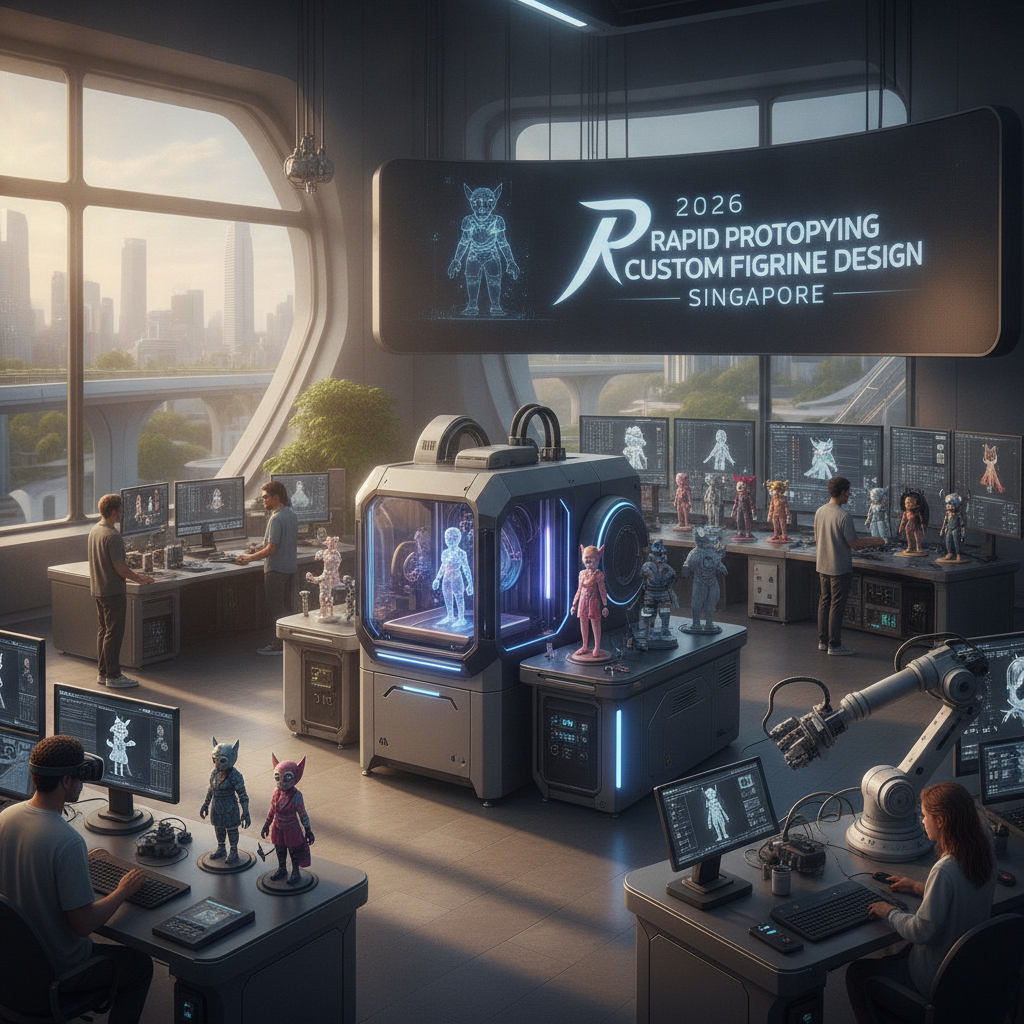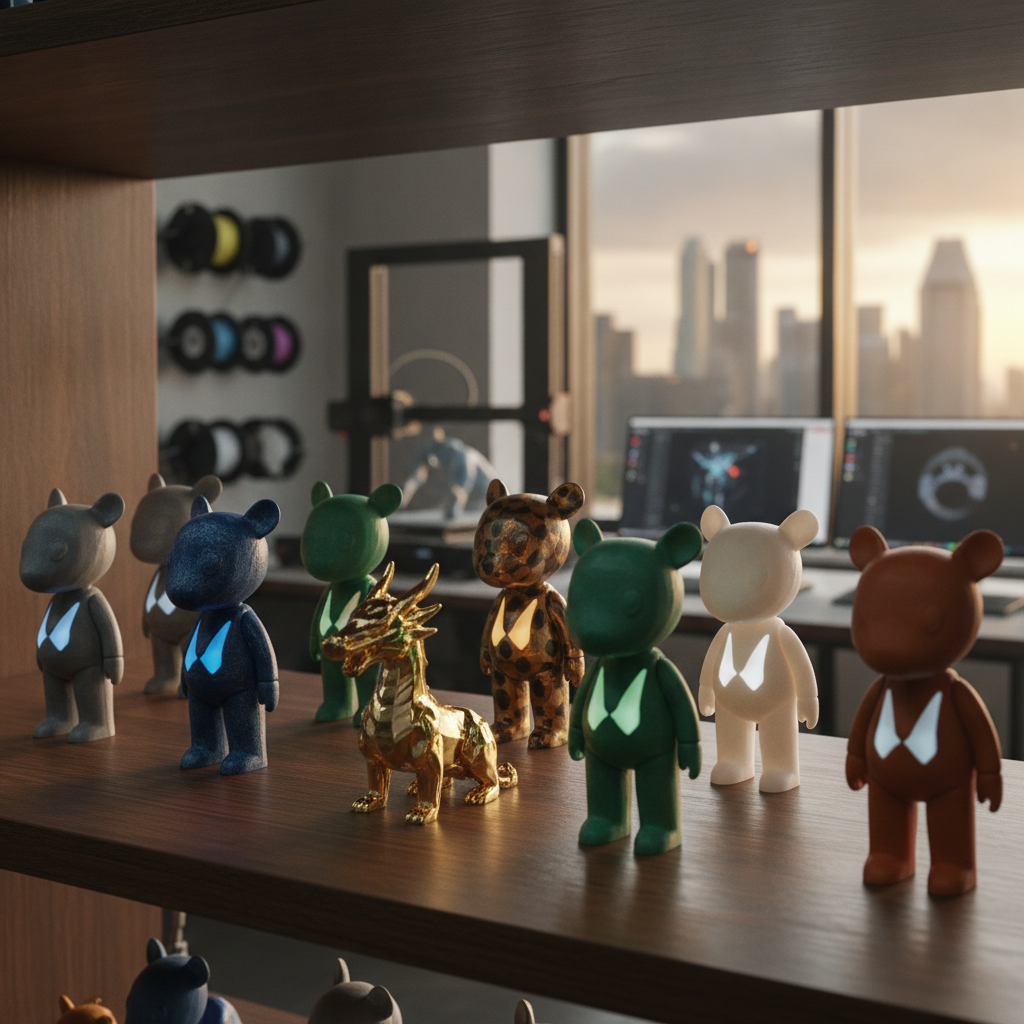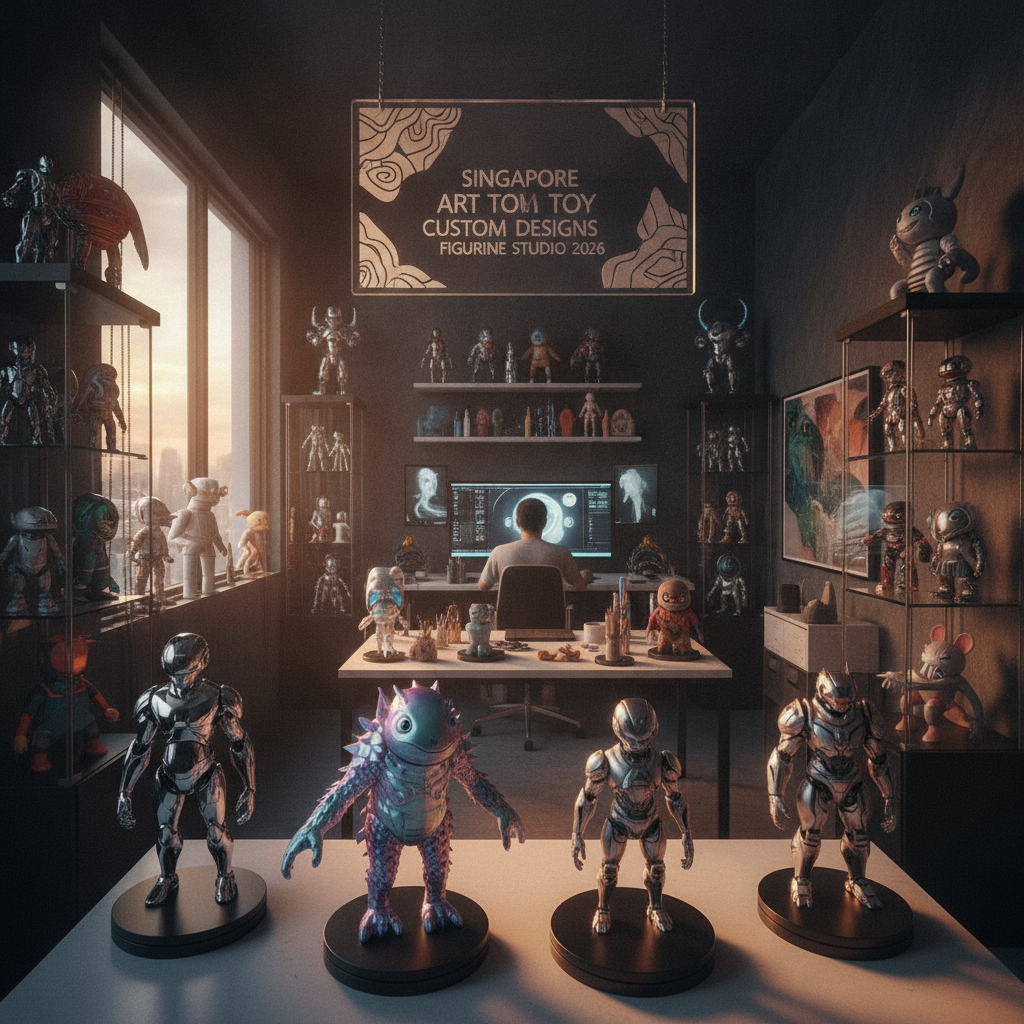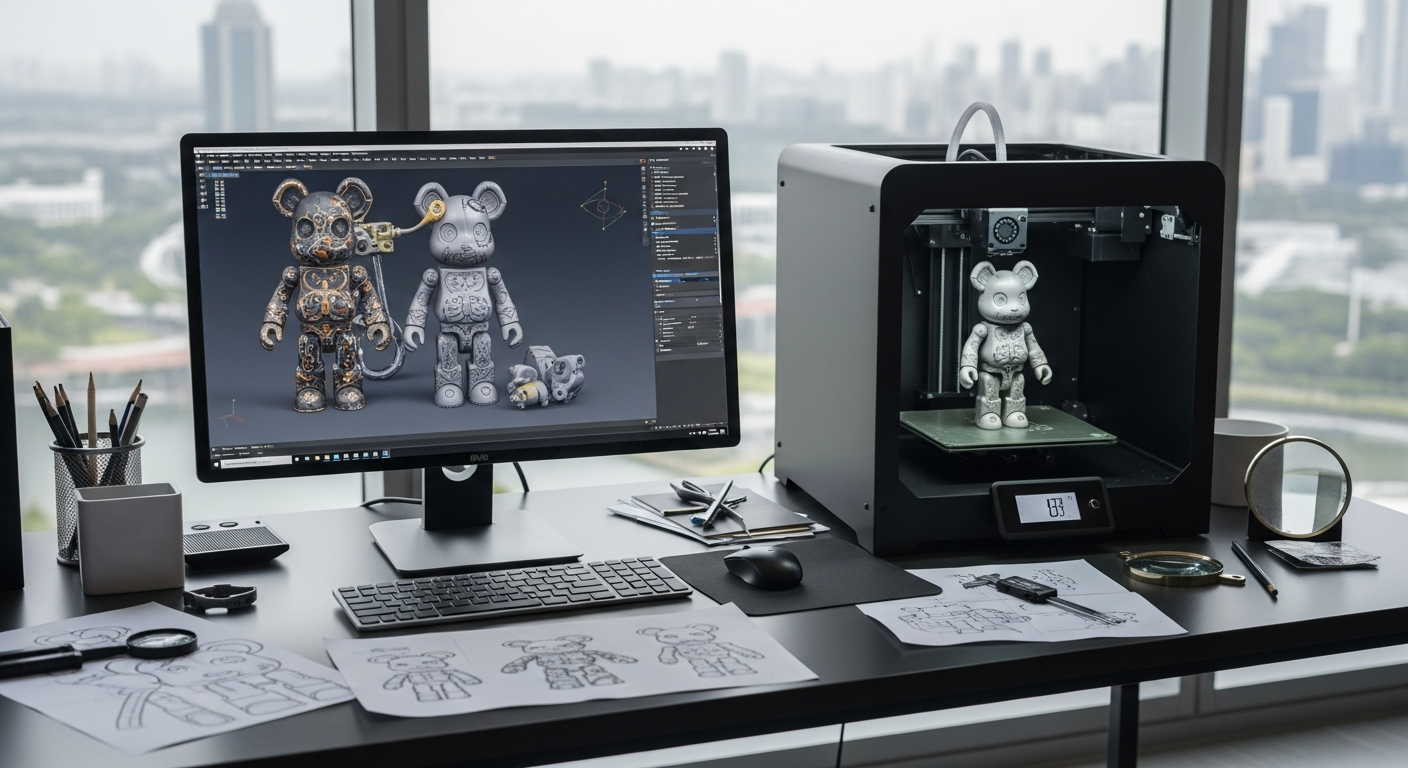
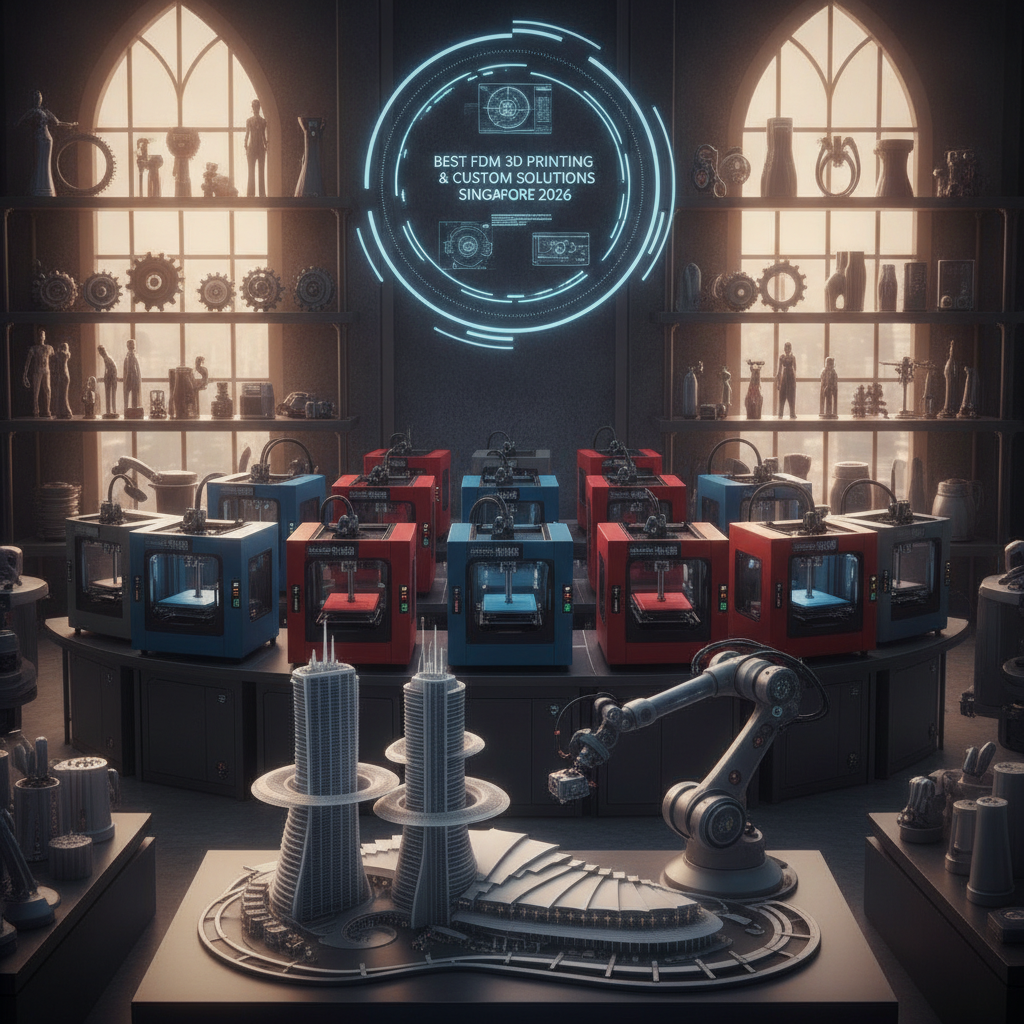

The collectible art toy market has matured from weekend blind-box drops to curated, high-value limited edition art toys that collectors actively track and invest in. In 2026, designers and studios increasingly rely on precise CAD modeling Singapore workflows to bridge creative concepts and production-ready pieces. CAD is no longer just for engineers — it is the backbone of designer drops, tooling-ready prototyping, and scalable small-batch manufacture.
This article explains practical CAD strategies, current trends you should watch, and how Singapore’s ecosystem supports turning toy concepts into market-ready limited editions.
CAD modeling Singapore brings several measurable benefits to designer toy projects:
For limited edition art toys, where finish quality, tight tolerances, and repeatability are essential, CAD lets creators preserve artistic detail while meeting manufacturing constraints.
A robust pipeline typically follows these stages:
Cross-functional collaboration between artists and CAD modelers is essential. In Singapore many teams combine artistic sculpting with industrial CAD to maintain character while ensuring manufacturability.
For toy design, file selection matters:
Tolerance planning should reflect production method. Typical guidelines:
Singapore modelers often prepare two sets of files: a high-detail sculpt for presentation and a manufacturing variant optimized for assembly and tooling.
Singapore has a dense network of prototyping services that specialize in collectible art toys and figurines. Rapid prototyping accelerates time-to-market and validates design decisions early. If you need prototyping or figurine design, local studios offer turnkey services from CAD to finished prototypes — see examples of regional expertise in rapid prototyping and custom figurine design.
(Anchor links to reference services for readers)
These partners can iterate physical proofs quickly, helping you finalize scale, articulation, and finish before committing to larger runs.
A hybrid approach is common: high-detail faces and hands printed in resin, larger body shells in FDM or SLS, and production parts molded for consistency.
Limited edition art toys often carry licensing and resale value. CAD modeling Singapore workflows should therefore consider:
These features increase perceived value and reduce risk during production.
PBR materials, textured UV maps, and real-time rendering enable collectors and buyers to preview limited edition variations before production. Use GLB or interactive 3D viewers on product pages to showcase paint variants and metallic or pearlescent finishes.
Singapore studios that specialize in custom figurine and lifestyle product design often provide these visualization assets alongside physical prototypes to market limited edition drops with confidence: https://artsoustudio.com/custom-figurine-and-lifestyle-product-design-singapore-2026/
Limited runs prioritize quality over unit cost, but realistic budgeting can make or break a release. Key levers:
Singapore-based workshops are experienced in helping designers balance art direction with cost-efficient manufacturing. For teams exploring different 3D printing technologies, resource pages about top 3D printing services can offer practical comparisons: https://artsoustudio.com/top-3d-printing-service-singapore-for-figurine-design-2026/
Finish is everything for limited edition art toys. Typical steps include:
Many studios in Singapore combine high-end finishing with local craftsmanship to create final pieces that meet collector expectations — from matte vinyl aesthetics to gloss lacquered showpieces.
Sustainability is increasingly important to collectors and creators. Trends to watch:
Designers using CAD modeling Singapore pipelines can quantify material use early, choosing options that balance aesthetic needs with environmental concerns.
Best-practice checklist for launching limited edition art toys using CAD modeling Singapore workflows:
For designers exploring the collectible toy space, resources on collectible art toys and limited edition designer drops provide inspiration and supply-chain perspectives: https://artsoustudio.com/collectible-art-toys-2026-limited-edition-designer-drops/
If you plan to experiment with FDM as part of your build strategy, check out technical guidance for collectible art toys using FDM 3D printing: https://artsoustudio.com/collectible-art-toys-with-fdm-3d-printing-singapore-2026/
Limited edition art toys succeed at the intersection of storytelling, finishing, and precision engineering. In 2026, CAD modeling Singapore teams are enabling designers to preserve sculptural intent while ensuring pieces are manufacturable, collectible, and repeatable. By adopting a disciplined CAD workflow, partnering with experienced prototyping services, and embracing new materials and finishing trends, creators can deliver drops that command attention in a crowded market.
Summary actions:
The right combination of creative direction and engineering rigor will help your next limited edition art toys reach collectors beautifully and reliably.