Introduction
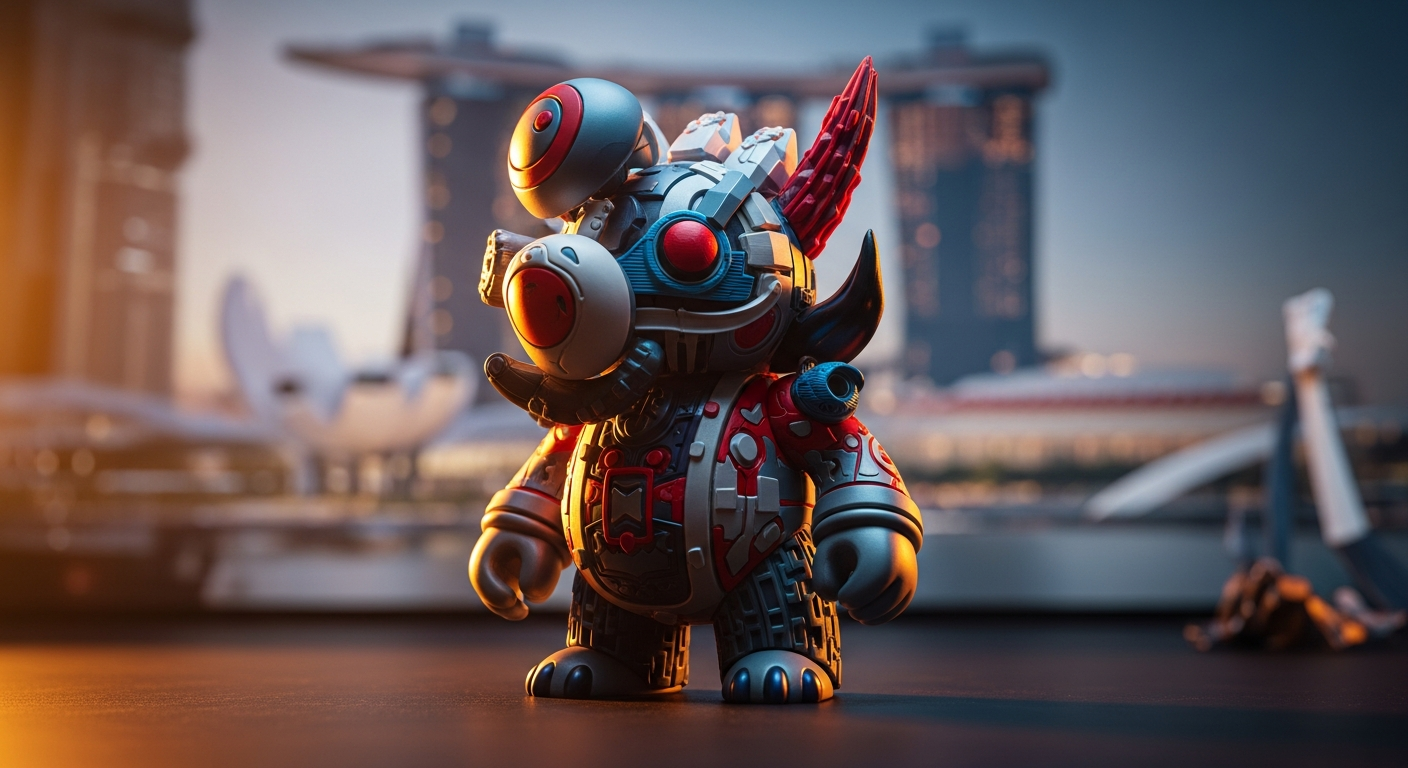
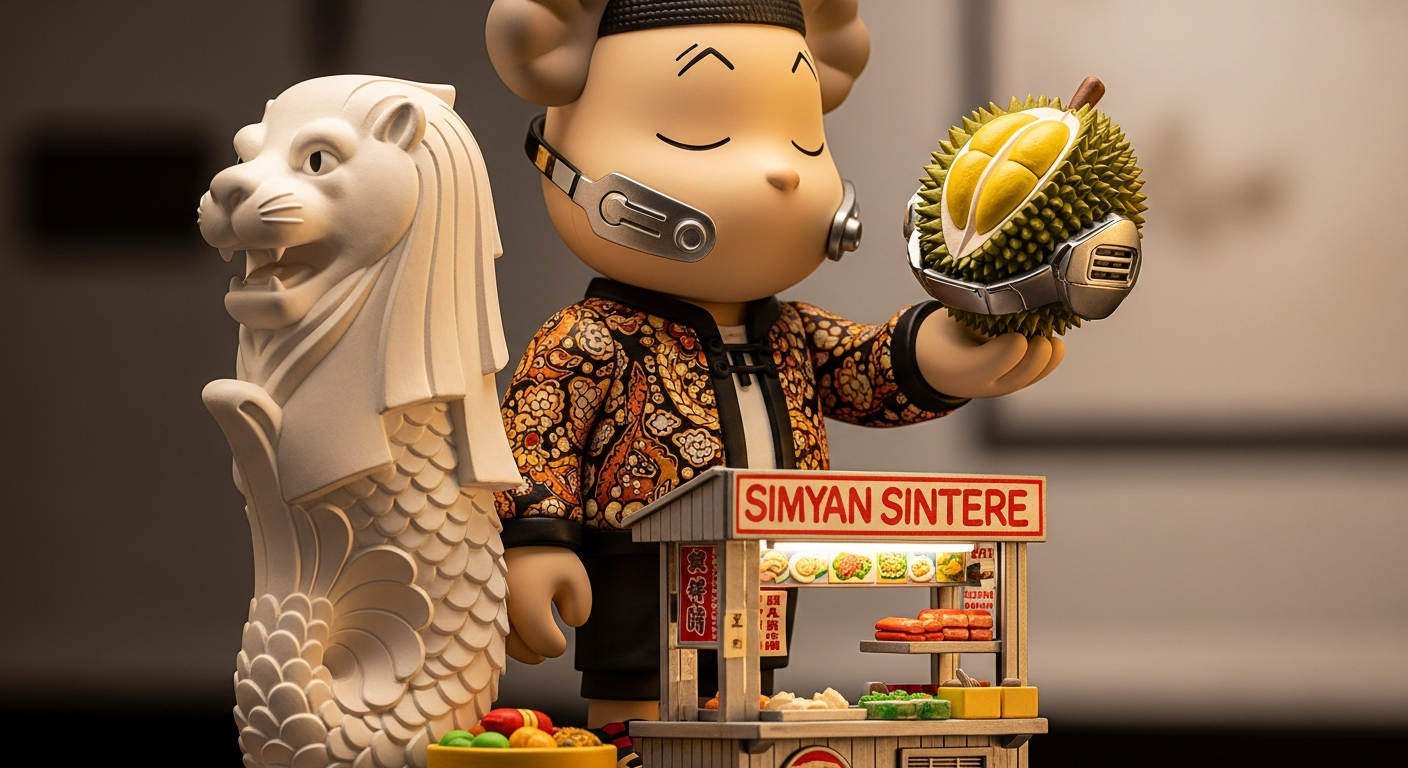
Singapore’s maker and creative communities have pushed 3D printing from prototyping labs into the mainstream of collectible art and custom figurine design. Whether you’re an independent artist, a boutique toy label, or a corporate client commissioning brand mascots, choosing the right 3d printing service singapore and partner for custom figurine design singapore can make the difference between a good print and a gallery-ready collectible.
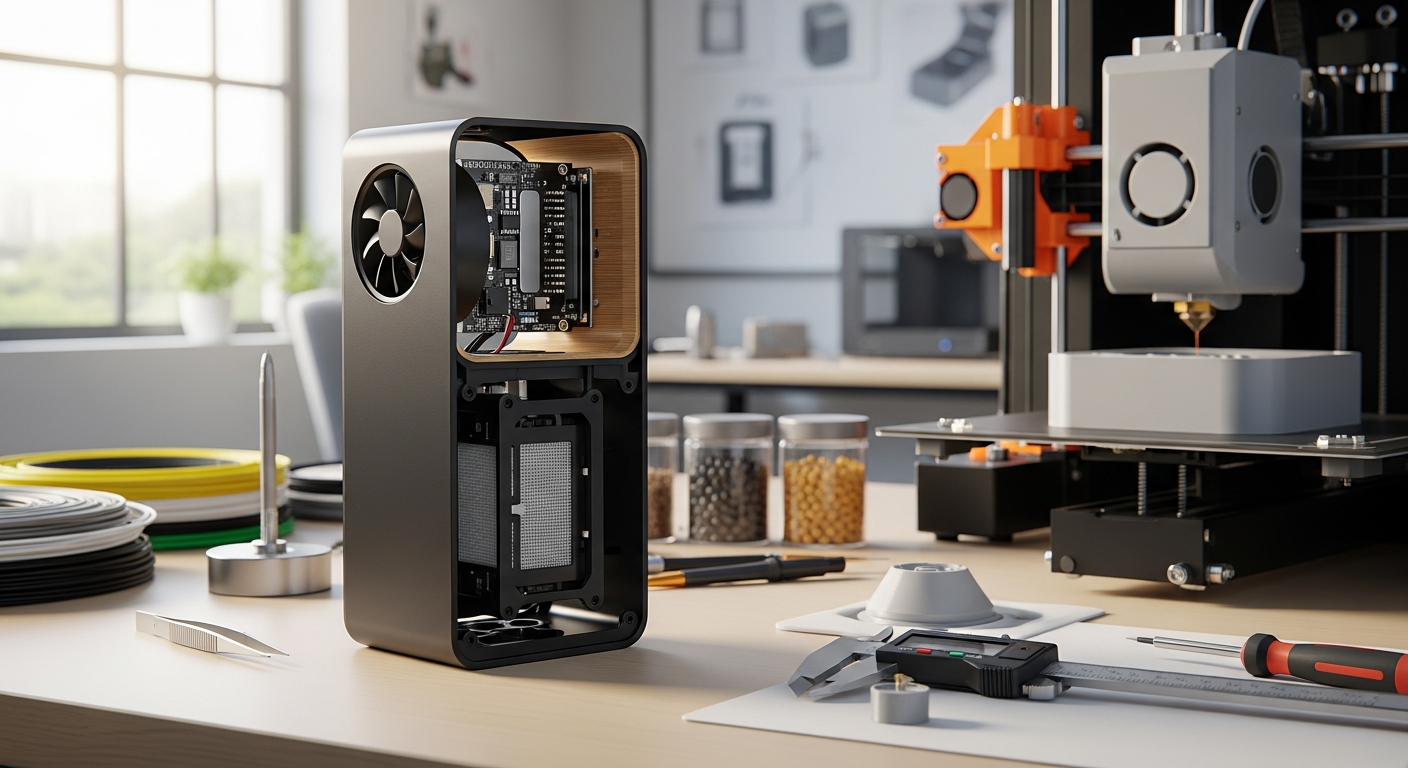
This guide walks through the practical choices you need to make in 2026: technology and material selection, finishing and painting options, pricing and lead times, plus the trends shaping figurine production today.
Why 3D Printing for Figurines?
3D printing offers unmatched flexibility for small-batch and one-off figurines. Key benefits include:
- Highly detailed geometry: SLA/MSLA and PolyJet systems reproduce fine features and textures ideal for character sculpting.
- Rapid iteration: Designers can test multiple poses, scales and accessories quickly without costly tooling.
- Cost-effective low-volume runs: For limited-edition art toys and custom commissions, on-demand 3D printing avoids expensive molds.
- Personalization and mass customization: Variable features like facial expressions, colors, or serial numbering are practical at scale.
These advantages are why many creatives now search for a reliable 3d printing service singapore that also offers expert support in custom figurine design singapore.
Key 3D Printing Technologies for Figurines
Understanding which printing process suits your project is crucial. Common technologies used for figurines in Singapore include:
- SLA / MSLA (Resin): Best for ultra-fine detail, smooth surfaces and complex undercuts. Ideal for display figurines and high-detail prototypes.
- PolyJet / Multi-jet: Enables multi-material and color printing with smooth finishes—great for full-color figurines without hand painting.
- SLS (Nylon): Strong, grainy finish; good for functional parts, articulated toys or when durability is needed.
- Binder Jetting (Full-color): Used for full-color, sand-like collectibles; surface finishing is required for premium looks.
- FDM (Fused Deposition Modeling): Affordable for concept models and larger pieces; post-processing can improve finish. See uses in [collectible art toys with FDM] (https://artsoustudio.com/collectible-art-toys-with-fdm-3d-printing-singapore-2026/).
Choosing the right technology depends on the scale, detail and finish you want. Many top providers offer hybrid workflows that combine technologies—e.g., high-resolution resin masters with injection-molded parts for production runs.
What to Look For in a 3D Printing Service in Singapore
Not all print shops are equal. When evaluating a 3d printing service singapore for your figurine project, prioritize:
- Process expertise: Experience with figurine geometry, hollowing, support orientation and minimising layer lines.
- Material portfolio: Availability of flexible resins, PA12 nylon, ABS-like materials or UV-stable color options.
- Finishing services: Priming, sanding, epoxy coating, painting, tampo printing, and clear-coating for collectibles.
- Design-for-manufacture support: Help with wall thickness, assembly tolerances and split-part design to reduce seams.
- Quality assurance: High-resolution scanning, inspection and color accuracy workflows.
- IP and confidentiality: Contracts and NDAs for licensed characters or proprietary designs.
For end-to-end design and production support, many artists choose studios that provide both design and fabrication such as those offering [custom figurine and lifestyle product design in Singapore] (https://artsoustudio.com/custom-figurine-and-lifestyle-product-design-singapore-2026/).
The Design-to-Production Workflow
A typical figurine project runs through these stages:
- Concept and sketches: Define pose, scale, articulation and material intent.
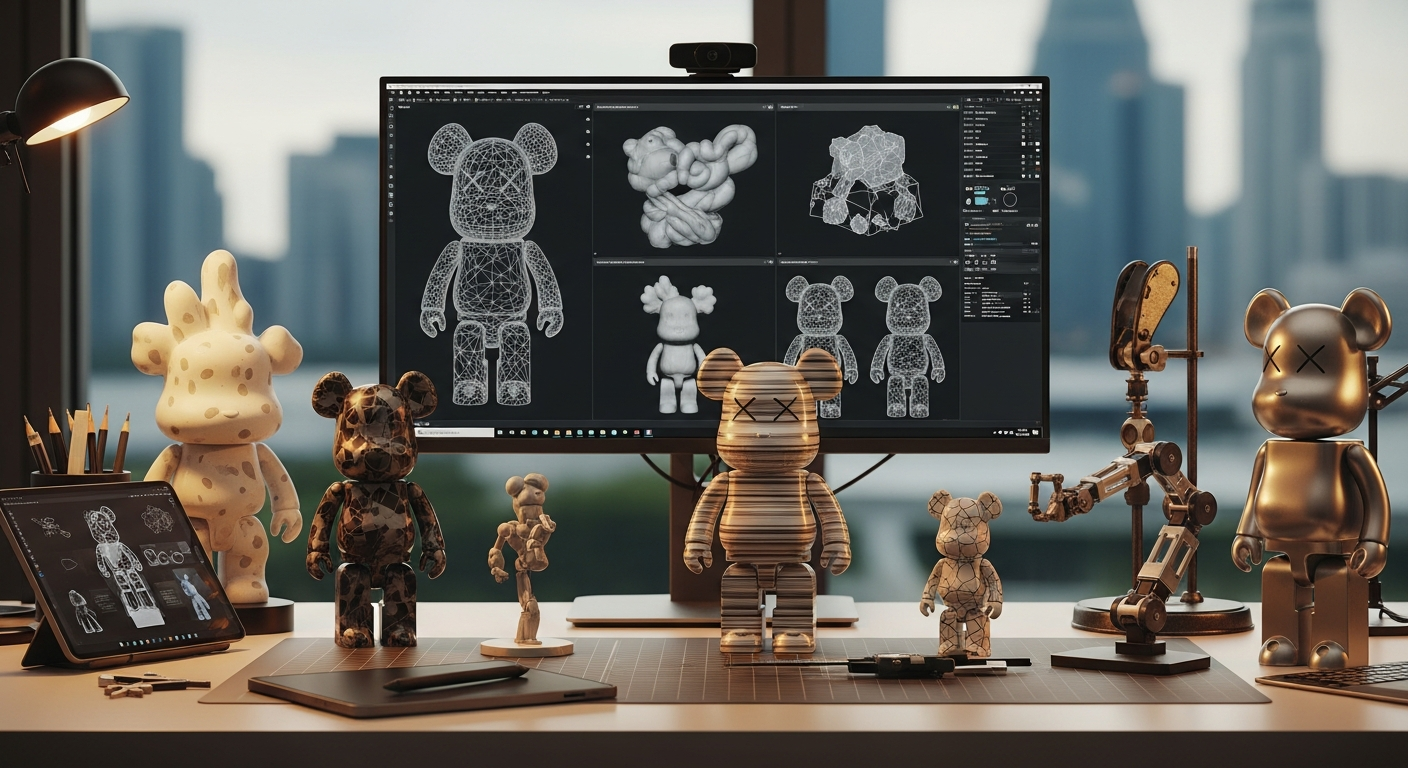
- 3D sculpting: High-res digital sculpting (ZBrush, Blender) or photogrammetry/scan cleanup.
- Engineering: Split models for printing, add supports, design pegs and assembly features.
- Test prints: Small-scale proofs or single resin prints to check detail and balance.
- Final prints and post-processing: Sanding, priming, painting, or casting from a printed master.
- Assembly, quality control and packaging.
A studio that combines sculpting and manufacturing reduces communication friction—search phrases like “best custom 3D printing service in Singapore” often point to full-service providers. A good example of an integrated approach is described at [best custom 3d printing service singapore 2026] (https://artsoustudio.com/best-custom-3d-printing-service-singapore-2026/).
Finishes and Painting — Creating Gallery-Ready Figurines
A raw print is only the beginning. Finishing elevates a model to a collectible:
- Surface smoothing: Solvent smoothing or epoxy fills reduce layer visibility on FDM prints.
- Priming and sanding: Multiple primer coats and wet-sanding for a flawless base.
- Automotive-grade paints: Durable finishes with gradient airbrushing for nuanced shading.
- Decals and tampo printing: For logos, tiny text and serial numbers on limited editions.
- Protective coatings: UV-stable clear coats to prevent color fade and add tactile feel.
Many studios also offer in-house hand-painting and assembly services to produce limited-edition runs with consistent quality; review examples of limited edition workflows at [limited edition art toys and CAD modeling] (https://artsoustudio.com/limited-edition-art-toys-and-cad-modeling-singapore-2025/).
Cost, Lead Times and Production Scale
Costs depend on size, material, finish and quantity:
- Single resin figurine (detailed, 10–25 cm): Expect higher per-piece costs due to manual finishing; lead time 7–21 days.
- Small runs (10–200 pcs): Combining printed masters with silicone casting can be cost-effective.
- Larger runs (200+): Consider injection molding where tooling amortizes costs.
Turnaround in Singapore can be fast—local studios often provide express services for tight deadlines. Always clarify post-processing time; painting and varnishing often dominate schedules.
Trends Shaping Figurine Design in 2026
Several developments are influencing the market right now:
- AI-assisted sculpting and retopology: Faster iteration cycles and automated pose adjustments from concept prompts.
- Multi-material and full-color printing: More accessible full-color PolyJet and binder-jet workflows for vibrant collectibles.
- Sustainable materials: Biodegradable resins and recycled filaments are gaining traction among eco-conscious brands.
- Mass customization platforms: Consumers choosing facial features, outfits or colorways at checkout—ideal for serialized figurines.
- AR/VR previews: Buyers try virtual displays before committing to purchases, improving conversion for pre-orders.
- Limited-edition digital twins and NFTs: Physical collectibles paired with verified digital ownership are a prominent niche.
Designers who leverage these trends deliver premium experiences and justify higher price points. For studios crafting limited runs with a digital design edge, see [limited edition art toys meet custom 3D printing] (https://artsoustudio.com/limited-edition-art-toys-meet-custom-3d-printing-singapore/).
Common Pitfalls and How to Avoid Them
- Over-detailing at large scales: Extremely fine surface detail can become lost or fragile—optimize according to the chosen print tech.
- Ignoring assembly tolerances: Without test-fit checks, parts may not align; ask for test prints or jigs.
- Underestimating finishing costs: Hand painting and coating add time and expense; get itemized quotes.
- IP surprises: If working with licensed characters, confirm rights and clearances with your 3D printing partner.
A studio with a strong track record in both design and fabrication will help you avoid these traps and deliver a reliable final product.
Checklist Before You Commission a Figurine
- Confirm target scale and base dimensions.
- Choose preferred printing technology and color/finish expectations.
- Ask for material samples and painted prototypes.
- Request a clear timeline with milestones for sculpting, printing and finishing.
- Clarify warranty, defect handling and reprint policies.
- Secure NDAs or IP agreements when necessary.
If you want a partner that spans concept to packaged product, consider studios that explicitly advertise combined design and lifestyle product services, such as [custom figurine and lifestyle product design in Singapore] (https://artsoustudio.com/custom-figurine-and-lifestyle-product-design-singapore-2026/).
Conclusion
Finding the right 3d printing service singapore for custom figurine design singapore in 2026 is a blend of technical understanding and creative partnership. Focus on a provider with the right printing technologies, finishing expertise and design-for-manufacture support. Embrace trends like AI-assisted workflows, full-color printing and sustainable materials to keep your figurines competitive and collectible.
Use the checklist above when comparing vendors and review portfolio work closely. The right studio will act as an extension of your creative process—turning digital sculpt into a tactile, sellable work of art.