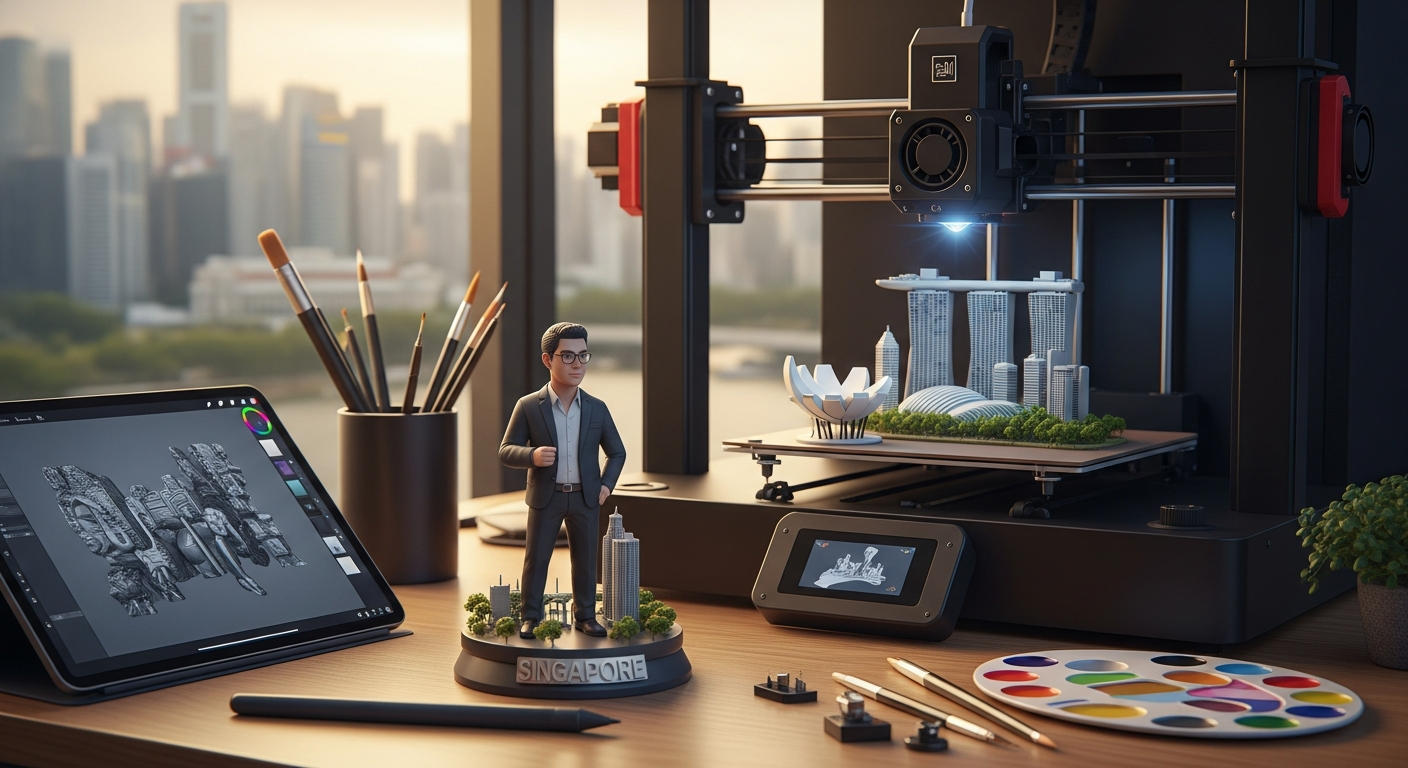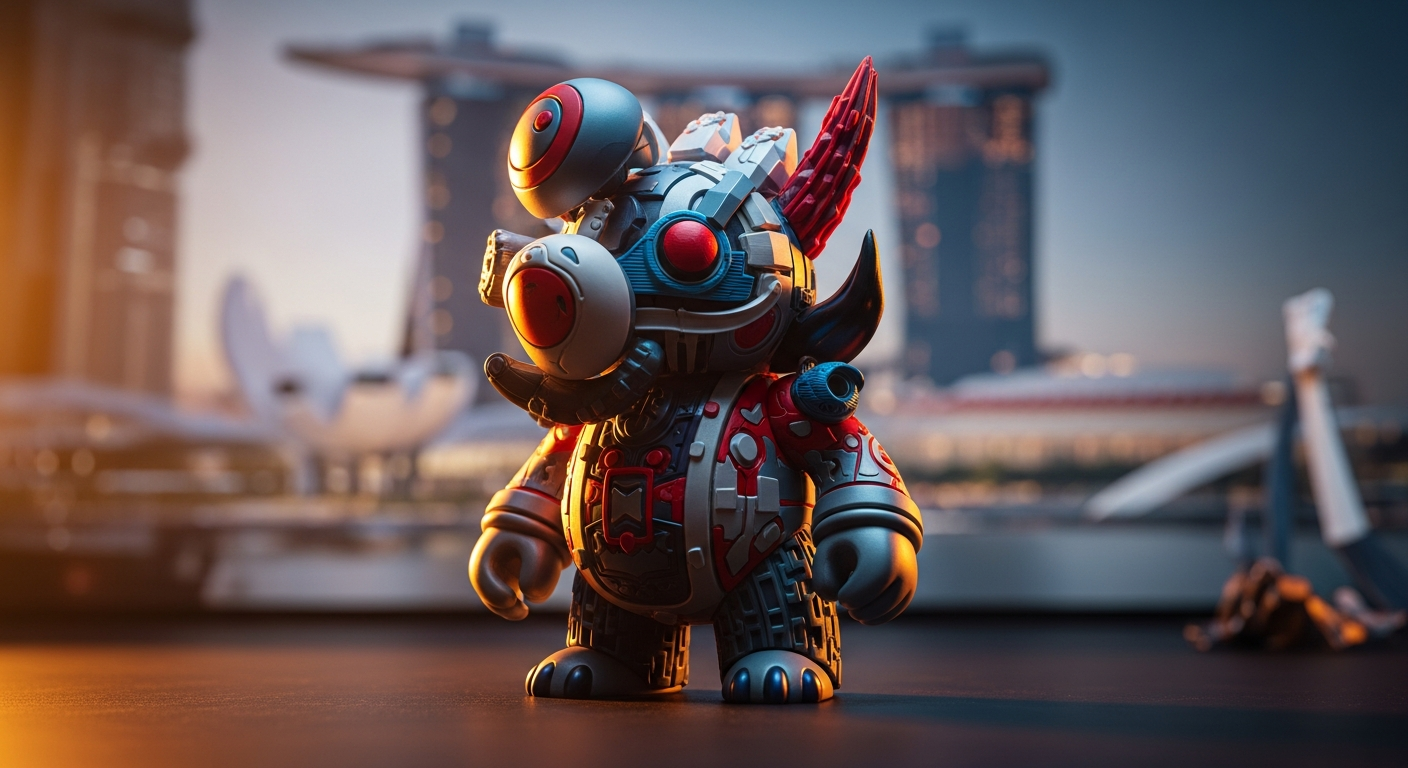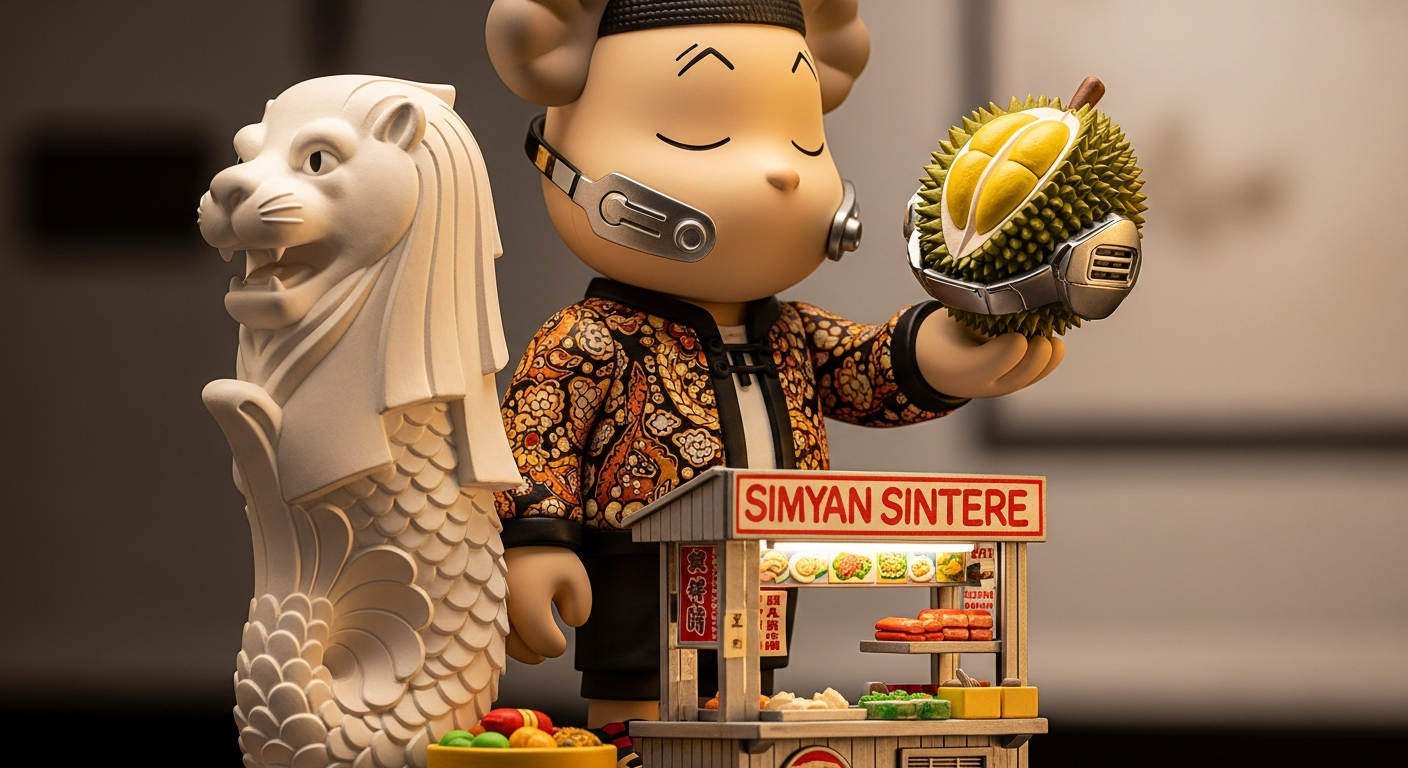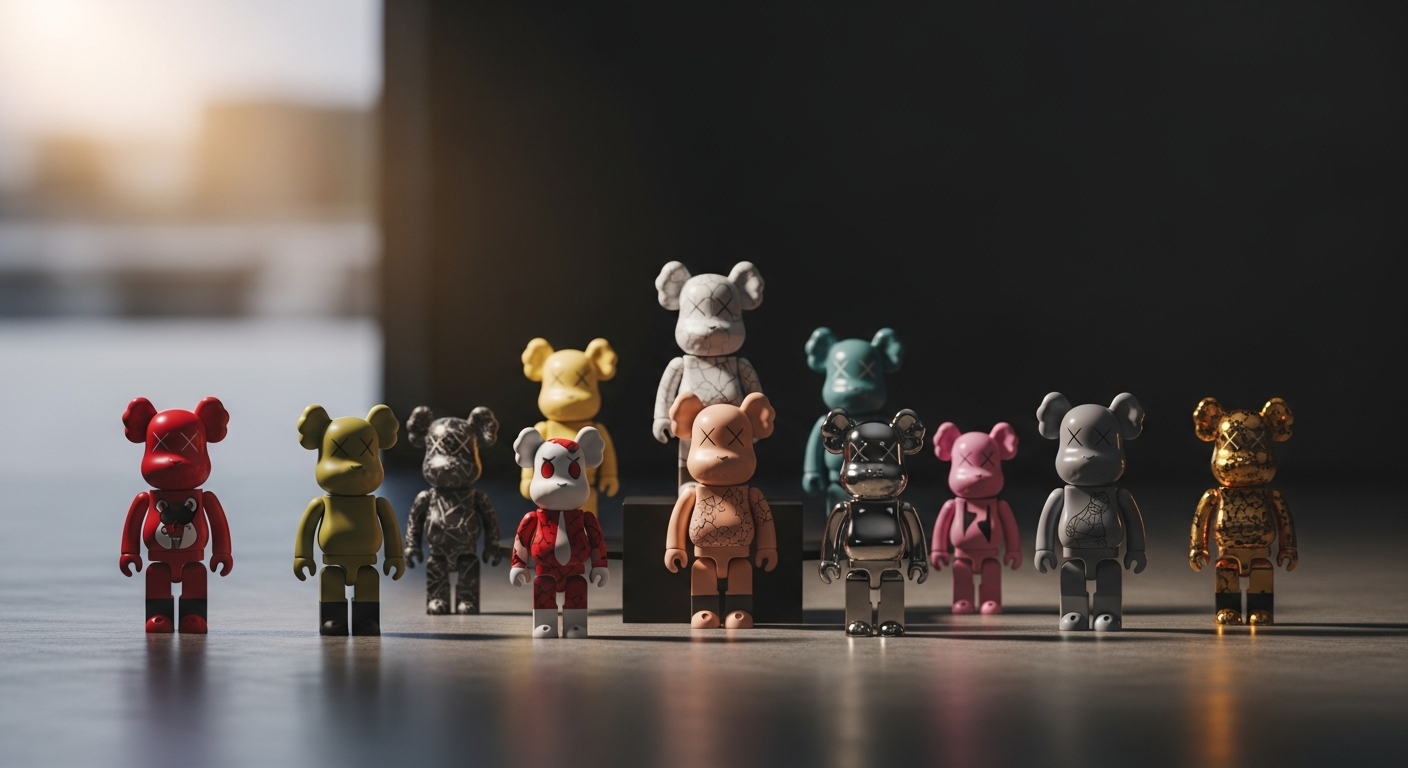
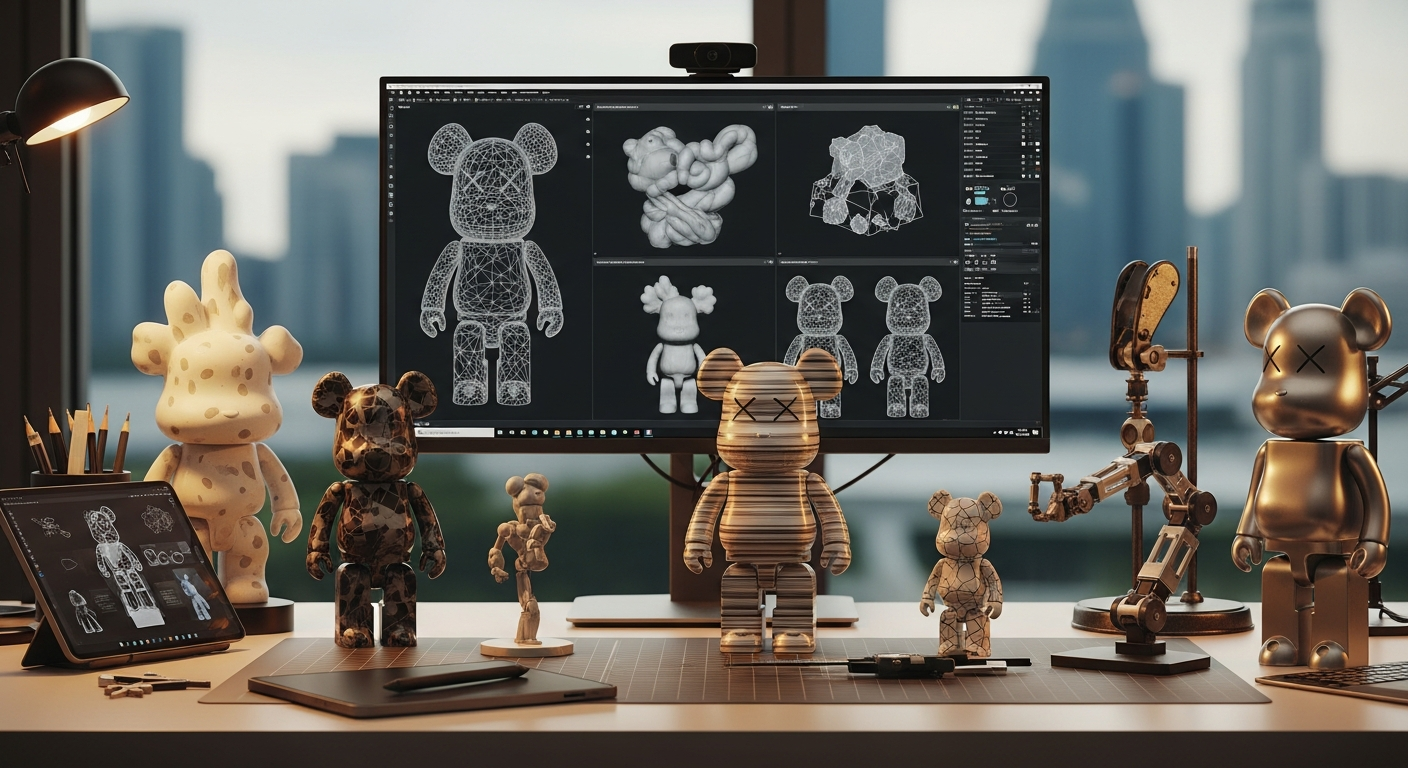

Collecting art toys has evolved from niche hobby to cultural movement. By 2026, artists, designers and small studios are releasing highly curated, limited edition drops that blend toy culture, fine art and collectible design. These releases are not just about cuteness or novelty; they reflect storytelling, craft, scarcity and investment potential. Whether you’re a seasoned collector or a first-time buyer, understanding why limited edition art toys matter — and how they’re made — helps you find value and spot the most promising designer drops.
A modern collectible art toy combines several factors:
Collectors look for pieces that excel in at least two of those areas. Many designers now use rapid prototyping and small-batch production to test concepts without committing to large runs — a practice that increases the variety and frequency of unique drops.
Limited edition art toys create scarcity and storytelling. When a release is tightly capped, the perceived rarity increases demand among collectors. Designer drops also leverage timing, social engagement and cross-collaboration: an artist may partner with a well-known brand, gallery or co-designer to boost visibility. Campaigns often use pre-orders, raffles, or tiered releases to maximize both fairness and hype.
This model has moved beyond just press releases. Successful drops combine offline events (pop-ups, gallery exhibitions) and digital strategies (teasers, behind-the-scenes making-of content, and sometimes AR unveilings). For studios seeking precision and fast turnaround, partnering with experienced prototyping services and custom manufacturing helps maintain high quality while keeping edition sizes limited. If you want to explore how 3D-driven prototyping supports this model, studios like the ones offering custom figurine design can bridge concept and final product: https://artsoustudio.com/custom-figurine-and-lifestyle-product-design-singapore-2026/.
The craft behind collectible art toys blends traditional techniques and modern fabrication:
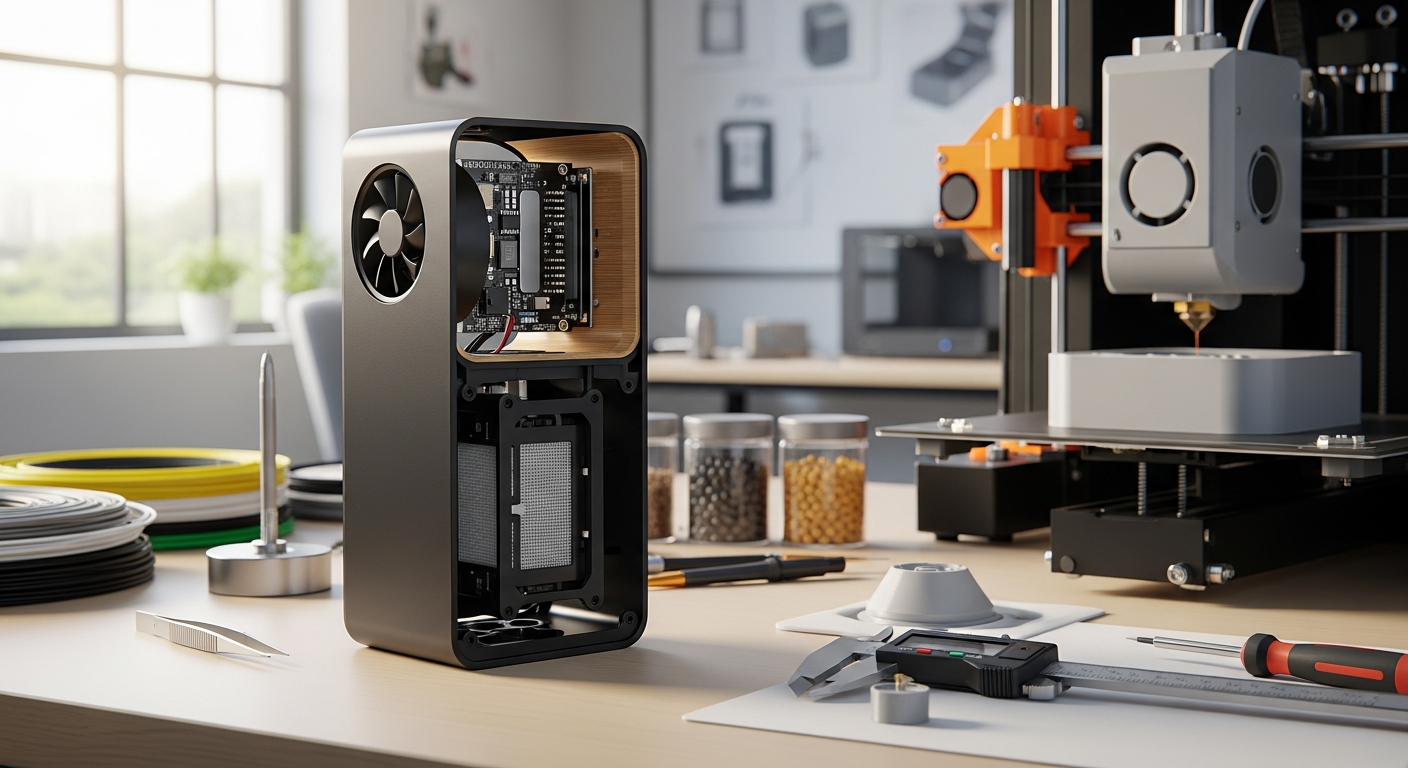
The rise of accessible 3D printing means more designers can iterate quickly and produce small limited runs without huge minimums. Studios providing robust 3D services help designers go from CAD to collectible faster — a major advantage for limited edition drops and artist-led series. For detailed workflows and service options in 3D printing, see experts in custom 3D printing: https://artsoustudio.com/best-custom-3d-printing-service-singapore-2026/.
Designers planning a limited edition drop should focus on three pillars: concept, finish, and collector experience.
CAD modeling and careful prototyping are critical for achieving consistent quality across a run. Studios that combine CAD expertise with limited-production know-how help manage tooling decisions and final finishes: https://artsoustudio.com/limited-edition-art-toys-and-cad-modeling-singapore-2025/.
When assessing a piece, consider these practical criteria:
A savvy collector keeps a mix of emotional pieces (those bought for love) and strategic acquisitions (those judged for potential appreciation). When limited edition runs embrace traceable production methods and visible craftsmanship, they become easier to verify and more attractive on secondary markets.
Primary drops usually happen on an artist’s site, gallery stores, or specialist platforms. Secondary markets include auction sites, collector forums, and regional consignment galleries. Beware of these pitfalls:
Established studios that offer clear production pathways and transparent batch records reduce buyer uncertainty. For designers working with third-party manufacturers, a trusted partner can produce authentic limited editions with clear records — such as studios that merge limited drops with custom 3D production: https://artsoustudio.com/collectible-art-toys-with-fdm-3d-printing-singapore-2026/.
Designers and studios that adopt sustainable production and transparent provenance are more likely to attract long-term collector trust.
Collectible art toys and limited edition art toys in 2026 are as much about storytelling and craftsmanship as they are about scarcity. For collectors, the most rewarding pieces combine emotional resonance with clear markers of quality and provenance. For designers, the smartest drops integrate careful production planning, innovative finishes, and transparent editioning. Whether you’re prototyping character sculpts, planning a numbered run, or hunting a sought-after release, contemporary tools — especially targeted 3D and production services — make it possible to create or collect exceptional art toys at manageable scales.
Explore technical partners and production resources to bring your next limited edition concept to life, or to verify the authenticity and quality of rare pieces in the market: https://artsoustudio.com/collectible-art-toys-with-fdm-3d-printing-singapore-2026/.