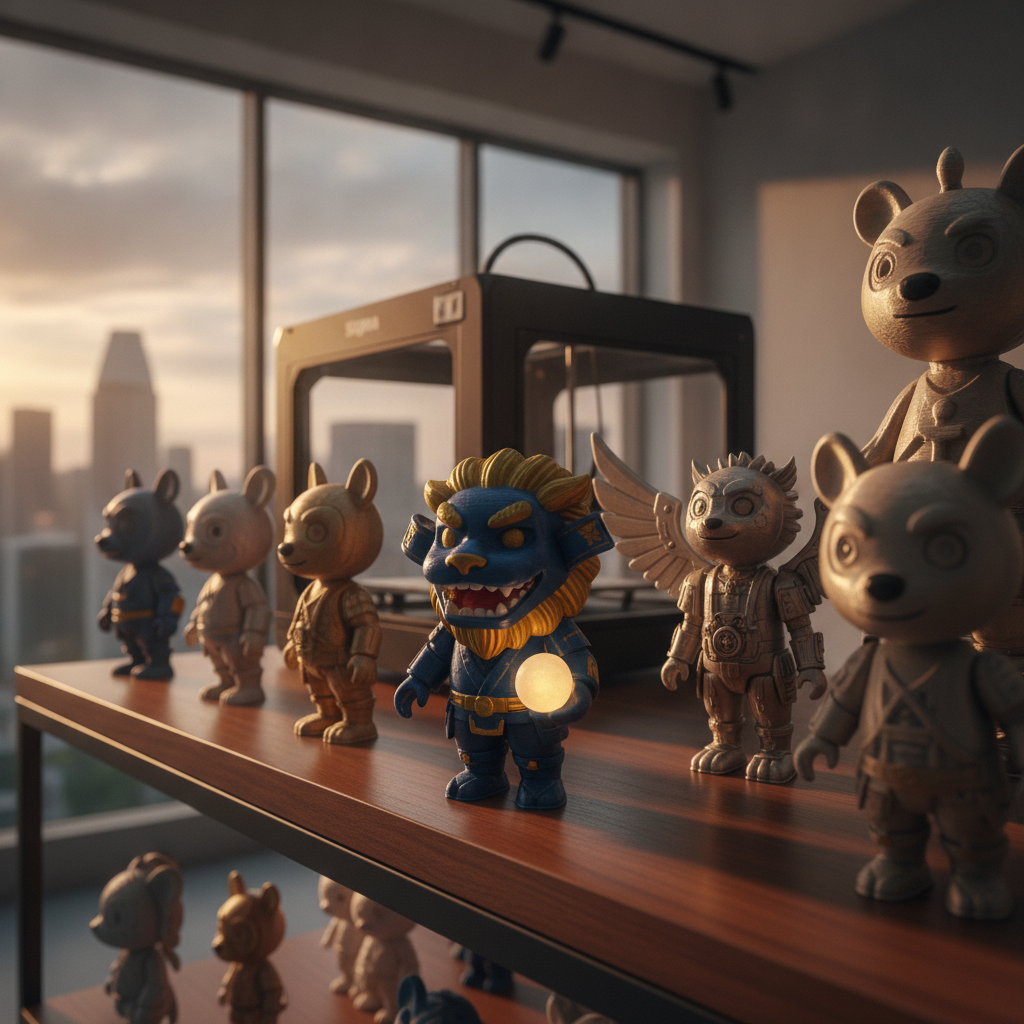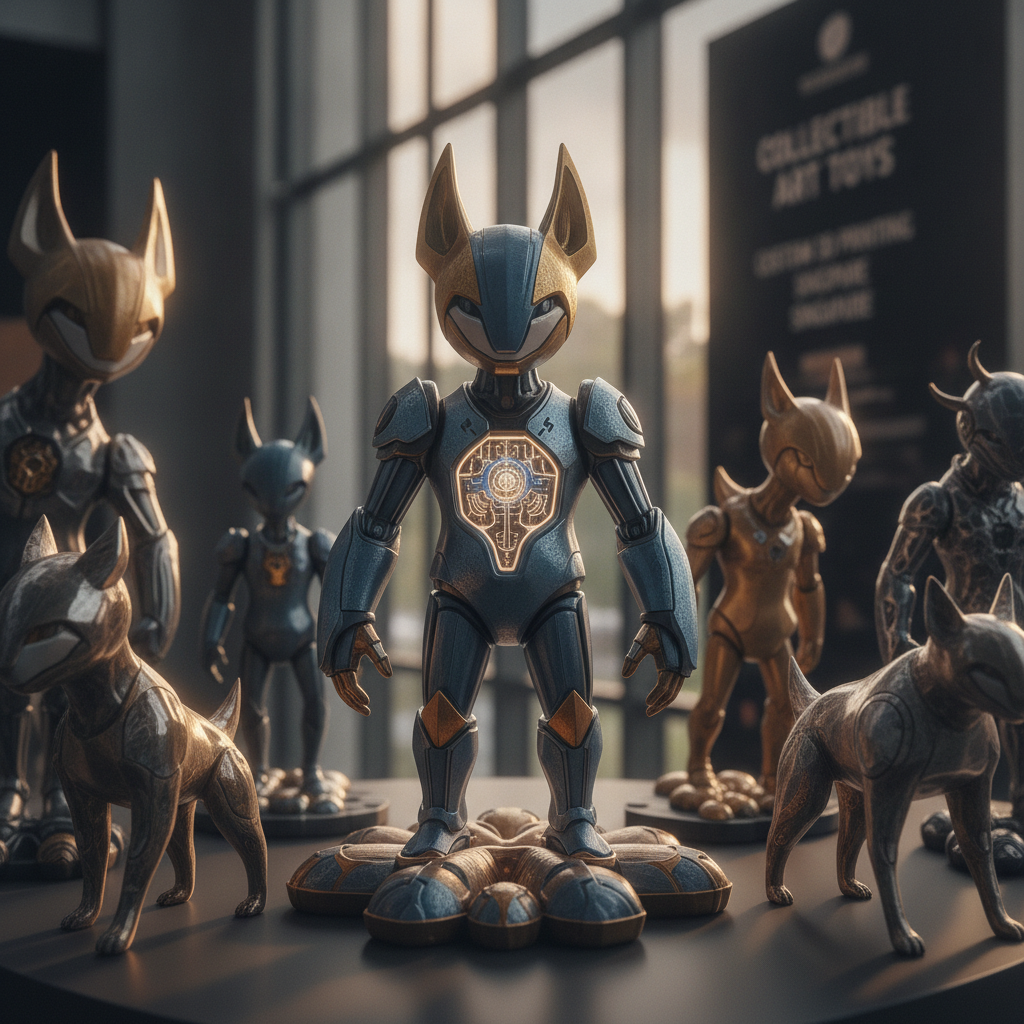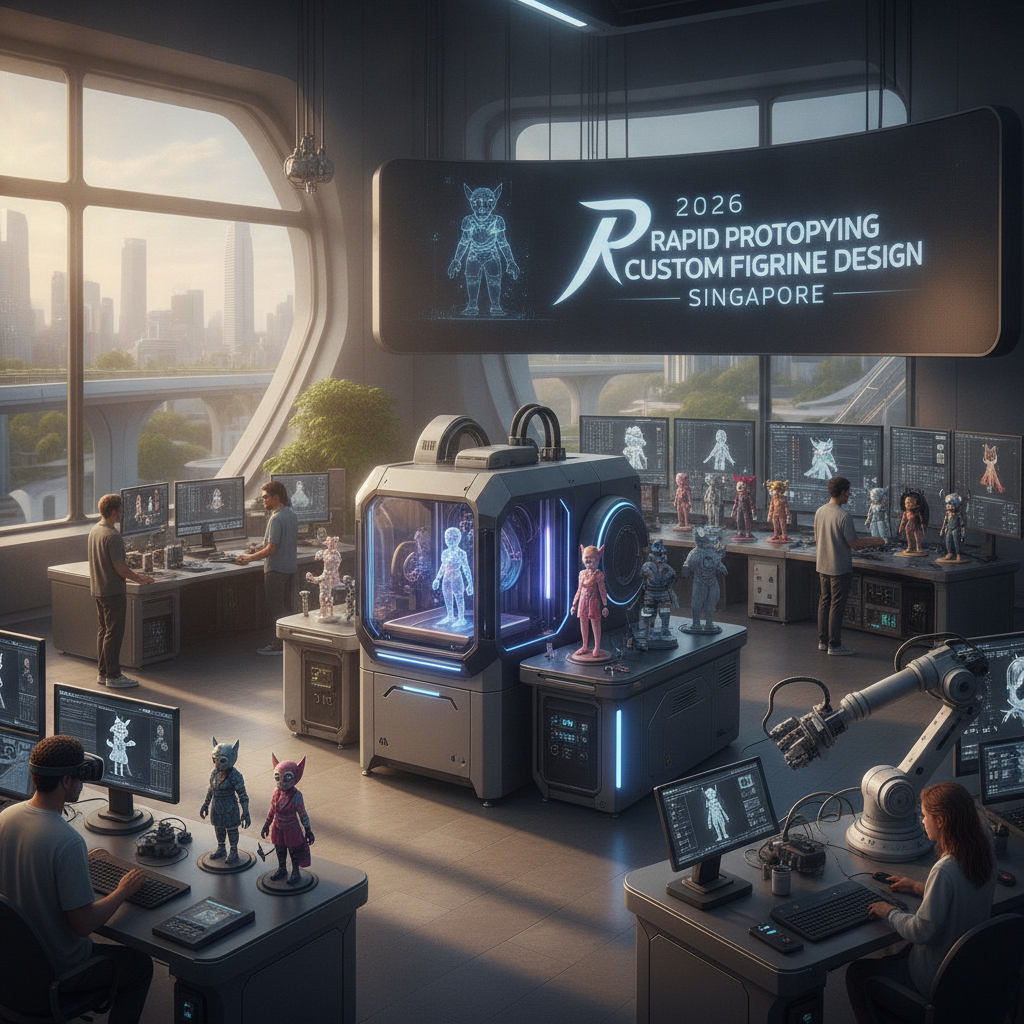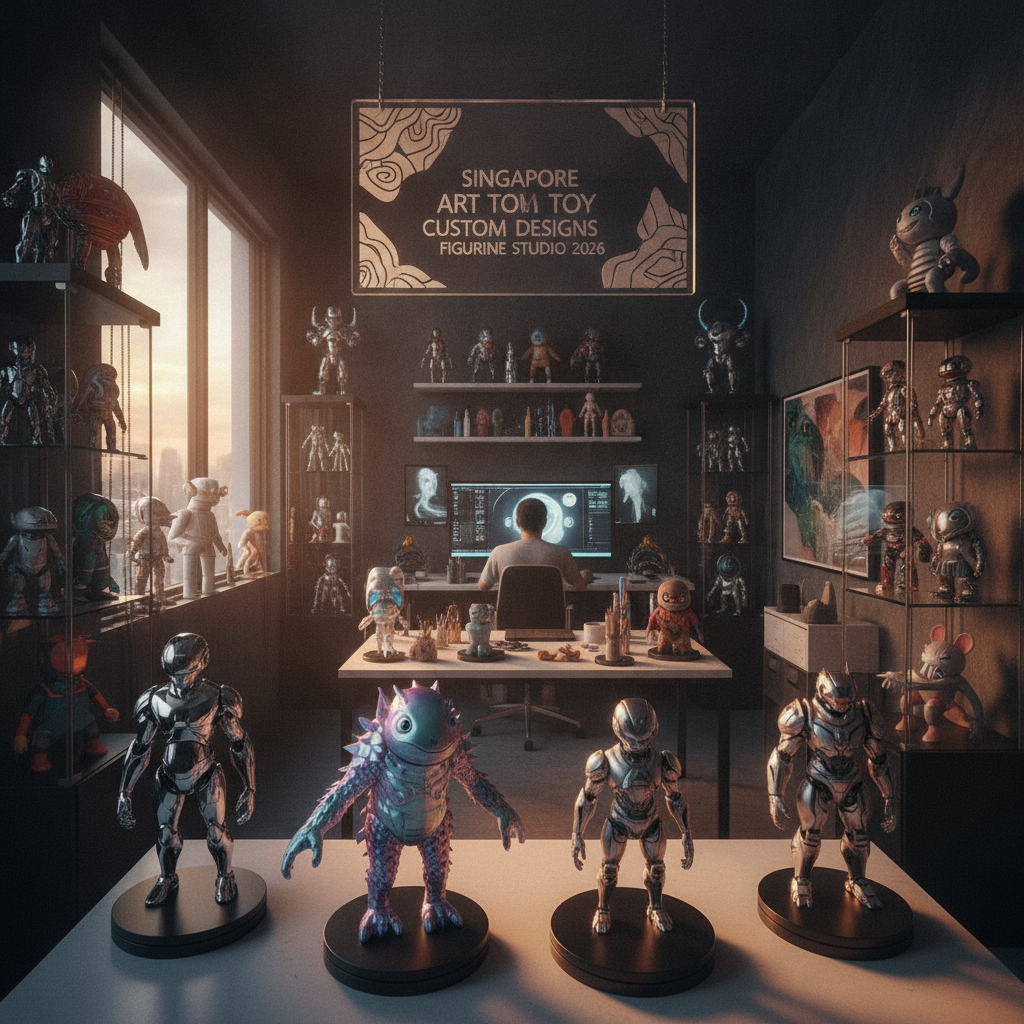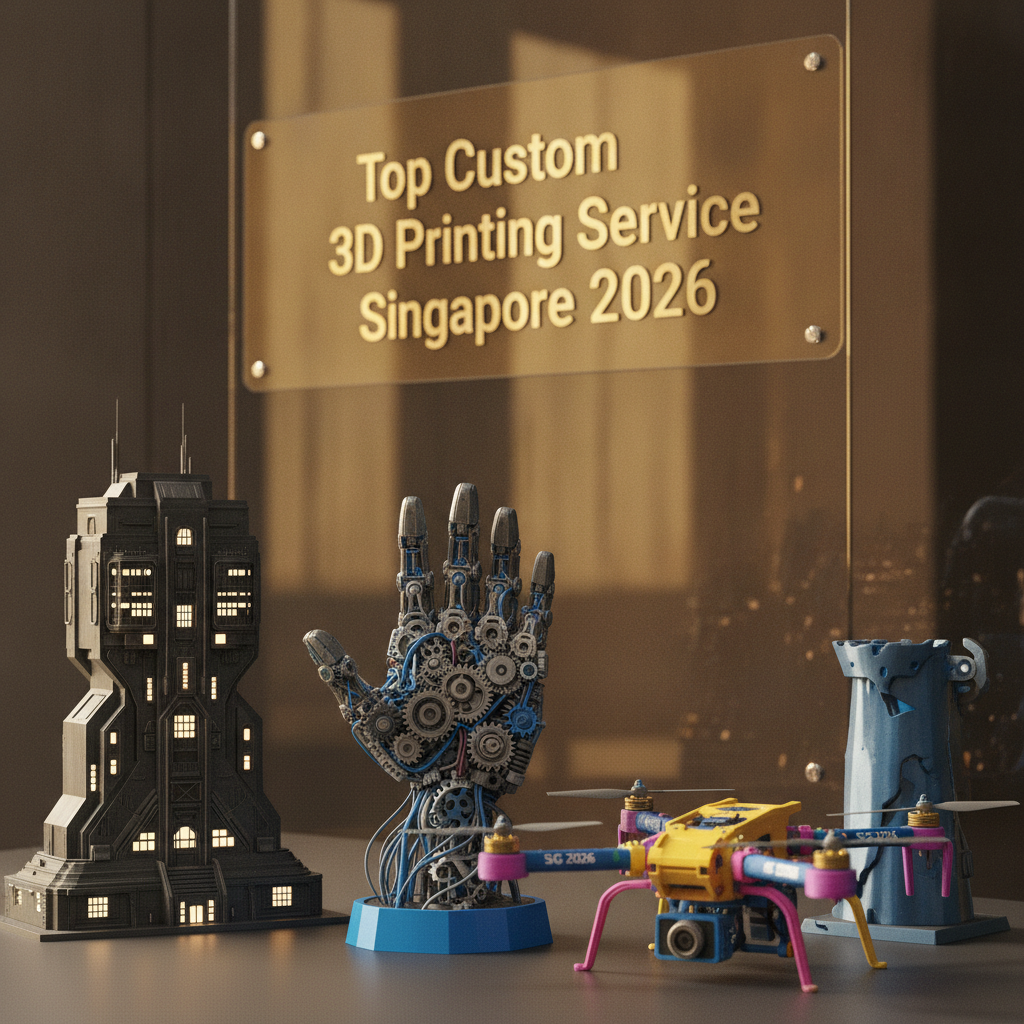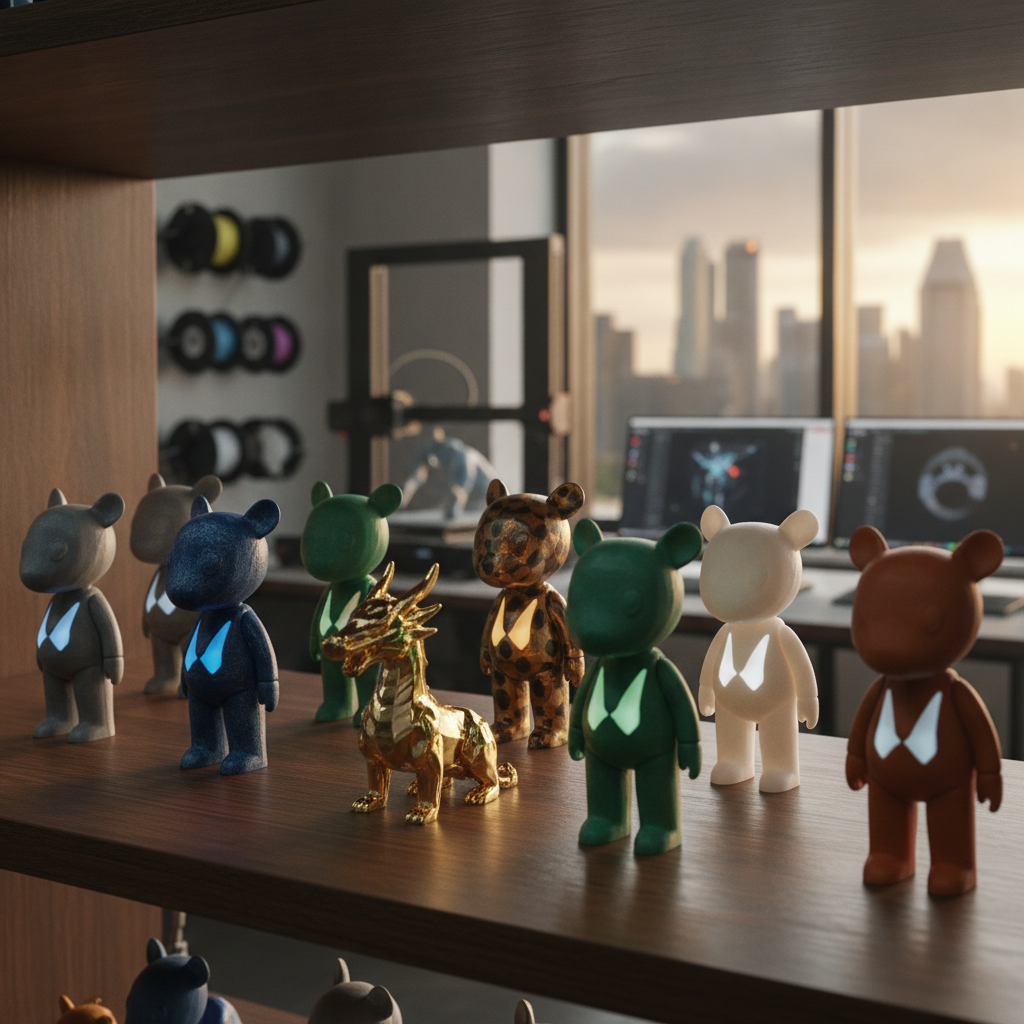
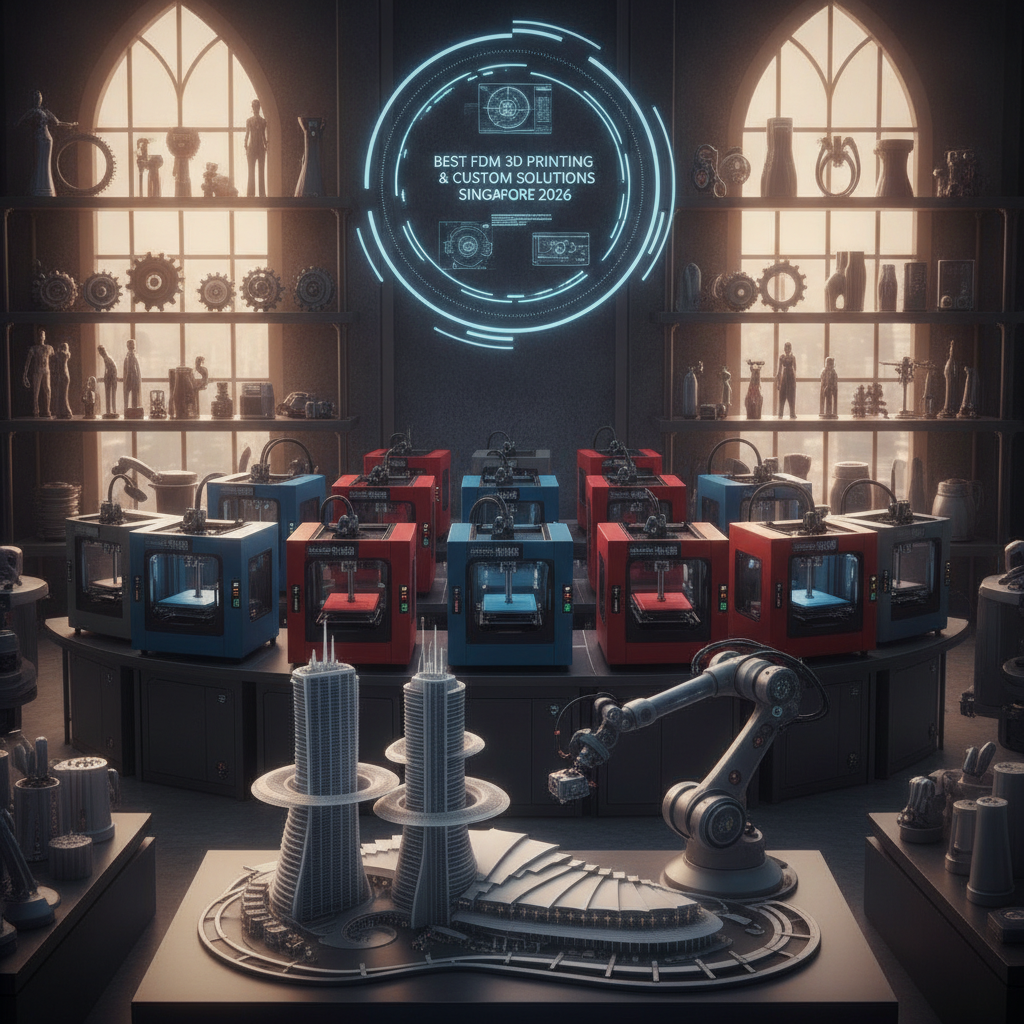

The market for collectible art toys has matured from niche vinyl figures sold at conventions into a vibrant global ecosystem: designer collaborations, limited drops, and highly detailed pieces that command collector attention. Central to this shift is the rise of accessible, high-precision manufacturing — notably custom 3D printing. In Singapore, makers and brands now combine creative vision with advanced fabrication to produce collectible art toys that push aesthetics, detail, and exclusivity.
Collectible art toys demand complexity: fine textures, undercuts, interlocking parts, and surface fidelity that paint and finishing can amplify. Traditional tooling (injection molding) requires expensive upfront tooling and long lead times, making small runs uneconomical. By contrast, custom 3D printing supports:
Singapore’s compact manufacturing ecosystem and professional service providers mean artists and independent studios can move from concept to collectible quickly. Partnering with a specialist allows creators to focus on design while leveraging local capabilities for materials, finishing, and quality control.
Different technologies serve different needs in the collectible toy workflow:
SLA / MSLA (resin-based): Ideal for ultra-fine surface detail and smooth finishes. Resin prints capture sculpt lines and facial features beautifully, which is why many collectible prototypes and production pieces use SLA before painting and clear-coating.
SLS (powder-based): Good for durable, functional parts and textured surfaces. SLS offers robust mechanical properties and is a choice for articulated figures or internal mechanisms.
FDM (filament-based): Cost-effective for larger parts, concept models, and structural components. When combined with post-processing like sanding and resin smoothing, FDM can be part of a hybrid production approach.
Understanding these trade-offs helps artists pick the right route for each part of their collectible. Many studios provide hybrid workflows that mix SLA detail components with FDM chassis or SLS articulation.
The printed object is just the beginning. The collectible market values finish quality as much as sculpt. Key material and finishing strategies include:
In Singapore, specialist post-processing shops and service bureaus enable premium finishing at scale. That local availability reduces shipping, shortens timelines, and keeps sensitive design iterations close to the studio.
One of the biggest advantages of custom 3D printing for collectible art toys is small-batch viability. Limited editions (runs of 50–500 pieces) are now realistic for independent creators because:
Singapore’s local 3D printing ecosystem supports smaller runs with consistent quality, enabling brands to launch multiple variants and time-limited drops that fuel collector demand.
To fully leverage custom 3D printing Singapore, design with fabrication in mind. Practical adjustments improve yield and reduce post-processing time:
Early collaboration with a printing partner prevents costly revisions. Many Singapore studios provide DFM (design-for-manufacture) feedback during the concept stage.
Several trends are shaping product and production choices right now:
These trends are supported by the agility of custom 3D printing providers and a growing set of finishing specialists that help creators translate digital concepts into market-ready collectibles.
Selecting the right partner matters. Evaluate potential providers on these factors:
For designers aiming to scale or refine their collectible art toys, finding a studio experienced in both design and production workflows is a strategic advantage. If you’re researching options, a reputable local service linked to product design and lifestyle manufacturing processes can streamline the path from sculpt to shelf.
A typical collectible project often follows these stages:
Singapore’s ecosystem allows tight feedback loops between each stage, reducing time-to-market while preserving quality standards.
Custom 3D printing Singapore has become a backbone for the collectible art toys movement — enabling artists to realize intricate sculpts, offer limited editions, and iterate rapidly without the prohibitive costs of traditional tooling. By combining the right technologies, thoughtful materials, and experienced post-processing, creators can produce pieces that meet collector expectations for detail, finish, and exclusivity. For designers and boutique brands, the local availability of advanced printing services and finishing expertise makes Singapore a compelling hub to create, prototype, and produce collectible art toys at scale.
custom 3D printing Singapore supports everything from prototype sculpts to full limited-edition runs. Learn how a top custom 3D printing service can help you move faster, adopt the right materials and scale smartly. If you need robust, detailed parts for articulated figures, consider advanced FDM 3D printing and hybrid workflows. For fast turnaround on concept iterations, local rapid prototyping services are invaluable. And when branching into lifestyle or display-led releases, custom 3D printing for lifestyle product design can broaden your finishing, packaging and production options.