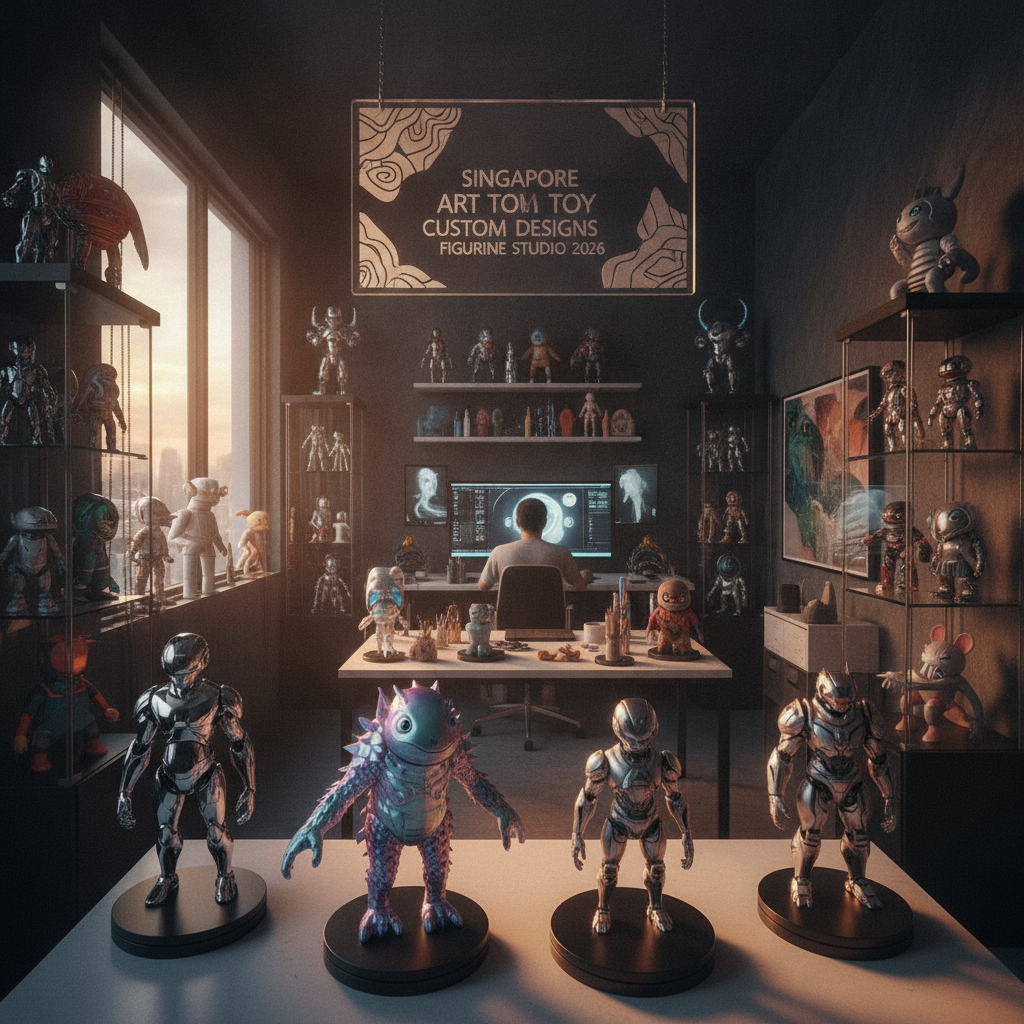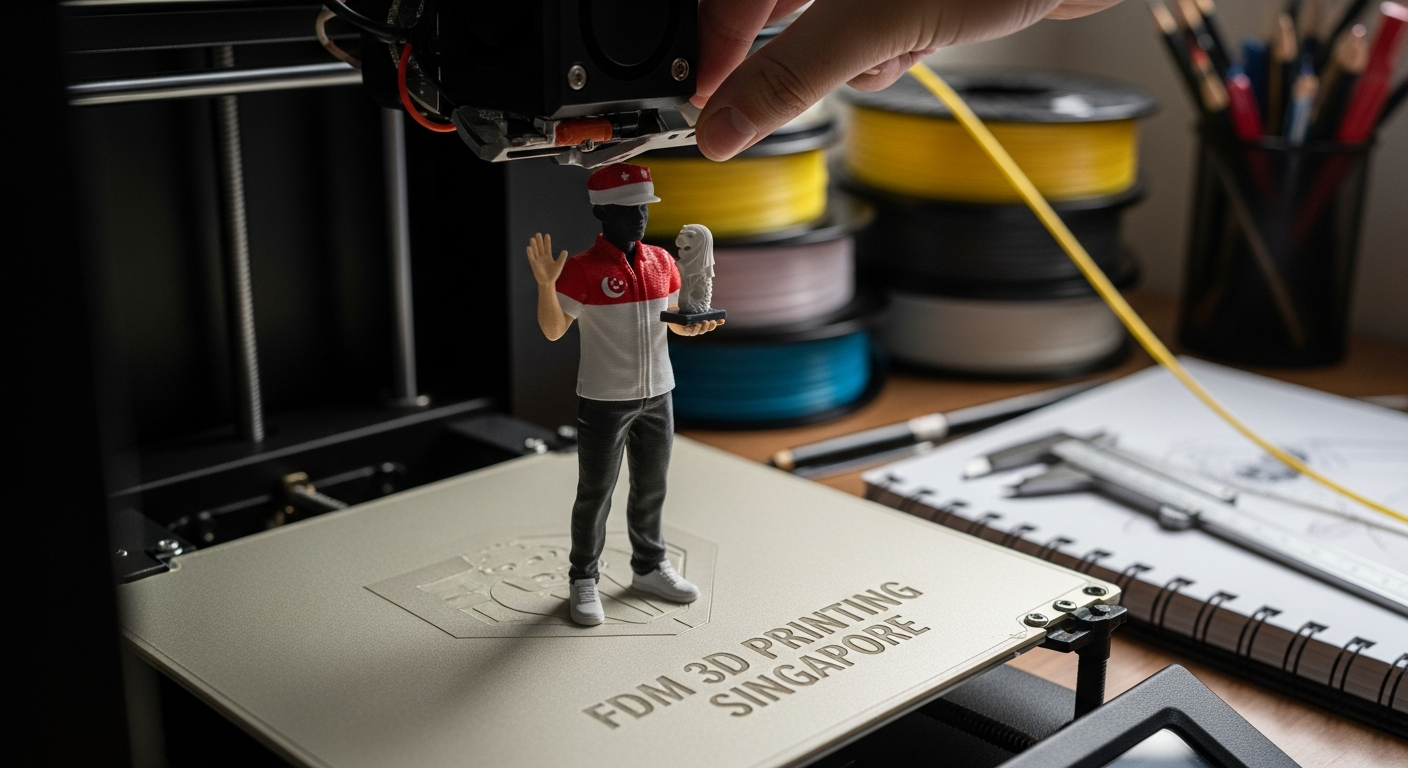
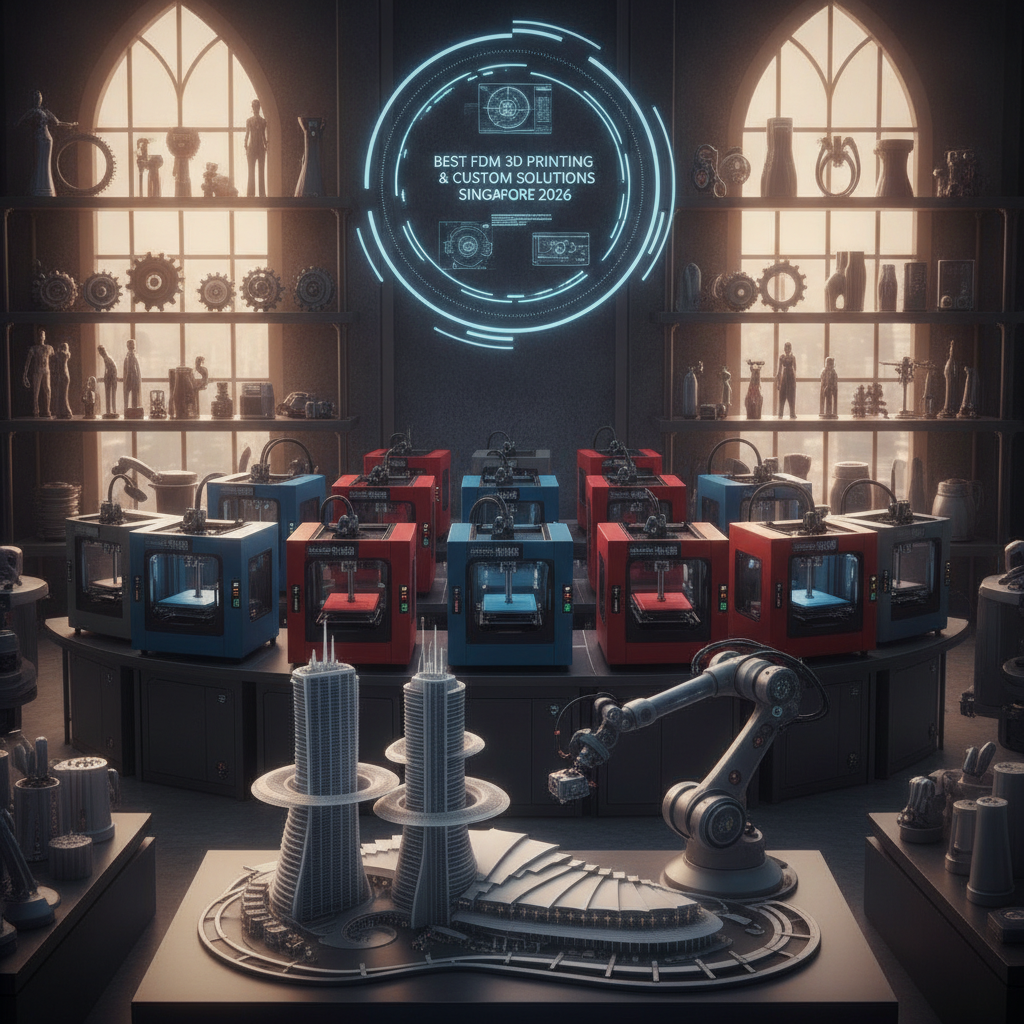

Custom figurines are more than collectibles — they are a bridge between concept and tangible art. For artists, toy designers, small brands and hobbyists in Singapore, the combination of thoughtful custom figurine design and reliable FDM 3D printing Singapore makes professional-looking results accessible and affordable. This article explains how FDM works for figurines, how to design cost-efficient models, what finishing options are realistic, and where to direct your next project to balance quality and budget.
Fused Deposition Modeling (FDM) builds parts layer by layer by extruding thermoplastic filament through a heated nozzle. It is one of the most accessible and economical 3D printing technologies, which explains why it is popular for custom figurine design Singapore projects. For figurines, FDM excels at rapid iteration, structural parts, and larger-scale pieces where cost per unit matters.
Key practical points about FDM for figurines:
For a professional service that understands these trade-offs, check out a leading provider of figurine services at top 3D printing service Singapore for figurine design.
Cost-efficiency: FDM filament such as PLA or PETG remains inexpensive compared with many resin processes. For batch runs and prototypes, the low cost per kilogram and quick machine turnarounds help control budgets.
Scalability: Multiple printers can run concurrently. Once a refined print orientation and support strategy are set, scaling to small runs becomes predictable and repeatable.
Structural Strength: FDM parts can be stronger than resin prints for functional or display pieces needing durability.
Design Flexibility: FDM supports multi-part assemblies. You can design articulation points, snap-fit joins, and hollow shells to balance weight and material use.
For examples that merge affordability and creative finish, see the work on collectible art toys 2026 limited edition designer drops.
Surface finish: Visible layer lines are the most obvious limitation. Strategies to mitigate:
Fine detail and overhangs: Extremely fine details and complex overhangs are better handled by resin (SLA). With FDM, design for fewer unsupported overhangs or split the model into parts that can be joined later.
Painting and color fidelity: Full-color single-pass printing is limited in FDM. Consider hand-painting, hydrographic wraps, or multi-material workflows for color-rich figurines.
If your project aims to combine collectible aesthetics with FDM strengths, explore processes at collectible art toys with FDM 3D printing Singapore.
Choose material based on final use: collector display, handled toy, or prototype. If you need assistance selecting the right filament for a specific finish, check providers that handle both design and material sourcing at custom figurine and lifestyle product design Singapore.
These strategies make it possible to produce collectible runs affordably. For providers that specialize in manufacturing-ready design plus printing services, consider the best custom 3D printing service Singapore.
When the goal is both visual quality and affordability, combining sanding, primer, and hand-painting gives the best return on investment.
Turnaround depends on model complexity, part count and post-processing. Typical timelines:
Pricing variables: print time, filament weight, print resolution, support removal, manual finishing and painting. Transparent suppliers break down these costs so you can trade off between higher-fidelity finishes and budget constraints.
For prototypes and small collectible drops, many designers partner with local studios that combine design, FDM printing and finishing services. A practical example of such an integrated approach is available at collectible art toys 2026 limited edition designer drops.
If you want a turnkey approach that captures these trends, review providers that handle design-to-delivery workflows like custom figurine and lifestyle product design Singapore.
For full-service partners who integrate design and production, consider checking collectible art toys with FDM 3D printing Singapore.
Affordable custom figurine design Singapore through FDM 3D printing is a practical choice for creators focused on speed, durability and cost control. By understanding material trade-offs, design-for-manufacturing principles and post-processing options, you can produce professional-grade figurines that resonate with collectors and customers alike.
Selecting the right partner that understands both creative intent and production constraints will save time and money. For service providers that offer balanced expertise in design and FDM production, explore integrated options that match your production scale and finish requirements at top 3D printing service Singapore for figurine design.
Start by refining a single prototype, apply the cost-saving design tips outlined here, then scale up with batch nesting and consistent post-processing. This phased approach minimizes risk, keeps costs transparent and delivers figurines that meet both artistic standards and market expectations.