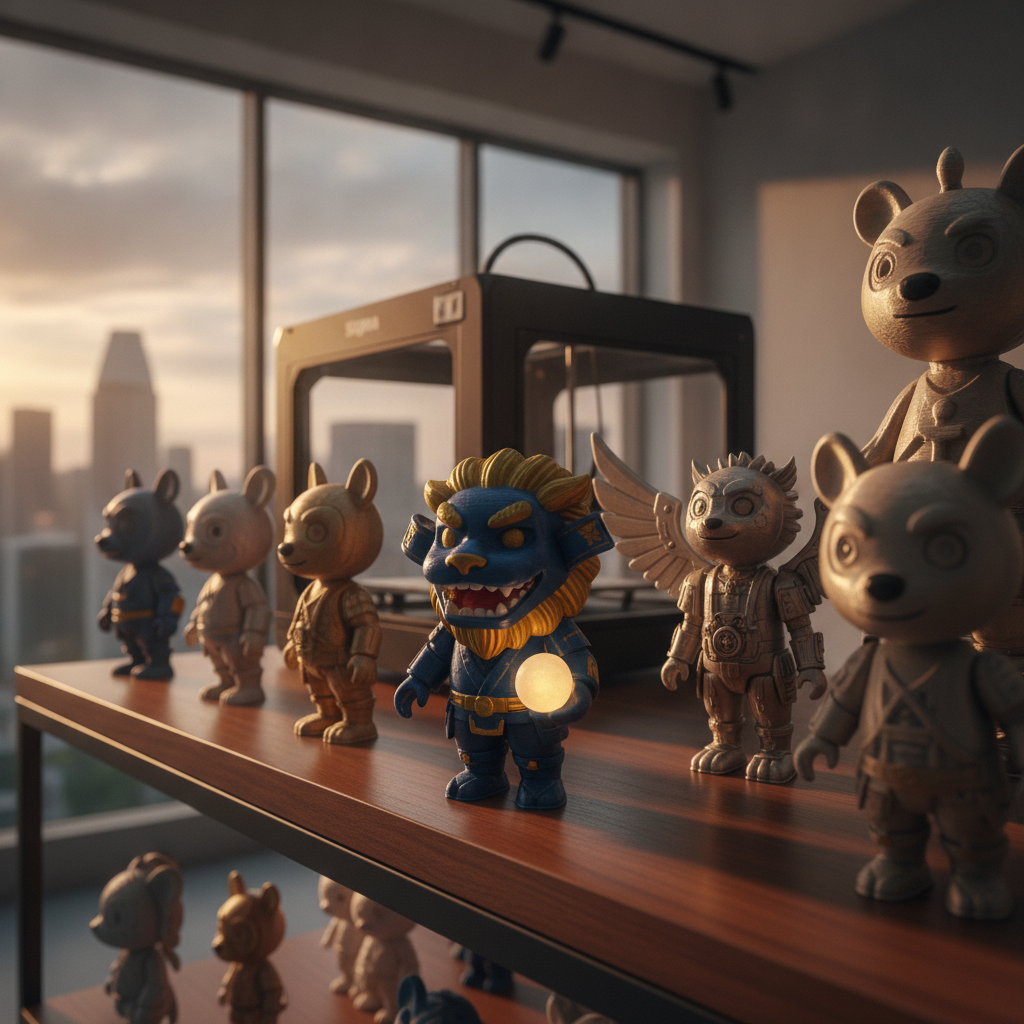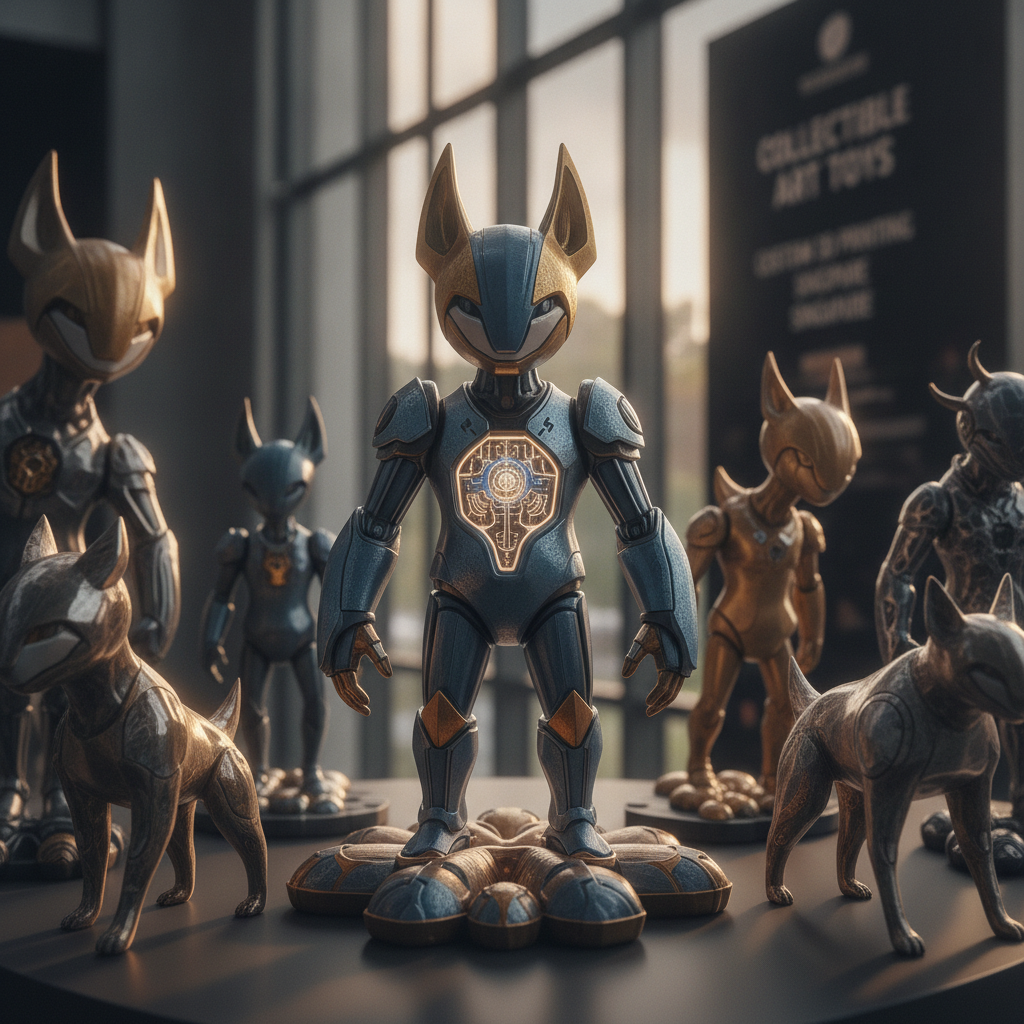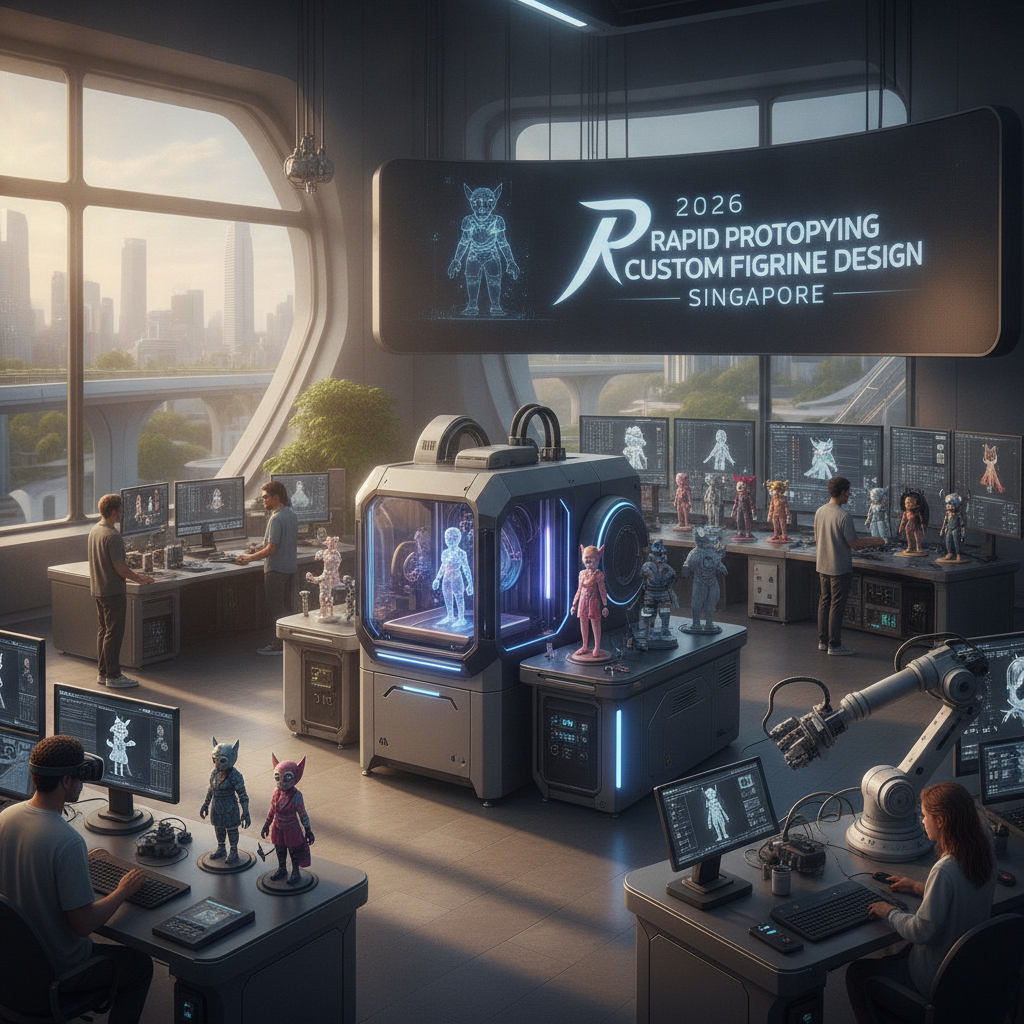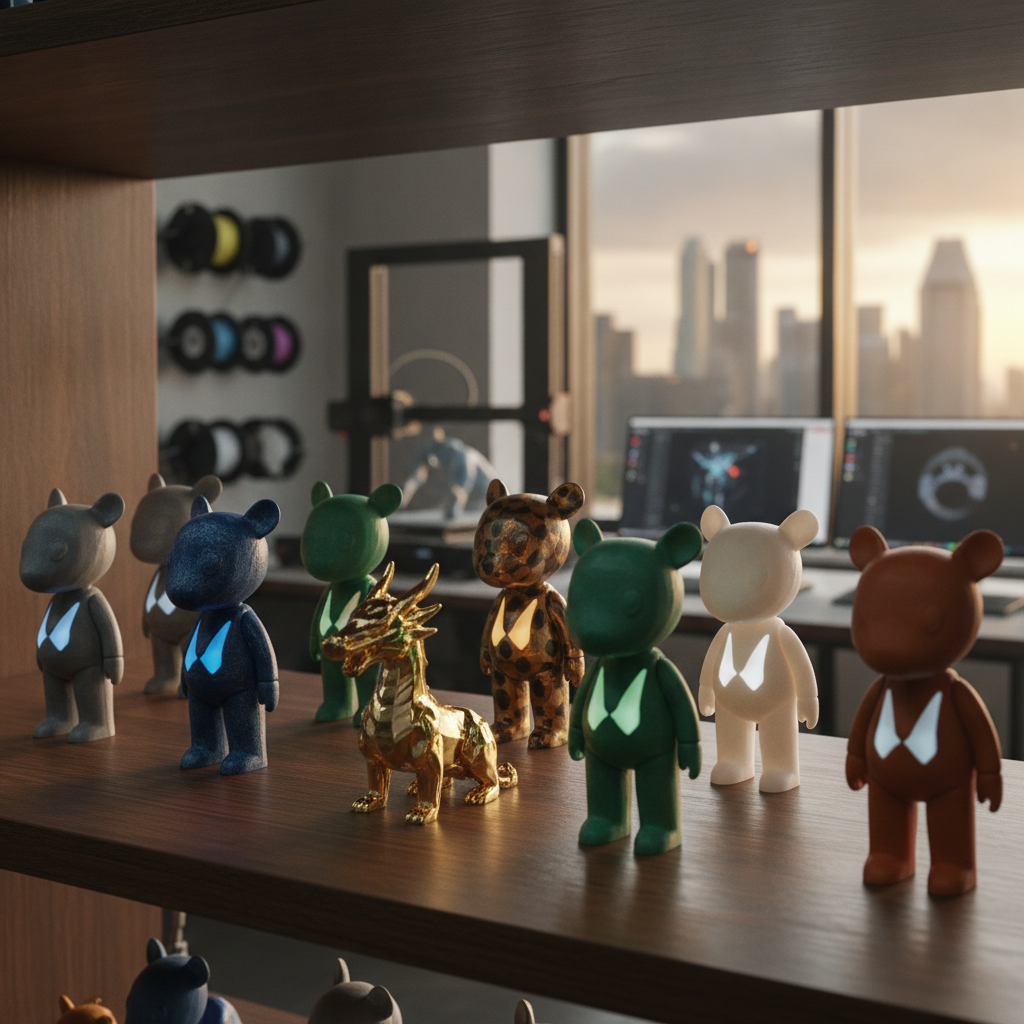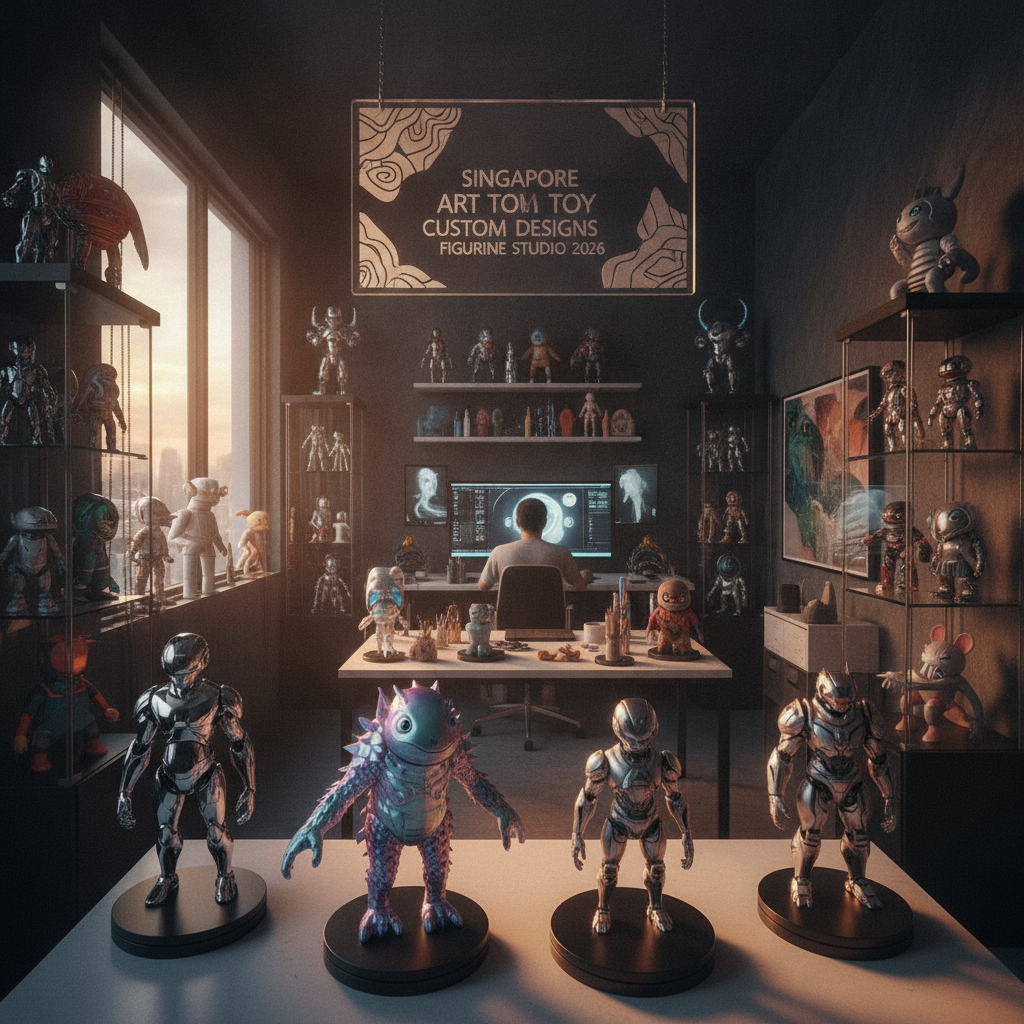
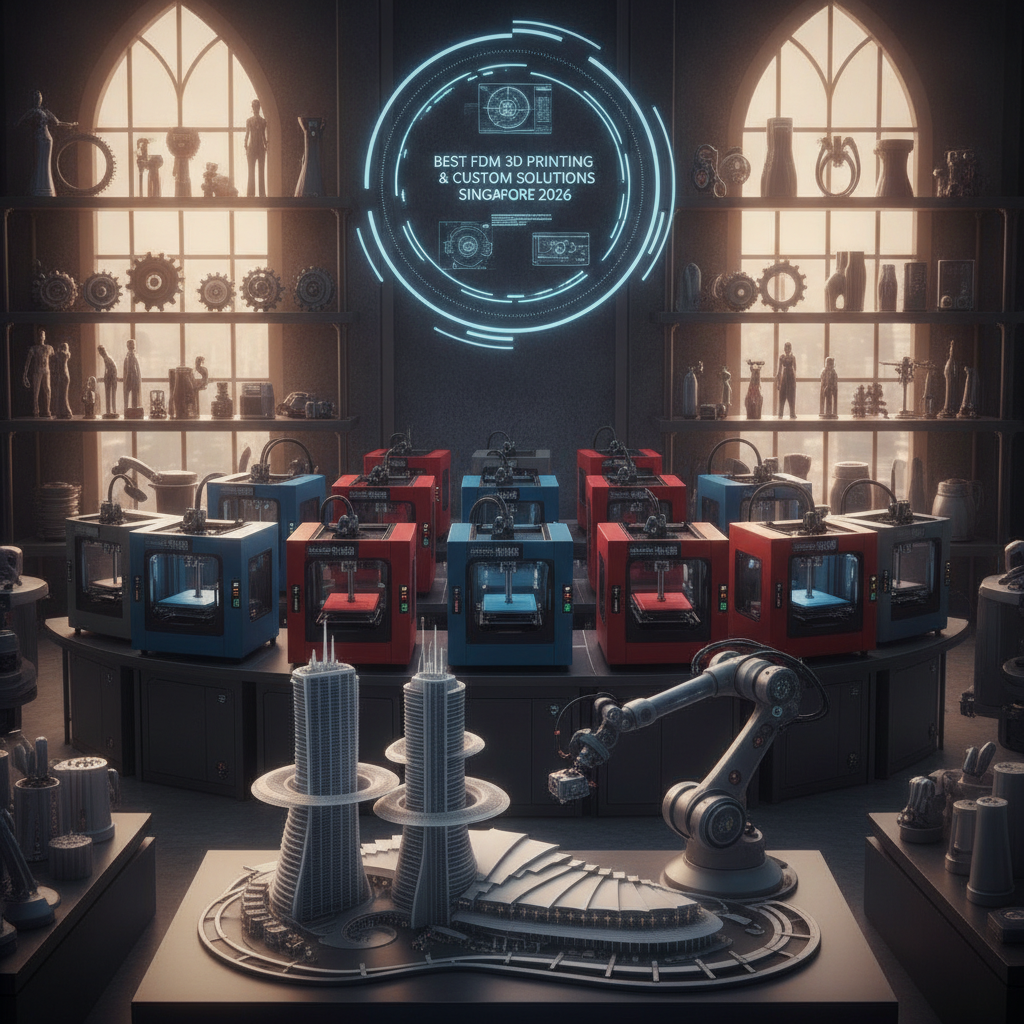

Singapore continues to grow as a regional hub for product innovation, and 2026 brings new capabilities in speed, materials, and finish quality that matter for designers, brands, and hobbyists alike. This article breaks down what to expect from rapid prototyping Singapore services and how custom figurine design Singapore has evolved into an integrated offering from digital sculpt to finished collectible.
Singapore’s compact industrial ecosystem, excellent logistics, and concentration of design and manufacturing partners make it uniquely suited to fast iteration. For clients who need short lead times, proximity to services means same-week prototypes and rapid feedback cycles. Local providers also increasingly combine digital design, 3D printing, and finishing under one roof to reduce handoffs and speed delivery.
Key advantages include:
These strengths are particularly relevant for teams that rely on rapid prototyping Singapore to validate form, function, and user experience before committing to tooling.
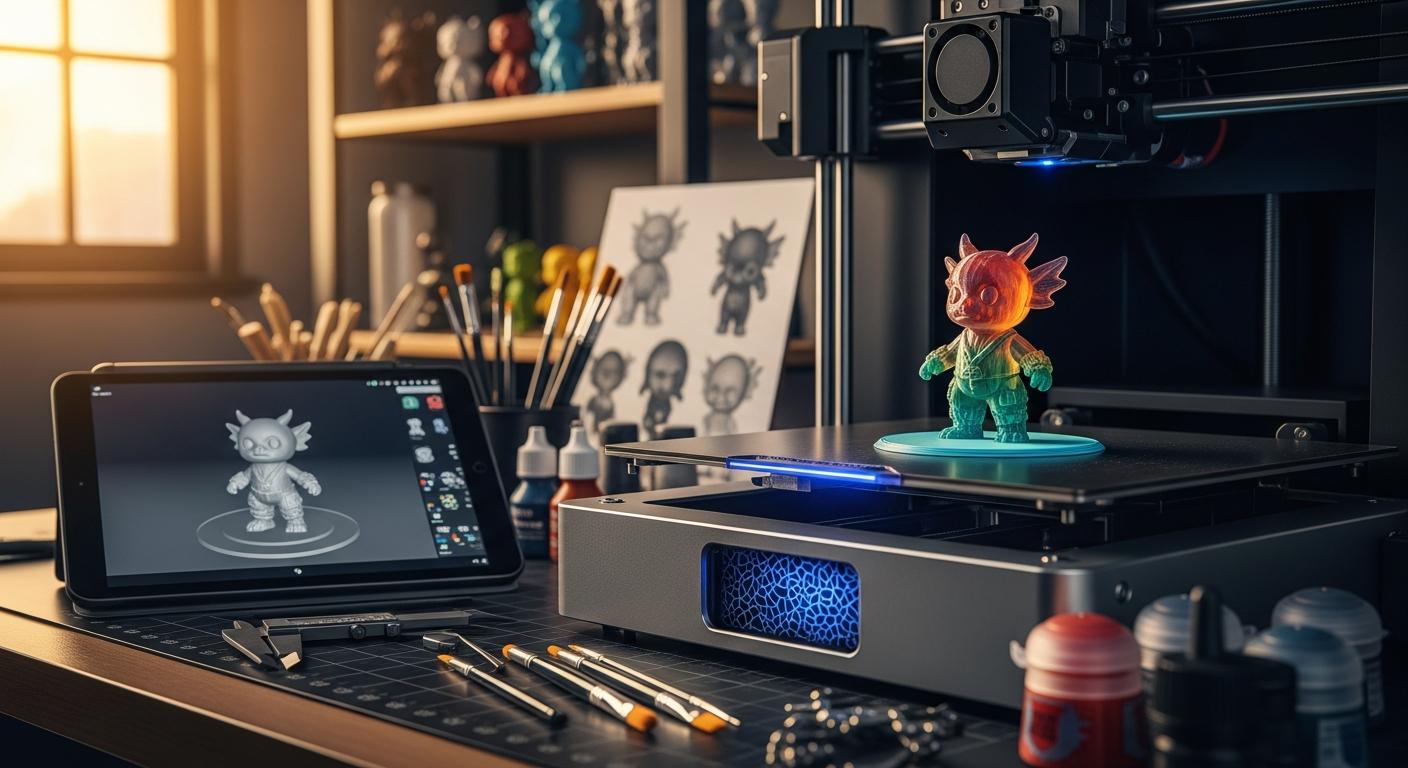
A modern rapid prototyping workflow goes beyond printing a CAD file. The typical steps now include:
Automation and AI-driven orientation and support tools have shaved hours off pre-processing, while new resins and powder formulations have raised the bar for durability and surface detail. These advances are why many product teams now rely on rapid prototyping Singapore partners to bridge the gap between concept and production.
Not all prototypes are equal. Choosing the right combination of process and material depends on goals:
For teams working on collectibles or character pieces, partnering with specialists in collectible finishing and painting is a must. Services that combine sculpting, printing, and hand-finishing can take a design from a digital model to a retail-ready piece.
Custom figurine design Singapore now caters to a broad mix of markets: independent artists, event merchandise, gaming companies, and lifestyle brands launching limited runs. Expectations have shifted from a simple printed model to a fully finished, painted, and packaged product.
Trends shaping the field in 2026:
If you’re pursuing a collectible series, look for providers that offer end-to-end capabilities from sculpting through production and fulfillment. For examples of boutique services and case studies in the space, explore resources like Top 3D printing service Singapore for figurine design.
A typical question is how to balance cost with quality. Rapid prototyping Singapore services enable multiple strategies:
Lead times in Singapore are competitive: conceptual samples can be produced in days, and small production runs in a matter of weeks. For collectible art toys and limited drops, specialists can assist with packaging, numbering, and certificate inclusion; examples of such offerings are described in Collectible art toys 2026 limited edition designer drops.
To get the most from rapid prototyping Singapore and custom figurine design Singapore, follow these practical tips:
Hands-on providers often offer a pre-flight checklist and can prepare manufacturability reports to ensure first prints are informative, not wasted efforts.
The visual success of a figurine often hinges on finishing. Leading studios in Singapore provide:
Advanced finishing workflows can transform a printed piece into a retail-ready object indistinguishable from traditionally manufactured collectibles. If you need examples of studios that combine printing and finishing for small-batch collectibles, check Custom figurine and lifestyle product design Singapore.
For commercial projects, quality control and IP protection are non-negotiable. Ask providers about:
Providers who integrate QC into their rapid prototyping Singapore offering help reduce rev cycles and ensure consistent quality for each batch.
Choosing the right partner depends on scope: a hobbyist may only need a high-resolution SLA print, while a brand launching a limited series needs integrated design, production, finishing, and fulfillment. Useful reference pages and service examples include: Collectible art toys with FDM 3D printing Singapore, and for broader service comparisons see Best custom 3D printing service Singapore.
When evaluating providers, prioritize:
For teams launching designer drops or collectibles, studios often provide fulfillment support and release coordination to align production timing with marketing schedules.
The combination of faster printers, improved materials, and integrated finishing means businesses in Singapore can move from concept to market faster than ever. Rapid prototyping Singapore now serves as a strategic tool — not just a step in development but a core capability for product differentiation and speed to market. Meanwhile, custom figurine design Singapore has matured into a full-service offering that supports artists and brands from digital sculpt to boxed, collectible pieces.
Whether you are validating a product idea, producing a limited run, or launching collectible art toys, choose partners who understand the balance between speed, cost, and finish. The result is better prototypes, more reliable production, and collectible-grade figurines ready for retail or the collector community.