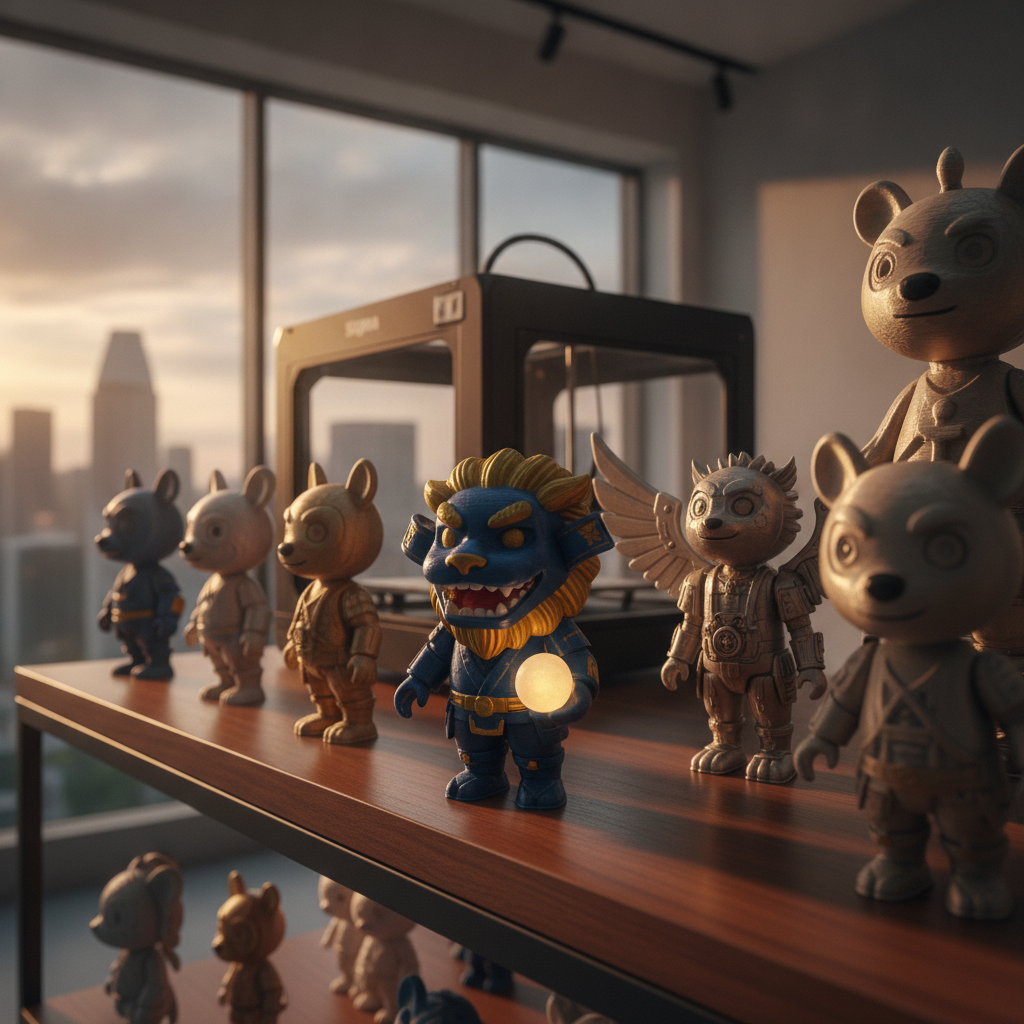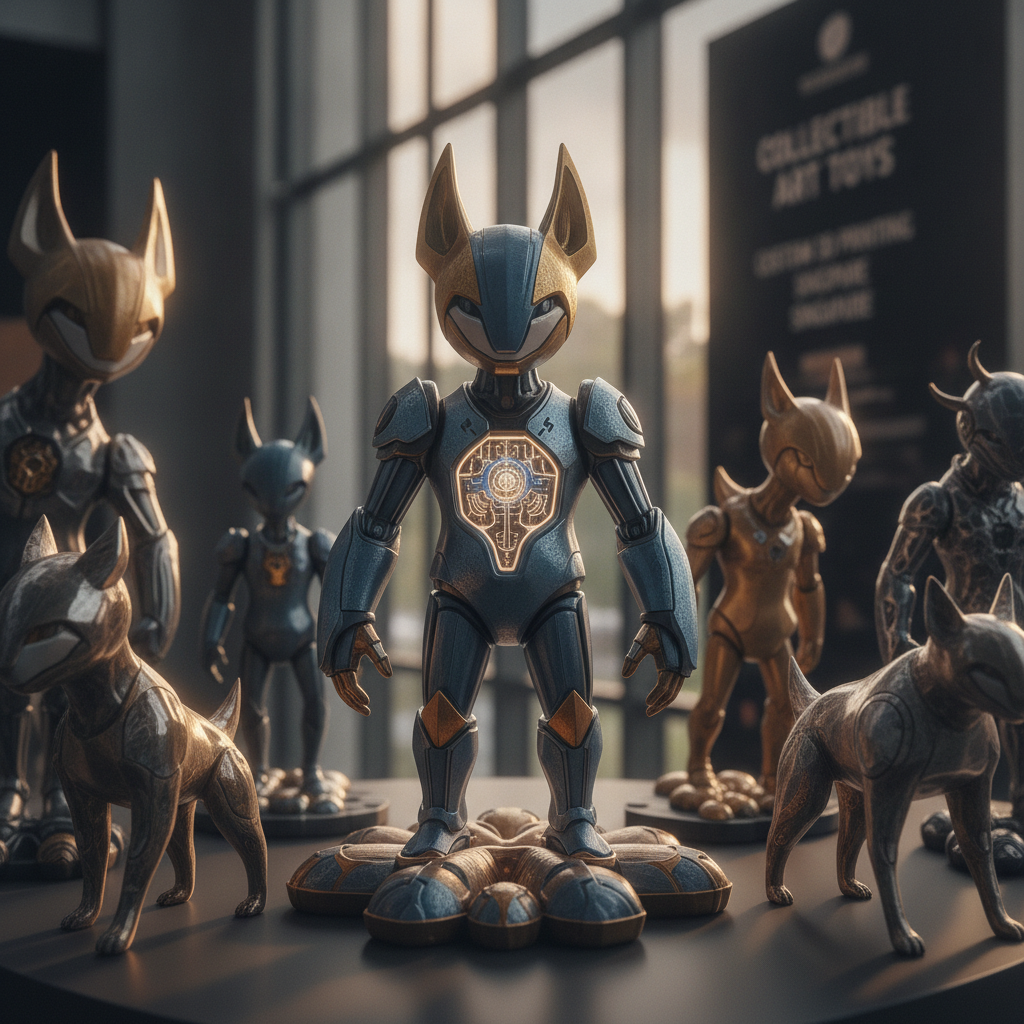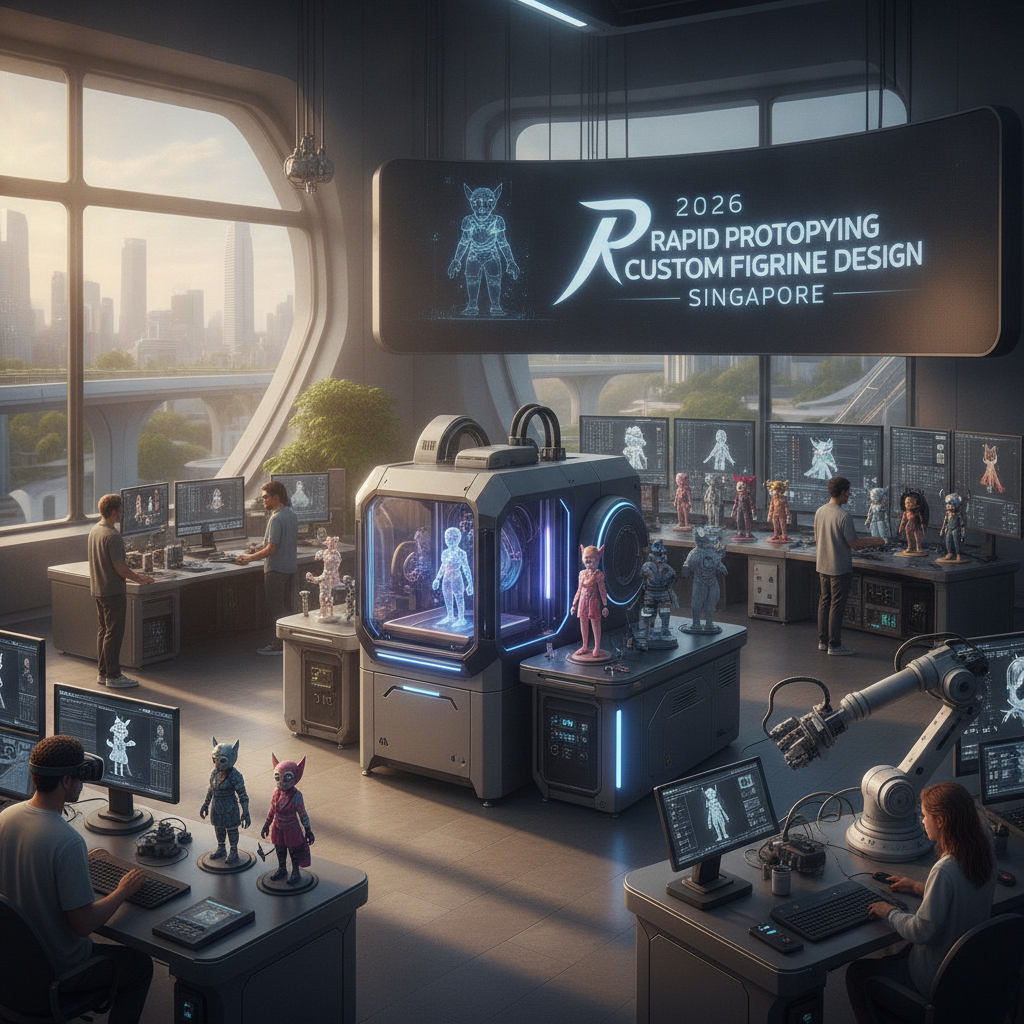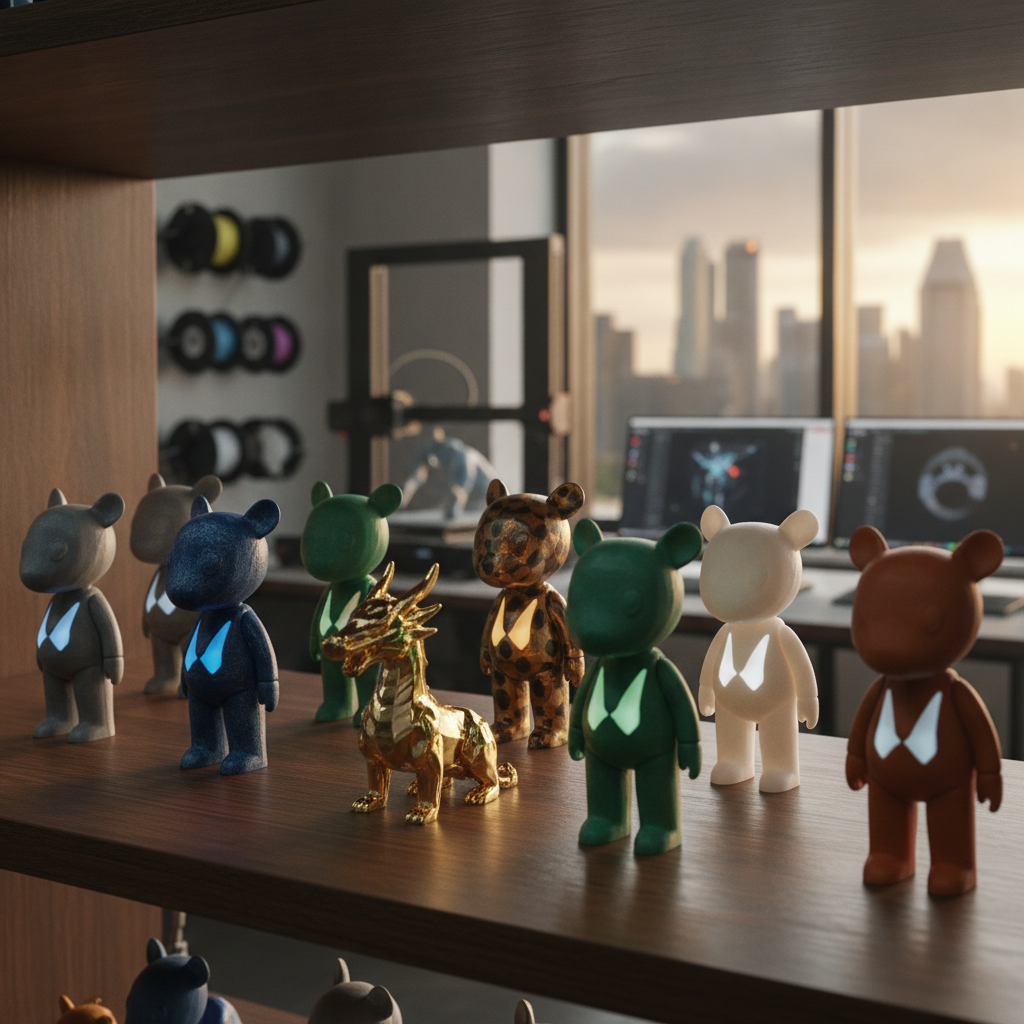

Singapore’s design ecosystem has matured into a fertile ground for lifestyle brands that blend utility, art and culture. As consumers seek products that express identity and taste, limited runs and collectible drops have become a strategic format. For makers and brands focused on lifestyle product design Singapore offers a unique combination of skilled studios, a connected retail scene and strong regional demand, making it a prime place to launch limited edition art toys.
Limited edition art toys are more than small sculptures; they are lifestyle products built on storytelling, rarity and craftsmanship. A successful release typically combines:
Designers who treat these toys as lifestyle products — not just toys — elevate them into items that collectors live with and display. This is where the discipline of lifestyle product design Singapore intersects with the collectible market.
Turning an idea into a limited edition art toy follows a distinct workflow common to lifestyle product design Singapore practices:
Many Singapore studios pair traditional sculpting with digital tools, enabling precision without losing the handmade feel that collectors prize.
Prototyping is a critical stage where ideas either succeed or require major rework. For designers focused on lifestyle product design Singapore, integrating rapid prototyping tools streamlines development and reduces cost. FDM, SLA and resin printing offer different trade-offs in surface detail, strength and finish. If your project needs functional parts or moving joints, FDM is often the practical choice; for high-detail miniatures, resin printing is better.
Local services such as FDM 3D printing for lifestyle product makers and 3D printing service and CAD modeling provide the bridge between concept and small-batch production. Working with specialists in Singapore reduces turnaround time, improves communication and enables on-site adjustments—advantages that matter when editions are limited and timelines are tight.
In the age of social media, packaging is part of the product. Collectors expect packaging that protects the piece and adds to its story. Foil stamps, numbered sleeves, certificates of authenticity, and modular display stands increase perceived value and can justify premium pricing. An effective unboxing experience encourages sharing on Instagram and collector forums, amplifying word-of-mouth.
Designers should consider sustainable alternatives too. Using recyclable inserts, water-based inks or refillable display options aligns with current consumer preferences and can differentiate a release in a crowded marketplace.
Scarcity drives demand, but it must be managed carefully:
Clear communication is essential. Pre-announcements, edition counts, and transparent allocation methods reduce frustration and build trust among collectors.
Collaborations are a proven route to visibility. Partnering with local illustrators, musicians or fashion labels builds cross-audience interest. In Singapore, cross-disciplinary partnerships tap into a community of designers, galleries and lifestyle stores that embrace limited editions.
Collabs also influence the product design process—requirements from a collaborator can lead to unique finishes, co-branded packaging, or limited colorways that enhance desirability.
Successful launches blend digital and physical tactics:
Singapore’s compact geography allows designers to pair an online drop with physical activations at design festivals, independent bookstores, or lifestyle boutiques.
When planning limited edition art toys, factor in production cost per unit (including wasted prototypes), packaging, marketing and platform fees. Edition size drives cost per unit—smaller editions generally mean higher prices.
Intellectual property matters. If a toy references an existing character or likeness, secure licenses. For original IP, consider trademarking key character names and documenting copyrights. Collectors respond well to provenance: signed pieces, serial numbers and certificates all add legal and perceived value.
Sustainability is increasingly part of lifestyle product design Singapore dialogues. Collectors often value longevity and responsible manufacturing:
These practices resonate with buyers and can be a differentiator in marketing narratives.
Distribution choices shape the collector experience:
After-sales care—repair, authentication, and clear return policies—fosters collector loyalty and supports secondary market values.
Whether you’re a solo designer or a small studio, these pragmatic lessons apply:
For a practical reference on production pipelines and the Singapore environment for designers, explore insights on lifestyle product design Singapore. If you’re researching collectible practices specifically, a focused guide on limited edition art toys offers additional context.
Limited edition art toys occupy a creative intersection between lifestyle product design and contemporary collecting culture. In Singapore, a combination of technical capability, design talent and a connected market makes the city-state an ideal launchpad for thoughtfully produced editions. By applying rigorous prototyping, mindful scarcity, strong storytelling and sustainable practices, designers can create products that collectors treasure—and that stand the test of time.