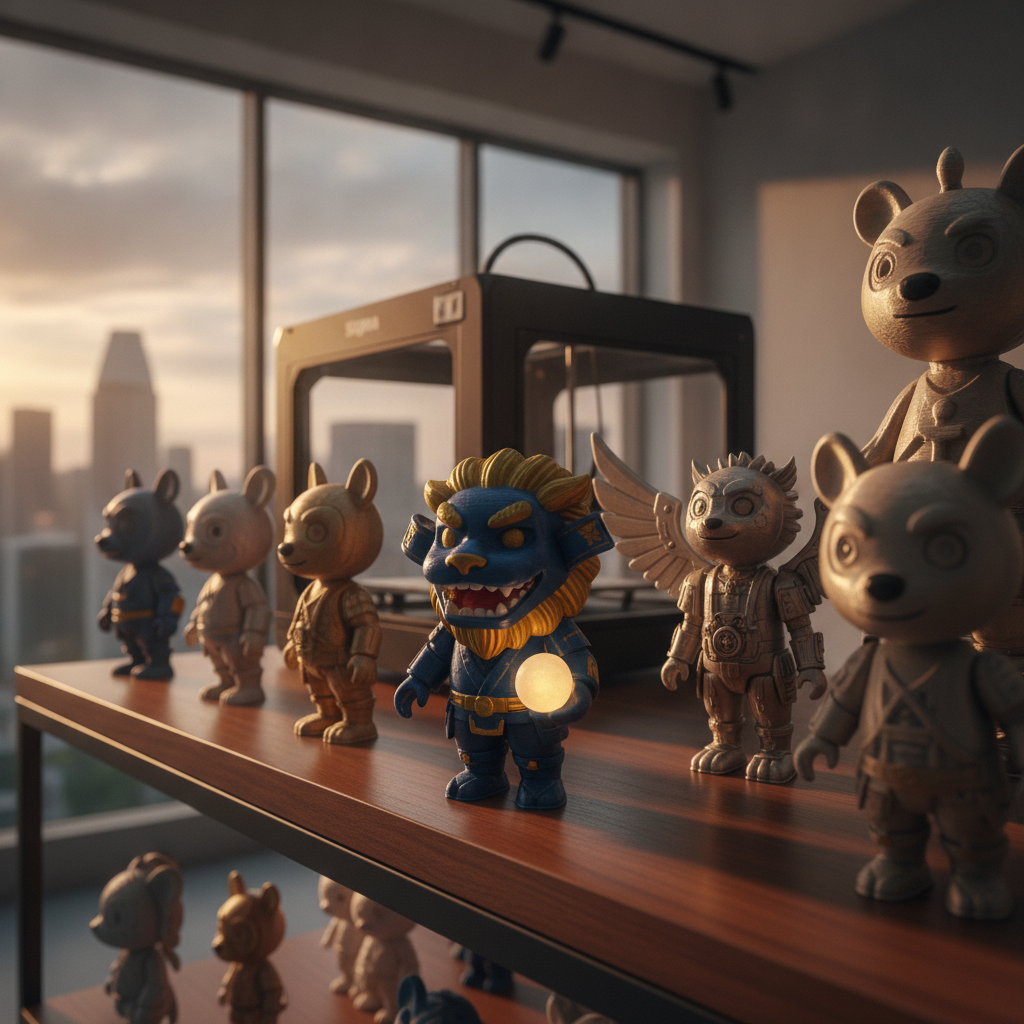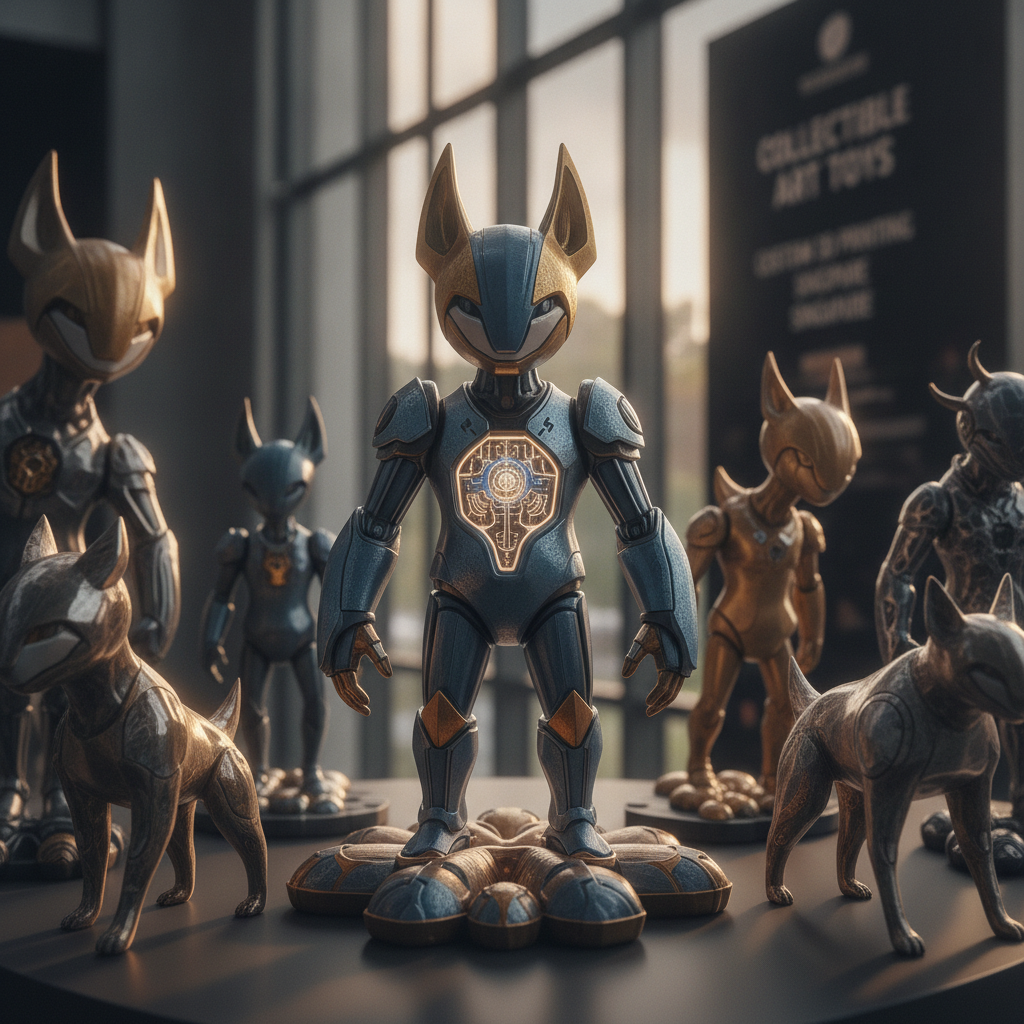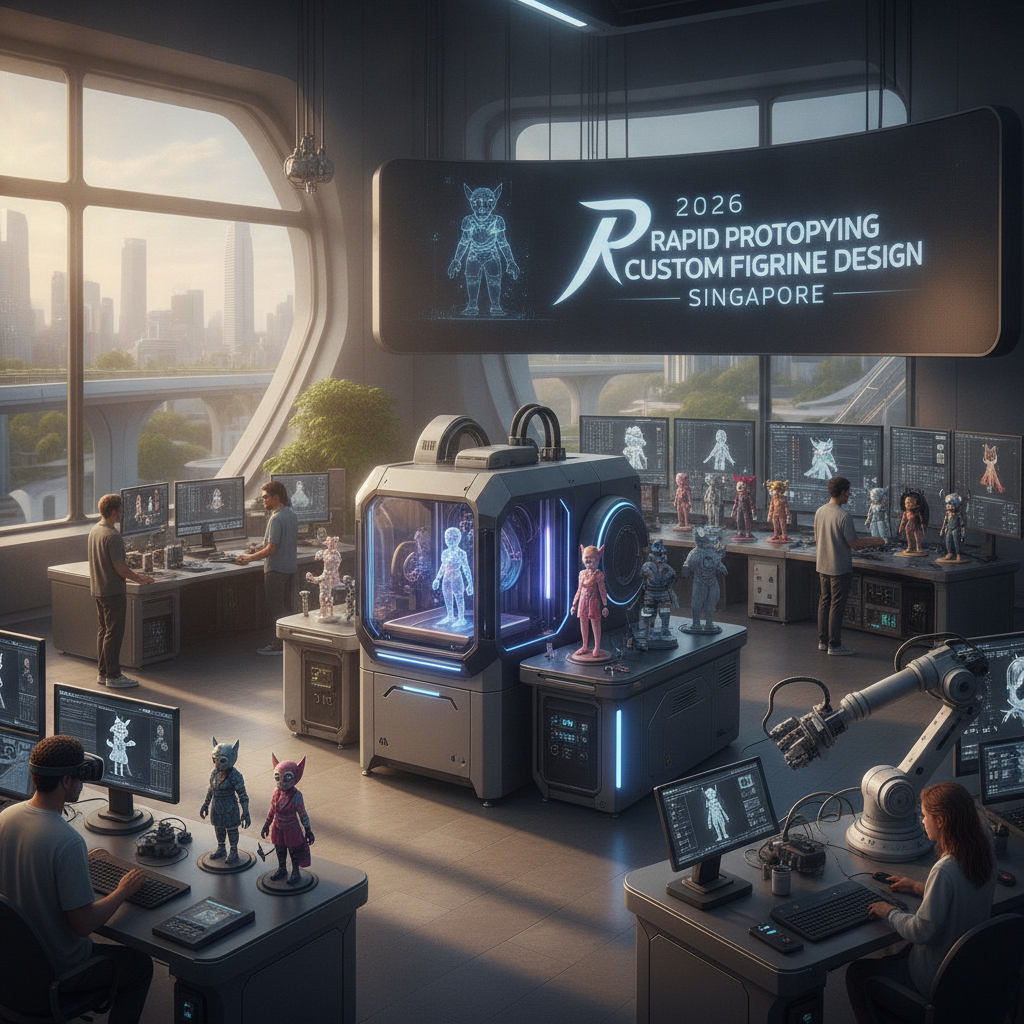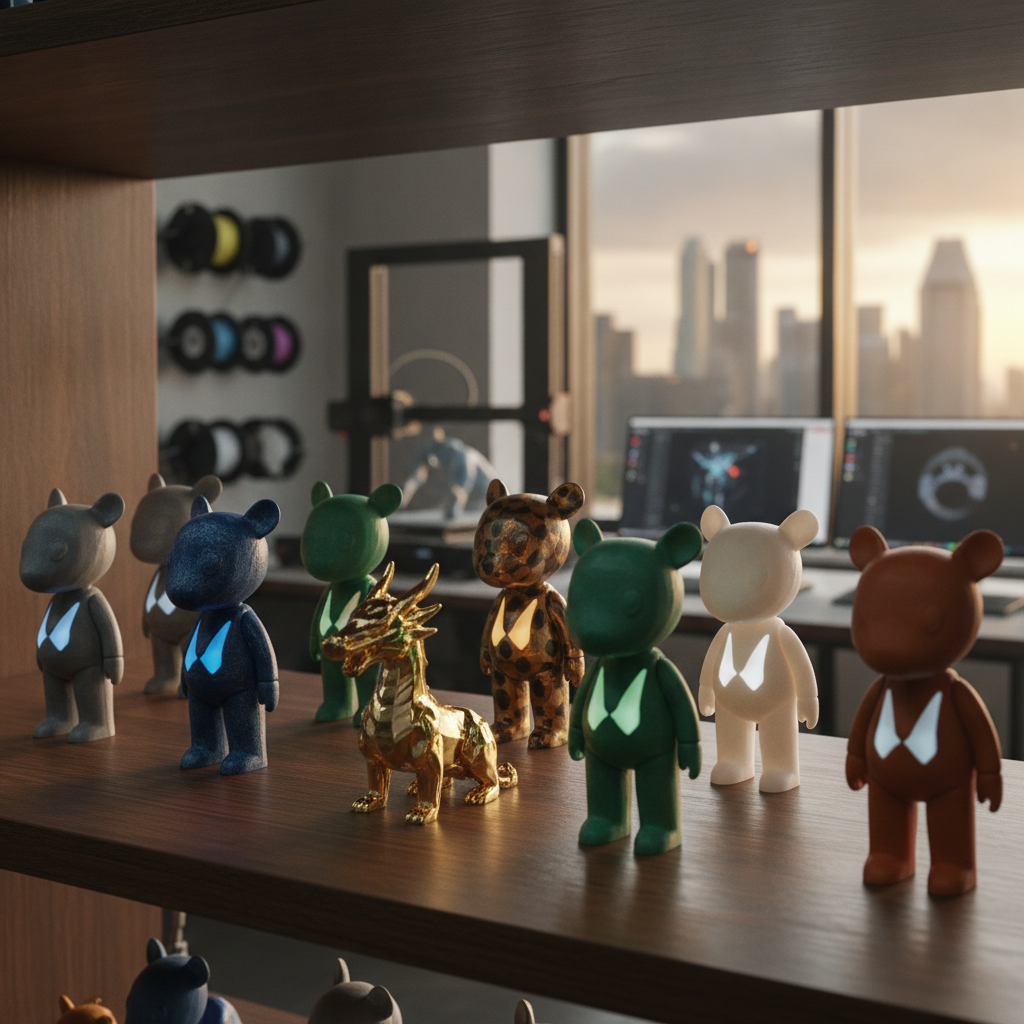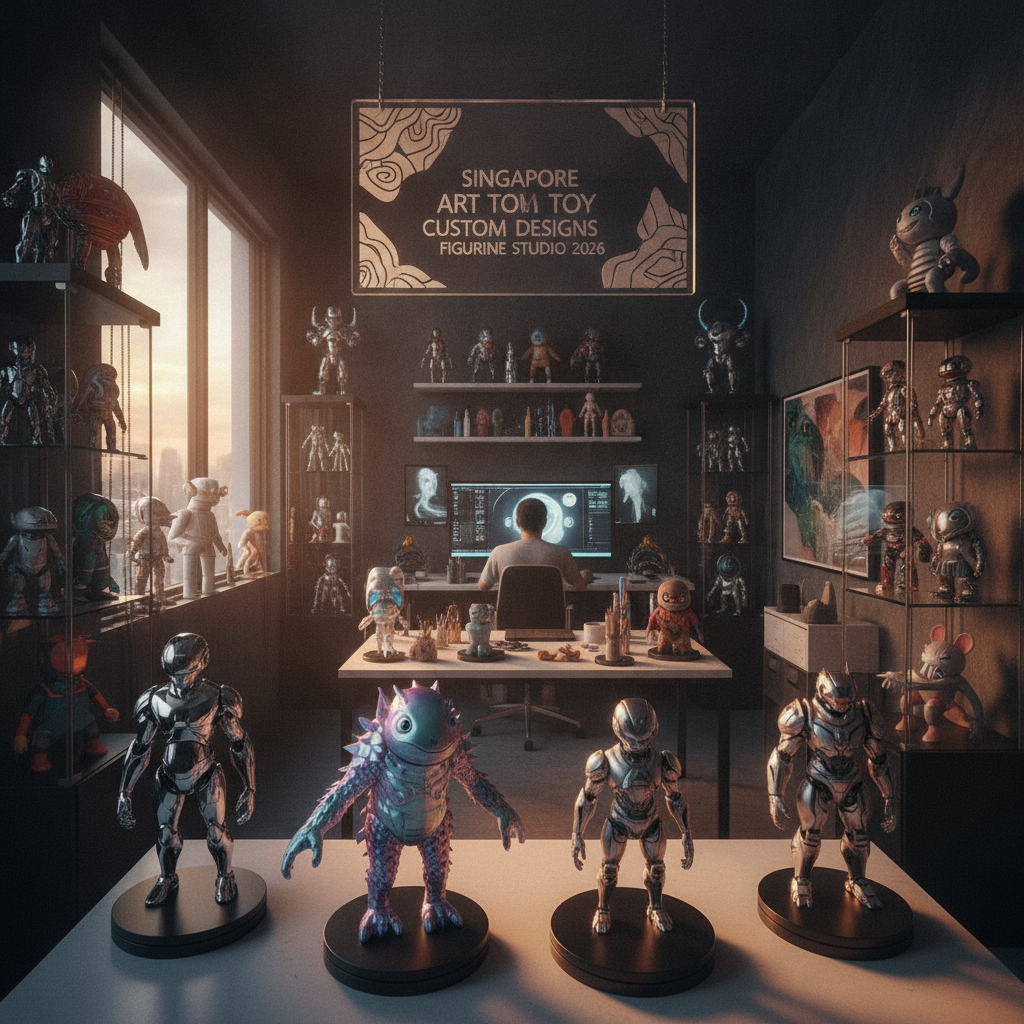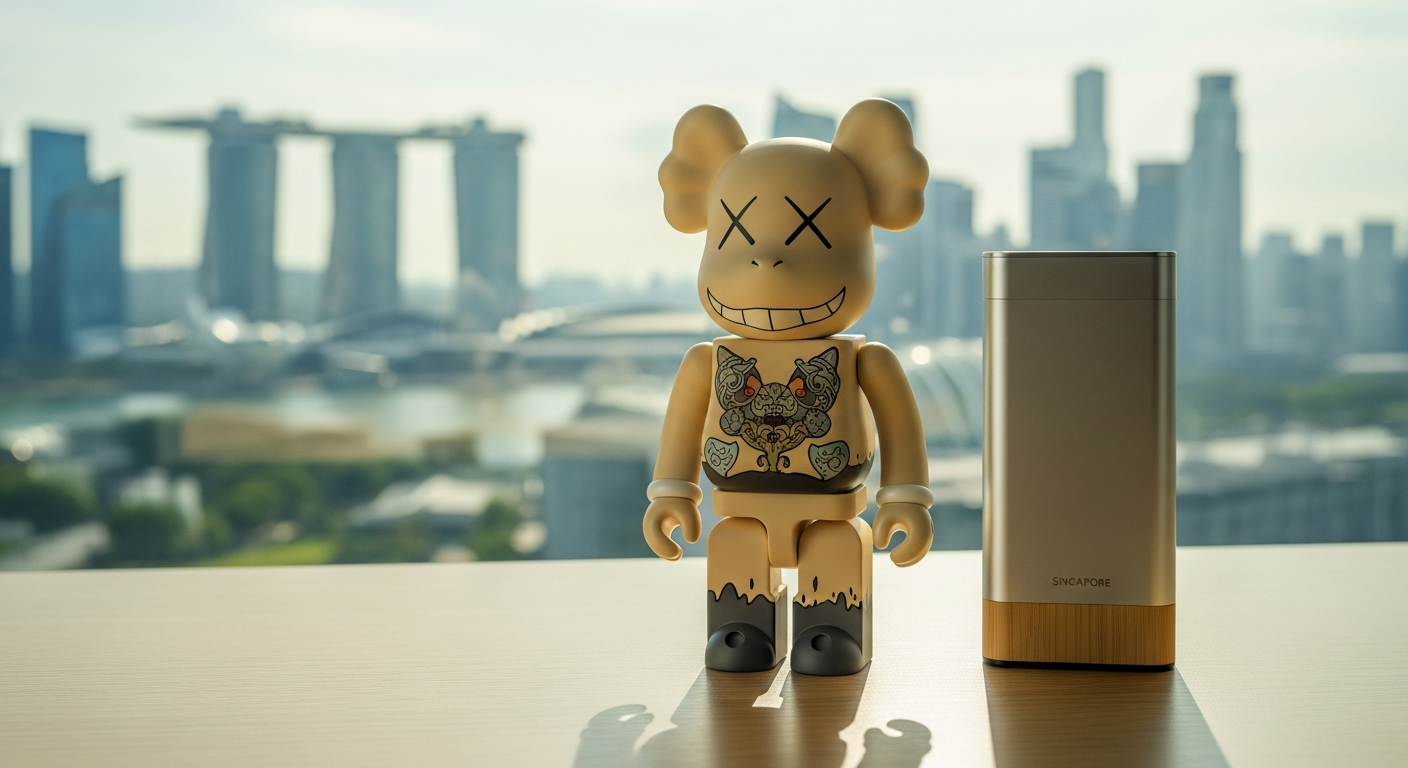

Designer art toys have transcended childhood nostalgia to become meaningful lifestyle objects — limited collectibles, gallery pieces, and branded merchandise that communicate identity. In Singapore, a compact but highly connected design ecosystem is pushing the intersection of lifestyle product design Singapore and art toys forward. This article explores the trends, materials, production workflows and strategic opportunities that make designer art toys a compelling channel for brands, independent designers and collectors.
Lifestyle product design focuses on creating objects that integrate seamlessly into daily life while expressing personal taste. Art toys do the same, but with a narrative and collectible mindset. When lifestyle product design Singapore adopts art toy aesthetics, the results go beyond novelty: products become conversation pieces that amplify brand storytelling, enhance retail experiences and create secondary-market value.
Key reasons the convergence matters:
– Emotional connection: art toys use character, backstory and limited runs to build affinity.
– Differentiation: in saturated markets, a distinctive collectible can set a product line apart.
– Cross-disciplinary appeal: they bridge industrial design, illustration, and subculture fashion.
Singapore’s design scene benefits from strategic location, manufacturing partners across the region, and a forward-looking creative class. Current trends include:
– Limited drops and scarcity marketing: small-run drops create urgency and community engagement.
– 3D printing adoption: rapid prototyping and small-batch production let designers test concepts fast.
– Sustainable materials: designers are experimenting with bio-resins and recyclable thermoplastics.
– Collaborations: artists team up with lifestyle brands, cafés and hospitality venues to produce exclusive toys.
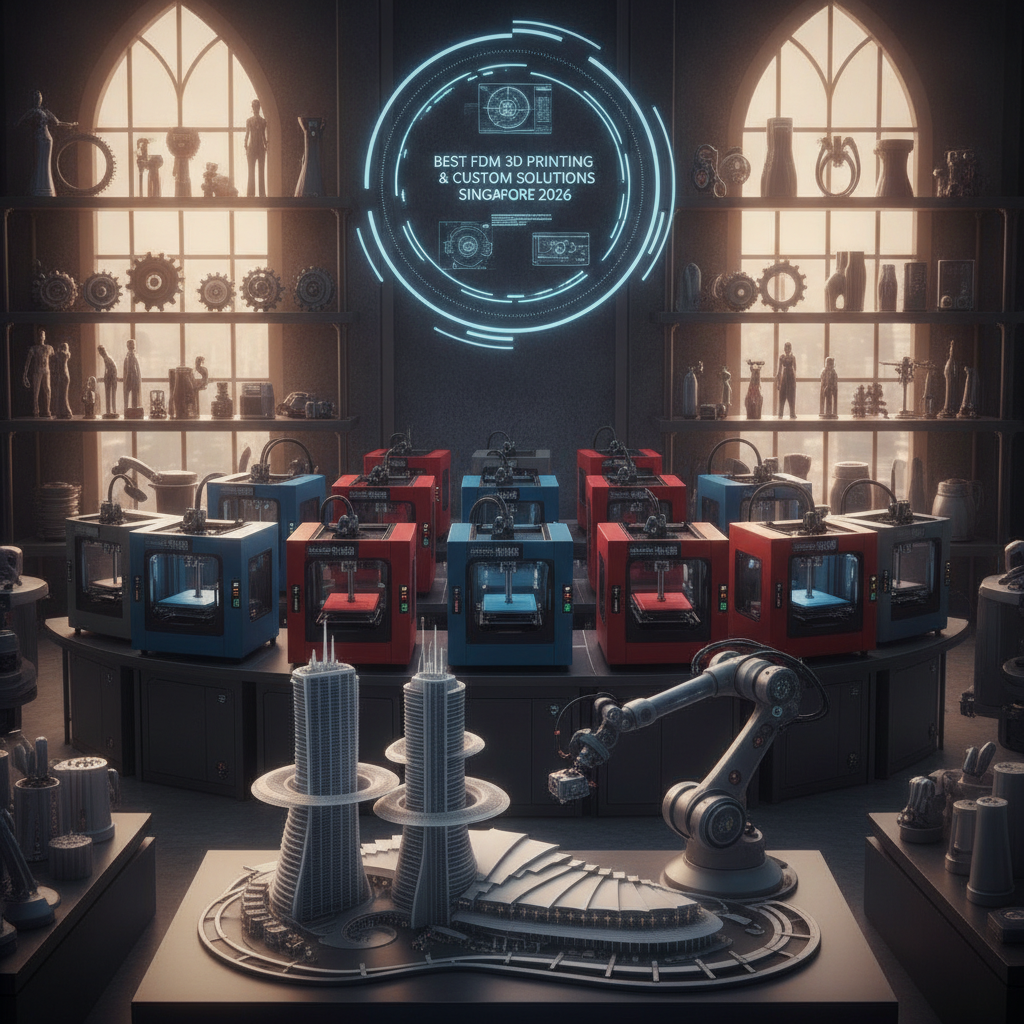
A visible example is how Singapore-based studios use singapore FDM 3D printing to accelerate concept validation and prepare limited releases with tight tolerances and consistent quality. singapore FDM 3D printing lets designers iterate faster while controlling costs for short runs.
Choosing the right materials and processes is a design decision with commercial consequences.
– FDM and SLA 3D printing: ideal for detailed prototypes, custom molds and small-batch production. FDM is cost-effective and robust; SLA offers high-resolution surfaces for premium finishes.
– Injection molding: best for larger-volume production; high upfront tooling cost but lower per-unit price at scale.
– Vinyl and PVC: classic choices for designer toys, offering durability and paintability.
– Resin and cold-cast options: used for art editions where weight and finish emulate ceramic or metal.
Designers in Singapore increasingly rely on hybrid workflows: prototype in-house with SLA or FDM, then scale with trusted regional factories. For teams focusing on short seasonal runs, leveraging FDM 3D printing Singapore provides the flexibility to produce collectible models without heavy capital expenditure. See how studios position this in their production strategies here: FDM 3D printing Singapore.
A robust design process ensures an art toy works as both an expressive object and a manufactured product.
1. Concept and storytelling: start with a compelling character, narrative, or cultural reference. This fuels design coherence and marketing.
2. Sketches and orthographic drawings: establish proportions, joints, and paint zones.
3. Digital sculpting: tools like ZBrush or Blender translate sketches into 3D models.
4. Prototyping: create physical prototypes (FDM/SLA) to validate feel, scale, and assembly.
5. Surface treatment and finishing: decide on paint, decals, or mixed materials to achieve the desired aesthetic.
6. Production planning: choose manufacturing method, establish quality controls and plan packaging.
Packaging and unboxing are part of the experience economy. In lifestyle product design Singapore, premium packaging can elevate the perceived value of an art toy, reinforce brand story and even become a collectible element itself.
Limited editions are central to the art toy market. Scarcity drives collector interest, secondary-market activity and press coverage. Designers use tactics such as serialized numbering, artist signatures and tiered editions (open, limited, artist proof) to create value.
Linking product launches to community events, pop-up shops or online drops amplifies attention. For designers and brands looking to run curated, small-batch projects, examples of limited edition programs give a clear model to follow: limited edition art toys.
Collectors care about provenance and longevity. Sustainable practices are becoming non-negotiable for many brands and consumers.
– Use recycled or plant-based plastics where feasible.
– Offer buy-back or repair programs to extend lifetimes.
– Design modular toys that allow for parts replacement rather than disposal.
Singapore’s design community is experimenting with eco-conscious finishes and transparent supply chains. This is especially relevant for lifestyle product design Singapore, where environmental credentials increasingly influence purchase decisions.
Designer art toys are a natural fit for collaborations. Potential partners include:
– Fashion labels seeking unique merchandise.
– Cafés and boutiques using toys as limited promotional items.
– Museums and galleries commissioning artist editions.
– Tech brands exploring experiential giveaways for product launches.
A production partner that understands both collectible workflows and lifestyle product timelines is invaluable. For teams exploring collectible manufacturing options, resources on specialized collectible art toys and custom figurine design offer practical guidance: collectible art toys.
Monetization channels for designer art toys include:
– Direct-to-consumer drops via e-commerce — ideal for building a subscriber base.
– Boutique retail partnerships — good for discoverability and impulse purchases.
– Gallery shows and pop-up events — position the toy as an art object.
– Subscription-based or mystery-box models — create recurring revenue and collector engagement.
Combining physical retail with strong online storytelling and community management maximizes reach. For product teams, integrating product design and custom figurine services into a broader roadmap helps align brand goals and production timelines: product design Singapore.
Setting the right price balances perceived value, production costs and market positioning. Consider tiered pricing:
– Open edition (affordable, higher volume)
– Limited edition (mid-range, numbered)
– Artist proof / bespoke (high-end, very limited)
Include costs for design time, prototyping, tooling (if any), finishing, packaging and logistics. Pricing also reflects narrative: a toy co-designed with a well-known artist commands a premium versus an anonymous edition.
Community fuels collectible markets. Effective tactics include:
– Teaser campaigns and countdowns for drops.
– Behind-the-scenes content showing sculpting and finishing.
– Limited pre-orders for existing fans to reduce financial risk.
– Leveraging local maker spaces, galleries and design festivals in Singapore to showcase prototypes.
Partnerships with micro-influencers and niche publications in the designer toy space build credibility faster than broad, generic campaigns.
Successful Singaporean projects tend to share certain traits:
– Clear narrative that resonates locally or regionally.
– A production pipeline that combines rapid prototyping with selective scaling.
– Strong visual identity that translates across product, packaging and marketing.
Studios that master this sequence — concept, prototype, limited release, community — often find opportunities in licensing and cross-sector collaborations.
If you’re evaluating production paths, learning more about how studios use FDM and small-batch workflows can inform realistic timelines and budgets. A helpful resource outlines practical FDM approaches for limited editions and rapid production: FDM 3D printing Singapore.
Designer art toys are now a strategic tool within lifestyle product design Singapore — not just novelty items, but brand amplifiers and collectible assets. With advances in rapid prototyping, smarter materials and community-driven commerce, both independent creators and established brands can create meaningful products that resonate culturally and commercially. By combining strong storytelling, thoughtful production choices and sustainable practices, art toys will continue to shape how consumers discover and live with designed objects.