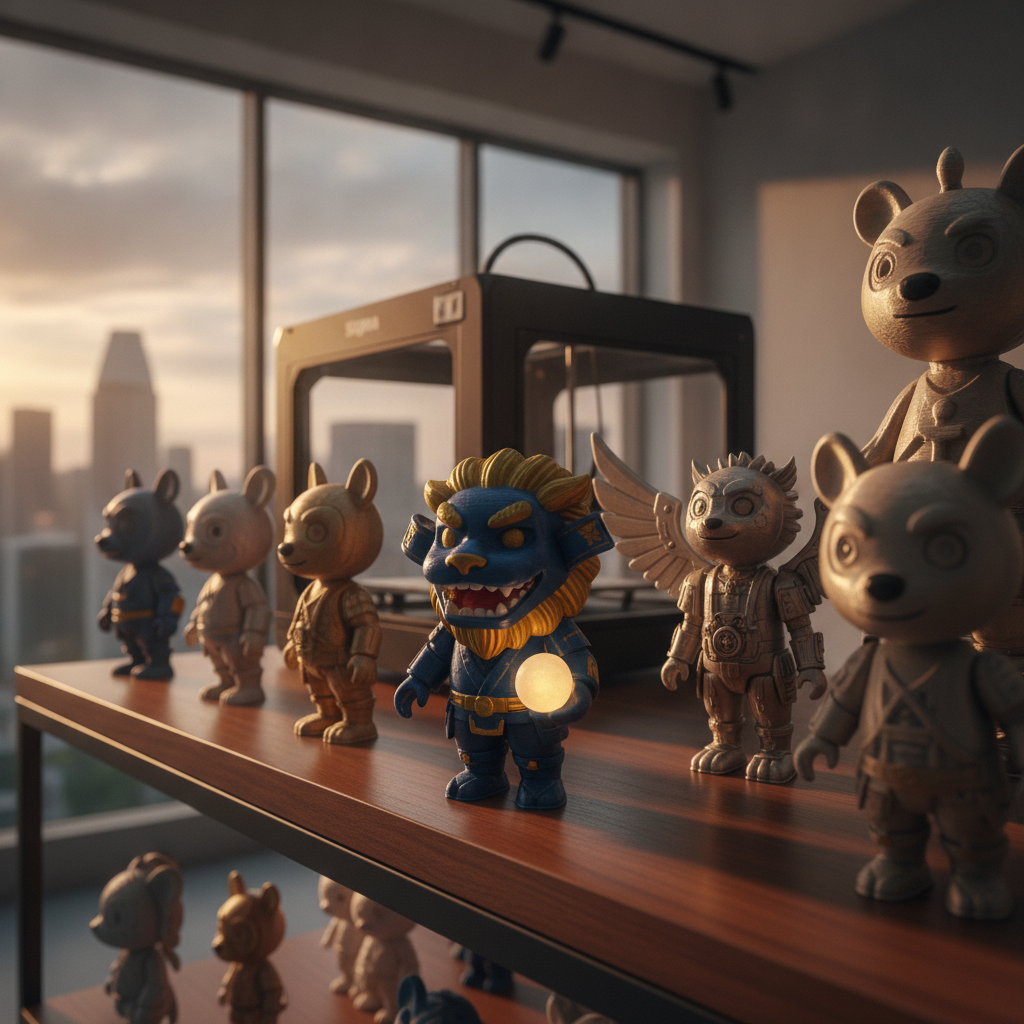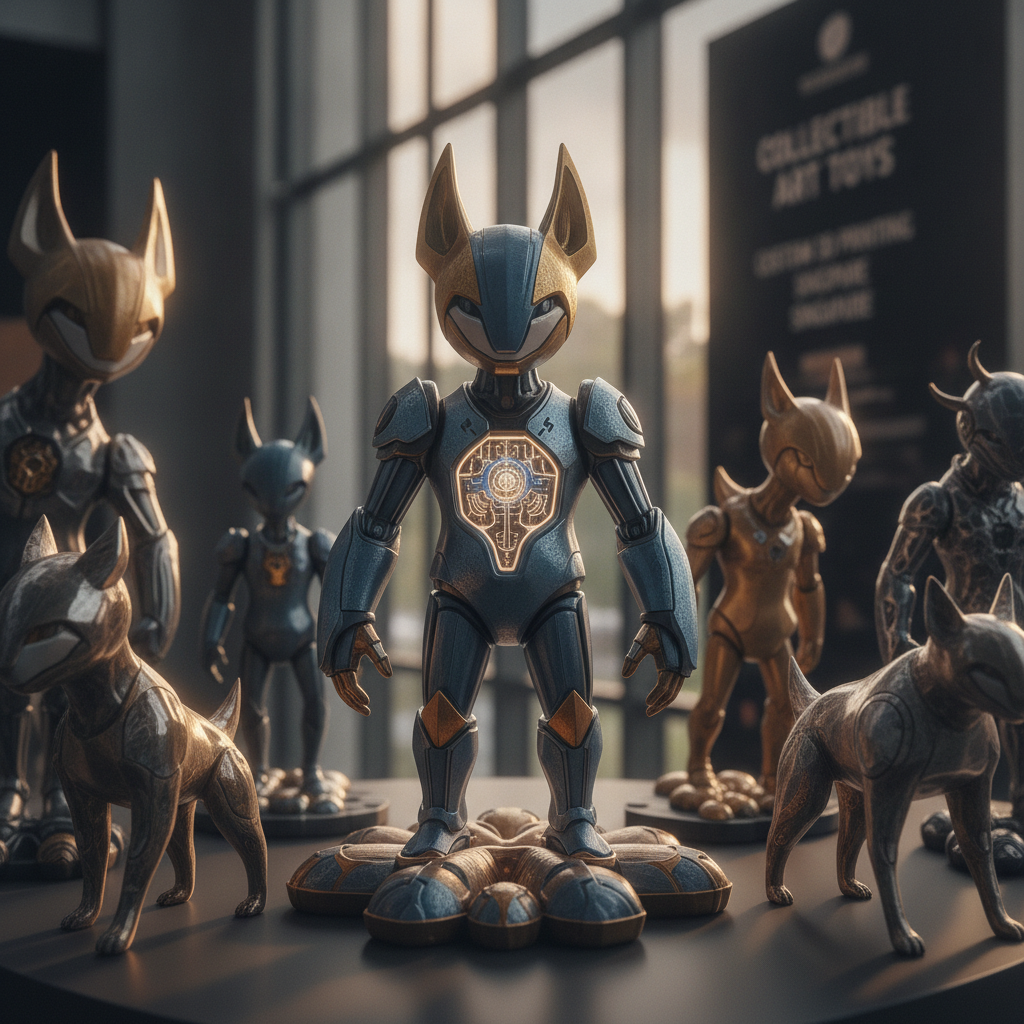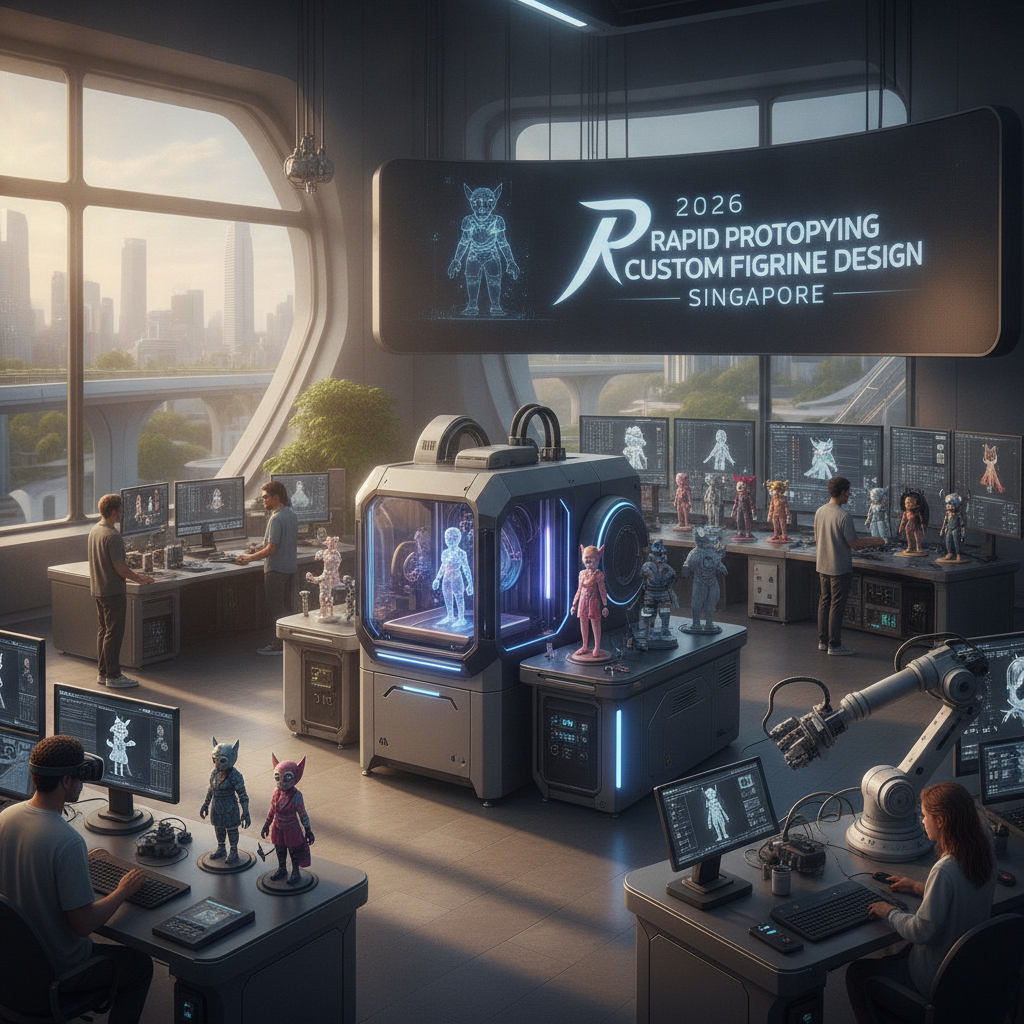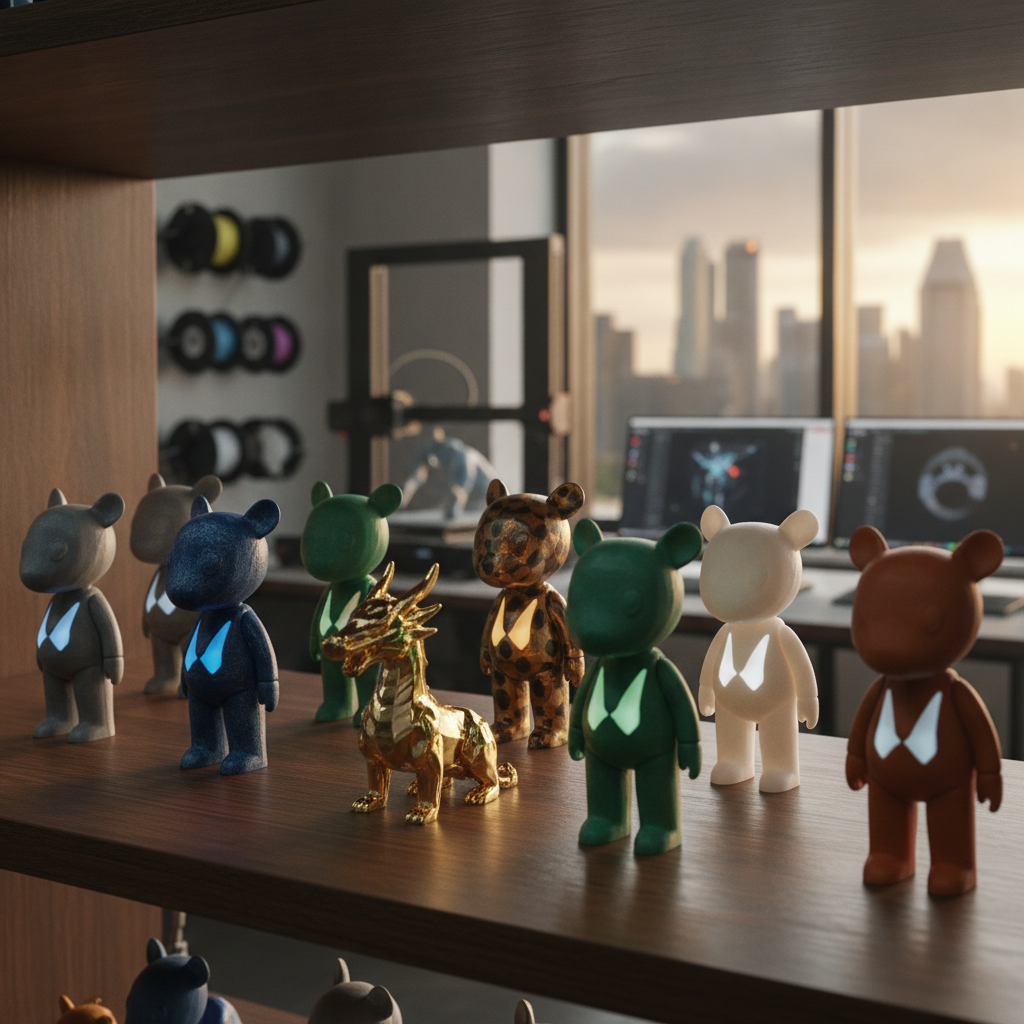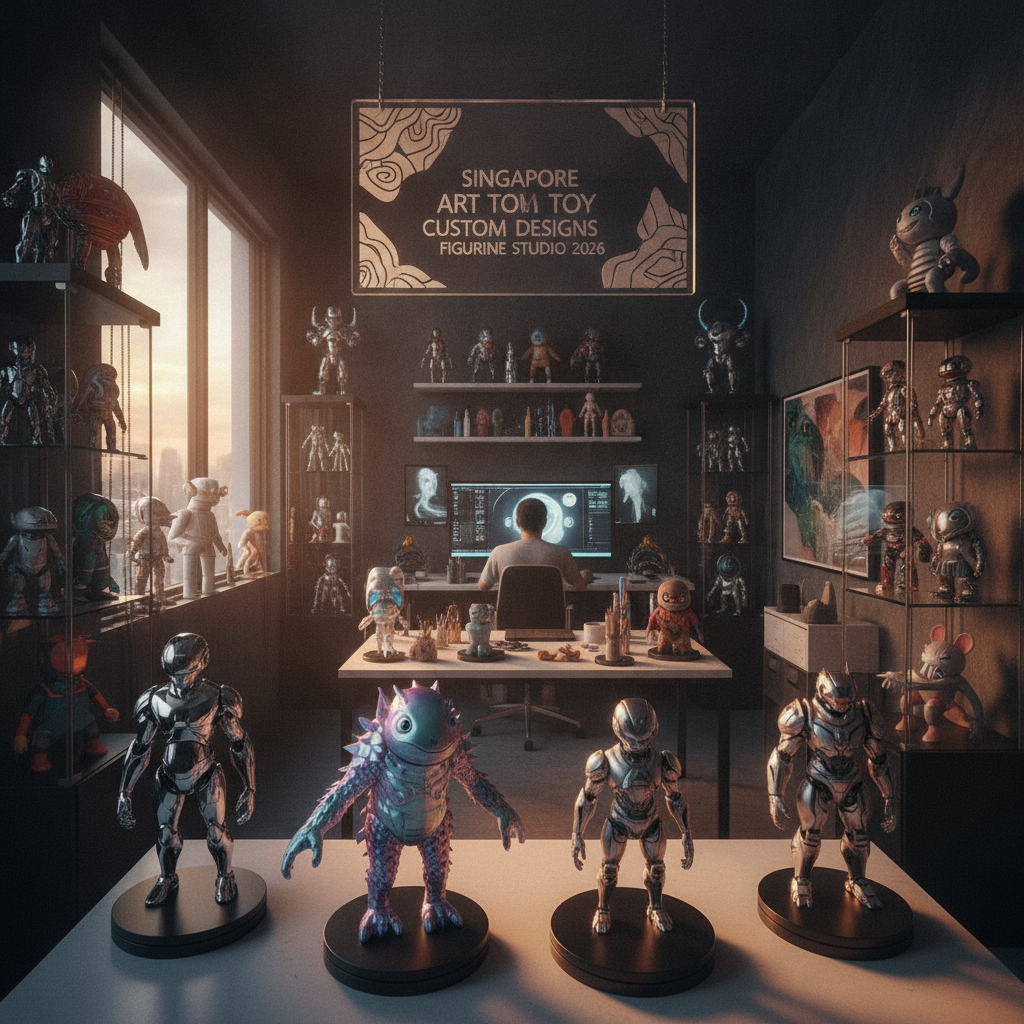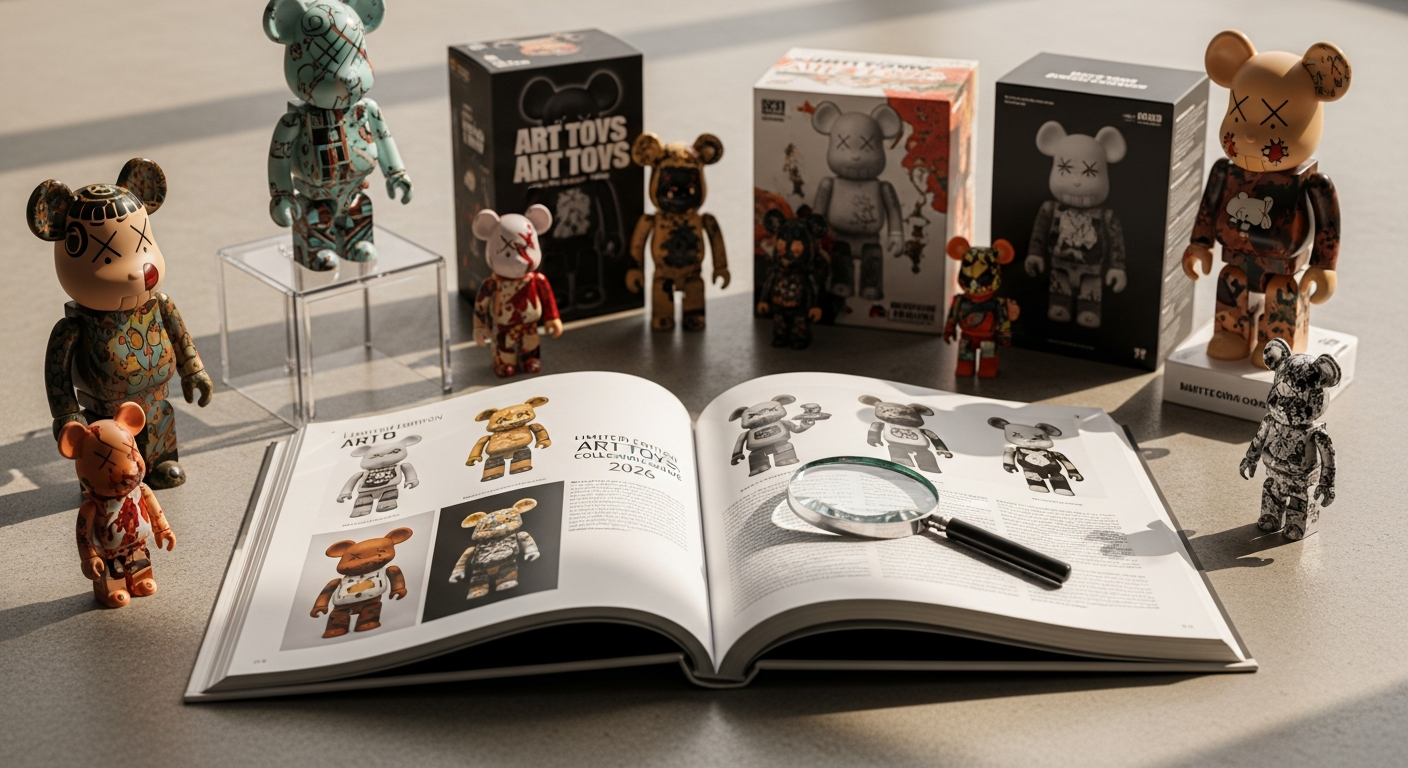

Limited edition art toys are small-run collectible figures created by artists, designers, and boutique studios. Unlike mass-produced toys, these pieces are often produced in constrained quantities — sometimes as few as 10 or as many as several hundred — and are prioritized for aesthetic expression, artist signature, or unique manufacturing processes. In 2026, these objects have evolved into a hybrid of pop culture, fine art, and designer craft, attracting collectors who value scarcity, provenance, and creative storytelling.
The market has matured: collectors increasingly treat limited edition art toys as cultural artifacts and investment-grade objects. This trend is reinforced by better documentation, improved manufacturing techniques, and active secondary marketplaces. Whether you’re a newcomer or a seasoned collector, understanding the dynamics that make a limited edition art toy desirable is essential.
Edition size is the first rule of thumb: smaller runs generally command higher prices due to scarcity. But scarcity alone doesn’t determine value. Key factors include:
Understanding these variables helps you evaluate limited edition art toys beyond their sticker prices.
Modern production techniques are central to the current art toy landscape. Rapid prototyping and advanced CAD workflows allow artists to iterate faster and produce complex shapes that were previously impractical.
For makers who want expert production capabilities, learning about CAD workflows and prototyping resources is useful: explore specialized services like CAD modeling and rapid 3D prototyping to see how studios bring concepts to life. These technologies also increase the quality of limited editions by enabling precise molds, detailed surface textures, and consistent repainting templates.
FDM and resin printing have both found places in the art toy pipeline. FDM is more accessible for initial prototyping and low-cost concepts, while high-resolution resin printers handle fine details and small-batch finishing. Learn how artists deploy both methods on resources discussing FDM 3D printing for art toys.
Collectors increasingly crave pieces that feel personal. This is driving demand for bespoke and customizable runs: artist-customizable colorways, limited personalization options, and small custom runs for fan communities.
If you’re considering a commissioned piece or a micro-run, reading about Singapore custom figurine design and studio workflows can illustrate the design-to-production path. Studios today can handle everything from digital sculpting to final finishing, making small, collectible runs viable for independent artists and niche brands.
Buying limited edition art toys requires a mix of research, timing, and discipline. Follow these practical steps:
If you want practical options for sourcing and purchasing, see curated resources that help collectors buy art toys and custom figurines.
Authenticity is the backbone of the limited-edition market. Here are steps to secure provenance and maintain condition:
For pieces produced with advanced prototyping and finishing, professional-grade stabilizing techniques prolong life and collector satisfaction. If you commission or work with studios, ask about archival finishes and recommended care guidelines.
While not as standardized as comic books or coins, art toy grading is emerging. Professional graders and third-party authentications are becoming more common for high-value pieces. When evaluating investment potential, consider:
Use historical sales data from secondary marketplaces and auction results to recognize fair market value. For studio-level manufacturing, research the studio’s release history and secondary market performance to anticipate future trends. For an overview of advanced manufacturing that impacts production quality, consider reading about top custom 3D printing and rapid prototyping options.
Collectors rely on communities and events to discover promising releases. Keyplaces to watch include:
Being active in communities gives you early access to drops and the ability to learn which artists are gaining traction. Many collectors also follow studios that offer end-to-end services for independent creators; understanding studio capabilities helps predict the quality and longevity of a release.
By 2026, sustainability has become an important criterion for some collectors. Artists and studios are experimenting with recycled resins, plant-based materials, and modular packaging to reduce waste. While these approaches can add to production costs, a growing number of collectors value eco-friendly practices, and some releases advertise limited editions specifically produced with sustainable materials.
If sustainability matters to you, ask artists or studios about material sources and finishing processes before buying.
For collectors who want pieces with a strong design pedigree, custom figurine design studios can create unique one-offs or small runs that blend artwork with collectible craftsmanship.
Limited edition art toys in 2026 sit at the intersection of creative expression, collectible culture, and evolving production technologies. Whether you collect for love, aesthetic curation, or long-term value, understanding edition mechanics, production methods, and community dynamics will make you a smarter buyer and custodian. Keep an eye on manufacturing innovations, studio reputations, and active communities to discover the next must-have pieces.
Useful links for deeper reading and sourcing:
By combining careful research with community engagement and proper care, you can build a meaningful collection of limited edition art toys that reflects both personal taste and market-savvy decisions.