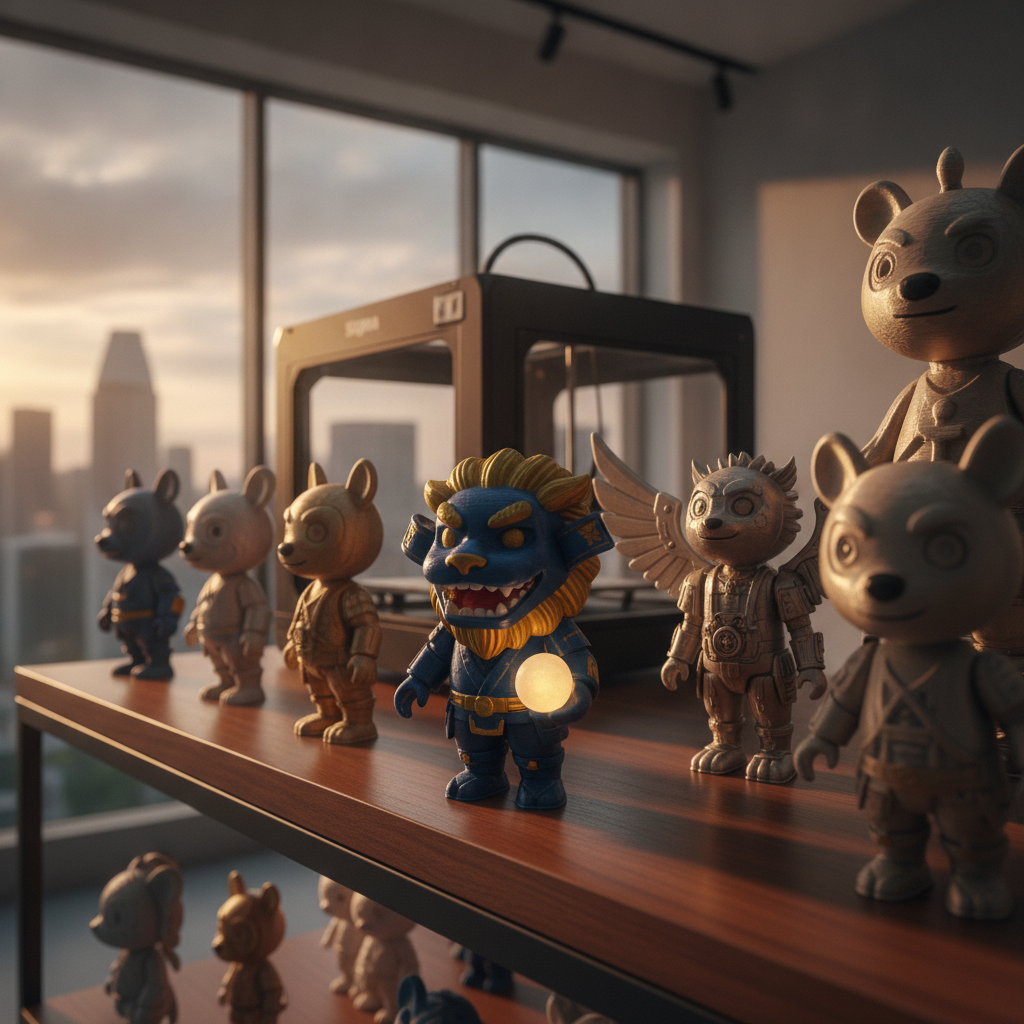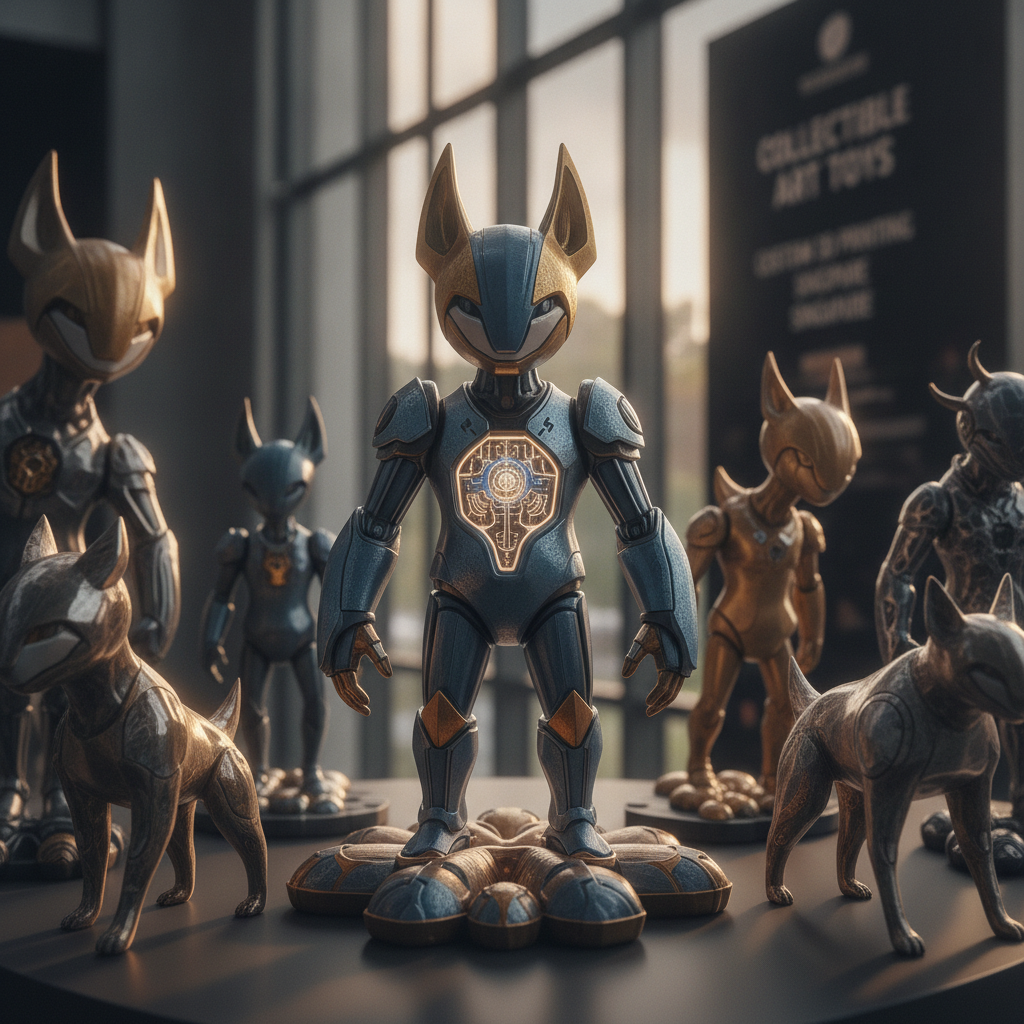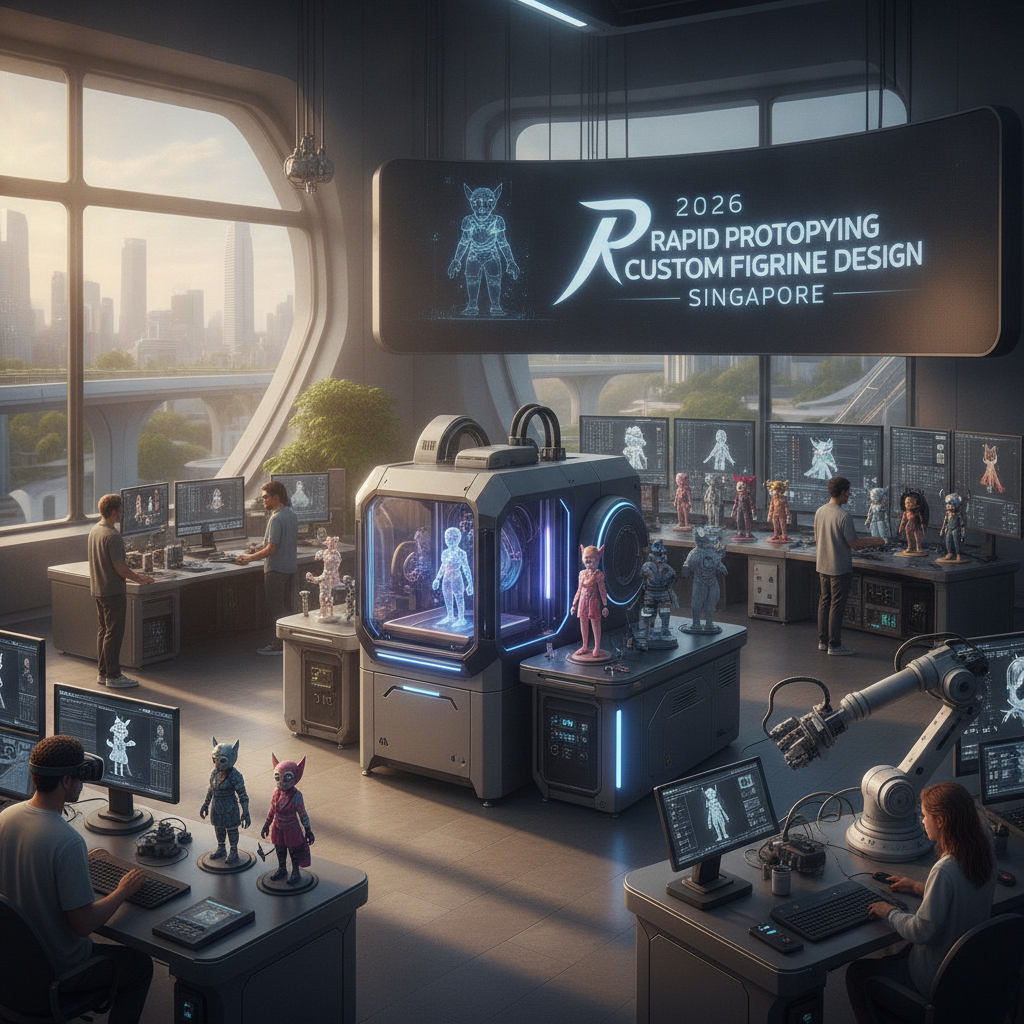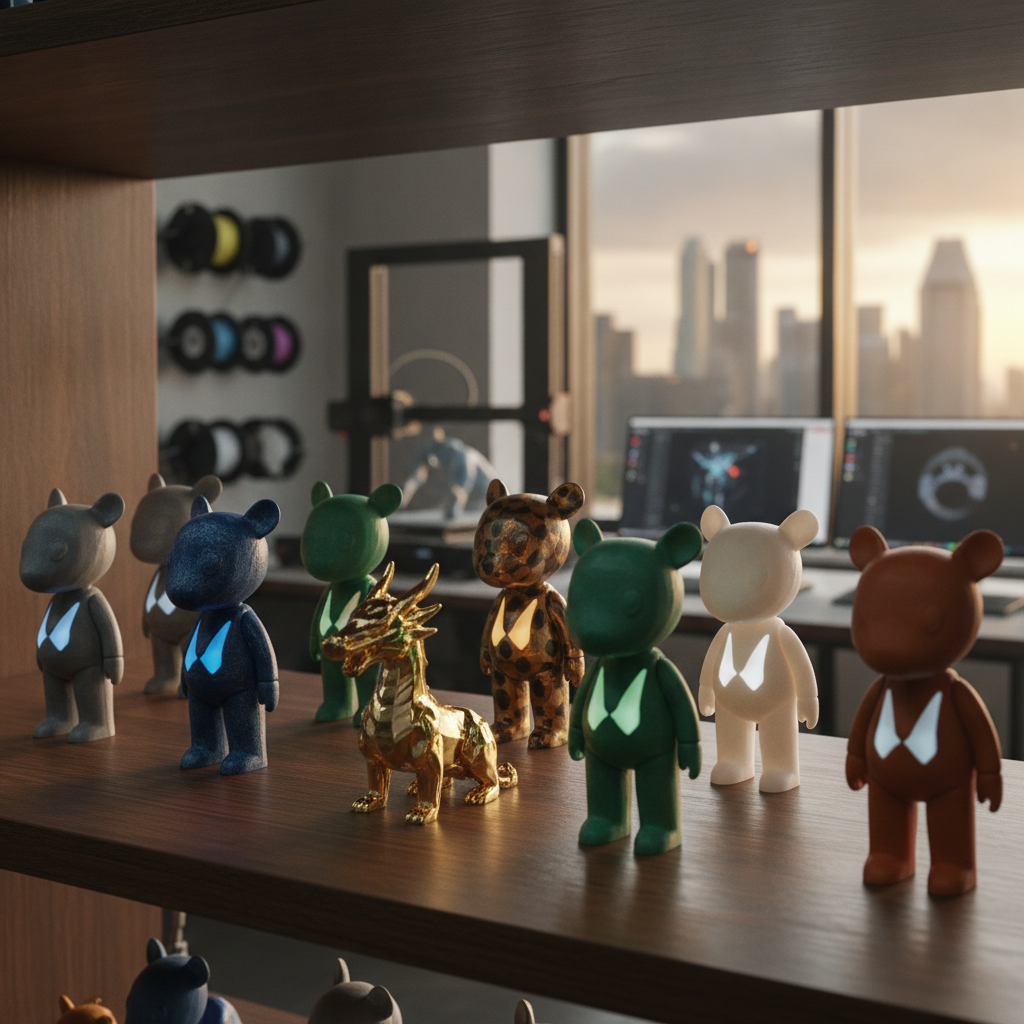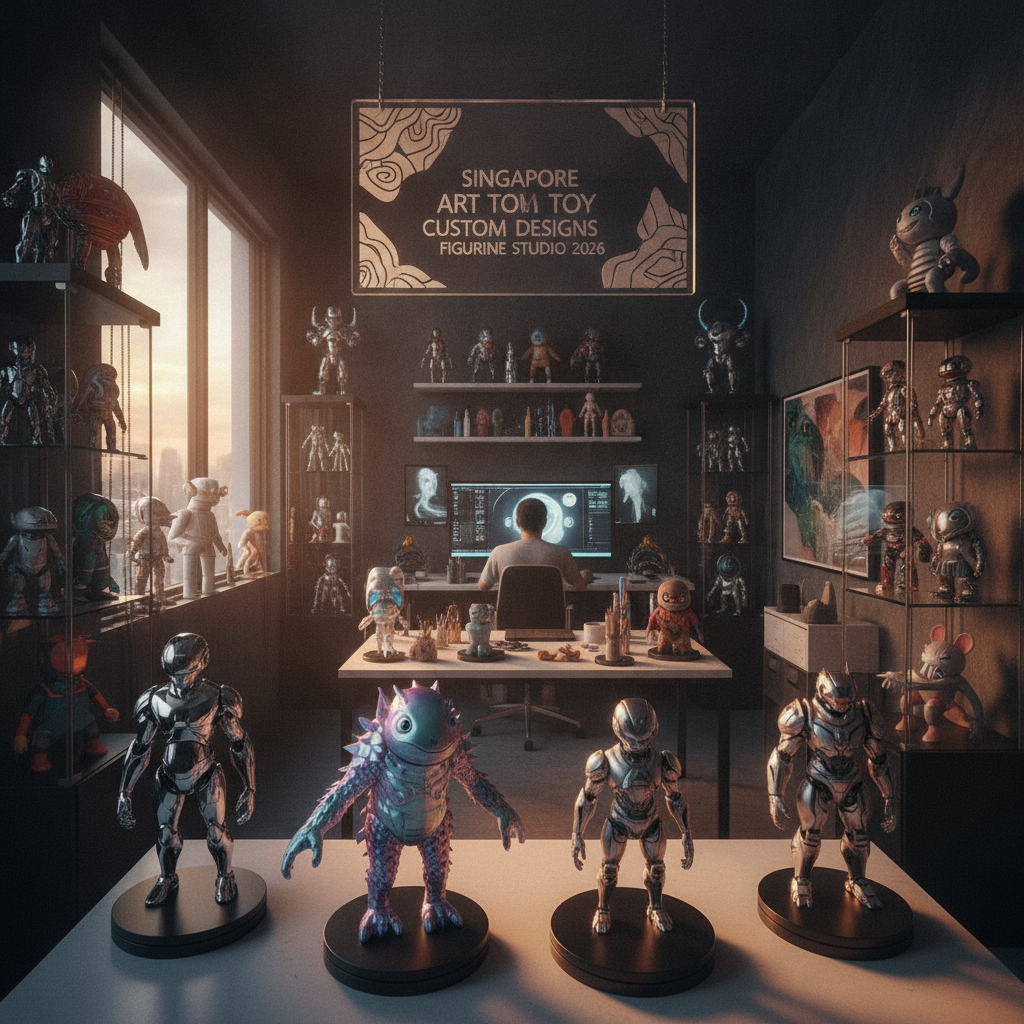

Singapore’s creative ecosystem has become a hotspot for bespoke art toys and custom figurine design. By 2026, a mix of accessible 3D technologies, small-batch manufacturing, and a thriving collector base has made custom collectible figures an accessible and lucrative niche for artists, designers, and brands. This article walks through the essential technologies, workflows, market dynamics, and trends that matter for anyone interested in commissioning, producing, or collecting custom figurines in Singapore.
Singapore offers several advantages that accelerate custom figurine design: proximity to advanced prototyping services, a strong design education pipeline, efficient logistics across Asia-Pacific, and a local community that supports limited-edition art toys. Designers benefit from rapid iteration cycles thanks to local 3D-printing studios and post-production specialists. Local manufacturing hubs also keep lead times short for small-batch drops, enabling frequent releases and stronger engagement with collectors.
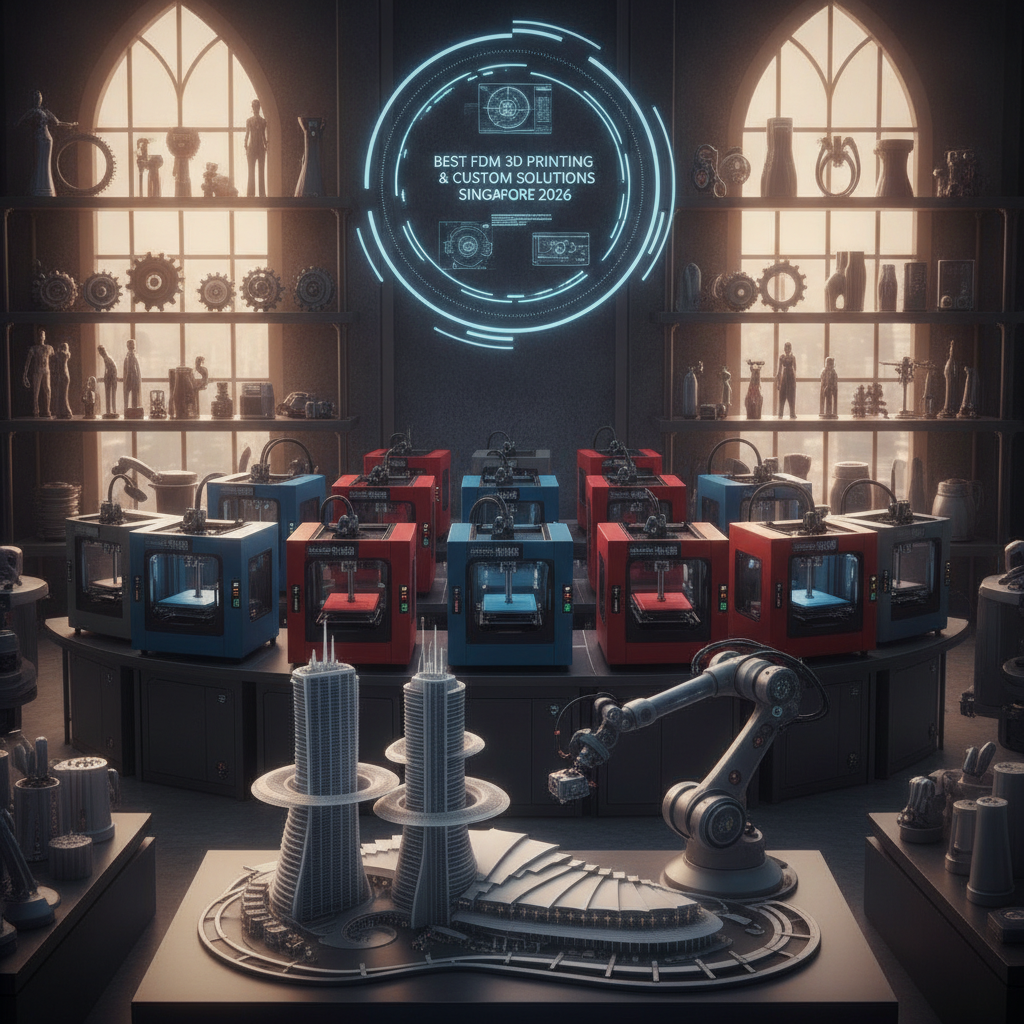
Different art toys require different technologies. Two dominant streams are resin-based SLA/DLP printing for high-detail sculpts and FDM for larger, cost-effective runs. Resin printers are favored for fine-sculpted collectible figurines with crisp surface detail, while optimized FDM workflows (with higher-resolution nozzles and improved slicing) can produce robust prototypes and larger limited editions.
For a deeper look at studio-ready 3D production in Singapore, studios are publishing case studies of tailored production services such as custom 3D printing.
A predictable, well-documented workflow is what separates a one-off prototype from a reliable limited-edition run. Typical stages include:
Artists and studios in Singapore are increasingly using local rapid-prototyping services to shorten this cycle from months to weeks. If your project relies on FDM for volume or cost reasons, read more about how FDM 3D printing is fueling limited releases.
Limited-edition art toys create scarcity and community excitement. Effective drops combine strong storytelling, timed releases, and collector perks like numbered editions or artist signatures. Use social media teasers, behind-the-scenes process videos, and pre-release auctions to build demand.
Tips for executing a strong drop:
For examples of how curated limited runs are packaged and marketed, check resources on limited-edition art toys.
Sustainability has become a major consideration. Designers and manufacturers are adopting recycled filaments, bio-resins, and eco-friendly packaging. Key choices include:
Collectors increasingly prefer brands that disclose material sourcing and end-of-life options. Singapore’s small-batch producers often have flexibility to experiment with newer, greener materials and communicate those benefits to buyers.
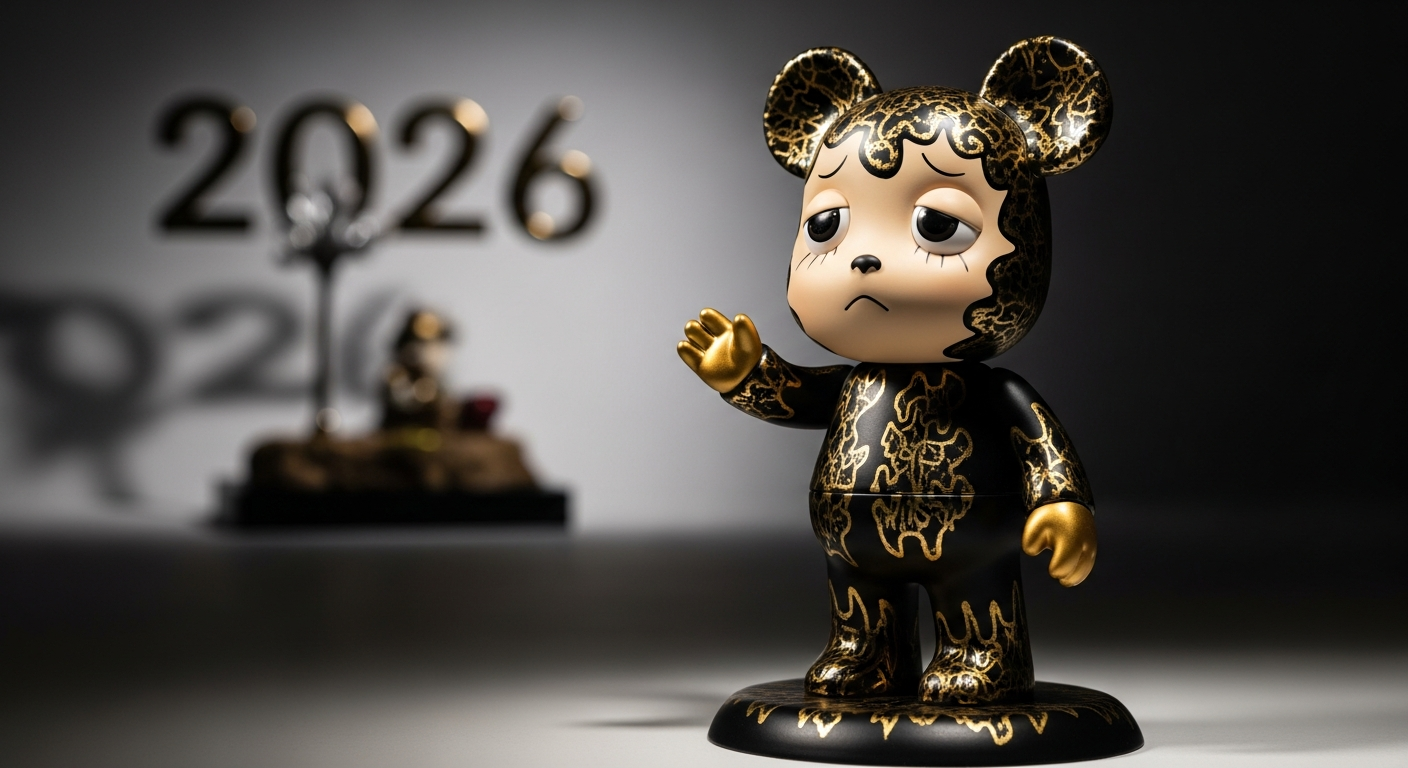
Finishing transforms a printed piece into an art object. Trends in 2026 highlight mixed-media techniques: metallic airbrush gradients, layered lacquers, textured matt finishes, and augmented reality (AR) companion content that animates a figurine’s story when scanned.
Popular finishes:
Studios that offer professional finishing services can dramatically increase a toy’s market value by delivering gallery-ready pieces rather than raw prints.
Pricing is influenced by edition size, materials, finishing, and packaging. Typical brackets in Singapore’s collectible market:
Lead times depend on complexity. A finished, painted 10–15 cm figure typically requires 4–8 weeks from final sculpt to shipping in a small-batch studio. Implementing clear QC checklists (fit tests, paint consistency, packaging inspection) reduces returns and protects brand reputation. A number of Singapore studios publish production timelines and case studies for planning purposes, including best practices for FDM 3D printing Singapore workflows.
Choosing a partner that understands the collector market and production realities is essential. For inspiration on collectible model launches and commissioning strategies, explore case studies on collectible art toys.
If your figurine references an existing IP (games, comics, celebrities), secure licenses before production. Clear contracts specifying rights, reproduction limits, and profit-sharing are critical for collaborations and cross-brand drops. Singapore’s legal framework supports straightforward contracting and IP registration; consult a specialist when negotiating licensing deals.
For designers aiming to stay ahead, integrating these trends into a roadmap — whether through modular design, AR companions, or green materials — pays dividends in market differentiation.
The landscape for bespoke art toys and custom figurine design in Singapore is dynamic and accessible. Whether you’re an artist launching a first edition, a brand exploring collectible merchandising, or a collector seeking the next limited release, understanding 3D-printing choices, finishing workflows, pricing structures, and sustainability options will make your projects more successful.
Singapore’s combination of technical capability and design talent makes it a strategic place to produce and release art toys. With the right partner and a clear plan — from prototyping to marketing a limited edition — custom figurines can become standout pieces in any collection and a scalable product line for creators.
For hands-on examples and studio services that support production and drops, consider researching specific studio portfolios and case studies shared by local producers to match your project’s needs, timelines, and budget.