Introduction
Singapore’s advanced manufacturing ecosystem and design-driven economy make it a natural hub for additive manufacturing and digital design. In 2026, businesses and creators are increasingly turning to a 3d printing service singapore combined with expert cad modeling singapore to accelerate product development, shorten lead times, and enable customized production runs. This guide explains what to expect from local services, how to prepare CAD files for high-quality prints, cost and lead-time drivers, and the trends shaping the next wave of additive manufacturing in the city-state.
Why Singapore is a Growing Hub for 3D Printing and CAD Modeling
Singapore’s strengths are clear: strong IP protection, reliable logistics, a cluster of engineering and design talent, and industry-focused government programs that support prototyping and advanced manufacturing. These factors make it easier for startups, designers, and established brands to access both rapid prototyping and series production.
Key advantages for local projects:
- Proximity to Southeast Asian supply chains and fast turnarounds for regional distribution.
- Access to multidisciplinary talent—industrial designers, mechanical engineers, and CAD specialists—who understand manufacturability and regulatory workflows.
- A growing ecosystem of service bureaus offering a range of processes from FDM and SLA to SLS, MJF, and metal AM.
What to Expect from a 3D Printing Service in Singapore
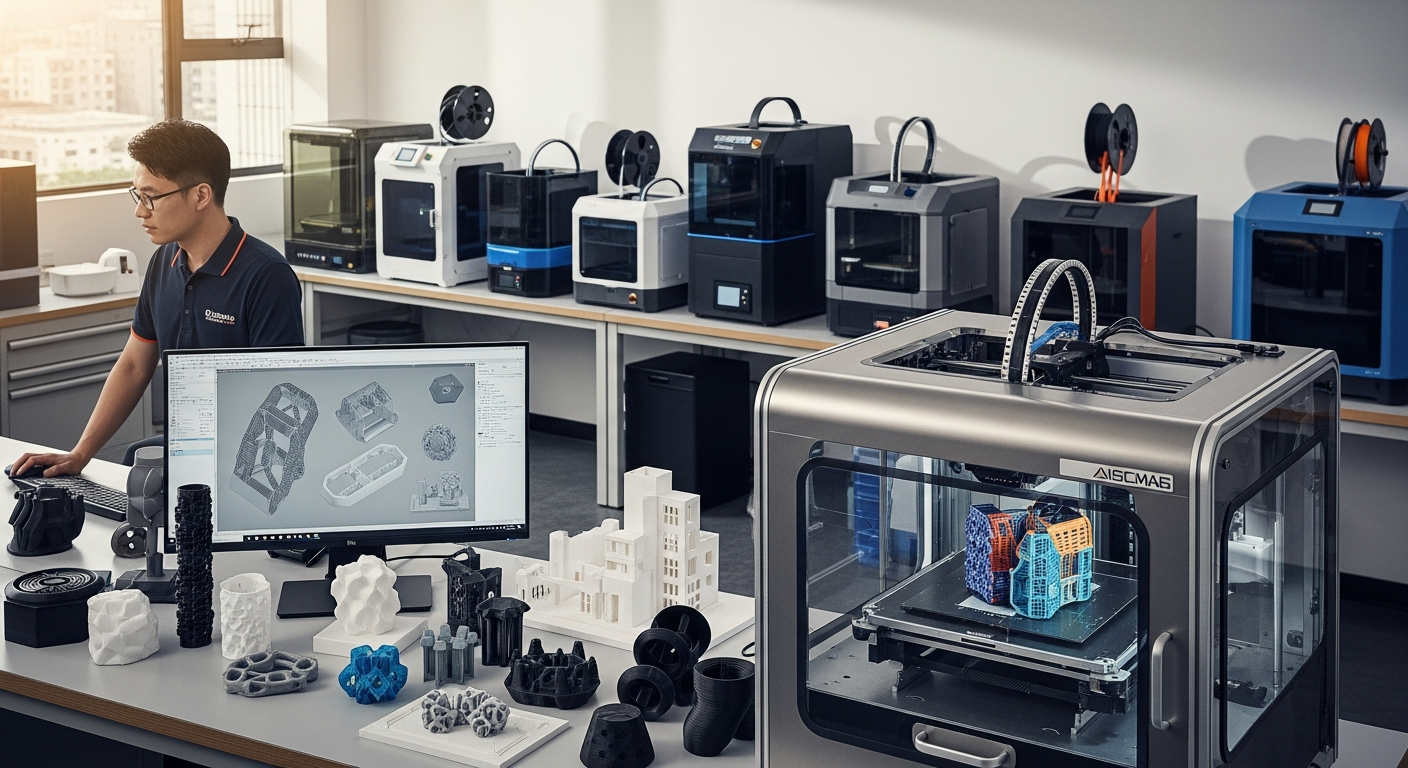
When you engage a 3d printing service singapore, providers will typically offer a selection of technologies and value-added services:
- Processes: FDM (ideal for concept models and large parts), SLA (high-detail resin parts), SLS/MJF (functional nylon parts), and metal printing for end-use components.
- Materials: PLA, ABS, engineering-grade nylon, TPU and flexible polymers, engineering resins, and metal powders (stainless steel, titanium alloys) depending on the application.
- Post-processing: sanding, dyeing, painting, vapor smoothing, tumbling, and precision machining for tight tolerances.
- Quality checks: dimensional inspection, surface finish verification, and sometimes mechanical testing for functional prototypes.
For design-forward applications, local studios also collaborate with artists and brands—see how practitioners adopt FDM for creative projects in FDM 3D printing for art toys.
CAD Modeling Singapore — Skills, Standards and Deliverables
High-quality cad modeling singapore is the backbone of successful 3D printing. A few things to expect from a proficient CAD service:
- Parametric modeling (SolidWorks, Fusion 360, Inventor) for easy design iterations.
- Surface modeling for consumer products and aesthetic parts.
- Native CAD deliverables (STEP, IGES) and print-ready STL/AMF files with appropriate resolution and tolerance information.
- Reverse engineering capabilities using 3D scanning when you need to reproduce or improve existing parts.
- Design for Additive Manufacturing (DfAM) expertise—lightweight lattice structures, part consolidation, and orientation strategies.
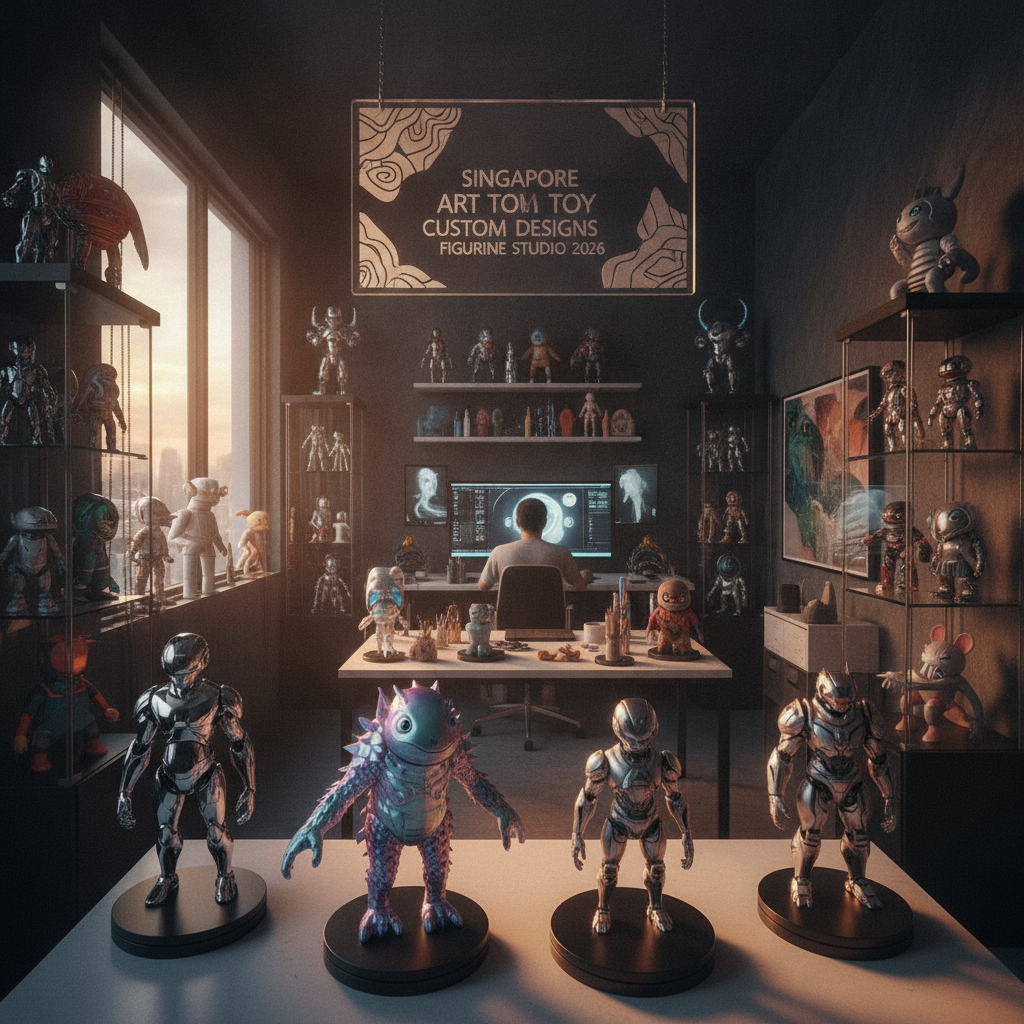
If you’re developing figurines or collectible art, look for providers experienced in character modeling and sculpting—many Singapore studios offer specialized custom figurine design services tuned to small-batch manufacturing.
From CAD to Finished Part — Workflow & Best Practices
A reliable workflow reduces surprises and production delays. Typical stages:
- Discovery and design brief: define function, tolerances, aesthetics, and intended volume.
- CAD modeling and DfAM review: optimize geometry for the chosen process.
- File validation and slicing: ensure manifold meshes and correct wall thickness.
- Test prints and functional validation: iterate rapidly with prototypes.
- Final production and post-processing: surface finishing, painting, or assembly.
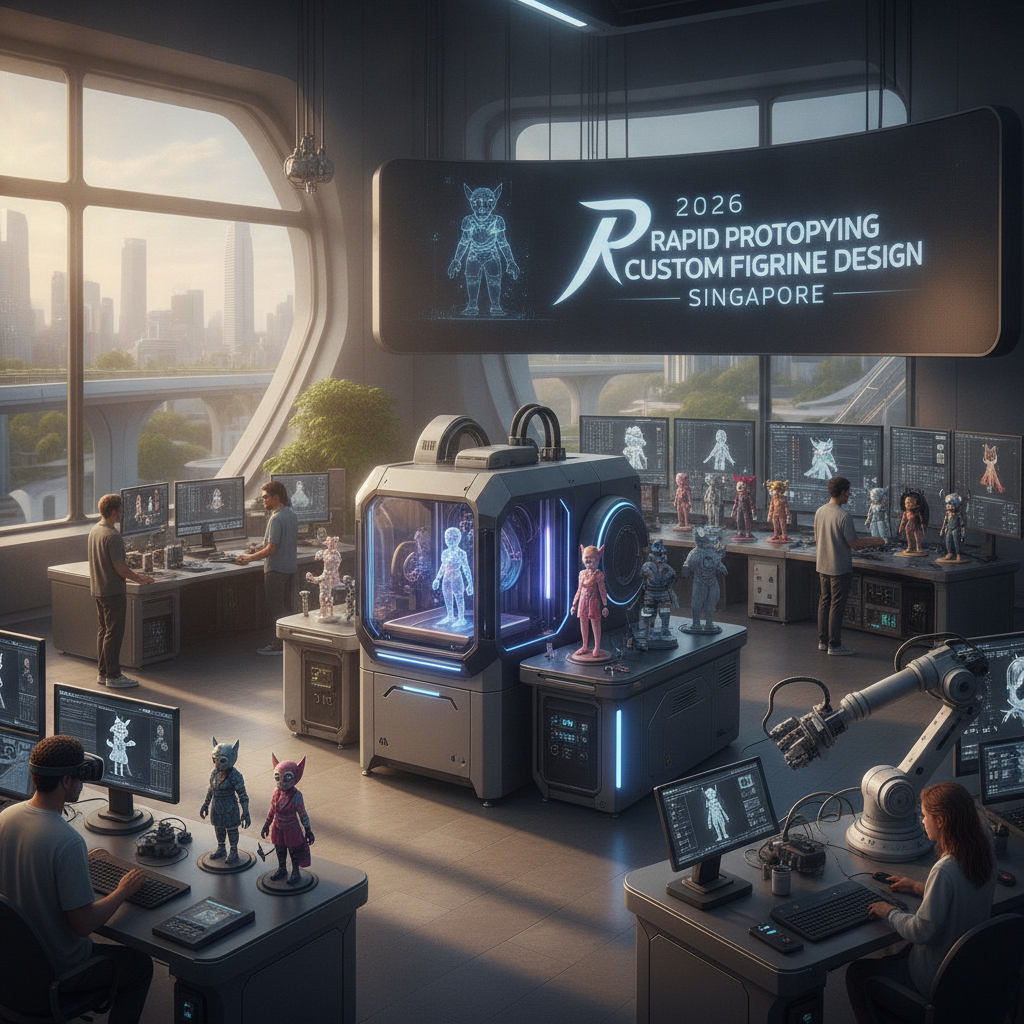
Service providers focused on rapid development often combine CAD and printing under one roof for faster iteration cycles—read about local rapid prototyping capabilities at top custom 3D printing and rapid prototyping.
Cost, Lead Times and Choosing a Local 3D Printing Partner
Pricing depends on process, material, print volume, complexity, and finishing. Typical cost drivers:
- Part volume and material type: engineering materials cost more than basic PLA or standard resins.
- Machine time and post-processing intensity.
- Tolerance and certification requirements (medical or aerospace-grade parts demand stricter controls).
Lead times can range from same-day for simple FDM prototypes to several weeks for complex metal parts. Selecting the right partner requires assessing:
- Technical capability: can they meet material and tolerance needs?
- Communication and project management: timely updates and clear quotes.
- Additional services: on-site finishing, assembly, or packaging for direct-to-customer shipments.
For makers and collectors looking to produce or buy small runs of art toys, local studios simplify the process—explore options for buy art toys and custom figurines and short-run manufacturing.
Use Cases & Sectors Benefiting in Singapore
Singapore’s AM ecosystem supports a wide variety of industries:
- Medical and dental: patient-specific models, surgical guides, and custom implants where CAD accuracy is critical.
- Consumer electronics and wearables: rapid iterations for housings and ergonomics.
- Architecture and urban planning: scale models and highly detailed facades.
- Education and research: low-cost prototyping for proof-of-concept studies.
- Creative industries: art toys, collectibles, and limited-edition product lines using bespoke CAD and finishing workflows.
On-demand models and rapid-turn creative manufacturing are increasingly popular—see how studios manage demand with on-demand custom art toys 3D printing.
How to Prepare Your CAD Files for Successful 3D Printing
A little preparation saves time and money. Checklist for CAD handoff:
- Provide native CAD files (STEP/IGES) plus a high-resolution STL export.
- Ensure models are watertight (no holes), with correct normals and no non-manifold edges.
- Specify intended tolerances and critical mating surfaces; indicate where fit or snap features must be tight.
- Indicate preferred orientation if surface appearance or strength matters.
- Include wall thicknesses tuned to the material: flexible parts need specific minimums; thin features can fail in some processes.
- Consider assemblies: if multiple components print separately, include clearance values for snap fits or press fits.
Good CAD modeling in Singapore includes this level of documentation to speed the quoting and print preparation phases.
Future Trends in 3D Printing and CAD Modeling for 2026 and Beyond
Several trends are shaping the near-term future:
- AI-assisted CAD: generative design and topology optimization will become standard for weight reduction and performance gains.
- Multi-material and full-color printing: higher fidelity parts that require less secondary finishing.
- Sustainability: more recycled and bio-based materials, and design practices that prioritize repairability and circularity.
- Distributed manufacturing: on-demand production networks that reduce inventory and shorten supply chains.
- Digital twins and closed-loop feedback: CAD files linked to physical part performance data to drive continuous design improvements.
These trends mean that combining adept cad modeling singapore with local additive production can create strategic advantages—faster iteration, lower inventory cost, and more personalized products.
Selecting the Right Partner: Practical Tips
- Request case studies and material samples to validate finish and strength.
- Ask for a pilot run before committing to larger volumes.
- Confirm intellectual property handling and non-disclosure policies.
- Evaluate the provider’s turnaround times against your product development schedule.
For design-led products and collectibles, working with studios that understand both the artistic and manufacturing sides improves outcomes; many Singapore studios specialize in both design and production—see examples of custom figurine workflows at custom figurine design.
Conclusion
In 2026, leveraging a local 3d printing service singapore together with high-quality cad modeling singapore is an efficient route from idea to market. The combination of Singapore’s logistical advantages, skilled workforce, and growing service ecosystem enables faster prototyping, reliable small-batch production, and creative freedom for designers and brands. Prepare clean CAD files, choose the appropriate process and material, and work with a partner who provides transparent communication and practical DfAM guidance to maximize success.