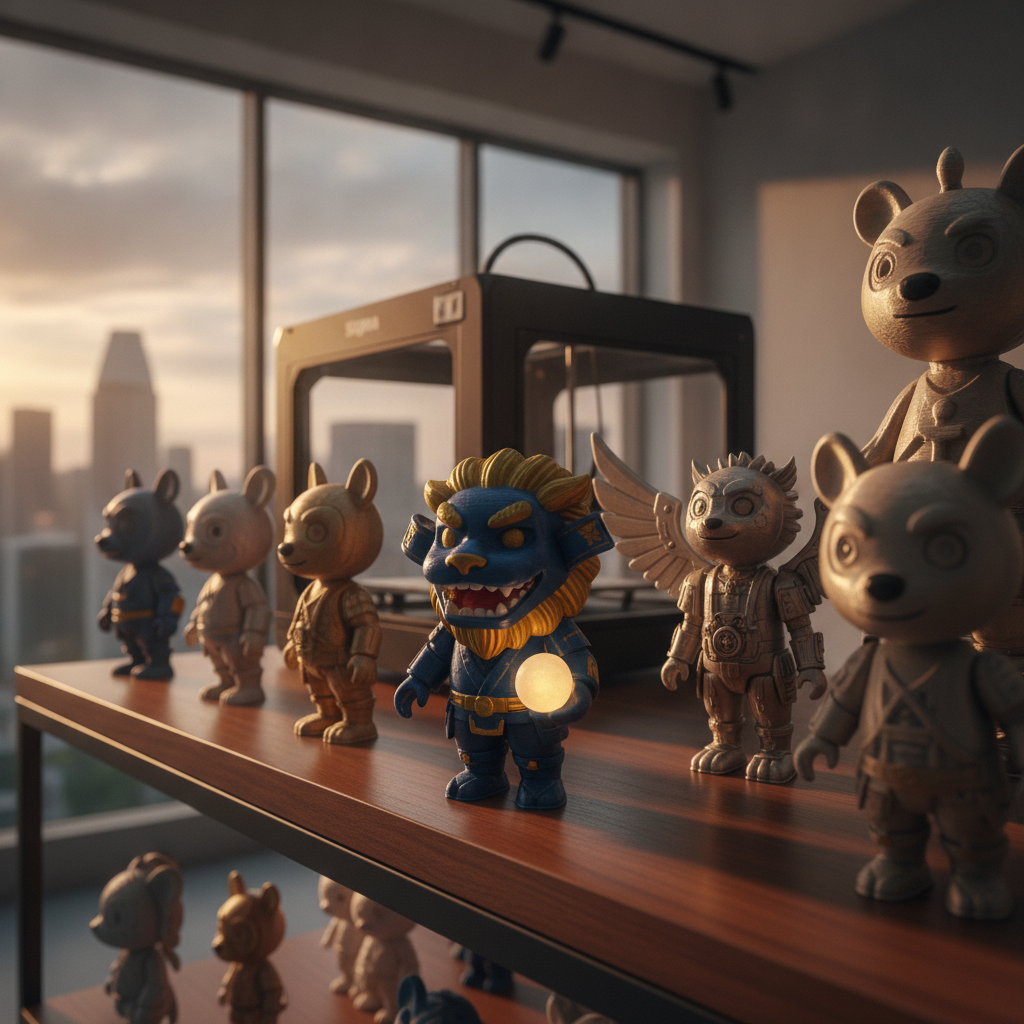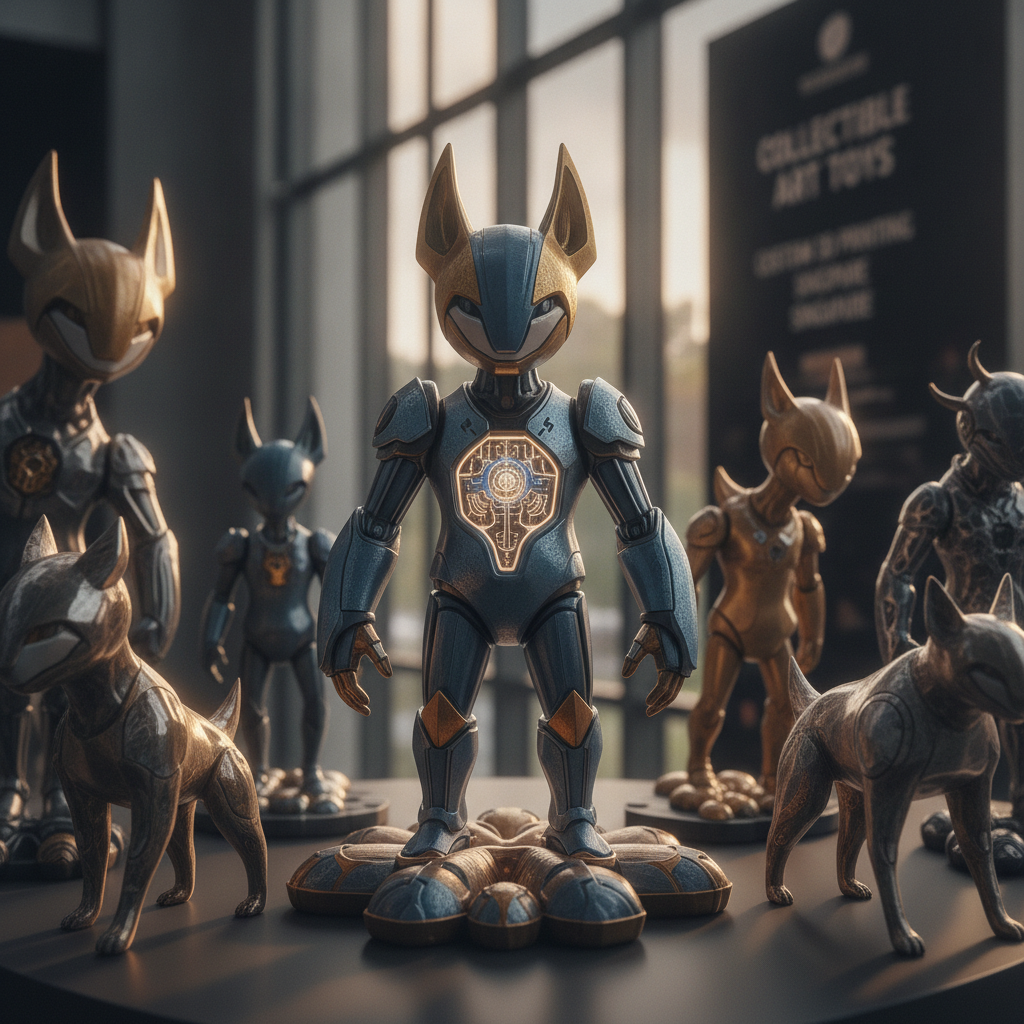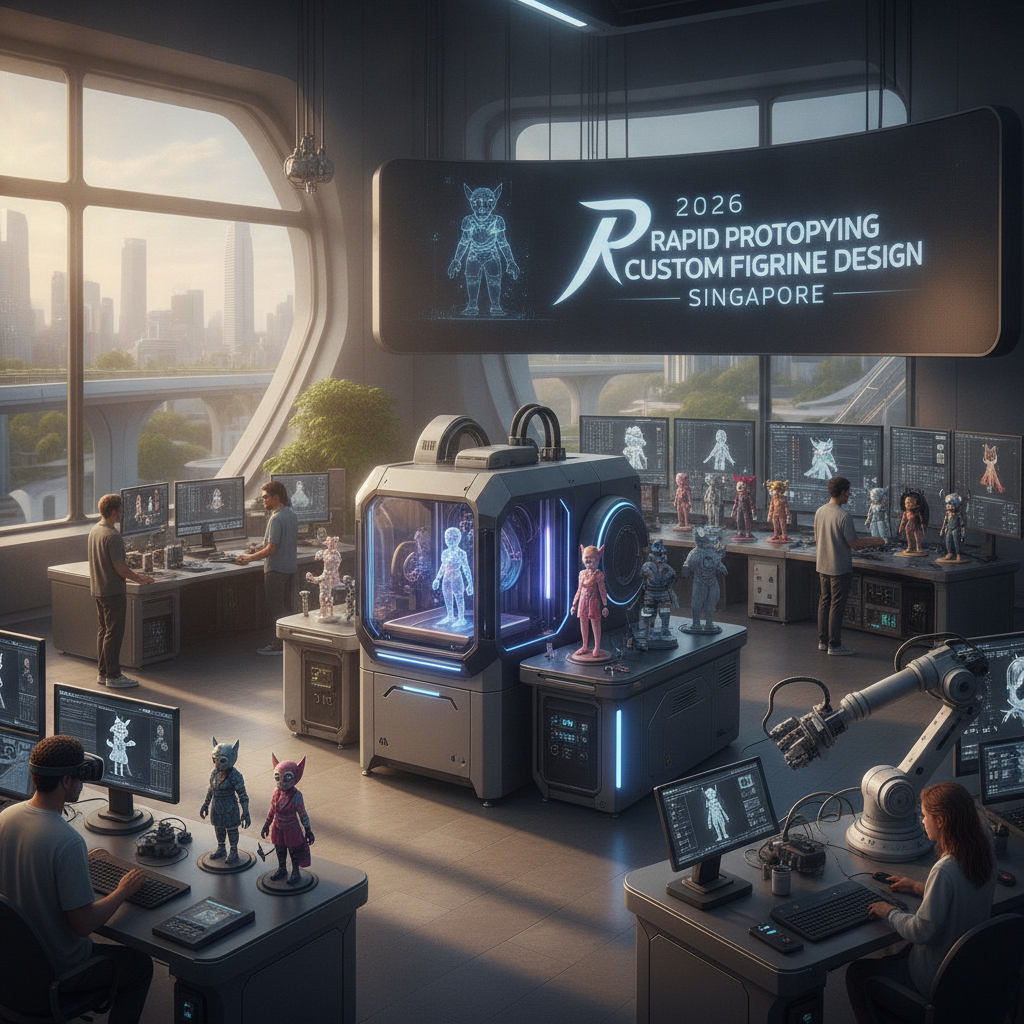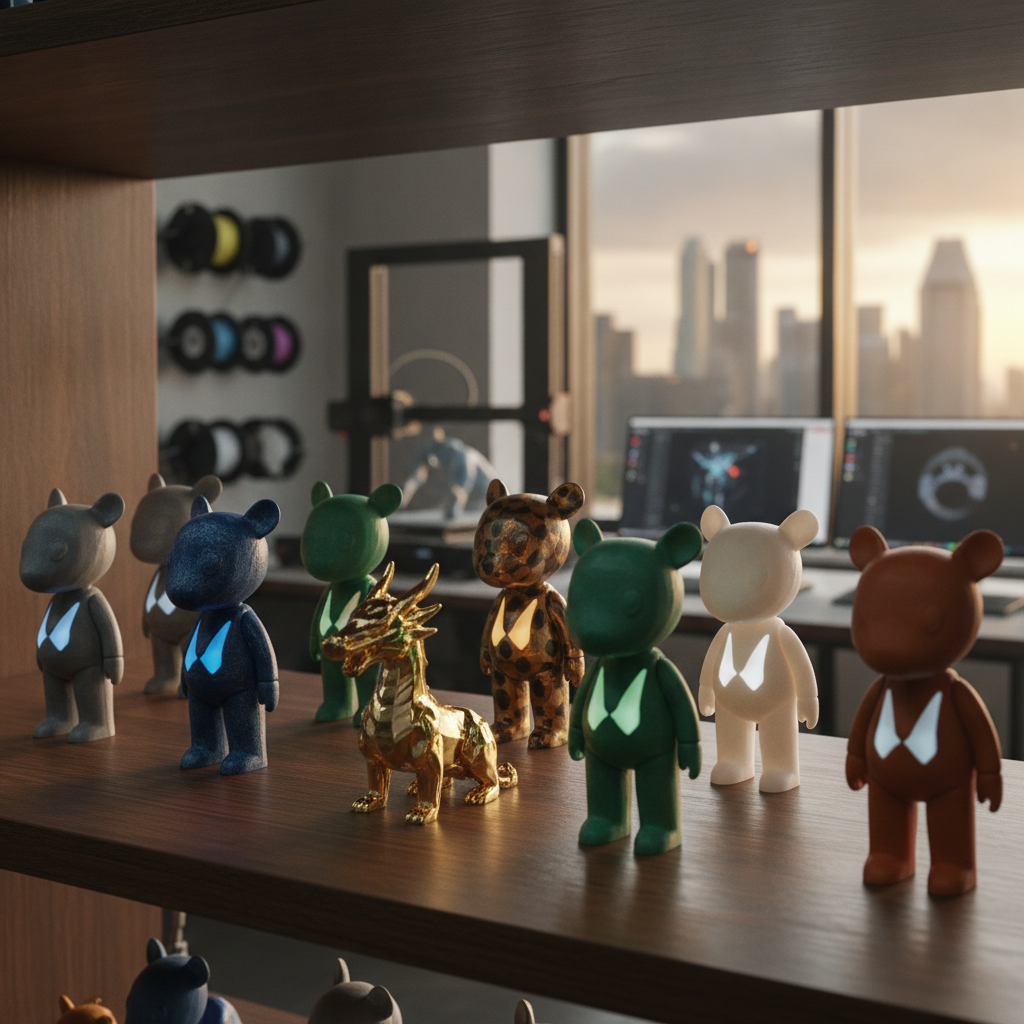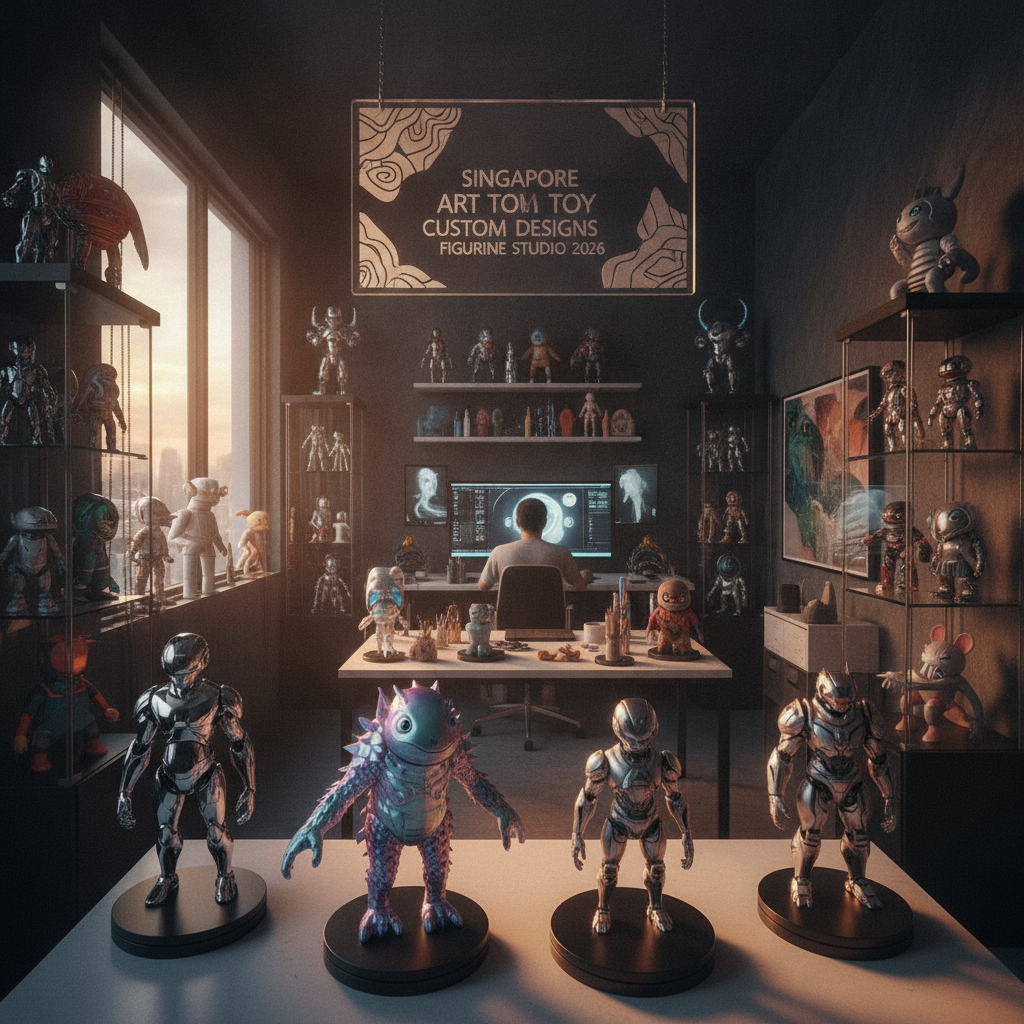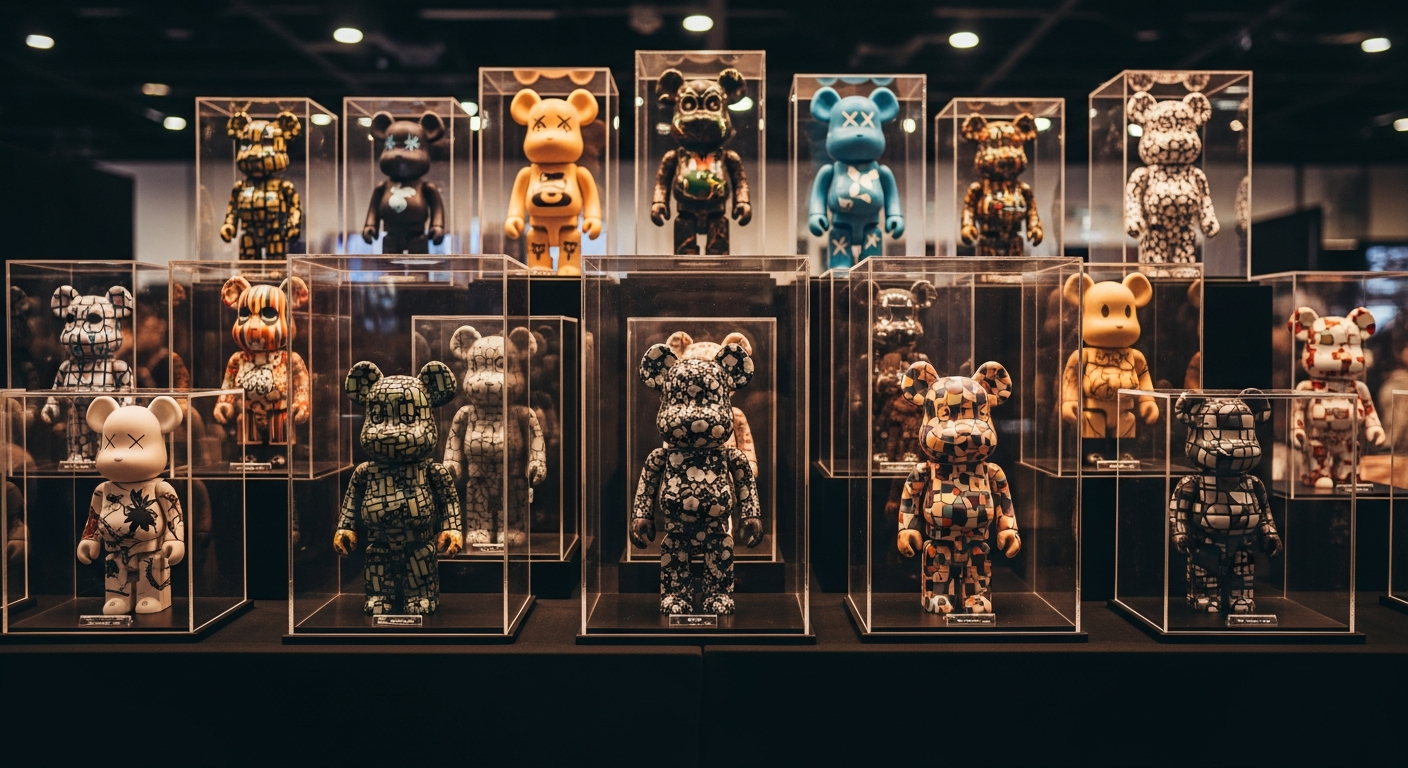

Limited edition art toys have evolved from niche designer novelties into sought-after collectible objects that blend art, technology and community. In 2026, the market for curated, small-run pieces is stronger than ever, driven by collectors who value scarcity, storytelling and quality. For creators and brands in Singapore, pairing strong design with precise manufacturing and smart marketing is the key to launching successful runs of custom figurines and high-value editions.
This guide explains the full lifecycle — from concept to collector — for limited edition art toys and custom figurine design Singapore, with practical tips, production choices and trends to watch.
A memorable limited edition art toy starts with a clear concept and story. Collectors buy more than an object; they buy meaning, rarity and identity. When designing custom figurines, prioritize:
For Singapore-based projects, consider local cultural references or collaborations with regional artists to create authenticity and cross-border appeal.
Prototyping has become faster and more precise thanks to modern CAD workflows and accessible 3D printing. Use CAD modeling early to test proportion, mechanism (if joints or moving parts are included) and assembly. Digital CAD also allows quick iterations for multiple colorways or variant concepts.
If your project aims to integrate digital ownership or NFTs with physical drops, coordinate CAD files with any digital twin expectations — consistent geometry improves both physical production and on-chain representation. For Singapore studios looking to streamline prototyping, tools and services for CAD modeling for NFT collectible art toys offer tailored pipelines that connect design and minting workflows.
3D printing is the backbone of low-volume production and prototyping. For artists and small studios, common choices are:
Choosing the right technology impacts surface finish, paintability and mold-making methodology. In Singapore, quick access to multiple printing beds means you can iterate faster and reduce time-to-market.
Material choice defines weight, feel and perceived value. Popular materials for limited edition art toys include:
Finishing — priming, sanding, undercoating, airbrushing and hand-painting — is where much of the perceived value is added. Consider inlaid decals, hot-stamping, metallic coatings and custom bases to elevate presentation.
Limited edition production is a balance of unit cost and perceived scarcity. Consider these approaches:
Singapore-based teams benefit from proximity to regional suppliers in Southeast Asia for tooling and mold-making, while maintaining quality oversight locally.
Packaging is part of the collectible experience. Limited edition releases often include:
For projects that pair physical collectibles with digital provenance, embed a QR code or NFC tag linking to authentication pages or an on-chain token. This combination strengthens collector confidence and resale value.
Marketing art toys is community-driven. Successful strategies include:
Anchor your online presence with product pages and behind-the-scenes content. For complete service offerings and product design support, explore professional offerings such as product design and custom figurine services.
Price your limited edition art toys according to total production cost, perceived rarity, artist cachet and comparable market data. Keep in mind:
Plan drops carefully: staggered releases, surprise variants and verified resale channels can sustain momentum after initial sell-out.
Sustainability is a growing priority among collectors. In 2026, trends include:
Highlighting sustainable choices in product descriptions and COAs can attract eco-conscious buyers and add a strong selling point for the Singapore market.
Protecting IP is essential. Consider:
Singapore provides a clear legal framework and IP support services that can help creators protect and monetize their designs internationally.
Micro-case studies illustrate what works. A common successful model:
For collectible art toy lines that are also oriented toward digital integration, consider workflows demonstrated by providers focused on collectible art toys and custom figurine design.
Choosing a manufacturing partner requires diligence. Evaluate prospective partners on:
When feasible, visit production facilities or work with local service bureaus to oversee initial batches. A reliable partner that understands designer toy tolerances will reduce defects and returns.
By 2026, several technical trends influence limited edition art toys:
Integrating these technologies requires cross-disciplinary planning between designers, CAD modelers and dev teams. Services that bridge physical and digital design are increasingly common, including specialized CAD modeling and NFT workflows.
A simplified timeline for a 200–500 unit limited edition:
Budget line items to plan for: design fees, prototyping, tooling, materials, painting, packaging, shipping, marketing and contingency.
Singapore is a strategic hub for artists and brands looking to launch limited edition art toys and bespoke figurines. With strong manufacturing links, design talent and a vibrant collector scene, creators can produce high-quality, collectible runs while experimenting with sustainable materials and digital integration.
For artists and brands seeking hands-on support from design to production, consider partnering with studios that offer end-to-end services, including rapid prototyping and production assistance. For example, integrated product and fabrication services that specialize in both physical craft and digital workflows can shorten timelines and improve final quality — ensuring your limited edition run becomes a collectible that stands the test of time.