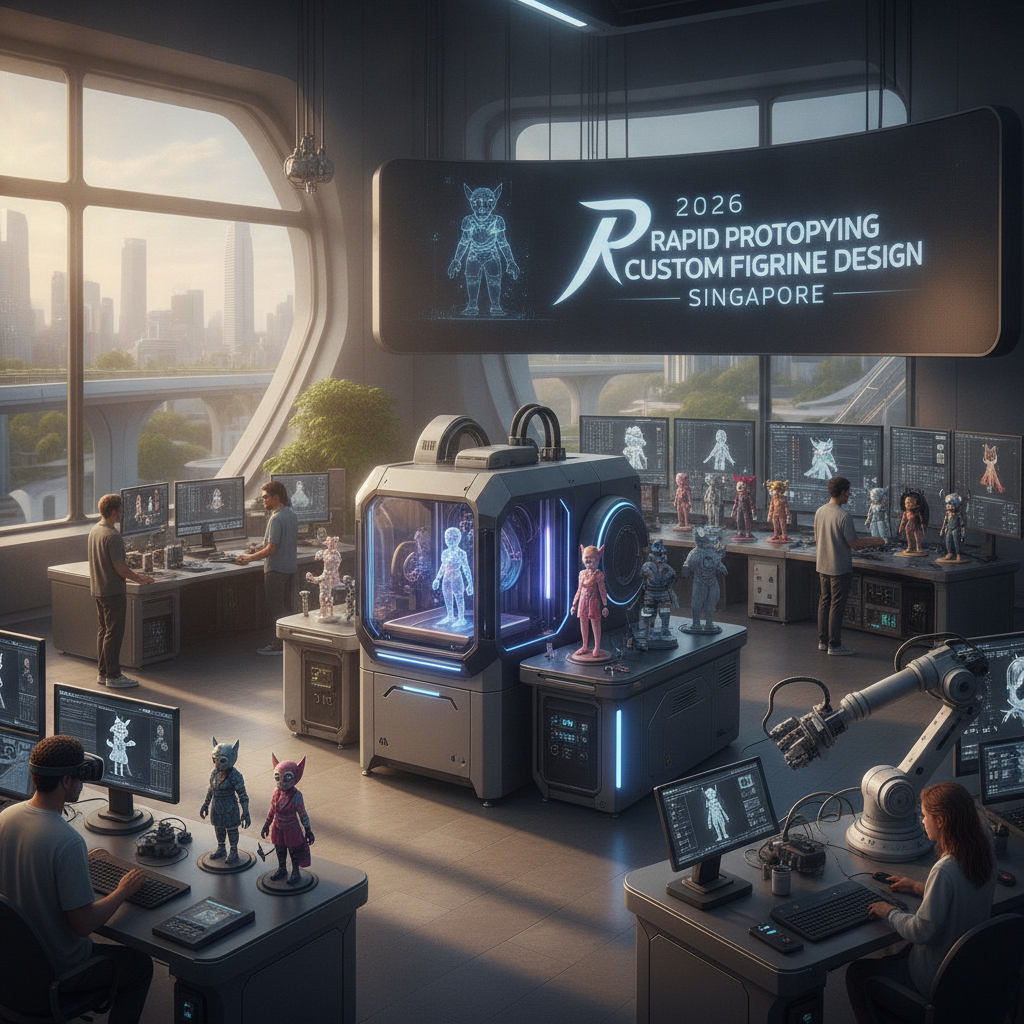

Singapore’s product and design ecosystem has accelerated dramatically in 2024–2026. Startups, design studios, hardware innovators and artists rely on custom 3D printing Singapore services to move from concept to validated prototype in days rather than months. Rapid prototyping Singapore is no longer a luxury — it is a strategic capability that reduces time-to-market, de-risks investment and enables design-driven differentiation.
This article unpacks how businesses and creatives can get the most from additive manufacturing today: the right technologies, practical CAD workflows, cost and material trade-offs, and how to choose a partner in Singapore that supports iterative development and small-batch production.
Custom 3D printing Singapore covers a wide range of services: from FDM concept models and SLA high-detail prototypes to SLS functional parts and multi-material, multi-color prints for near-final appearances. Local providers emphasize end-to-end workflows — file checking, print optimization, post-processing, finishing and even short-run production.
For lifestyle and product designers, there are specialised offerings that combine print expertise with surface finishing and assembly for market-ready samples. See examples of how Singapore 3D printing supports lifestyle product design for 2026 in this overview: https://artsoustudio.com/singapore-3d-printing-for-lifestyle-product-design-2026/.
Rapid prototyping Singapore is less about a single print and more about the cycle: design, print, test, iterate. Short iteration loops enable designers and engineers to:
This capability is invaluable for hardware startups that need investor-ready prototypes, manufacturers preparing for injection molding, and artists producing small, collectible runs.
FDM (Fused Deposition Modeling): Cost-effective, fast and ideal for large-scale concept models, jigs and fixtures. Singapore artists and designers often use FDM for art toys and sculptural prototypes — see how local artists use FDM 3D printing: https://artsoustudio.com/how-singapore-artists-use-fdm-3d-printing-for-art-toys-2026/.
SLA (Stereolithography): High-detail resin prints suited for fine features, smooth surfaces and dental or jewelry prototypes.
SLS (Selective Laser Sintering): Strong, functional nylon parts with no support structure — great for iterative functional testing and end-use parts.
DMLS / MJF / PolyJet: For metal parts, multi-material color or highly accurate prototypes. These are used when requirements demand final-material properties or complex assemblies.
Selecting the right process depends on the prototype purpose: concept visualization, functional testing, or production validation.
Rapid prototyping Singapore works best when CAD and print workflows are integrated. Best practices include:
These steps shorten the feedback loop and reduce failed prints, therefore lowering effective costs.
Material technology continues to advance. Trends to watch in Singapore include:
Aside from material choices, finishing services — sanding, priming, painting, vapor smoothing and electroplating — turn a raw print into a presentation-ready sample. Some providers in Singapore offer turnkey finishing that helps brands visualize near-production aesthetics quickly.
Rapid prototyping Singapore offers cost advantages when you consider the full product development cycle: early detection of design flaws, reduced tooling rework, and shorter product launch timelines. Typical considerations:
Use a local partner for predictable lead times and clearer shipping logistics; local providers also allow iterative in-person reviews.
Hardware startups: Use custom 3D printing Singapore for iterative enclosures, internal brackets, and functional testing before committing to injection molding.
Industrial design: Rapid prototyping Singapore helps evaluate ergonomics and human factors early, saving costly late-stage changes.
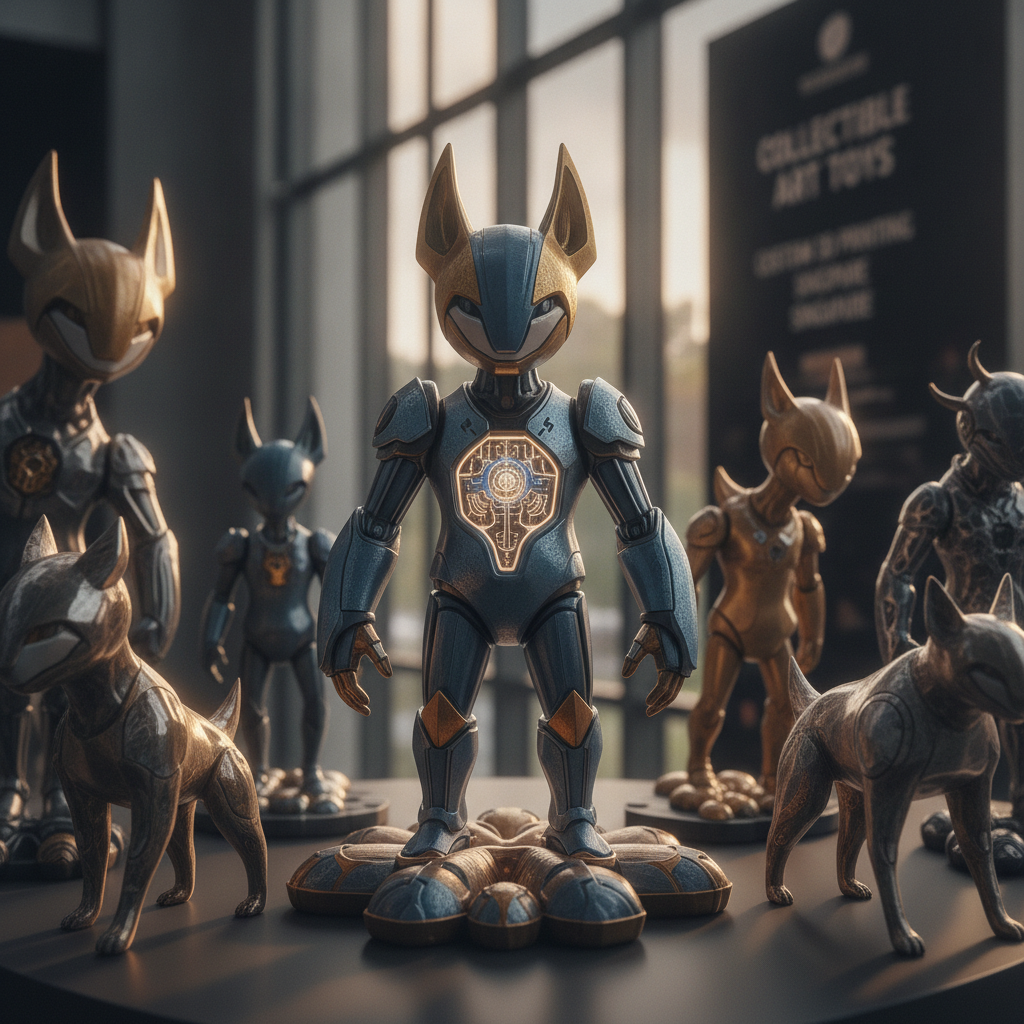
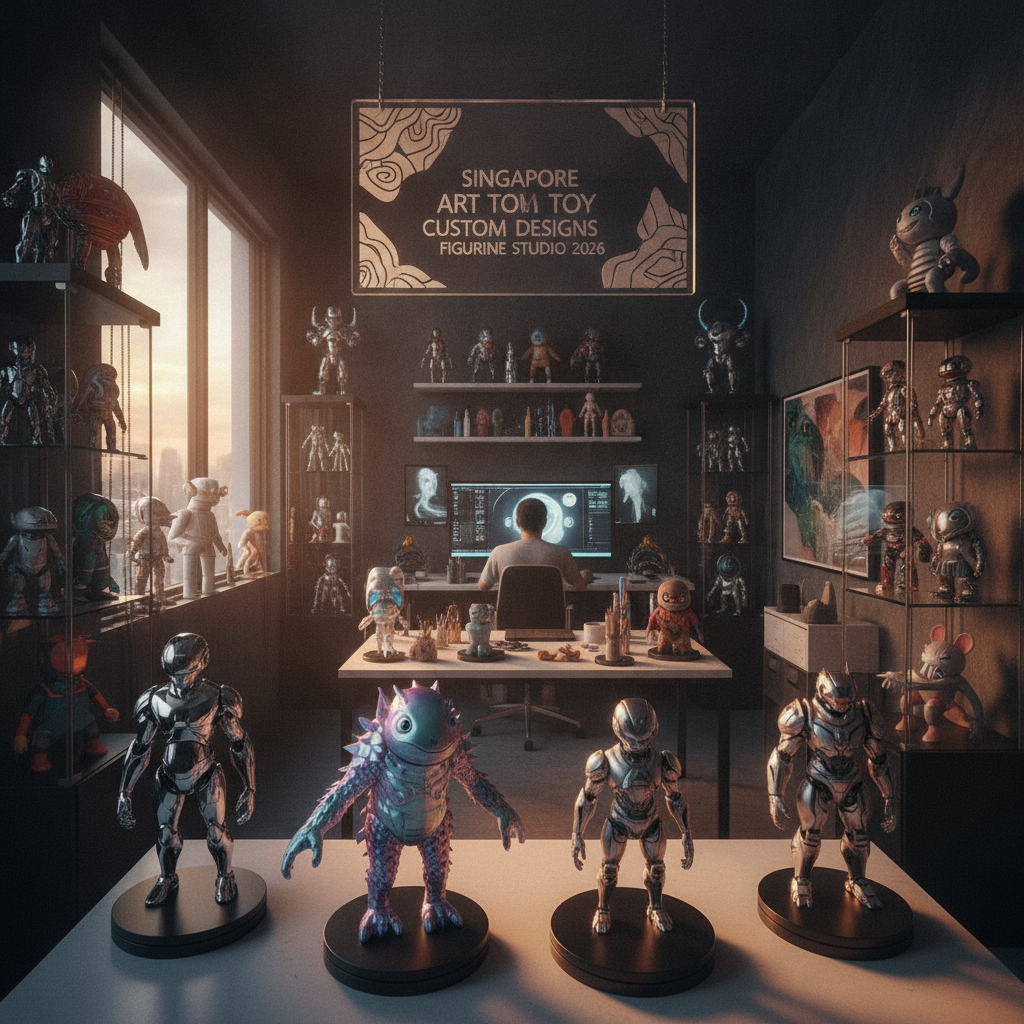
Artists and collectible design: Local studios produce limited runs and artist editions with consistent finishes — an example is limited edition art toys and collectible workflows: https://artsoustudio.com/limited-edition-art-toys-collectible-guide-2026/.
Medical devices and research: 3D printing accelerates design validation for fixtures, surgical guides and anatomical models.
When choosing a 3D printing partner, evaluate these areas:
For recommendations on coordinating CAD and prototyping, review insights on the best CAD modeling and rapid 3D prototyping Singapore services: https://artsoustudio.com/best-cad-modeling-and-rapid-3d-prototyping-singapore-2026/.
If you want examples of combining art and production techniques for toys and collectibles, a practical reference is here: https://artsoustudio.com/singapore-3d-printing-for-lifestyle-product-design-2026/.
AI-assisted design: Generative design and AI-driven topology optimization speed up iterations and reduce material use.
Distributed manufacturing: Localized 3D printing hubs in Singapore reduce inventory and enable quick replenishment of limited runs.
Multi-material and color fusion: Advances in multi-material printers let teams produce complex assemblies in a single print.
Sustainability: Recycled filaments and closed-loop material systems are becoming standard practice for eco-conscious brands.
On-demand short-run production: Brands are increasingly moving pre-production quantities to additive techniques for flexibility.
For makers and studios that bridge art with manufacturing, combining traditional model-making with 3D techniques is increasingly streamlined — see practical artist workflows here: https://artsoustudio.com/how-singapore-artists-use-fdm-3d-printing-for-art-toys-2026/.
Custom 3D printing Singapore is a strategic tool in 2026 for anyone involved in product development or creative production. Rapid prototyping Singapore shortens feedback loops and gives teams the freedom to iterate boldly while keeping costs under control. Whether you need high-detail presentation models, functional test parts or small-batch runs, local providers now offer the technologies, CAD support and finishing services to move projects forward quickly.
If your focus is a combined CAD and printing workflow, many Singapore firms bundle modeling and print services to streamline development — for detailed service offerings and CAD support, explore: https://artsoustudio.com/3d-printing-service-singapore-and-cad-modeling-2026/.
By matching the right process, material and partner to your prototype objective, you can unlock faster validation, better designs and a more predictable path to production.