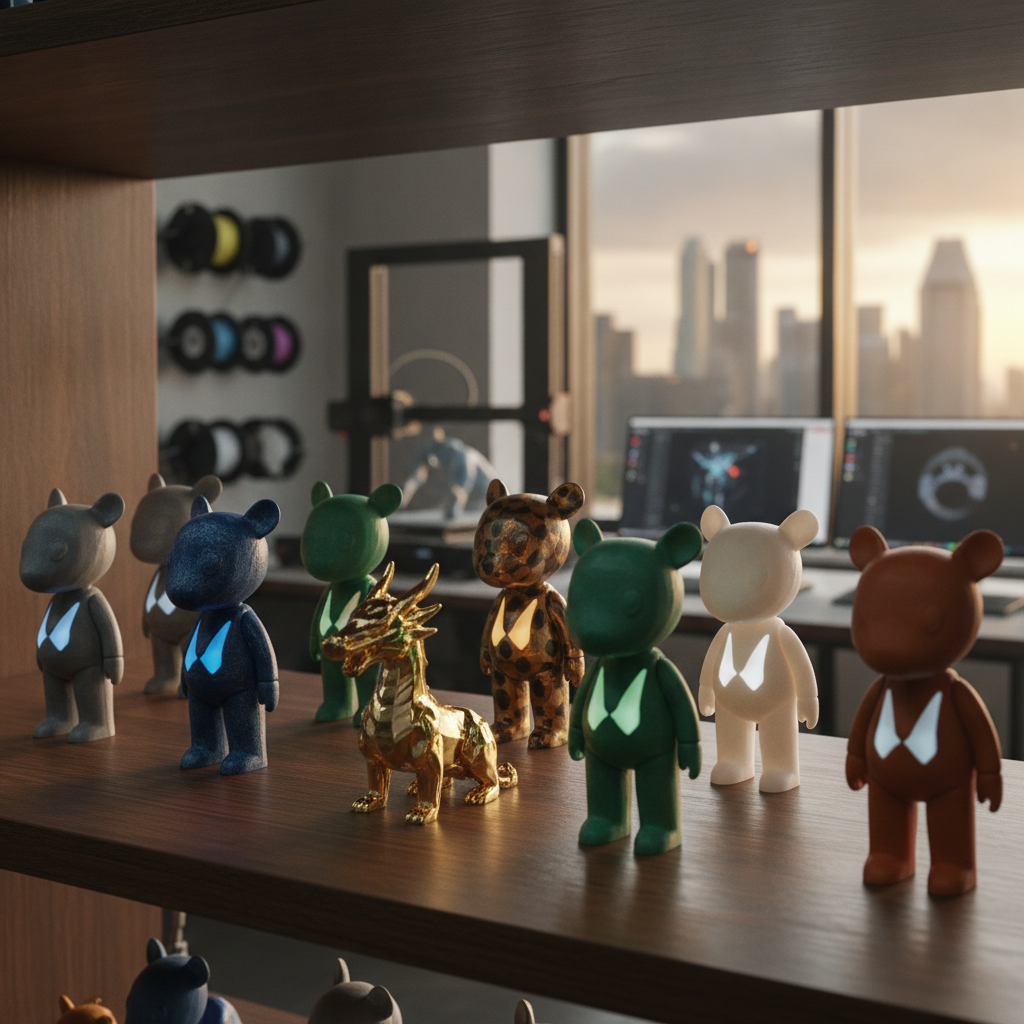
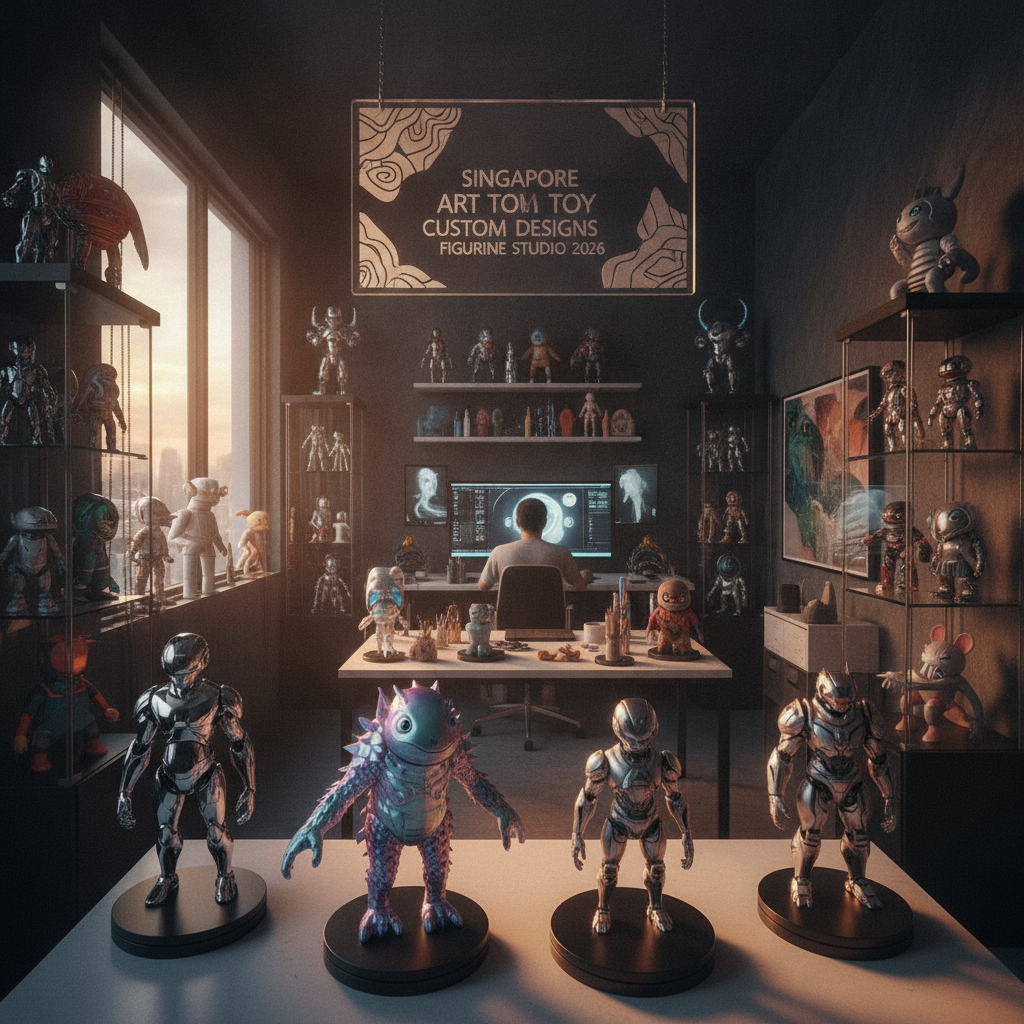
Why FDM 3D printing is reshaping limited edition art toys in Singapore
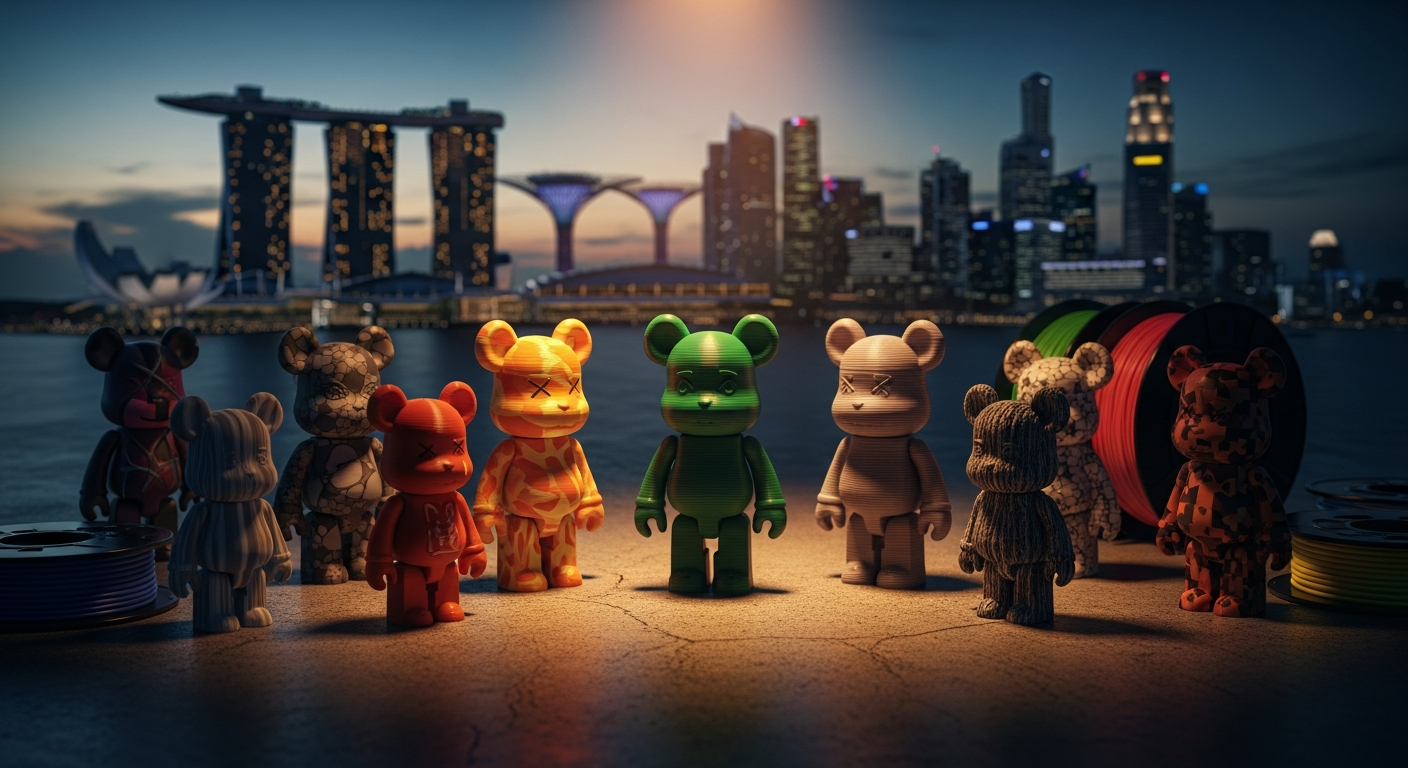
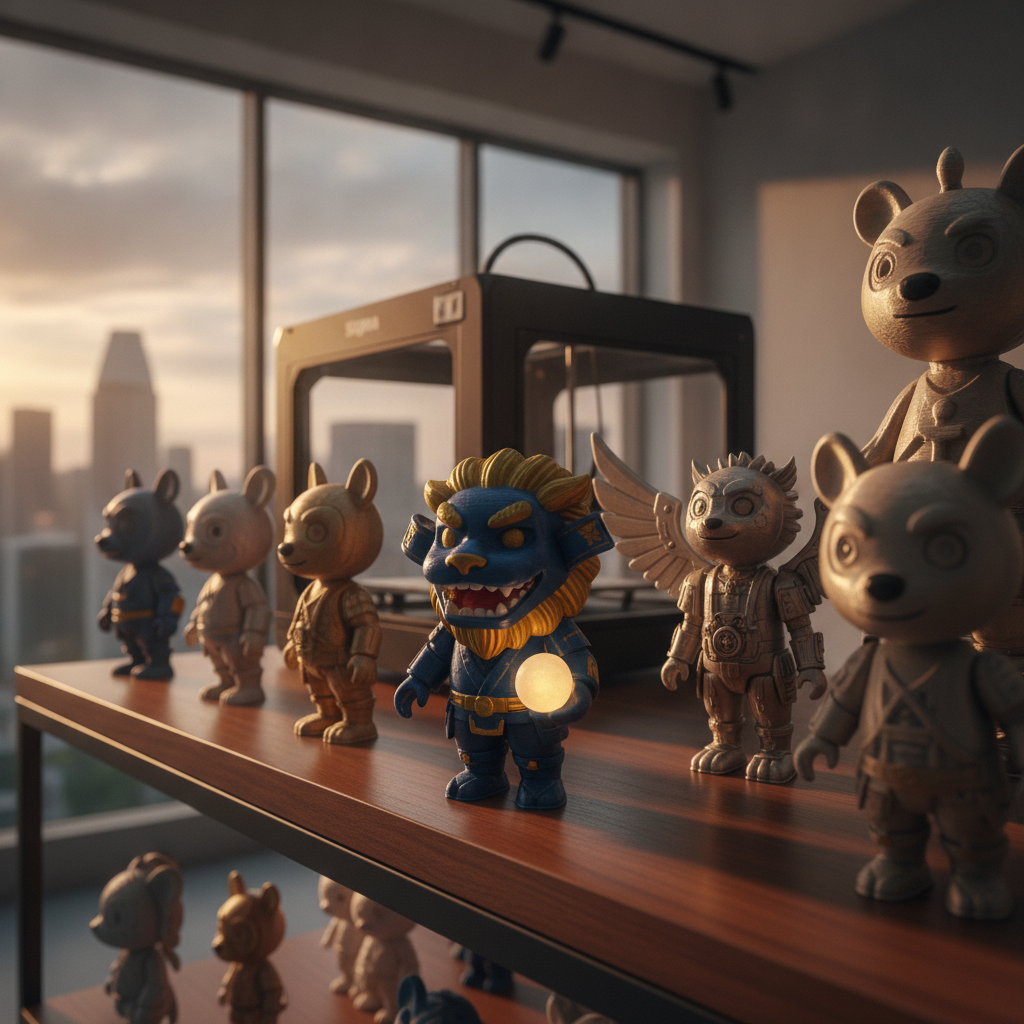
Singapore’s design and maker ecosystem has matured rapidly into a launchpad for creative micro-brands and street-art collaborations. Among the tools powering this growth, FDM 3D printing has emerged as a pragmatic, cost-effective backbone for limited edition art toy production. For small-batch runs, FDM combines affordability, speedy iteration, and material versatility — qualities that enable designers to test concepts, refine tactile finishes, and deliver collector-ready pieces without the lead time and tooling costs of injection molding.
Many Singapore studios now position FDM 3D printing in Singapore as the default prototyping and short-run manufacturing route. It reduces risk for independent artists and enables experimental series where aesthetics, texture and slight variations are part of the value proposition.
The advantages FDM brings to limited edition drops
- Cost and speed: Low setup cost, quick turnaround from CAD to finished part, and inexpensive per-unit cost for dozens to a few thousand pieces.
- Material variety: From standard PLA to PETG, TPU for flexible parts, and recycled or bio-based filaments — material choice lets artists craft distinctive surfaces and functional elements.
- Scalability for micro-runs: Parallelized printing farms and optimized slicing let teams scale from one-off prototypes to limited runs without a huge capital outlay.
- Local production and quality control: Singapore-based facilities mean faster iteration cycles, tighter QC, and the ability to run small artist events or drops locally.
These benefits help turn concepts into collectible realities faster, which is essential in a market where relevance and timing matter.
Case studies: Singapore labels and collectible art toys 2026
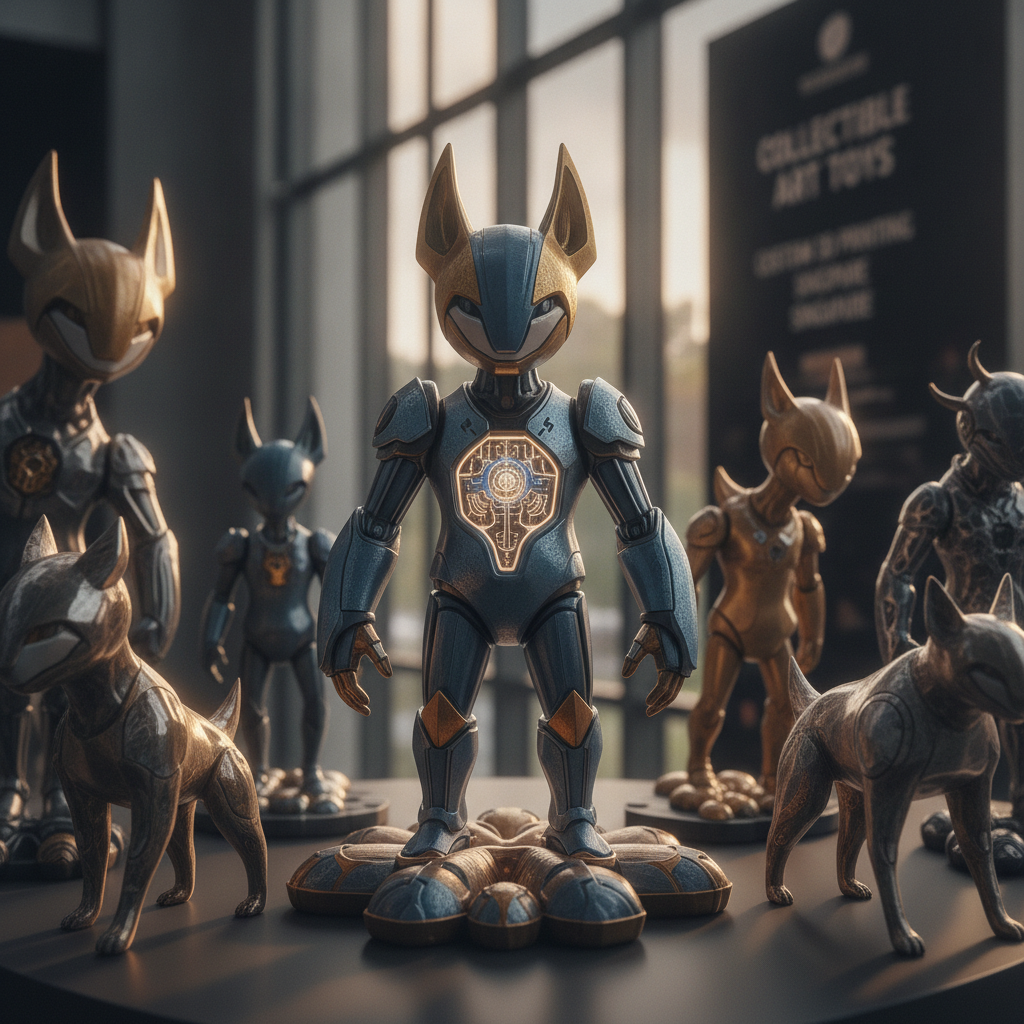
Over the past two years, several micro-brands and galleries in Singapore used FDM to produce striking limited editions that sell out at launch. These projects often pair locally-sourced craftsmanship with digital-first marketing. For deeper insights into how brands are combining design and production, review work on collectible art toys 2026, where CAD-led workflows and community drops are central to success.
Successful case patterns include:
– Collaborative drops with street artists where each print run includes intentional, small manufacturing variations that collectors prize.
– Limited-edition artist series where serialized numbering and hand-finished details (sanding, painting, flocking) add scarcity and authenticity.
– Hybrid launches: timed online drops paired with physical viewing events in Singapore pop-up venues to create local buzz.
Production workflow: from CAD to packaged collectible
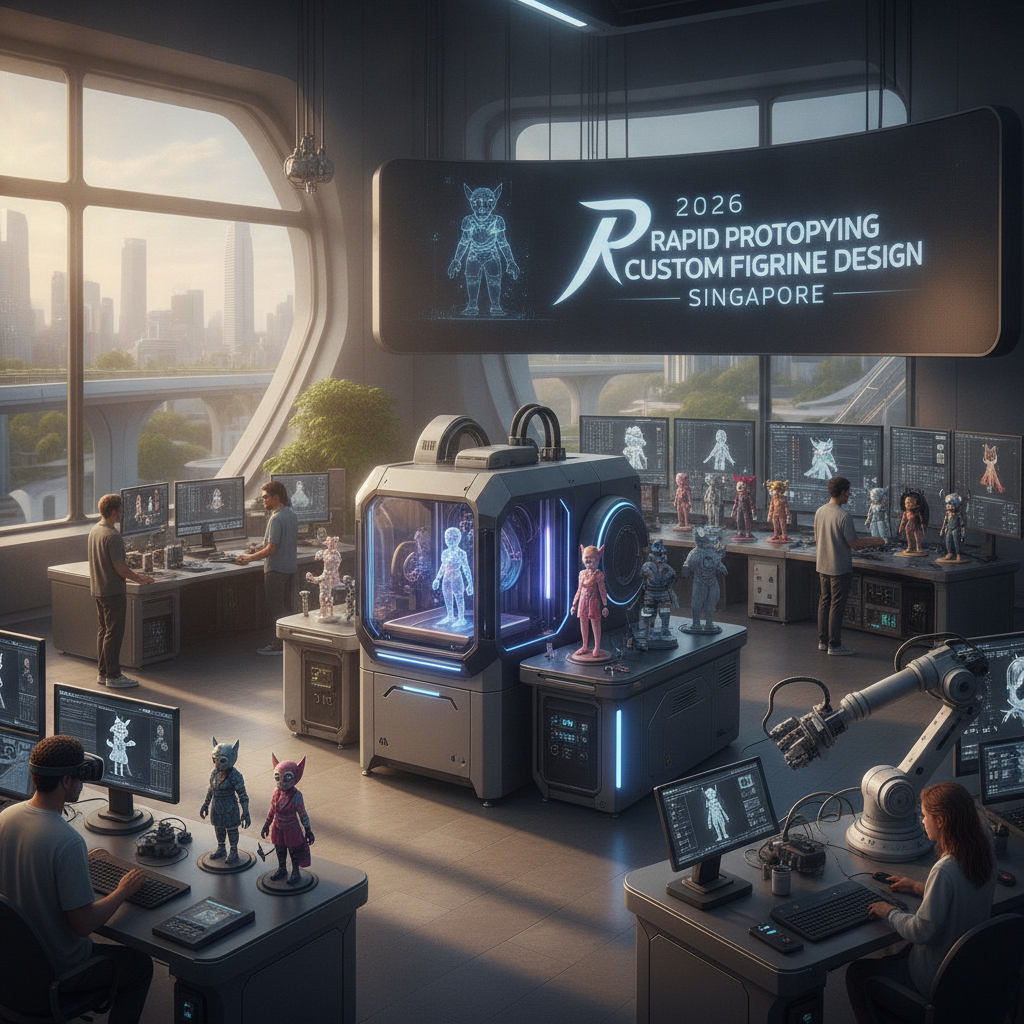
A repeatable workflow is essential for consistent quality in limited editions. Typical steps used by Singapore studios are:
- Concept and sculpt: Initial sketches, sculpts and proportions are validated.
- CAD modeling: Designers create production-ready, hollowed models with escape holes and optimized shells. This stage often determines printability and materialization strategies. See technical guidance on CAD modeling Singapore.
- Prototyping and finalization: Rapid prints test tolerances, joints and paintability. Iterations are quick with FDM, enabling several test rounds within days.
- Batch planning and nesting: Slicing and build-plate optimization reduce print time and filament waste, especially important for runs of 50–1,000 units.
- Post-processing: Supports removal, sanding, priming, painting, and sealing. Finishing defines premium perception.
- Serialization, packaging and fulfillment: Numbering, certificates, and secure packaging complete the collectible experience.
This repeatable loop supports both creative exploration and dependable collector satisfaction.
Materials and finishing trends for 2026
Material science and finishing techniques have matured. Trends shaping limited edition art toys include:
- Sustainable filaments: PLA blends with recycled content and bio-resins have gained mainstream acceptance among eco-conscious collectors.
- Multi-material finishes: Combining rigid PLA bodies with TPU appendages or resin-coated facial details for high-fidelity visuals and tactile contrast.
- Conductive and light-diffusing filaments: Integrated LED features and glow elements are becoming accessible with conductive filaments and diffusive plastics.
- Surface engineering: Advanced sanding, vacuum metallizing, flocking and hydro-dipping — techniques that elevate FDM parts to gallery-ready objects.
Singapore studios are also experimenting with AI-driven slicing strategies and multi-extrusion systems to produce seamless color transitions and complex textures previously only achievable with more expensive processes.
Design for limited runs: actionable tips
- Design for assembly: Split models into printable sub-parts to reduce supports, improve surface quality, and enable mixed-material finishes.
- Hollow intelligently: Wall thickness, internal ribs and drainage holes balance weight, stability and filament usage.
- Optimize orientation: Print orientation impacts surface aesthetics and post-processing time — plan orientation with finishes in mind.
- Incorporate registration features: Dovetails or pin-socket joints ensure consistent assembly for series production.
Studios that integrate these considerations early save touch-up time and maintain consistency across the series.
Supply chain and manufacturing strategy in Singapore
Singapore’s logistical strengths — robust courier networks, compliance infrastructure, and supportive design hubs — make it an ideal place for creators who want to keep production local. Production models commonly used:
- On-demand local production: Small runs printed in-house or by local bureaus; ideal for artist-run labels that want immediate control.
- Partnered production: Collaboration with specialized shops that scale up prints across multiple printers or dedicated farms.
- Hybrid offshore production: Initial prototyping and alpha runs in Singapore, larger production offshore when quantities exceed the economics of FDM.
For studios that need integrated product development and fulfillment, services like product design Singapore and custom figurine services provide end-to-end support from concept to logistics.
Marketing limited edition drops: scarcity, storytelling and community
Collectors respond to narrative and scarcity. Effective tactics include:
- Serial numbering and artist certificates: Physical authentication tools strengthen provenance.
- Limited variants and chase pieces: Adding ultrarare colorways or artist alternates increases secondary-market interest.
- NFT linkage and digital provenance: While not mandatory, blockchain-linked certificates (minted NFTs) are used by some Singapore projects to embed ownership and metadata.
- Community-first launches: Early access for mailing lists, local pop-ups, and collaboration with local cafés or galleries to physically showcase the toys.
Combining an intentional release cadence with high-quality finishing and transparent run sizes helps creators capture collector attention and command premiums.
Explore how production and marketing converge in practice with resources on FDM 3D printing powering limited edition art toys.
Verifying authenticity and retaining collectible value
Trust mechanisms are essential in the collectible space. Makers often use a mix of:
- Tamper-proof certificates with QR codes linked to artist registration.
- Serialized parts and limited-series numbering engraved or embedded into the print.
- Hand-signed artist cards and documentation of production photos and batch prints.
- Digital registration via a lightweight blockchain token for immutable provenance (optional but growing in adoption).
Collectors value transparent production processes and traceability — two areas where a Singapore-based FDM strategy excels because of close local oversight.
The 2026 outlook: what’s next for FDM art toys in Singapore
Looking into 2026 and beyond, expect these trends to accelerate:
- Greater sustainability focus: recycled and bio-based filaments will be standard for conscious brands.
- More hybrid manufacturing: selective resin details and post-processed FDM parts will blur the line between FDM and SLA finishes.
- Integrated digital experiences: NFC tags, augmented reality galleries, and modest NFT use will deepen collector engagement.
- Community-driven micro-economies: Singapore’s tight creative community will spawn more collaborative drops and experimental limited editions.
If you’re evaluating options for a collectible run, consider studios that combine strong CAD workflows with thoughtful finishing — a formula that proves especially effective in the Singapore context. For artists who want technical and production support, resources on FDM 3D printing in Singapore for limited edition art toys and CAD modeling Singapore outline practical steps from concept to market.
Final thoughts
FDM 3D printing has matured into a pragmatic and creative tool for limited edition art toys in Singapore. It enables rapid iteration, accessible material experimentation, and local production control — all of which matter in a collector-driven market that prizes authenticity and scarcity. As finishing techniques, sustainable filaments, and hybrid workflows evolve through 2026, expect Singapore to remain a global source of innovative micro-drops and artist-led collectible experiences. Creative teams that master CAD-led design, efficient batch planning and premium finishing will be the ones that convert short runs into enduring, high-value collections. For practical production partnerships that cover design, prototyping and fulfilment, look to established product design and custom figurine services that understand the collector mindset and manufacturing realities.