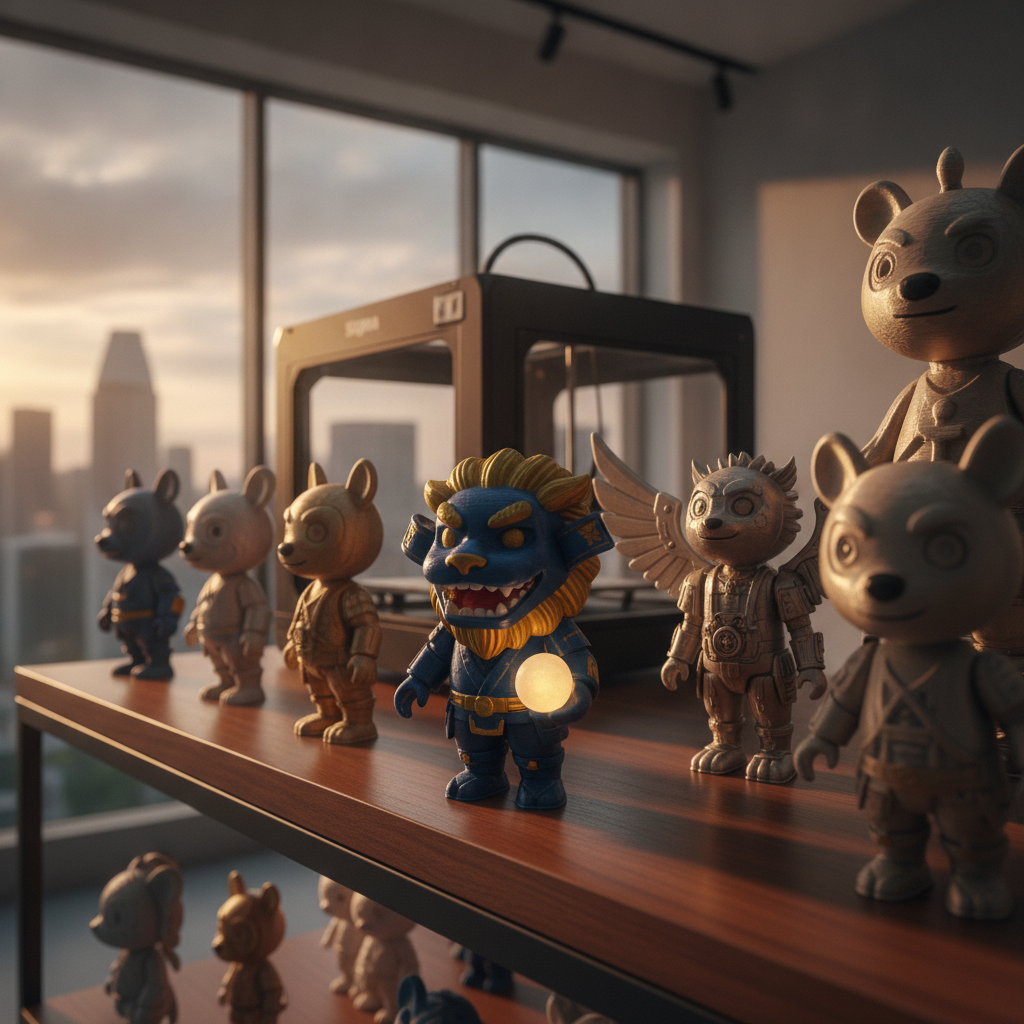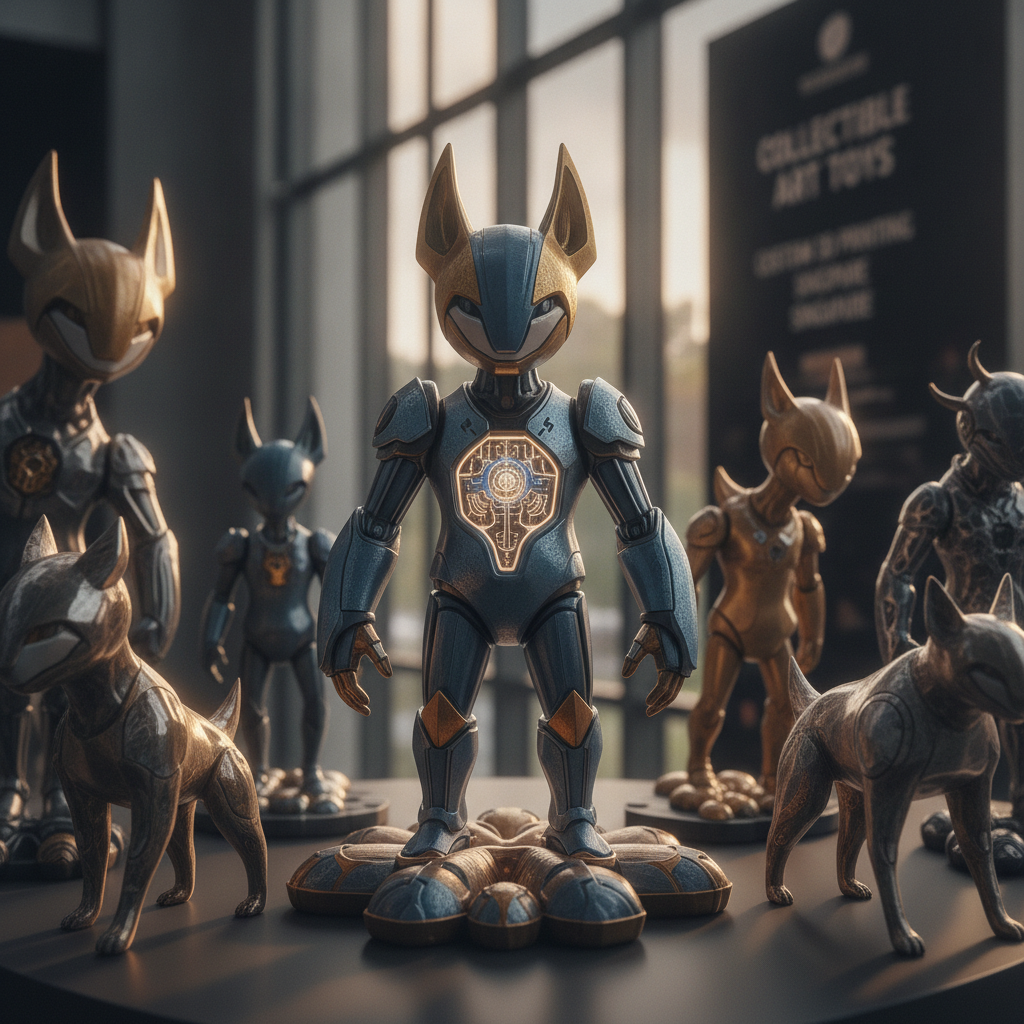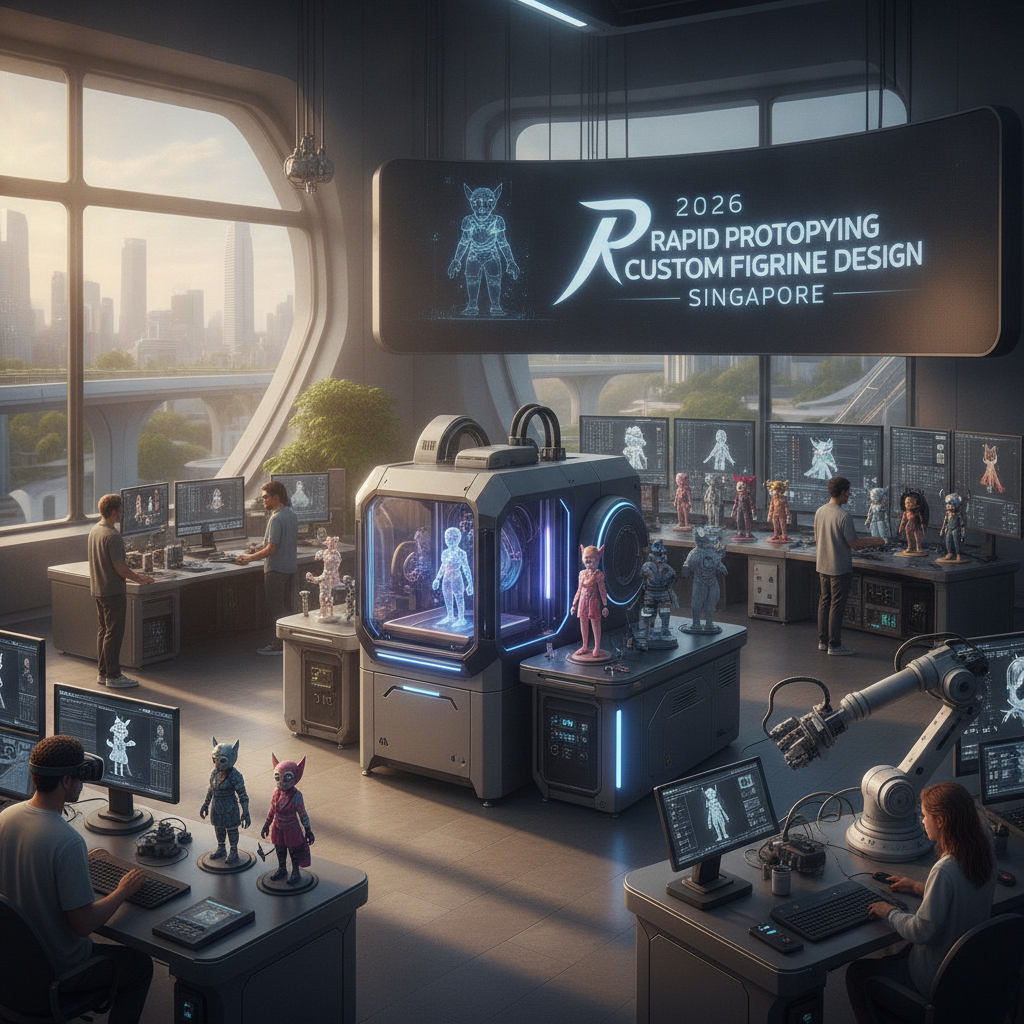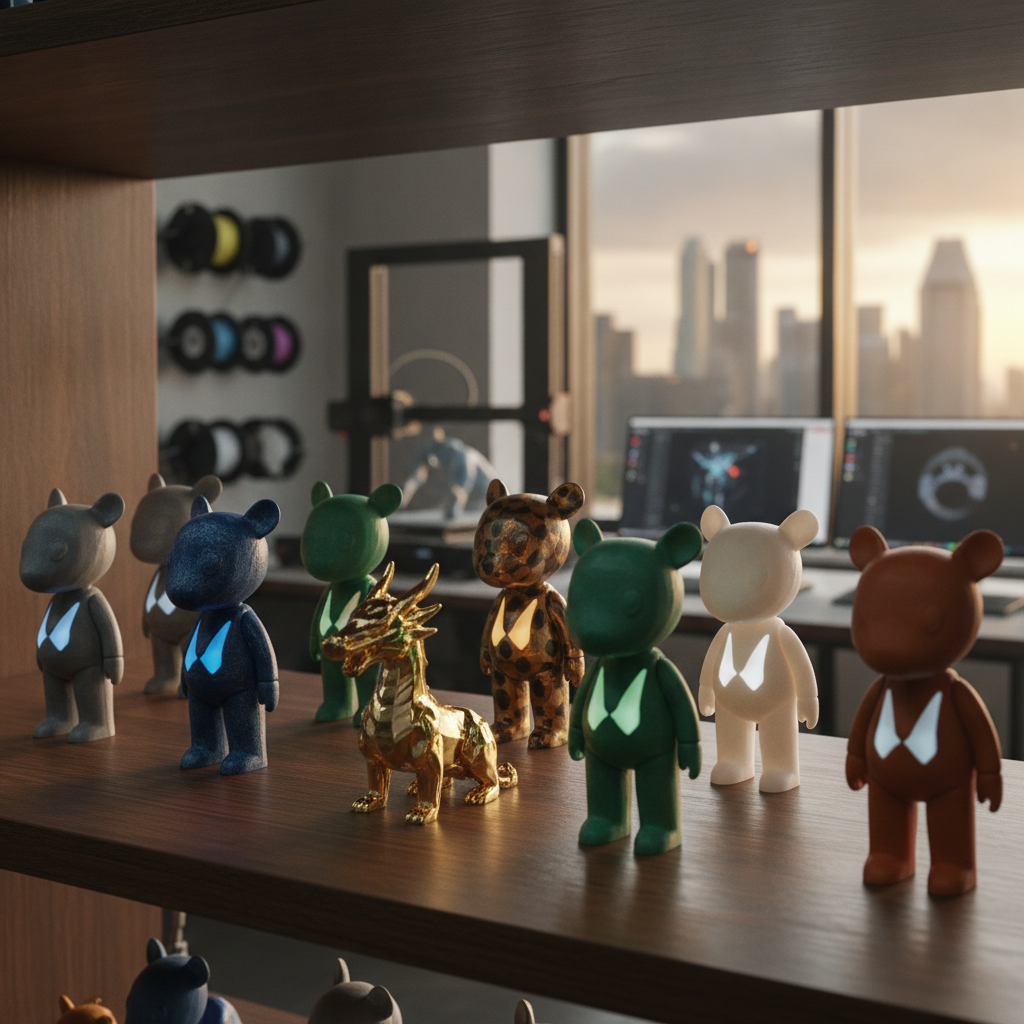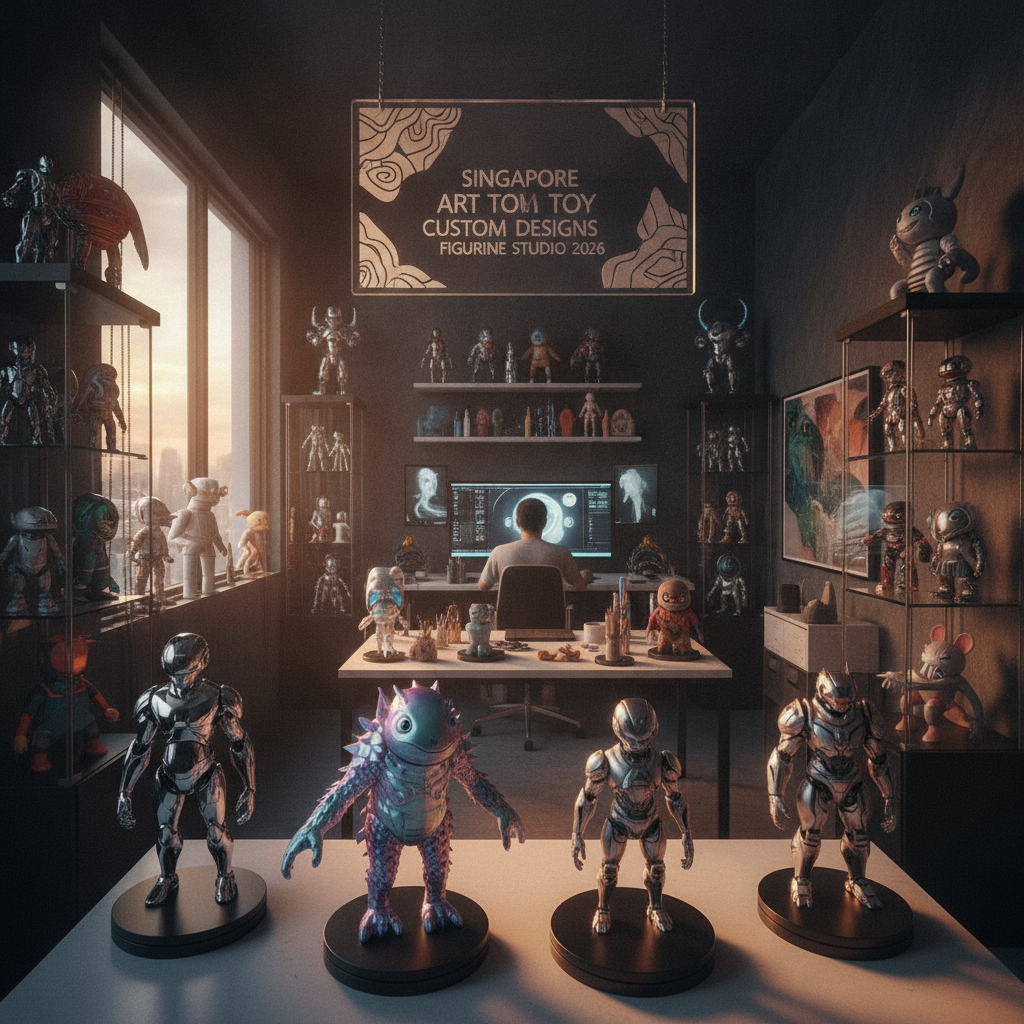

Art toys have grown from niche designer collectibles into a major touchpoint between art, fashion and everyday living. In 2026 the category is no longer just about shelf-bound figurines — it’s an intersection of lifestyle product design, digital technology, sustainability and community-driven commerce. For designers and brands in Singapore, understanding these shifts unlocks new product opportunities and richer ways to reach collectors and consumers.
This article unpacks the 2026 trends for art toys and practical ways lifestyle product design in Singapore can capitalize on them, from ideation to production and market positioning.
Art toys function like compact sculptures, brand identifiers and lifestyle accessories. Their appeal lies in three strengths that make them relevant to lifestyle product design in Singapore:
Singapore’s design scene — with its tight network of studios, prototyping services and retail-savvy consumers — is well placed to treat art toys as lifestyle products rather than mere collectibles.
The phygital model continues to mature: physical art toys paired with digital twins, AR experiences or NFTs that authenticate provenance and unlock owner perks. Designers are using CAD and tokenization workflows to create limited runs where a digital certificate or augmented overlay enhances long-term engagement.
For design teams seeking integrated workflows, resources about limited runs and NFT-ready CAD modeling can be a practical starting point.
(Link example: limited edition art toys)
3D printing has shifted from prototyping to production for many art-toy lines. SLA and high-detail resin printing give collectible-grade finishes; FDM enables cost-effective larger runs; and multi-jet fusion/MJF brings robust color and surface options.
Fast turnarounds and iterative design cycles are now expected — especially in markets where designers test concepts directly with communities and rapidly refine them.
If you’re refining concept-to-market timelines, fast prototyping services targeted at lifestyle design teams can shorten your development cycle.
(Link example: fast 3D prototyping Singapore for lifestyle product design)
Consumers increasingly reward brands that reduce environmental impact. For art toys that means:
Sustainable choices also open new storytelling angles — collectors often value provenance and ethical manufacturing as much as rarity.
Mass customization and small-batch runs allow designers to offer personalized paint schemes, interchangeable features or owner-customized accessories. These elevated experiences fit well within lifestyle product design strategies that target premium, design-conscious consumers.
Providers specializing in custom figurine design can help teams scale personalized offerings while maintaining quality control.
(Link example: best art toys and custom figurine design Singapore 2026)
Expect more crossover with streetwear, furniture, and home decor brands. Art toys become part of seasonal capsules, in-store displays and experiential pop-ups that blur the lines between utility and collectible. These partnerships amplify reach and position art toys as integrated lifestyle statements.
Textured coatings, mixed media (metal, wood, textile insets), and tactile finishes are on-trend. These material choices are playfully practical: they make an art toy stand out visually and integrate better into interiors.
To experiment affordably, designers often leverage FDM for structure and resin or painting services for surface finish.
(Link example: custom art toys FDM 3D printing Singapore)
Research and positioning: map audience segments (collectors, design buyers, casual consumers) and define the lifestyle use-case — shelf display, home accent, desk accessory, wearable or multifunctional object.
Concepting: create silhouette-driven sketches and moodboards anchored to a persona. Consider limited editions vs evergreen lines early — manufacturing choice affects price and distribution.
Prototyping: move from rapid 3D prototypes to high-fidelity models. Iteration speed is crucial; don’t overinvest in a single finish until the form is validated.
Material and finish decisions: choose materials that balance cost, tactile appeal and compliance. If the toy will cross markets, plan for testing and certifications.
Production strategy: combine local small-batch runs for premium editions with regional manufacturing for larger quantities. This hybrid approach delivers flexibility and cost-efficiency.
Launch and community: deploy drops, limited pre-orders and collaborations. Build content for AR previews, behind-the-scenes making-of, and maintenance care to foster long-term attachment.
For projects that hinge on precision and market timing, specialized 3D printing services and end-to-end design support streamline execution.
(Link example: 3D printing service)
Singapore offers a strategic advantage: proximity to Southeast Asian manufacturing, high-quality prototyping services, and a strong domestic retail culture. Practical considerations include:
If you’re scaling from prototypes to market-ready pieces, working with partners who understand art toy specifics (articulation, paint processes, and assembly) reduces production risk.
(Link example: custom manufacturing and services)
Ecosystem-savvy brands also collaborate with local cafes, galleries and hotels to put products directly into lived spaces.
Collectors pay for narrative, scarcity and finish quality. Pricing strategies for lifestyle-aligned pieces typically tier like this:
Transparent storytelling about materials, production methods and edition sizes helps justify price and supports secondary-market value.
Choosing partners experienced in both art-toy design and lifestyle product workflows mitigates many common pitfalls.
(Link example for quality-focused production: custom art toys & production)
Success will be defined by the ability to weave narrative, material integrity and production intelligence into standalone objects that enhance everyday life. Designers and brands that treat art toys as part of a broader lifestyle ecosystem — not isolated collectibles — will find greater longevity and deeper customer relationships.
Singapore’s design ecosystem, with its access to high-quality prototyping, regional manufacturing and design-minded consumers, is well positioned to lead in this space. Designers who combine strong storytelling, responsible materials and agile production will set the benchmarks for the next wave of art toys.
Art toys in 2026 sit at the crossroads of product design and lifestyle culture. By embracing phygital experiences, sustainable materials, advanced 3D production and community-led marketing, designers in Singapore can turn limited editions into lasting lifestyle products. Thoughtful collaboration with prototyping and production partners ensures ideas become collectible realities — crafted to be displayed, used and cherished.
(Link example for production and design partnerships: best art toys and custom figurine design)