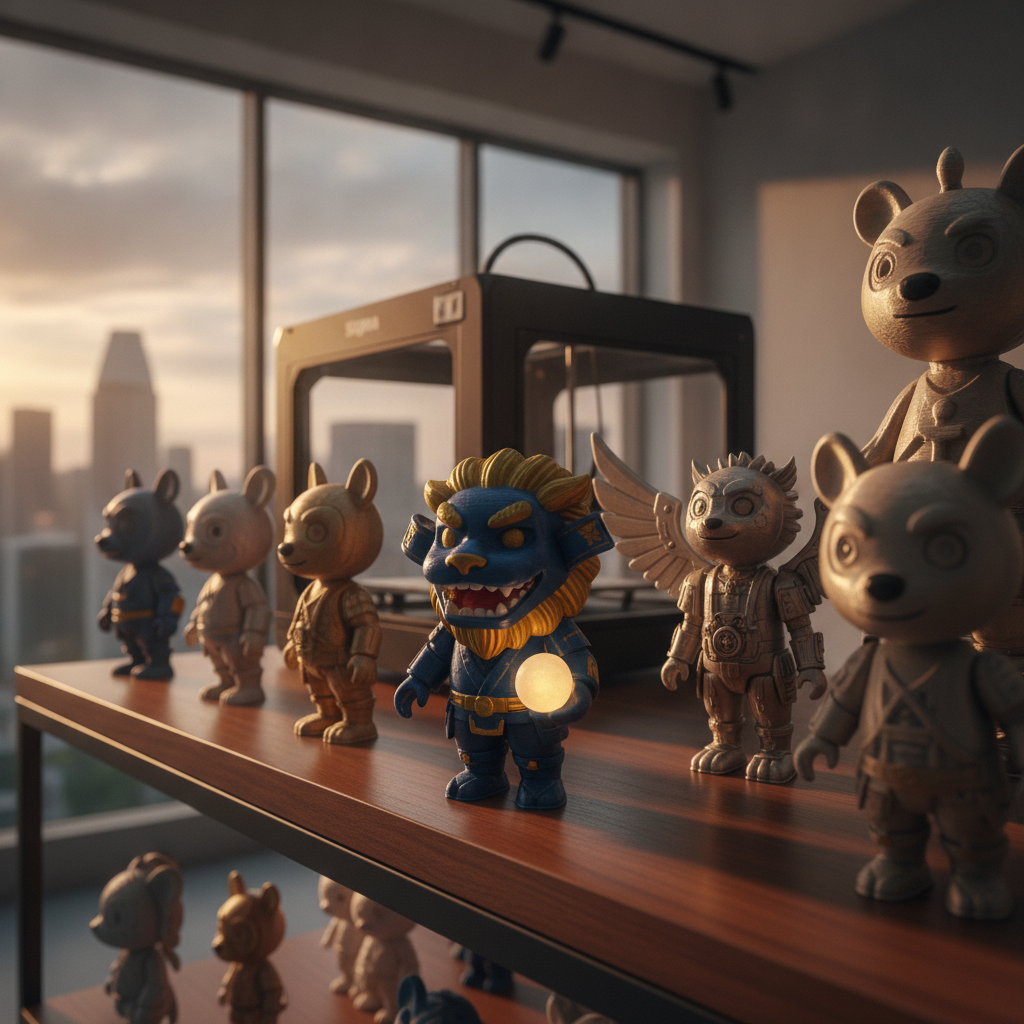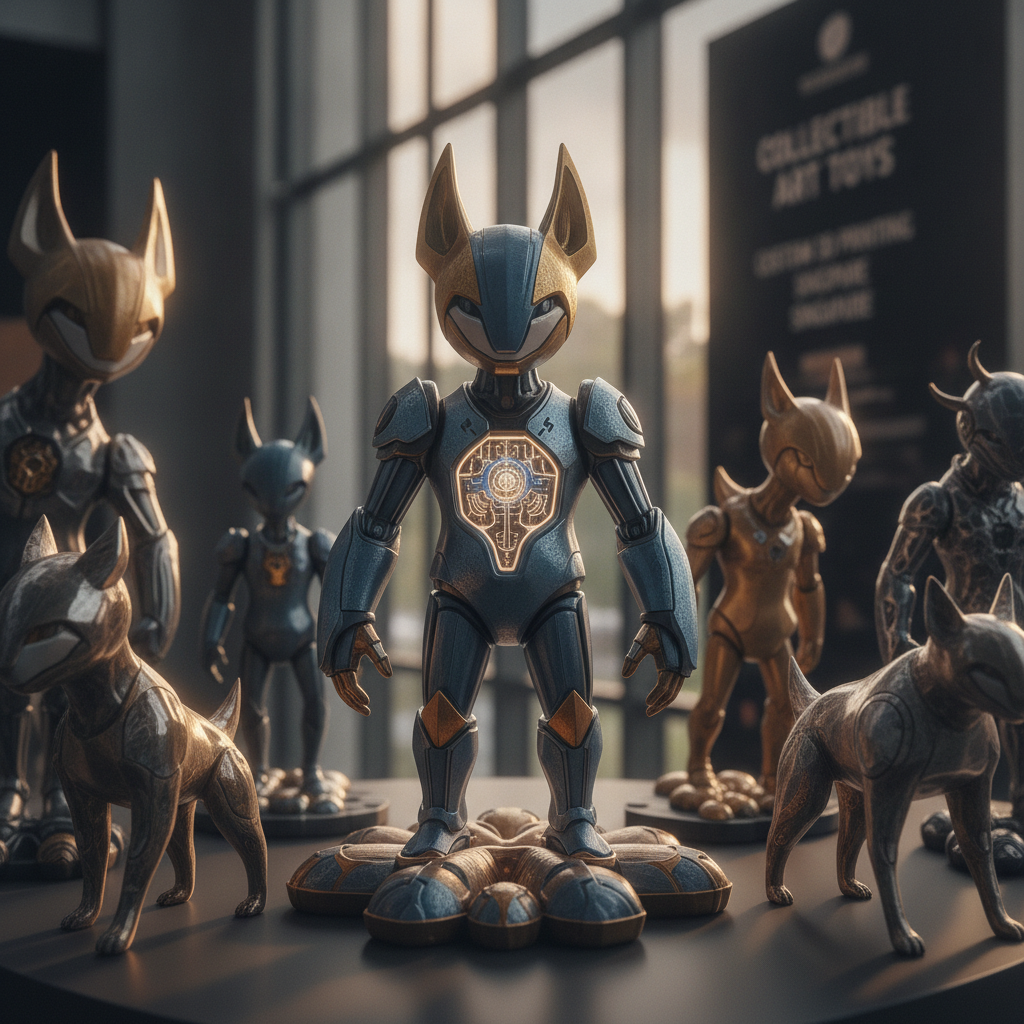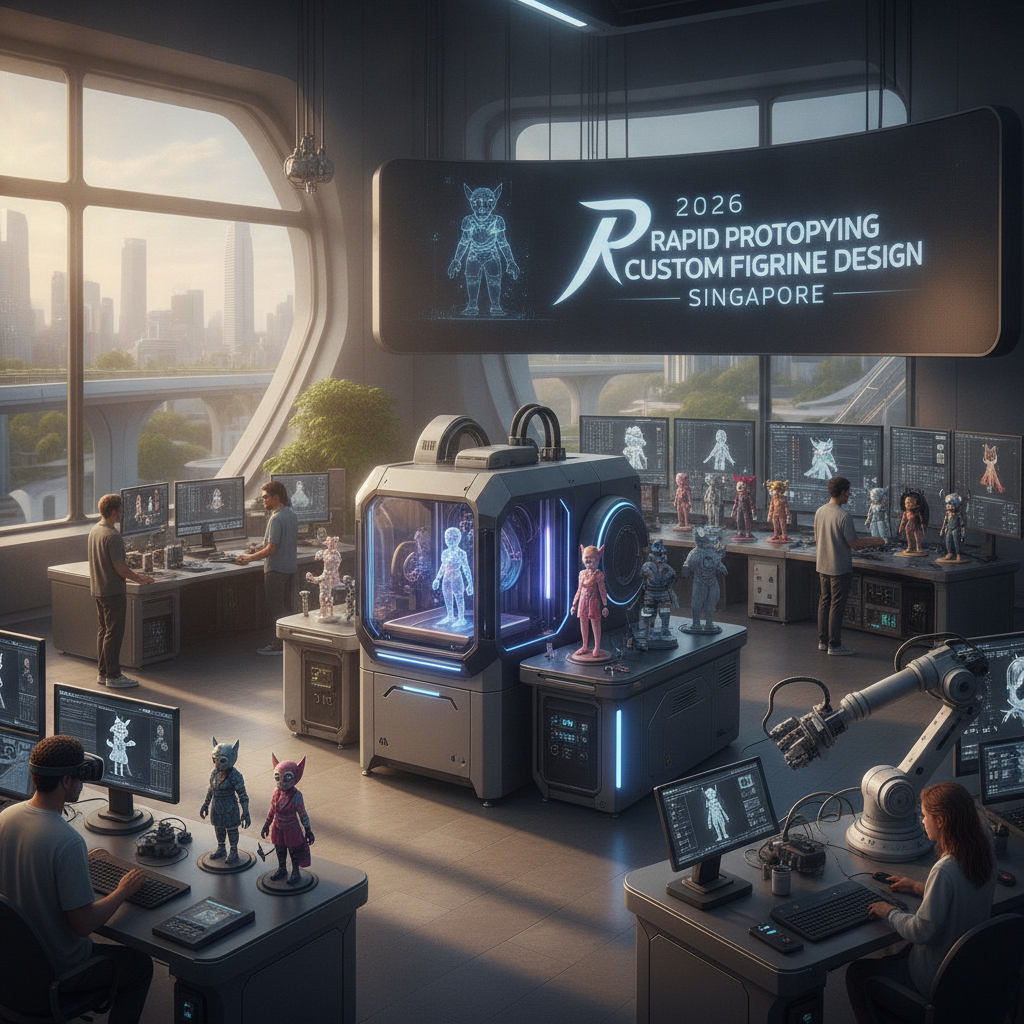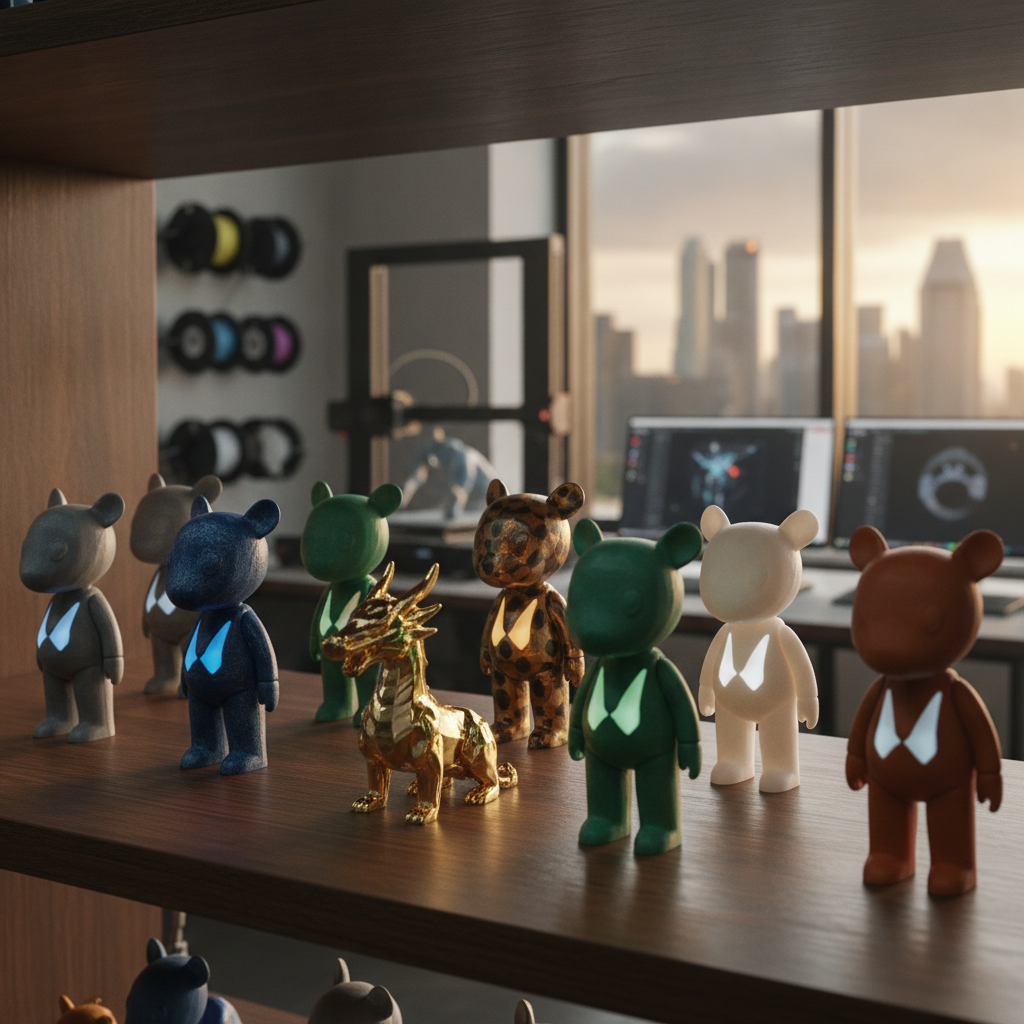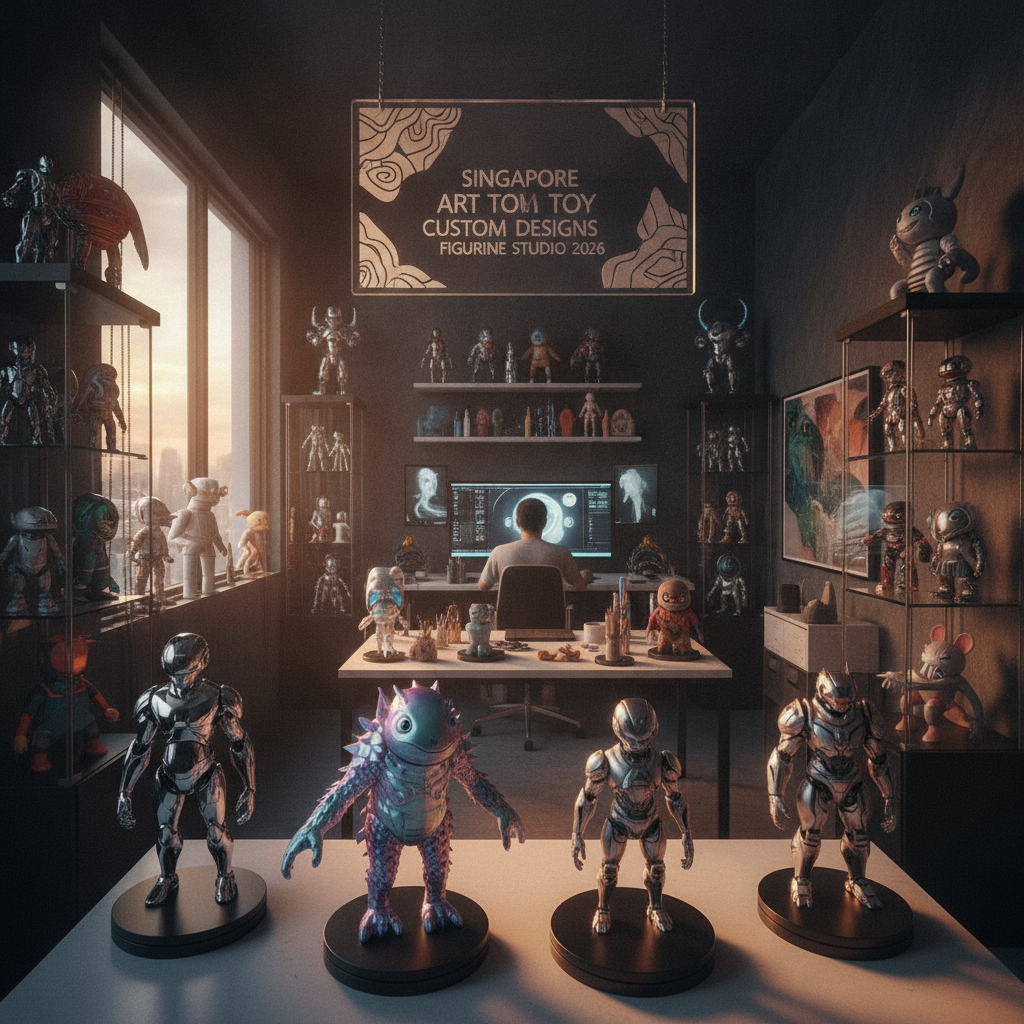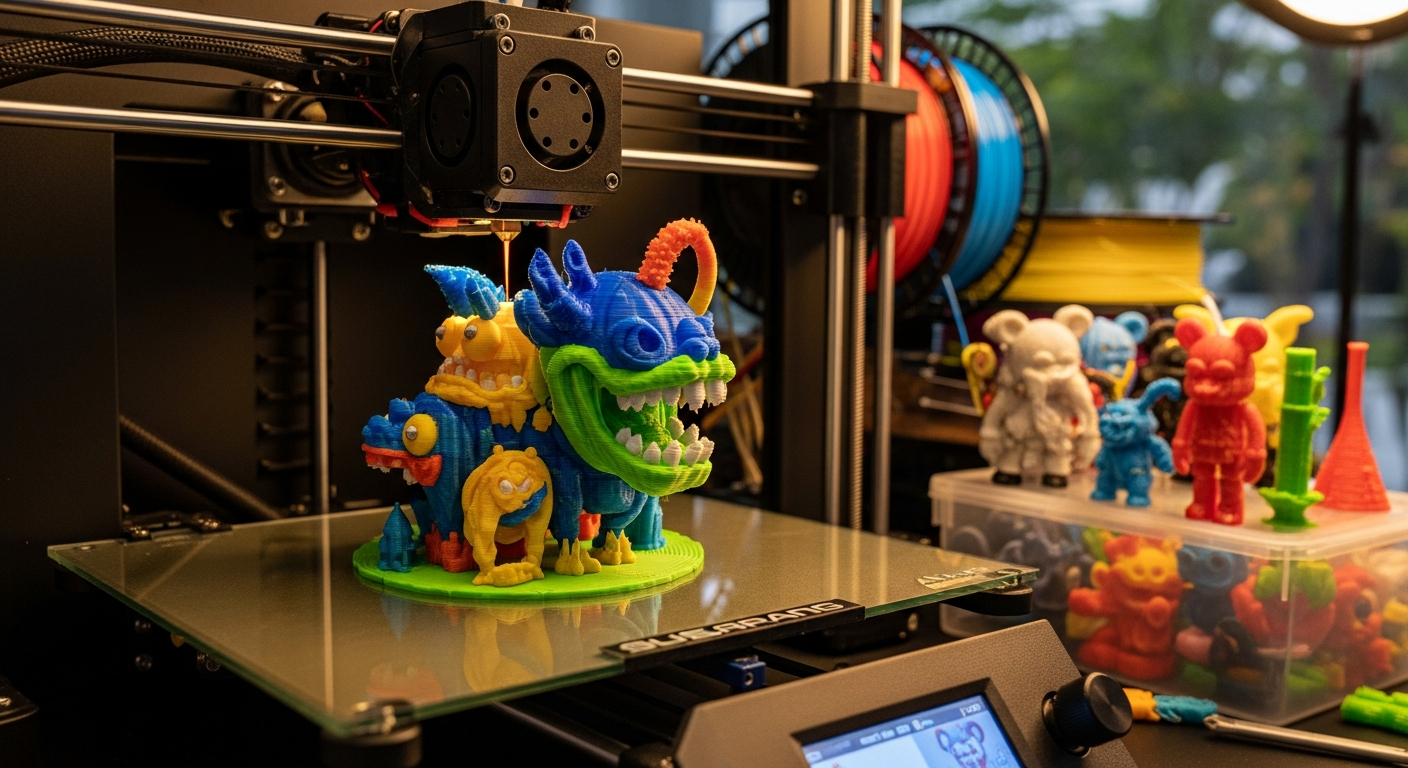

In recent years, designers and indie studios have turned to FDM 3D printing Singapore as a practical, scalable route for producing limited edition art toys. The technology bridges the gap between handmade craftsmanship and small-batch manufacturing: it lets creators iterate quickly, control costs, and maintain artistic nuance at collectible quality. For artists who want to keep runs exclusive, preserve creative control, and react to market trends fast, FDM is proving indispensable.
Fused Deposition Modeling (FDM) is often associated with prototyping, but with modern machines, optimized slicing strategies, and improved materials, FDM can deliver robust toy parts with clean detail suitable for limited edition art toys. Key advantages include:
In Singapore’s tight design ecosystem, FDM 3D printing Singapore offers an ideal mix of urban manufacturing infrastructure and designer access to rapid iteration.
Selecting the right filament and post-processing strategy turns an FDM print into a collectible. Popular materials include PLA for detailed, paint-ready surfaces; PETG and ABS for tougher, more durable pieces; and specialty filaments (wood-fill, metallic, flexible) for unique tactile or visual effects. Post-processing techniques—sanding, vapor smoothing (for ABS), epoxy coatings, priming, and multi-stage painting—are where limited edition art toys gain their premium character.
Artists often combine materials: printed internal skeletons paired with resin or silicone inserts for tactile contrast, or flexible joints using TPU filament. For inspiration and practical examples of bespoke figurines, see this walkthrough on mini-me custom figurine 3D printing Singapore.
Good limited edition art toys start in the digital workspace. A clean CAD model with considerations for assembly, tolerances, and print orientation reduces print failure and post-production labor. Designers who understand FDM constraints—like overhangs, bridging, and support placement—create pieces that minimize seams and strengthen joints.
Many studios adopt iterative loops: sketch → CAD → test print → refine. For deeper guidance on how to prepare sculpted designs for production, explore resources on designing art toys with CAD modeling.
One major reason FDM 3D printing Singapore is popular among toy makers is its speed. Rapid prototyping reduces the gap between idea and physical sample, enabling quick testing of proportions, articulation, and aesthetic treatments. Fast test prints let artists validate assembly methods, check tolerances for moving parts, and refine surface details before committing to a full run.
When time is tight, techniques like printing in scaled sections, using lower infill for quick tests, or switching to faster layer heights for non-final prototypes can shave days off development. For studios focused on speed, case studies on fast FDM 3D printing for rapid prototyping are particularly relevant.
Limited edition runs demand balance: you want collectible scarcity but also consistent quality. FDM supports small-batch production elegantly because it removes the need for molds and expensive setup. Strategies include:
Assembly jigs, standardized finishing workflows, and quality-control checklists ensure each toy in a limited run meets collectors’ expectations.
A hallmark of limited edition art toys is their finish. Surface preparation for FDM prints can transform visible layer lines into a canvas for high-quality paint jobs. Steps commonly used:
Artists often mix techniques—airbrushing for base gradients, hand-detailing for faces, and metallic or pearlescent sprays for special editions. For collectible-focused workflows, review examples on collectible art toys and Singapore custom figurines.
For limited edition art toys to be desirable and trustworthy, consistent quality and safety compliance matter. Checklists typically include:
Documenting batch numbers, print settings, and finishing recipes helps maintain traceability for future releases and collector trust.
Pricing a limited edition art toy involves material and labor costs, perceived collector value, and scarcity strategy. FDM reduces fixed costs (no molds), but labor for finishing and painting can be significant. Consider these factors when calculating unit price:
Offering tiered editions—standard vs. artist-signed or variant colorways—can capture different collector segments while keeping runs manageable.
Sustainability is a growing concern among collectors and creators. FDM 3D printing Singapore supports more sustainable, local production models by reducing overseas shipping, enabling on-demand runs that avoid overproduction, and allowing material optimization. Biodegradable filaments (like certain PLA blends) and recycled filaments are becoming viable options for creators who want to reduce environmental impact without sacrificing aesthetics.
Local manufacturing in Singapore also provides faster feedback loops with print service providers, better QC oversight, and more control over limited release timelines.
Several trends are influencing how limited edition art toys are made and marketed:
Tools like AI CAD modeling for lifestyle product design are also accelerating ideation, helping designers create variations faster and test forms before committing to physical prints.
For limited edition art toys, the launch is as important as the product. Strategies that have worked for designers and small studios include:
Community engagement—using studios, pop-up booths, or local galleries—helps build trust and collector interest before a drop.
A typical project timeline for a 200-piece limited edition:
Many studios in Singapore follow this cadence, leveraging local print partners for peak capacity or outsourcing specific finishing steps. For examples of bespoke figurine projects and workflows, see references on mini-me custom figurine 3D printing Singapore and more.
FDM 3D printing Singapore enables designers to produce limited edition art toys with speed, flexibility, and control over quality and cost. From rapid prototyping and CAD-driven iteration to thoughtful finishing and small-batch production, the technology supports a creative ecosystem where artists can experiment, scale thoughtfully, and deliver collectible experiences that resonate with fans. As materials improve and workflows become more sophisticated, FDM will remain a cornerstone of the limited-run art toy movement.
For designers and studios ready to translate a concept into a collectible, resources on advanced prototyping and collectible workflows—such as fast FDM 3D printing for rapid prototyping and detailed write-ups on collectible art toys and Singapore custom figurines—offer practical next steps and real-world examples.