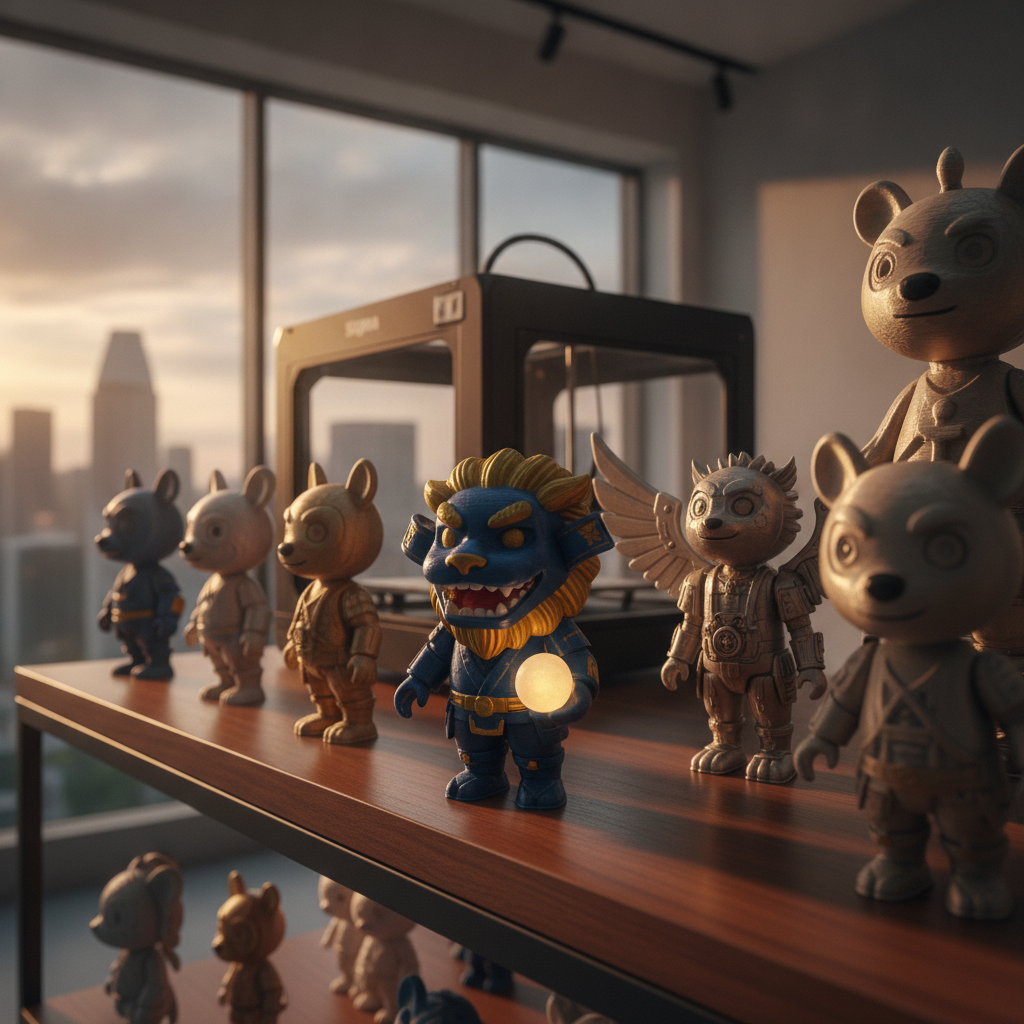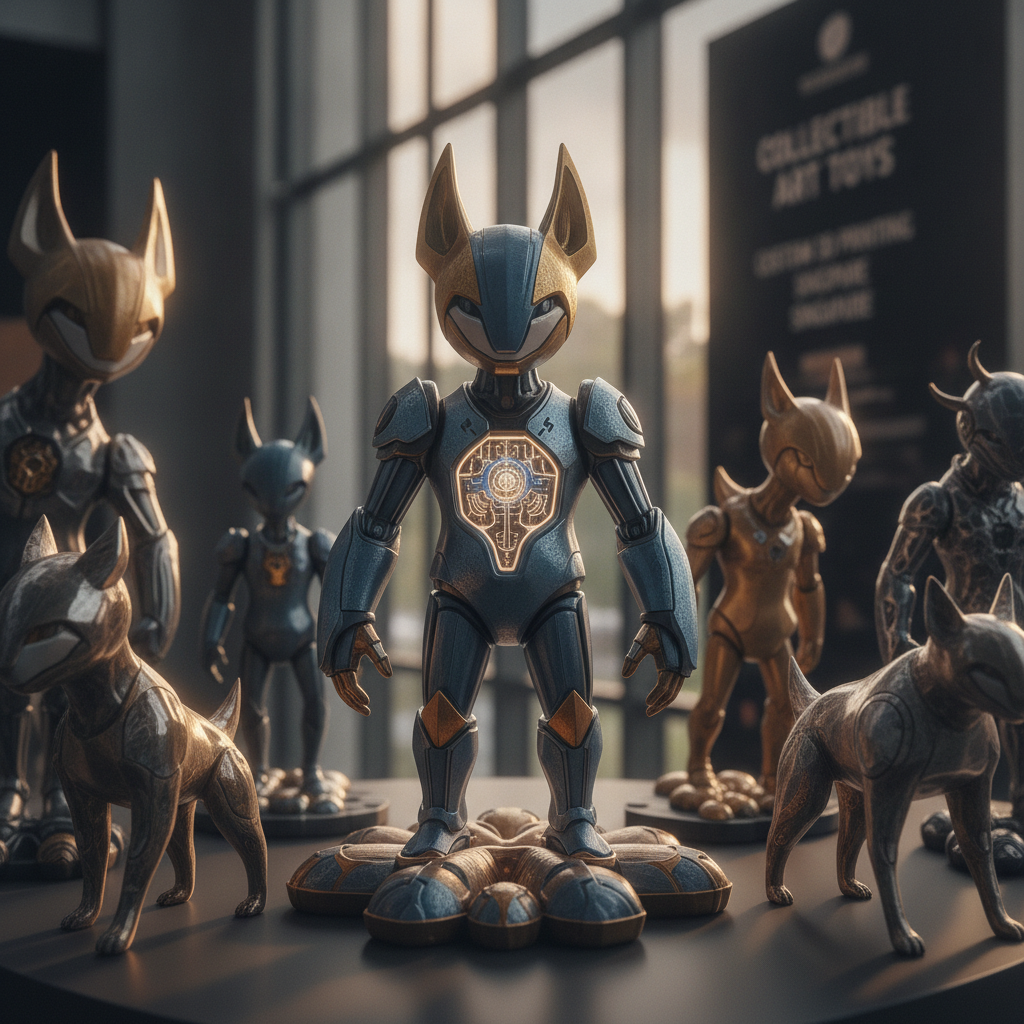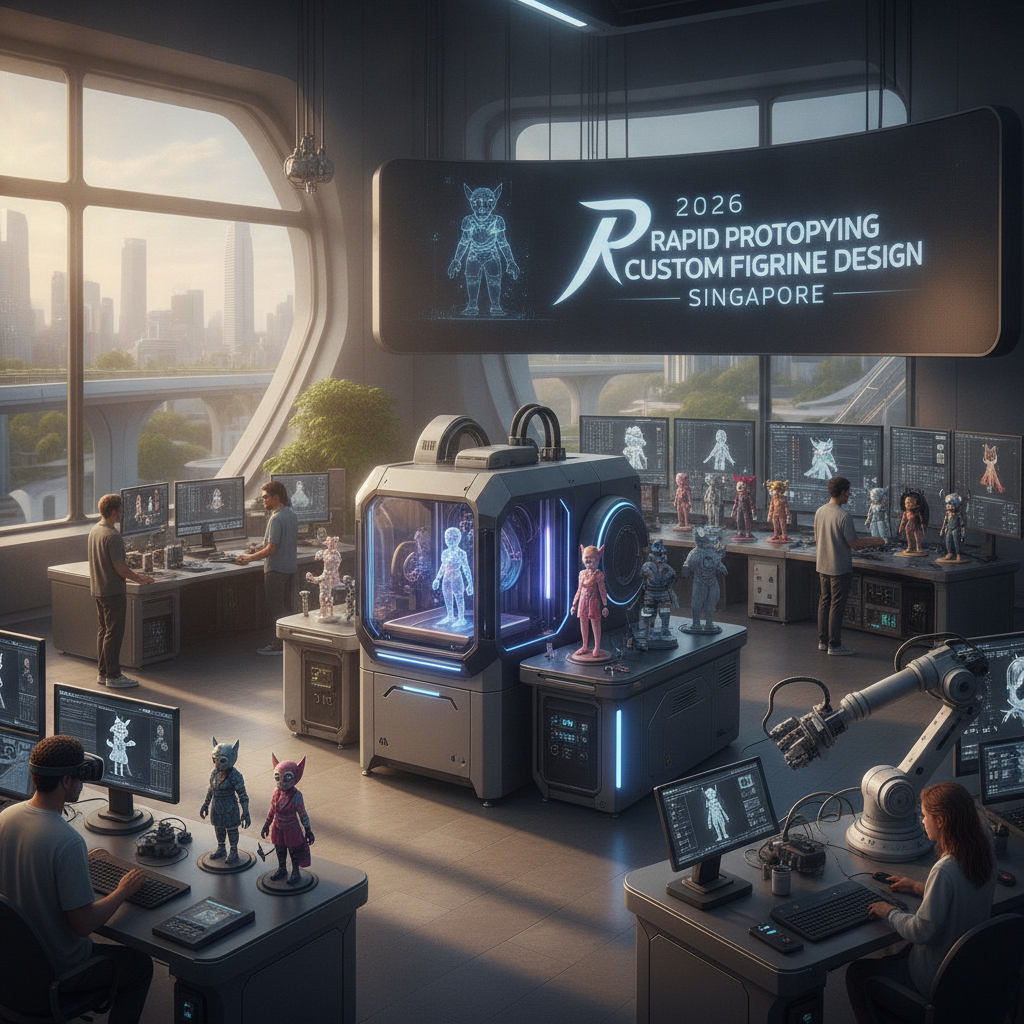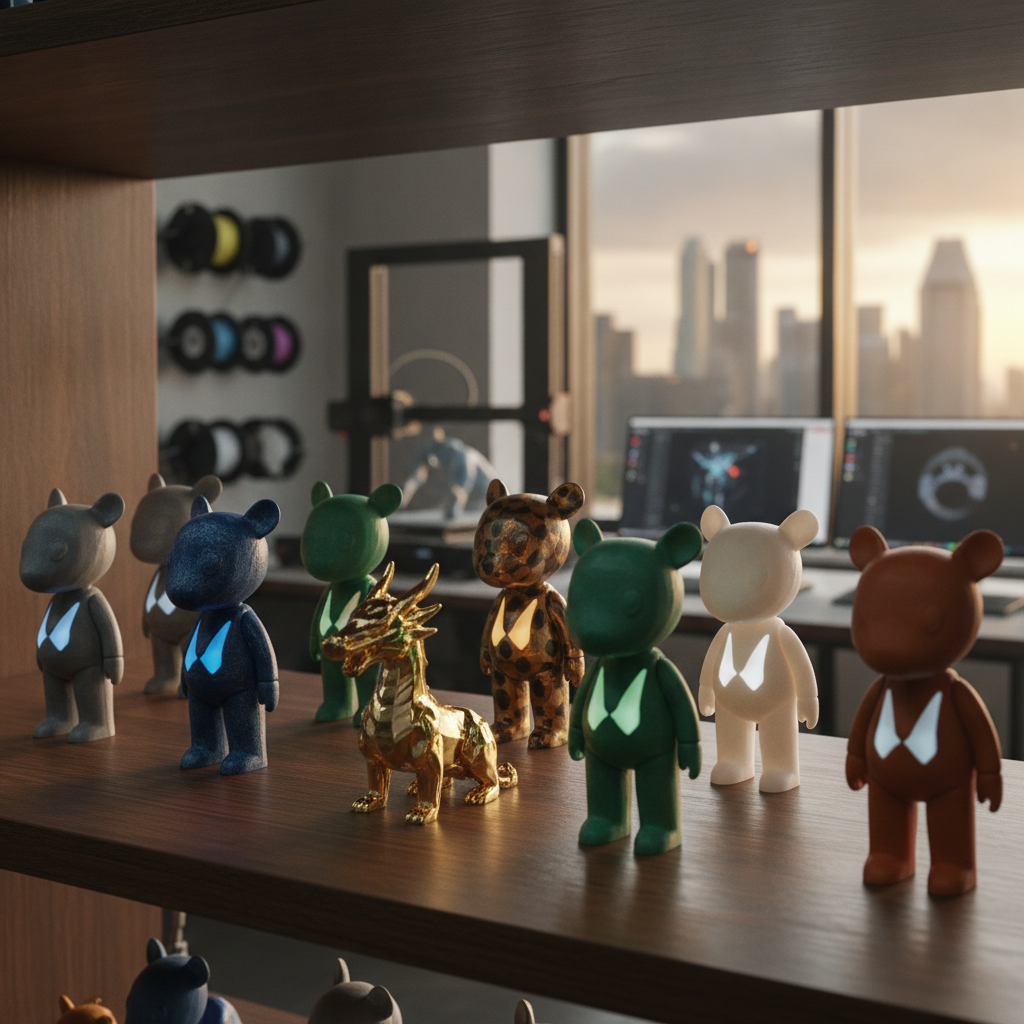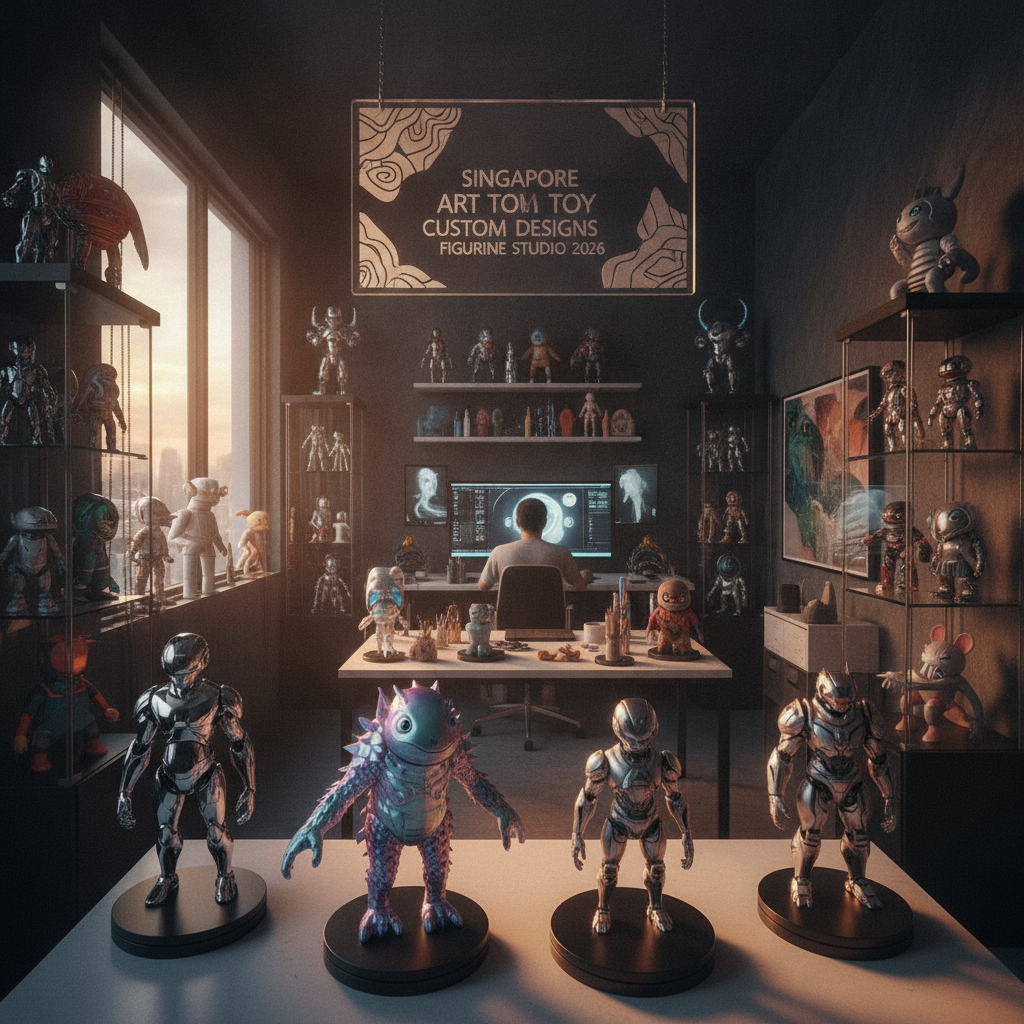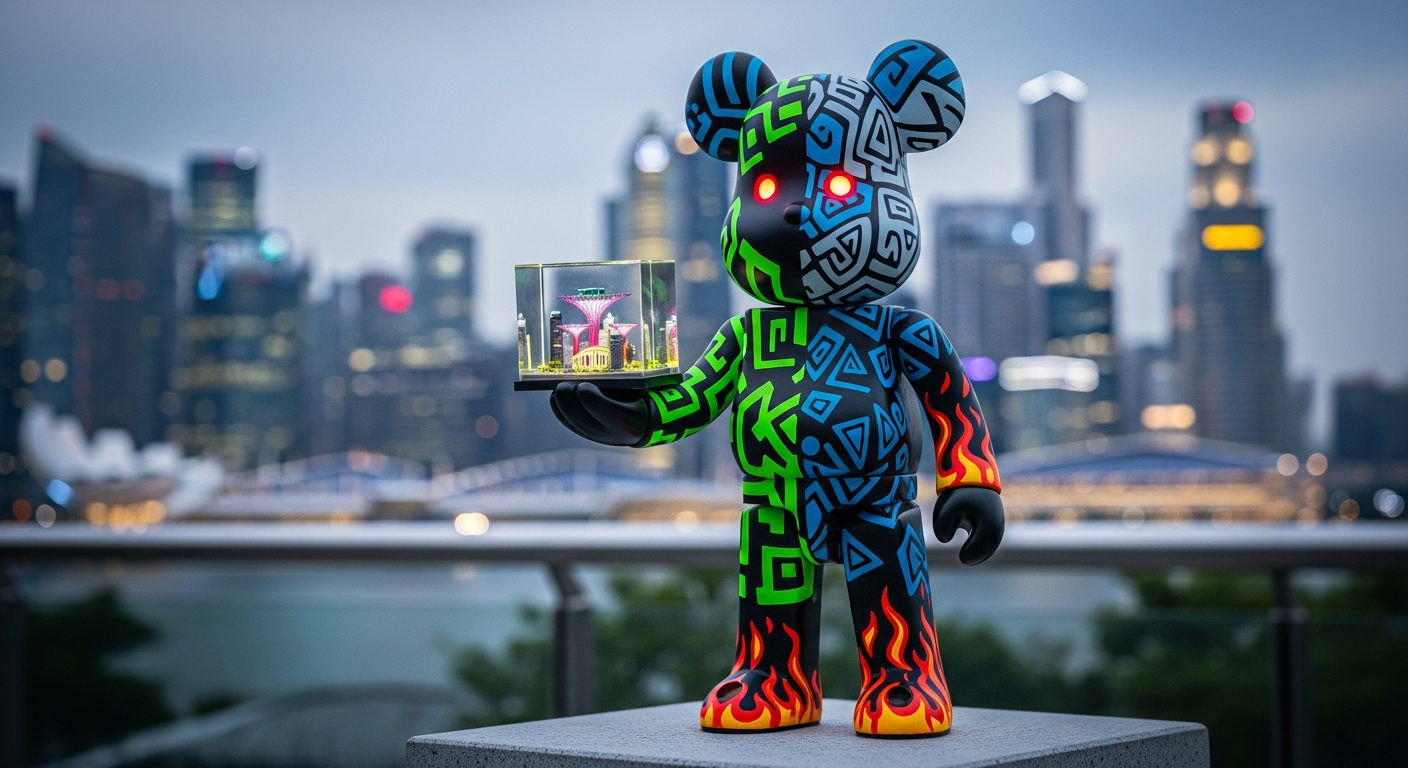

Collectible art toys are no longer a niche hobby—by 2026 they occupy a dynamic intersection of contemporary art, designer culture, and tech-enabled production. From limited-edition blind box drops to gallery-grade resin pieces, collectors are seeking unique narratives and scarcity. Singapore, with its design-forward ecosystem and advanced manufacturing network, has become a regional hub for creators interested in custom figurine design Singapore and beyond.
Collectors gravitate toward pieces that deliver both aesthetic and provenance: a well-crafted silhouette, a thoughtful paint scheme, and a transparent production story (how many units, who produced them, was each one hand-finished?). This demand elevates the role of the designer from concept artist to project manager. A successful collectible project in 2026 blends:
When these elements combine, a toy becomes an investment-grade collectible rather than a mass-market plastic figure. For local creators, leaning on specialized services for custom figurine design Singapore accelerates the journey from sketch to shelf.
The production pipeline for collectible art toys has evolved into a largely digital-first workflow. Key steps include:
CAD and digital sculpting tools make it possible to iterate quickly and test proportions before any physical tooling or molds are made. Many design teams now partner with specialist studios for CAD modeling and 3D-print prototyping to reduce costly mistakes downstream.
Choosing materials is a strategic decision. Common approaches in 2026 include:
Each material and method has trade-offs in texture, paint adhesion, durability, and cost. For instance, resin captures fine sculpt detail but is more labor-intensive to finish. To scale limited editions while keeping fidelity, many studios combine high-detail resin masters with small-batch molding techniques.
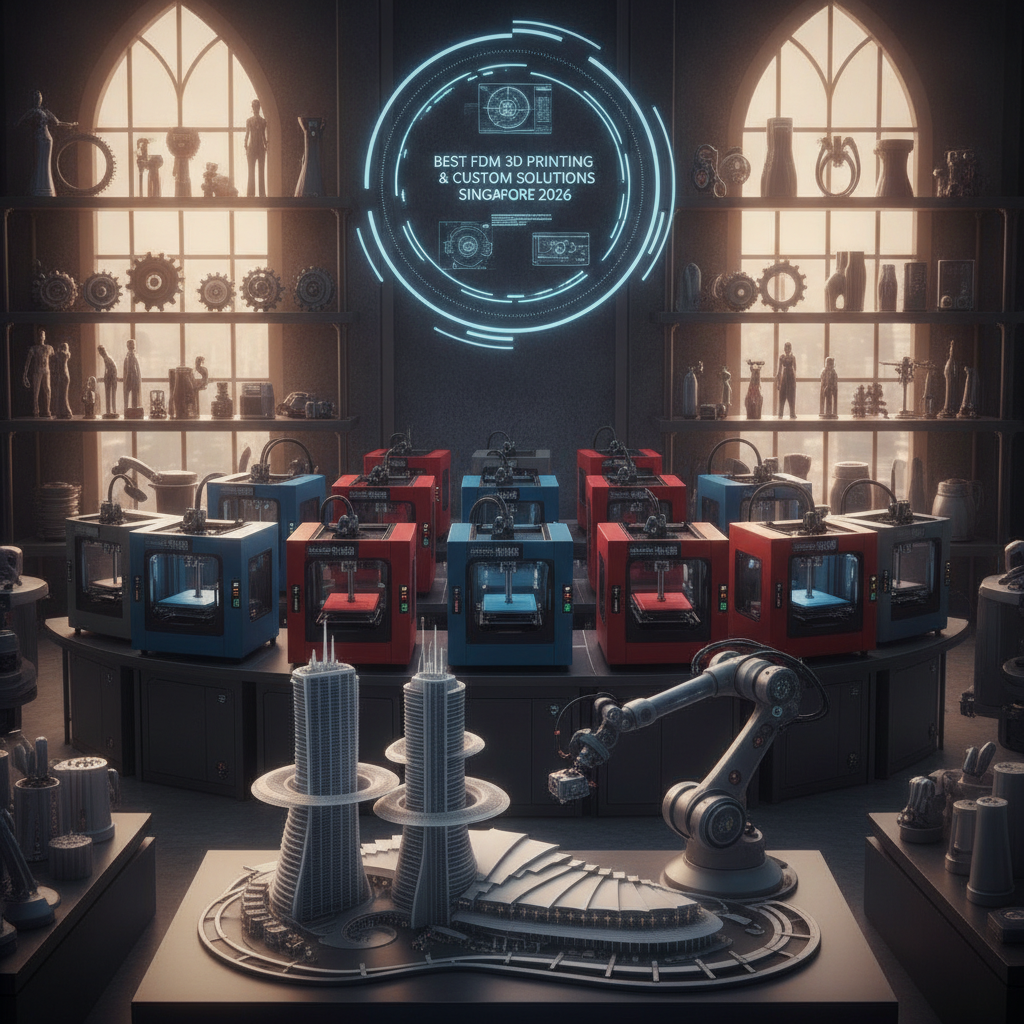
FDM 3D-printing remains relevant for tooling, clearances, and concept validation—readers can learn more about how FDM 3D printing powers limited-edition art toy workflows.
Scarcity drives collectibility. Effective strategies used in 2026 include:
Well-executed limited editions can command premium resale values. Packaging is part of the story: high-quality boxes, inserts, and documentation increase unboxing satisfaction and help preserve secondary market value.
A growing number of collectible art toy projects pair physical figures with digital twins—NFTs that represent ownership, provenance, or exclusive access. For designers exploring this hybrid model, early coordination between the digital minting plan and the physical production timeline is essential. Proper metadata, limited-mint strategies, and integration with marketplaces ensure the collector receives a cohesive experience across both physical and digital realms.
Prototyping is where concepts prove their manufacturability. Key QA steps:
For creators who require fast, reliable prototyping, working with specialists saves time and reduces risk. Consider studios that offer end-to-end services—from sculpt and CAD to prototype and finishing—so you can iterate quickly and validate decisions with tangible samples.
Pricing collectible art toys balances production cost, perceived value, and market positioning. Factors to account for:
Distribution options include direct-to-consumer e-commerce, specialty toy retailers, gallery shows, and curated marketplaces. For creators in Singapore, partnerships with local fulfillment and logistics providers streamline cross-border shipping and customs clearance.
When building collectible lines, protect both creative rights and business interests:
Legal clarity reduces disputes and preserves long-term value for collectors and creators.
A practical roadmap for creators looking to launch
For practical, studio-level support on every stage—from design to market-ready production—many creators source expert partners. For instance, teams seeking full-service options often start by exploring studios that specialize in collectible art toys and small-batch runs.
Miniaturized, highly personalized figures remain popular for corporate gifting, weddings, and fan merchandise. The “Mini-Me” style of personalized sculpt and print combines photogrammetry, stylized sculpting, and careful paintwork. For creators or businesses interested in customized keepsakes, a proven pathway involves rapid 3D scanning, refinement in CAD, and batch printing with post-processing—learn how personalized services deliver consistent results with Mini-Me custom figurine.
Collectors increasingly value sustainability. Strategies to reduce environmental impact include:
These steps resonate with conscious buyers and can be communicated clearly on product pages and packaging.
When selecting a partner for custom figurine design Singapore, prioritize:
Studios offering integrated CAD and production services reduce handoffs and accelerate time-to-market. For more detailed information on full-service design and custom figurine production in Singapore, review examples of custom figurine design Singapore workflows.
The collectible art toys market in 2026 rewards creators who combine distinct creative vision with disciplined production processes. Whether you’re building a limited-edition art series, a branded custom figurine line, or a personalized keepsake collection, success depends on aligning concept, material choices, and go-to-market execution.
Start mapping concept to production timelines and consider specialist partners for CAD, prototyping, and small-batch manufacture to bring your collectible art toys and custom figurine design Singapore projects to life.