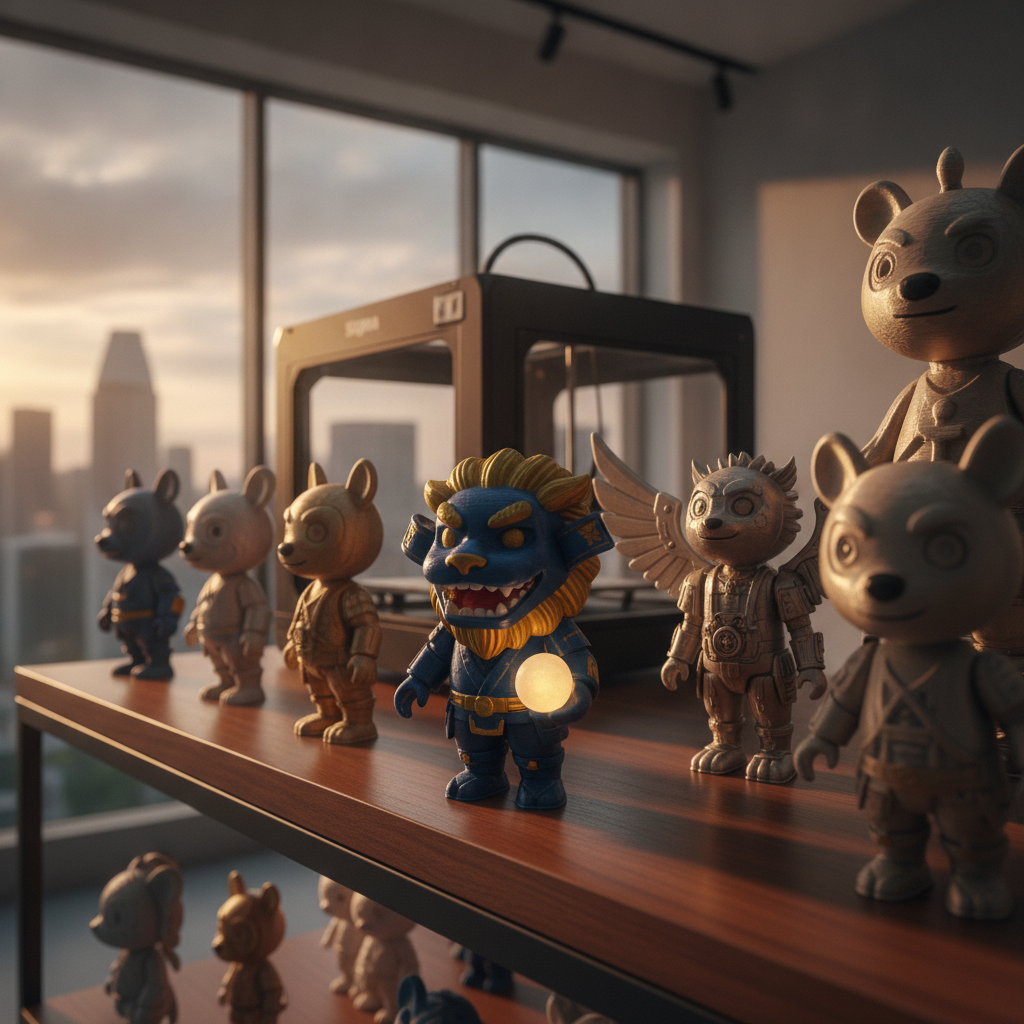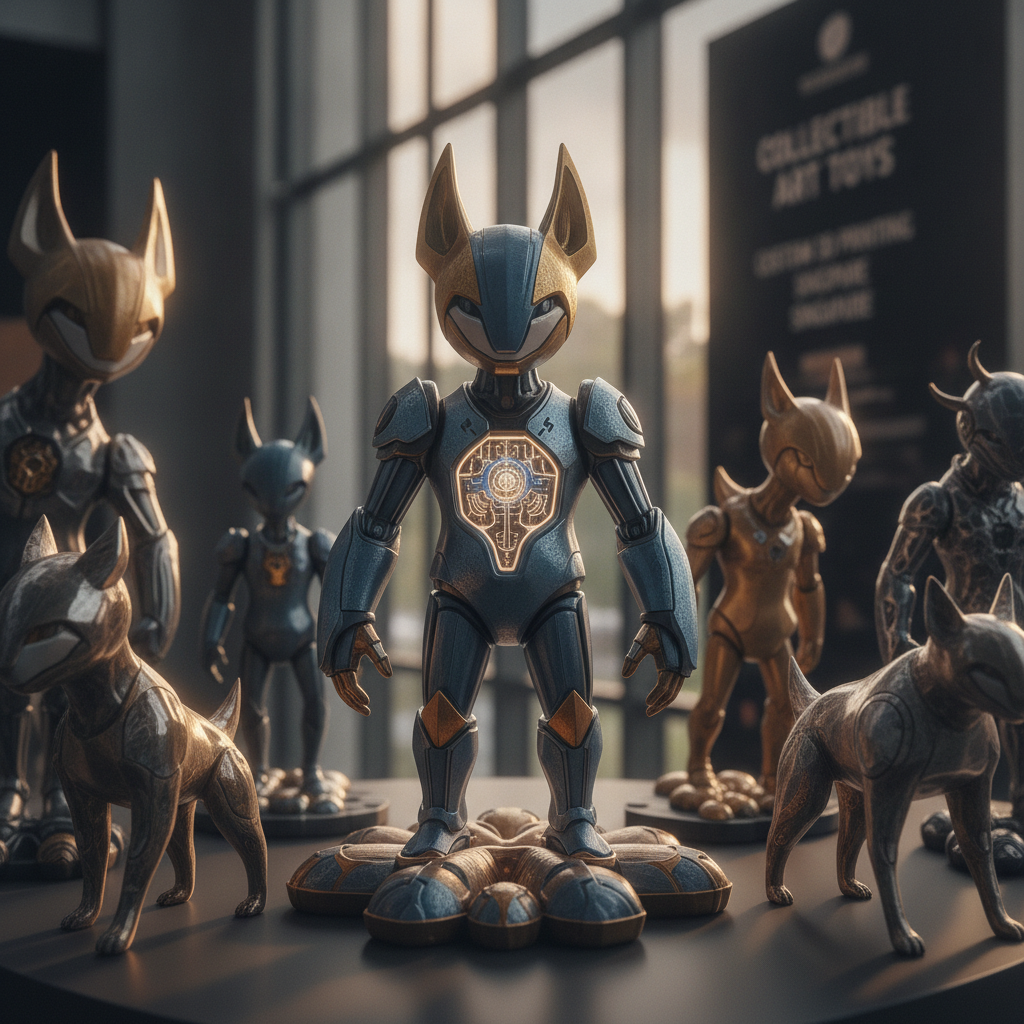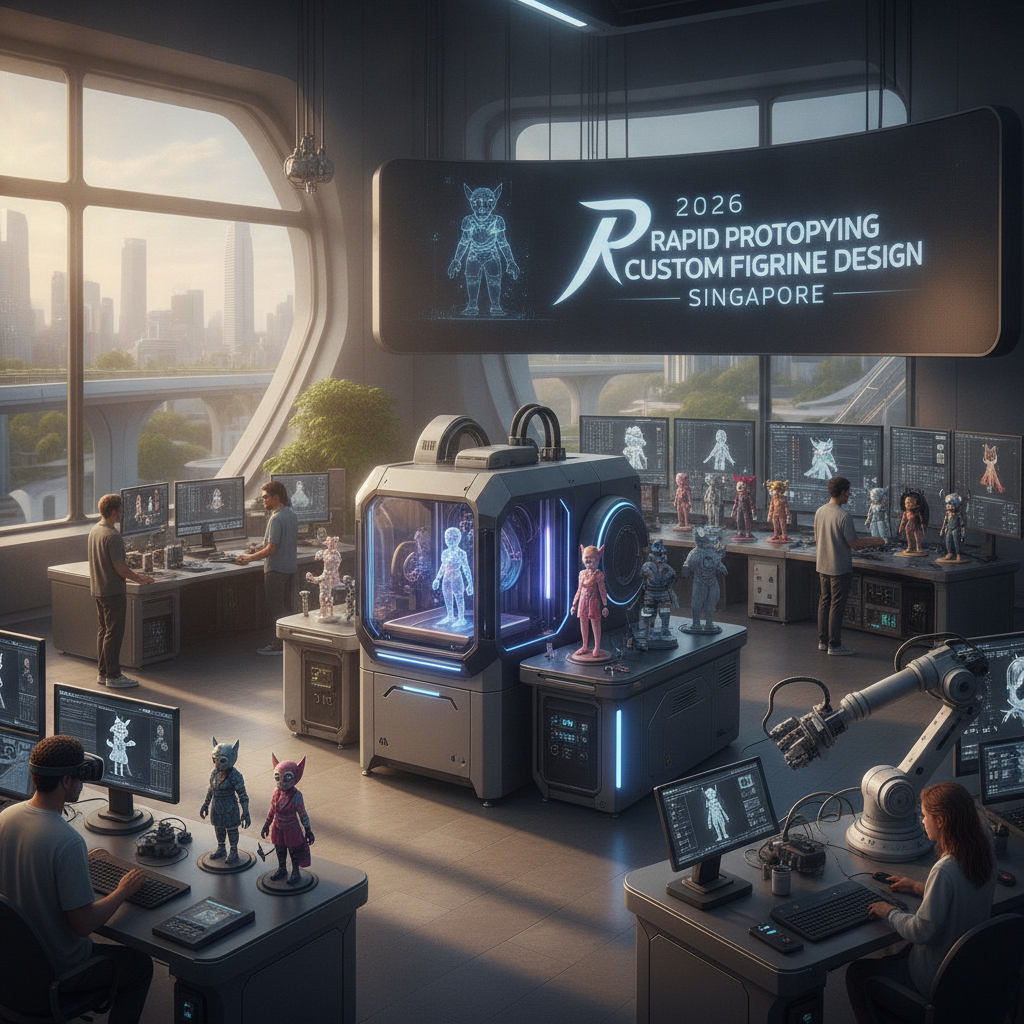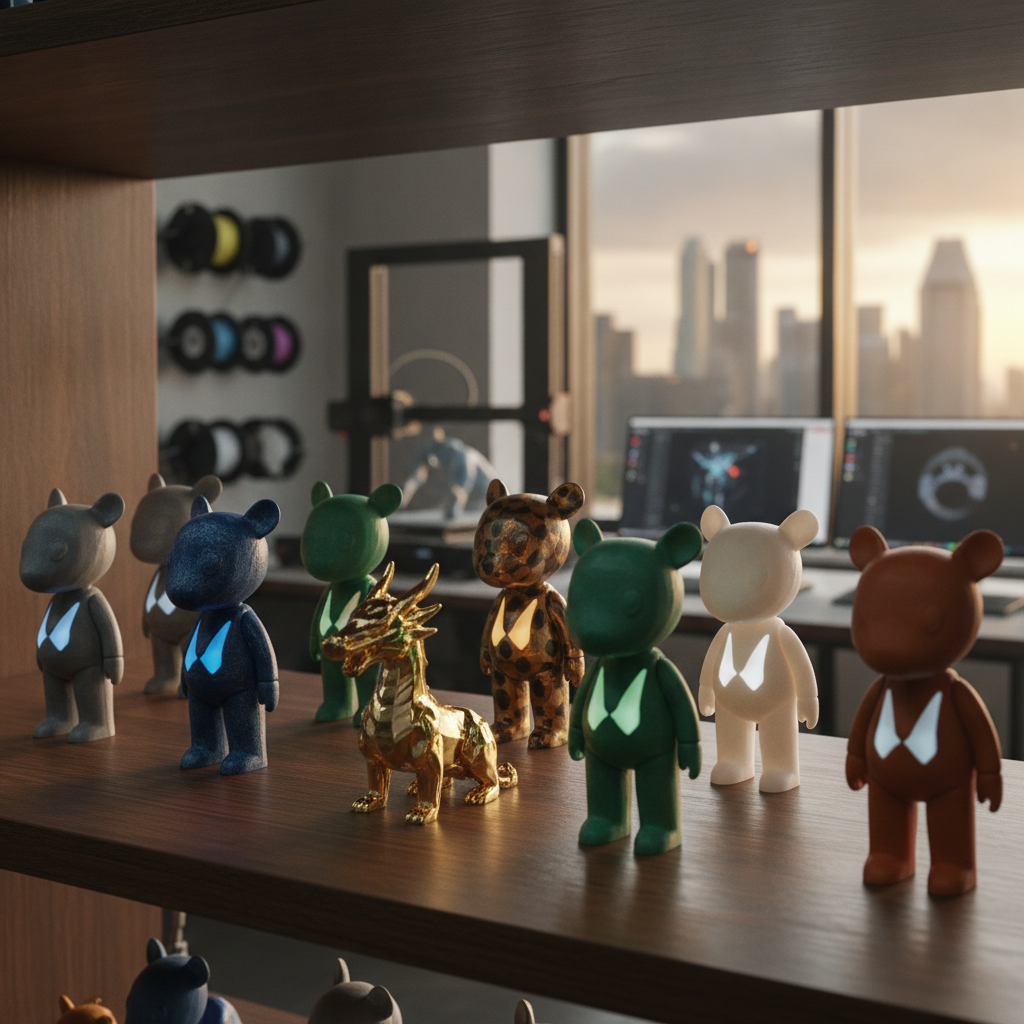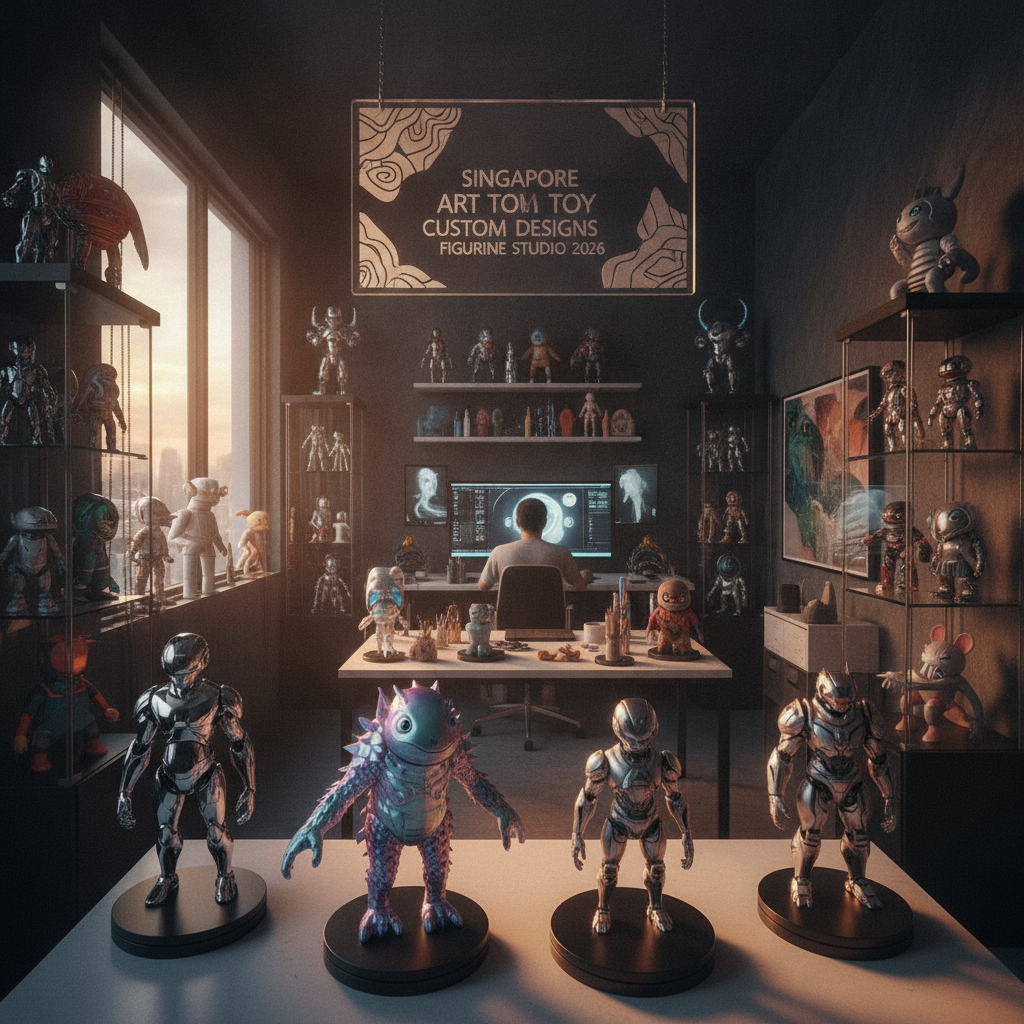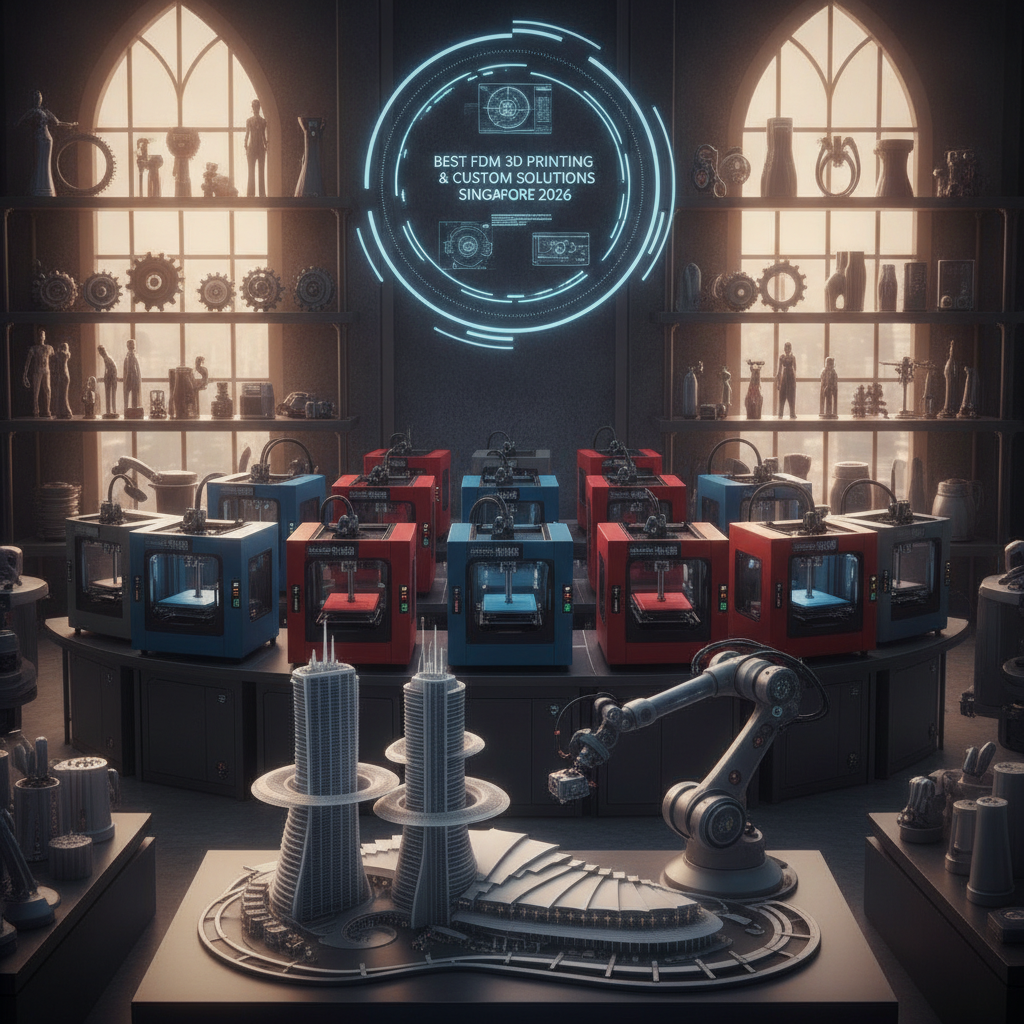

Collectors, designers and brands are converging on a new creative sweet spot: limited edition art toys tied to NFT ecosystems and realized through precision CAD modeling in Singapore. As the market matures in 2026, success depends on combining strong creative direction with technical rigor — from CAD files and prototyping to production-ready parts and collectible launch strategies. This article breaks down the practical workflow, current trends, and the services you’ll want when turning an idea into a highly collectible, market-ready art toy.
Limited edition art toys have always thrived on scarcity, storytelling, and craftsmanship. In 2026 those pillars are amplified by digital-native behaviors: community-driven drops, NFT provenance, and hybrid physical-digital ownership. Limited runs increase perceived value; NFTs provide immutable provenance and new resale dynamics; and collectors now expect museum-level finishing even on small runs.
Designers who pair concept clarity with reliable production pipelines win the most engaged collectors. That makes the technical side — especially CAD modeling and prototyping — mission-critical.
CAD modeling is more than creating a 3D file. In the context of limited edition art toys, CAD delivers:
Singapore has matured into a hub for lifestyle product CAD workflows. Local studios provide tight feedback loops between concept sculpting, engineering for manufacturability, and rapid iteration. If you’re working on limited edition art toys, good CAD modeling Singapore resources will help you anticipate printing constraints, post-processing requirements, and packaging fit — essential for delivering a premium collectible.
When you model for limited edition art toys, follow these CAD principles:
Solid CAD foundations speed up prototyping and minimize costly rework during the finishing stage.
A smooth path from CAD to collectible includes: quick iteration, material testing, and finalized production runs. Many teams use a hybrid approach: digital sculpting for aesthetics, solid CAD for engineering, and multiple prototyping methods for fit, finish, and validation.
For projects that prioritize speed, partnering with local providers that offer fast turnaround and integrated finishing can accelerate time-to-market. If you want to learn more about rapid iterations and service options, explore curated resources on fast prototyping linked to Singapore-based workflows.
Collectors notice surface quality, paint fidelity, and assembly precision. Typical material strategies include:
Finishes range from hand-painted, airbrushed fades to hydro-dipped textures and electroplating for metallic effects. If the collectible ties to an NFT drop, consider including AR markers or NFC tags embedded during assembly to link the physical toy to its NFT provenance.
When pairing limited edition art toys with NFTs, align your CAD and production decisions with the digital asset strategy:
This alignment avoids collector frustration and enables clear provenance from concept to ownership.
Small-batch production options common in Singapore include:
Each route requires different CAD preparation: injection molding demands draft angles and parting lines, while casting and printing emphasize accurate surface topology and appropriate support structures.
Budgeting for limited edition art toys requires realistic assumptions:
Typical timelines for a well-managed release can range from 8–20 weeks from final concept to first units, depending on complexity, finishing, and whether you opt for tooling.
Selecting a studio that combines artistic sensibility with manufacturing know-how makes all the difference. Look for partners who offer:
To compare service offerings, check local case studies on custom figurine design and 3D-printing services that emphasize both creative and production workflows.
Each step should be documented to preserve provenance and support secondary market credibility.
Collectors increasingly favor sustainable practices. To reduce environmental impact and appeal to conscientious buyers, consider:
Sustainability can be a selling point during marketing and may improve long-term collector sentiment.
A successful drop combines scarcity with storytelling. Typical tactics in 2026 include:
Strong product photography and accurate digital twins (3D previews) help convert interest into purchases.
Limited edition art toys coupled with NFT provenance demand both creative vision and engineering discipline. With precise CAD modeling Singapore studios, fast prototyping options, and experienced finishing partners, creators can deliver collector-grade products that resonate in both physical and digital markets. Whether you’re exploring small resin editions or a hybrid injection-molded run, prioritize robust CAD workflows, iterative prototyping, and clear provenance to maximize collector value and long-term brand trust.
Explore specialized services on limited edition art toys, fast prototyping, and custom figurine design to streamline your next release and ensure production-ready quality.
By aligning art-direction with engineering and manufacturing reality, you’ll create collectible art toys that stand out in 2026’s competitive market.