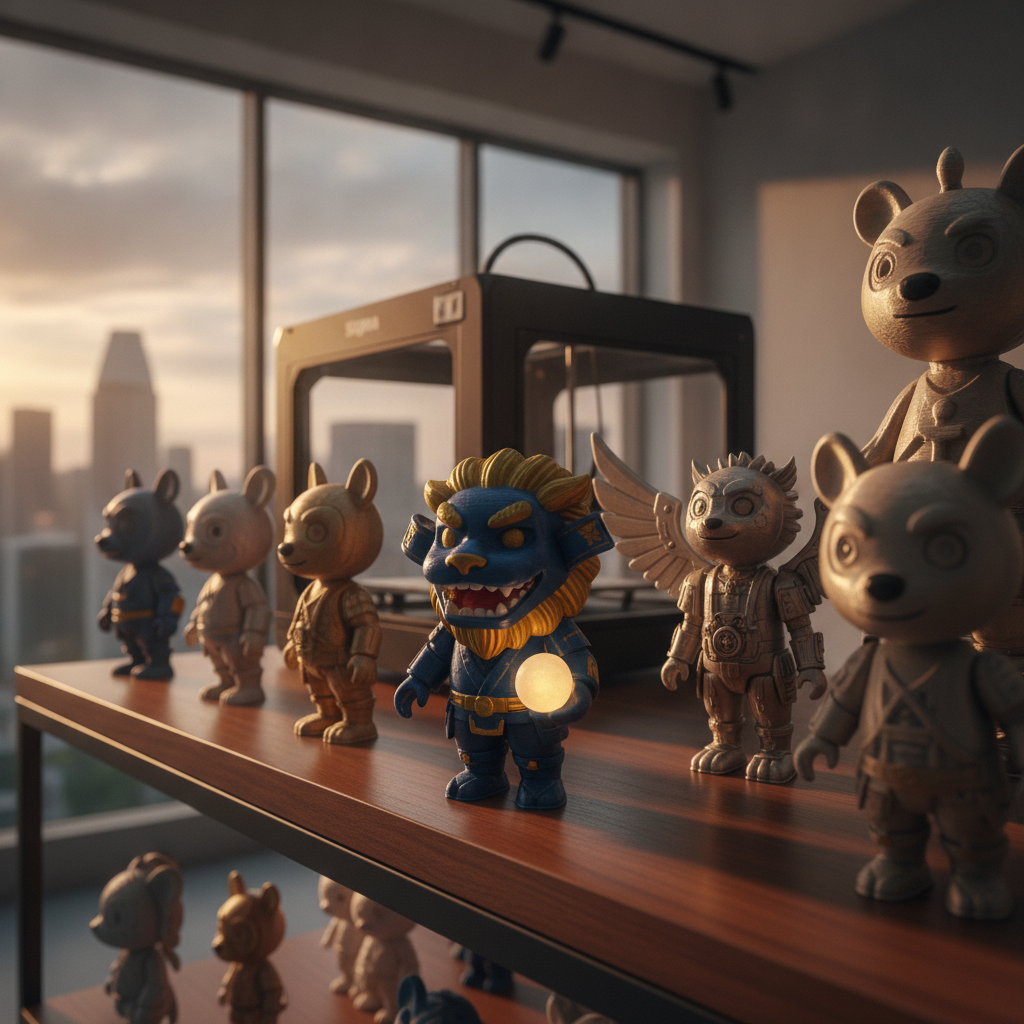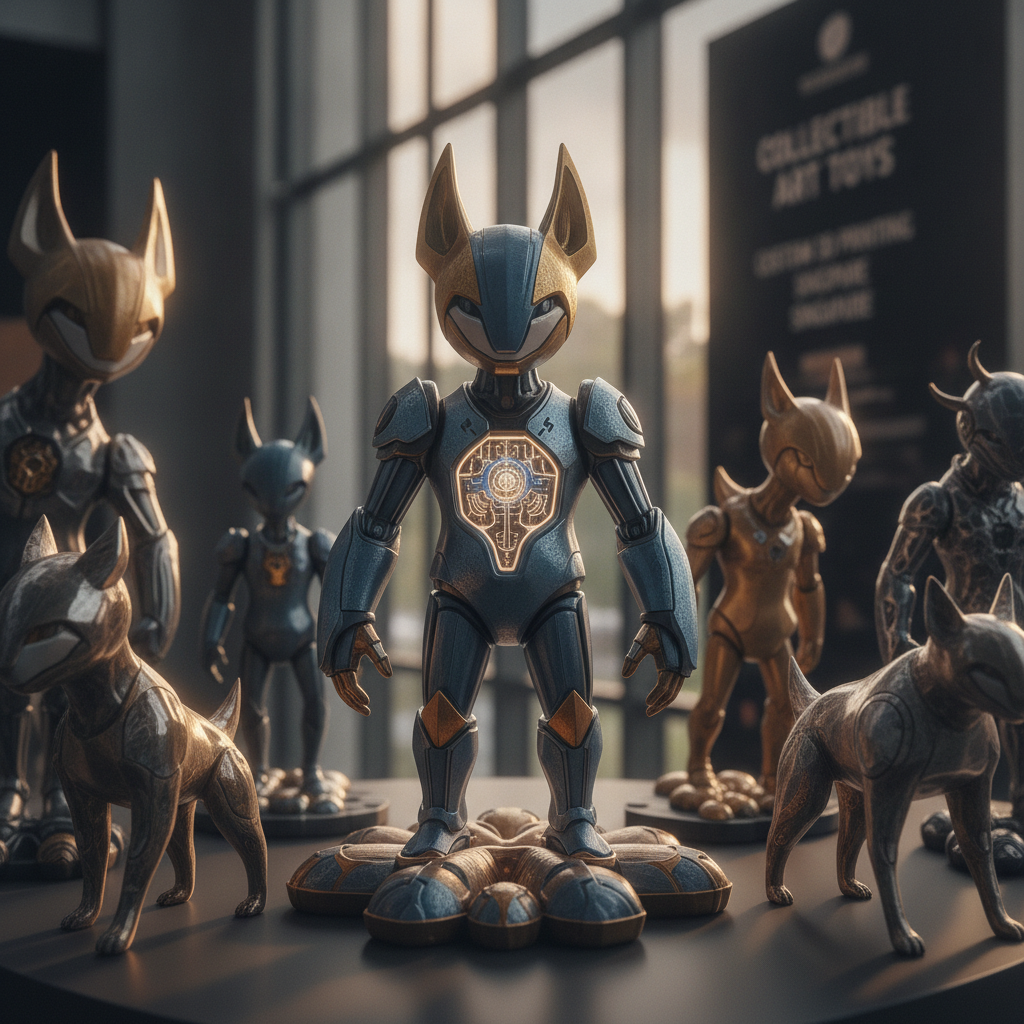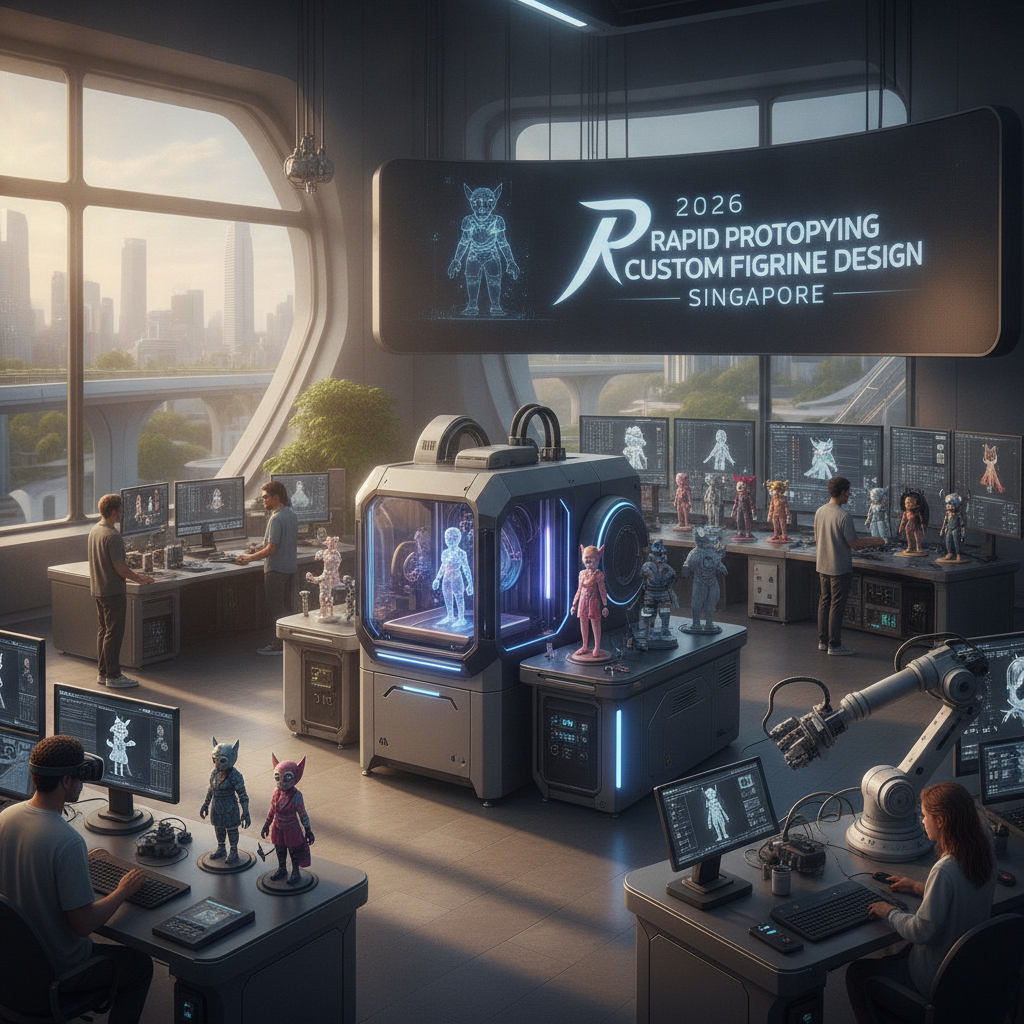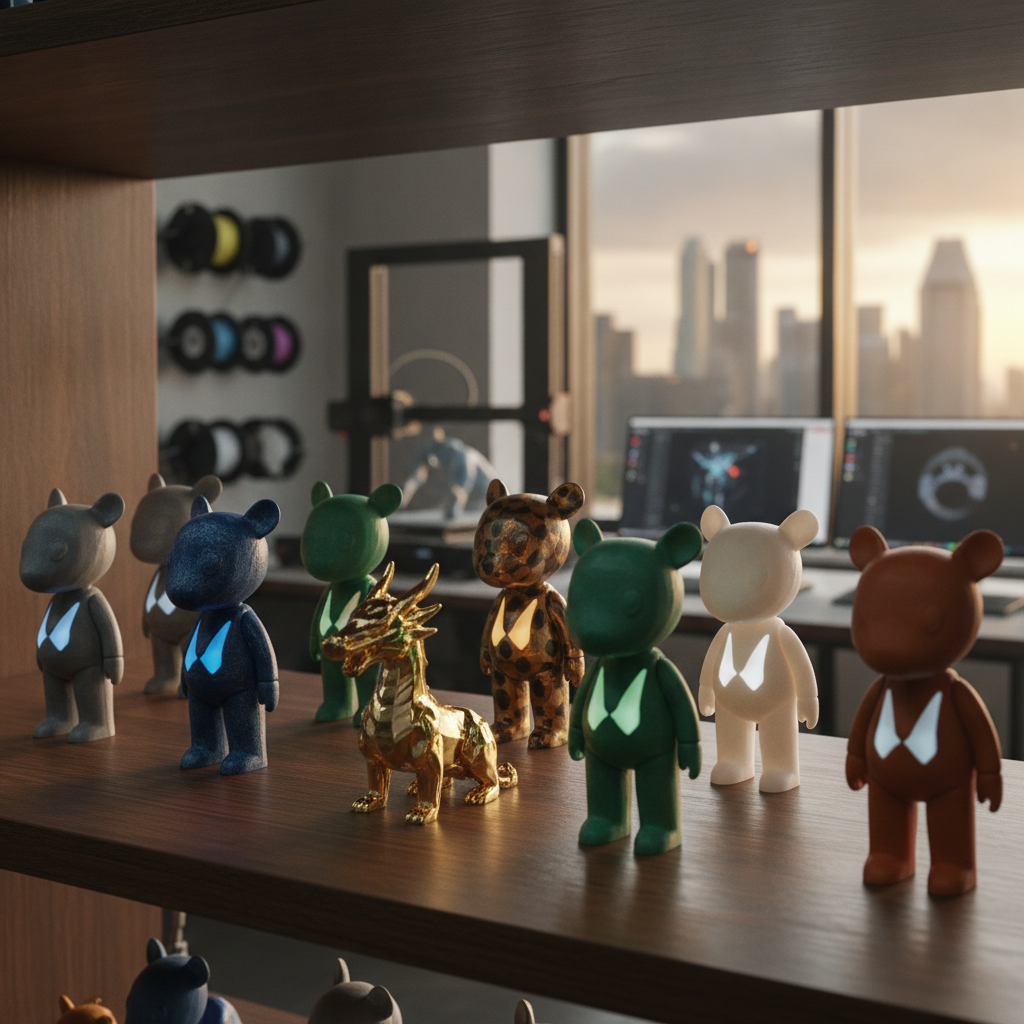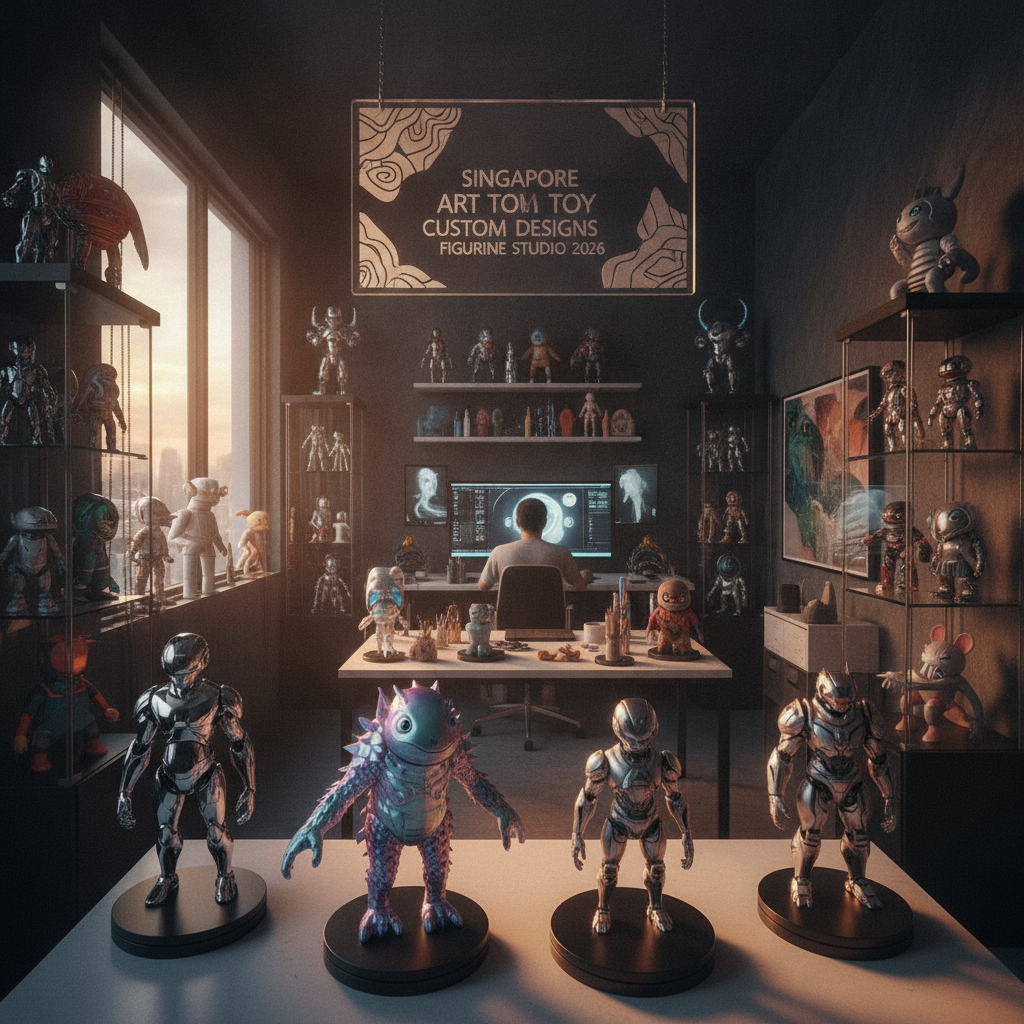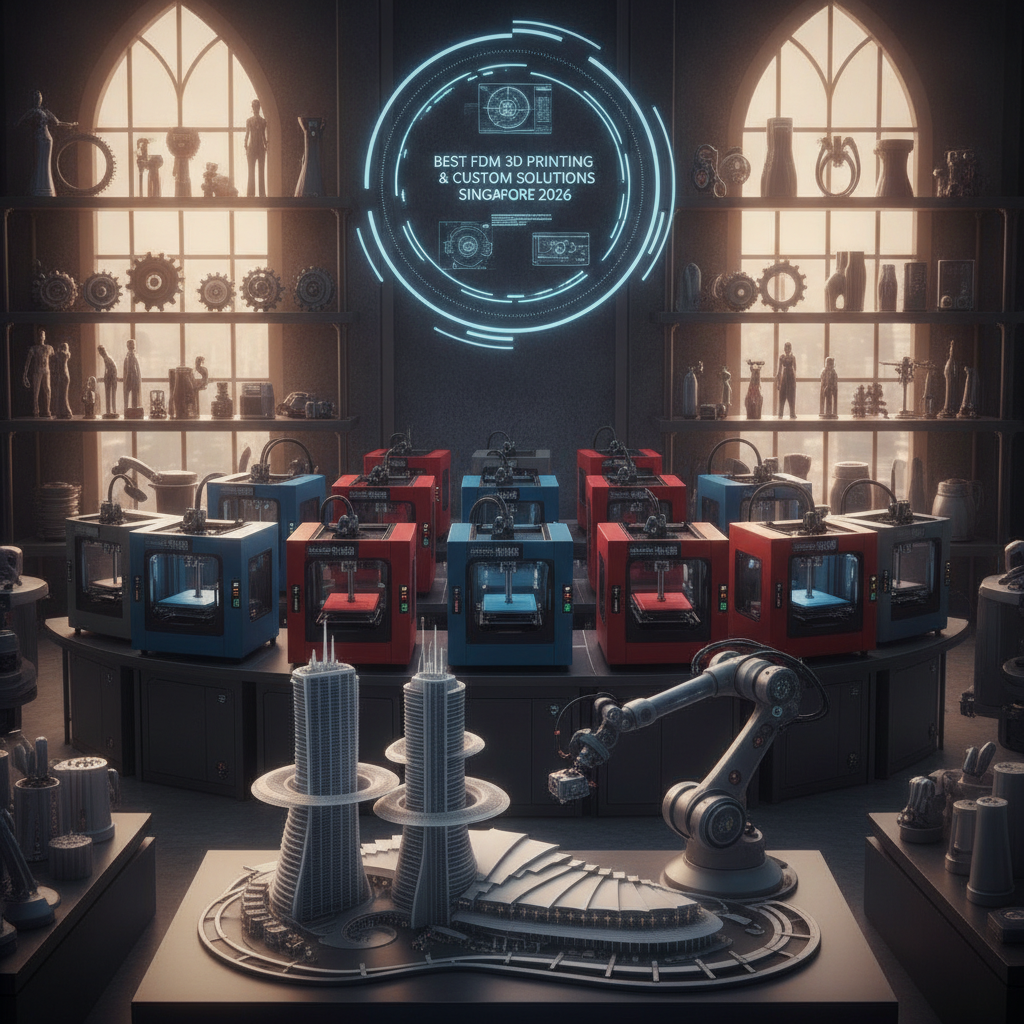

Fused Deposition Modeling (FDM) has matured into a practical production method for creators and studios launching limited edition art toys. In Singapore’s compact but highly connected maker ecosystem, FDM 3D printing Singapore is fast becoming the go-to technology for designers who need a balance of affordability, speed, and robustness. This article walks through how FDM fits limited edition workflows, what to expect in 2026, and actionable strategies to deliver collectible art toys that feel premium despite additive origins.
Limited edition art toys are evolving beyond simple collectibles into lifestyle and investment pieces. Key trends for 2026 include tighter runs (50–500 pieces), increased demand for local production, integration with digital provenance (NFTs and CAD-backed certificates), and heightened consumer expectations for finishing and materials. Designers nowadays pair rapid prototyping with curated post-processing to achieve museum-quality surface finishes. For resources on broader market and design trends, see a focused overview of art toys trends for 2026.
FDM shines when you need:
– Cost efficiency: Lower per-part tooling and setup costs compared with injection molding for small runs.
– Material strength: Tough thermoplastics (ABS, PETG, ASA, Nylon, TPU) provide durability for functional parts and articulated toys.
– Scalability: Multiple printers can run concurrently to complete limited editions quickly.
– Local control: Producing in Singapore shortens lead times and simplifies quality oversight.
FDM is not without limits—layer lines and limited color fidelity are common concerns—but modern slicer settings, high-resolution nozzles, and smart post-processing workflows mitigate these issues.
Design for Manufacture (DFM) for FDM requires intentional thinking to avoid wasted print time and rework:
– Orient smartly: Choose print orientation to minimize supports and layer seam visibility on key surfaces.
– Split models: Break a complex toy into printable subparts that minimize bridges and long overhangs.
– Wall thickness and tolerances: Set appropriate wall thicknesses for strength and snap-fit tolerances for assembly.
– Assembly and joints: Design integrated pegs, magnets, or threaded inserts for reliable joins without post gluework.
A CAD-focused approach also opens possibilities for digital provenance. For studios integrating CAD and NFT workflows, check an in-depth guide on limited edition art toys and CAD modeling.
Material selection is critical to achieve a collectible feel:
– ASA and ABS: Excellent for paint adhesion and outdoor resistance—great for colorful art toys.
– PETG: A good compromise between toughness and ease of printing; less warping than ABS.
– TPU: Ideal for parts that require flexibility or soft-touch elements.
– Composite filaments: Wood-, metal-, or stone-filled filaments create unique tactile finishes that differentiate limited editions.
Color can be achieved via multi-part printing + assembly, post-painting, or in some cases, filament swaps with multi-extrusion machines. To ensure a consistent collection aesthetic, many studios prepare master pieces for finish matching before committing to full runs.
Collectors expect seamless finishes. Typical post-processing pipeline for FDM art toys:
1. Surface smoothing: Solvent smoothing (for ABS/ASA) or epoxy/two-part fillers for PETG/PLA prints.
2. Sanding and priming: Progressive sanding (120–2000 grit) followed by high-build primer.
3. Paint and texture: Airbrushing, masking, and layered hand finishes create depth and shading.
4. Protective coatings: Matte or gloss clear coats seal paint and add a tactile finish.
5. Assembly and QC: Final assembly, fit checks, and serial-numbering or certificate inclusion.
Advanced studios also use in-line finishing houses or in-house booths in Singapore to maintain tight control over quality and turnaround. If you need fast, reliable production with finishing, explore professional 3D printing services that specialize in limited edition art toys.
Economics for limited editions depend on print time, material cost, finishing labor, and overhead. FDM becomes highly competitive in small-batch production where mold costs of injection molding are prohibitive. Consider these levers to manage costs:
– Batch printing: Nest multiple parts per build plate to maximize uptime.
– Printer fleet: Use a mix of desktop and prosumer machines to balance quality and throughput.
– Outsourcing specific steps: Outsource complex paint or plating to specialists while keeping printing local for rapid iterations.
Local production in Singapore offers additional benefits: faster prototyping cycles, simplified logistics, and an easy path for collectors to verify authenticity before shipping.
Trust is crucial in limited editions. Implement traceable QC steps:
– Serial numbers and batch codes laser-etched into non-visible joints.
– Digital provenance: issue CAD-backed certificates or limited-edition NFTs mapped to the physical toy.
– Photographic records: take high-res images of each completed piece for archives.
Integrating authentication systems with production workflows helps protect value and builds collector confidence. For studios interested in NFT integration and CAD provenance, review specialized resources on limited edition art toys and NFT CAD modeling.
One of FDM’s strongest advantages is speed. Rapid iteration cycles let designers test form, fit, and surface treatments quickly. When deadlines are tight, turnkey rapid-prototyping services in Singapore can print, finish, and ship small batches within days. For designers focused on rapid product development, link your project goals to a provider that offers accelerated prototyping and finishing services to stay competitive.
Sustainability trends continue to influence buyer decisions. Strategies to lower environmental impact include:
– Material choices: Use recycled or bio-based filaments where feasible.
– Waste reduction: Optimize nesting and support strategies to reduce scrap.
– Local production: Lower shipping emissions by producing closer to core markets in Singapore.
Collectors increasingly value responsible production, and sustainable practices can also be a marketing differentiator for limited-edition drops.
When partnering with a Singapore studio for FDM art toy production, evaluate:
– Portfolio relevance: Examples of finished toys with competitor-grade finishes.
– End-to-end capability: In-house printing, finishing, assembly, and packaging.
– Communication and iteration speed: Fast feedback loops and transparent timelines.
– Proven authentication workflows: Serializing and certifying limited pieces.
For creators seeking turnkey solutions, consider contacting a local specialist that offers custom 3D printing services and lifestyle product prototyping to cover both prints and finishes for collector-centric releases.
A small regional studio in Singapore produced a 200-piece artist toy run in 2026 using FDM with this approach:
1. Design optimized for split-print assembly with embedded magnets.
2. Prototyping on high-resolution FDM (0.2mm nozzle) followed by test fits.
3. Printing across a small printer farm to hit throughput targets.
4. Solvent smoothing on ABS shells, priming, and airbrush finishing for two-tone effects.
5. Laser-etched serials, photographic documentation, and a minted NFT linking to CAD files.
The result was a collectible with the tactile and visual quality collectors expected, at a fraction of the per-piece cost of tooling-dependent methods.
If your project needs end-to-end support, consider a partner experienced in custom 3D printing in Singapore that handles prototyping through to final product delivery.
FDM 3D printing Singapore is a strategic, practical choice for limited edition art toys in 2026. It delivers a cost-effective bridge between one-off prototypes and larger manufacturing runs, while enabling high levels of local control, quick iterations, and collectible-quality finishes when paired with disciplined post-processing. As collectors demand provenance and sustainability, studios that combine refined FDM workflows, thoughtful materials, and transparent authentication will lead the market.
For design teams and independent artists, tapping into local rapid-prototyping resources and specialized 3D printing services helps turn creative concepts into collectible realities with speed and confidence.
custom 3D printing in Singapore
limited edition art toys CAD modeling