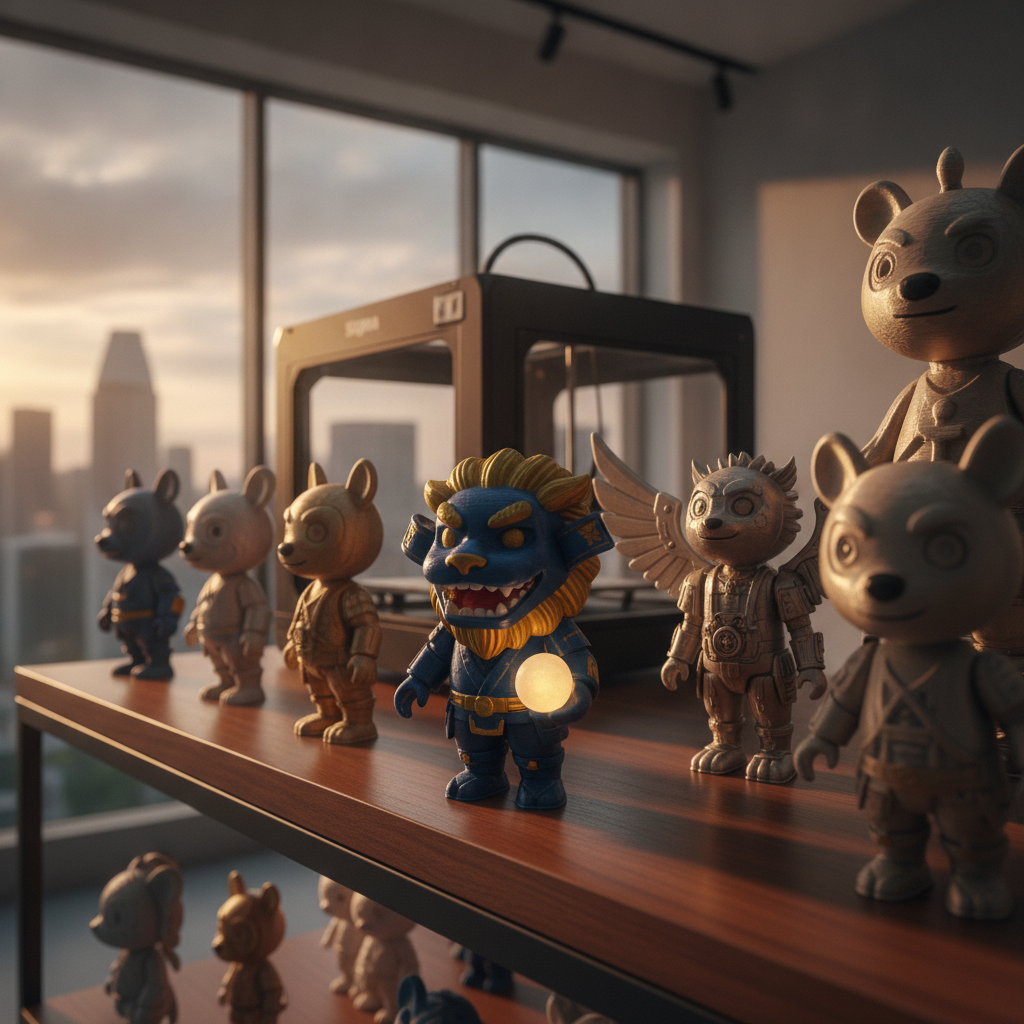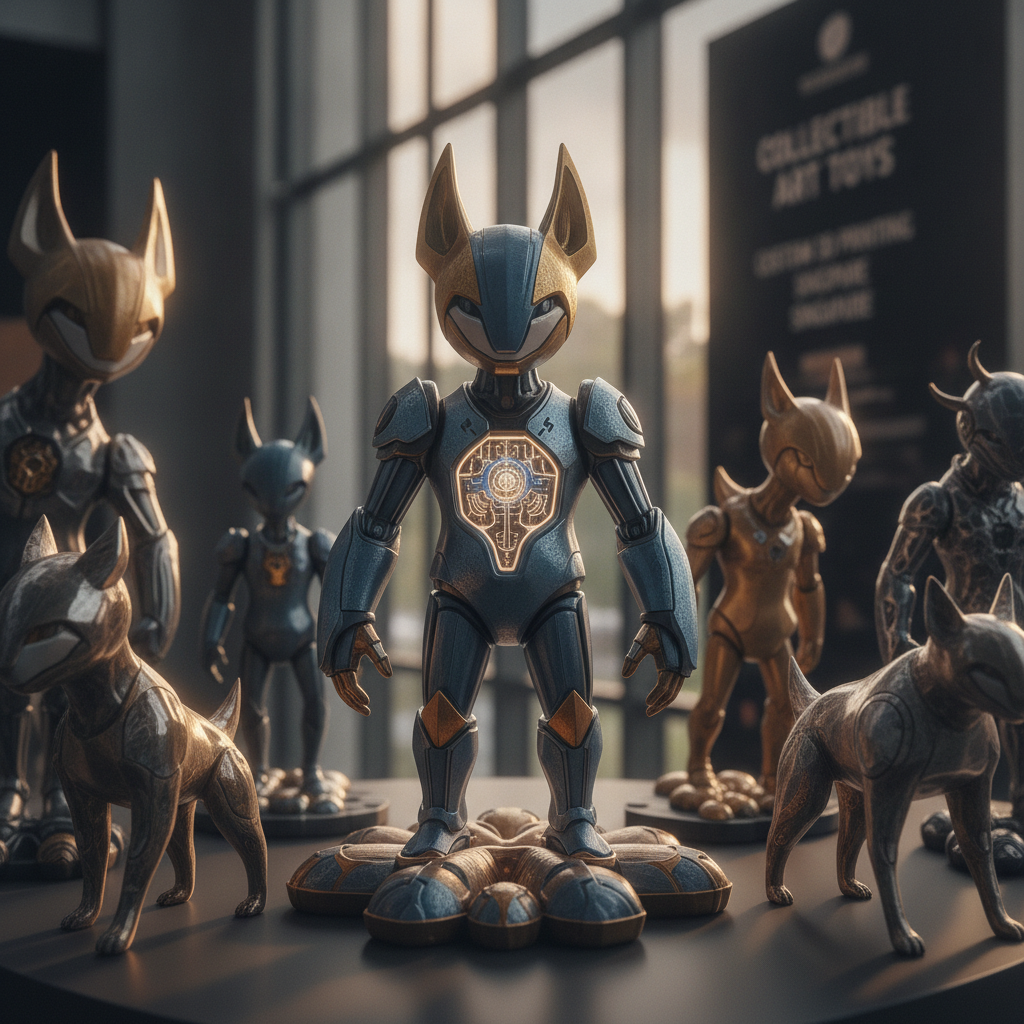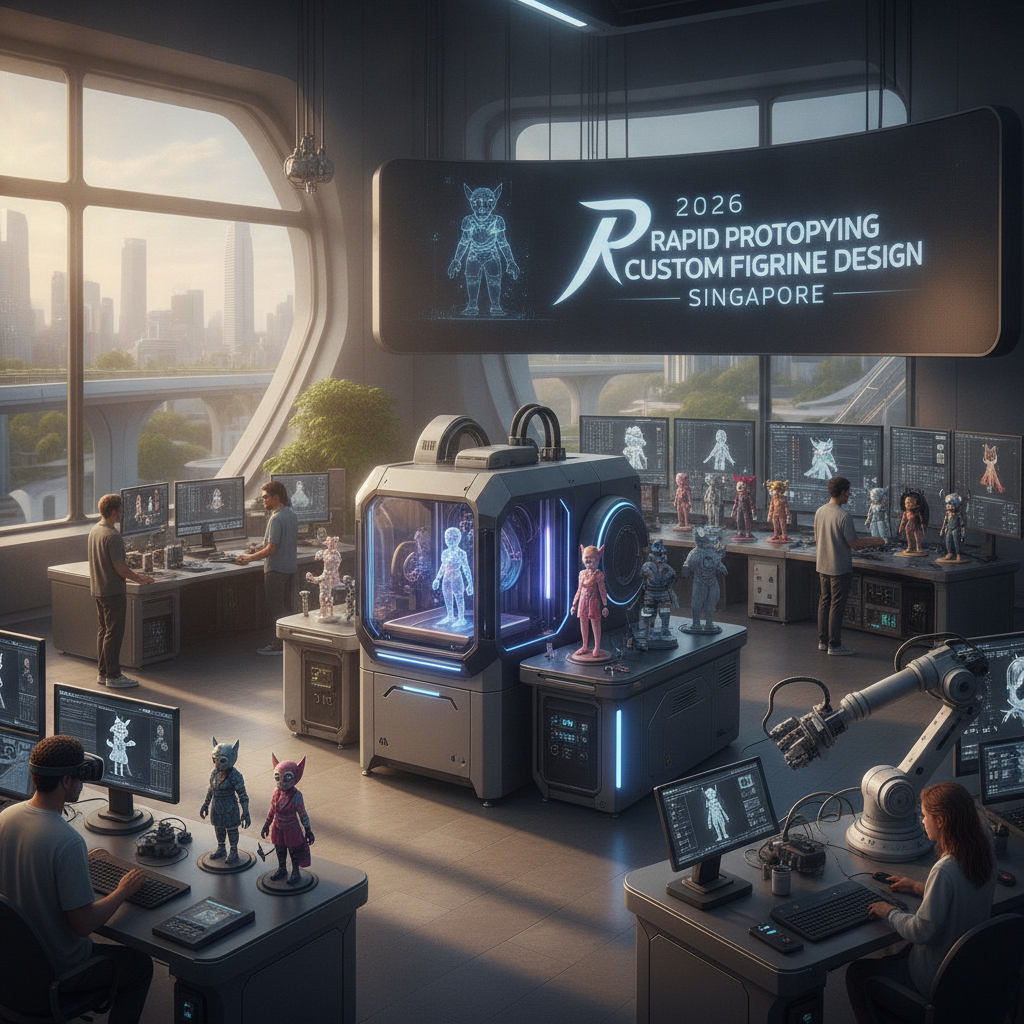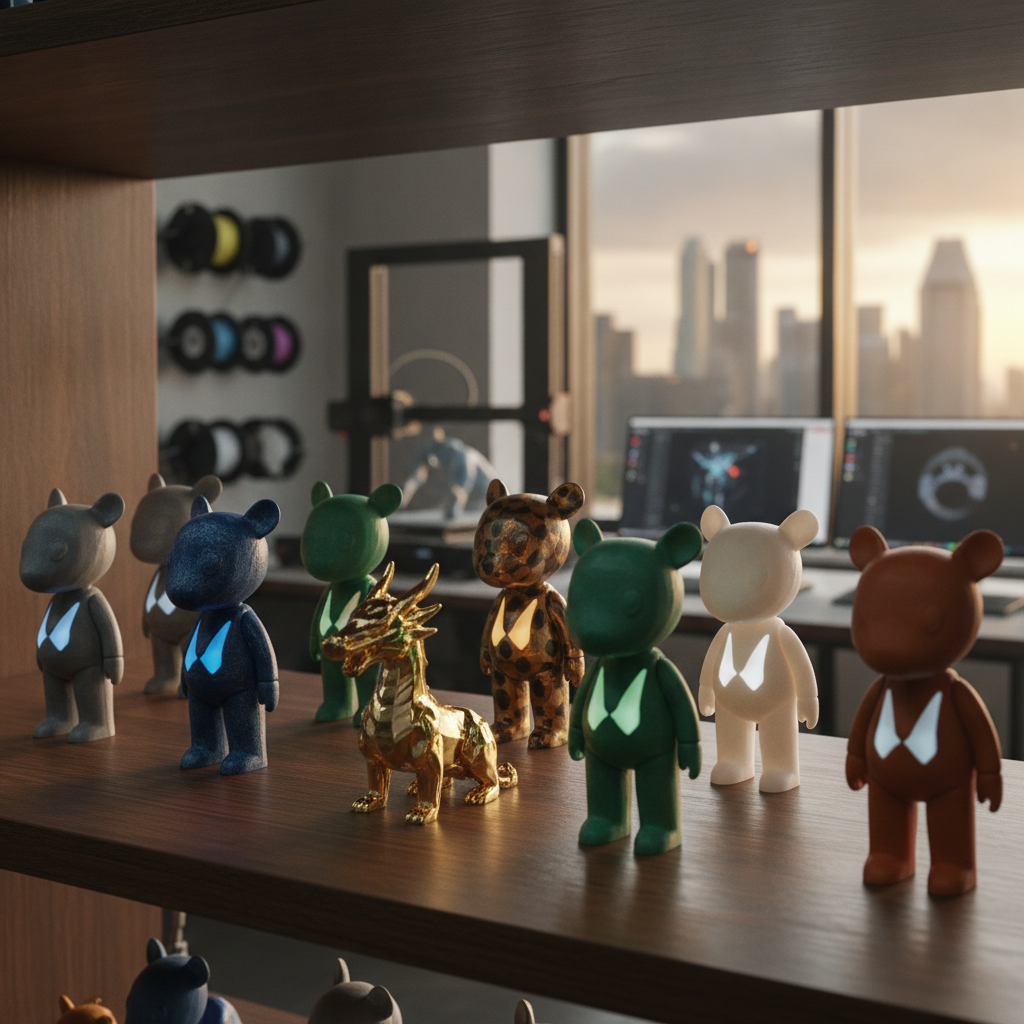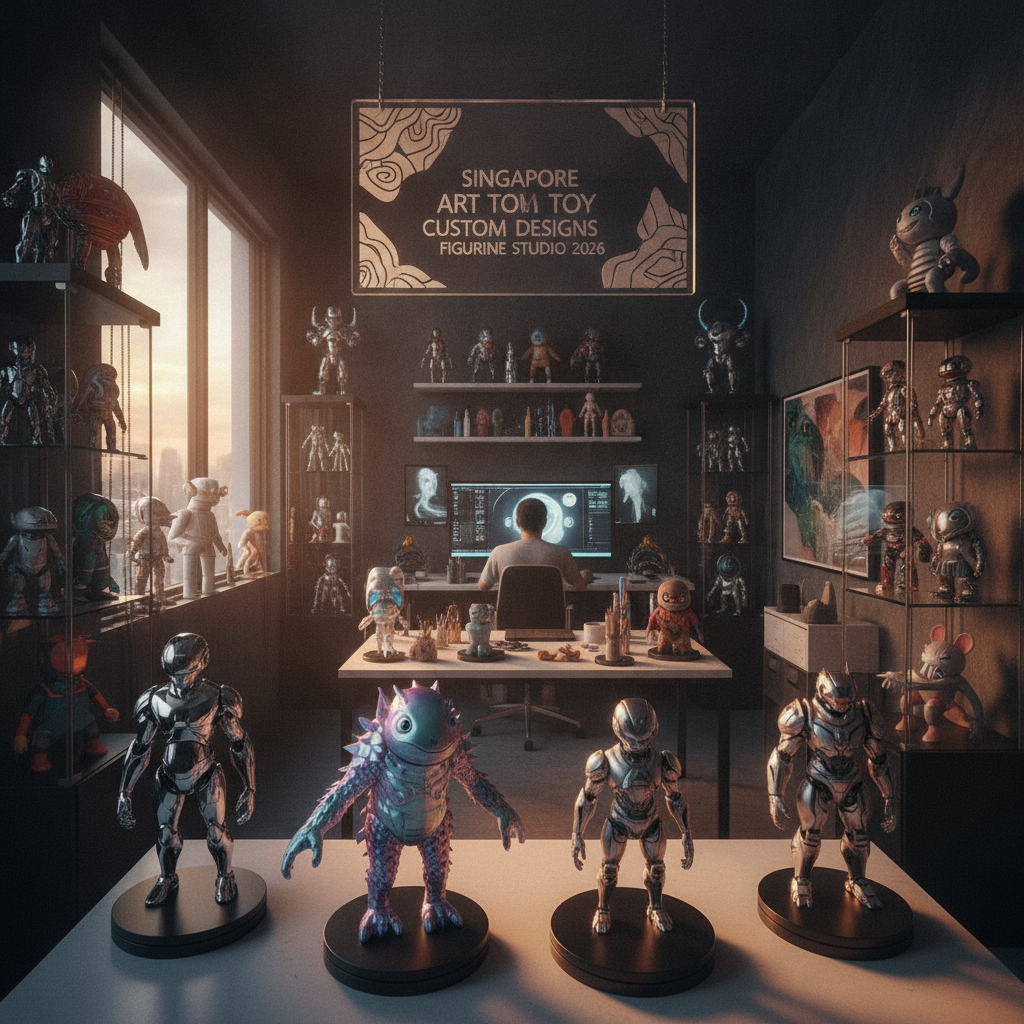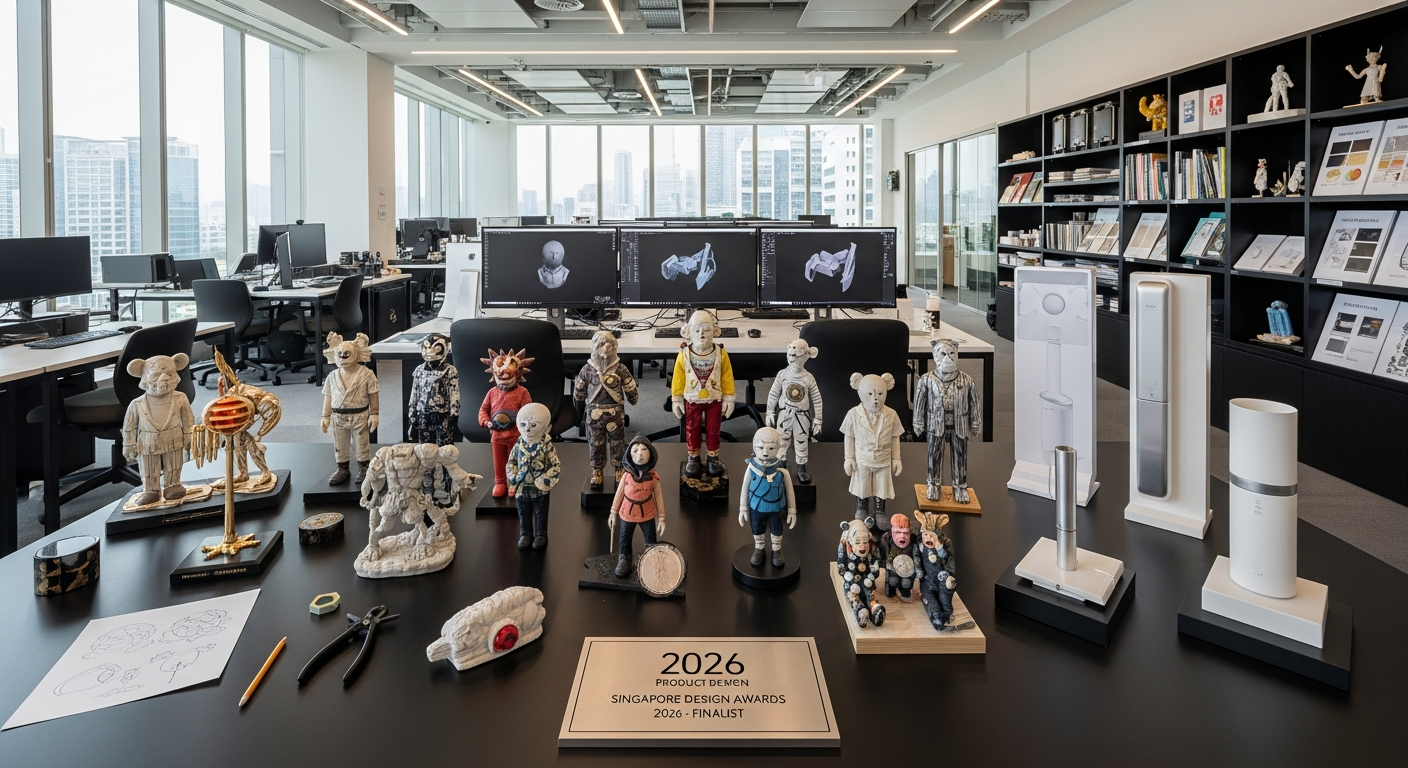
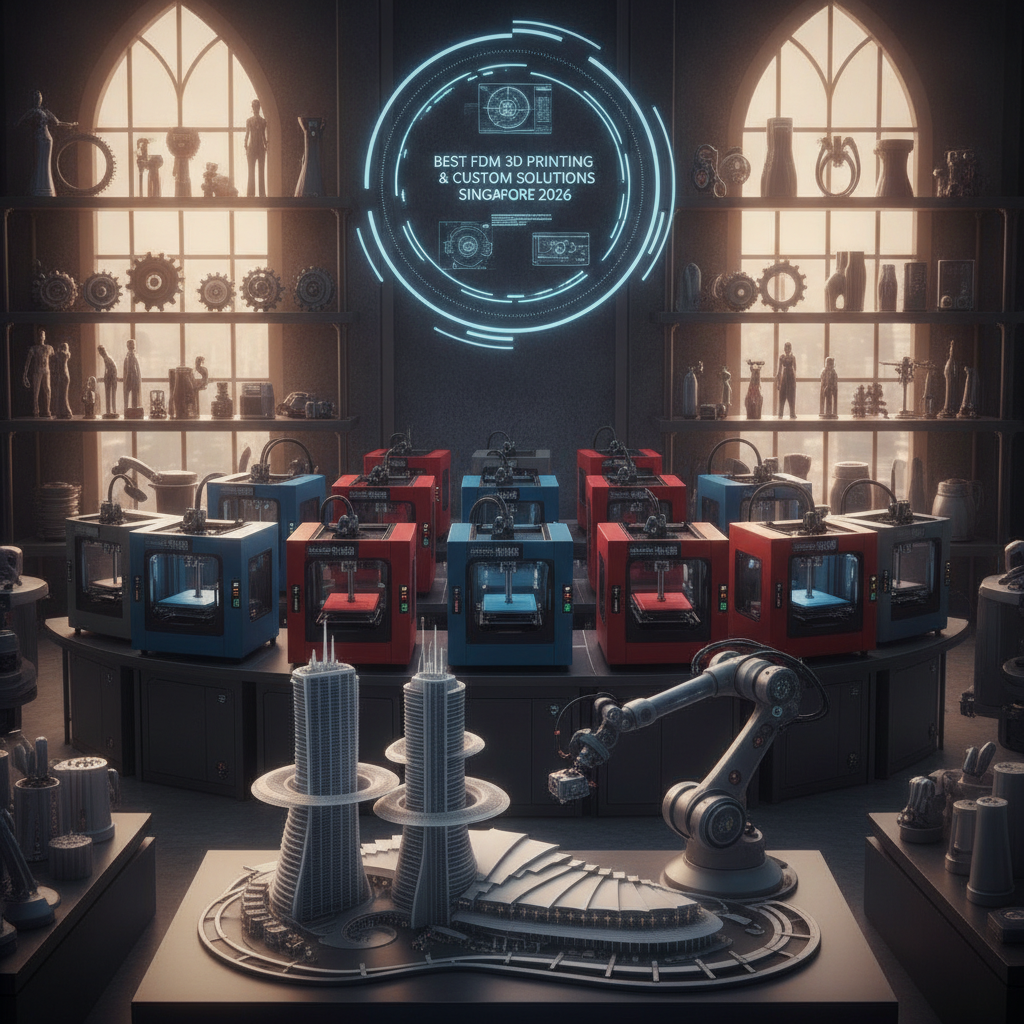

Singapore in 2026 is a compact but powerful hub for creative manufacturing. From boutique lifestyle brands to experiential retail and corporate gifting, demand for well-engineered lifestyle products and hyper-personalized collectibles is rising. This article explains how businesses and creators can tap modern workflows—CAD modeling, advanced 3D printing, photogrammetry and sustainable materials—to deliver standout lifestyle product design Singapore clients expect, and how to scale bespoke offerings like custom figurine design Singapore without sacrificing quality or time-to-market.
Singapore’s unique value lies in a convergence of design talent, advanced manufacturing access, and a business-friendly regulatory environment. Proximity to precision prototyping partners, strong IP protections, and local consumer willingness to pay for premium, personalised goods make it an attractive testbed for lifestyle product design Singapore projects.
Local design studios and startups benefit from:
These conditions enable designers to move from concept to prototype quickly and validate new lifestyle product concepts in market-ready conditions.
Sustainable practices are no longer optional. Consumers value circularity, recycled content and transparent sourcing. For lifestyle product design Singapore teams, this means selecting materials and processes that reduce waste and convey a positive environmental story.
Key trends to consider:
These approaches help balance aesthetic demands with lifecycle thinking—important for brands positioning products as both beautiful and responsible.
Custom figurine design Singapore projects typically blend creative direction with technical execution. The workflow often follows these stages:
Photogrammetry and 3D scanning accelerate likeness capture for personalised miniatures. For studio-level guidance on producing miniature likenesses with rapid prototyping, see case studies on Mini-me workflows in Singapore: mini-me custom figurine 3D printing.
Additive manufacturing has matured into a reliable path for short-run production. Designers leverage multiple processes depending on the project:
For teams creating collectible art toys and limited editions, the combination of CAD-led design and efficient 3D printing helps control costs while maintaining high detail. Studios are also exploring digital scarcity models—paired with digital assets or NFTs—to monetize limited runs and build collector communities. A practical discussion about CAD and NFTs for collectible toys is available here: CAD modeling for NFT collectible art toys.
Technical best practices:
A standard custom figurine engagement in Singapore often spans 4 to 12 weeks depending on scope. Timelines include sculpting, approvals, prototyping and finishing. Cost drivers are:
Working with an experienced studio reduces iteration cycles and unexpected costs. For a clear view of prototyping and small-batch production using additive technologies, explore real-world examples of FDM use in limited editions: FDM 3D printing in Singapore powering limited edition art toys.
Custom figurine design Singapore projects deliver measurable value across several verticals:
Collectors and fans increasingly expect quality finishes and curated stories. Pairing figurines with packaging, certificates of authenticity and companion digital assets increases perceived value and margin. See examples of collectible art toys and how Singapore studios approach custom figurines here: collectible art toys and Singapore custom figurines.
Selecting a partner for lifestyle product design Singapore or custom figurine design Singapore projects demands focus on both creative and technical capabilities. Use this checklist when evaluating vendors and studios:
A partner that integrates CAD modeling early reduces rework and shortens timelines. Learn more about CAD-driven art toy design and practical collaboration methods here: designing art toys with CAD modeling.
Pricing varies widely, but a realistic budgeting framework helps avoid surprises:
For projects prioritising time-to-market over per-unit cost, additive manufacturing with targeted finishing is the most efficient path. Conversely, projects targeting larger volumes should evaluate injection molding with metal finishing for premium pieces.
Two shifts are shaping the near future for lifestyle product design Singapore and custom figurine design Singapore:
Materials innovation will continue, with stronger recycled polymers and hybrid composites enabling premium finishes while lowering carbon footprints. Local studios will lead in combining artistry with technical rigour, positioning Singapore as a showcase market for thoughtfully designed, well-produced lifestyle goods.
For teams ready to move from concept to collectible, practical case studies of mini-me figurine production can illustrate how to manage likeness capture, prototyping and finishing effectively: mini-me custom figurine 3D printing.
Designing lifestyle products and custom figurines in Singapore in 2026 demands a balance of creative vision, technical discipline and sustainable thinking. By leveraging modern CAD workflows, appropriate 3D printing technologies, and the right local partners, brands can produce high-quality, collectible items that resonate with discerning customers. Strategic choices around materials, finishing and limited edition strategies will differentiate offerings and create lasting value in an increasingly competitive market.