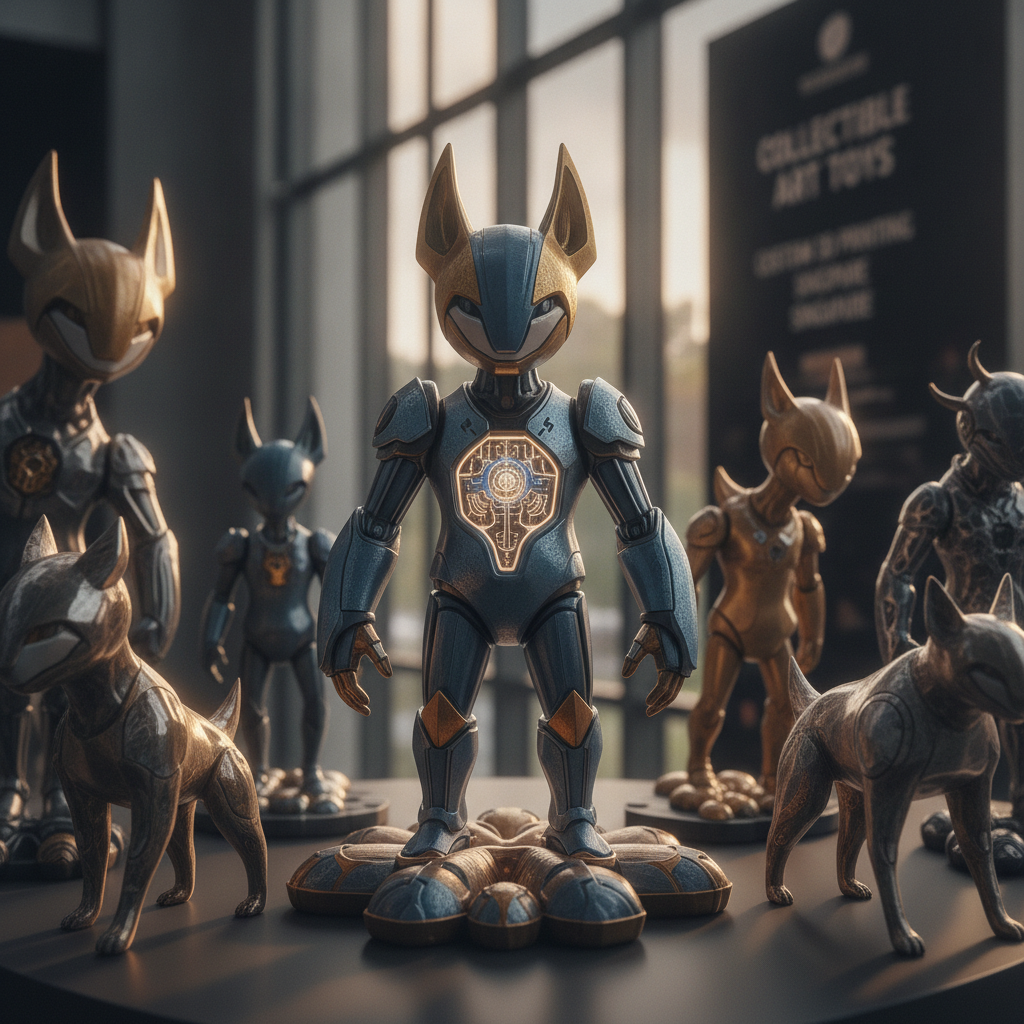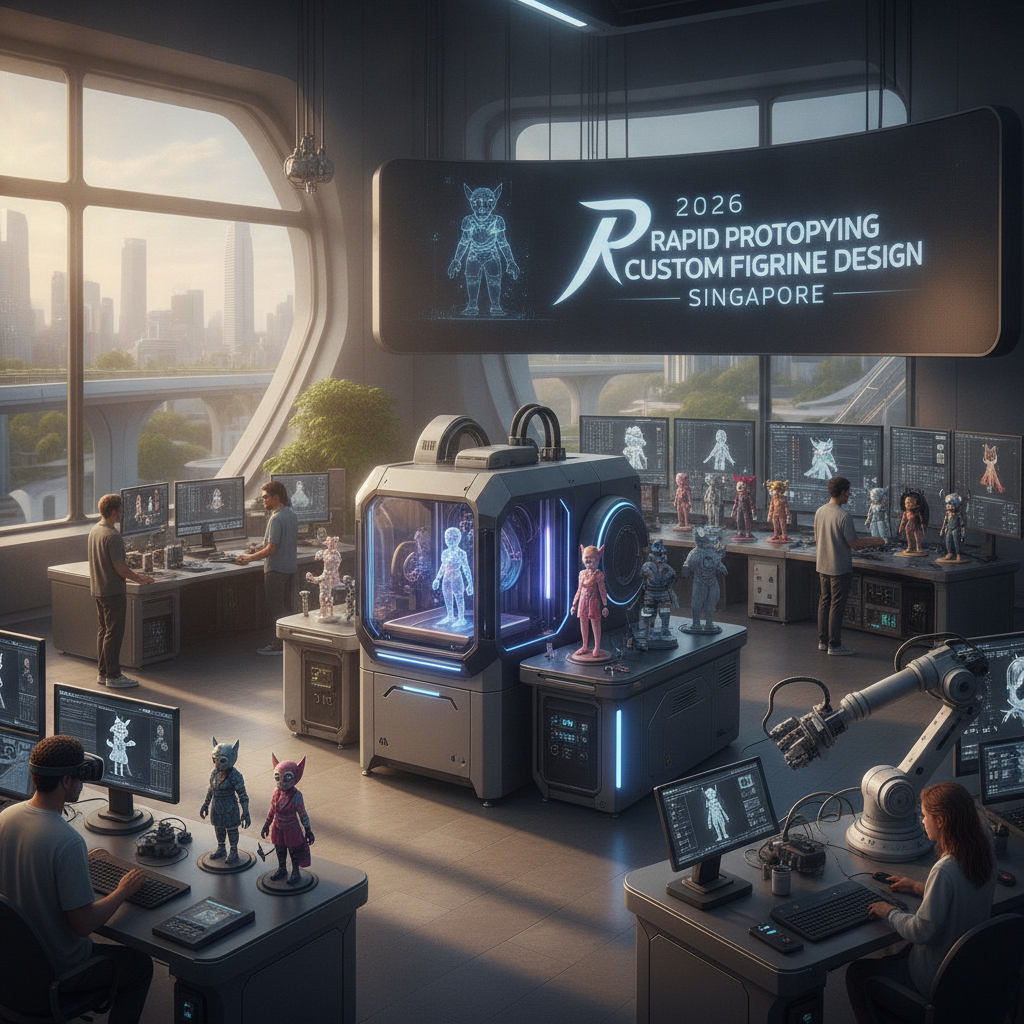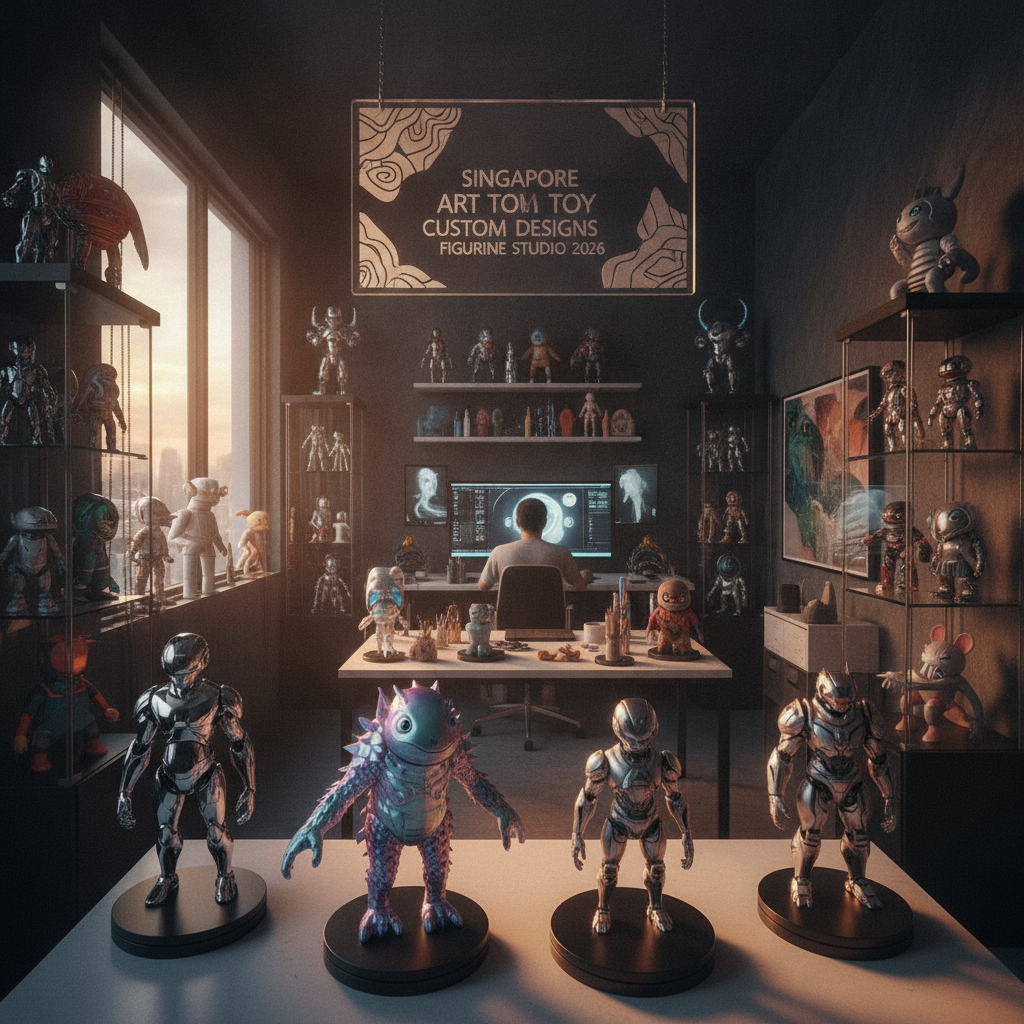

Fused Deposition Modeling (FDM) remains the workhorse of rapid prototyping in Singapore in 2026. Its combination of low tooling cost, wide material choice and easy scalability makes it ideal for everything from functional fit checks to consumer concept models. For startups, design studios and small manufacturers working on quick iteration cycles, FDM 3D printing Singapore offers predictable lead times and a strong cost-to-speed ratio that newer technologies still struggle to match.
This article explains why FDM is frequently the fastest path from CAD to part, explores the technologies and process improvements shaping 2026, and gives practical tips for speeding up your prototyping pipeline without sacrificing quality.
Speed and accessibility are the primary drivers. FDM machines can be set up quickly, and parts can be printed overnight or in a few hours depending on size and complexity. Common benefits include:
For product designers who need functional prototypes, assembly checks, or user-testing models on short notice, FDM 3D printing Singapore services let you validate ergonomics, fit and basic mechanical properties before moving to more expensive processes.
FDM hardware and software have matured rapidly. Key 2026 trends that benefit Singapore designers include:
Design studios focusing on lifestyle and collectible products are already leveraging these advances to prototype highly detailed parts quickly; you can see how trends in lifestyle product design are influencing prototyping workflows in Singapore by exploring recent discussions on art and design platforms.
Faster prints don’t have to come at the cost of usable prototypes. Use these practical rules to compress lead time:
For projects that need both speed and detail (for example, limited-run collectibles or art toys), combining optimized CAD for printing with expert slicing can be the difference between a same-day prototype and a week-long turnaround. If your work touches the collectible or art-toy space, reference workflows that pair rapid prototyping with design trends and finishing techniques to align aesthetics and manufacturability.
Post-processing often determines whether a prototype is compelling for stakeholder review. Efficient finishing strategies include:
If you rely on service partners for finishing, work with providers who offer integrated finishing packages — this speeds up the handoff from print to presentation-ready model and avoids repetitive communication loops.
Turnaround times for FDM vary with part size, complexity and finish level. Typical benchmarks in Singapore’s pro-services market in 2026 are:
Costs scale primarily with print volume, machine hours and finishing labor. Early-stage teams often optimize for speed and function; later-stage projects add finishing and QA. For lifestyle products and art collectibles, small investments in finishing and surface treatments significantly improve perceived value at relatively low incremental cost.
When selecting an FDM 3D printing partner in Singapore, evaluate these capabilities:
Service providers who combine design support and production-scale FDM often work across lifestyle product design, art toys and small-batch manufacturing. If your project touches the limited-edition collectible space or requires CAD modelling and NFT-linked design work, there are specialist studios that bridge creative direction with technical prototyping workflows.
Sustainability is a growing decision factor. In 2026, Singapore-based prototyping teams increasingly seek partners that:
Sustainable practices often coincide with cost savings when parts are designed for material efficiency, and many service providers have introduced greener process options without compromising speed.
Providing clear constraints up front shaves days off the iterative loop and reduces back-and-forth on trivial issues.
For studios working on collectible runs and lifestyle designs, integrated prototyping and finishing resources are particularly valuable — they let teams move from concept sketch to polished sample rapidly.
Fast FDM 3D printing Singapore workflows are more than quick prints; they are systems — from smart file prep and material selection to efficient finishing and sustainable practices. By aligning design decisions with modern FDM strengths (larger nozzles for bulk, targeted layer heights for detail, soluble supports for complex geometry), teams in Singapore can cut iteration time dramatically while still producing convincing, testable prototypes.
If your next project needs both rapid iteration and a presentation-ready outcome, consider partners who combine fast printing with integrated finishing and product-design expertise. Studios that specialize in lifestyle and collectible production often show the best combination of speed and aesthetic understanding, and many now combine CAD, 3D printing service and limited-edition production capabilities under one roof for smoother, faster deliveries.
For inspiration on how prototyping supports product trends and collectible design, check resources that explore art-toy trends, CAD modeling for limited editions, and integrated 3D printing services — these examples demonstrate how strategic prototyping accelerates design validation and market-ready outcomes.
References and further reading
Links to relevant partners and case studies