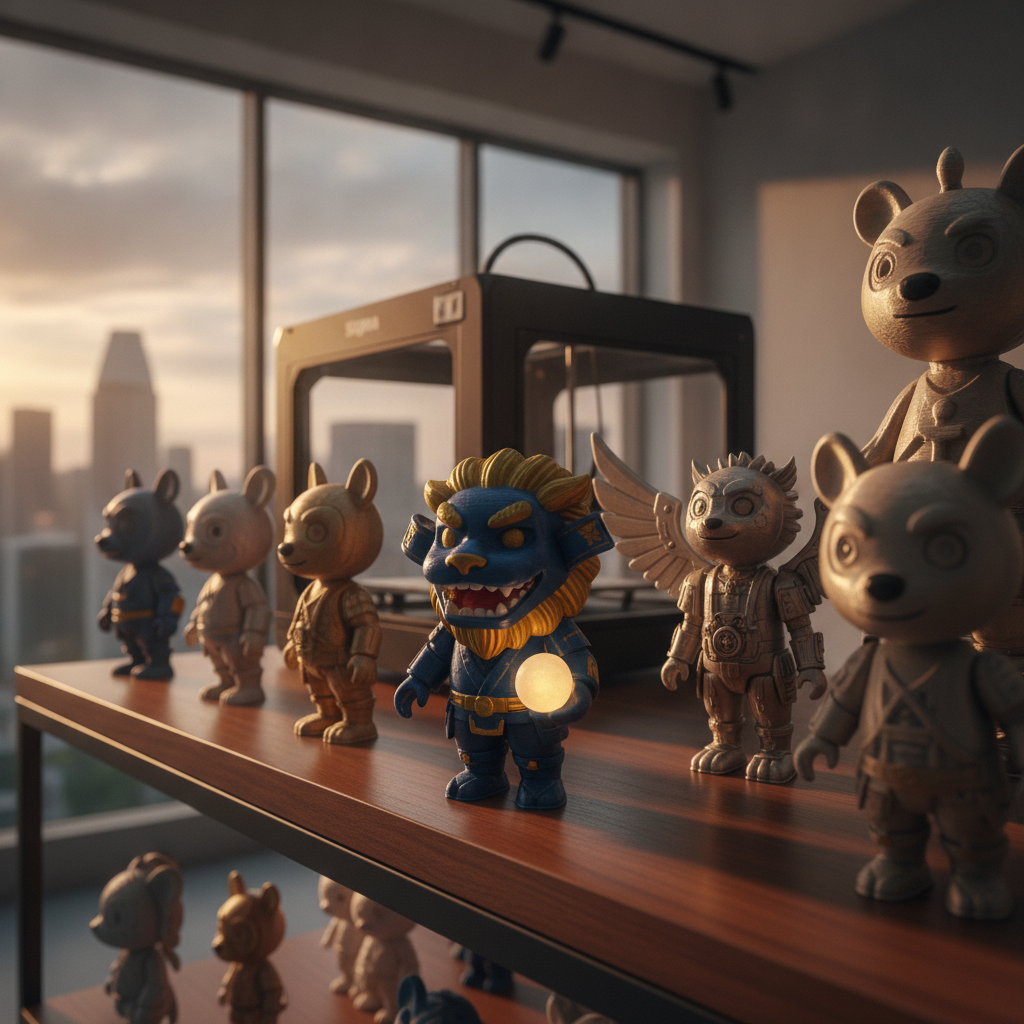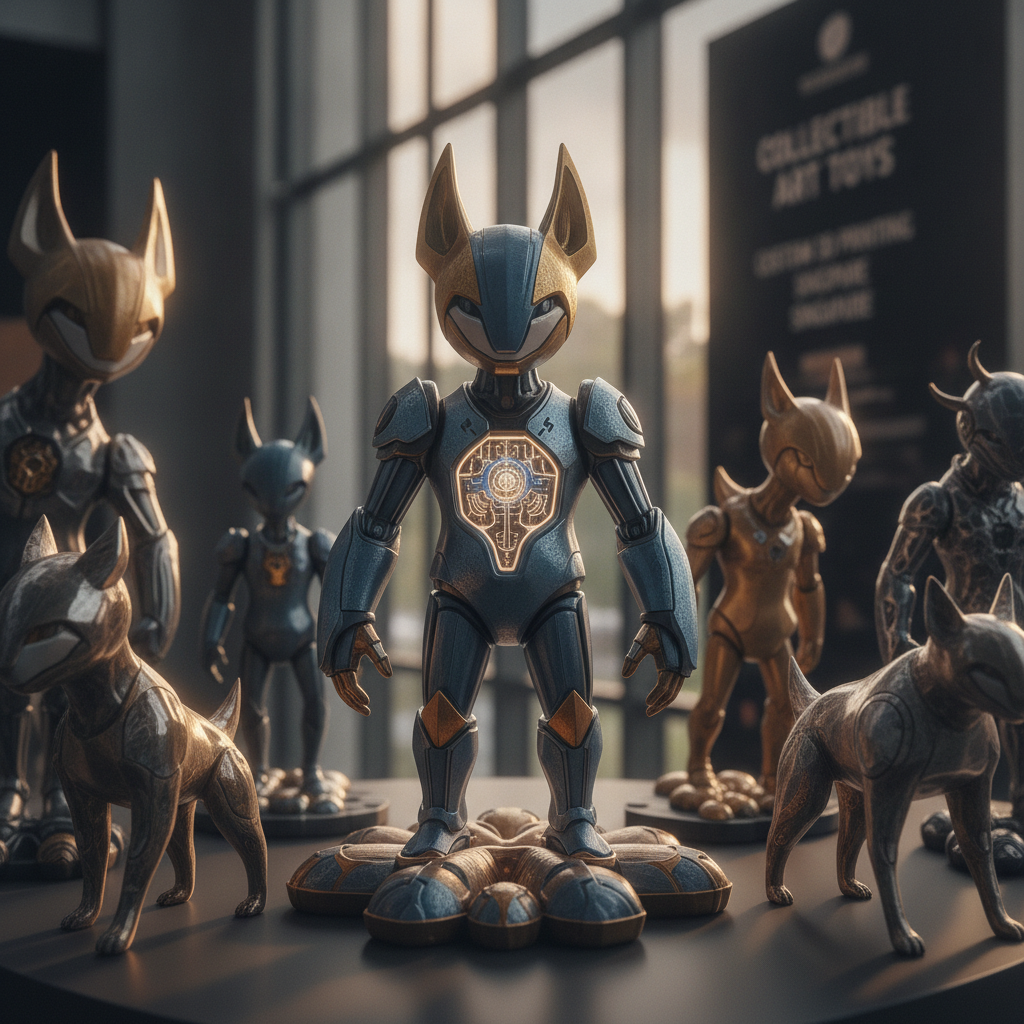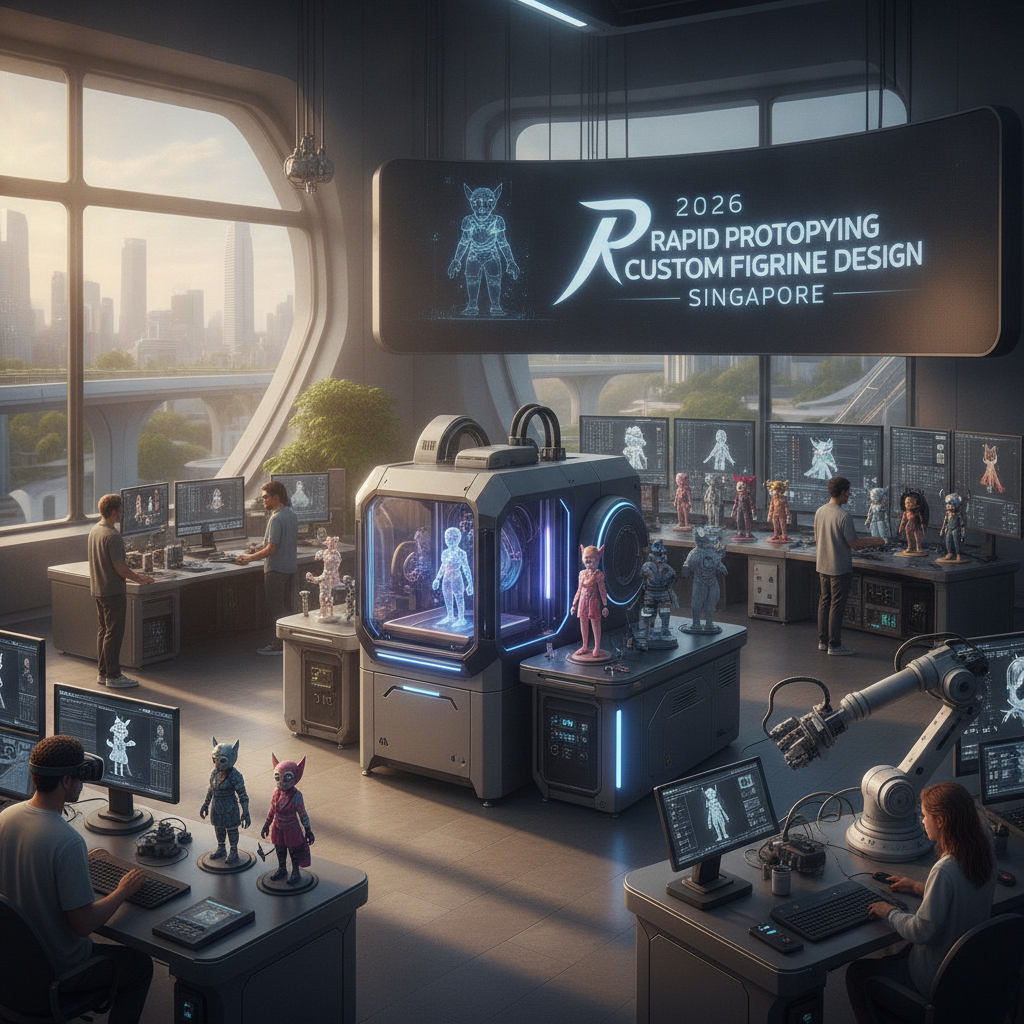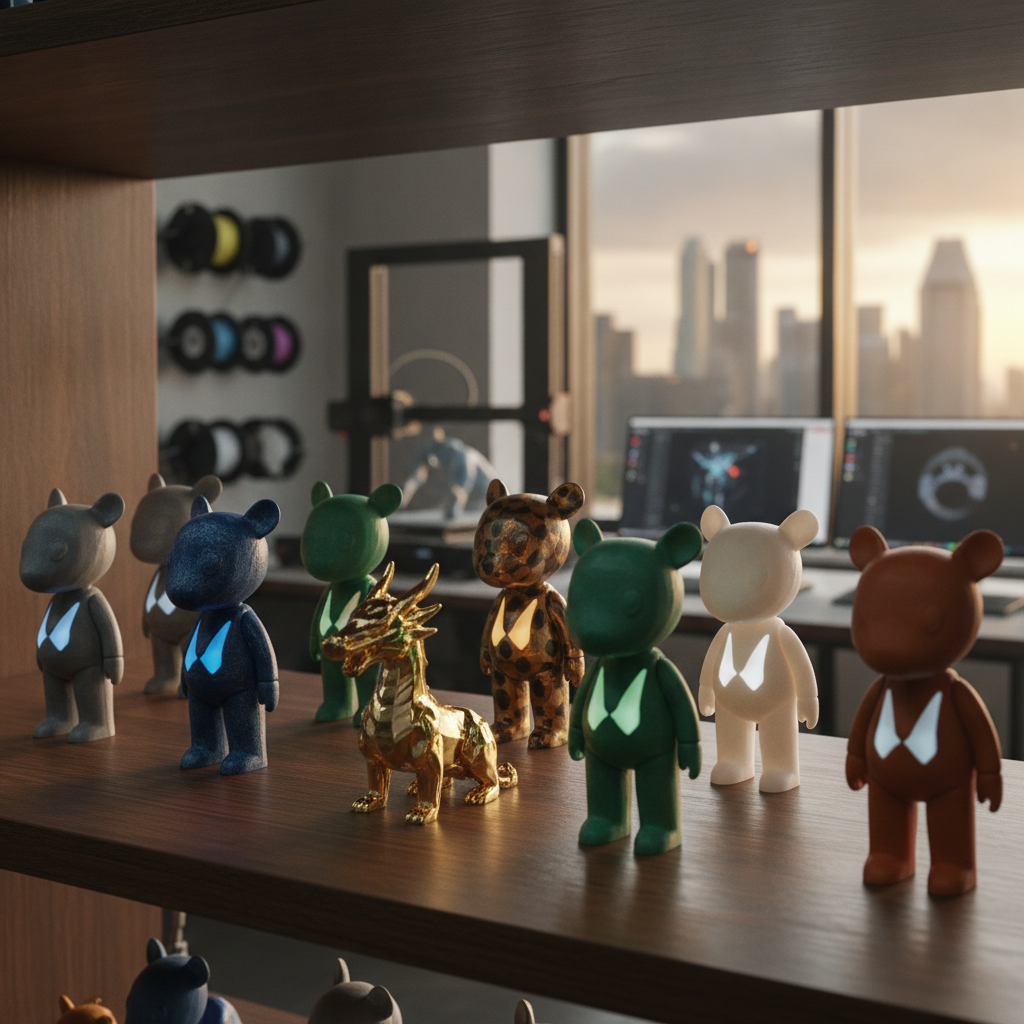

The collector market for limited edition art toys has matured into a global ecosystem where design integrity, finish quality and exclusivity drive value. In 2026, artists and brands are pairing creative vision with advanced fabrication methods to produce small-batch runs that feel premium and collectible. For creators looking to bridge concept and market, choosing the right 3D printing service in Singapore can make the difference between a rushed prototype and a meticulously finished collectible.
This article explains how limited edition art toys are produced today, which 3D printing processes and materials perform best, and why Singapore-based providers are an increasingly strategic choice for designers targeting Asia-Pacific collectors.
Limited edition art toys command attention because of three simple dynamics: scarcity, story, and craftsmanship. A numbered run of 50 or 200 pieces creates immediate collectability. Packaging, artist signatures and certificates of authenticity add provenance and resale potential. Finally, the tactile quality and surface detail—especially on premium toys—drive perceived value.
Designers are also leveraging community building, drops and collaborations to generate demand. This has pushed production partners to offer not just printing, but end-to-end services that include prototype development, paint and finishing, small-batch manufacturing and logistics support.
Not all additive manufacturing methods are equal when it comes to producing limited edition art toys. Here are the leading technologies and why they matter:
Designers commonly combine processes—SLA for delicate heads and details, SLS or MJF for bodies or articulated joints, and FDM for large structural components—to optimize cost and finish.
A streamlined workflow reduces risk and cost while preserving design intent. Typical stages include:
Working with a vendor that understands toy tolerances and can iterate quickly shortens development time and preserves the artist’s vision.
Material science continues to expand expressive options for toy makers. Key trends this year include:
Finishing remains as important as the print itself: primer, sanding, airbrushing, hand-paint accents, and protective coatings determine the final impression. Many services in Singapore now offer integrated finishing studios so creators receive consistent, gallery-ready collectibles.
Limited editions require balancing unit cost with perceived value. Helpful rules-of-thumb:
Lead times depend on complexity. High-detail resin pieces with extensive hand-finishing can take several weeks per run, whereas larger FDM-printed runs with minimal painting may be turned around faster. Singapore’s dense manufacturing network and logistics infrastructure helps compress transit times for Asia-Pacific distribution.
Limited edition runs often expose creators to intellectual property risks. Best practices include:
Well-executed packaging and a clear release strategy—drop dates, tiered editions, numbered certificates—are as important as the toy itself for collectors.
High collector satisfaction hinges on consistent quality. A thorough checklist includes:
Working with a studio that integrates QC early in the process avoids costly reworks and damaged reputation.
Singapore stands out for creators producing limited edition art toys for several reasons:
For artists and small brands, partnering with a local studio reduces communication friction and accelerates iteration. Many studios now offer combined services for design optimization, printing, painting and small-batch fulfillment—making it simpler to launch collectible drops with polished aesthetics and consistent quality.
If you are evaluating vendors, explore providers that demonstrate experience with toy-specific challenges—articulation, material fatigue, and repeatable finishing standards. Searching case studies and sample galleries can reveal whether a studio consistently produces the look and durability your edition demands.
Many Singapore studios are happy to provide prototyping packages tailored to creator budgets, enabling more designers to test-market limited drops.
Service providers are increasingly specialized: some focus on ultra-high-detail resin collectibles and hand-finishing, while others provide cost-efficient FDM batches with automated painting. For reference, creators often evaluate studios that advertise experience in art toy development, collectibles production, and lifestyle product prototyping.
Look for portfolios that showcase finished, packaged products rather than raw prints alone. This indicates the studio can take a toy from model to shelf-ready collectible.
Limited edition art toys in 2026 combine artistic storytelling with the technical maturity of modern additive manufacturing. When executed well, a limited run becomes a cultural object that commands collector attention and financial value. Partnering with a Singapore-based 3D printing studio that understands prototyping speed, finishing craft and small-batch logistics gives creators a practical advantage: faster iterations, higher-quality finishes, and smoother launches across APAC and beyond. For designers aiming to produce gallery-grade collectibles, prioritizing clear specifications, rigorous QC and a partner with integrated finishing capabilities will ensure limited editions look as compelling in-hand as they do in concept.
Resources and further reading: explore examples of best art toys and custom figurine design and specialized custom art toys FDM 3D printing workflows. If rapid iteration matters, review options for fast 3D prototyping Singapore and rapid prototyping Singapore. For collectible-focused production models, see approaches used in collectible art toys.