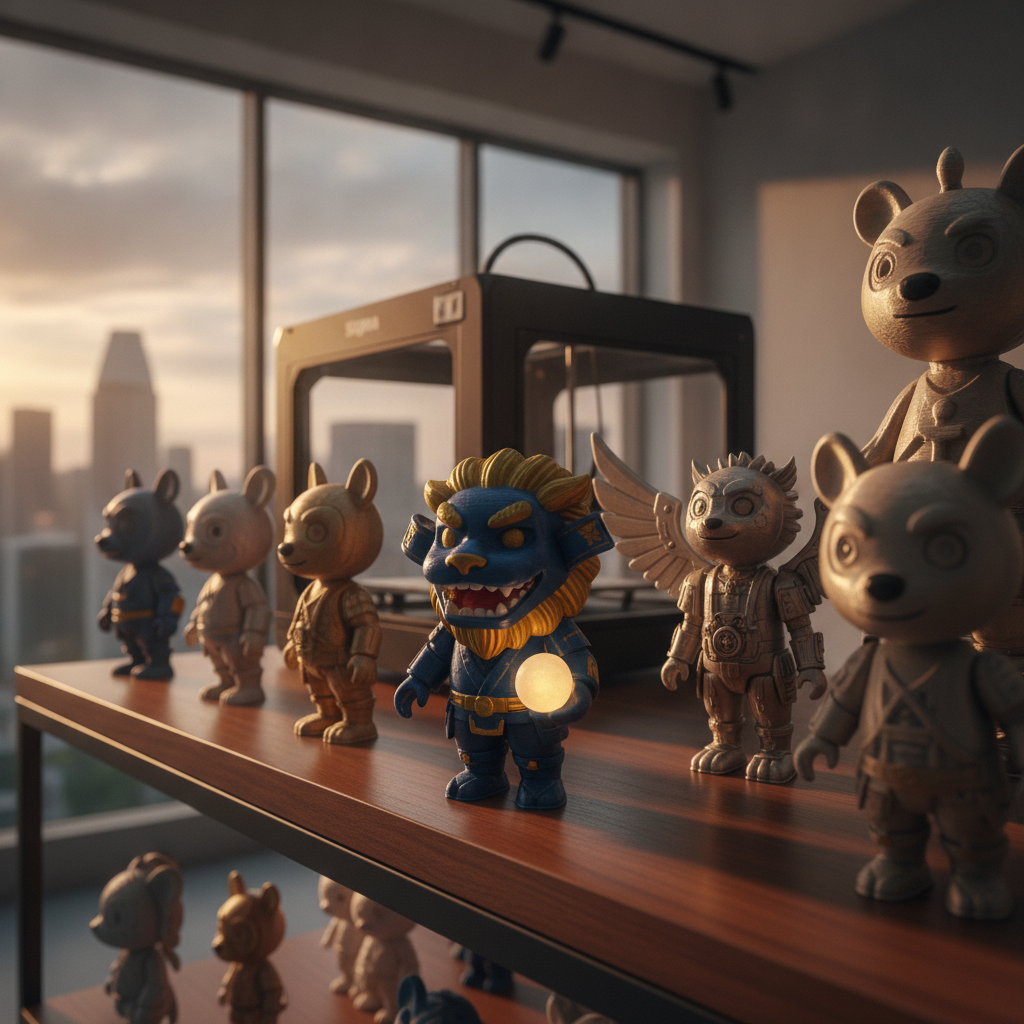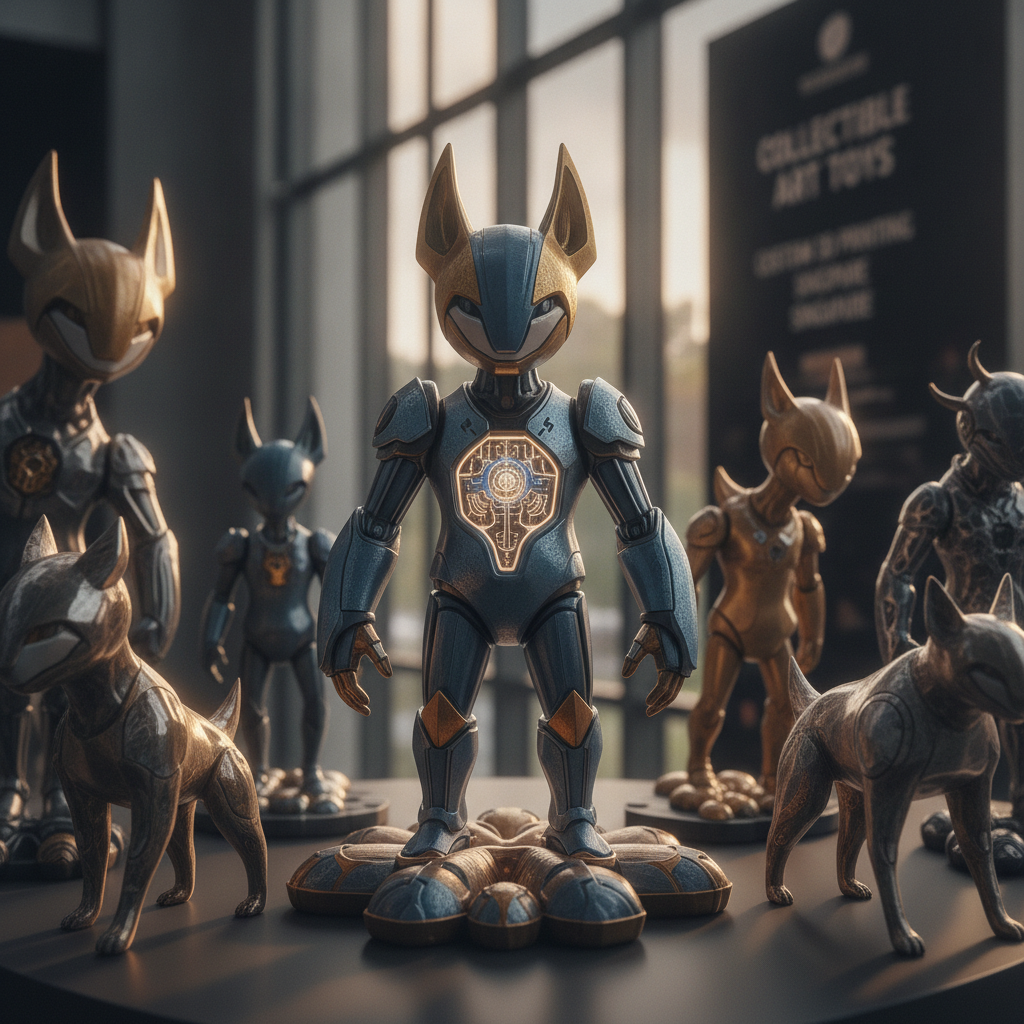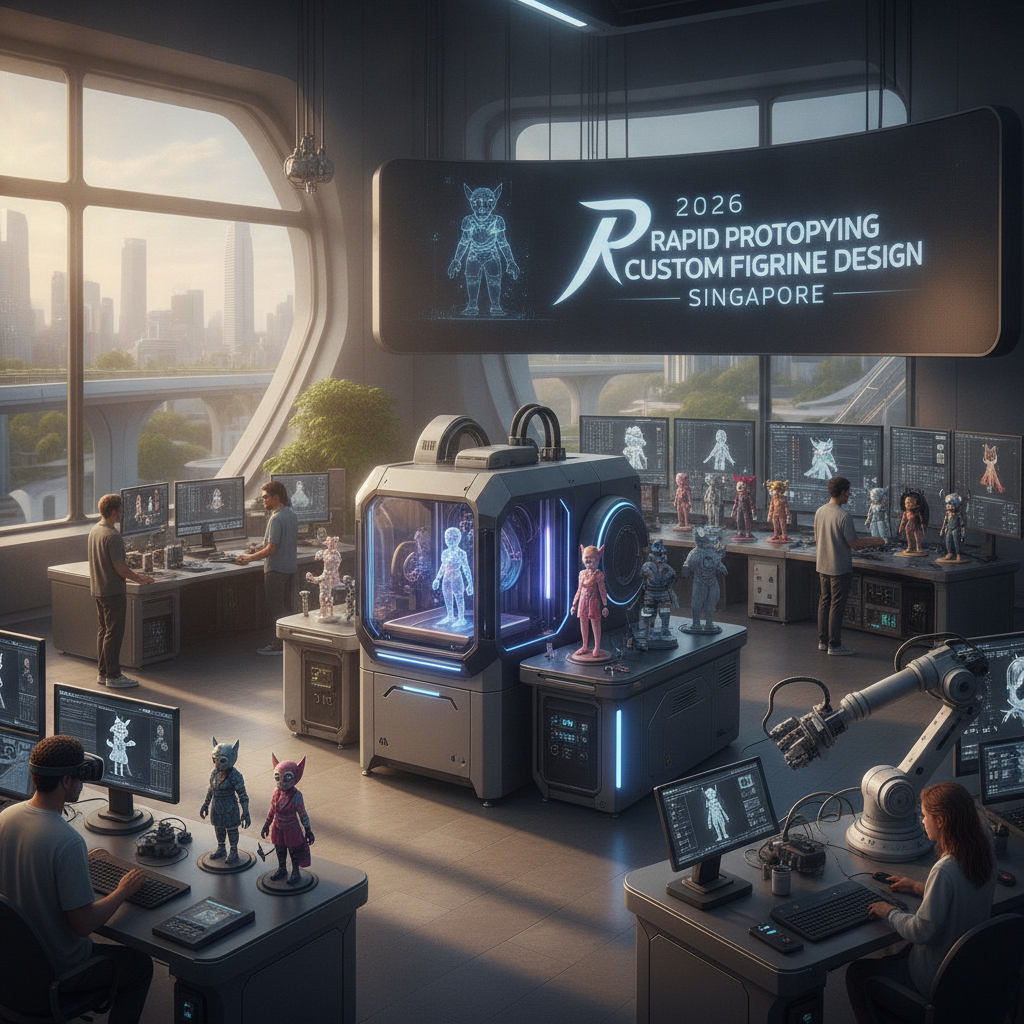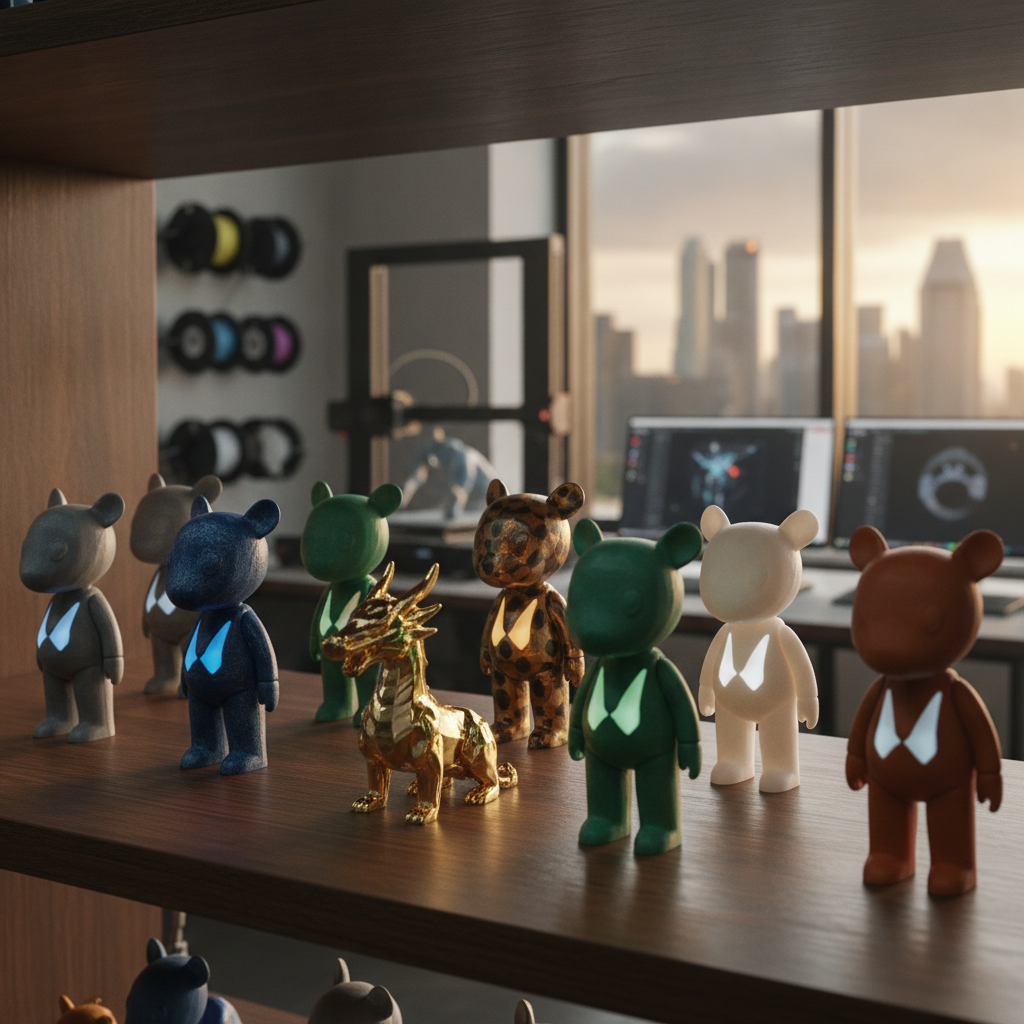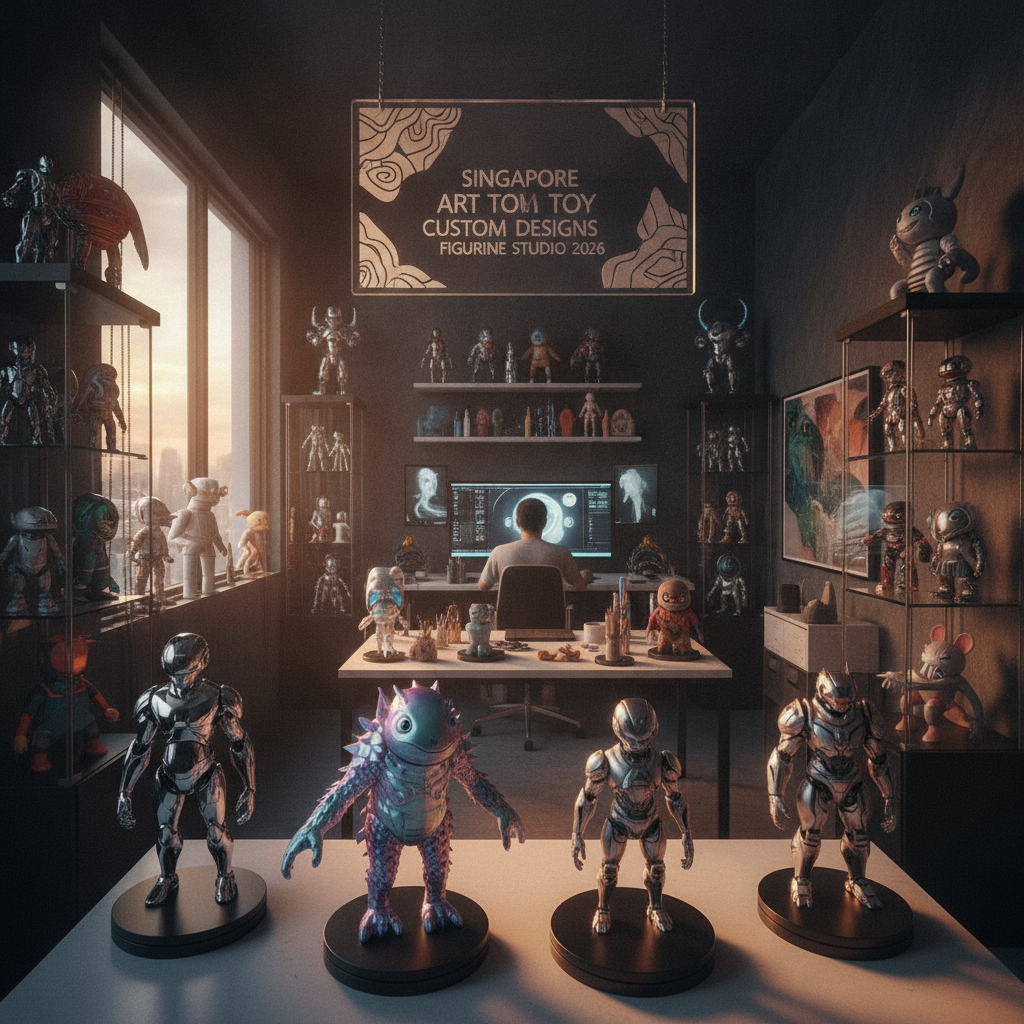

By 2026, Singapore has become a vibrant hub for art toys and custom figurine design Singapore, blending regional collector demand with international design sensibilities. Whether you’re a designer, collector, or brand exploring limited runs, this guide explains the market dynamics, technical processes, and current trends shaping how art toys are conceived, prototyped and brought to market in the city-state.
Art toys are designer collectibles created primarily as expressive, limited-edition objects rather than mass-market playthings. They sit at the intersection of fine art, product design and pop culture, often reflecting an artist’s narrative, brand collaboration or cultural moment. For collectors, art toys offer scarcity, storytelling and aesthetic value. For designers and businesses, they are a way to express identity, test concepts and build direct-to-fan communities.
Singapore’s design ecosystem—supported by a strong manufacturing network in nearby regions, a sophisticated collector base, and growing studio capabilities—makes it an ideal place for custom figurine design Singapore. Local studios and designers are increasingly focused on high-quality finishes, sustainable materials, and rapid iteration, while events and pop-ups give creators direct access to collectors. The city’s strategic logistics and IP-friendly environment help small runs reach global buyers quickly.
Concept and brief: Start with a strong creative brief that defines scale, articulation, finish, target edition size and price point. A clear brief saves costly iterations.
Sketches and character design: 2D sketches refine personality, proportions and accessories. This is when storytelling and visual language are finalized.
3D modeling and CAD: Sculpting in digital tools allows exacting control over wall thickness, joints and tolerances. Advanced studios offer CAD modeling and designer toy workflows tailored to production realities.
Rapid prototyping and testing: 3D-printed masters or resin prints are used to validate scale, articulation and paint testing. Rapid prototyping cuts time between iterations and produces accurate masters for silicone tooling.
Molding and tooling: For vinyl, resin or ABS production you’ll need molds or injection tools. The scale of your run informs the type of tooling—pilot molds for 50–500 pieces, injection tooling for larger batches.
Painting, finishing and assembly: Hand-painting, tampography or pad printing, matte/gloss varnishes and assembly are the final craft steps that give each piece collector-grade quality.
Packaging and certificates: Thoughtful packaging, certificates of authenticity and serialized numbering elevate perceived value and protect secondary-market pricing.
For a deeper guide to making collectible figures, check this practical resource on collectible art toys and custom design guidance.
Collectors expect museum-quality finishes even from small runs. Popular materials include:
– Vinyl: Smooth finish and durability; ideal for injection-molded characters.
– Resin (polyurethane): Excellent for small, highly detailed limited runs; hand-painting is common.
– ABS/PLA: Used in hybrid workflows, especially with painted or printed finishes.
– Bio-resins & recycled plastics: A rising choice for sustainable editions.
Finish also matters: soft-touch coatings, metallic lacquers, gradient sprays and selective varnishing can transform a sculpt into a premium object. Discuss material choices early—each affects tooling, weight, and cost.
Limited runs create scarcity, which fuels collector interest. Strategies that add value:
– Low edition counts and artist-signed pieces.
– Multiple rarity tiers (common, rare chase variants, artist proofs).
– Co-signed collaborations with known artists or brands.
– Careful drop marketing and release events that stimulate demand.
To explore case studies and production approaches for collectible art toys, see this curated collection: collectible art toys and lifestyle product design.
Selecting the right partner depends on the scale and complexity of your project. Key considerations:
– Prototyping capability and speed.
– In-house painting or vetted finishing partners.
– Experience with international shipping and customs for collectibles.
– Ability to manage limited runs, serialized numbering and certificates.
A professional studio will guide you through tooling options, advise on cost-per-unit at different volumes, and protect IP through NDAs and clear contracts. When evaluating partners, review portfolios for finish quality and varnish consistency.
Pricing a custom figurine balances cost, perceived value and market expectations. Typical pricing drivers:
– Tooling and mold amortization.
– Hand-finishing labor hours.
– Packaging and certificates.
– Marketing and fulfillment costs.
Crowdfunding platforms remain a proven route to validate demand and raise funds for tooling, especially for mid-range runs. Limited early-bird tiers, staged production updates, and transparent timelines help maintain backer trust.
Protect designs with copyright and clear licensing agreements—especially for collaborations. Register trademarks for characters and names when you plan recurring drops. Contracts should specify who owns molds, digital files, and rights to remixes or future variants.
Singapore’s design fairs, toy conventions and gallery shows are key places to launch drops and build collector relationships. The secondary market—local consignment stores and online marketplaces—also validates designs and can help gauge long-term collector demand. Community engagement through social media, behind-the-scenes content and in-person signings strengthens brand loyalty.
If precision and engineering are critical, prioritize studios with strong CAD and prototyping services to avoid costly reworks.
Art toys and custom figurine design Singapore in 2026 combine craft, technology and community in new ways. Designers should leverage rapid prototyping, sustainable materials and strategic limited editions to create collectible pieces that resonate with today’s informed collectors. With the right studio partner, clear IP protections and a thoughtful launch plan, art toys can be both expressive art and a sustainable business model for creatives and brands alike.
For practical examples, workflows and production partners referenced in this article, explore the linked resources above to move from idea to shelf with confidence.