Introduction
Singapore has become a focal point for product innovation in Southeast Asia. For designers, startups and established manufacturers alike, leveraging custom 3D printing Singapore services and rapid prototyping Singapore workflows is no longer optional — it’s essential. This guide explains current trends, technologies, and practical steps to turn concepts into validated prototypes quickly and cost-effectively in 2026.
Why rapid prototyping Singapore matters in 2026
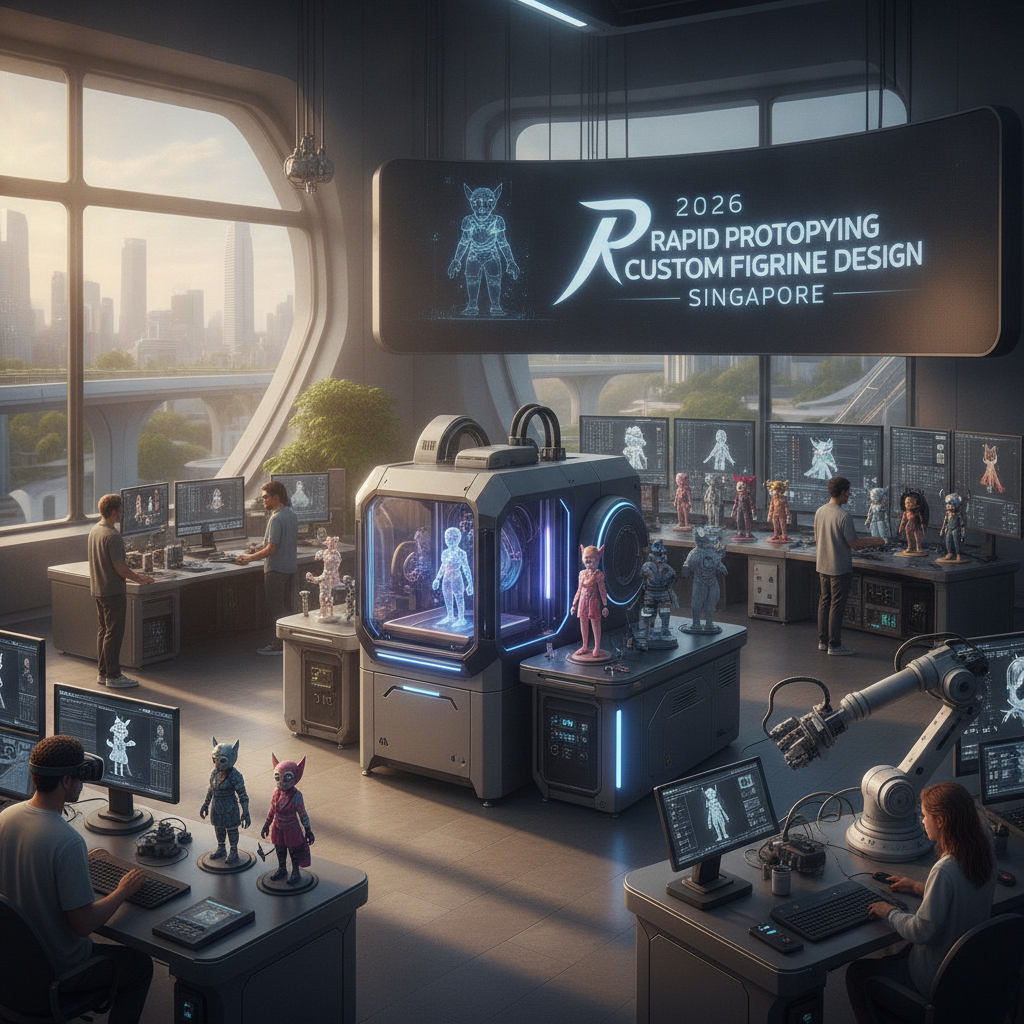
Rapid prototyping Singapore shortens design cycles, reduces risk and helps teams validate user experience and manufacturability before committing to expensive tooling. In 2026, faster iterations are driven by tighter time-to-market windows and consumer appetite for personalization. Companies using rapid prototyping Singapore can test form, fit and function rapidly, gather real-world feedback, and pivot without large capital expenditure.
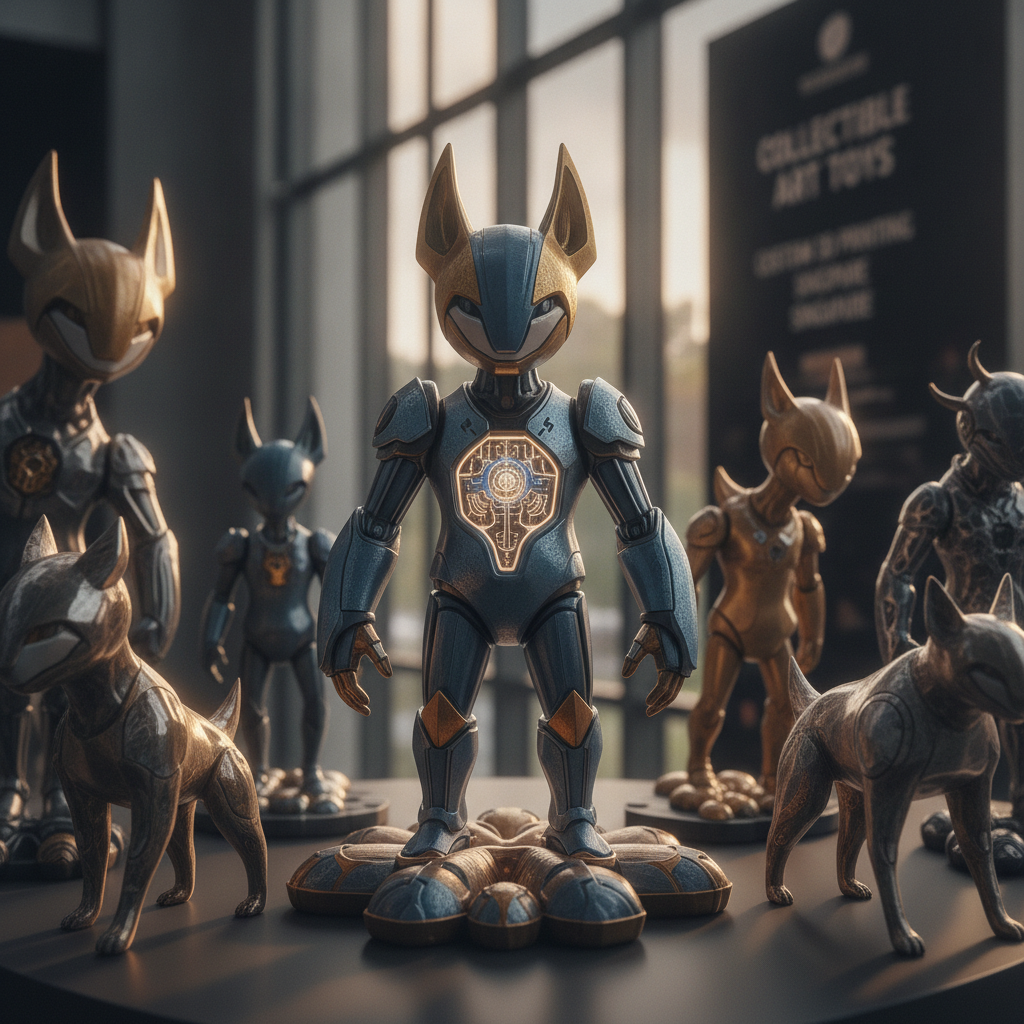
This approach is particularly valuable for lifestyle and collectible markets; learn more about evolving consumer demands in the art toys trends 2026.
Key technologies behind custom 3D printing Singapore
Custom 3D printing Singapore covers a range of additive manufacturing technologies. Choosing the right technology depends on your prototype goals (functional testing, cosmetics, or production parts). The main choices are:
- Stereolithography (SLA): High-resolution parts and smooth surfaces ideal for visual prototypes and molds.
- Selective Laser Sintering (SLS): Durable, functional plastic parts without support structures; great for fit and mechanical testing.
- Fused Deposition Modeling (FDM): Cost-effective for early form studies and large-scale mockups.
- Multi Jet Fusion (MJF): Combines speed with improved mechanical properties for short-run production.
- Digital Light Processing (DLP) and resin technologies for fine-detail figurines and small parts.
Custom 3D printing Singapore providers increasingly combine these technologies in hybrid workflows to meet both creative and engineering needs.
Materials and finishes: matching use-case to material
Choosing the correct material is crucial. In 2026, material options have expanded and include engineering-grade thermoplastics, elastomers, silicone-like resins and specialty composites. A few guidelines:
- Visual prototypes: SLA resins (with post-processing) deliver the best surface aesthetics.
- Functional prototypes: SLS or MJF nylon offers strength, chemical resistance and thermal stability.
- Flexible parts: TPU (via FDM or specialized SLS) for seals or wearable prototypes.
- Short-run production: High-temperature thermoplastics or reinforced composites depending on mechanical requirements.
Surface finishing — sandblasting, painting, vapor smoothing or electroplating — transforms a printed prototype into something close to a production-ready part. For collectible design and limited-run art pieces, integrated services like 3D printing service for limited editions streamline finishing and packaging.
Design for additive manufacturing (DfAM) best practices
Design rules for 3D printing differ from injection molding. Adopt DfAM principles to reduce cost and improve success rates:
- Minimize unnecessary support: orient parts to reduce supports and post-processing labor.
- Consolidate assemblies: print complex assemblies as single parts when feasible to reduce assembly time.
- Add fillets and chamfers to distribute stress for functional parts.
- Use lattice structures for lightweight yet strong components.
- Plan for tolerances: account for shrinkage, warpage and post-process machining needs.
A well-prepared CAD model reduces surprises and shortens the rapid prototyping Singapore cycle.
Typical workflow and timelines for custom 3D printing Singapore
An efficient workflow for custom 3D printing Singapore often follows these stages:
- Ideation and CAD modeling (1–7 days): sketch, iterate and finalize geometry.
- Design review and DfAM adjustments (1–3 days): ensure manufacturability.
- Prototyping run (24 hours to 10 days): printing time varies with technology and part quantity.
- Post-processing and finishing (1–7 days): supports removal, sanding, painting, or assembly.
- Testing and validation (variable): mechanical tests, user feedback and fit checks.
Many providers now offer expedited paths — see examples of accelerated workflows for lifestyle product design in the fast 3D prototyping Singapore overview.
Cost drivers and budget tips
Costs for rapid prototyping Singapore and custom 3D printing Singapore depend on:
- Material type: engineering-grade materials cost more than standard resins.
- Part size and volume: larger parts or multiple pieces increase print time and material use.
- Technology: SLA tends to be cheaper for small aesthetic parts; SLS and MJF cost more but deliver functional properties.
- Post-processing: high-end finishes and painting add time and expense.
- Iteration count: multiple design cycles increase total cost, though each iteration should get you closer to a production-ready part.
Budget tips:
- Start with inexpensive FDM prints for early validation.
- Use SLA for high-detail visual checks before committing to SLS for functional tests.
- Combine in-house rapid prototyping Singapore for quick mockups with outsourced specialist services for final validation.
Case study: bringing a limited-edition figurine to market
A Singapore-based designer wanted a 200-piece limited run of a collectible figurine with premium paint finish. The workflow showcased best practices for custom 3D printing Singapore:
- Concept to CAD: several rapid iterations to refine pose and scale.
- SLA prototypes for approval of sculpt and surface detail.
- MJF for production-like parts to test fit and robustness.
- Professional painting and assembly with a controlled quality process.
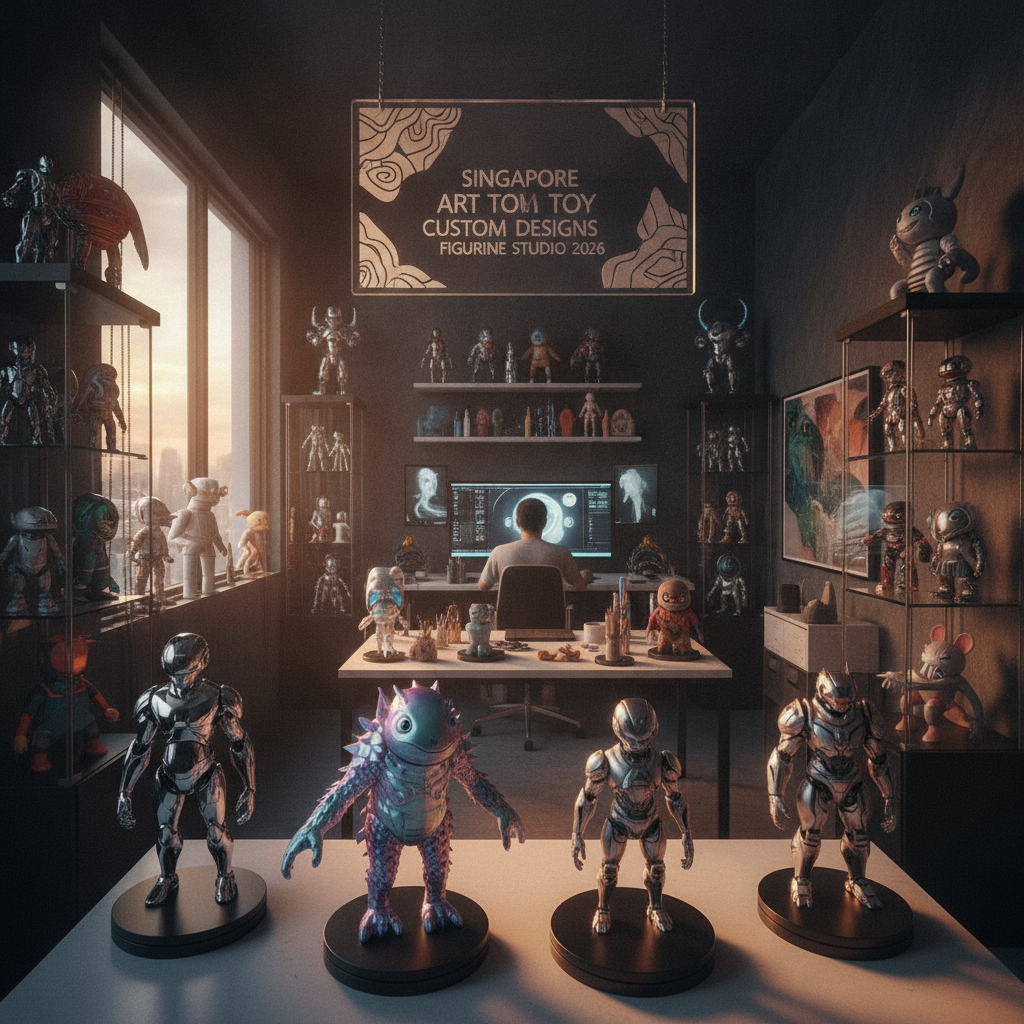
Pairing design discipline with the right production technologies delivered a collectible that met collector expectations while keeping lead times short. For related examples on collectible strategy and CAD modeling, see the detailed discussion about limited edition art toys and NFT CAD modeling.
Selecting a provider in Singapore: what to evaluate
When choosing a custom 3D printing Singapore partner, evaluate:
- Technology breadth: can they print SLA, SLS, MJF and resin-based options?
- Materials expertise: do they offer engineering materials and finishing services?
- Turnaround and capacity: do they meet your timelines for rapid prototyping Singapore?
- Communication and support: will they advise on DfAM and iterate quickly?
- Portfolio and case studies: past projects in your industry indicate relevant experience.
Providers that also offer design collaboration and small-batch finishing can help brands execute limited runs with consistent quality — examples of service packages and portfolio work are shown in materials like best art toys and custom figurine design.
Sustainability considerations
Sustainability is increasingly important. In 2026, look for providers offering recycled or bio-based materials and responsible waste management. Strategies to reduce environmental impact:
- Optimize nesting and orientation to minimize waste.
- Choose recyclable materials where possible.
- Reuse failed prints for non-critical components or iterate virtually to reduce physical prototypes.
Many Singapore providers are adopting circular practices and opting for greener post-processing methods.
Common pitfalls and how to avoid them
- Over-designing early: avoid too many details in first iterations; validate broad concepts fast.
- Ignoring tolerances: failing to account for material-specific tolerances leads to fit issues.
- Underestimating post-processing: finishing time often exceeds print time for small, detailed parts.
- Relying on a single technology: mix technologies to balance cost, speed and mechanical requirements.
A disciplined rapid prototyping Singapore process reduces rework and accelerates validation.
Practical checklist before ordering a prototype
- Finalize intended use (visual vs functional).
- Confirm target tolerances and critical dimensions.
- Select material family and surface finish.
- Prepare CAD with DfAM considerations applied.
- Ask the provider for lead times, cost breakdown and sample references.
If your project aims for highly curated collectible aesthetics, integrated workflows for prototyping and finishing — such as those promoted by niche studios offering 3D printing service for limited editions — reduce coordination headaches.
Conclusion
Custom 3D printing Singapore and rapid prototyping Singapore are central to modern product development. By understanding technologies, materials, costs and vendor capabilities, teams can iterate faster, validate assumptions and bring higher-quality products to market with less risk. Whether you’re developing a functional engineering prototype or a limited-edition collectible, a strategic prototyping plan shortens time-to-market and improves the final outcome.
For inspiration on lifestyle product design and the evolving consumer landscape, explore curated trends and service stories tied to the Singapore design scene in the art toys trends 2026.