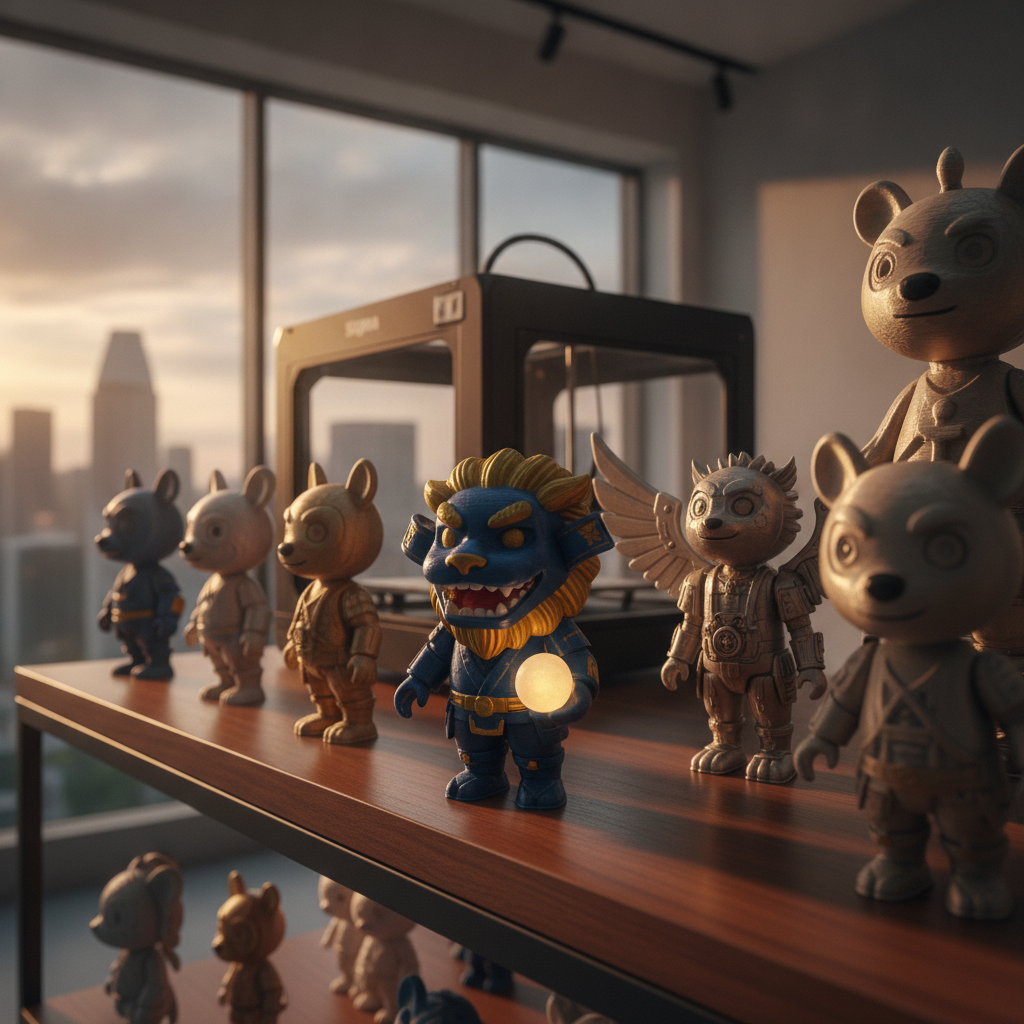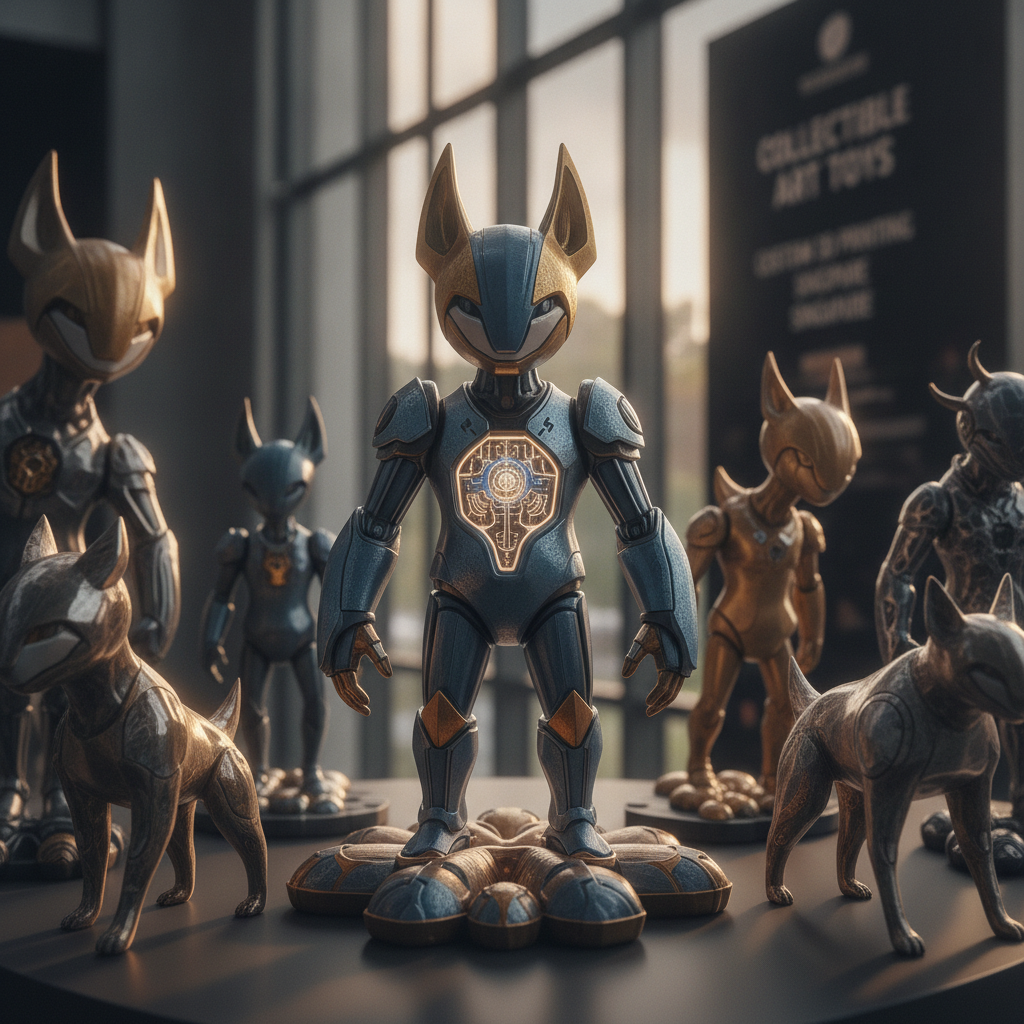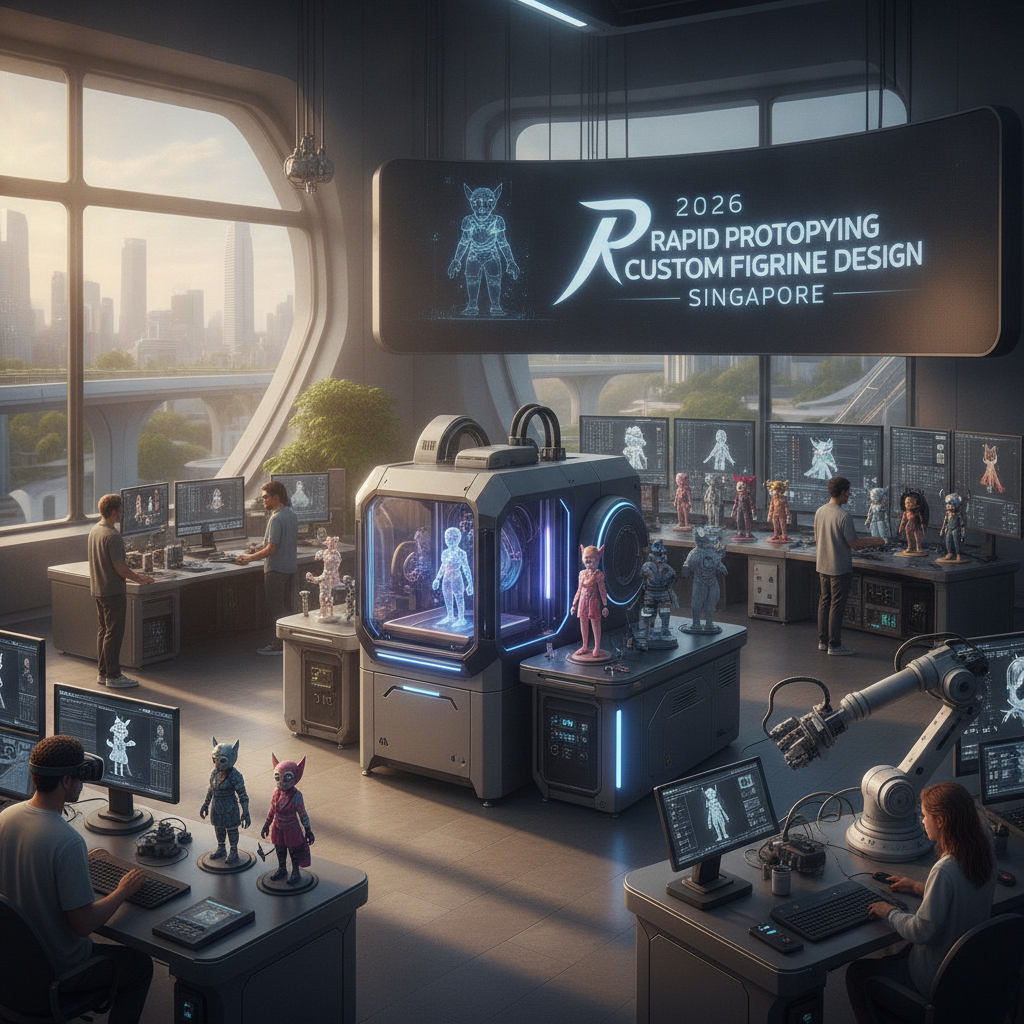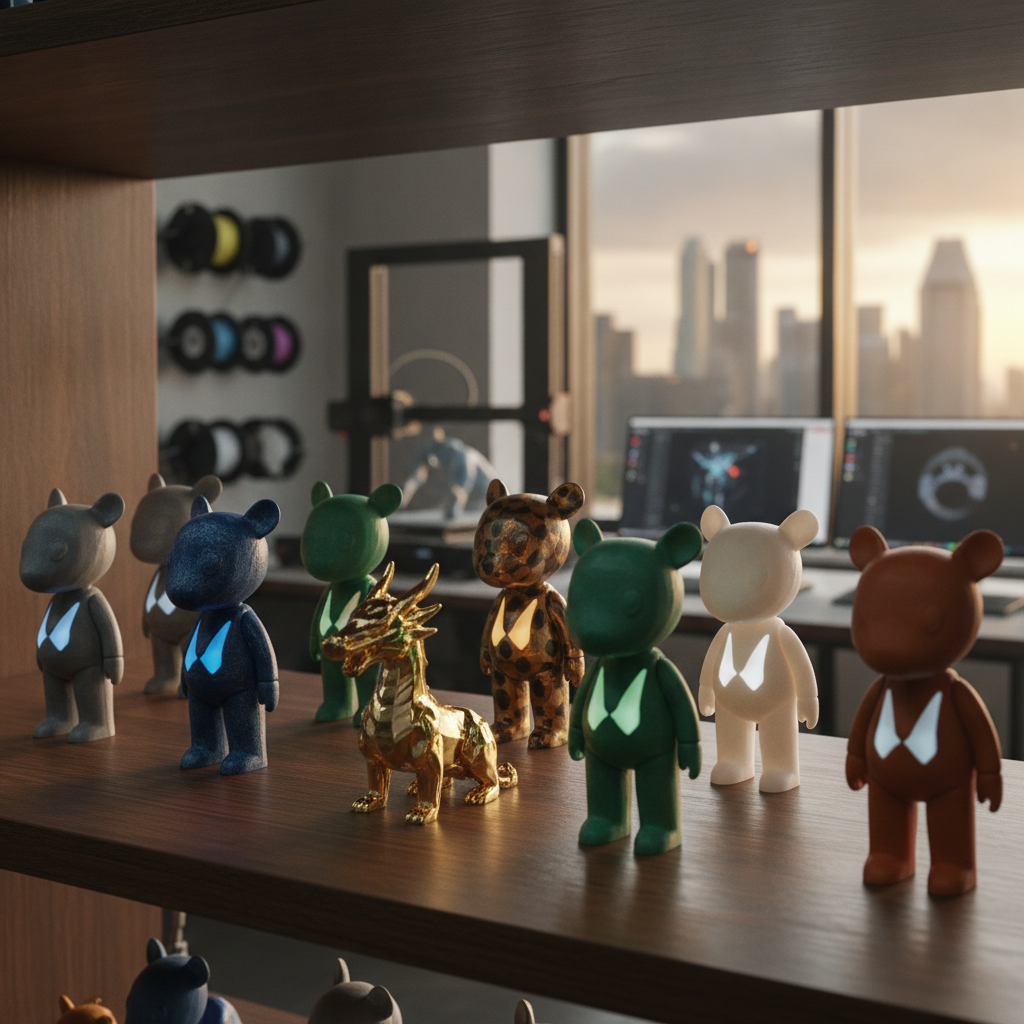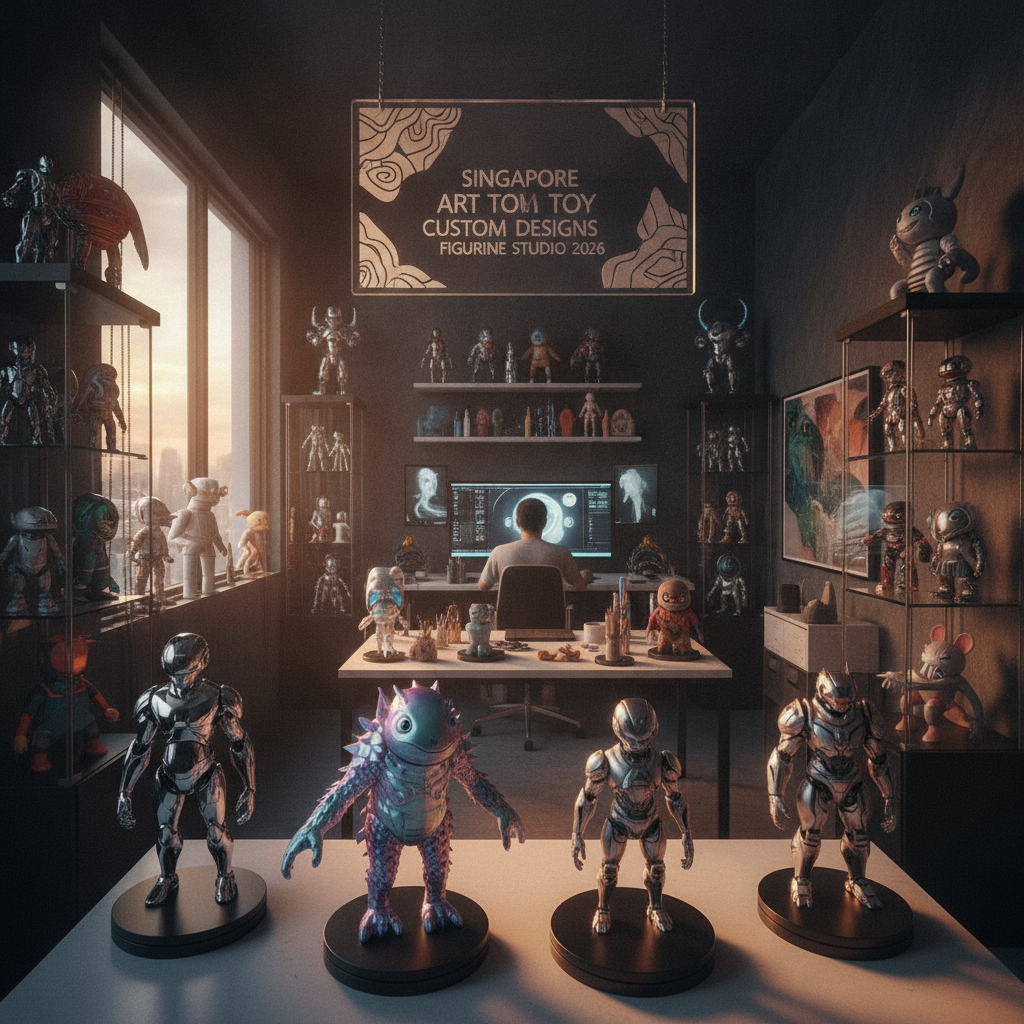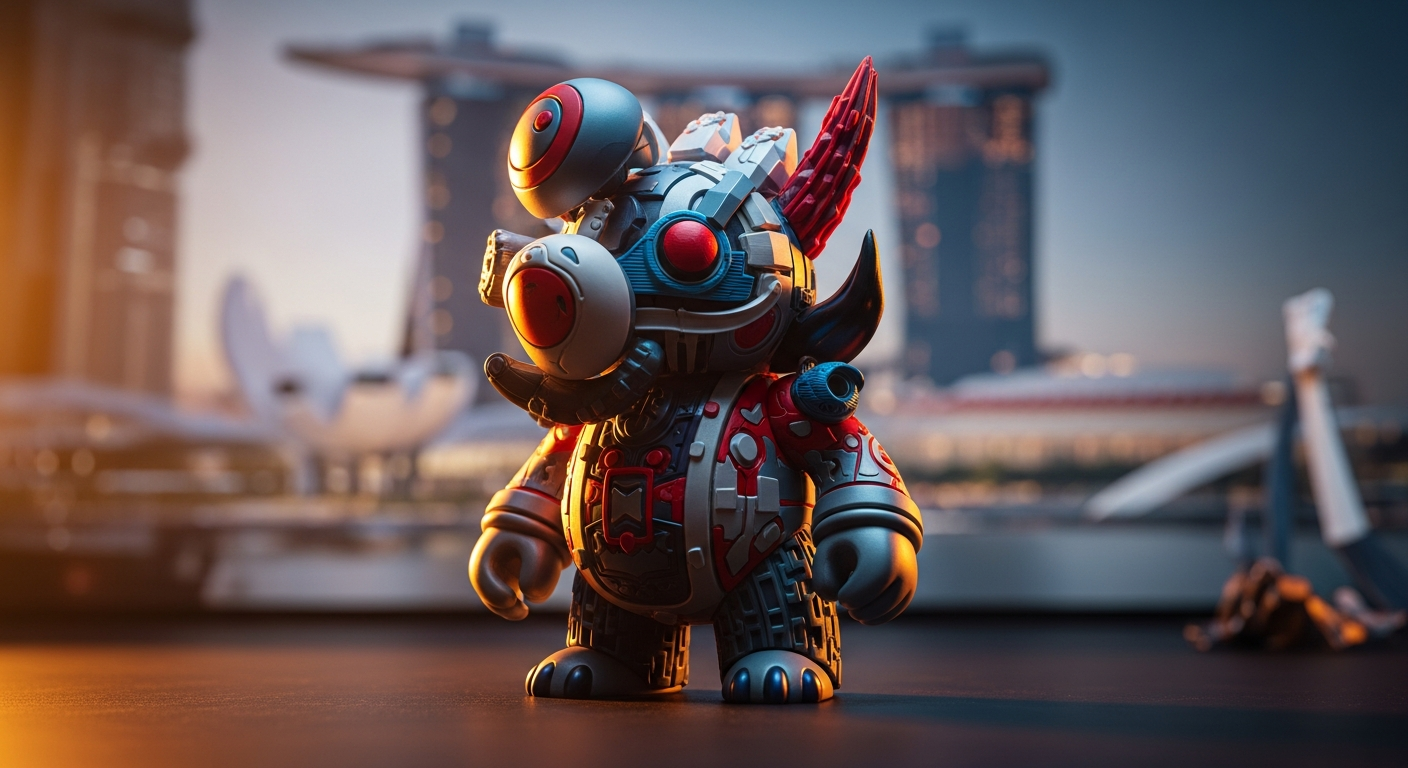
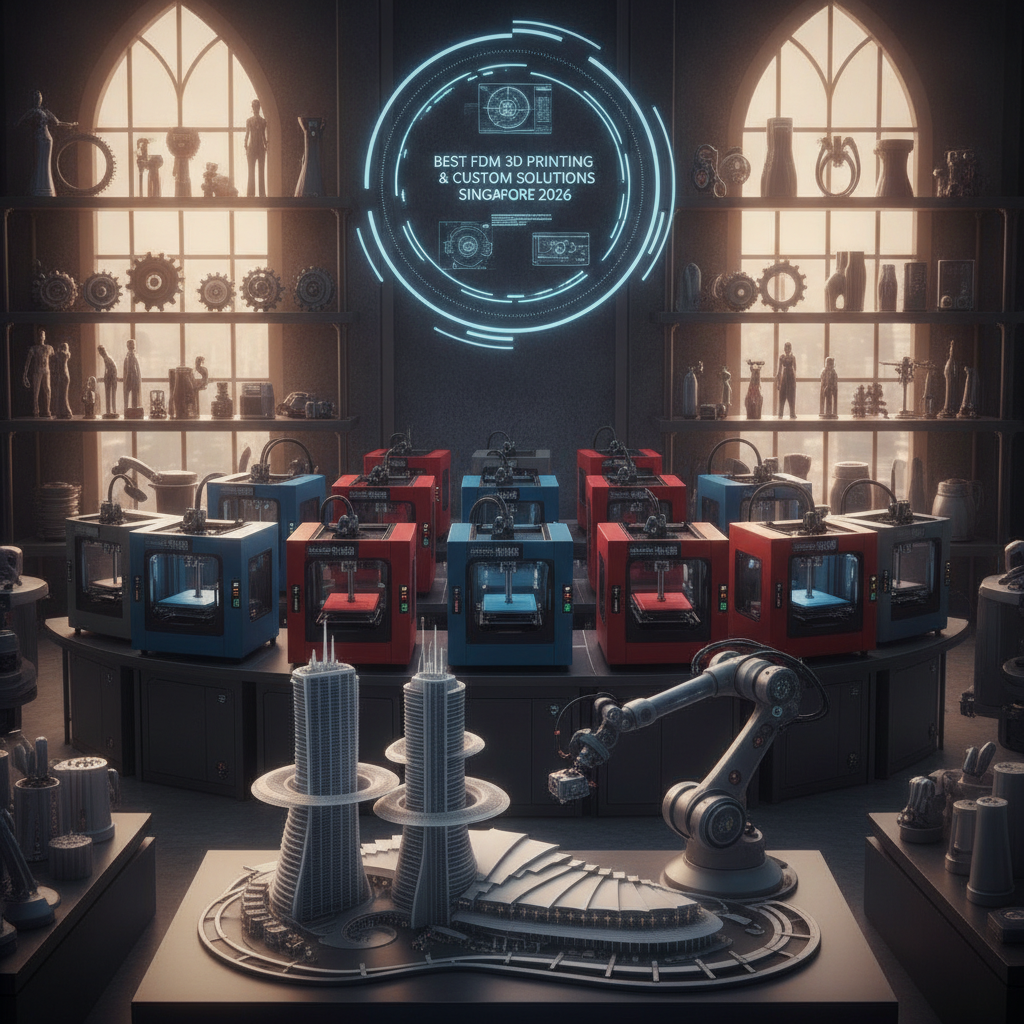

The collectible toy scene has matured into a sophisticated creative economy, and limited edition art toys are at the center of that shift. Driven by fan communities, collaborations with artists, and the precision of modern manufacturing, collectors now expect originality, quality and traceable scarcity. In Singapore, custom 3D printing Singapore services have accelerated the ability of designers to iterate rapidly, produce small runs affordably, and deliver finishes that rival traditional manufacturing.
This article explores how designers and brands can leverage custom 3D printing Singapore capabilities to create desirable limited edition art toys, covering design workflows, materials and finishes, production strategies, marketing, pricing and sustainability best practices for 2026.
Limited edition art toys succeed because they combine scarcity with strong storytelling. In 2026, collectors look for pieces that tell a narrative—whether it’s an artist’s personal arc, a brand collaboration, or a cultural commentary. Limited runs (often numbered and authenticated) build urgency and long-term value. The market also values provenance: documentation, unique serial numbers, and sometimes digital twins that authenticate ownership.
Singapore is a strategic hub for this ecosystem, offering access to Southeast Asian markets, robust logistics, and growing creative talent. Local studios increasingly offer end-to-end services: concept to CAD to prototype and finishing. For designers seeking specialized partners, studios that excel in both artistry and technical execution are crucial; examples of resources include expert teams focused on limited edition art toys and small-batch collectible work.
Custom 3D printing Singapore has transformed how art toys are conceived. Instead of committing to expensive tooling up front, creators iterate digitally and print functional prototypes quickly. This has several practical benefits:
CAD-driven practices are essential. High-quality CAD modeling Singapore workflows ensure designers can exploit the full capabilities of 3D printers while maintaining surface finish and assembly tolerance.
3D printing materials are far more advanced than a few years ago. For limited edition art toys, material choice affects aesthetics, durability and perceived value. Popular options in 2026 include:
Post-processing is where pieces gain personality: sanding, priming, hand painting, electroplating, or specialty coatings (e.g., soft-touch, metallic or pearlescent). Many Singapore ateliers now offer turnkey art toy finishing—see profiles of art toys made with advanced processes like art toys made with custom 3D printing for inspiration.
An efficient pipeline typically follows four stages:
Custom 3D printing Singapore providers often advise on batch strategies: produce an initial run of “Artist Proofs” for PR and influencer seeding, then a numbered main edition. Integrating production with warehousing and fulfillment in Singapore reduces lead times to regional collectors.
Successful limited edition drops are a careful mix of timing, exclusivity and community engagement:
Integrating marketing channels—social media teasers, behind-the-scenes CAD to print reels, and drop calendars—helps maintain hype while educating buyers about the craftsmanship behind each piece.
Setting the right price is a balance of material costs, labor, perceived value, and collector psychology. Factors to consider:
A practical approach is to calculate a baseline cost per unit (materials, print time, finishing labor, packaging), then apply a markup that reflects scarcity and brand position. Transparent pricing tiers for different variants (standard vs. deluxe) reduce friction during purchases.
Sustainability has become a priority for collectors and makers alike. In 2026, eco-conscious production differentiates brands:
Regulatory considerations—like chemical safety for toys, labeling requirements, and customs regulations—are important when exporting. Working with a Singapore-based custom 3D printing studio helps ensure compliance with regional standards and export documentation.
Successful projects often follow a consistent pattern: a compelling story, distinct visual identity, and flawless execution. For example, studios that link their design services with manufacturing and marketing support can take a creator from CAD to a sold-out drop by providing:
For creators who want both technical and creative partners, resources like 3D-printed collectible art toys show how integrated studios can reduce risk and improve time-to-market.
When selecting a partner for custom 3D printing Singapore projects, ask about:
A strong working relationship with a studio enables faster iterations and higher consistency across an edition.
Looking forward, several trends will influence the collectible landscape:
Studios that stay agile—combining CAD expertise with advanced printing and finishing—will continue to lead in this evolving market.
Partnering with experienced production teams in Singapore streamlines many of these steps and mitigates common pitfalls.
The intersection of limited edition art toys and custom 3D printing Singapore creates an ideal environment for creators to produce high-value, collectible works with unprecedented control over design and quality. By combining strong storytelling, technically optimized CAD, thoughtful material choices, and savvy release strategies, artists and brands can build desirability and long-term collector value. Singapore’s specialized studios offer the infrastructure and expertise to turn ambitious concepts into collectible realities, making 2026 a compelling year for new and scaled-up limited edition projects.