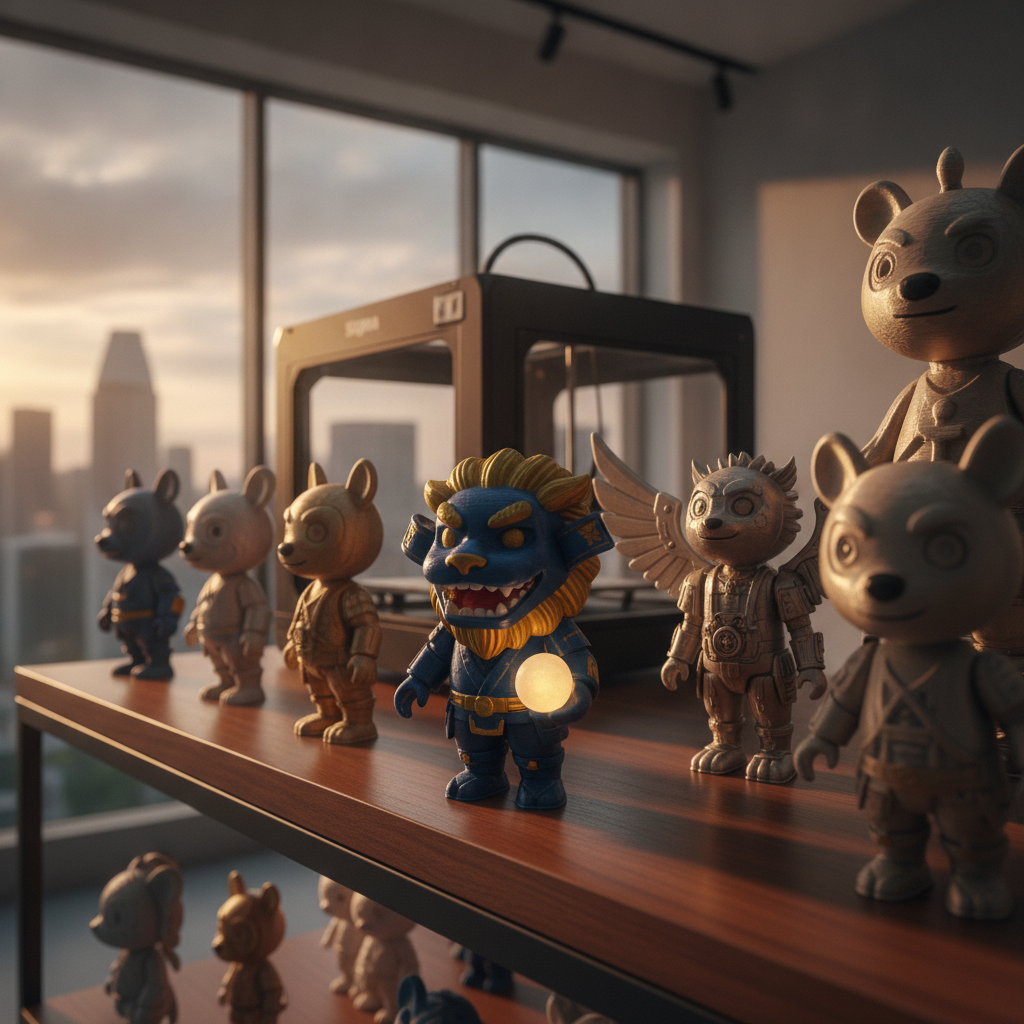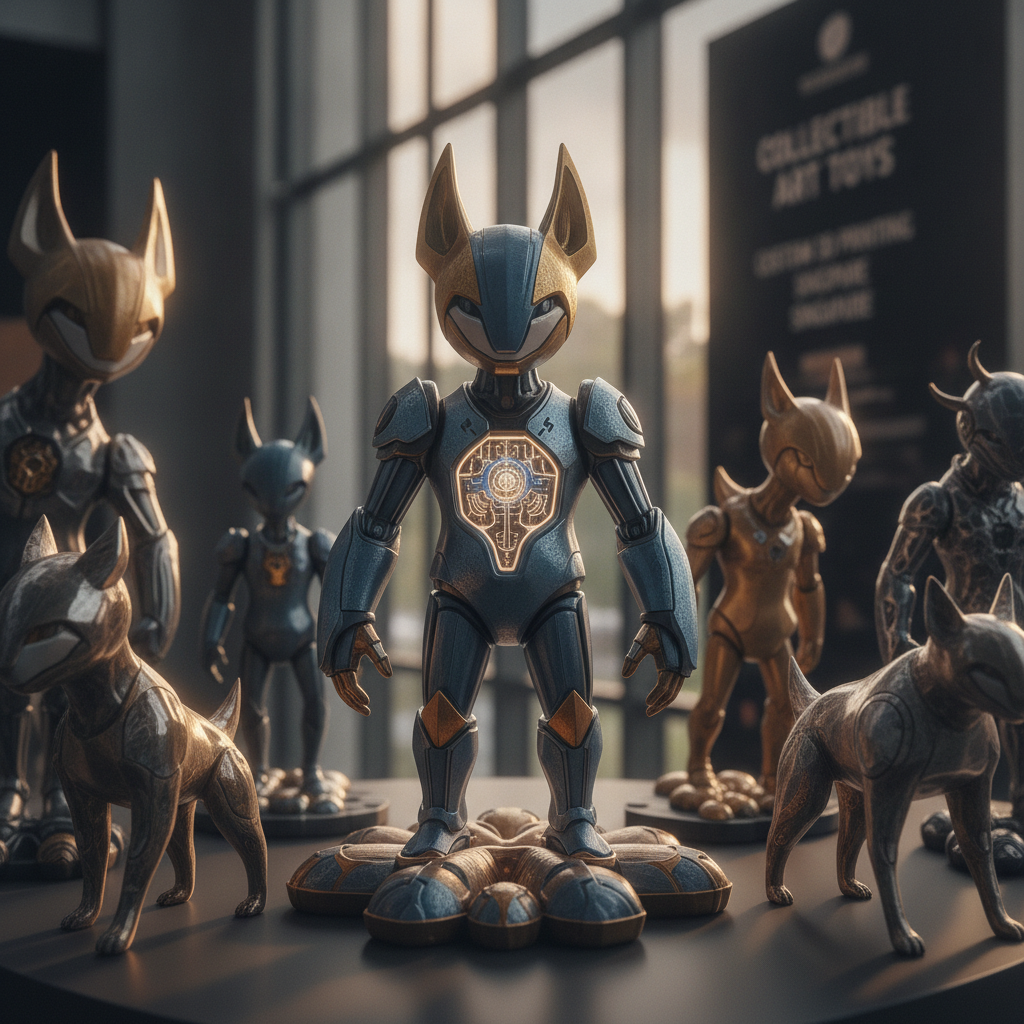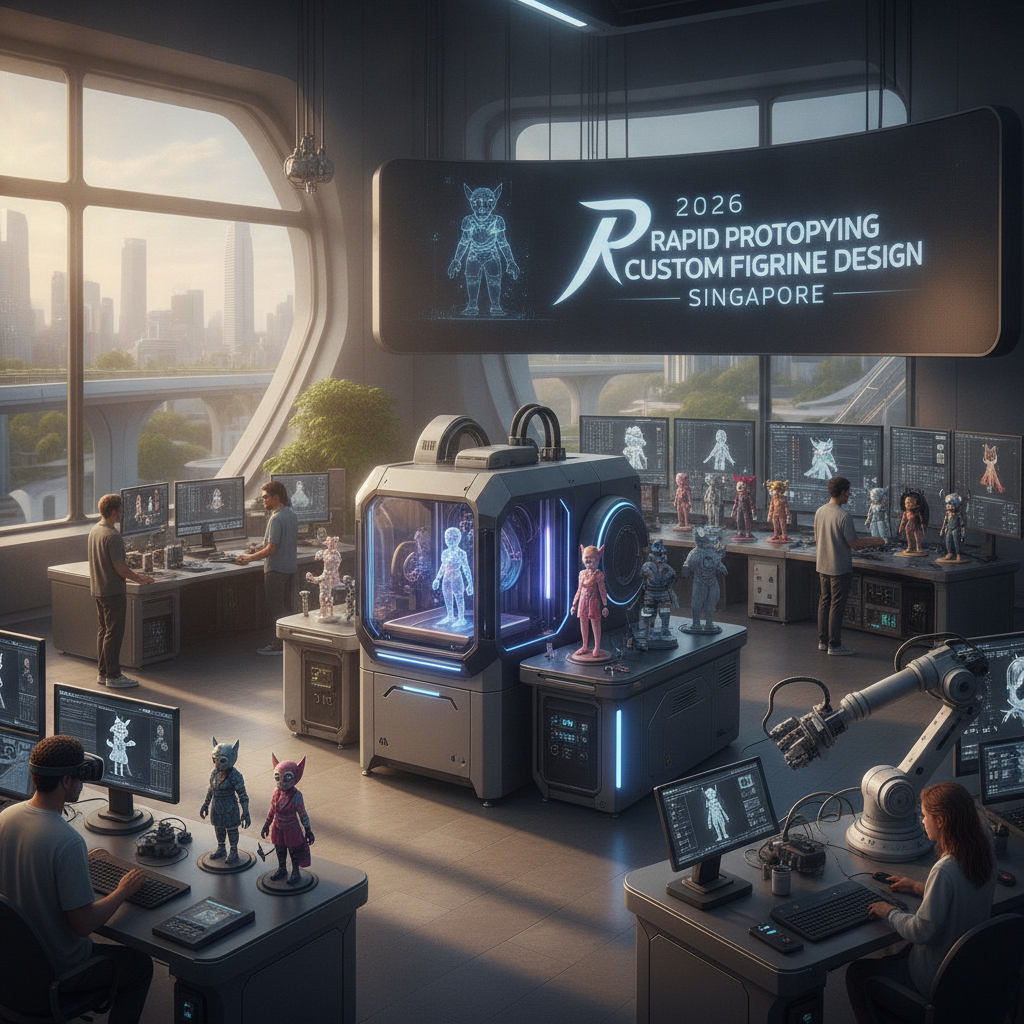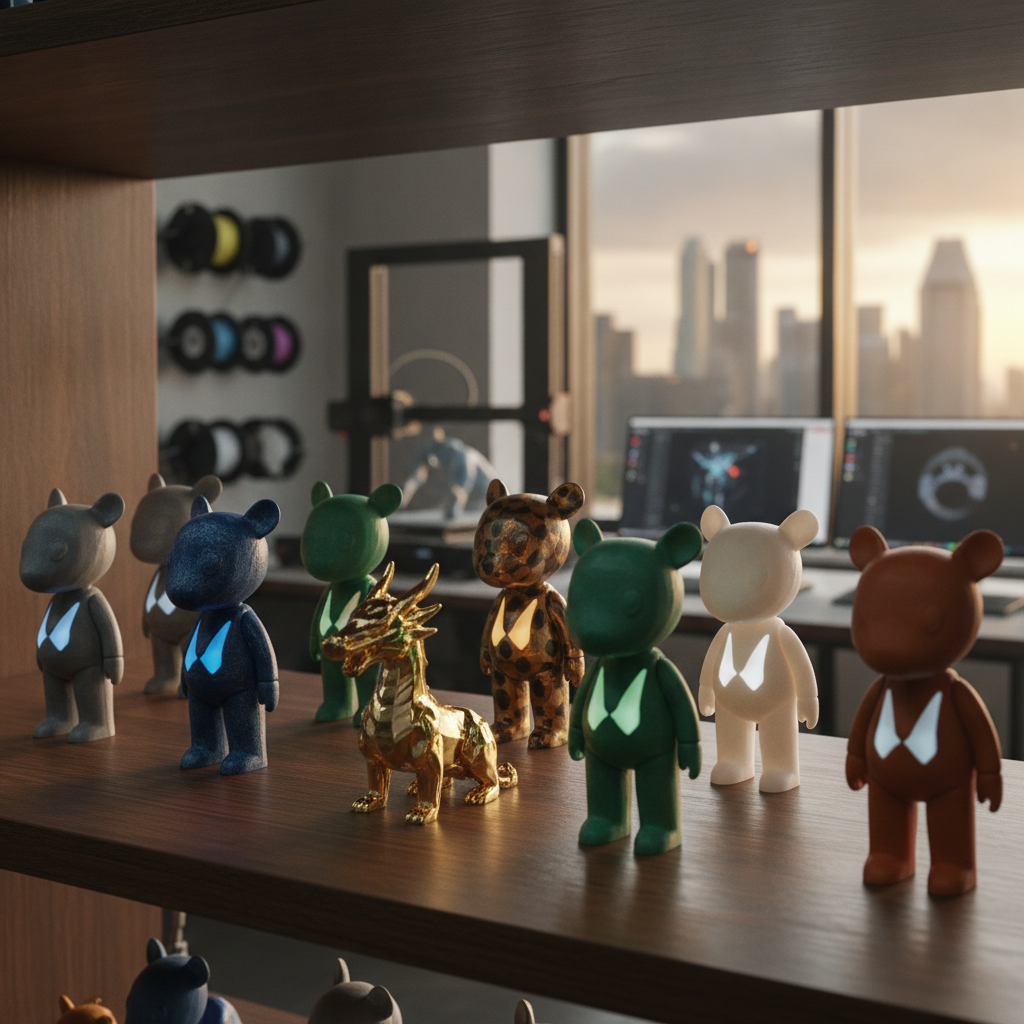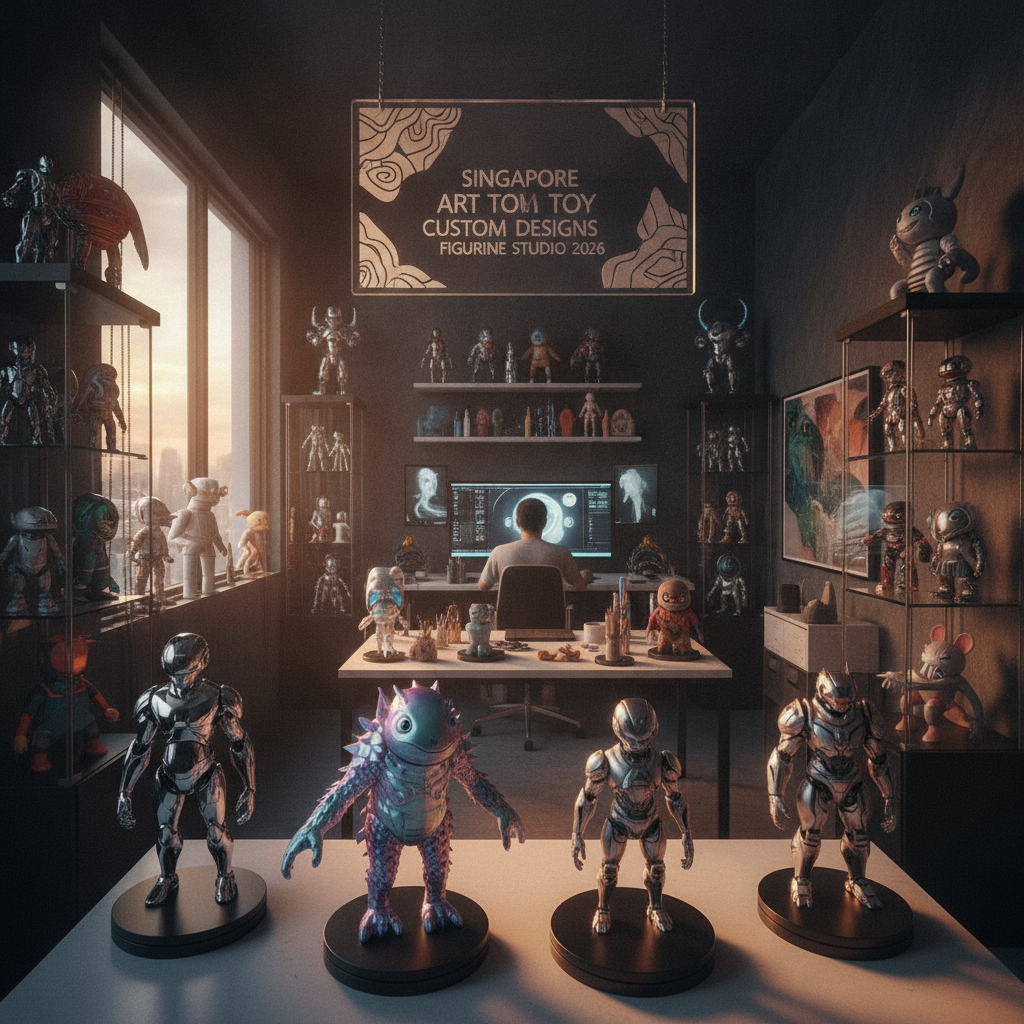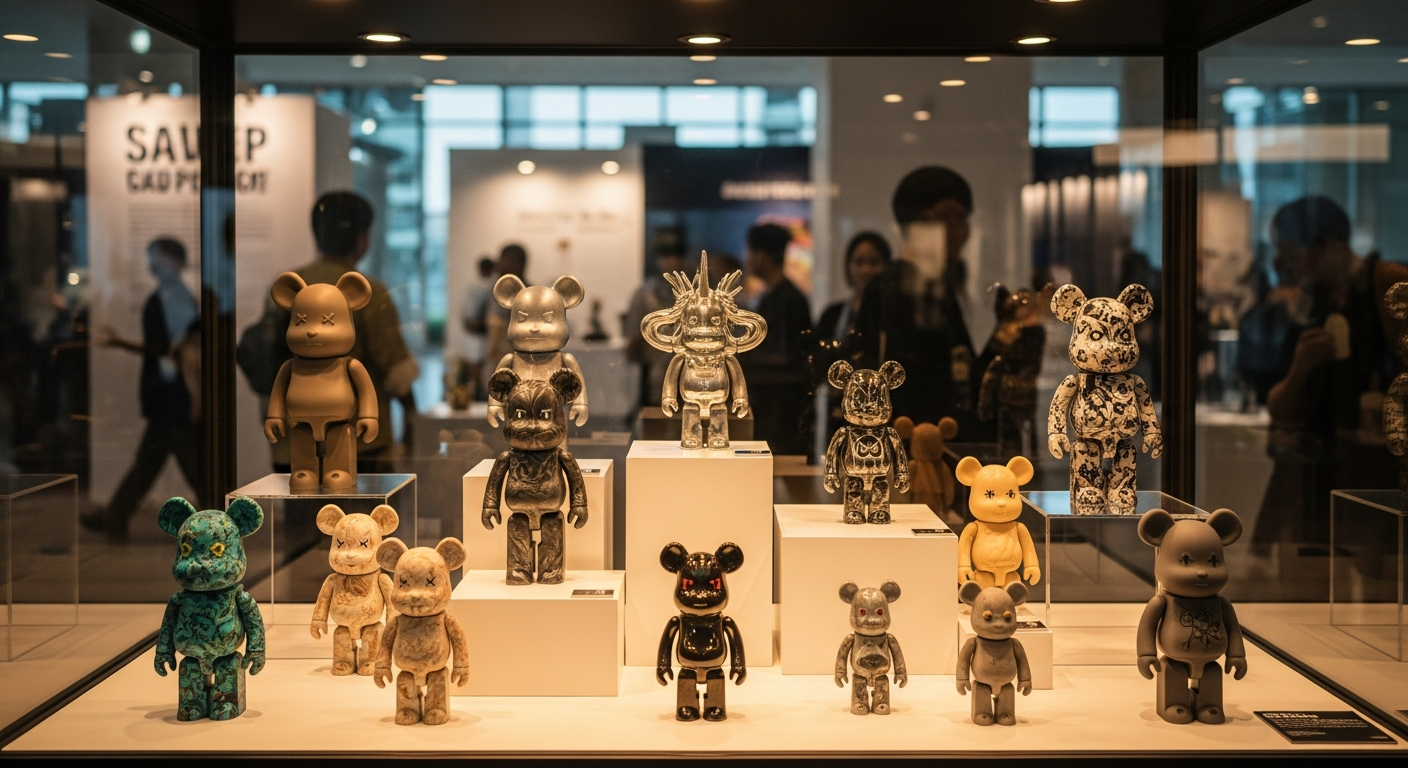
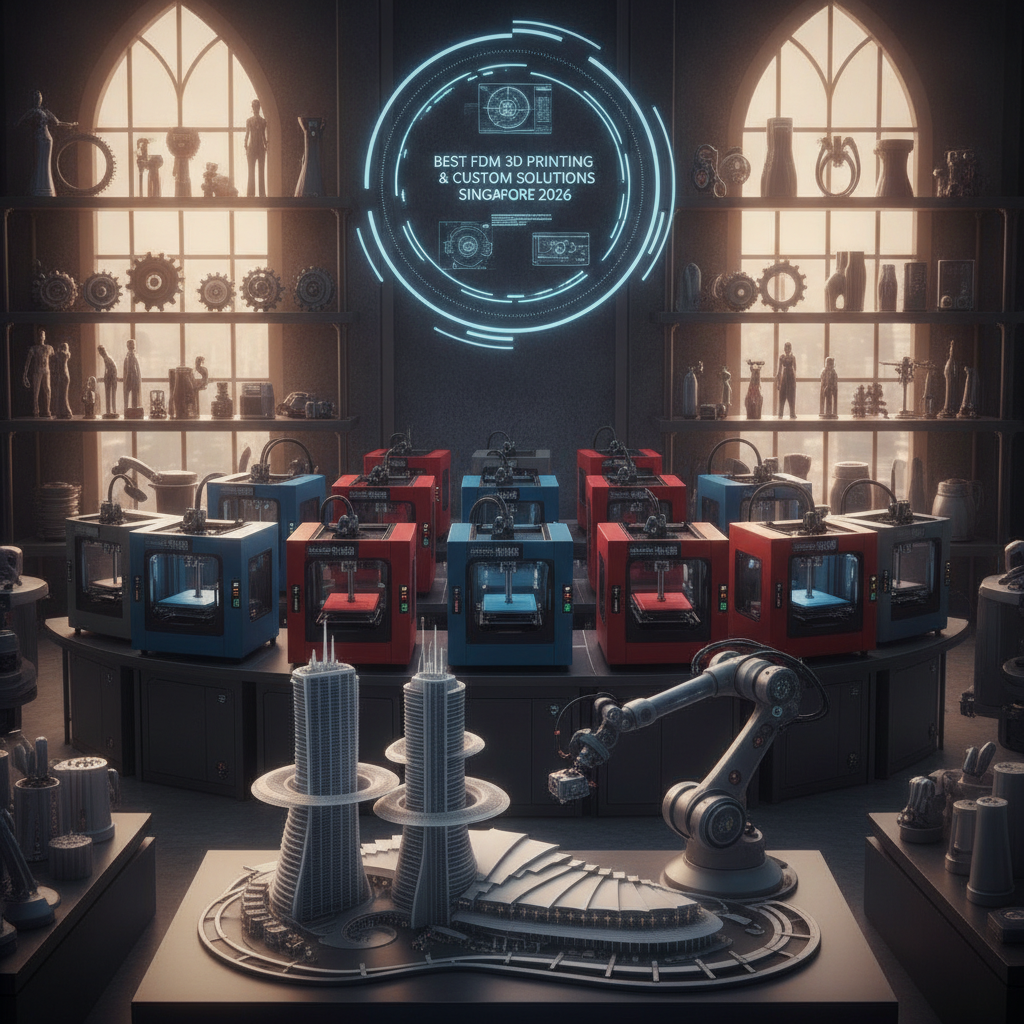

The world of art toys has evolved rapidly over the last decade, and 2026 marks a turning point. What began as small runs of hand-sculpted designer vinyl now includes highly detailed, custom pieces produced with advanced additive manufacturing. For artists, studios and collectors in Singapore, custom 3D printing Singapore offers speed, precision and a new level of creative freedom. This article breaks down the technologies, workflows and practical considerations for making high-quality art toys using custom 3D printing in Singapore.
Custom 3D printing reshapes what’s possible for art toys in three core ways: design freedom, rapid iteration, and small-batch economics. Complex geometries, internal structures, and multi-part assemblies that were once costly or impossible with traditional molding are now achievable. Designers can prototype, test, and refine characters quickly—then move to low-volume production without the overhead of expensive tooling.
Singapore’s manufacturing ecosystem supports this shift. Local providers combine international-standard printers and post-processing capabilities with fast turnaround times that suit limited-edition drops and collectible runs. If you need a reliable provider for production or prototyping, consider a specialized 3D printing service Singapore for collectible art toys.
A successful art toy project starts with a clear workflow. Typical stages include concept, sculpting (digital or physical), engineering for printability, prototyping, finishing, and small-batch production.
For projects focused on character fidelity and paint-ready surfaces, many studios turn to specialists in custom figurine design who bridge creative intent and engineering constraints.
Material selection influences aesthetics, durability and post-processing options. Popular choices for art toys include:
Finishing techniques are equally important: sanding, priming, hand-painting, airbrushing, decaling, and metal plating. In Singapore, post-processing studios can provide polishing, UV curing, electroplating and specialist coatings that create gallery-quality finishes.
Several trends define the art toy landscape in 2026:
Singapore’s tight supply chain and strategic location make it an attractive base for regional distribution. Companies offering scale collectible art toys rapid prototyping help creators scale from a single prototype to short production runs while maintaining consistent quality.
Moving from a prototype to a small production run requires planning:
For efficient engineering and production-ready files, look for vendors experienced in rapid prototyping Singapore and CAD modeling. Their expertise reduces surprises during printing and finishing.
Choosing the right technology affects costs, lead times and finish options. Many Singapore vendors offer hybrid workflows—SLA for master detail, then silicone molding for resin castings or small vinyl runs.
3D printing reduces upfront tooling costs, but per-unit prices vary with volume and finishing intensity. Expect these general patterns in 2026:
Lead times depend on printer availability and post-processing. Singapore-based providers can deliver faster regional shipping and clearer communication—advantages for limited-edition schedules. For projects prioritizing quick iteration and finish, consider 3D rapid prototyping Singapore for art toys services that specialize in fast turnaround with paint-ready outputs.
Sustainability is no longer optional. Collectors and creators expect environmental responsibility. Practical steps include:
Many Singapore providers now publish material data sheets and recycling programs, helping creators make informed choices that align with brand values and regulatory trends.
Selecting the right partner goes beyond price. Look for:
Working with a provider that understands both art and manufacturing reduces risk. For coordinated services spanning prototyping, CAD and production, suppliers specializing in 3D printing service Singapore for collectible art toys can be an efficient choice.
Running through this checklist prevents costly reprints and launch delays.
Custom 3D printing in Singapore empowers art toy creators with unprecedented control over detail, production flexibility and time-to-market. By understanding materials, workflows and vendor capabilities, artists can produce visually striking, collectible pieces that meet collector expectations and business goals. The right partner will help translate creative vision into a robust, manufacturable product, whether you’re experimenting with a one-off prototype or planning a serialized release. Embracing the technological and sustainability trends of 2026 positions creators to deliver memorable, high-quality art toys that stand out in a competitive market.