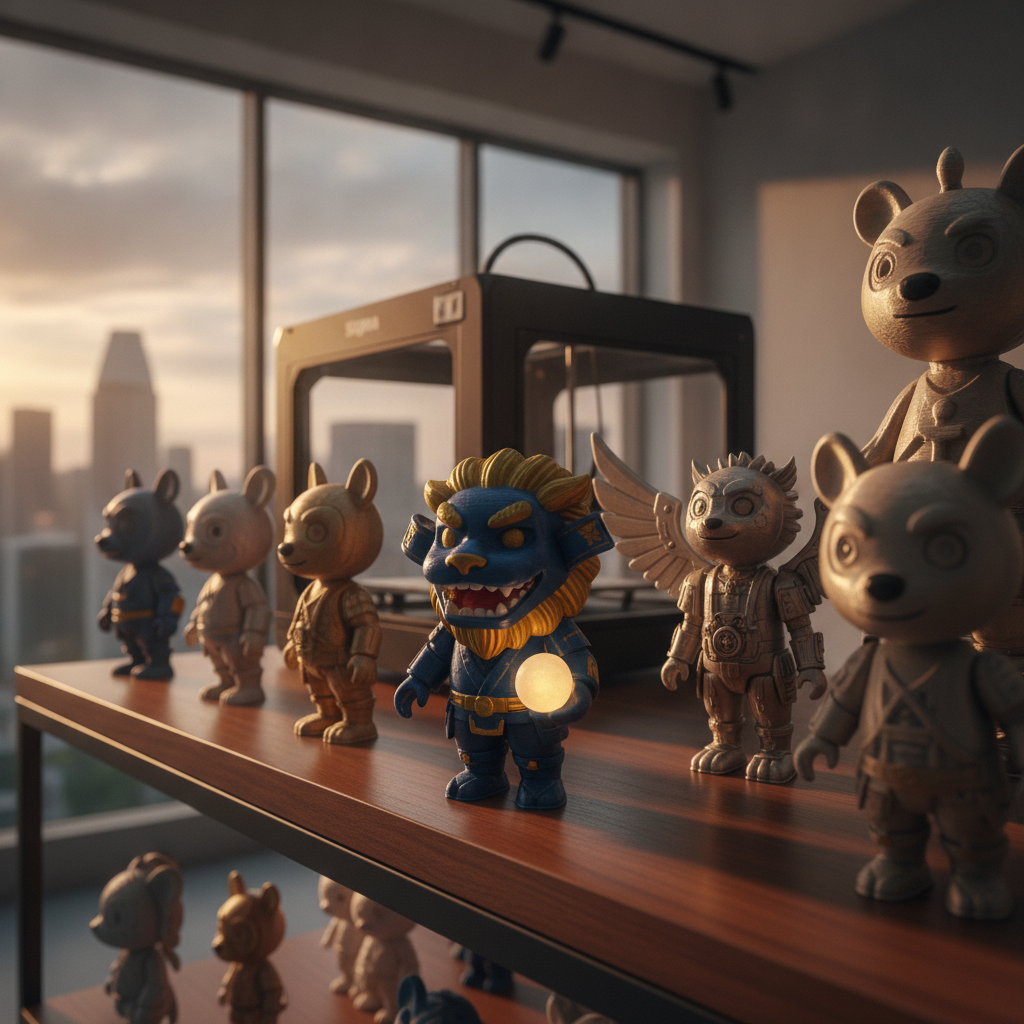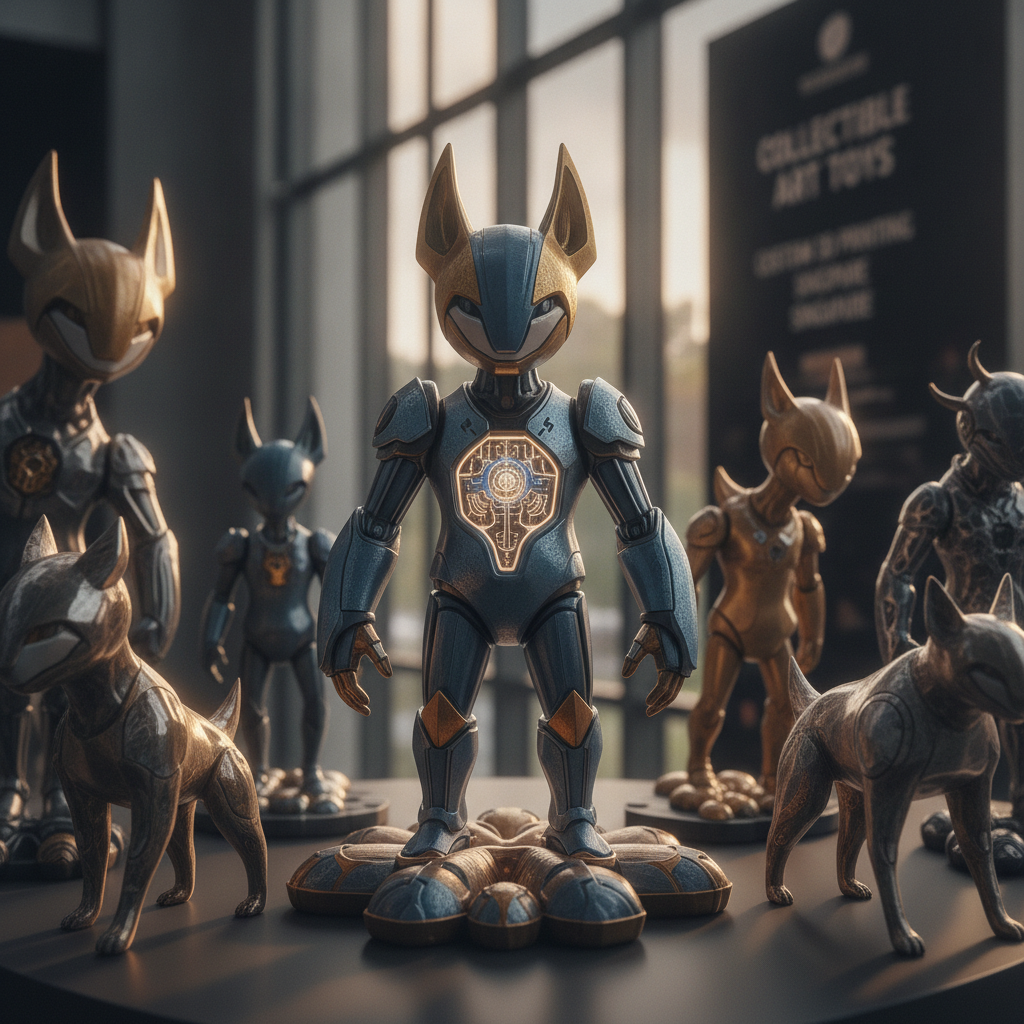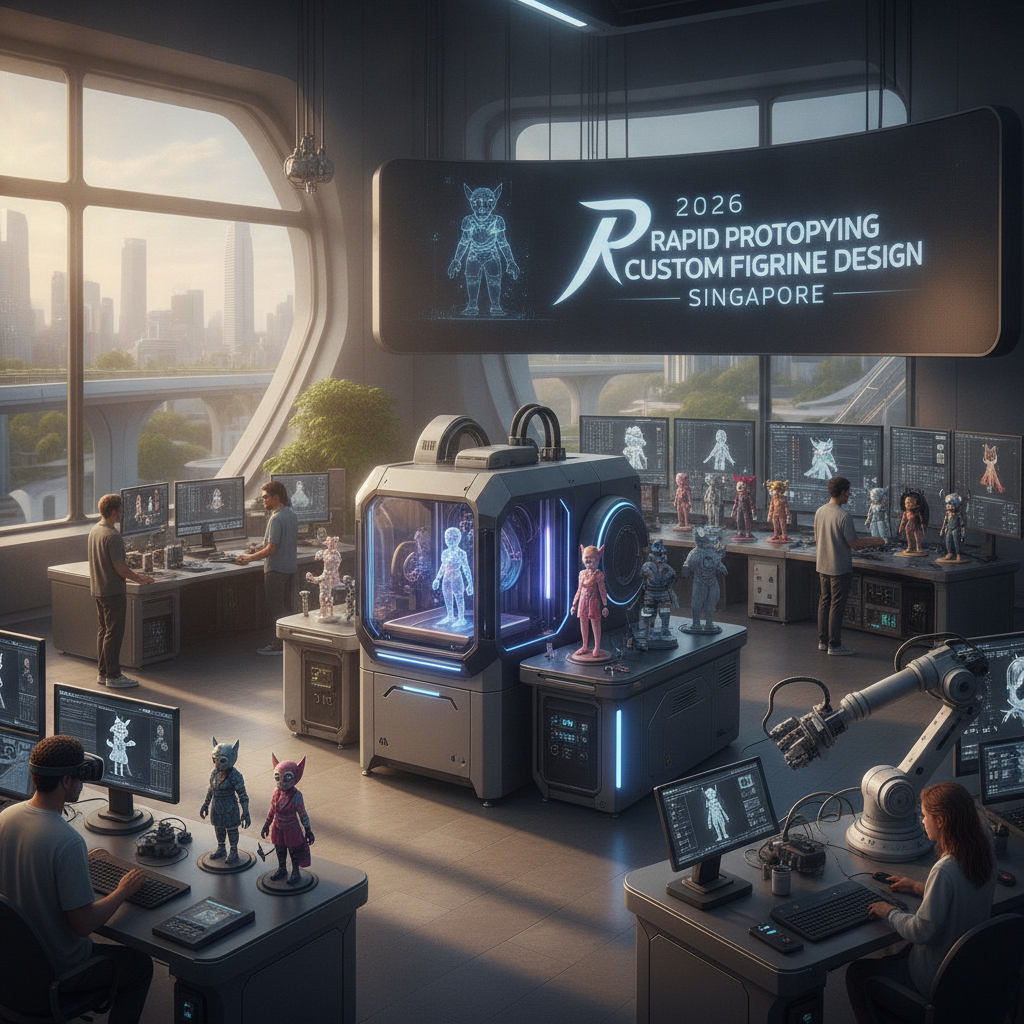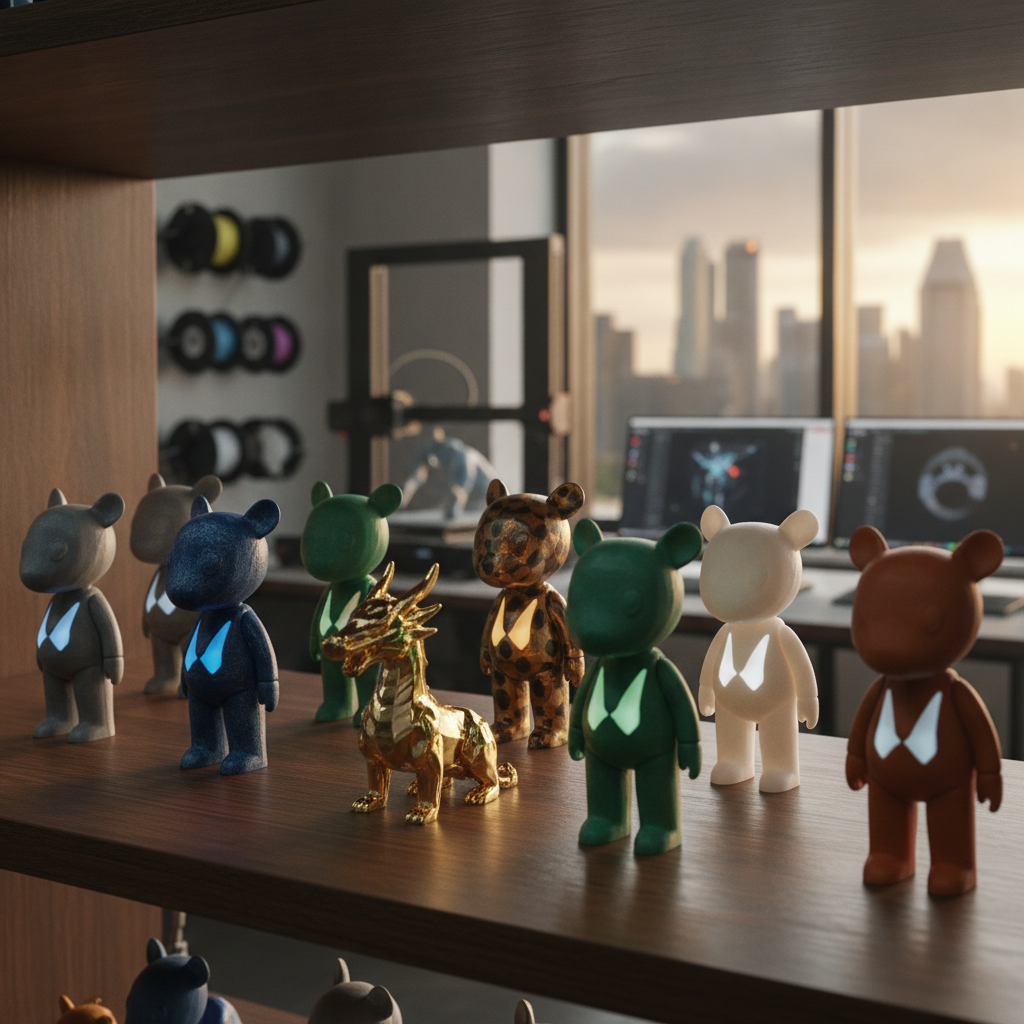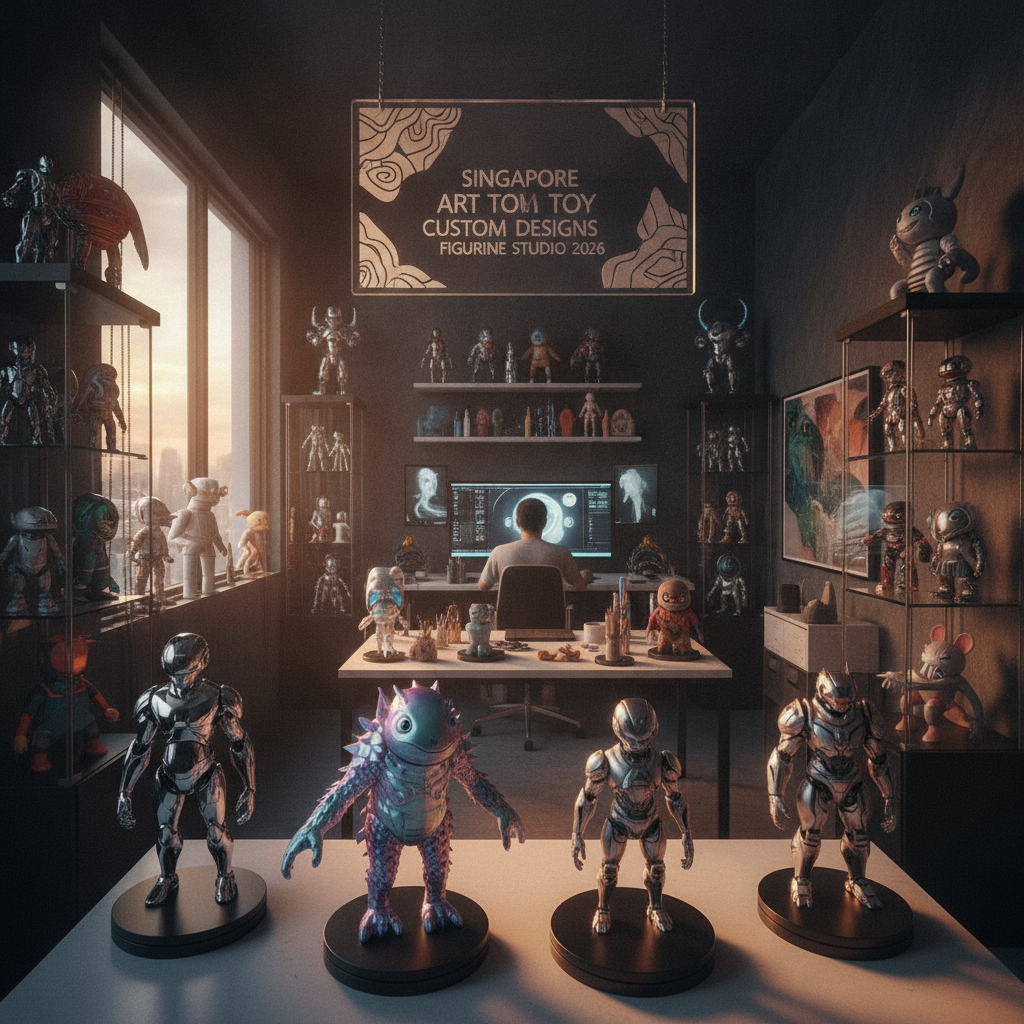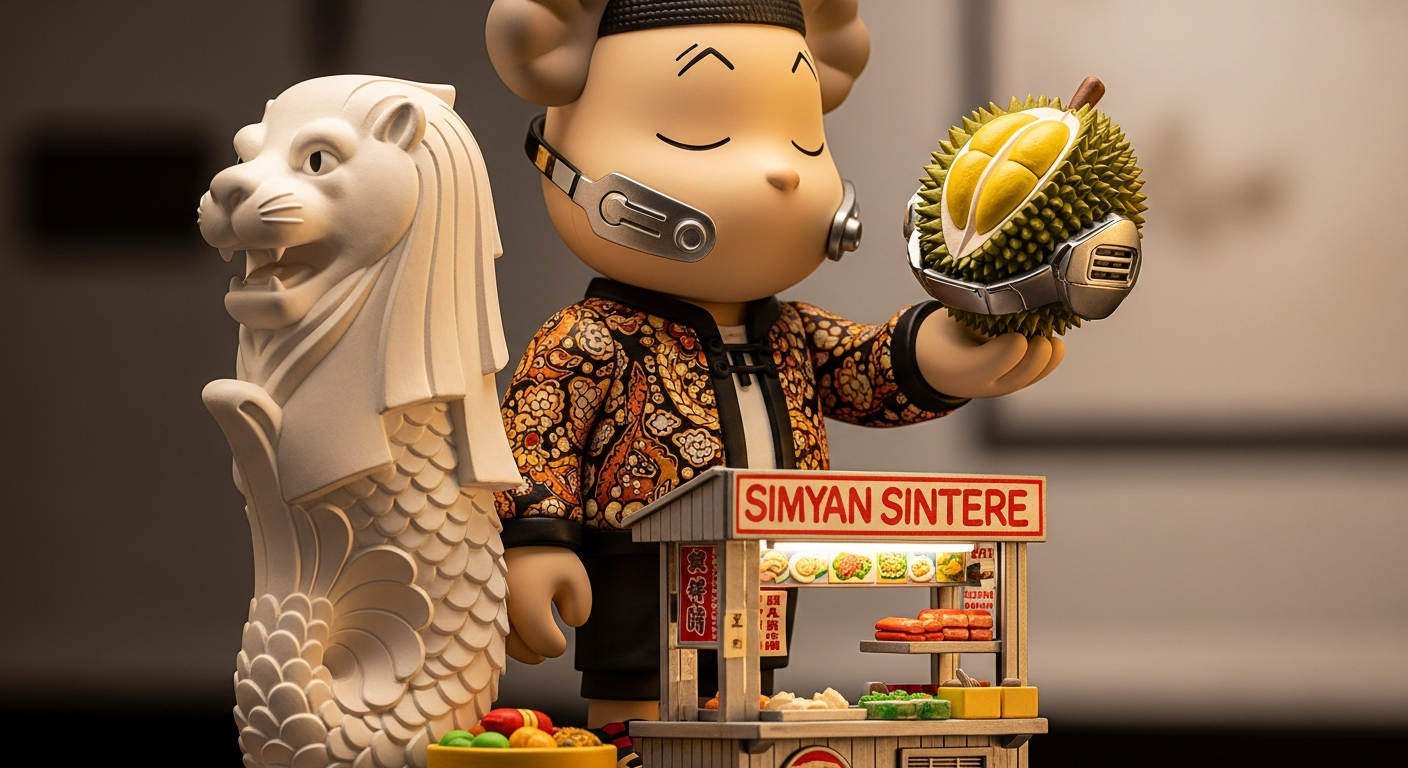
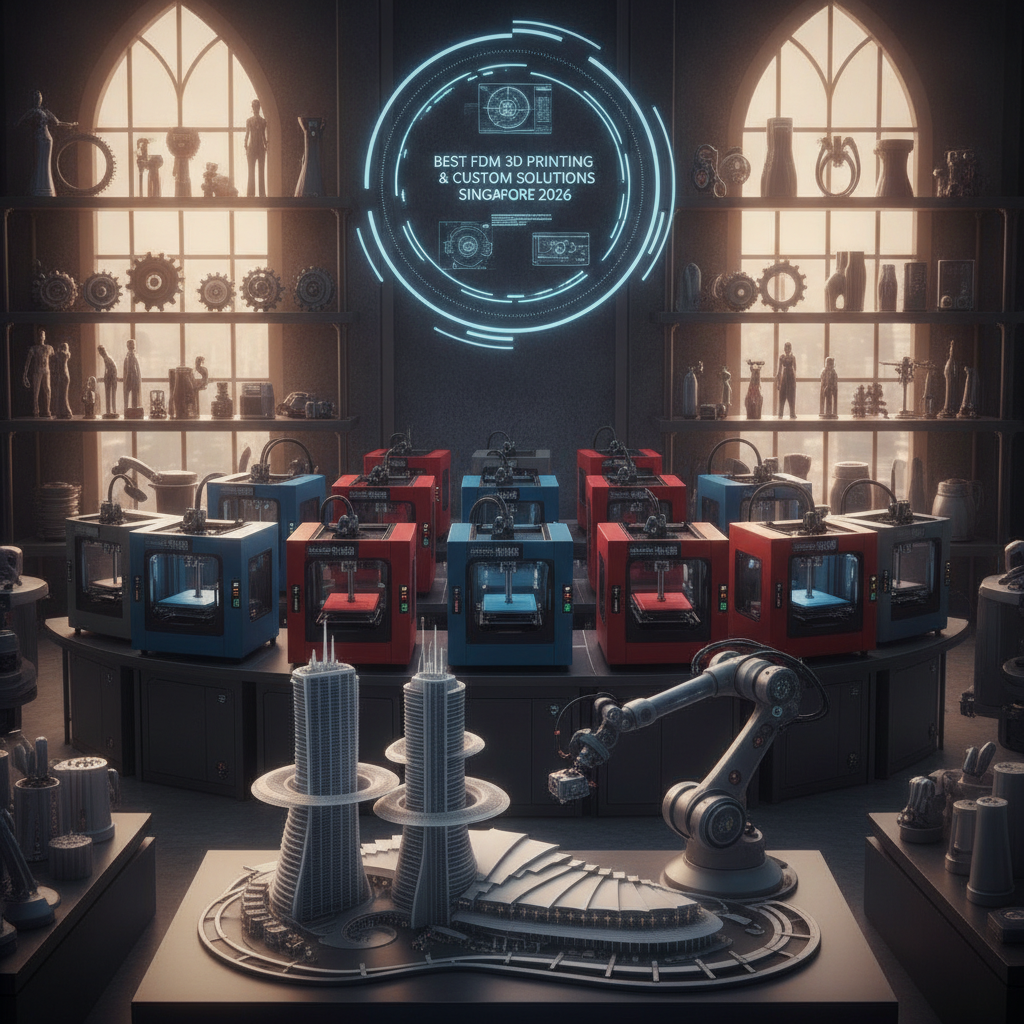

Limited edition art toys have evolved from niche curiosities to serious collectible assets. Today’s collectors seek pieces that combine strong concept, impeccable finishing, and authentic scarcity. For designers and brands in Singapore, that demand presents a real opportunity: the city-state combines creative talent, proximity to advanced manufacturing, and a savvy collector market. Whether you’re an independent artist launching your first drop or a studio scaling small-batch releases, understanding the end-to-end process from concept to market is essential.
The phrase limited edition art toys encapsulates more than a product — it’s a strategy that uses scarcity, story, and design to create durable value. In Singapore, the ecosystem for turning a figurine concept into a sellable, collectible object is robust: design schools produce digital sculptors and illustrators, local service providers offer high-fidelity prototyping, and regional logistics make distribution efficient.
A compelling limited edition release starts with story-driven design. Collectors respond to character, context, and provenance. Begin with a clear brief: who is the character, what emotion or narrative does it embody, and what makes it collectible? From there, iterate with quick sketches and mood boards, testing silhouette, scale, and potential articulation.
When refining form and surface detail, keep manufacturing constraints in mind — thin elements or undercuts can add complexity and cost. Early-stage digital sculpting lets you solve those challenges before committing to tooling or high-resolution prints.
A professional custom figurine design Singapore workflow typically follows these stages:
Singapore studios frequently combine in-house design with regional manufacturing partners to optimize turnaround and cost. Partnering with experienced local teams reduces communication friction and improves quality control throughout the process.
Advances in additive manufacturing have shifted economics for limited runs. For many projects, custom 3D printing Singapore enables high-detail batches without the upfront cost and lead time of tooling.
Benefits of using 3D printing for art toys:
For final production, studios often combine printed master parts with cast resin or short-run injection molding, depending on the tactile finish and durability required. Local 3D printing service Singapore providers offer a range of materials and post-processing options to match your aesthetic goals.
Accurate CAD modeling is crucial for going from a digital sculpt to a producible toy. CAD ensures parts align, joints snap together, and mechanical tolerances are correct. Key CAD considerations for art toys:
Prototyping rounds validate these CAD decisions. Use prototype paint-ups to test color separation, metallics, and weathering before committing to a full run. The more time invested in CAD and prototyping, the fewer costly surprises in production.
Materials influence look, weight, and price. Common choices include:
Finishes elevate perceived value. Hand-painting, airbrushing, metallic leaf, matte lacquers, and specialty varnishes can transform a basic sculpt into a museum-quality collectible. Limited edition strategies often include multiple finish tiers: standard, premium (signed/numbered), and artist-proof (AP) variants.
Determining edition size is both an artistic and commercial decision. Typical edition sizes:
Pricing formula (simple framework):
Transparent communication helps. Displaying edition numbers on packaging or base plates (e.g., “#23/250”) and including a signed certificate of authenticity increases perceived value and builds collector trust.
Packaging is part of the collectible. High-quality boxes, numbered inserts, acid-free certificates, and collectible cards add to desirability. Consider:
An exceptional unboxing experience not only delights the buyer but fuels social sharing — crucial for generating secondary demand.
Effective launches turn scarcity into urgency while nurturing long-term engagement. Techniques that work well for art toys:
Build and maintain a collector registry or newsletter to keep buyers informed about future drops and restocks — repeat collectors are the backbone of a sustainable brand.
Protecting your creative work is important. If your design is original, consider copyright registration in key markets and clear licensing agreements for collaborations. If working with licensed characters, secure rights in writing and clarify royalties, print runs, and geographic distribution.
Sustainability is an increasingly important differentiator. Use recycled packaging, low-VOC paints, and offer take-back or repair services to align with environmentally conscious collectors. Highlighting sustainable choices in product copy can be a selling point for discerning buyers.
Singapore’s strengths include design talent, tight supply chain links across Southeast Asia, and an efficient logistics infrastructure that supports regional distribution. The local scene includes specialist studios offering custom 3D printing Singapore capabilities, prototyping, and finish work that meet global collector expectations. Combining local design expertise with regional production partners allows creators to keep creative control while scaling releases effectively.
Limited edition art toys are not just products — they’re expressions of craft, narrative, and community. By treating design, prototyping, production, and marketing as an integrated process, creators in Singapore and beyond can produce pieces that delight collectors and appreciate in cultural value. Thoughtful edition sizing, meticulous CAD and prototyping, high-quality finishing, and smart launch tactics together create limited edition releases that stand the test of time.
For designers and studios committed to crafting collectible works, building strong partnerships across design, 3D printing, and production channels is the clearest path to successful, memorable drops that resonate with collectors and build a lasting legacy.