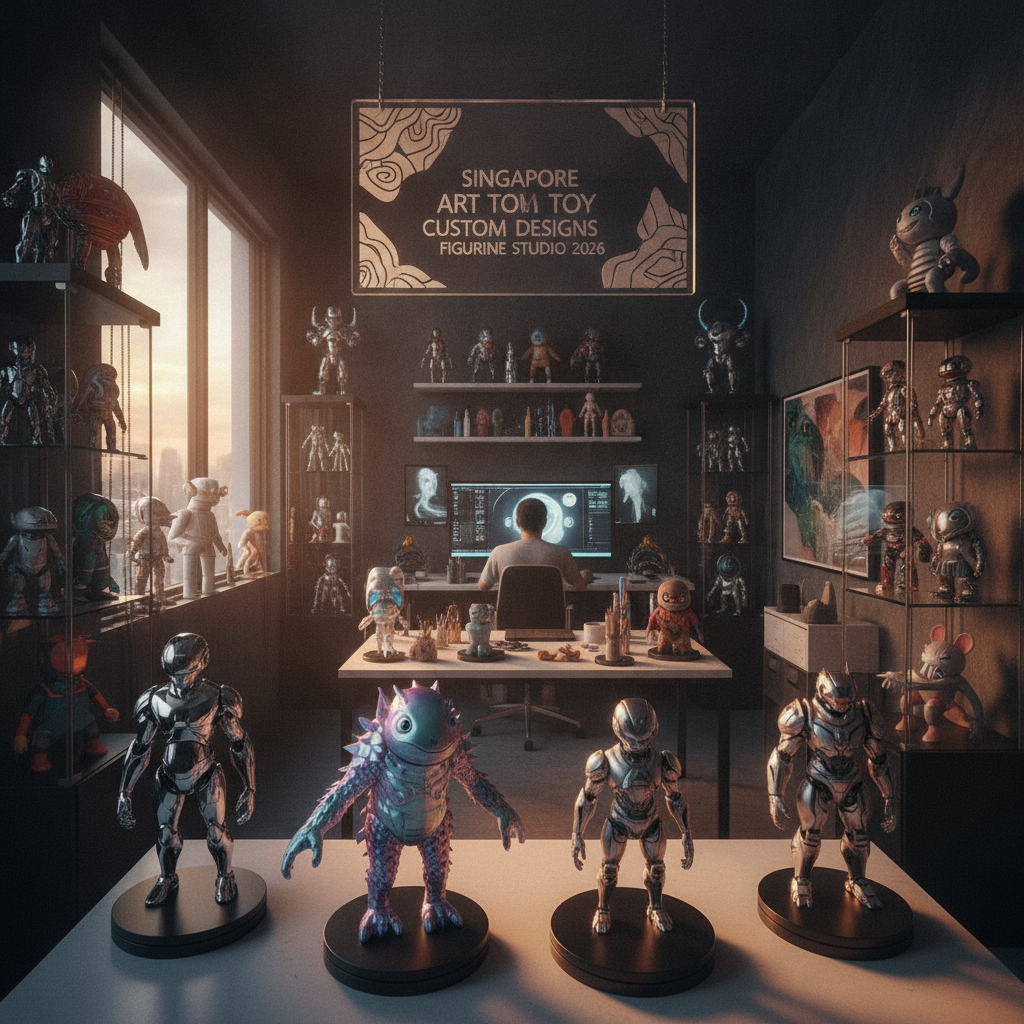
Why CAD modeling matters now for art toys
CAD modeling Singapore has become a cornerstone for designers and studios producing art toys — from one-off sculptural pieces to limited-run collectibles. In 2026 the market rewards precision, fast iteration, and repeatability. Whether you’re developing a soft-resin urban vinyl figure or a complex multi-part collectible, CAD provides the bridge between creative concept and manufacturable reality.
Art toys demand a balance: expressive surface detail from sculpting, and robust engineering for joints, seams, and assembly. Modern CAD toolchains let you maintain that surface integrity while validating tolerances, material behavior, and production constraints before a single prototype is printed.
Core CAD workflows and recommended software
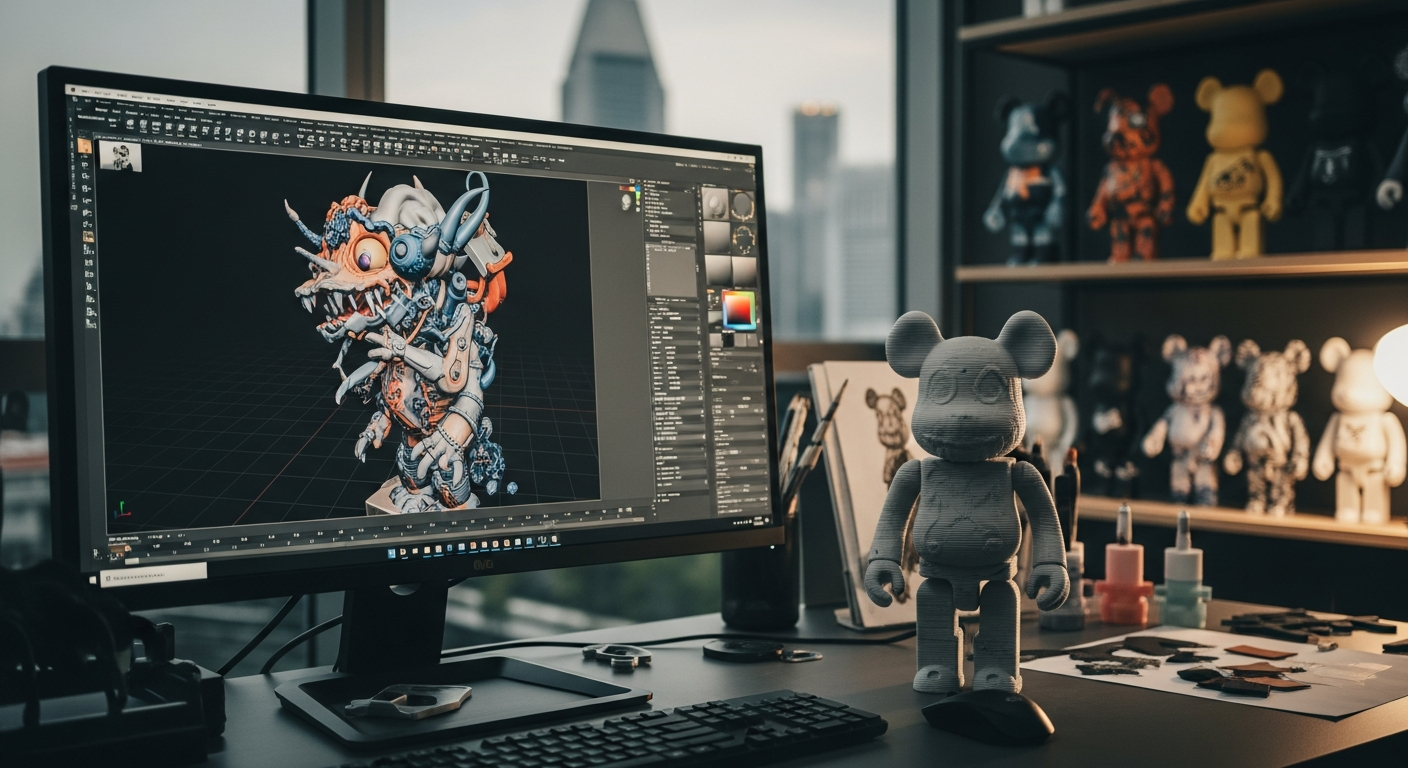
Sculpt-first workflows (ZBrush, Blender sculpting) remain dominant for organic characters, but they are complemented by parametric CAD (Fusion 360, SolidWorks) for engineering features like mounting bosses, snaps, and internal structures. Typical pipeline steps:
- Concept blockout: quick low-res sculpts to lock proportions.
- High-detail sculpt: ZBrush or Blender for fine surface work.
- Retopology & UVs: create a clean mesh suitable for printing or baking textures.
- CAD engineering: import retopologized meshes into Fusion 360 or SolidWorks for hard features, assembly mates, and dimensional checks.
- Export & validation: generate STL/OBJ for printing and STEP/IGES for mold or injection tooling.
Key tip: keep a non-destructive history in parametric tools so you can iterate dimensions (joint clearances, snap forces) without redoing the sculpt.
Design-for-manufacturing (DfM) essentials for art toys
DfM in art toys is about protecting intent while ensuring parts can be produced economically and repeatably.
- Wall thicknesses: For SLA and resin casting, maintain 1.5–3 mm walls where possible. For injection molding, follow material-specific minimums (often 1–2 mm but vary by resin).
- Draft angles: For any molded surface, add 1–3° draft to eliminate sticking and reduce demolding stress.
- Undercuts & inserts: Design snaps or complex undercuts as separate insertable parts or integrate side actions if injection molding is planned.
- Assembly & tolerances: Use interference fits intentionally; simulate snap engagements in CAD and allow 0.2–0.5 mm clearance for post-processing variability.
- Hollowing & escape holes: For resin SLA prints, hollow large volumes (3–5 mm wall) and add escape/drain holes for resin removal and post-cure consistency.
When you need hands-on design-for-manufacturing assistance, a local partner with expertise in both creative sculpting and engineering is invaluable — consider a custom figurine design service to combine artistry with manufacturability.
Prototyping options available in Singapore and when to use them
Singapore has a dense prototyping ecosystem: from desktop FDM and SLA studios to industrial SLS, urethane casting labs, and injection molding partners. Choose based on fidelity, function, and volume.
- FDM: Cheap and fast for fit checks and basic articulation tests.
- SLA (resin): High surface fidelity; ideal for final-detail proofing and master patterns for molds.
- SLS: Good for functional components and durable prototypes with complex geometry.
- Urethane casting & silicone molds: Cost-effective for small runs while preserving surface detail from an SLA master.
- Injection molding: Best for larger runs (hundreds to tens of thousands); upfront tooling cost but lowest per-part price.
If you want to optimize scale and rapid iteration in the Singapore market, look into providers that combine digital design with manufacturing, such as scale-oriented studios for scale collectible art toys.
File formats, tolerances and mesh hygiene
Deliverable quality starts with files. Use the right format for the right purpose:
- STL/OBJ: Standard for 3D printing; ensure watertight meshes, correct normals, and freed-from self-intersections.
- STEP/IGES: Use for tooling and injection-molding partners; these carry parametric data.
- FBX/GLTF: For AR/VR previews and PBR textures.
Mesh hygiene checklist:
- Watertight surfaces (no holes).
- Consistent normals and no inverted faces.
- Reasonable polycount — keep detail but decimate where fine features are unnecessary for downstream processes.
- Separate objects for parts with different materials or finishing requirements.
For hybrid workflows that combine sculpt detail with engineering, a clean retopology combined with a STEP export of critical mechanical elements reduces risk when handing off to manufacturers.
Surface finish, paints and color 3D printing
Art toys are distinguished by surface finish and color. In Singapore, studios increasingly combine color-capable 3D printing (full-color sandstone or PolyJet) with hand-painting and tampo printing for decals. Consider these points:
- Print orientation affects surface detail and layer lines — rotate parts to keep visible faces smooth.
- Sanding and primer fill: plan for a consistent workflow to remove layer lines before painting.
- Color 3D printing is evolving, but for high-fidelity collectibles hand painting or pad printing still often creates the best results.
Advanced trends shaping CAD modeling Singapore for art toys in 2026
- AI-assisted sculpting: Tools that accelerate retopology, suggest deformation fixes, or auto-generate accessory variants are now common in professional pipelines.
- Generative design: Used selectively to optimize internal lattice structures for strength and weight in large pieces.
- Sustainability: Recycled resins and bio-based materials are rising; design choices for repairability and part-replacement reflect conscious brand positioning.
- Digital-first drops: Many collectives pair physical art toys with AR previews or limited NFT-backed provenance to add collectible value. For packaging and drop strategy advice see the 2026 guide to limited edition art toys.
- Integrated prototyping services: Studios that combine sculpting, CAD, and in-house 3D rapid prototyping save weeks in the development cycle — a clear advantage in competitive drops. Explore options for 3D rapid prototyping Singapore to shorten iteration loops.
Cost drivers and realistic timelines in Singapore
Typical timeline for a small collectible (concept to first market-ready prototype): 2–8 weeks depending on complexity and finishing.
Major cost drivers:
- Tooling (injection molds): highest upfront cost but amortized over large runs.
- Finish level: hand painting and specialty coatings increase per-piece labor.
- Material choice: specialty resins and certified child-safe materials can add cost.
- Iterations: fewer CAD/print cycles reduce overall spend — invest in good CAD validation early.
For many designers, partnering with a provider that offers bundled services — from CAD to finishing — reduces both time and hidden costs. Local rapid prototyping networks that handle both design and manufacture are particularly efficient; see an example of combined services in rapid prototyping Singapore and CAD modeling Singapore.
Practical tips for joints, pins, and moving parts
- Snap-fit design: Model fillets and chamfers where parts meet to reduce stress concentrations.
- Pins & bushings: Use metal inserts or small brass tubes for high-wear pivots to extend lifespan.
- Tolerances: For small plastic snaps, design with ±0.2 mm consideration depending on the finishing method.
- Lubrication & coating: Some finishes change friction — prototype with final finishes applied to validate movement.
Case example: limited edition drop engineering
Many independent brands run limited runs of 50–500 pieces. The workflow often looks like:
- Sculpt and CAD-integrate the figure art.
- Produce an SLA master and create a silicone mold for urethane casting for the first 50–200 pieces.
- Parallel tooling design for injection molds if demand scales.
- QA and serial numbering for provenance.
Working with a partner fluent in both creative design and production helps maintain surface fidelity while ensuring parts are manufacturable. If your aim is a small run with museum-quality finishes, investigate combined-scale services for scale collectible art toys and rapid prototyping options.
Final checklist before production
- Validate CAD assemblies and run interference checks.
- Produce a painted prototype to confirm color and finish choices.
- Confirm material certifications and safety standards for the target market.
- Prepare tooling-ready STEP files and annotate critical tolerances.
- Plan for spare parts or repair kits if the toy includes mechanical elements.
For studios and individual creators in Singapore, leveraging local prototyping hubs that offer both CAD modeling and manufacturing shortens the path to market. A combined approach to design, prototyping, and finish secures the artistic intent while delivering a reliable collectible to fans and collectors. For hands-on rapid iteration, consider specialist partners listed under rapid prototyping Singapore and CAD modeling Singapore.
Conclusion
CAD modeling Singapore for art toys in 2026 is a mature, hybrid discipline: it blends freeform sculptural intent with engineering rigor. By applying DfM principles, choosing the right prototyping pathways, and leveraging Singapore’s rapid-prototyping ecosystem, creators can deliver beautiful, collectible, and manufacturable art toys that meet both artistic goals and market realities. For practical, production-focused help that spans design to finished runs, check specialized local resources and studios that integrate sculpting, CAD, and prototyping into a single service chain.