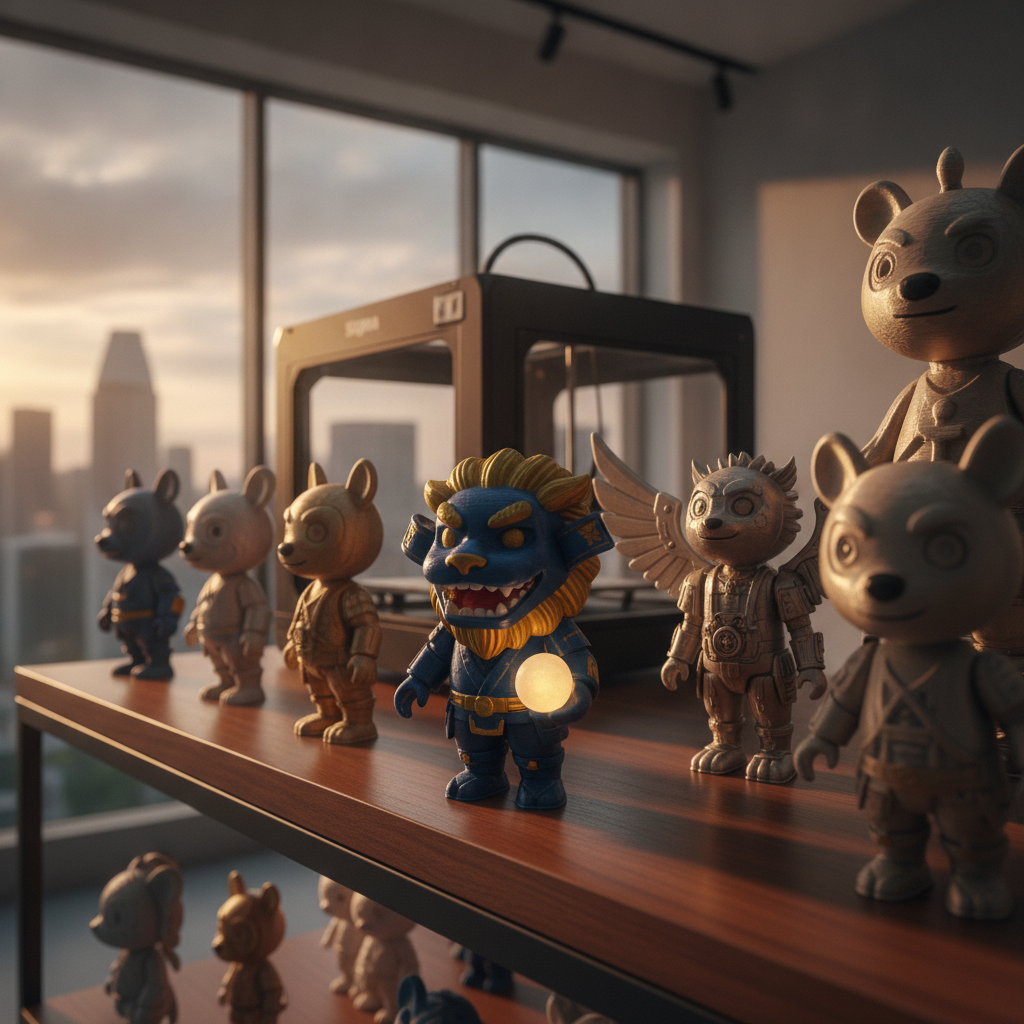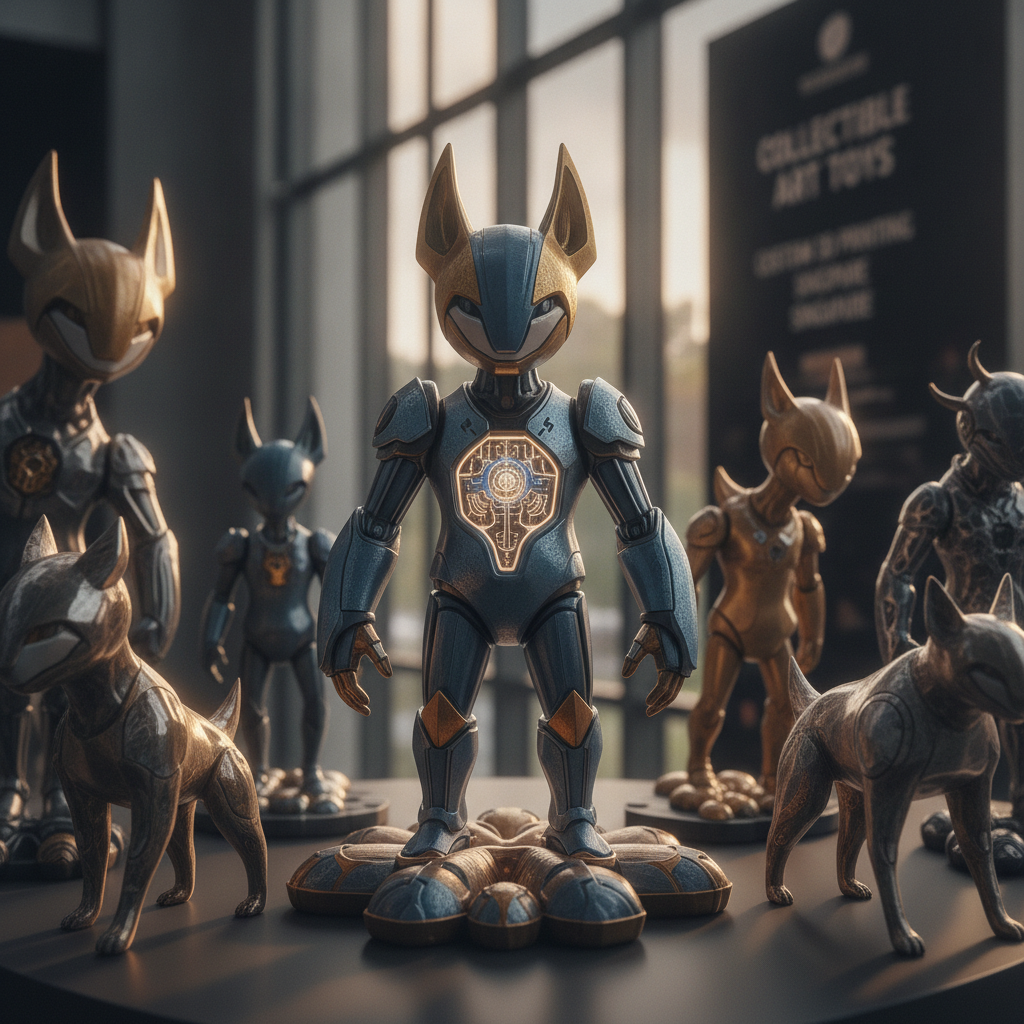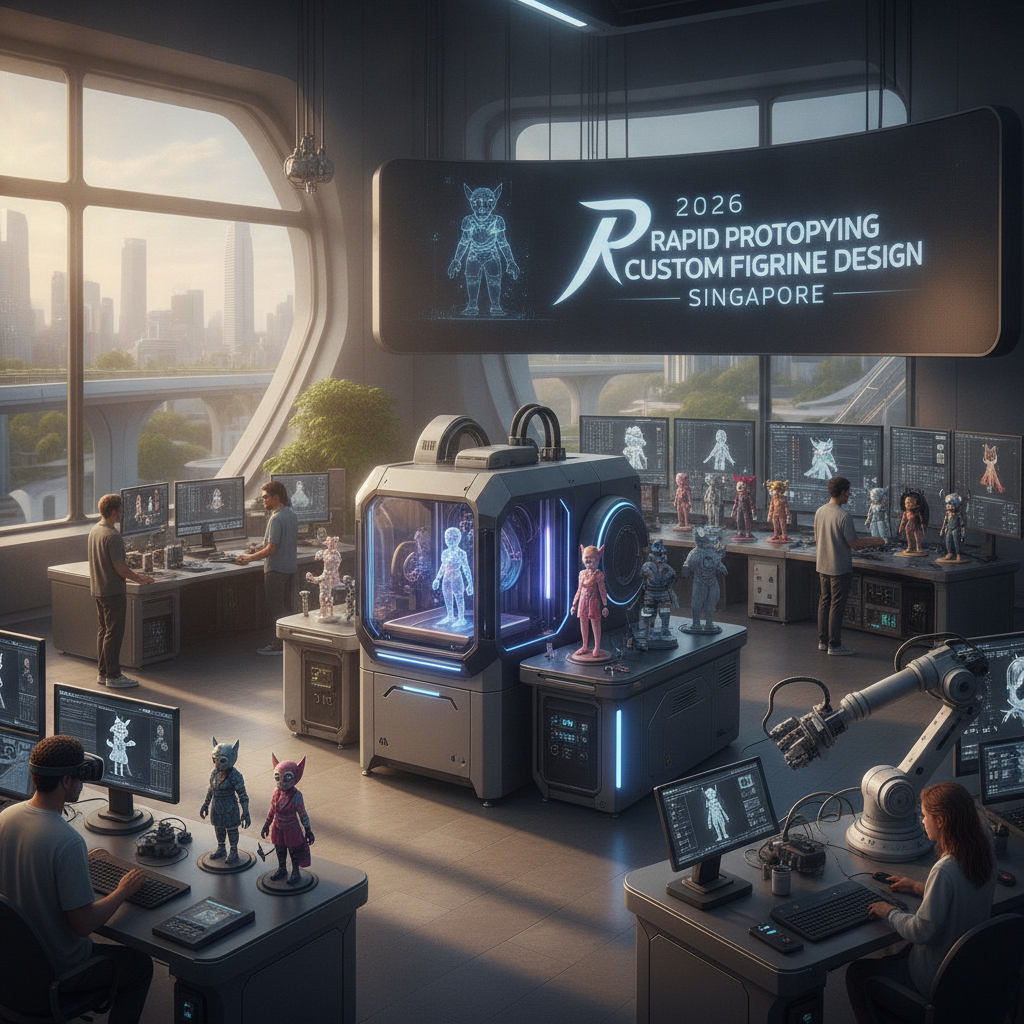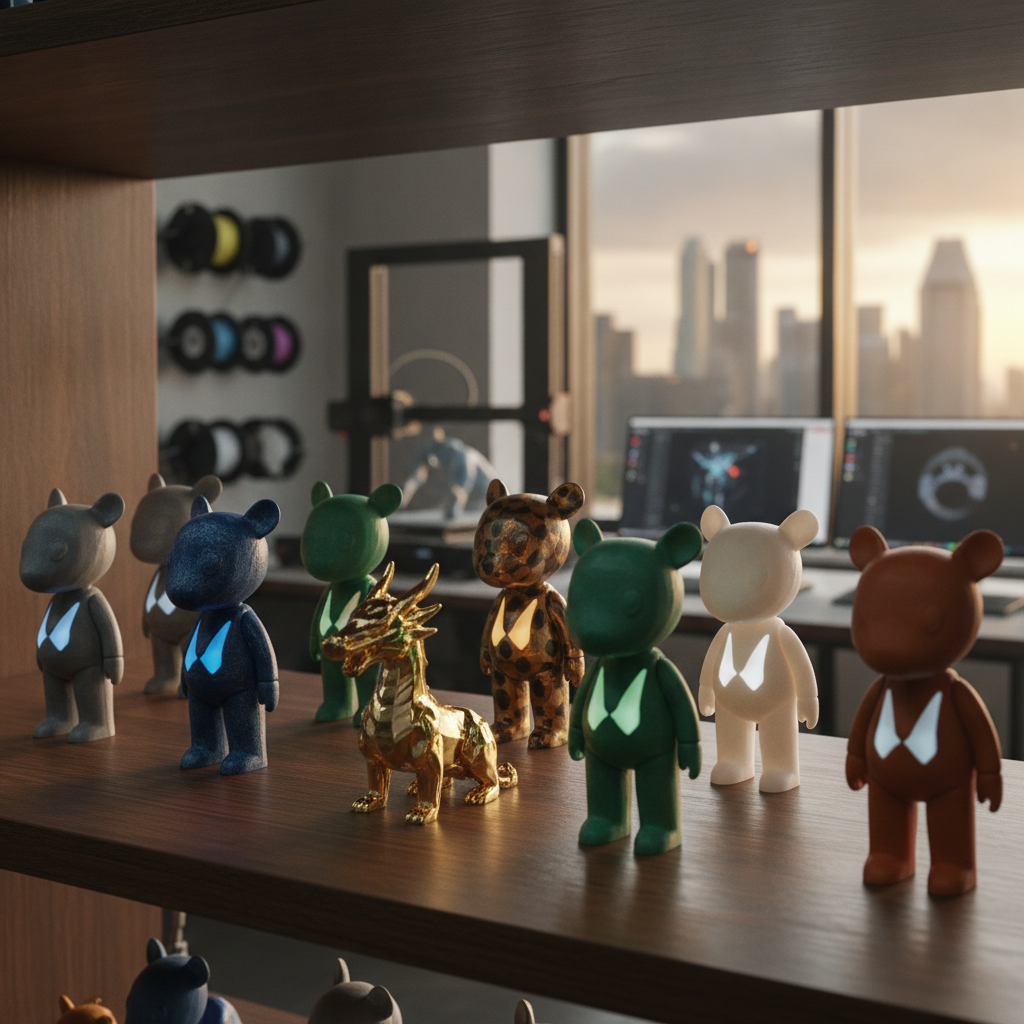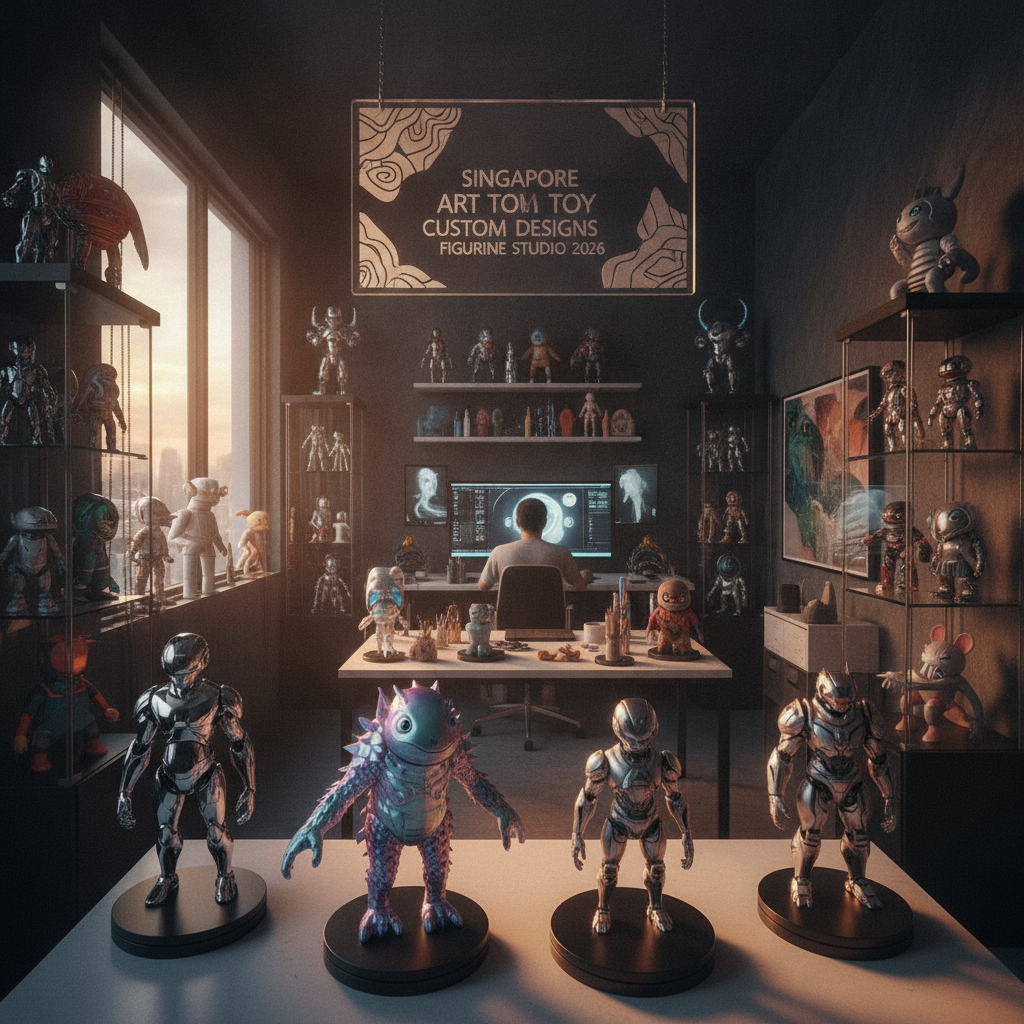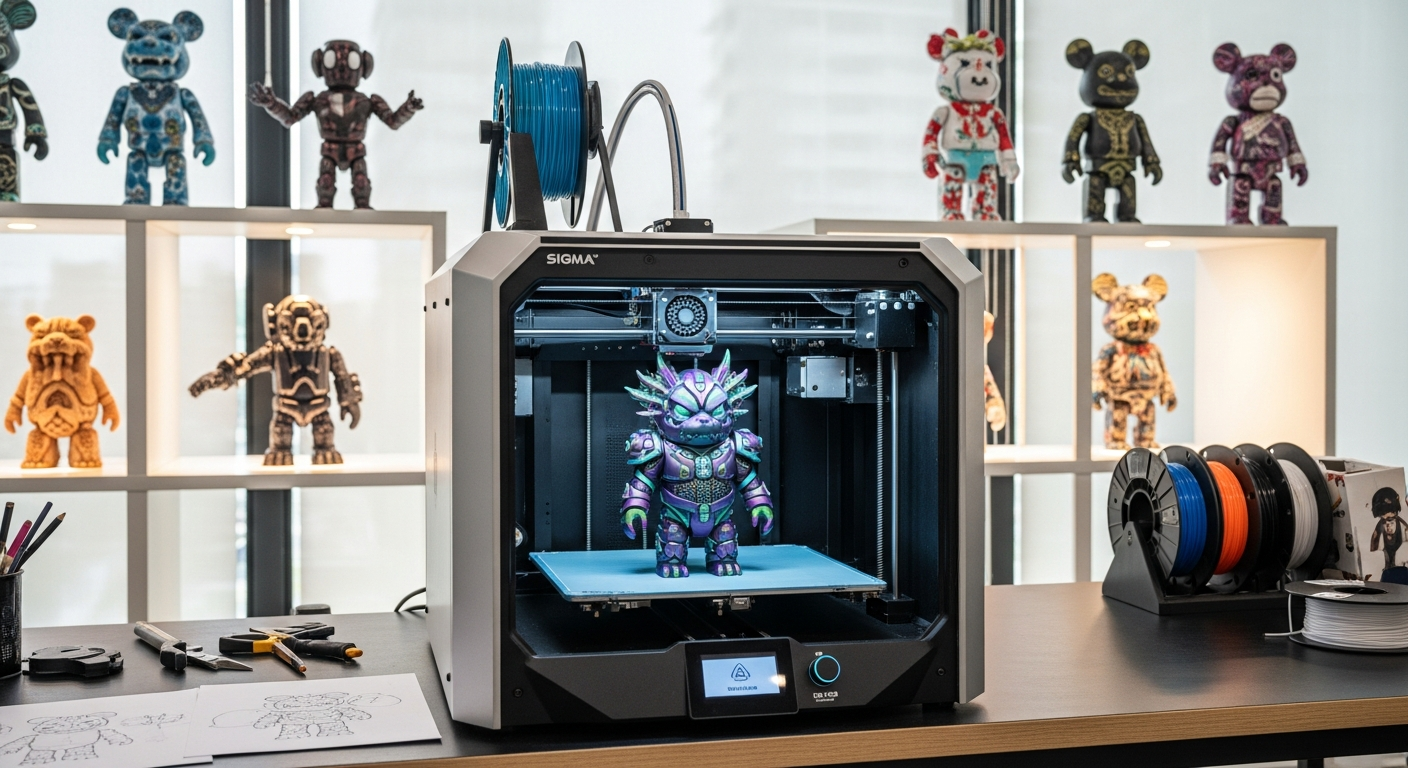

The intersection of custom 3D printing Singapore and collectible art toys is no longer niche — it’s a market force reshaping how artists, small studios, and brands conceive, prototype, and produce designer collectibles. By 2026, advances in hardware, materials, and digital workflows have reduced time-to-market and unlocked new creative possibilities. This article examines the practical impacts, technology trends, and business opportunities driving the collectible art toy scene in Singapore and beyond.
Rapid iteration is foundational to collectible art toys, where sculpt, pose, and texture define value. Custom 3D printing Singapore services let creators move from sketch to physical sample in days rather than weeks. High-resolution resin printing and finely tuned SLS runs enable designers to validate surface details, joints, and articulation before committing to tooling or limited runs.
Design teams are increasingly integrating professional CAD pipelines early. For sculptors and concept artists working with engineers, proper digital files reduce wasted cycles and ensure print-ready geometry. Services focused on CAD for toys have become a staple; studios can now outsource precise parametric and organic modeling to specialists who understand toy tolerances and assembly. See how expert CAD work supports toy production in this CAD modeling resource: https://artsoustudio.com/cad-modeling-singapore-for-art-toys-2026/.
Material science has been an engine of change. Today’s custom 3D printing Singapore ecosystem supports a palette that includes high-detail photopolymer resins, durable nylon powders, multi-material elastomers and increasingly accessible color-capable processes. These options matter for collectible art toys where finish fidelity — matte skin, glossy accoutrements, or flexible joints — can make or break perceived quality.
Post-processing techniques like chemical smoothing, micro-sanding, primer bathing, and precision painting are now offered as turnkey services alongside printing. When quality control is aligned with prototyping, small limited editions can achieve near-injection-mold aesthetics without expensive tooling, making limited releases economically viable.
One of the strongest value propositions for artists and indie brands is the ability to produce short runs profitably. Custom 3D printing Singapore shrinks minimum order quantities, allowing collectors to access scarce, high-value pieces and creators to test concepts without major upfront investment.
These short runs are supported by turnkey 3D printing services tailored to collectible art toys. For teams that need precision and finishing, a dedicated 3D printing service in Singapore can manage everything from print orientation to final coating to ensure the toy meets collector expectations. Learn more about such integrated service offerings here: https://artsoustudio.com/3d-printing-service-singapore-for-collectible-art-toys-2026/.
Success with collectible art toys requires marrying expressive sculpting with robust engineering. Designers must account for snap-fit assemblies, reinforced joints, and balance for display. This is where collaborative workflows that combine artistic vision with technical CAD come into play. For creators seeking external expertise, specialist teams offer full custom figurine design services that transform character concepts into assemblies optimized for print and assembly: https://artsoustudio.com/custom-figurine-design-singapore-collectible-art-toys-2026-2/.
Early involvement of engineering insights reduces late-stage revisions and creates reproducible parts for collectors who expect consistent quality across editions.
While one-off art toys remain popular for art shows and personal commissions, the demand for small-series runs and seasonal drops has grown. Custom 3D printing Singapore providers support scaling through optimized nesting, batch-oriented finishing, and guided material selection. For creators looking to move from prototype to scaled releases, rapid prototyping services focused on collectible art toys can streamline that transition: https://artsoustudio.com/scale-collectible-art-toys-rapid-prototyping-singapore-2026/.
Efficient batching and quality checks help maintain fidelity across a series, which is essential for building brand reputation in the collector community.
Sustainability is a rising expectation among consumers and collectors. In 2026, custom 3D printing Singapore players are increasingly offering bio-based resins, recycled powders, and take-back programs for damaged or obsolete pieces. Designers are responding with modular toys whose parts can be replaced or upgraded, extending lifetime and reducing waste.
The ability to print on-demand also reduces inventory risks and overproduction — a major environmental win compared with traditional mass manufacturing. Whether through recyclable materials or improved supply-chain transparency, sustainability is becoming integral to collectible art toy value propositions.
Collectors are attracted to scarcity, provenance, and story. Custom 3D printing Singapore enables artists to create limited drops with serial numbering, embedded NFC tags for provenance, or unique finish variations. This tech-enabled scarcity deepens collector engagement and supports secondary market values.
Platforms and communities have matured; direct-to-collector drops and verified digital registries allow creators to retain margins and build direct relationships. Producers that combine high-fidelity physical production with digital authentication stand out in 2026.
As collectible art toys become mainstream, IP and licensing considerations grow more complex. Custom 3D printing Singapore studios are advising clients on IP protection, contract clarity for collaborations, and safe handling of licensed characters. Collaborations between local artists and global IP holders are increasingly feasible because small-batch printing reduces risk while testing market appetite.
Designers should ensure clear agreements on reproduction rights, territorial distribution, and digital asset ownership if 3D files are shared with third-party printers or platforms.
Collectors expect professionalism: consistent paint, tight seams, and durable joints. Quality assurance processes in modern custom 3D printing Singapore facilities include dimensional verification, stress testing for movable joints, and color consistency checks. Studios offering integrated finishing—from primer and base coats to hand-painted highlights—close the gap between prototype and product-ready collectibles.
For teams needing both design and manufacturing support, combining rapid prototyping with skilled CAD modeling forms a reliable end-to-end pipeline: https://artsoustudio.com/rapid-prototyping-singapore-and-cad-modeling-singapore-2026/.
Pricing collectible art toys in 2026 depends on perceived rarity, artist reputation, materials used, and post-processing labor. Many creators adopt tiered releases: a handful of ultra-limited artist proofs, a small premium run with enhanced finishes, and a larger ‘standard’ edition. Pre-orders, crowdfunding, and subscription models (periodic mini-drops) help fund production while building community.
Because custom 3D printing Singapore lowers tooling costs, creators can experiment with these models without catastrophic financial risk.
Collector communities, online marketplaces, and curated galleries play a central role in discoverability. High-quality imagery, behind-the-scenes process content, and limited-edition storytelling increase perceived value. Designers who share their creation process — from CAD sculpting to print and finish — often build more engaged followings and stronger resale markets.
Integration with local galleries, toy fairs, and collaborative pop-ups in Singapore helps artists reach regional collectors and press.
Custom 3D printing Singapore has matured into a strategic enabler for collectible art toys. By 2026, the blend of high-fidelity printing, advanced CAD workflows, accessible materials, and professional finishing has lowered barriers for creators while elevating product quality. Artists and small brands that leverage these capabilities—paired with smart release strategies and community engagement—can build durable, collectible lines without prohibitive tooling costs.
Strategic partnerships with specialized studios for CAD, printing, and finishing help creators focus on what matters most: compelling design and authentic storytelling that resonates with collectors.