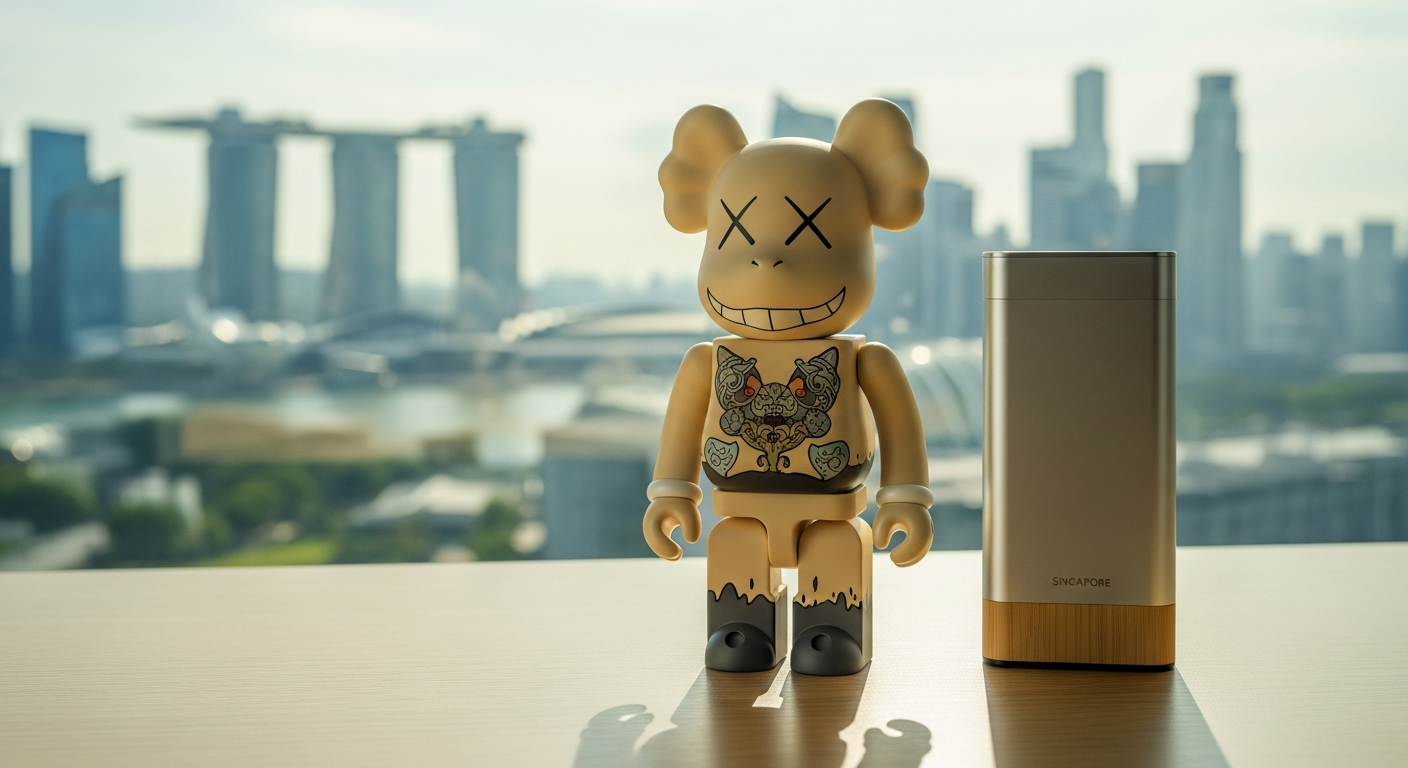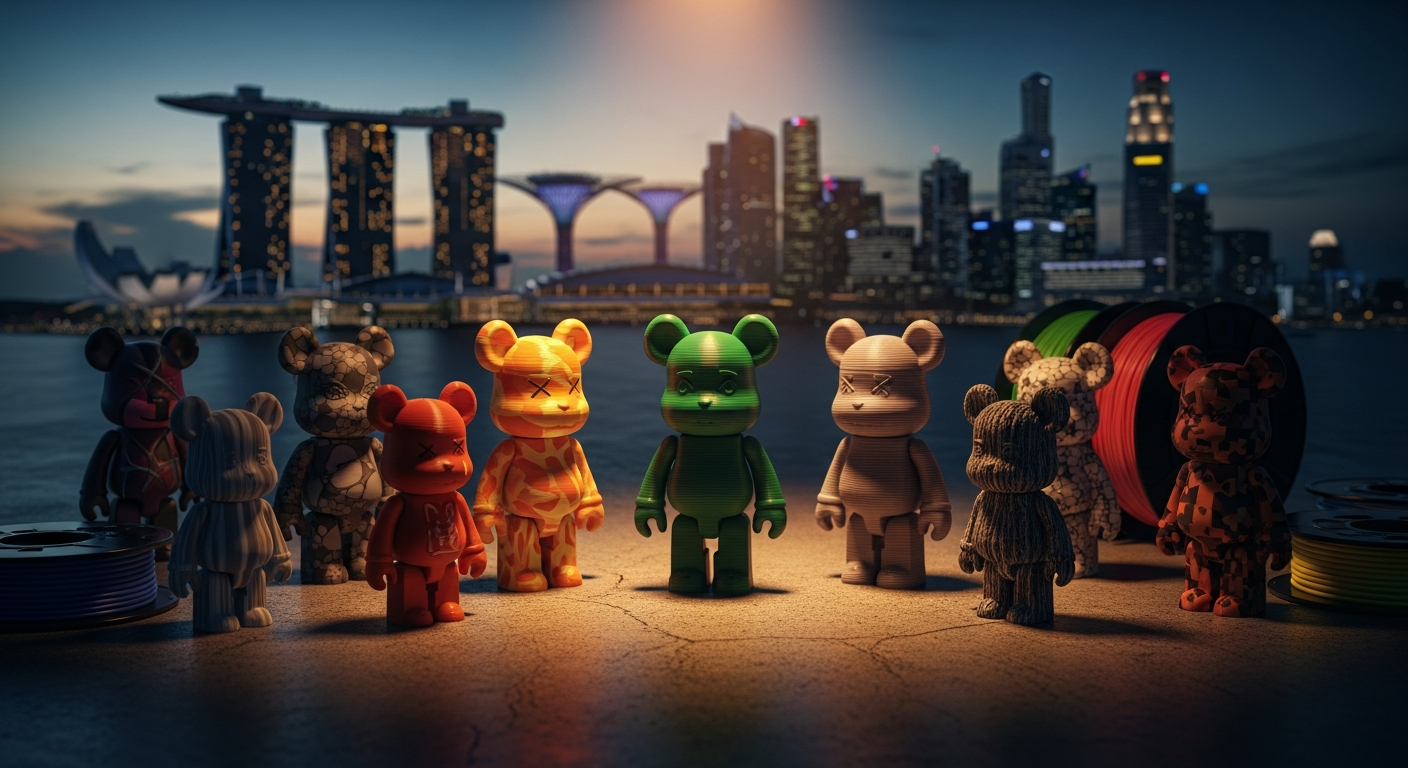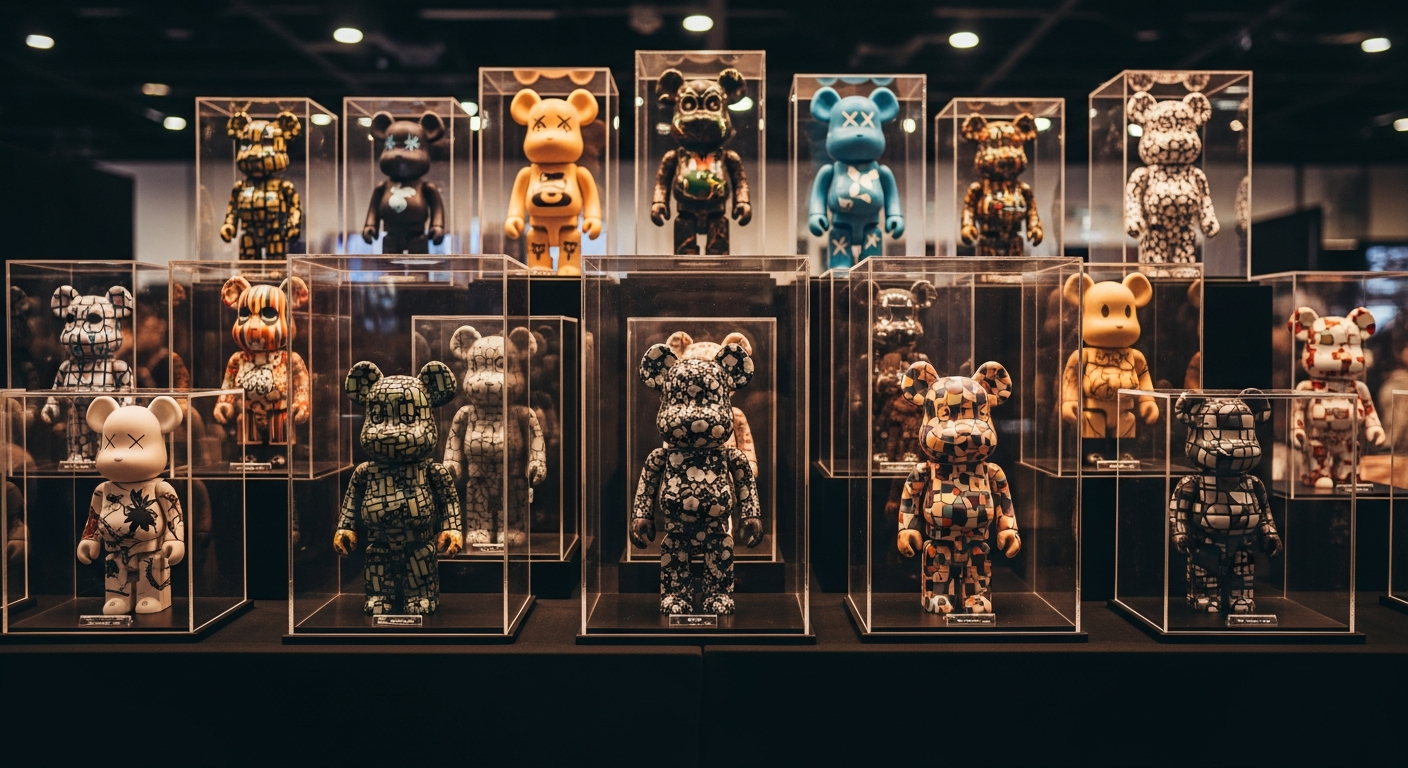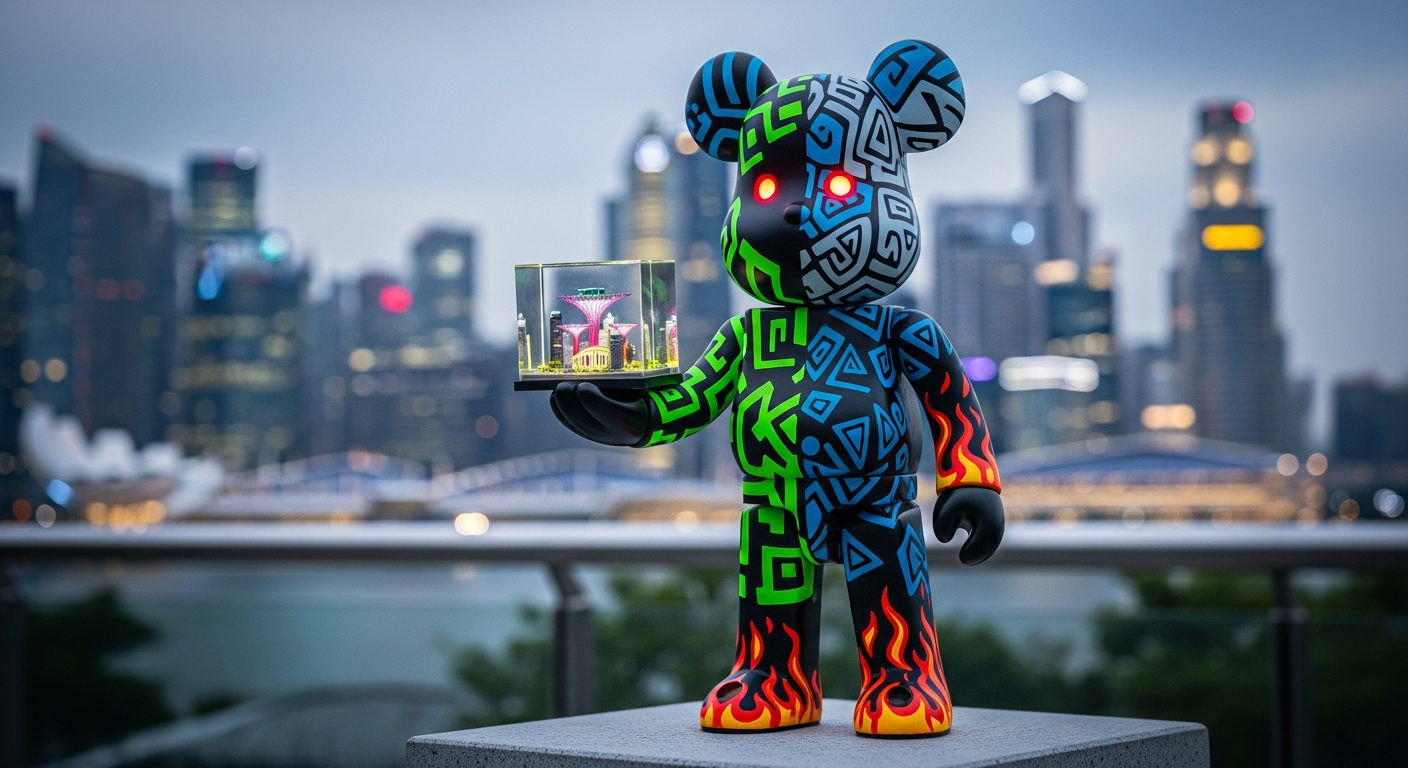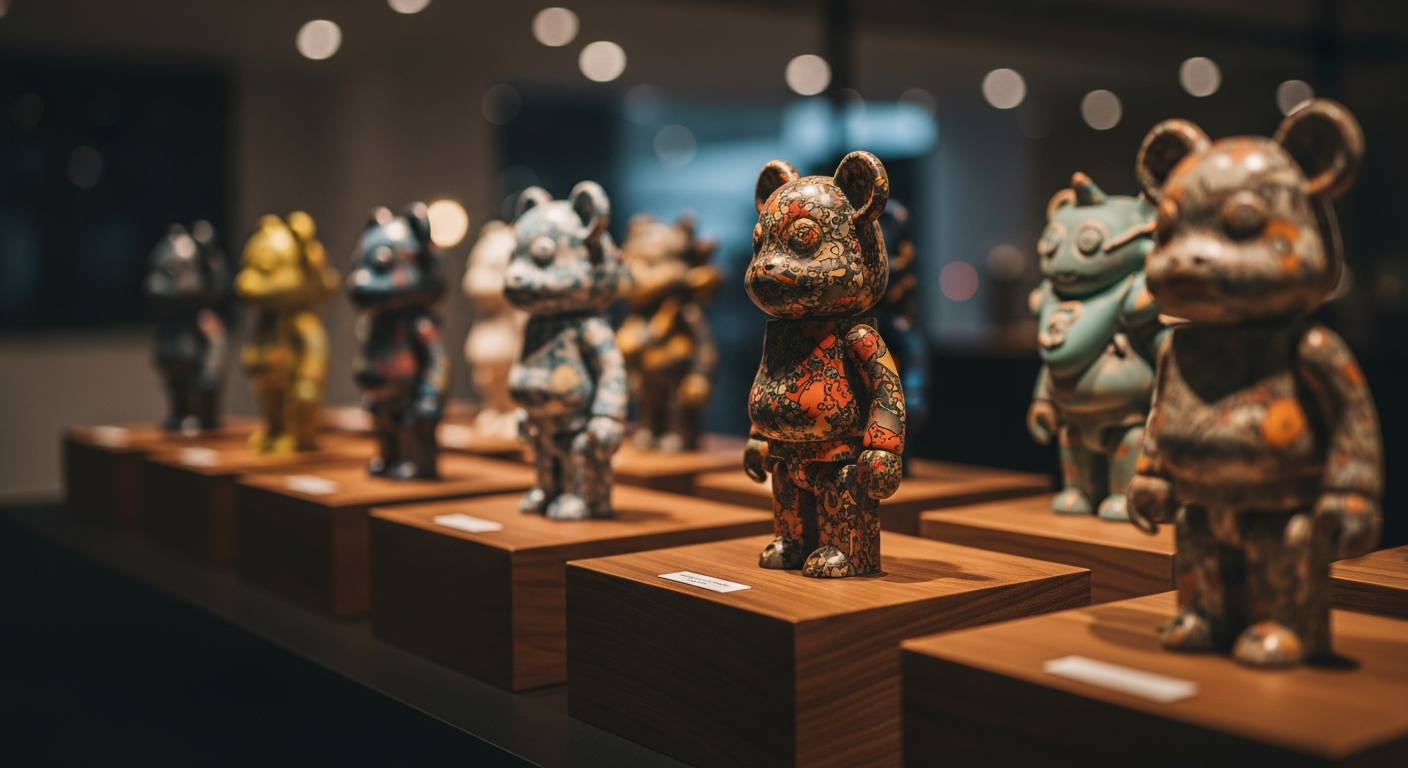
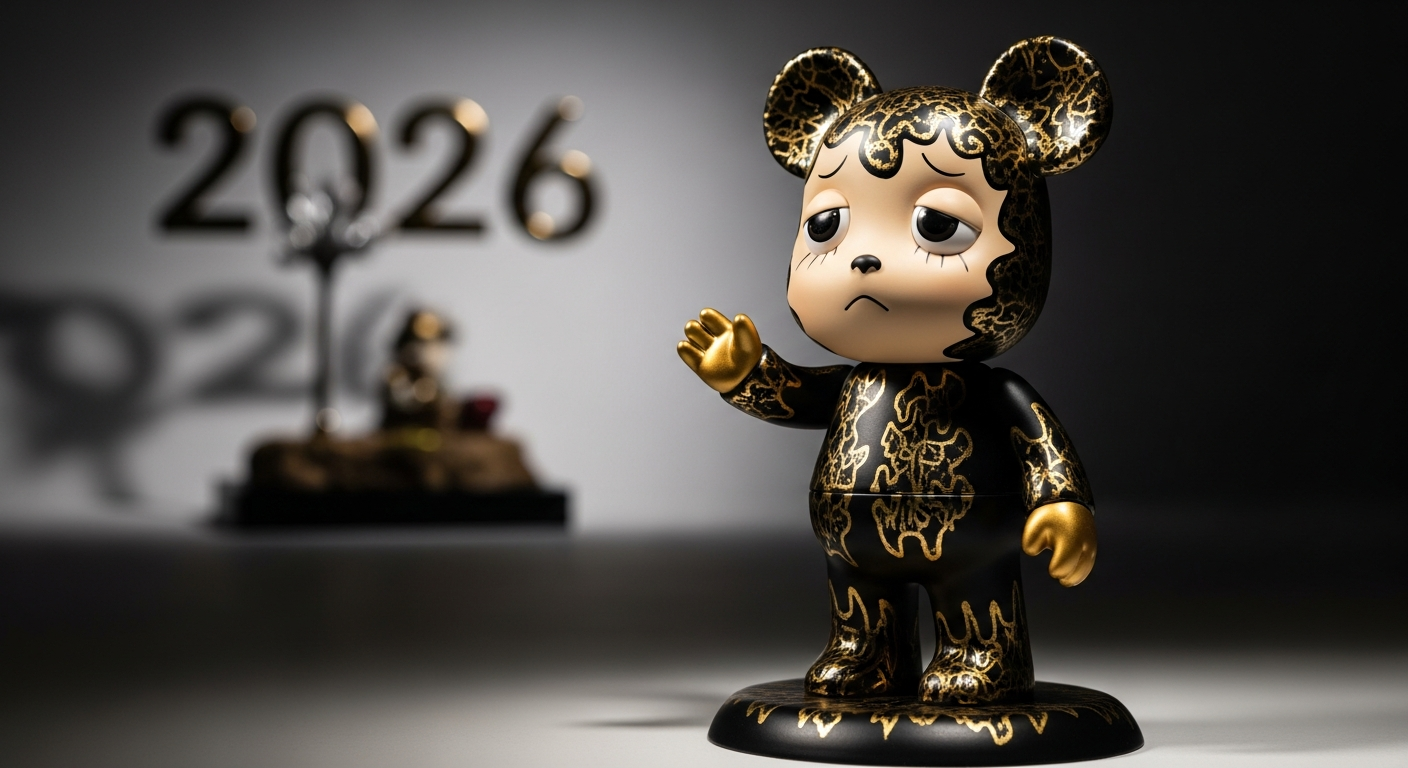

In 2026, Singapore continues to cement its place as a creative manufacturing hub where design meets precision. Artists, independent studios and boutique brands are using custom 3D printing Singapore to produce limited edition art toys that blend fine craftsmanship with digital fabrication. This movement is not just about making figurines — it’s about creating scarce, collectible objects with strong narrative and production provenance that resonate with collectors worldwide.
Limited edition art toys are more than molded plastic — they are cultural objects. Value is created through a mix of design originality, edition size, finish quality, and provenance. Collectors in 2026 increasingly expect:
– Authenticity and traceability (edition numbers, artist signatures, provenance).
– High-quality, consistent finishing (paint, plating, mixed materials).
– Scarcity combined with clear storytelling (drops, collaborations, variants).
Custom 3D printing Singapore enables these qualities because it supports low-run production without the tooling costs of injection molding. When paired with meticulous post-processing, small runs of high-detail toys can rival traditionally manufactured collectibles.
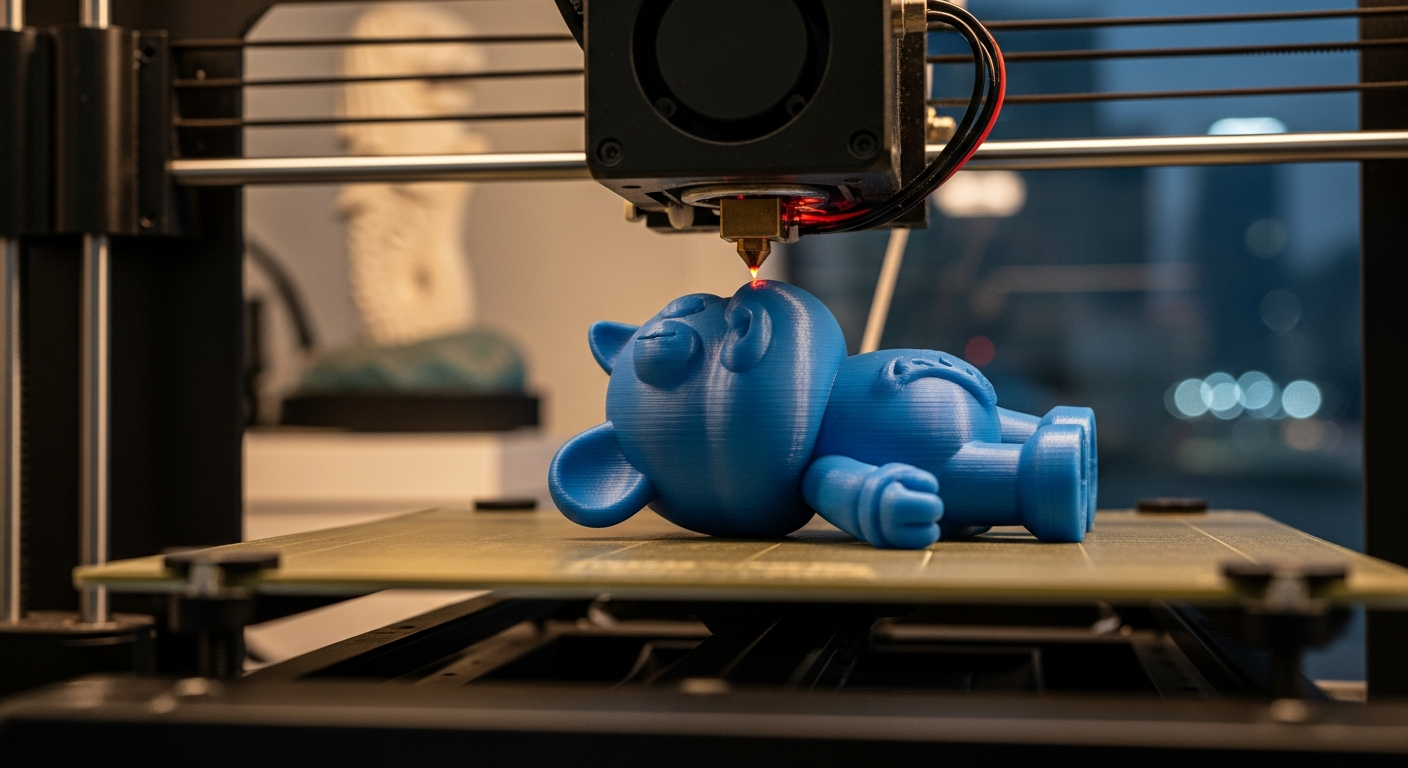
Understanding which 3D printing technologies suit your project matters. Two dominant methods for limited edition toys are resin-based stereolithography (SLA/DLP) and fused deposition modeling (FDM). Each has trade-offs:
For studios focusing on high-detail collectibles, resin printing often forms the heart of the workflow, while FDM is used for jigs, packaging prototypes, or larger pieces. If you’re researching services, consider comparing offerings like FDM 3D printing Singapore for limited edition art toys and other specialized resin workflows.
Material choice impacts aesthetics, durability and finish workflows. Popular materials in 2026 include high-detail photopolymer resins, durable nylons, PLA/ABS blends, and soft-touch elastomers for flexible elements. Finishes can dramatically elevate perceived value: priming, sanding, multi-stage painting, metallic plating, and UV-stable coatings are all common.
Many studios in Singapore offer tailored finishing services — from hand-painting by experienced model painters to electroplating and custom decals. Combining a printed base with artisanal finishing creates an unmistakable premium feel that collectors prize.
Singapore provides a strategic combination of manufacturing precision, design talent, and supply chain reliability. Logistics are efficient, compliance regimes are clear, and the country’s creative ecosystem supports collaboration between designers, engineers and manufacturers. Local service providers can accelerate prototyping and short runs, keeping production timelines tight and quality controlled.
If you want to evaluate service partners, pages like limited edition art toys and custom figurine Singapore 2026 provide insight into typical workflows and studio capabilities.
For production and design services, you can review options like 2026 product design Singapore and custom figurine services.
Costs vary by edition size, complexity and finish. Main drivers include:
– Print time and machine uptime (resin prints with fine details take longer).
– Material costs (specialty resins and coatings add price).
– Labor-intensive finishing (hand painting or plating increases per-unit costs).
– Packaging and certification (custom boxes, number plates, COAs).
As a rough guide in 2026, very small editions (10–50 pieces) with premium finishing can range from a few hundred to several thousand SGD per piece. Scaling to 100–500 units benefits from optimized workflows and limited automation, which brings the per-unit cost down while preserving limited-run exclusivity. For transparent estimates and manufacturing approaches, see services like collectible art toys 2026 custom figurine design Singapore.
Limited edition success relies on storytelling and community. Consider these tactics:
– Teasers and behind-the-scenes content: Share sculpt progress, color proofs and studio shots to build anticipation.
– Whitelists and pre-orders: Reward early supporters with exclusive variants or early access.
– Collaborative drops: Work with established artists, illustrators or brands to access new collector bases.
– Phygital incentives: Offer digital assets (high-res 3D models or NFTs) tied to physical pieces for a modern collector experience.
These strategies benefit from tight production timelines — which is why many artists choose local partners in Singapore to keep coordination smooth and turnaround predictable.
Limited edition releases must manage quality and IP risks. Always document design ownership, licensing agreements and artist credits. For numbered editions, maintain a record linking serial numbers to purchasers to protect provenance and authenticity. Choose partners that provide consistent QC checks and can supply batch records for each run.
Sustainability is increasingly important to collectors and studios. Trends in 2026 include recycled and bio-based resins, solvent recycling for post-processing, and designing toys for repairability (modular components that can be swapped rather than replaced). Small-run production is inherently more sustainable than mass-production waste, especially when studios optimize support structures and minimize failed prints.
In 2026, the intersection of physical collectibles and digital provenance is mature. Many limited edition releases now include verifiable ownership records, serialized QR codes and optional digital twins. These features increase buyer confidence and open secondary market potential. Combining custom 3D printing Singapore capabilities with provenance tools gives artists and brands an edge in a crowded market.
Custom 3D printing Singapore provides a powerful, flexible path to producing limited edition art toys that appeal to modern collectors. By choosing the right printing technologies, materials and finishing partners — and by planning edition sizes, packaging and marketing carefully — artists can create collectible pieces that command attention and command value. Singapore’s efficient infrastructure and growing creative manufacturing ecosystem make it an ideal base for small-batch, high-quality collectible production in 2026 and beyond.
For practical studio workflows and service examples, check resources like limited edition art toys and custom figurine Singapore 2026, and explore detailed production options including FDM 3D printing Singapore for limited edition art toys.