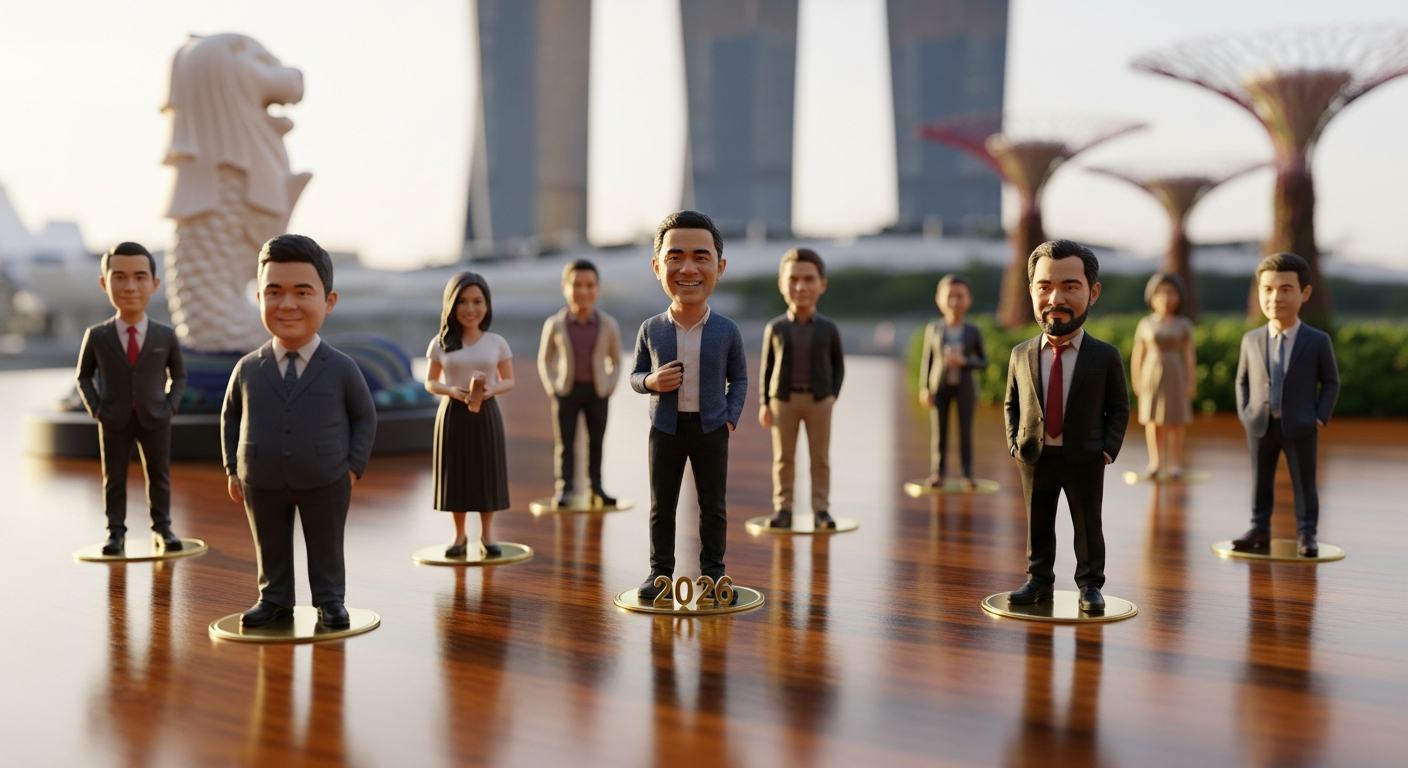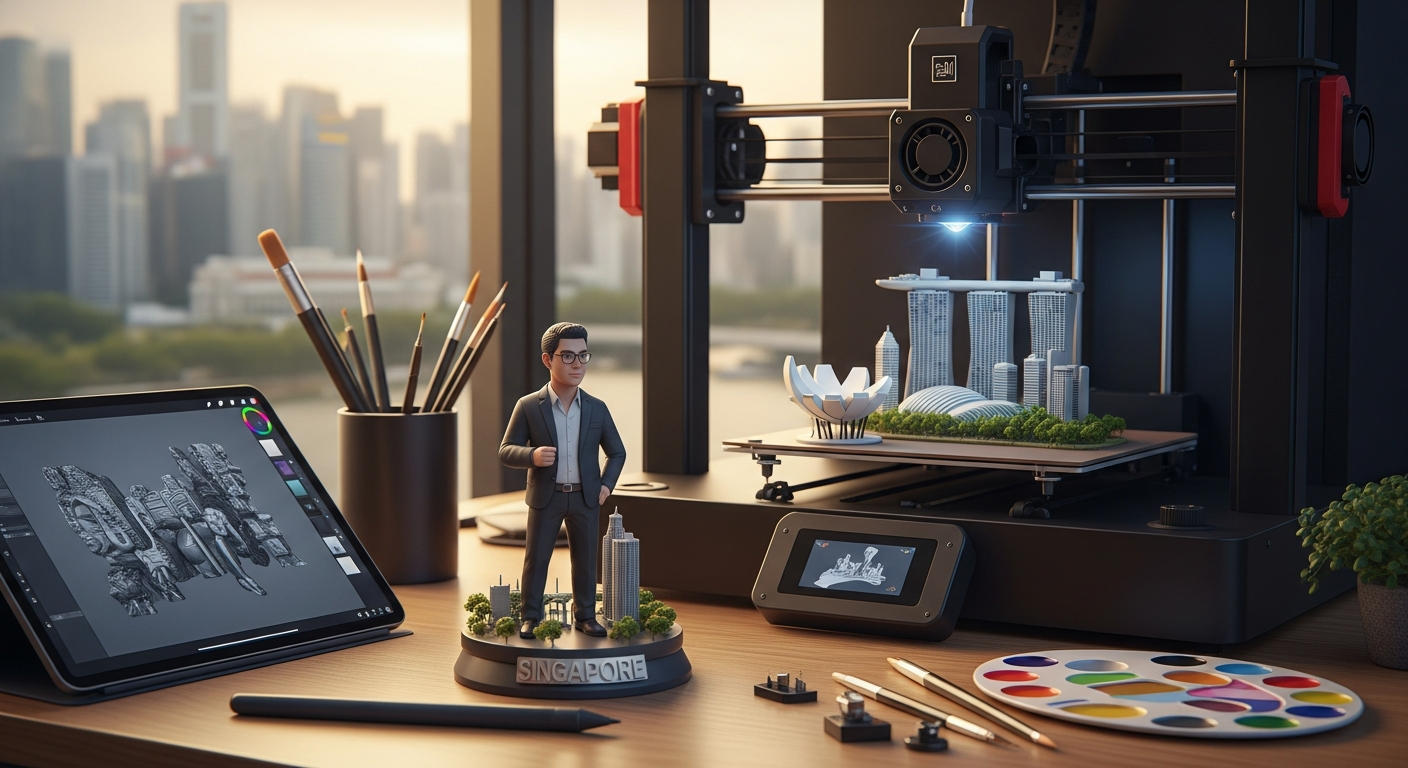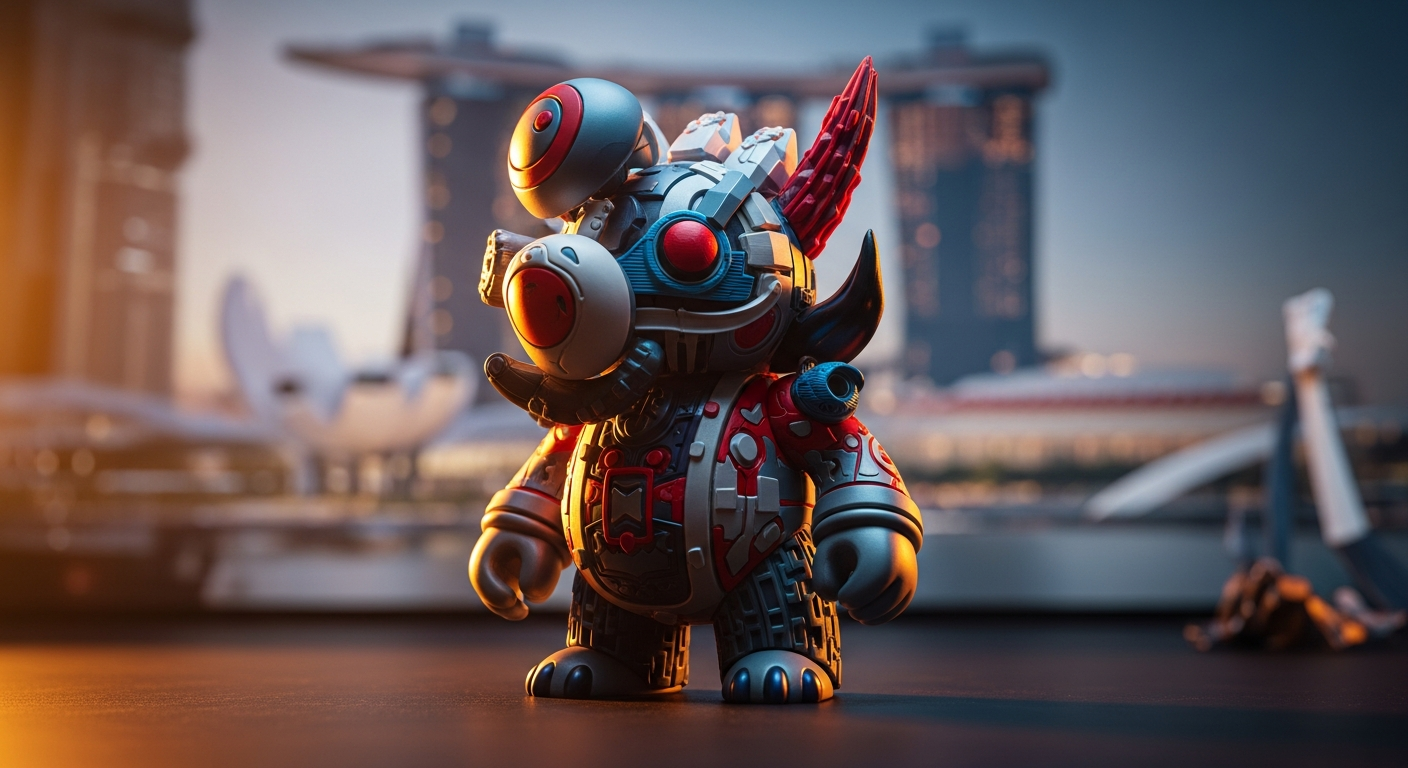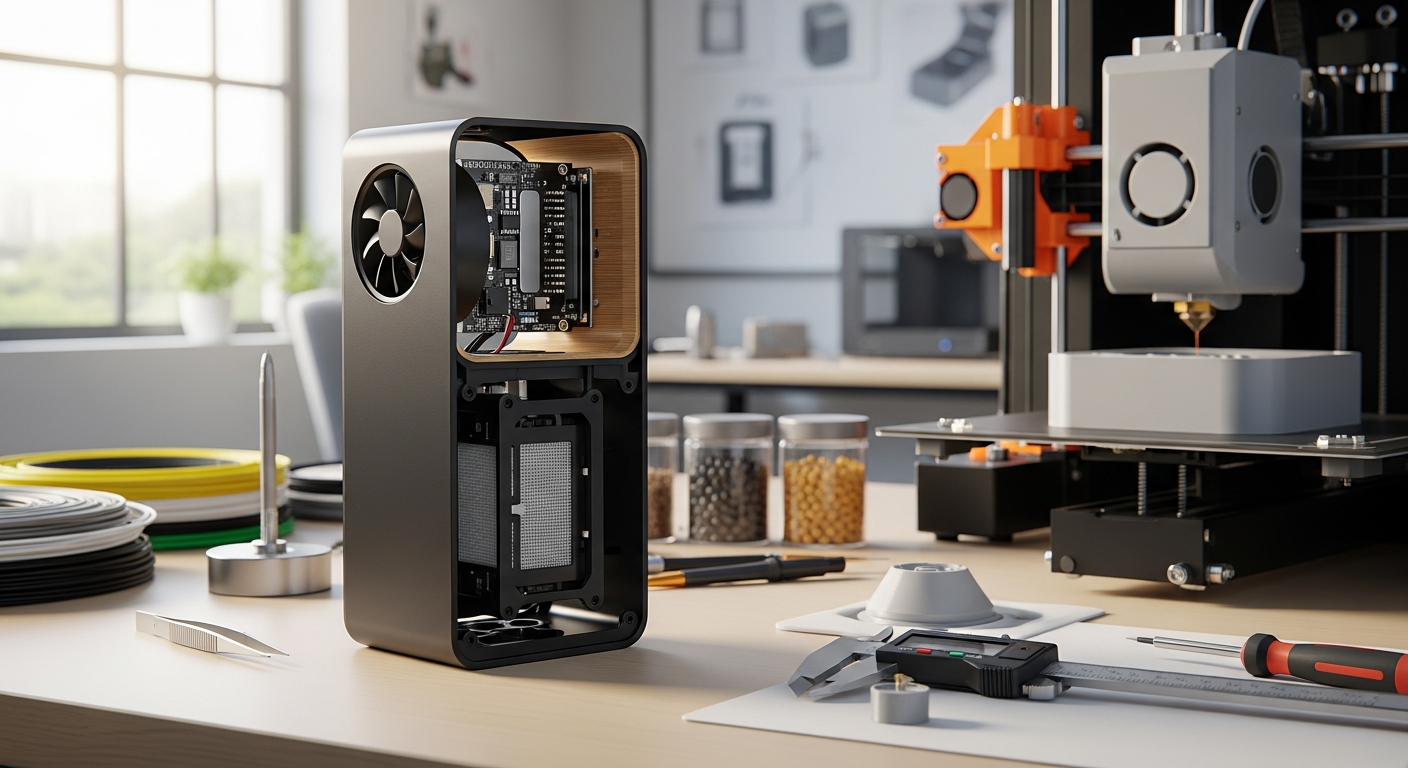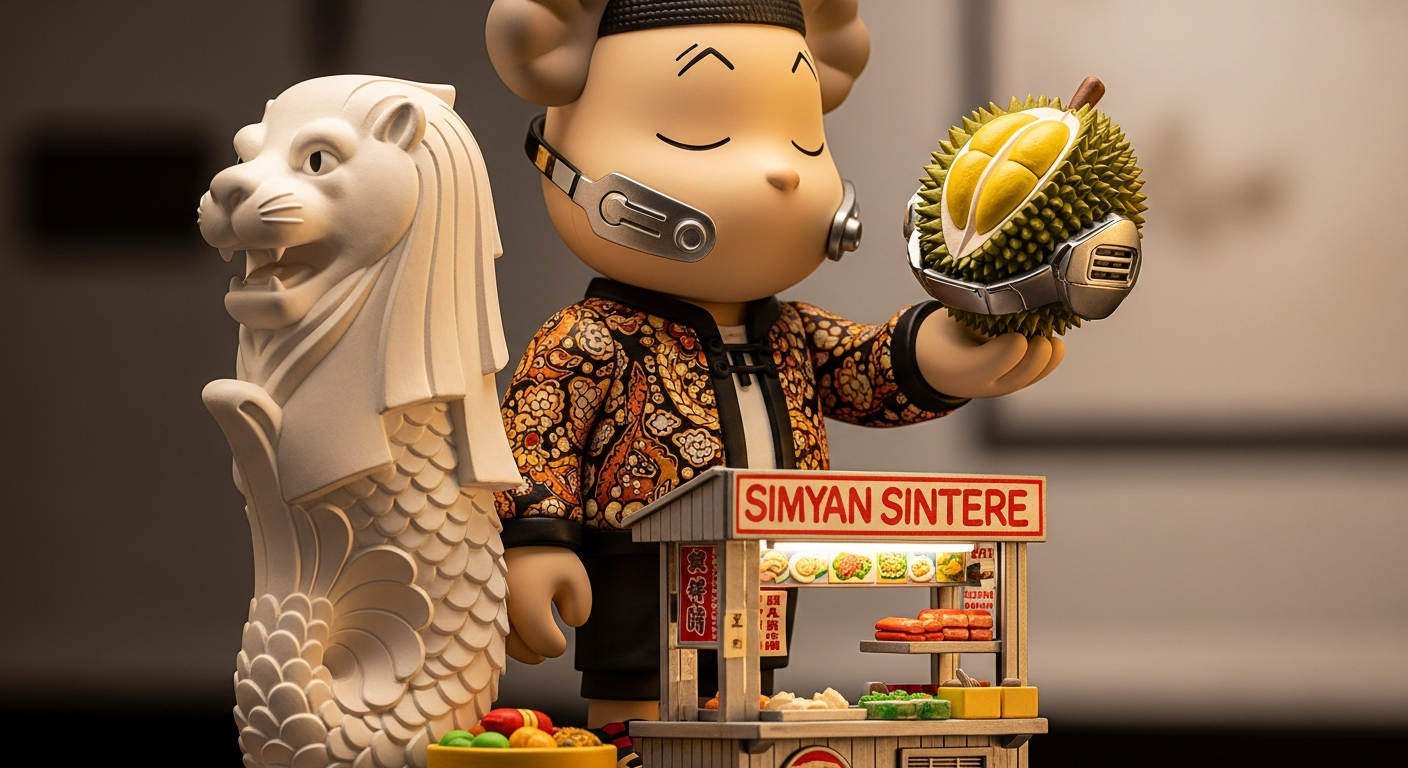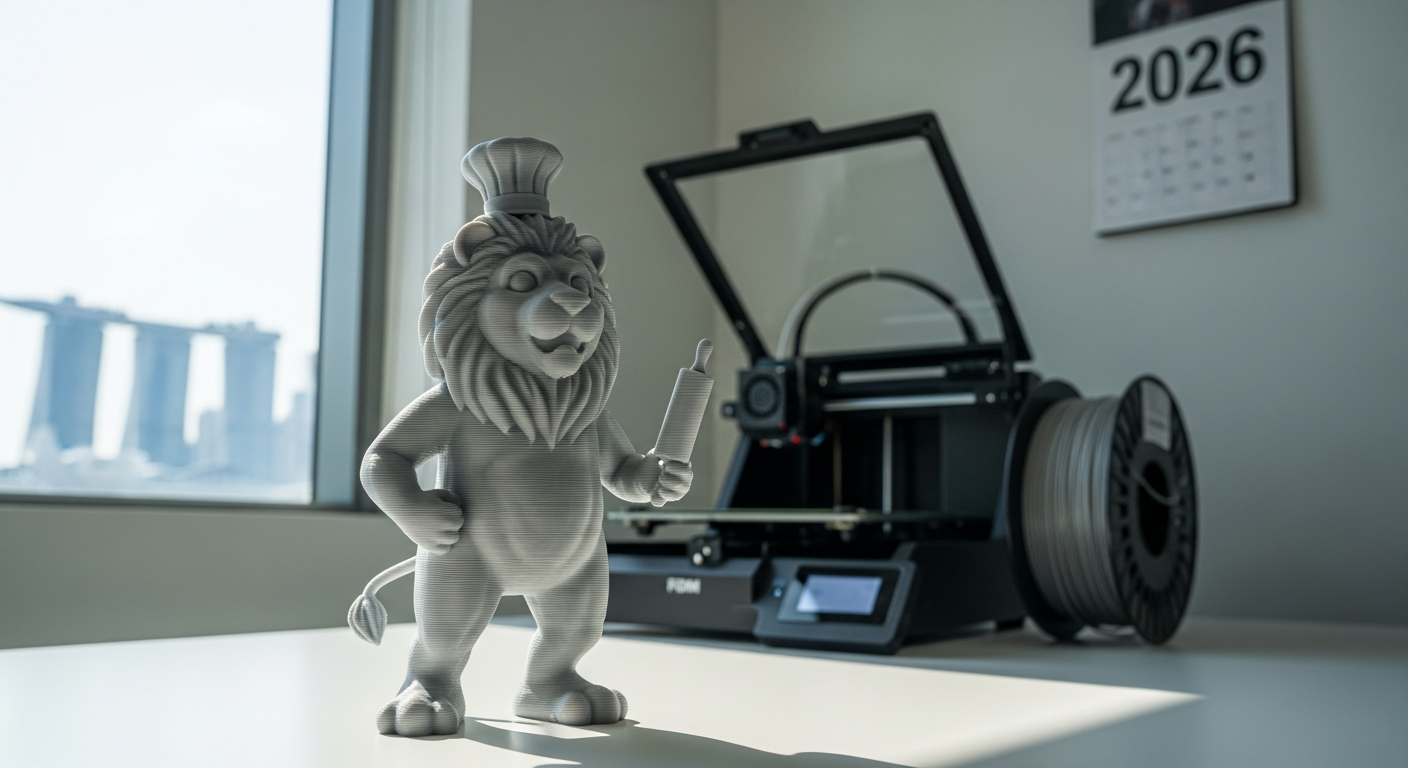

Singapore’s maker scene has accelerated around accessible additive manufacturing, and two phrases keep coming up in design studios and collector circles: fdm 3d printing singapore and custom figurine design singapore. By 2026, FDM (Fused Deposition Modeling) has matured into a practical, cost-effective route for producing collectible art toys, prototypes and short-run figurines. This article explains how FDM works for custom figurine projects in Singapore, practical design strategies, material and finishing choices, cost and sustainability considerations, and how to pick the right service for your project.
FDM 3D printers deposit molten thermoplastic layer by layer. Historically seen as a prototyping-only technology, recent hardware and software improvements — better layer resolution, multi-axis motion systems, and smarter slicers — have expanded FDM’s role into final-part production. For creators seeking custom figurine design Singapore, FDM offers several advantages:
FDM’s practicality has also spurred creative trends in collectible toys; see how collectible art toys are evolving in this overview of collectible designer art toys.
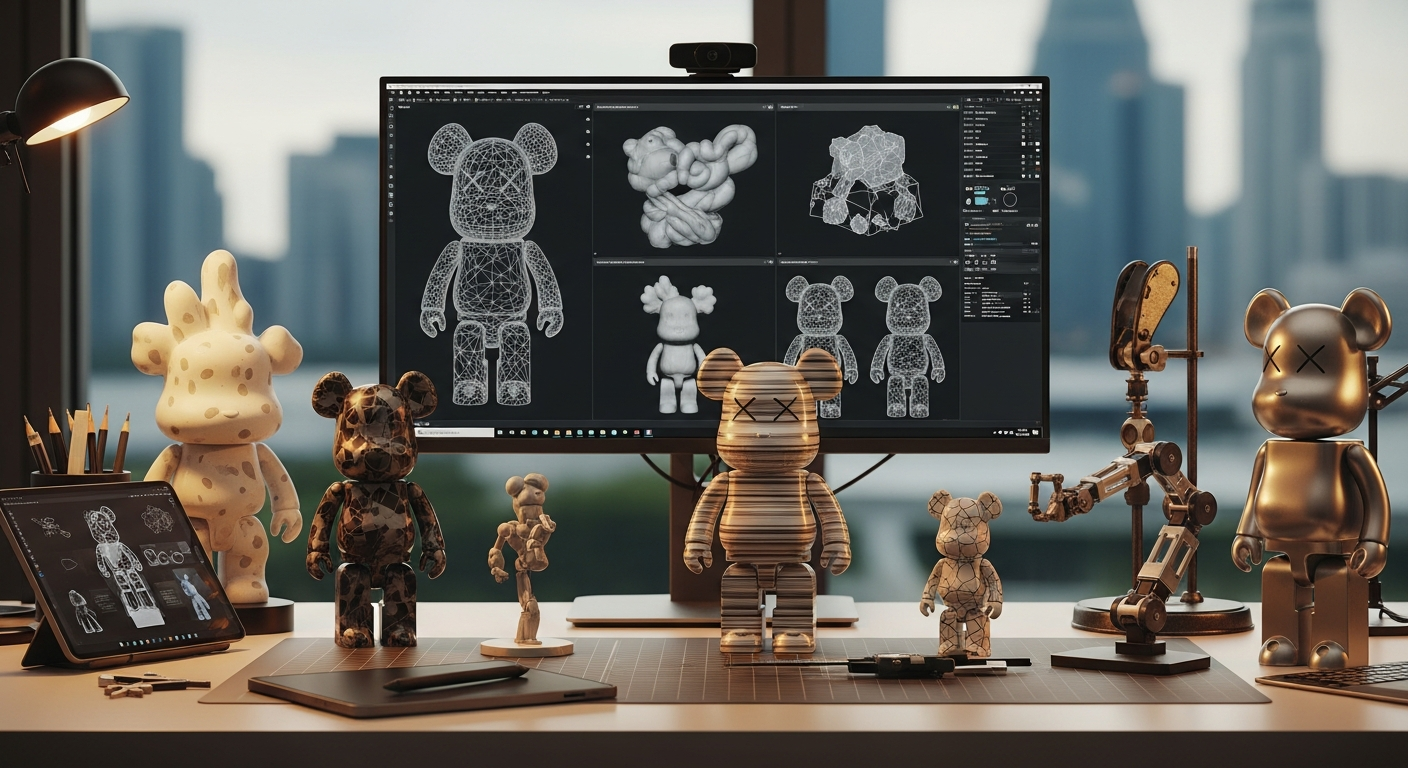
Effective custom figurine design Singapore projects follow a structured workflow: concept > CAD modeling > test prints > finishing > small-batch production. Each stage needs specific considerations when using FDM 3D printing Singapore services.
Material choice and finishing separate a display-quality custom figurine design Singapore from a simple prototype. Common thermoplastics used in Singapore’s FDM scene include PLA, PETG, ABS, and engineering filaments like ASA or nylon blends. For collectible figurines, consider:
Finishing techniques for FDM prints (especially for figurines) include sanding, filler application, priming, and multiple paint layers. For seamless surfaces, many studios sand in stages (coarse to fine grit), use gap-filling primers, and apply thin coats of lacquer. When high detail is required, a light resin coat or vapor smoothing (for compatible materials) can elevate surface quality. For guidance that ties sustainability into finishing choices, read about sustainable lifestyle design with FDM 3D printing.
Designing specifically for FDM 3D printing Singapore means embracing strengths (affordability, quick iteration) and mitigating weaknesses (layer lines, support artifacts). Practical tips:
For creator teams that work in Singapore’s art toy ecosystem, these strategies align with broader design trends found in guides like the Singapore art toys and custom figurine design guide.
One key reason FDM 3D printing Singapore is attractive for custom figurine design Singapore is fast iteration. Typical timelines:
For accelerated projects where rapid iteration is essential, many Singapore studios combine in-house design with production farms for batch runs. For a closer look at timelines and rapid prototyping strategies, consider resources on FDM 3D printing Singapore rapid prototyping.
Costs for custom figurine projects depend on size, complexity, post-processing, and batch quantity. FDM remains one of the most cost-effective options for low-to-medium volume production because there is no tooling cost and material prices are moderate.
Sustainability is increasingly important in Singapore’s design community. Choose recycled or plant-based filaments when possible, optimize part geometry to reduce material usage, and select low-VOC paints and primers. The intersection of sustainability and FDM workflow is explored in the context of lifestyle and product design in this piece about sustainable lifestyle design with FDM 3D printing.
When evaluating an FDM service for custom figurine design Singapore, consider these criteria:
Local collaboration is a major advantage in Singapore: being in the same time zone reduces iteration friction and simplifies final quality checks.
For creators who want to pair great CAD design with production-ready workflows, exploring modern CAD-to-print pipelines is useful; find examples and modeling strategies in articles about art toys CAD modeling.
By 2026, fdm 3d printing singapore is a practical and versatile route for custom figurine design singapore projects—whether you’re a solo artist prototyping a new character or a studio planning a limited collectible release. The key to success lies in thoughtful CAD work, material and finish choices tailored to the medium, and a production partner that understands the nuances of FDM post-processing. With careful planning, FDM can deliver attractive, durable, and cost-effective figurines that meet collector expectations while supporting sustainable practices.