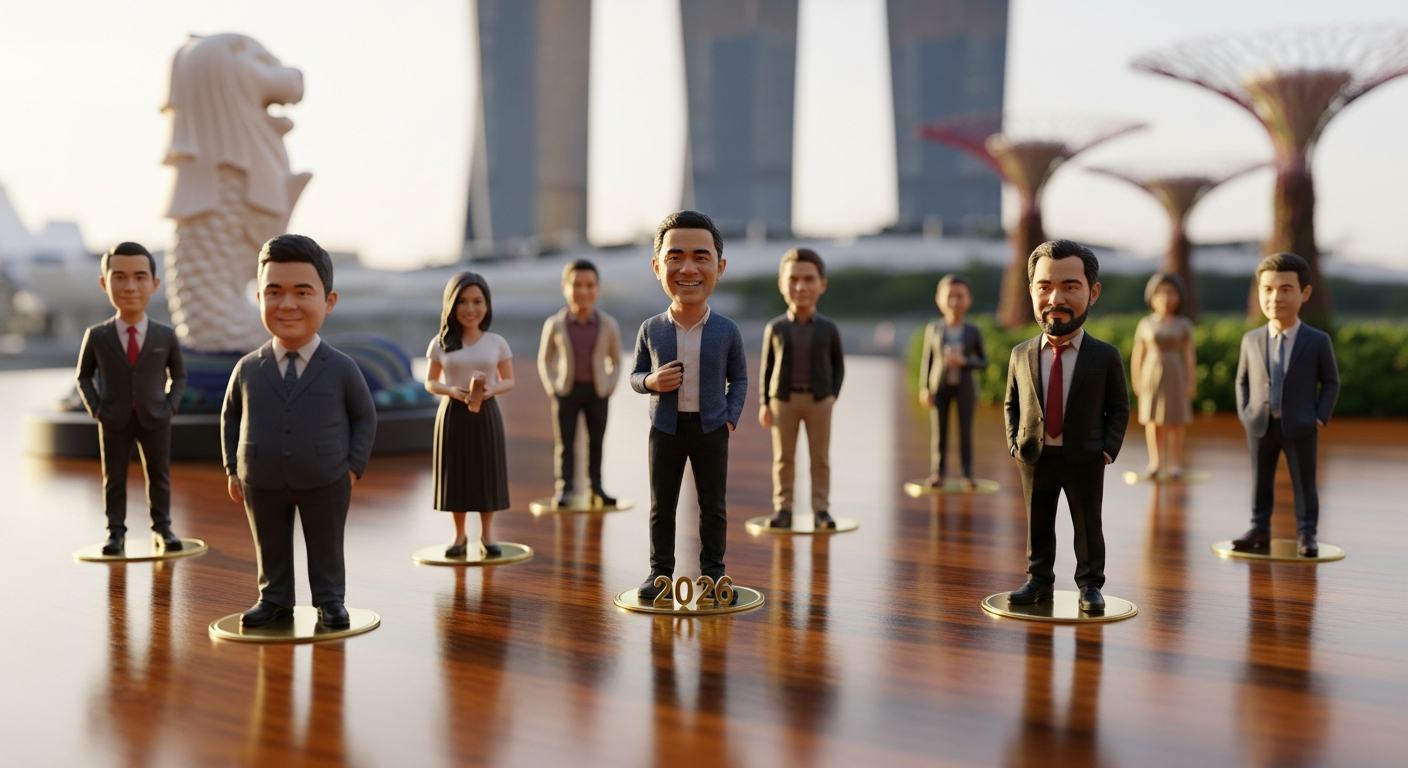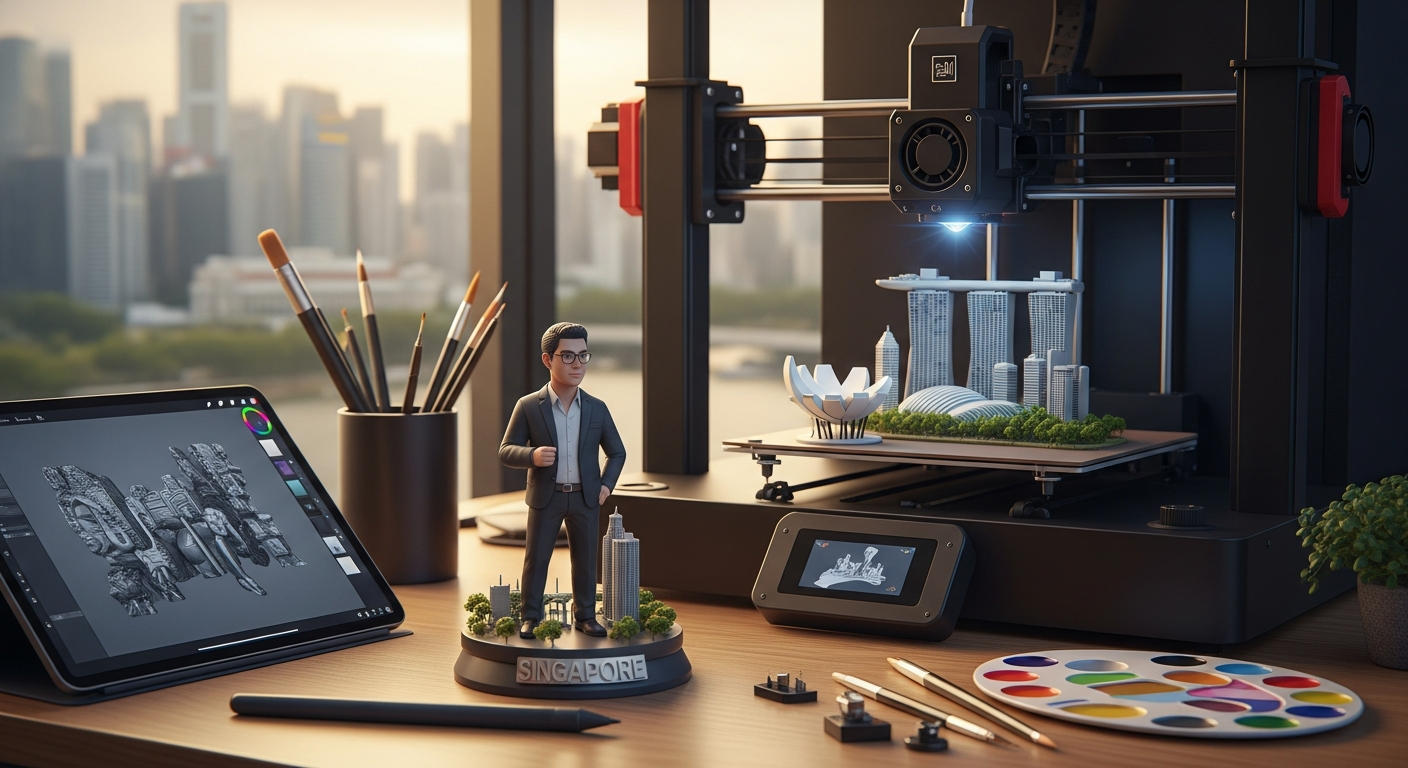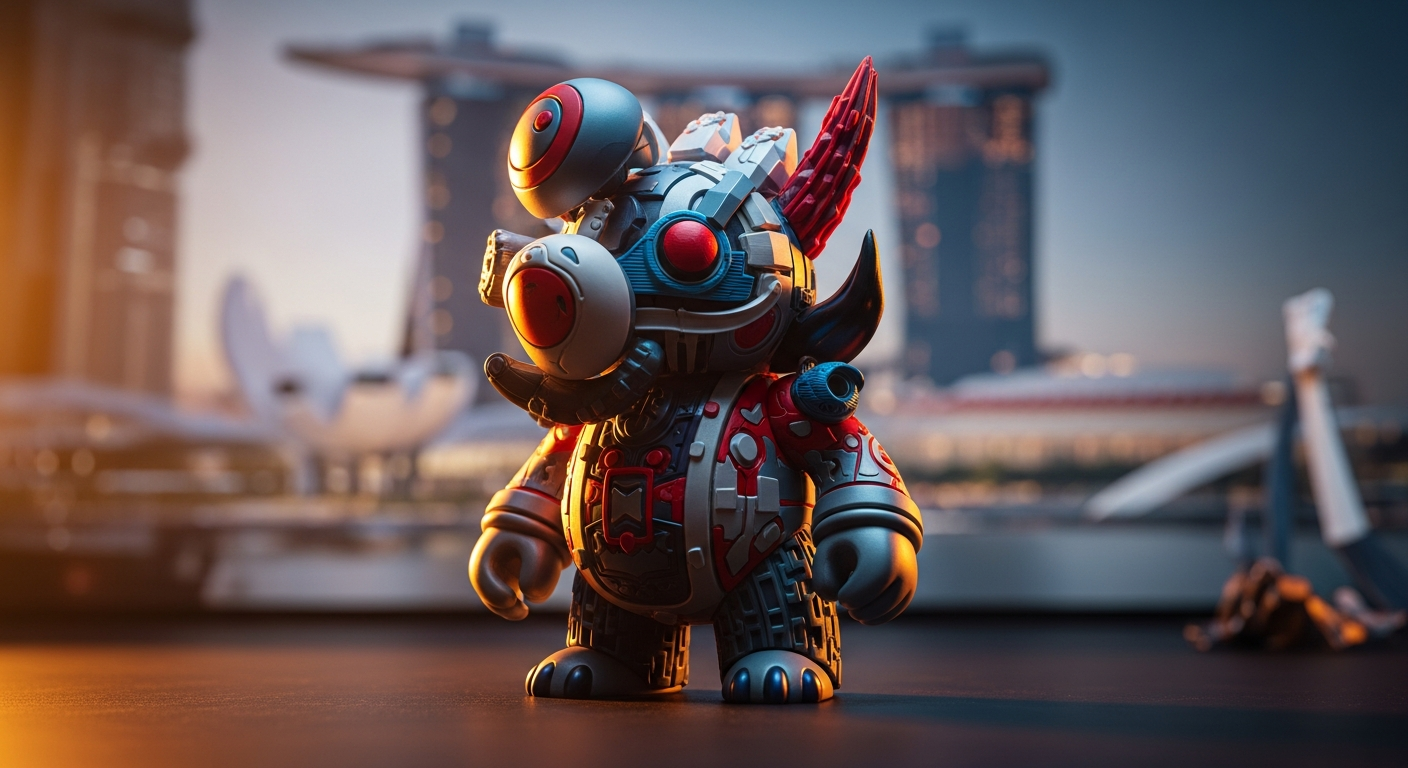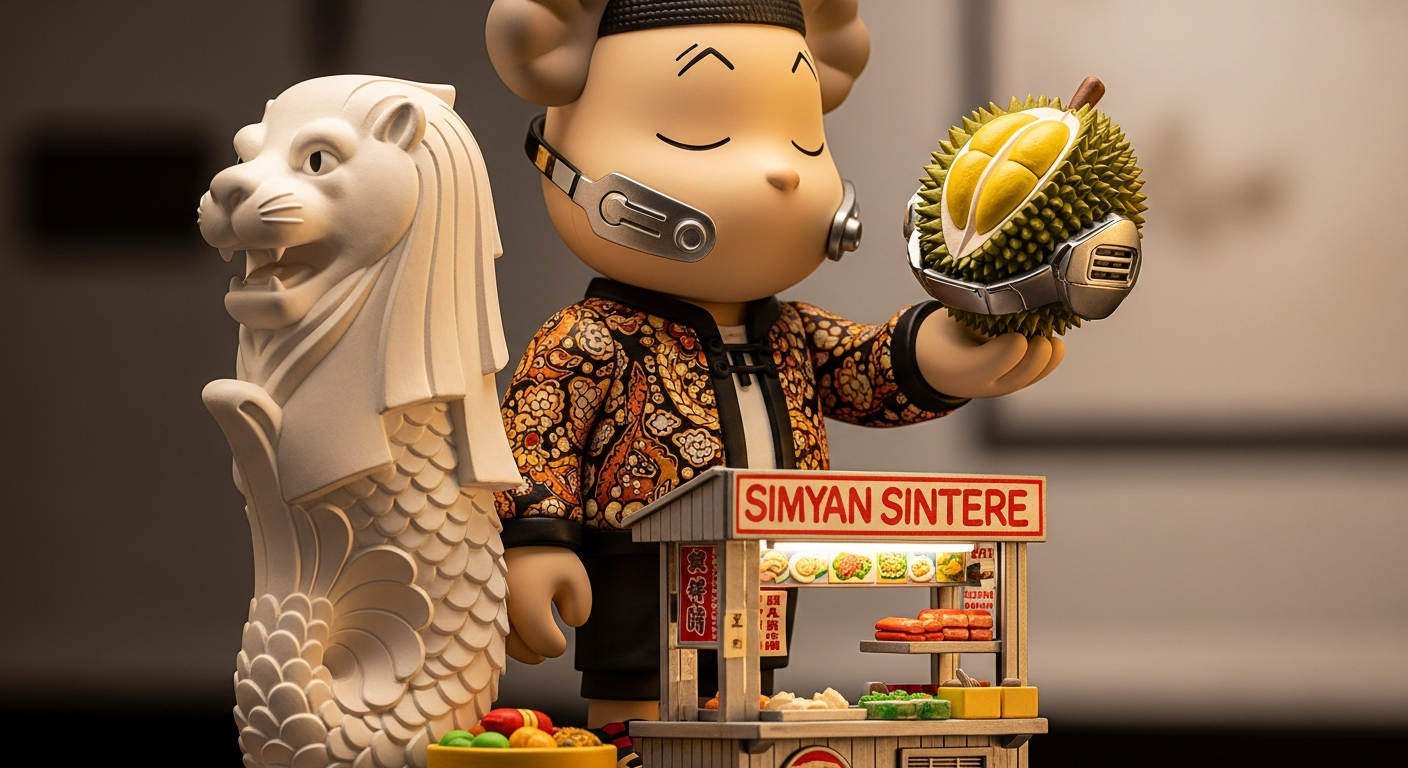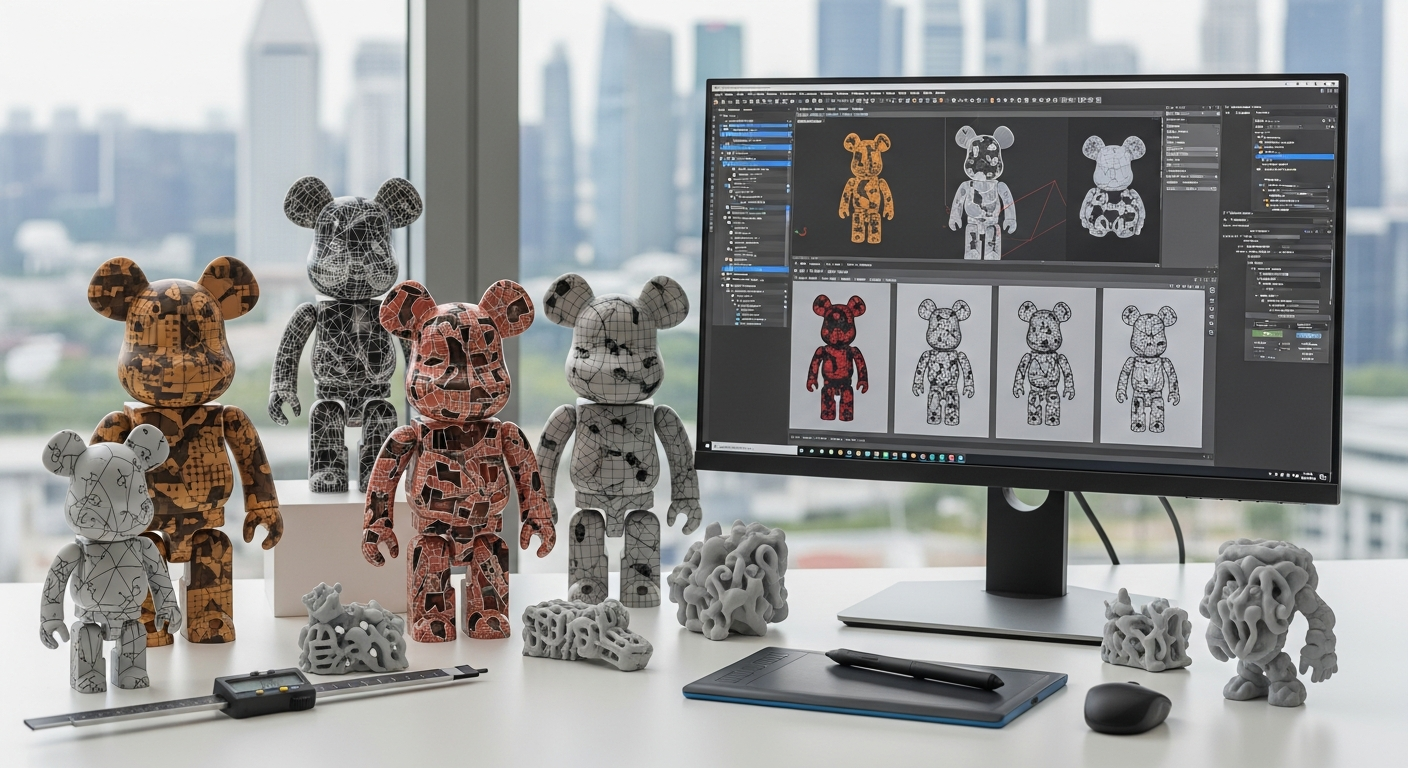
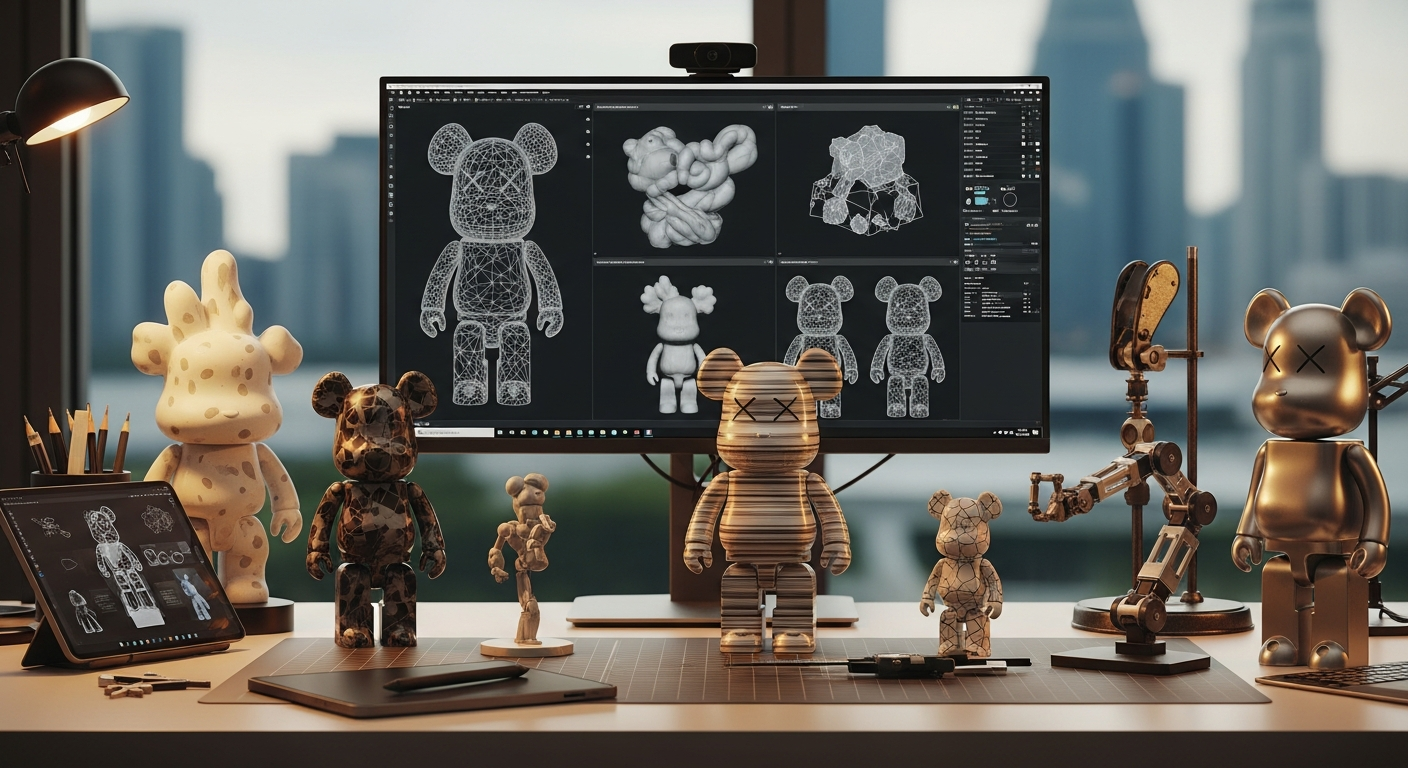

The art toys scene has evolved from vinyl figurines sold at niche shows to a global creative market where design, production technology and community-driven collectibles intersect. By 2026, designers are no longer limited to hand-sculpting and small-batch vinyl runs — they’re using digital workflows, advanced CAD, and on-demand manufacturing to iterate faster, personalize at scale, and reach collectors worldwide. This article explores the major art toys design trends for 2026, and explains how CAD modeling Singapore practices are helping creators go from idea to market with greater efficiency and creative control.
Three converging forces are driving the shift: accessible digital fabrication, rising collector expectations for quality and uniqueness, and sustainability demands from designers and buyers. Art toys are moving beyond novelty status into design-led products with strong storytelling, limited-edition strategies, and hybrid manufacturing that combines 3D printing, traditional casting, and premium finishing.
CAD modeling Singapore studios and service providers are central to this ecosystem. They bridge concept sketches and production-ready models while offering localized prototyping, material advice and production runs that suit both one-off collectors’ pieces and small batch releases.
Personalization is now a baseline expectation. Limited editions, artist collaborations, and modular toys that can be reconfigured by collectors are trending strongly. Designers use parametric CAD to enable customization options — colorways, accessory swaps, and pose variants — without redoing an entire sculpt.
Community co-design, where fans vote on features or submit prints for special inclusion, is another growth area. This model relies on robust CAD pipelines: designers must produce adaptable models that can accept community-driven modifications without breaking structural integrity or increasing production costs significantly.
Materials are evolving past the standard vinyl and resin. Bio-based filaments, recycled plastics, and low-VOC resins are gaining acceptance for both prototyping and final pieces. Sustainable material choices are as much a branding statement as a production decision; collectors increasingly value transparency about materials and end-of-life options.
Studios are also exploring circular design: parts engineered for disassembly, recyclable components and take-back programs. If you’re designing with environmental impact in mind, check guidance on sustainable workflows like those outlined in sustainable lifestyle design resources: https://artsoustudio.com/sustainable-lifestyle-design-with-fdm-3d-printing-2026/.
CAD modeling in Singapore has matured into a specialist service that blends industrial design, animation-friendly topology, and manufacturability. For art toys, CAD workflows typically include:
CAD modeling Singapore teams focus on Design for Manufacturing (DFM) within additive and injection molds. They optimize support structures, propose split-lines for multi-part pieces, and prepare files for direct 3D printing or tooling. This makes CAD an essential asset for designers who want to monetize limited editions rapidly while preserving quality.
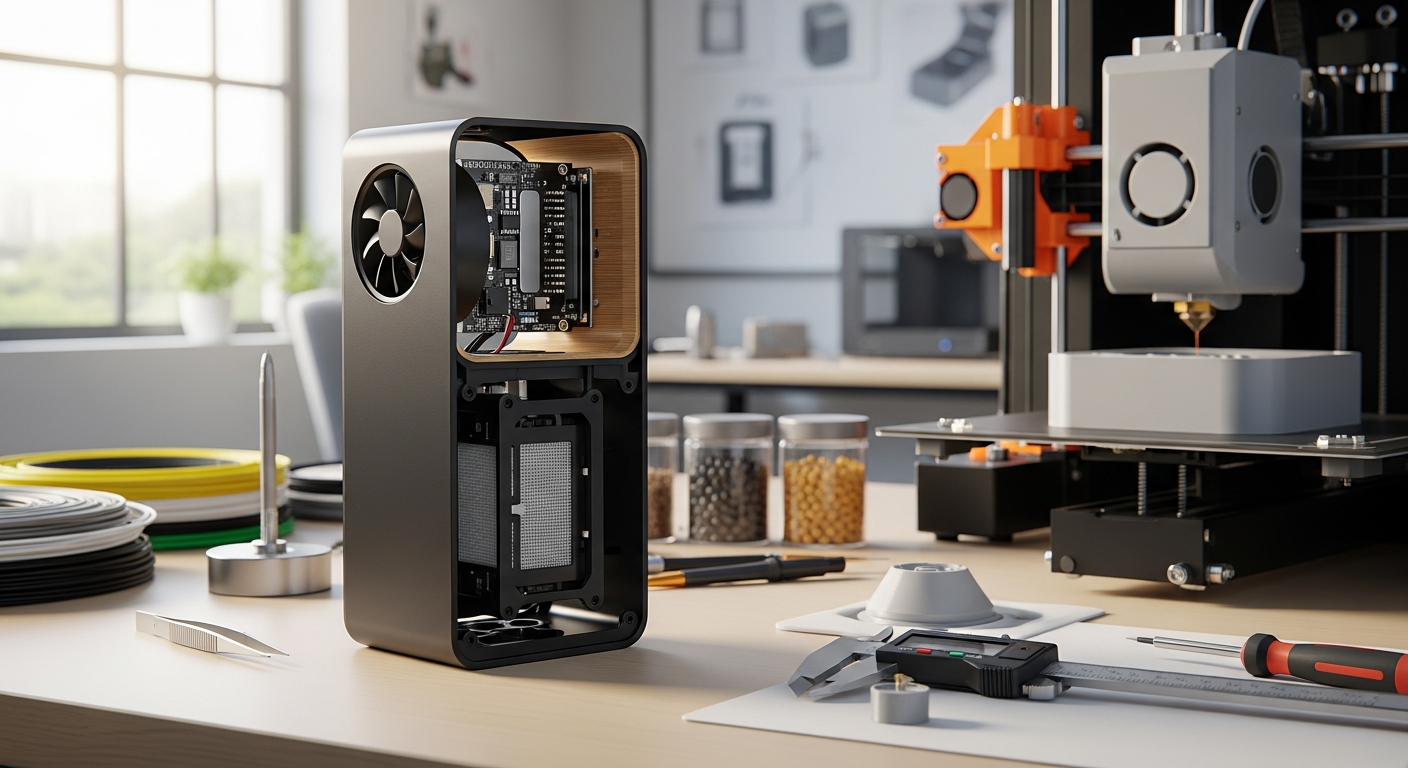
Rapid prototyping is no longer just a proof-of-concept step — it’s a creative playground. FDM and resin printers are used side-by-side: FDM for quick, durable mock-ups; resin for high-detail sculpts and master parts. Faster iterations mean designers can test articulation, balance, and paintability earlier in the process.
When speed and cost-effectiveness matter, FDM is often the first line of prototyping. For projects that require both speed and refinement, Singapore providers offer hybrid approaches combining FDM for structure and SLA for high-fidelity surfaces. Explore how localized services streamline iteration with FDM 3D printing workflows here: https://artsoustudio.com/fdm-3d-printing-singapore-rapid-prototyping-2026/.
The economics of art toys in 2026 favors short runs and on-demand fulfillment. This reduces overproduction risk and lets artists test markets. Service bureaus in Singapore specialize in small-batch manufacturing and production-ready CAD tweaks that reduce per-unit cost while maintaining premium finishes.
Many studios pair CAD modeling with post-processing suites — sanding, priming, painting, and pad printing — to deliver collectible-grade pieces. For designers scaling from prototypes to limited releases, the best 3D printing service providers offer end-to-end workflows including CAD validation, print production, and finishing. See an example of an integrated offering at: https://artsoustudio.com/best-3d-printing-service-with-cad-modeling-singapore-2026/.
Collectors expect museum-quality paint and finishing even for small runs. Techniques include:
Hybrid manufacturing — where a printed core gets injection-molded shells or metal-plated parts — is increasingly common. This combination allows designers to offer products with high perceived value while keeping tooling costs manageable by limiting the number of mold parts and leveraging 3D-printed masters for short production runs. For lifestyle product designers using FDM workflows, projects often combine 3D-printed prototypes with hand-painted finishes: https://artsoustudio.com/fdm-3d-printing-singapore-lifestyle-product-design/.
Art toys sell stories as much as form. Designers are pairing physical runs with digital assets — AR experiences, NFTs (as certificates of authenticity), and collectible metadata — to deepen engagement. Digital twins (accurate 3D scans or CAD models) also facilitate remakes, replacement parts, and restricted edition variants.
Manufacturers in Singapore can embed serialized identifiers or QR-linked metadata into CAD models so each piece is verifiable. This integration supports limited drops, authenticated resales and lifecycle services.
As toys move from gallery pieces to intended play items (or collectible display objects), adherence to safety standards matters. CAD modeling Singapore teams ensure articulation mechanisms meet tolerance requirements, snaps hold but can be disassembled, and small parts are constrained to prevent choking hazards where relevant.
Designers should build standard-compliant designs early in the CAD phase. That reduces the risk of redesigning costly tooling later and ensures smoother shipping and resale in regulated markets.
Singapore’s compact supply chain and advanced service bureaus make it an efficient collaborator for international designers. Working with local CAD and fabrication partners accelerates turnaround times, reduces shipping for iterative prototypes, and provides on-the-ground finishing expertise.
If you need scalable, on-demand production, Singapore studios can connect CAD output directly to print farms, finishing lines and fulfillment. For rapid commissions or small-run drops, consider leveraging on-demand custom 3D printing services that integrate design adjustments and finishing in a single workflow: https://artsoustudio.com/on-demand-custom-3d-printing-singapore-for-lifestyle-design/.
For teams looking to outsource or partner on production, it helps to prepare:
That documentation reduces back-and-forth and speeds up time-to-market.
For designers wanting to position their projects competitively, research integrated service options that couple CAD expertise with finishing and small-batch production. These one-stop workflows reduce logistics overhead and preserve the designer’s creative intent from screen to shelf.
The art toys landscape in 2026 rewards designers who combine strong storytelling with agile manufacturing and thoughtful materials choices. CAD modeling Singapore teams and specialized fabrication providers are enabling that shift, offering the technical chops to translate imaginative sculpts into collectible realities quickly and sustainably. By adopting parametric CAD strategies, leveraging FDM and resin prototyping, and choosing finishing-first manufacturing partners, creators can deliver art toys that meet modern collector expectations while controlling cost and environmental impact.
Helpful resources for artists and designers exploring these flows include focused guides on FDM prototyping and sustainable design approaches, which provide practical pathways to produce art toys at the intersection of craft, tech and commerce: https://artsoustudio.com/fdm-3d-printing-singapore-rapid-prototyping-2026/, https://artsoustudio.com/sustainable-lifestyle-design-with-fdm-3d-printing-2026/.
For production-ready partnerships and service options that merge CAD modeling with finishing and fulfillment, review integrated providers that specialize in small-batch 3D printing and lifestyle product workflows: https://artsoustudio.com/best-3d-printing-service-with-cad-modeling-singapore-2026/, https://artsoustudio.com/fdm-3d-printing-singapore-lifestyle-product-design/.
These trends point to a robust future for art toys: more variation, faster iteration, better sustainability, and closer ties between designers and production partners. With intentional CAD workflows and the right fabrication partners, the creative possibilities for art toys in 2026 are expansive and commercially viable.