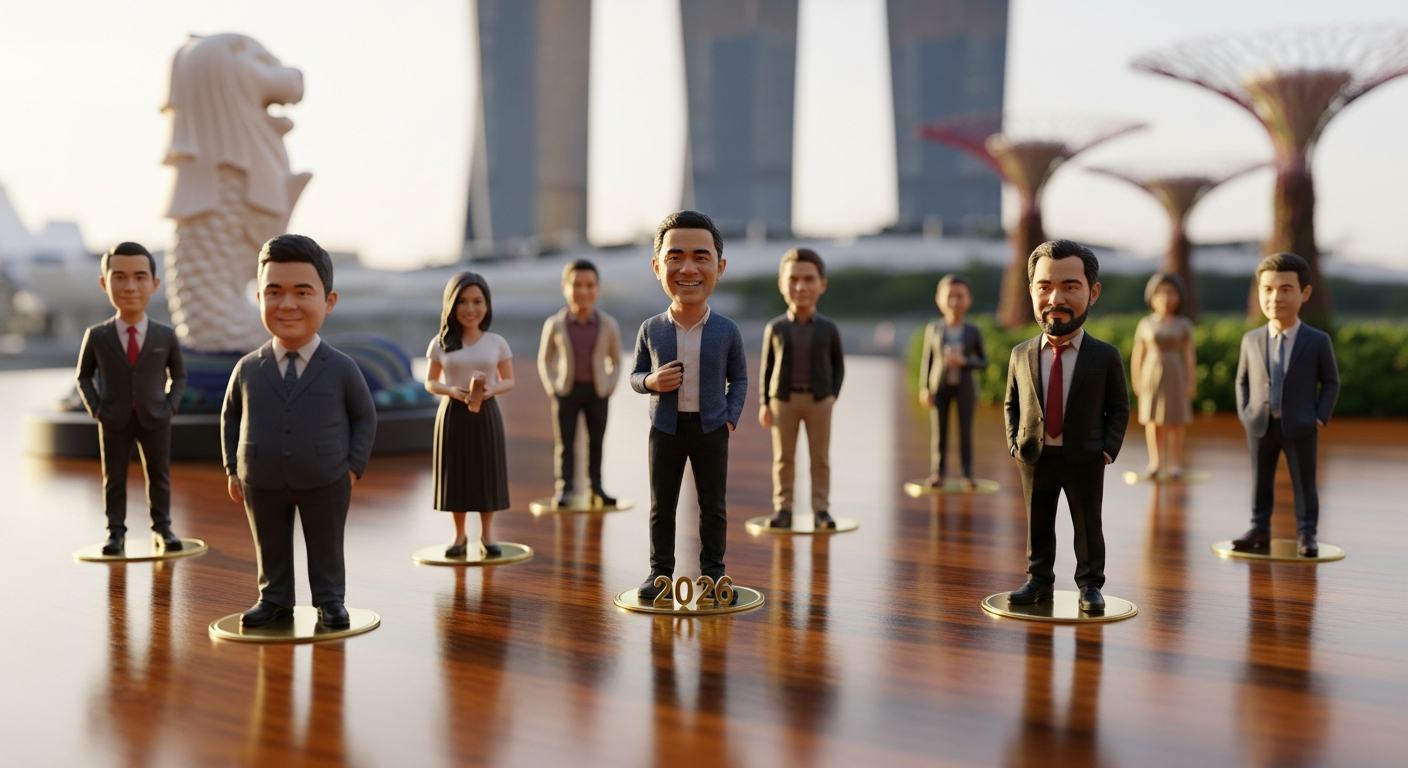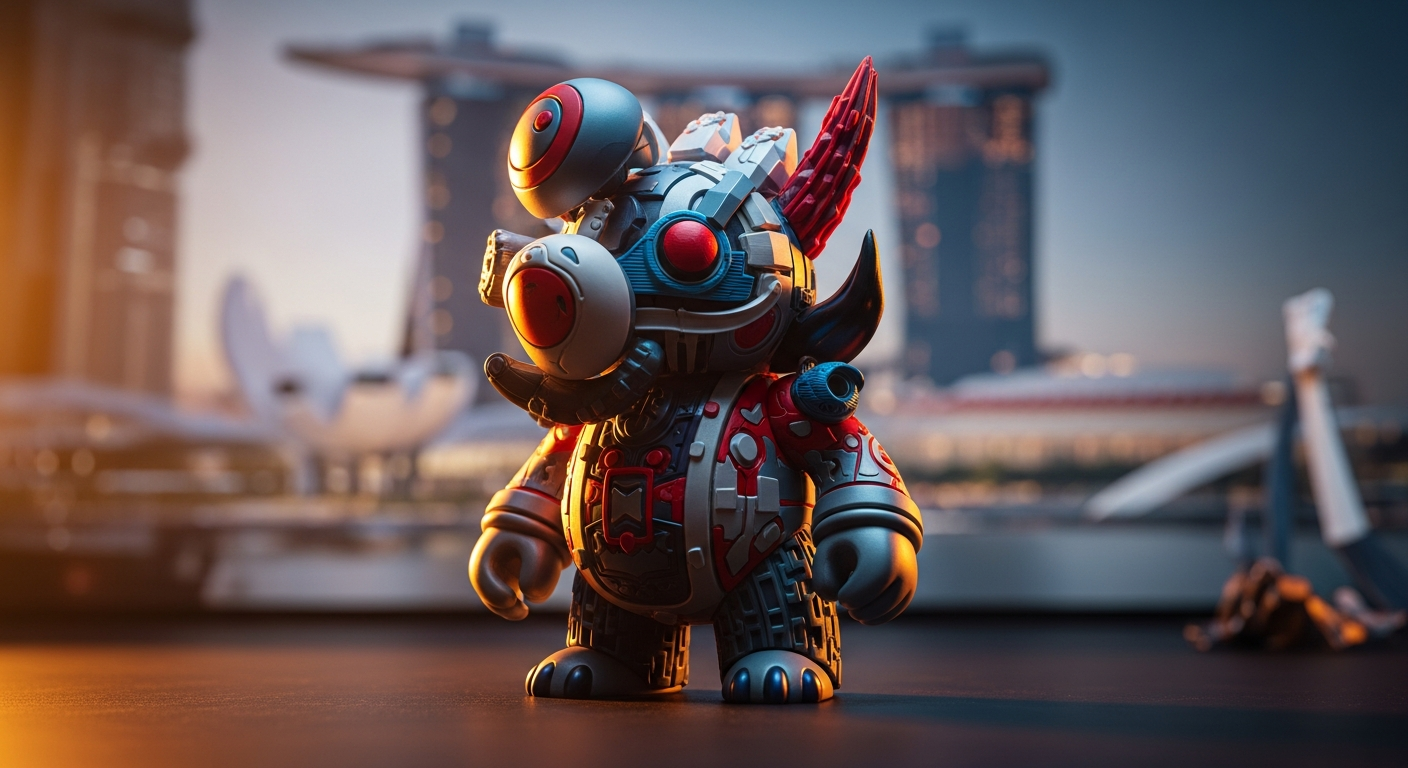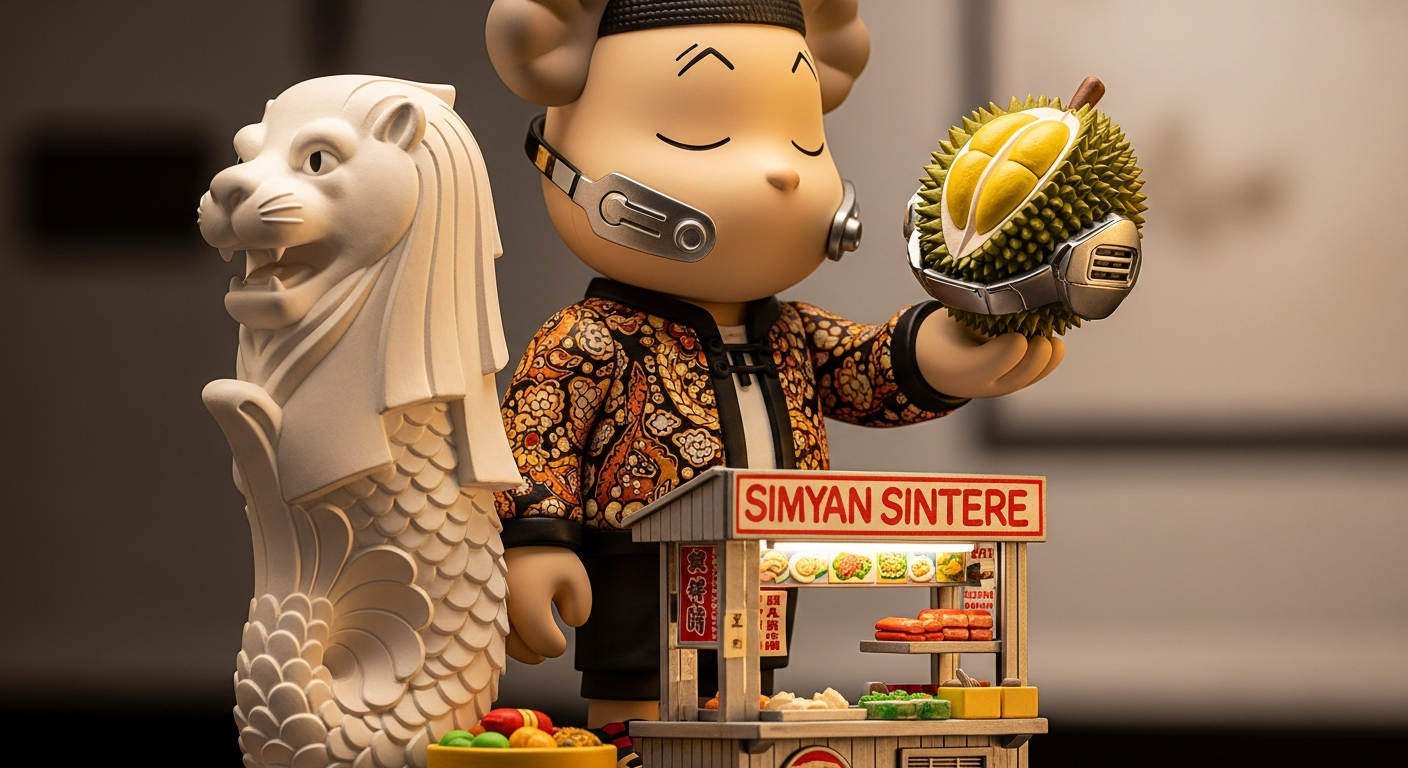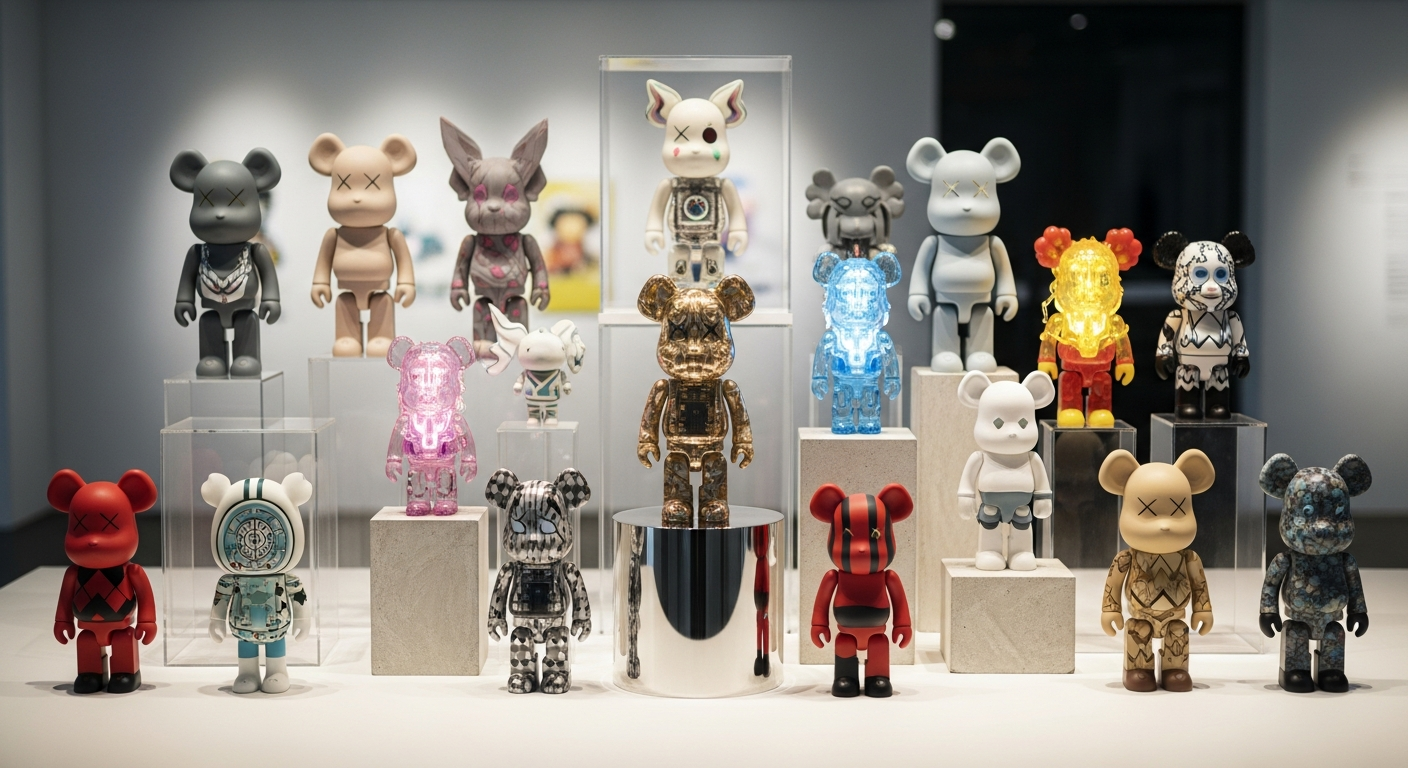

The market for collectible art toys has matured from niche vinyl figures to a sophisticated sector where design, technology and sustainability intersect. Collectors are no longer just buying characters — they invest in storytelling, scarcity, provenance and production ethics. This article maps the most important trends shaping the collectible art toys and art toys ecosystem in 2026 and offers practical takeaways for designers, makers and collectors.
Two forces accelerated the evolution of collectible art toys over the past few years: democratized production tools (CAD, desktop 3D printers, FDM workflows) and a global collector base that values authenticity and sustainability. That combination means new creators can rapidly prototype, iterate and launch limited runs while reaching international audiences through social platforms and specialized marketplaces.
Demand has shifted from mass-produced blind-box models to curated, story-driven drops and collaborations. Secondary-market activity has become more transparent thanks to better cataloging and authentication tools, influencing launch strategies and pricing.
Accessibility matters too. Designers balance exclusivity with community-building by offering tiered releases (open editions, numbered mini-editions, ultra-rare artist proofs) so fans can participate at multiple price points.
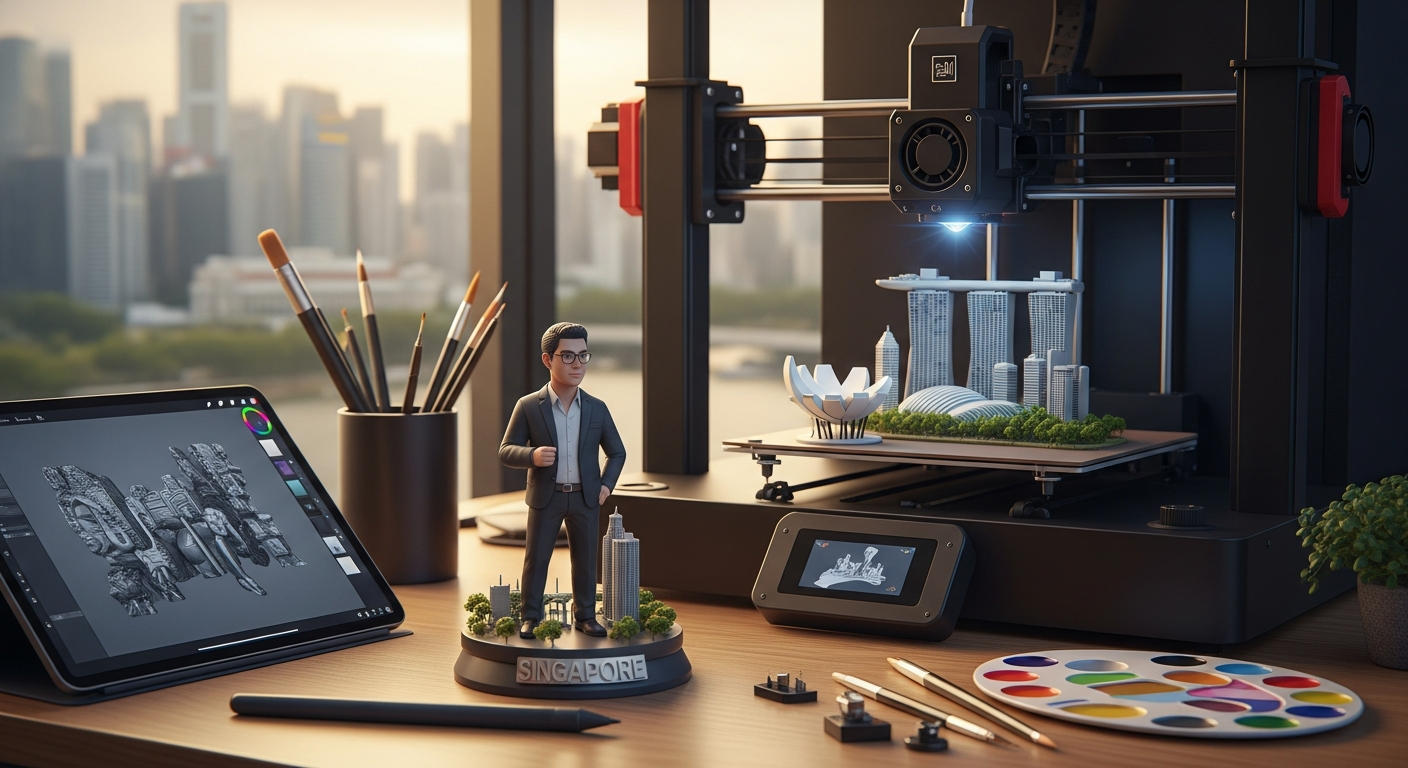
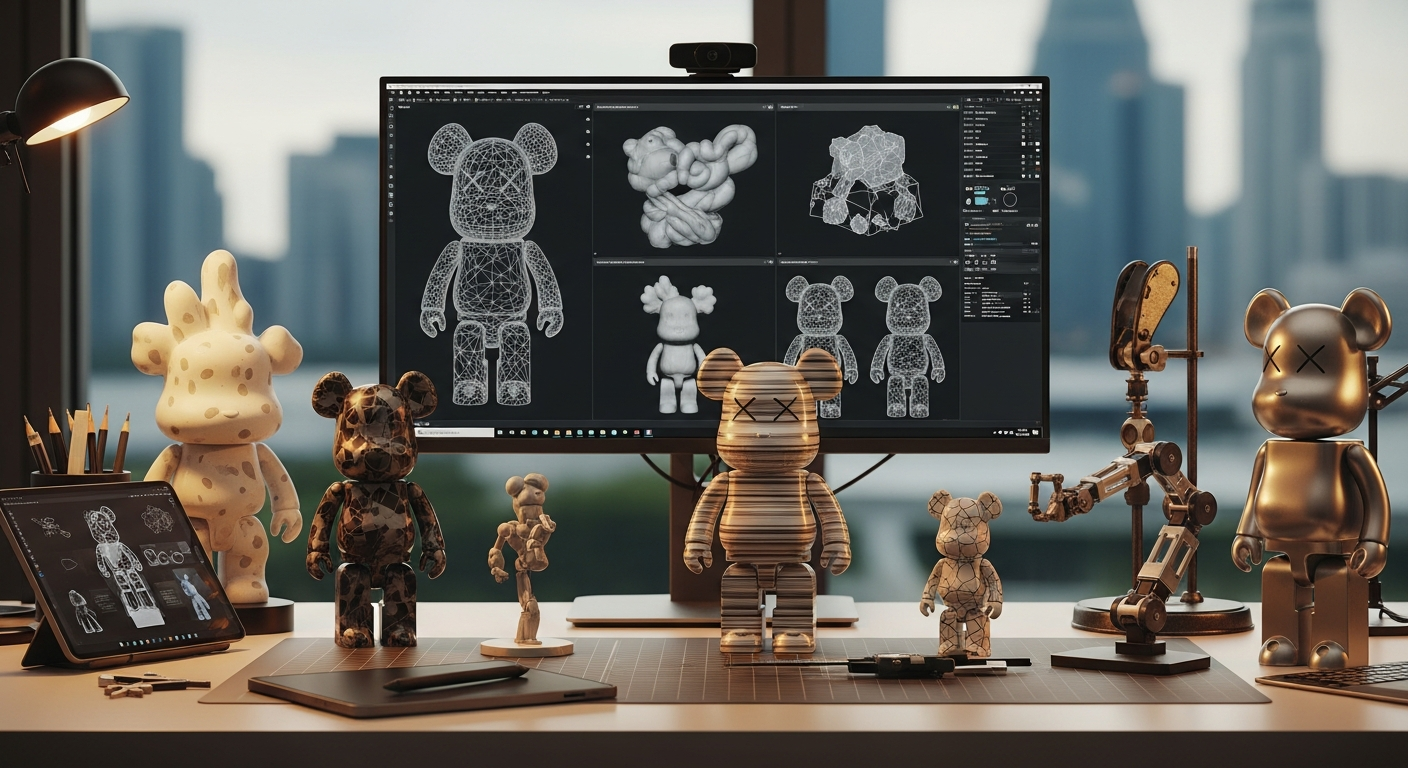
Advances in digital workflows have reshaped how art toys move from sketch to shelf. CAD modeling and refined prototyping let designers visualize complex joints, mixed-material assemblies and modular features before committing to production. Many brands now rely on a hybrid approach:
If you’re interested in integrating CAD and prototyping into your process, consider resources like the detailed piece on collectible art toys that explores CAD-driven workflows for designer toys.
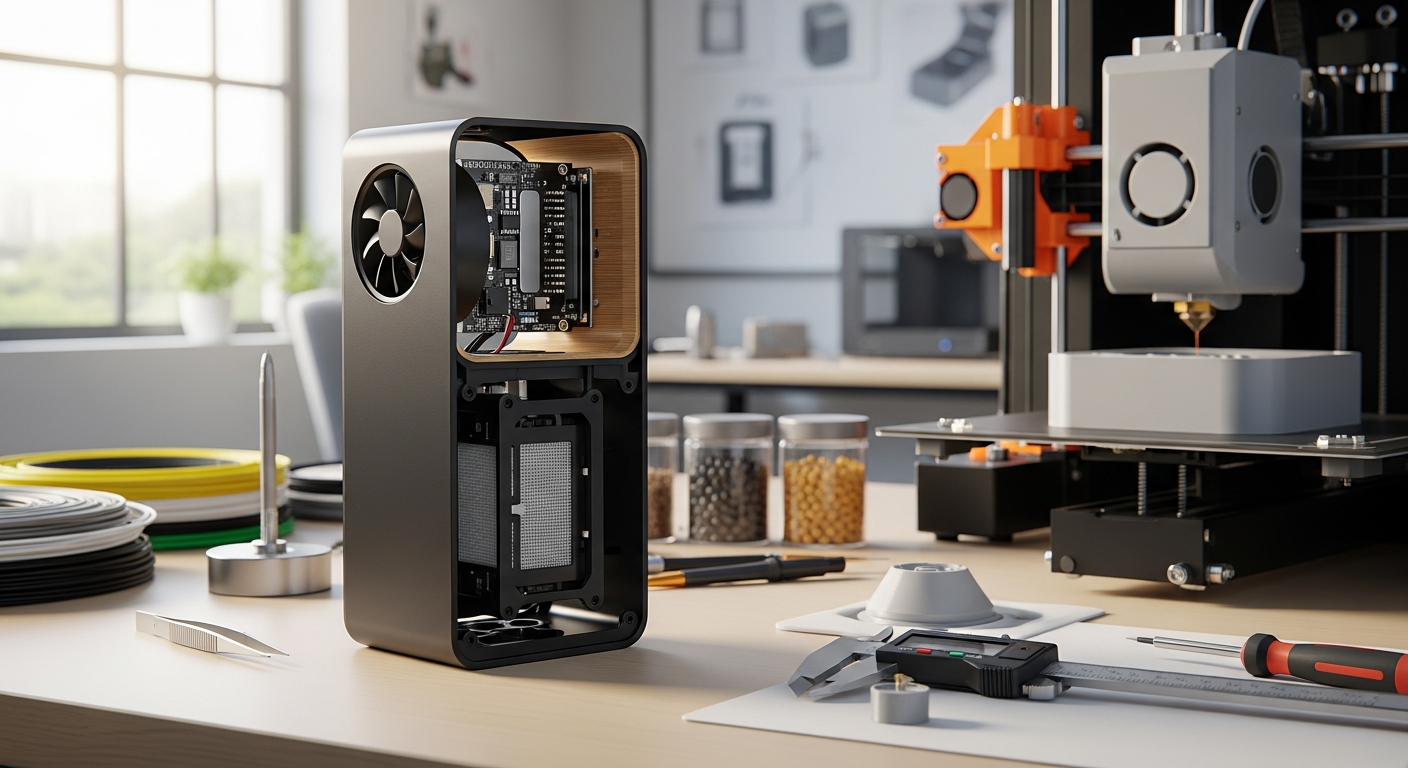
3D printing is now more than a prototyping novelty — it’s a design enabler. Rapid iterations allow for:
For designers aiming to shorten time-to-market, partnering with specialized services accelerates development. Read more about professional prototyping pipelines and FDM benefits at this primer on 3D printing.
Sustainability is no longer optional. Collectors and retailers increasingly expect environmental responsibility in material choices and packaging. Trends include:
Practical guides for integrating greener processes into lifestyle and product design are available and actionable, such as this overview on sustainable design.
Provenance is now a competitive advantage. Collectors want tamper-proof evidence of authenticity and edition history. Digital twins — high-resolution 3D scans or tokenized records — provide:
Designers and brands experimenting with digital provenance can leverage CAD archives and service partners to create linked physical-digital experiences. A practical deep dive into combining CAD modeling and production workflows can be found at this resource on CAD modeling.
Community is the currency of the modern collector market. Launch strategies that succeed in 2026 emphasize:
Transparent release calendars, fair-selling practices (anti-bot measures, verified drops) and loyalty programs that reward early fans are differentiators for sustainable growth.
The resale ecosystem is more sophisticated. Key dynamics collectors should watch:
If you’re tracking supply-side production or looking to prototype a collectible line, consider how modern prototyping services streamline validation and small-batch production — see this overview on 3D printing workflows.
To make art toys that stand the test of time, designers should focus on:
Emphasize quality control and produce a modest number of well-documented pieces rather than large, poorly supported runs.
As collaborations increase, licensing clarity becomes crucial:
Professional partners (manufacturers, service providers and IP counsel) help avoid costly disputes, especially when international manufacturing enters the picture.
For studios seeking a partner to prototype and refine their art toy concepts, resources on integrated CAD and FDM workflows can provide practical next steps — read about professional 3D-printing service integrations here: best 3D printing service with CAD modeling.
By 2026, collectible art toys are simultaneously more creative and more strategic. Creators who combine strong storytelling, responsible materials, and intelligent digital-native provenance will succeed. The most resilient projects are those that treat collector relationships as long-term partnerships, not one-off transactions.
The intersection of design, rapid prototyping and sustainable practice is creating fresh opportunities for independent artists and small studios to compete with larger manufacturers. Whether you’re a collector tracking the next rise or a designer preparing your next drop, understanding these trends will help you make better creative and commercial decisions.
Collectible art toys are evolving into a mature creative industry that rewards thoughtful design, transparent provenance and environmental responsibility. Embracing modern prototyping methods, clear narratives and sustainable choices positions both creators and collectors to thrive in the next phase of this vibrant market.