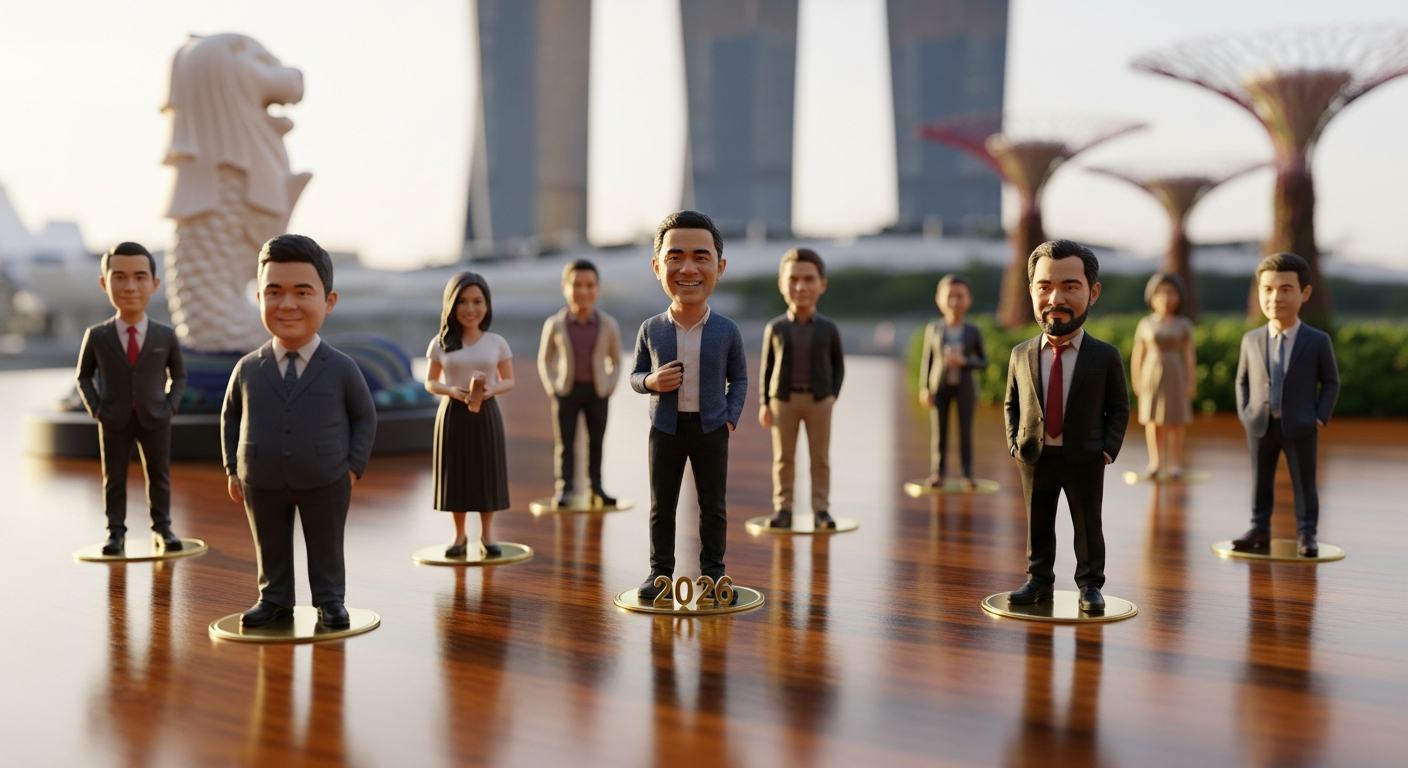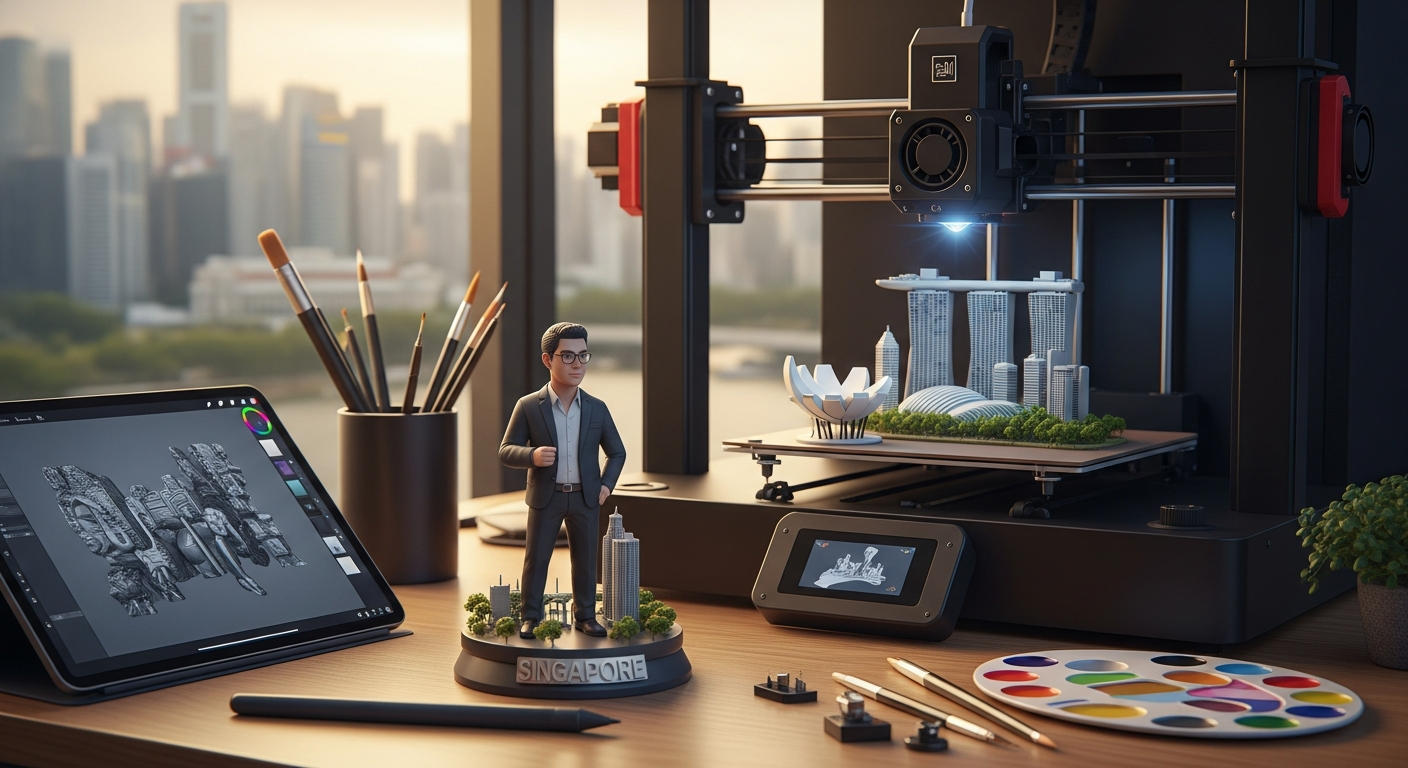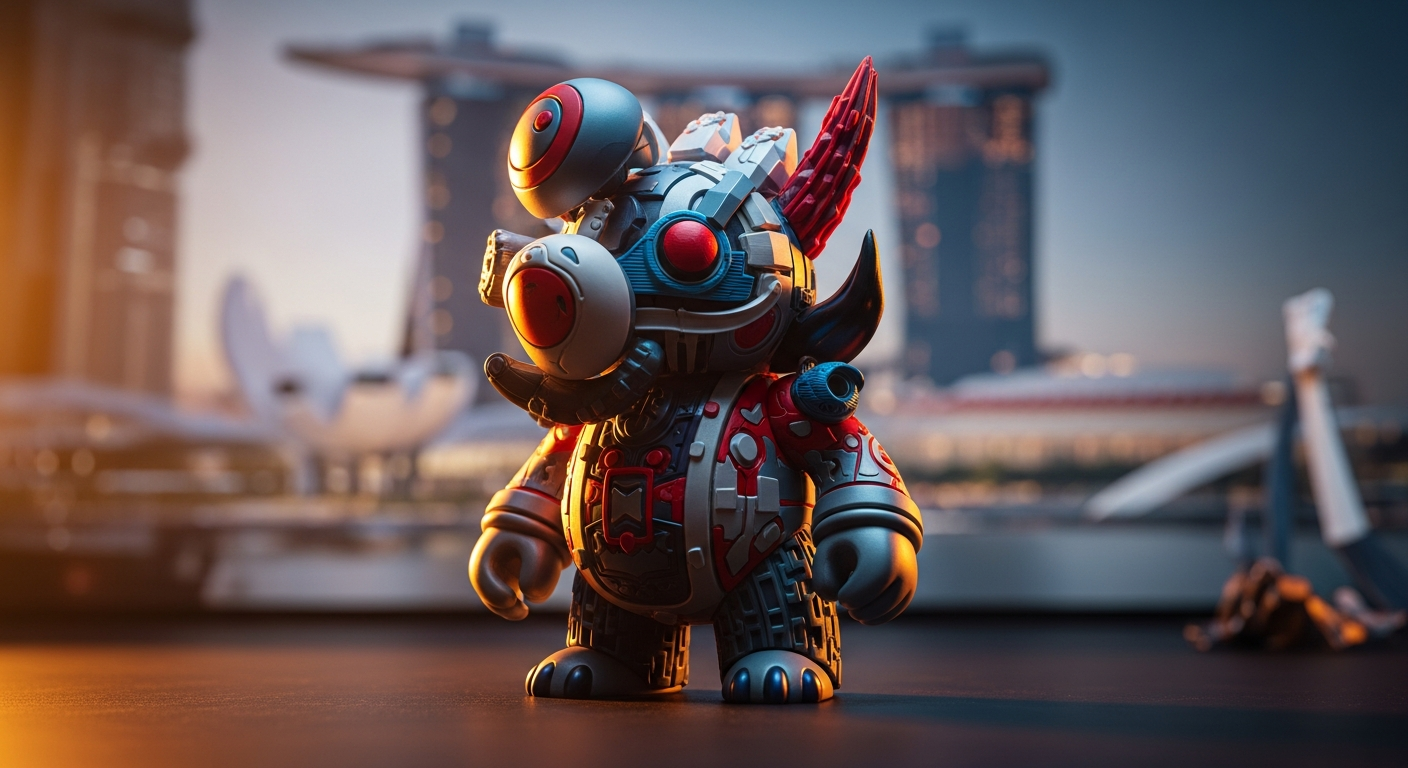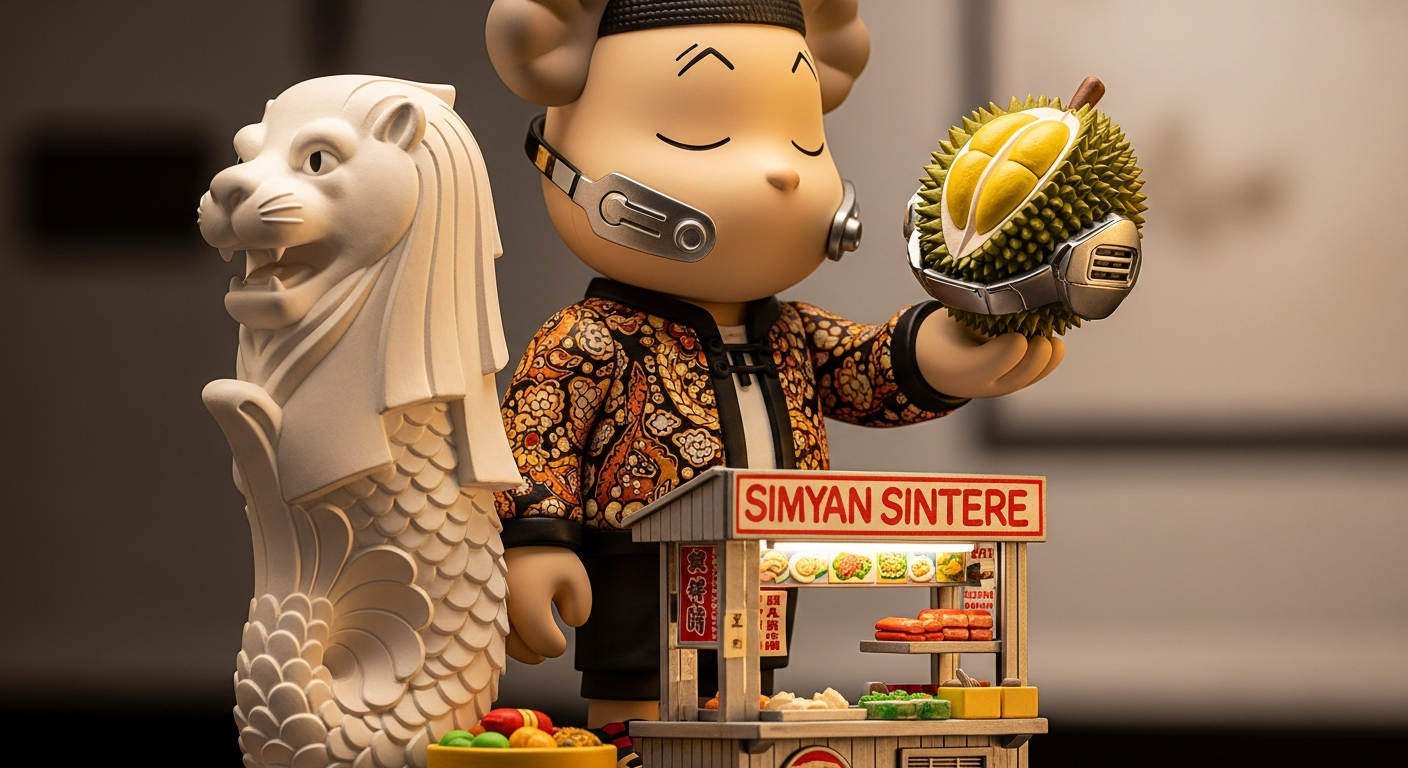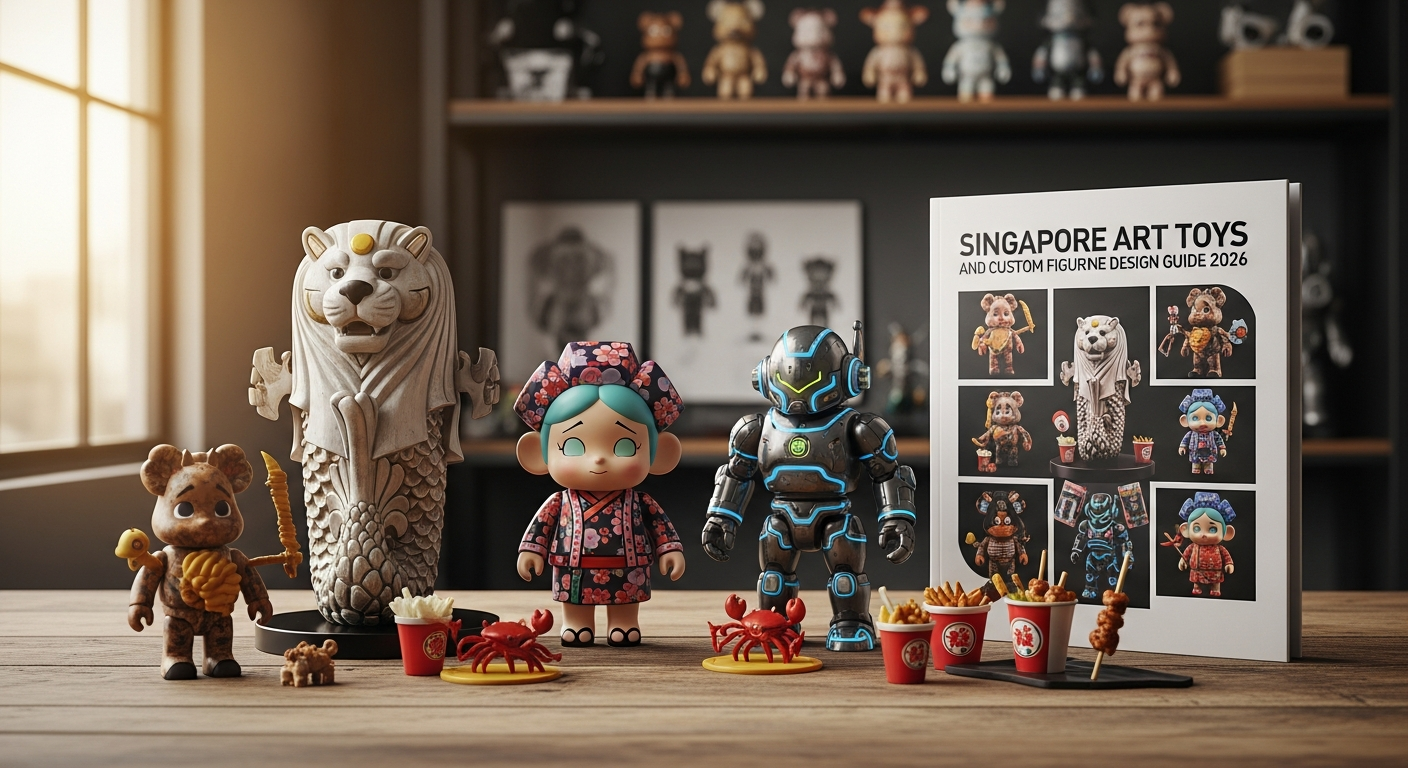
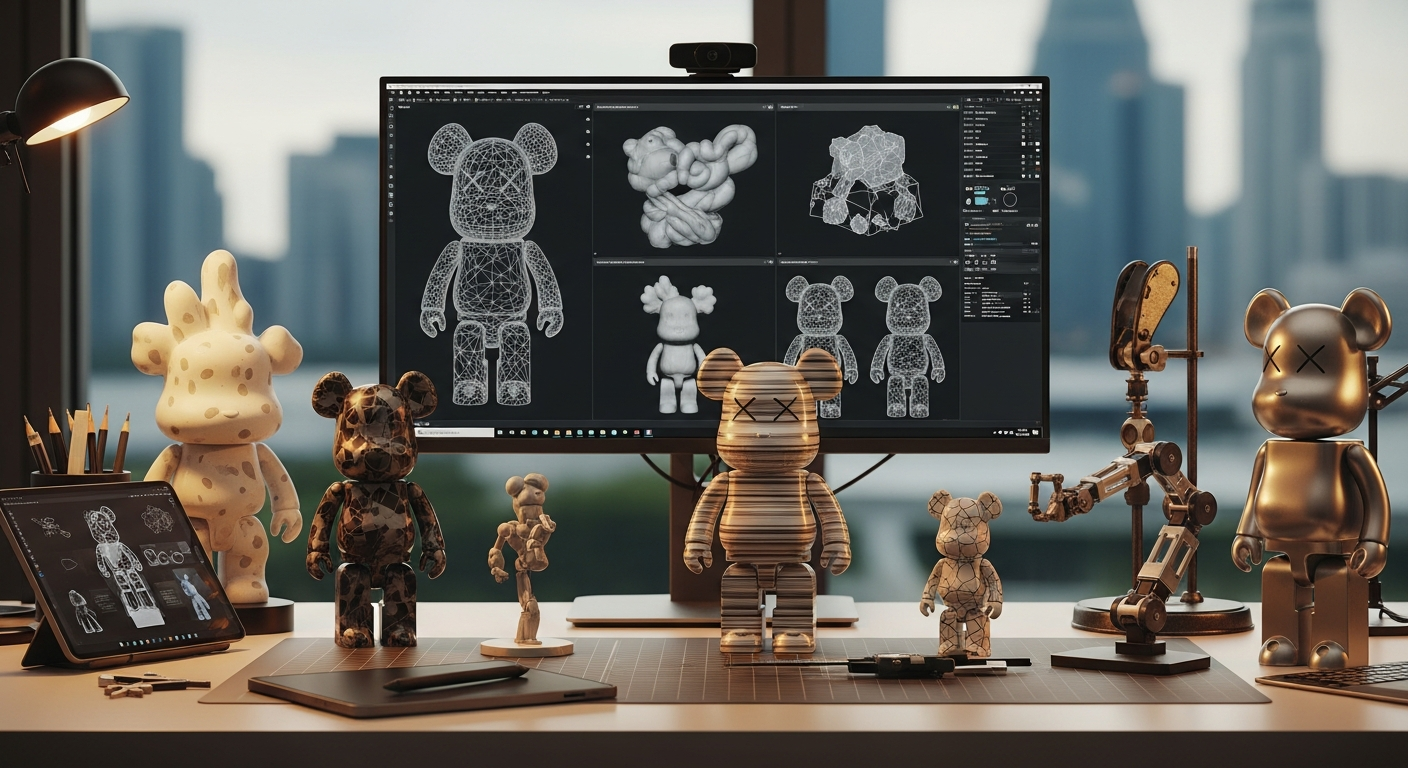

Singapore’s creative scene has matured into a vibrant ecosystem for art toys and custom figurine design. By 2026, the blend of designer culture, accessible digital fabrication, and sustainable practices has made the city-state an attractive base for creators, collectors and small brands. This guide walks you through the practical steps, current trends, production workflows and local considerations for launching or scaling art toys and custom figurine design in Singapore.
Art toys are collectible, artist-driven figurines and objects that blur the line between product and fine art. They include limited-edition vinyl or resin designer toys, hybrid materials, modular playsets and phygital collectibles tied to digital experiences. In 2026, the market rewards creativity, story-driven IP, and sustainability. Collectors value scarcity, craftsmanship and authenticity — and custom figurine design Singapore studios are increasingly offering end-to-end services from concept to small-batch production.
These trends affect material choices, minimum order quantities, and the marketing narrative for each release.
Mood boards and color studies help set the tone for limited editions.
Sculpting and CAD modeling
CAD allows for tolerances, interlocking parts and assembly workflows suitable for small-batch runs.
Rapid prototyping
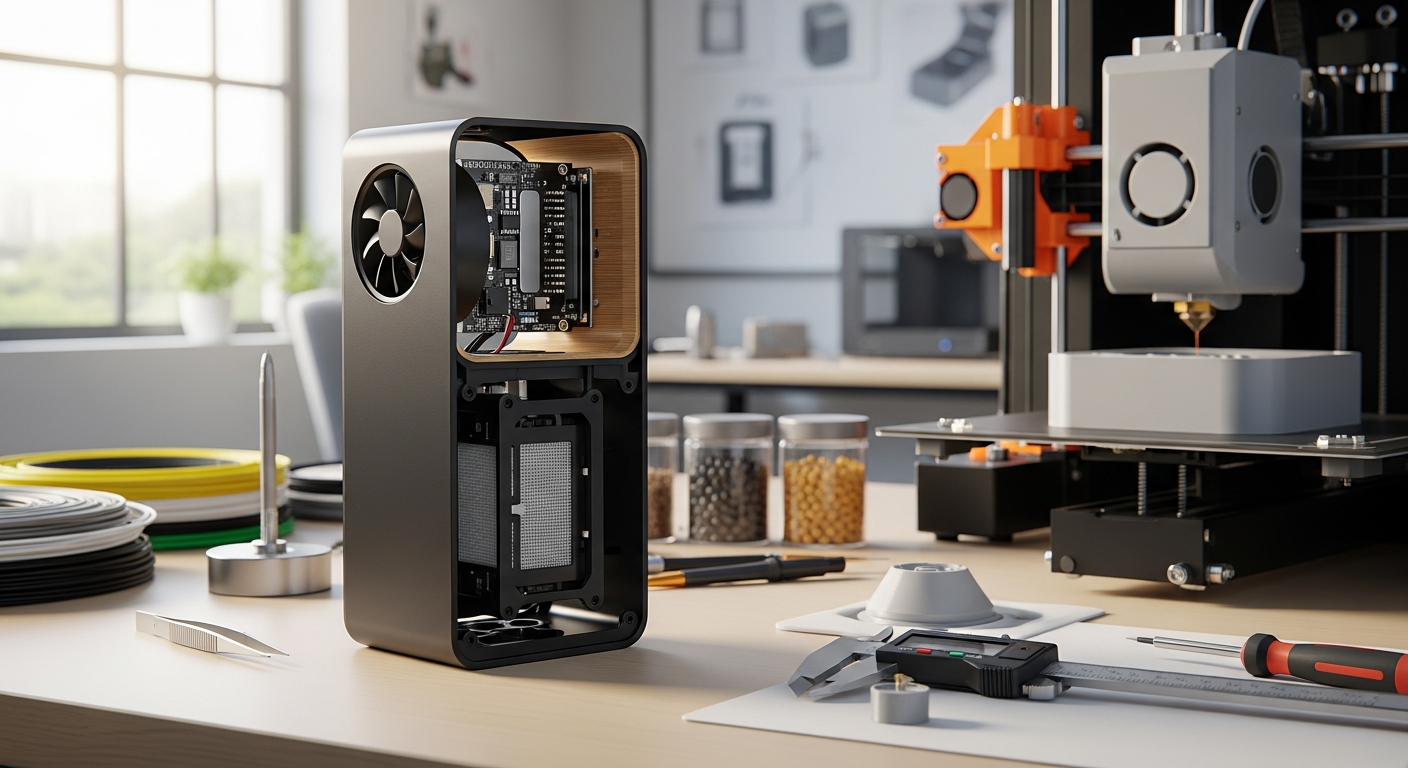
Early prototypes validate scale, balance and surface finish. Rapid prototyping using FDM or resin printing speeds up iteration; Singapore studios often offer fast-turn services, as explained in this FDM rapid prototyping guide.
Materials and finishes
Decide between ABS-like FDM parts for durability or high-detail resin for fine features. Surface prep, sanding, priming and painting are crucial for collector-grade finishes.
Small-batch production
Low-volume production strategies include on-demand 3D printing, urethane casting from silicone molds, or short-run injection molding depending on quantities and budget.
Quality control and packaging
Test assembly, paint consistency and child-safety where applicable. Collector packaging should align with the drop strategy — window boxes, signed certificates, or numbered labels.
Distribution and launch
Cons: visible layer lines unless post-processed. For rapid prototyping and structural components, FDM remains a go-to. Learn more about using FDM for lifestyle products in this article on FDM 3D printing for lifestyle product design.
Resin (SLA/DLP)
Cons: more brittle, requires careful handling and post-curing; higher per-part cost.
Urethane casting
Cons: labour-intensive; best for runs up to a few hundred pieces.
Injection molding
Cost ranges depend on size, complexity and finish. A small 10–15 cm resin figure, hand-painted and numbered, can range significantly in price depending on finish and edition size.
CAD modeling and 3D printing shorten development cycles and enable precise control over fit and assembly. Singapore benefits from a dense network of design studios and rapid manufacturing services that combine CAD, FDM and resin workflows. If you need full-service options, check this guide to the best 3D printing service with CAD modeling in Singapore, which explains the types of services available for designers.
When you build a prototype in CAD, you can test engineering constraints virtually and optimize for material use, reducing waste and cost. For many independent creators, this means launching more drops per year with higher quality control.
Sustainable practice is not just a trend — collectors often reward transparent sourcing and recyclability. Consider these approaches:
For practical advice on implementing responsible materials and workflows, see this sustainable design overview focused on 3D printing and lifestyle products: sustainable lifestyle design with FDM 3D printing.
Look for studios that combine these capabilities:
A partner that offers rapid prototyping and iterative proofs will save time and cost. Many local studios advertise FDM rapid prototyping and short-run services tailored for designers; learn more about those workflows here: FDM 3D printing Singapore rapid prototyping.
If you want a concise primer on practical studio services and full workflows that combine CAD and 3D printing for designer products, this guide on integrated 3D printing services is instructive: best 3D printing service with CAD modeling in Singapore.
The Singapore art toys and custom figurine scene in 2026 balances craft and technology. With access to advanced CAD practices, dependable rapid prototyping and a growing emphasis on sustainability, creators can produce polished, collectible pieces in small batches and scale intelligently. Whether you are an independent artist launching your first drop or a brand refining a product line, understanding the workflows, materials and local resources will make the difference between a one-off and an enduring collectible series.
For hands-on experimentation, many local facilities specialize in combining CAD-driven design with both FDM and resin workflows to accelerate product development and reduce waste. Explore practical studio offerings and workflow case studies about FDM for lifestyle product design here: FDM 3D printing Singapore lifestyle product design.
Start by defining your collector, your story and the production constraints — the rest is an iterative design process that rewards clarity and craft.