
In 2026, lifestyle product design in Singapore is pivoting toward sustainability, local manufacture, and hyper-personalization. Designers and brands are adopting additive manufacturing, especially FDM 3D printing, to reduce waste, shorten supply chains, and deliver products that resonate with conscious consumers. This article explores how FDM processes can be deployed for sustainable lifestyle product design in Singapore, what materials and workflows work best, and how to partner with local services for efficient, low-impact production.
Consumers now expect transparency, longevity, and responsible sourcing from lifestyle brands. In Singapore, a compact urban environment with strong regulatory emphasis on waste and circularity, product designers face both pressure and opportunity to innovate. Sustainable lifestyle product design Singapore means designing items that reduce material waste, support reuse or recycling, and minimize transportation footprint. FDM 3D printing aligns with these goals because it is an additive, low-waste process that enables local manufacture and on-demand production.
By shifting from mass production to distributed, small-batch manufacturing, brands can avoid overproduction and destructive markdown cycles. This is particularly relevant for lifestyle items like homewares, accessories, and limited-run art objects where uniqueness and limited quantities add value.
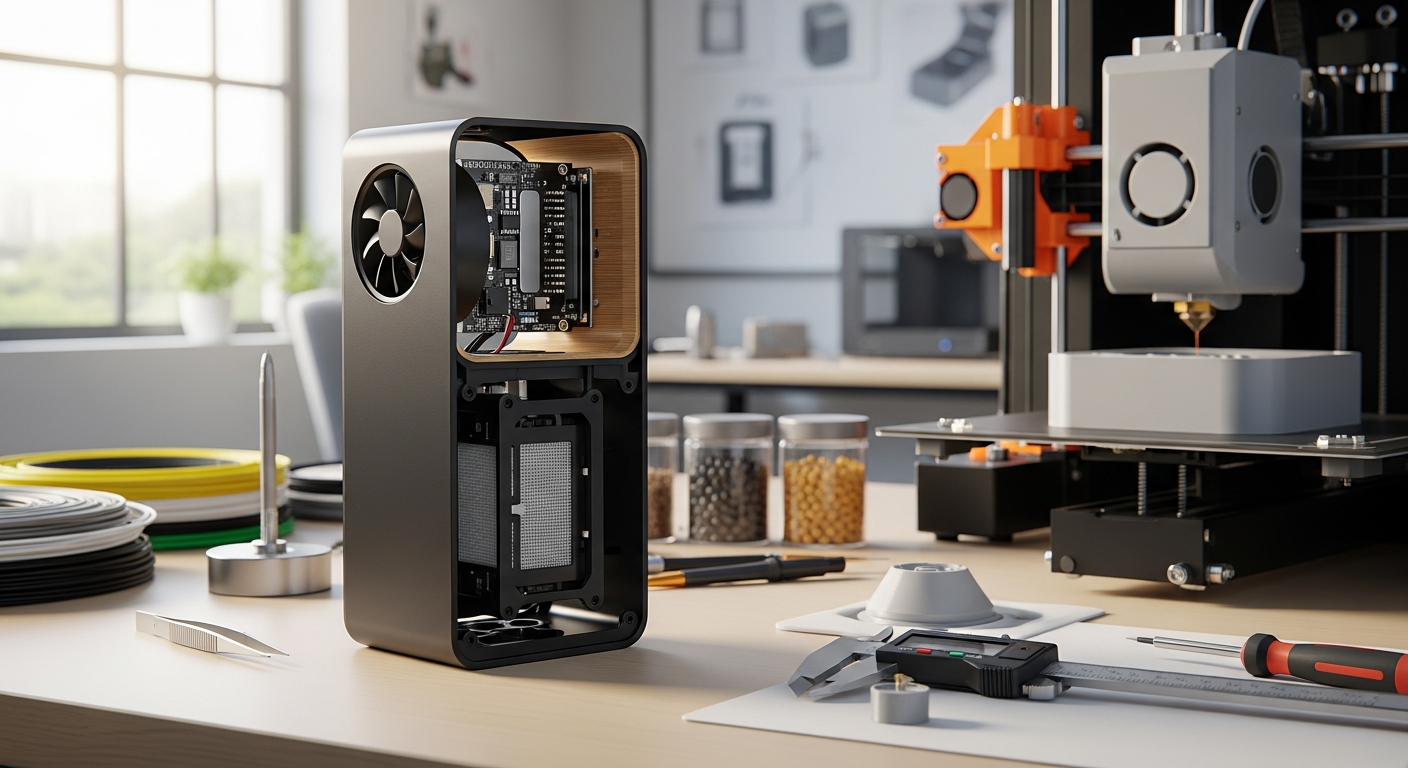
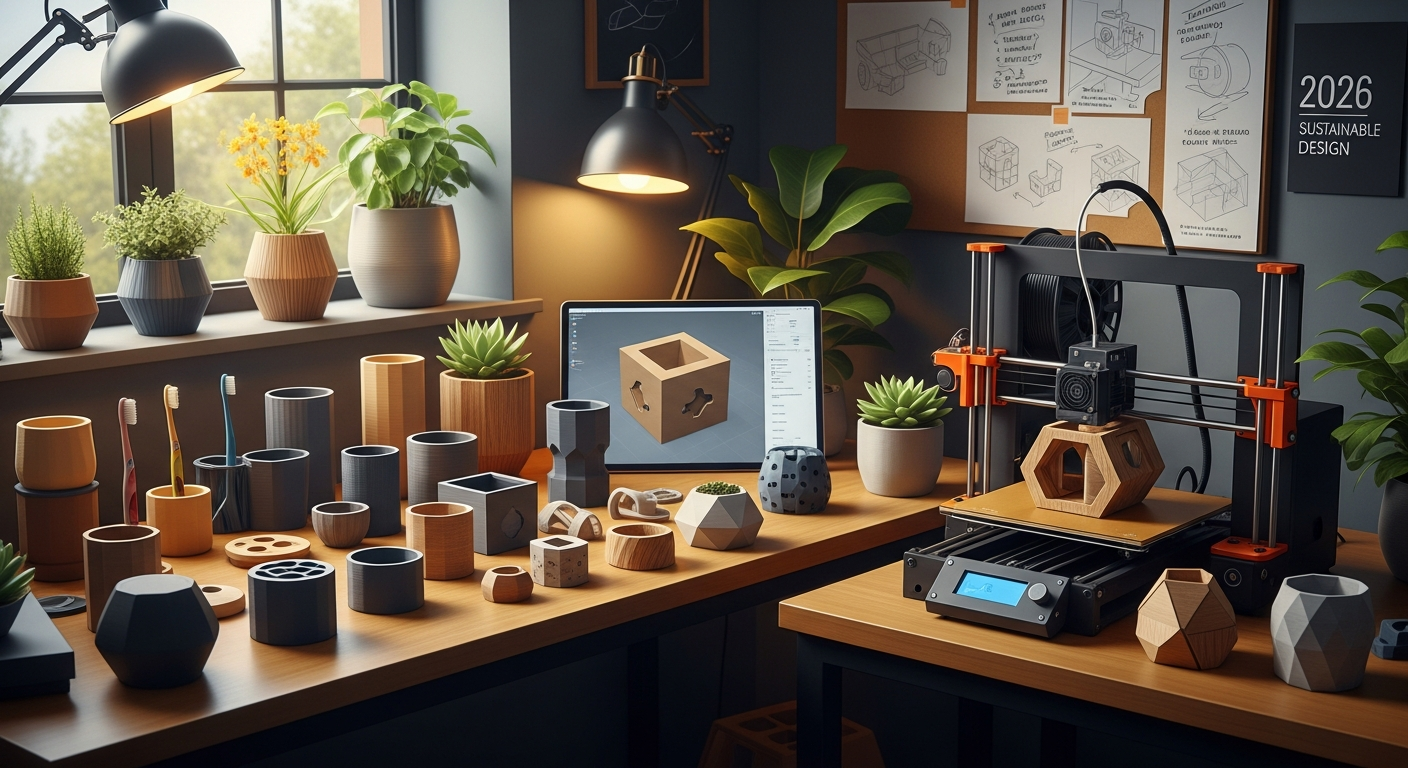
Fused Deposition Modeling (FDM) is one of the most accessible and scalable 3D printing methods. It works by extruding molten thermoplastic filament layer by layer. For lifestyle product designers, FDM 3D printing Singapore offers:
FDM is not a one-size-fits-all solution, but its strengths make it an attractive tool for product development and limited production runs. For designers focusing on surface texture, functional parts, or modular assemblies, FDM provides a practical balance of speed and structural performance.
Material selection determines both the environmental profile and the performance of printed lifestyle products. Important trends in 2026 include improved recycled filaments and bio-based polymers suitable for functional parts.
Designers should document material provenance and recyclability to communicate sustainability credentials clearly. Where available, choose filaments certified for recycled content or low embodied carbon, and design for disassembly so parts can be reclaimed.
Good design decisions amplify the environmental advantages of FDM. Consider these proven strategies:
These tactics not only lower material consumption but also improve product longevity, a core metric for sustainable lifestyle product design Singapore.
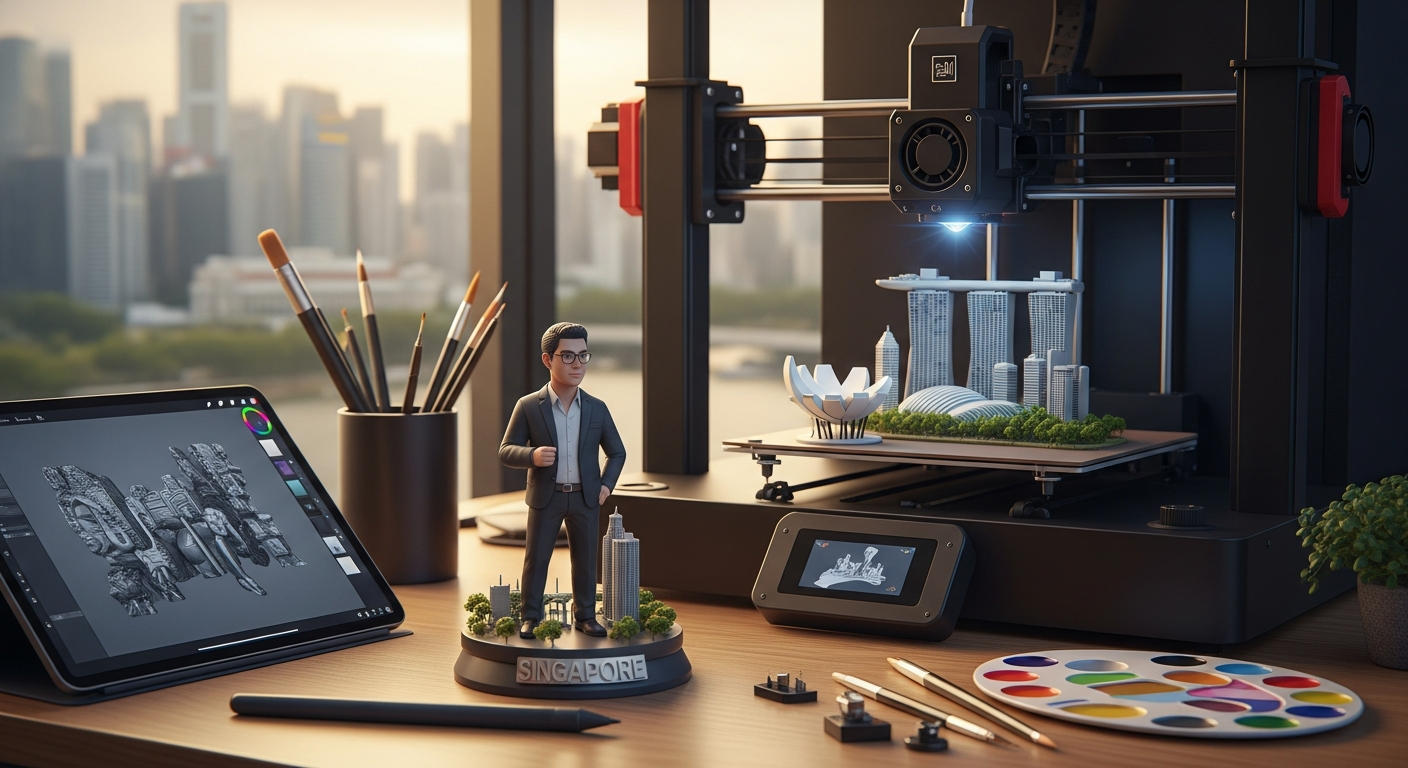
A practical workflow integrates rapid iteration with production-aware thinking. Typical stages include:
For designers in Singapore, partnering with local service providers speeds iteration and lowers shipping emissions. For on-demand models and lifestyle product launches, consider using specialist partners like those offering on-demand custom 3D printing to combine speed with flexibility.
Local fabrication hubs and 3D printing services are central to sustainable product strategies. They reduce lead times, empower close collaboration, and cut transport emissions. If you need precision and CAD support, the best 3D printing service options in Singapore now routinely offer integrated CAD modelling and finishing, enabling designers to take concepts to market faster.
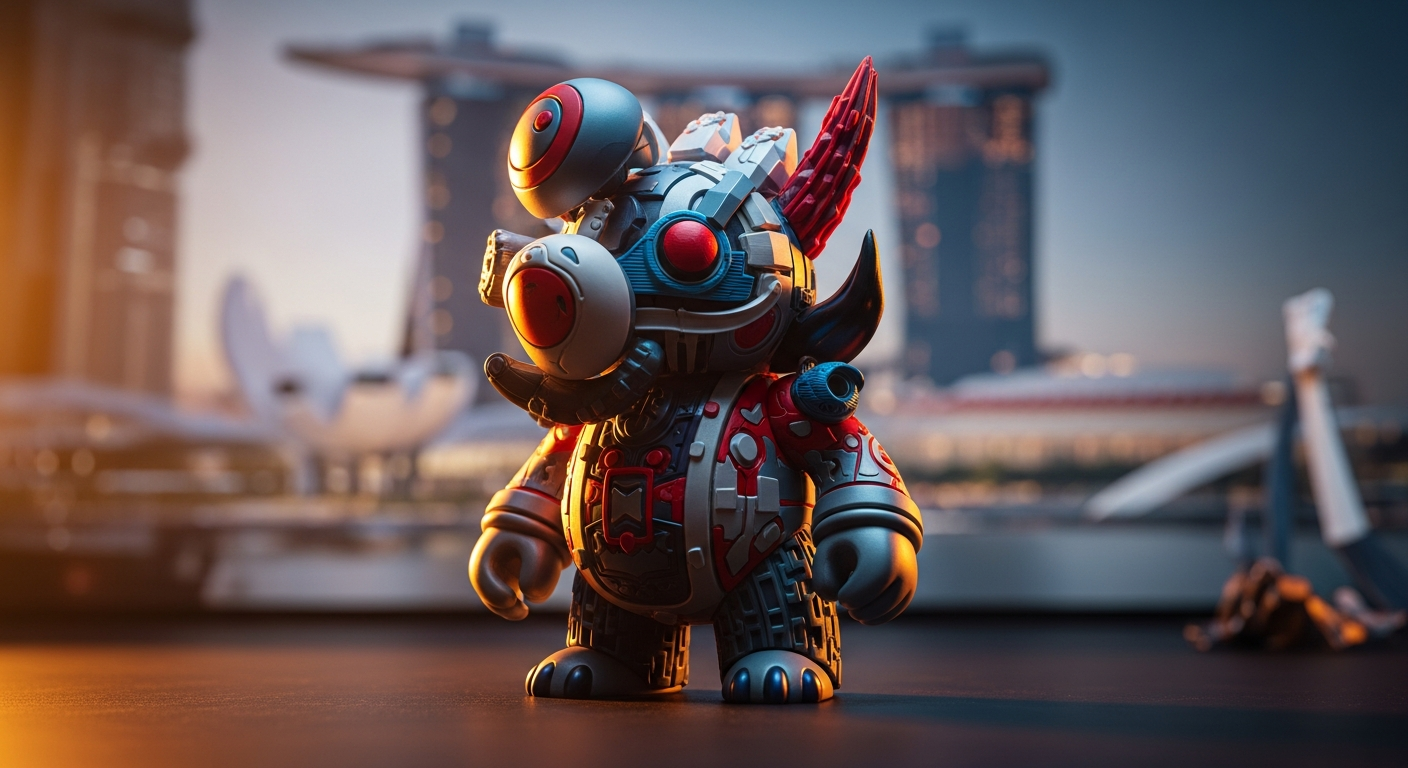
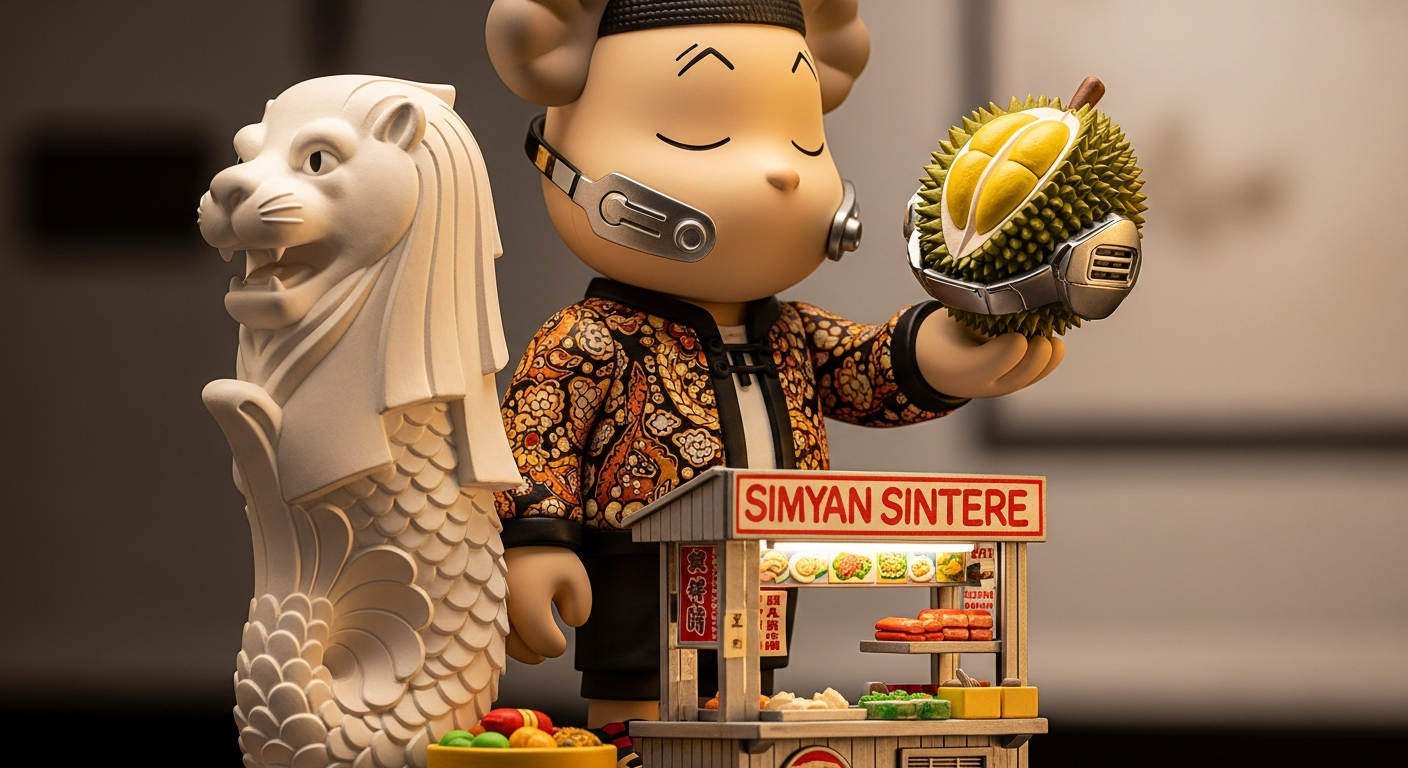
For lifestyle brands that blend art and utility, specialised studios can help produce limited-edition runs and collectible objects. Whether creating custom toys or designer knick-knacks, studios with finishing expertise make production-ready items that meet consumer expectations. Explore where to buy curated pieces and collaborations with local makers through resources focused on art toys and limited-edition pieces.
FDM 3D printing has matured beyond prototyping into viable production for many lifestyle segments:
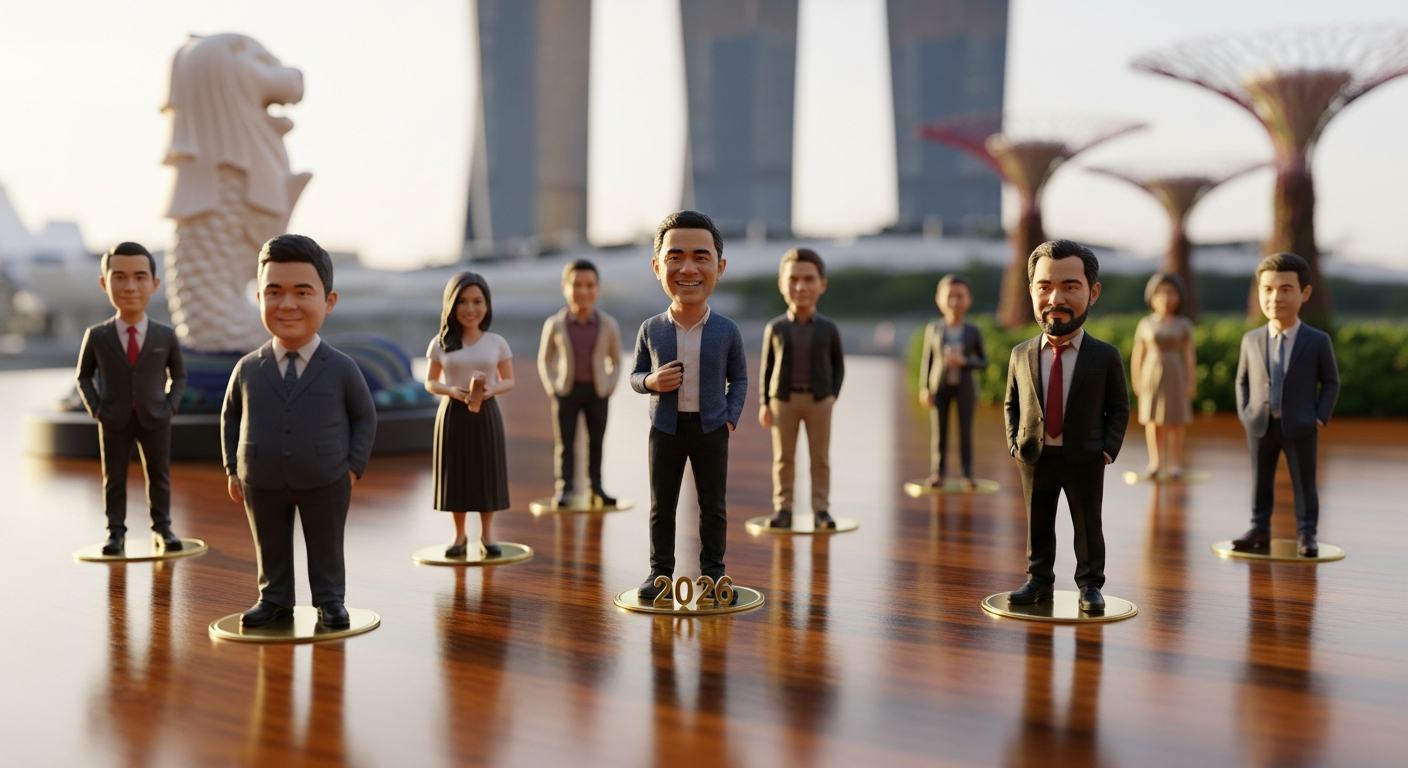
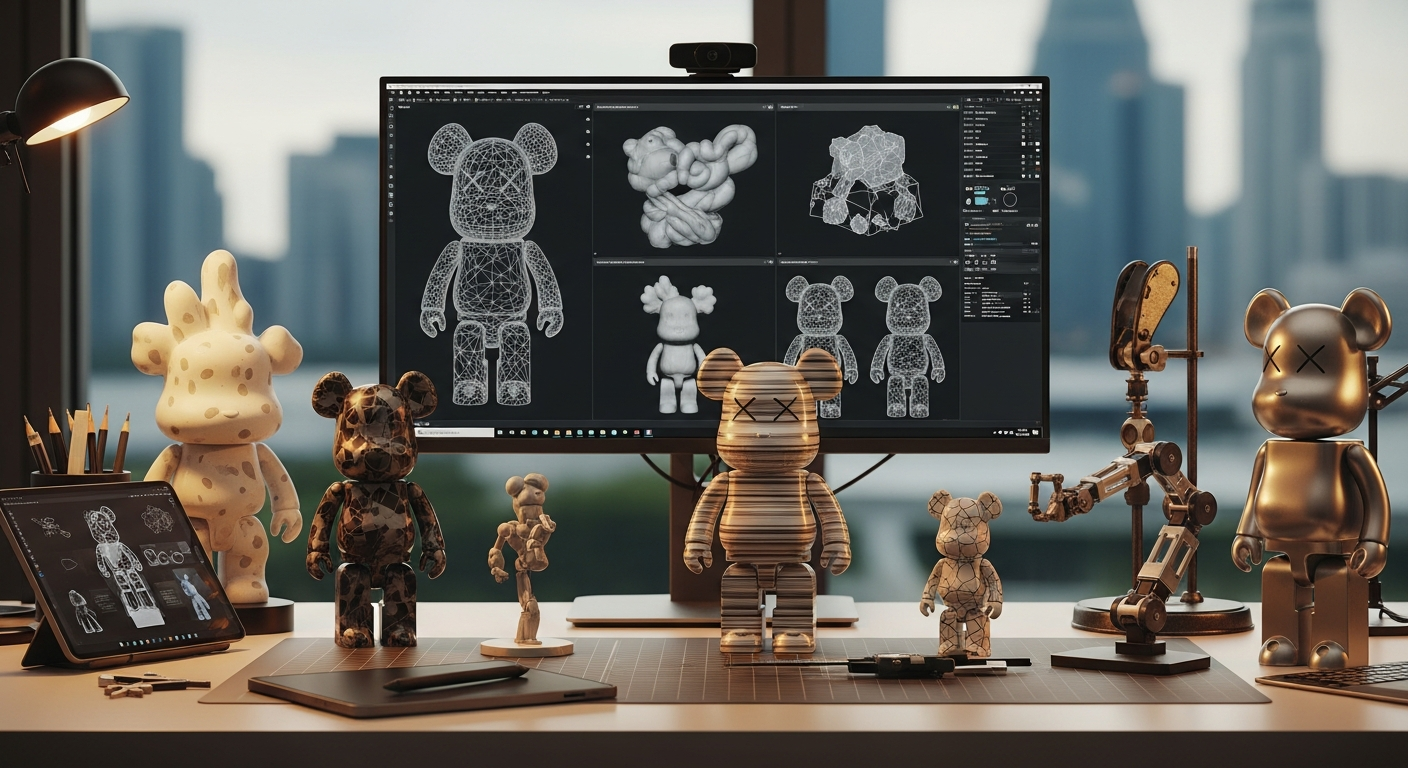
If personalized figurines are part of a product line or promotional strategy, studios offering custom 3D printing for personalized figurines can help you scale personalization without compromising quality.
Imagine a small Singapore brand launching a sustainable home accessory line. They partnered with a local studio to iterate prototypes over two weeks, switching from standard PLA to a certified recycled PETG for improved durability. By designing for no-support printing and using lattice infill, they reduced material usage by 35 percent compared with their initial designs.
The brand used on-demand manufacturing to fulfill pre-orders, avoiding inventory overhang and rapidly responding to customer feedback. Partnering with a specialized provider helped them achieve retail-ready surface finishes and packaging that emphasized recyclability. Examples like this demonstrate how agile processes, coupled with local expertise, enable viable, low-impact product launches.
Several sustainable business models are well-suited to FDM production:
Designers and entrepreneurs can select a model that fits their market and sustainability targets, using FDM as a core enabler.
FDM 3D printing Singapore is a powerful tool for sustainable lifestyle product design in 2026. When combined with thoughtful material choices, design-for-sustainability strategies, and partnerships with skilled local providers, designers can deliver compelling, low-waste products that align with consumer expectations and circular economy goals. Whether you are developing limited-edition art objects, customizable homewares, or durable accessories, adopting an FDM-first approach can shorten development cycles, reduce environmental impact, and create new opportunities for localized manufacturing and personalization.