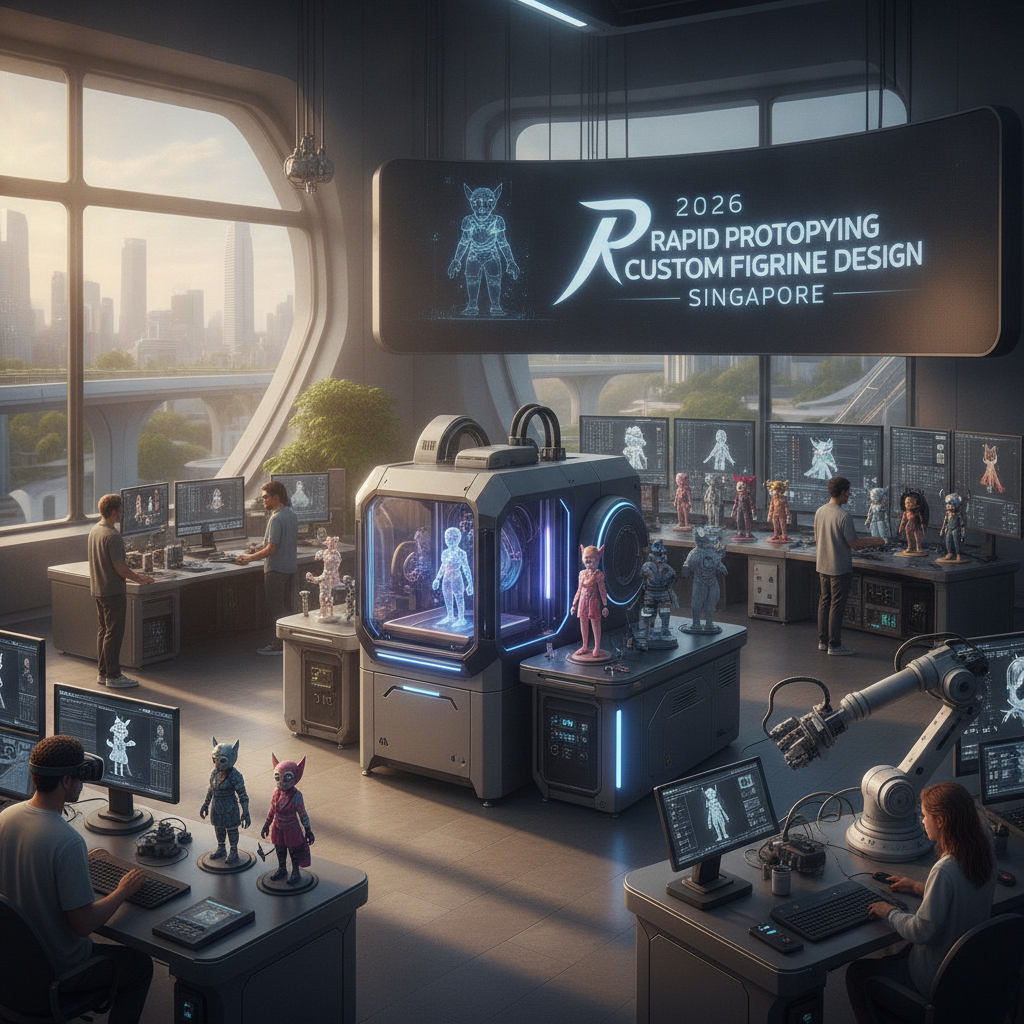


Singapore’s design scene has matured beyond aesthetic trends into a discipline that values speed, material intelligence and small-batch production. For makers and brands designing lifestyle products — from homeware and wearable accessories to limited-run gadgets and art toys — additive manufacturing delivers a unique mix of rapid iteration, cost-efficiency for low volumes, and the capacity for highly customized geometry that traditional manufacturing struggles to match.
Adopting custom processes that combine digital design with advanced fabrication not only shortens development cycles but also opens commercial opportunities: on-demand inventory, localized production, and bespoke products tailored to niche customer segments.
These advantages make a compelling case for integrating custom workflows like those offered by local specialists in custom 3D printing Singapore into the product development roadmap.
Not all 3D printing processes are equal for lifestyle product design. Choosing the right technology depends on application, finish requirements and volume.
FDM (Fused Deposition Modeling): Cost-effective for functional prototypes and durable parts. New composite filaments provide improved surface finish and mechanical performance. For lifestyle makers, FDM 3D printing Singapore services are especially useful for early-stage testing and small production runs.
SLA / DLP (Stereolithography / Digital Light Processing): High-resolution and smooth surfaces make these ideal for jewelry, small accessories and finely detailed components. SLA parts often require post-curing and careful finishing to reach retail quality.
SLS (Selective Laser Sintering): Powder-based SLS provides strong, functional parts without support structures, suited for more complex, durable lifestyle pieces.
Multi-material and MJF: These allow color, texture and material property combinations that can reduce assembly steps.
Material selection is equally crucial. Designers are increasingly choosing bio-based PLA blends, recycled nylons, and engineered thermoplastics that balance aesthetics, durability and ecological impact.
A practical, repeatable workflow bridges creative exploration and commercial reality:
This loop helps designers minimize waste, preserve IP by keeping production local, and capture market feedback rapidly.
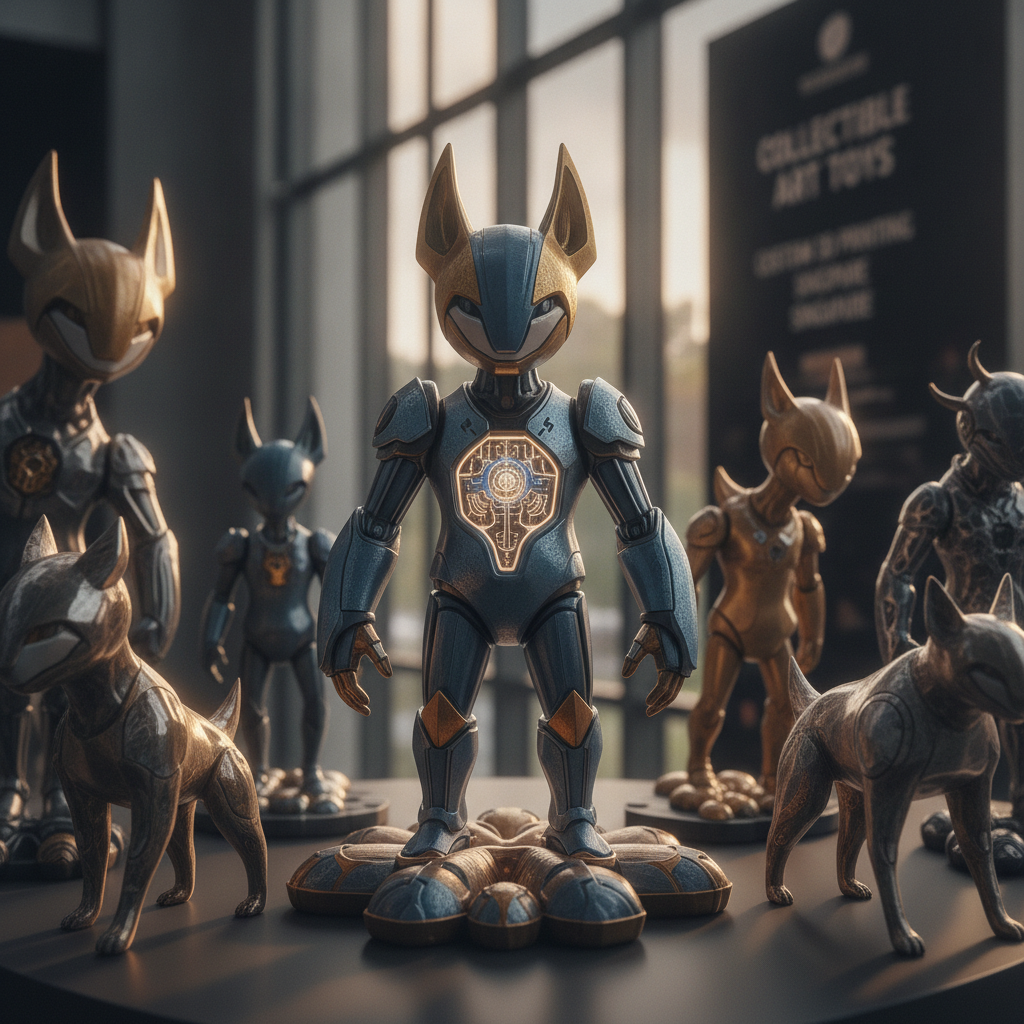
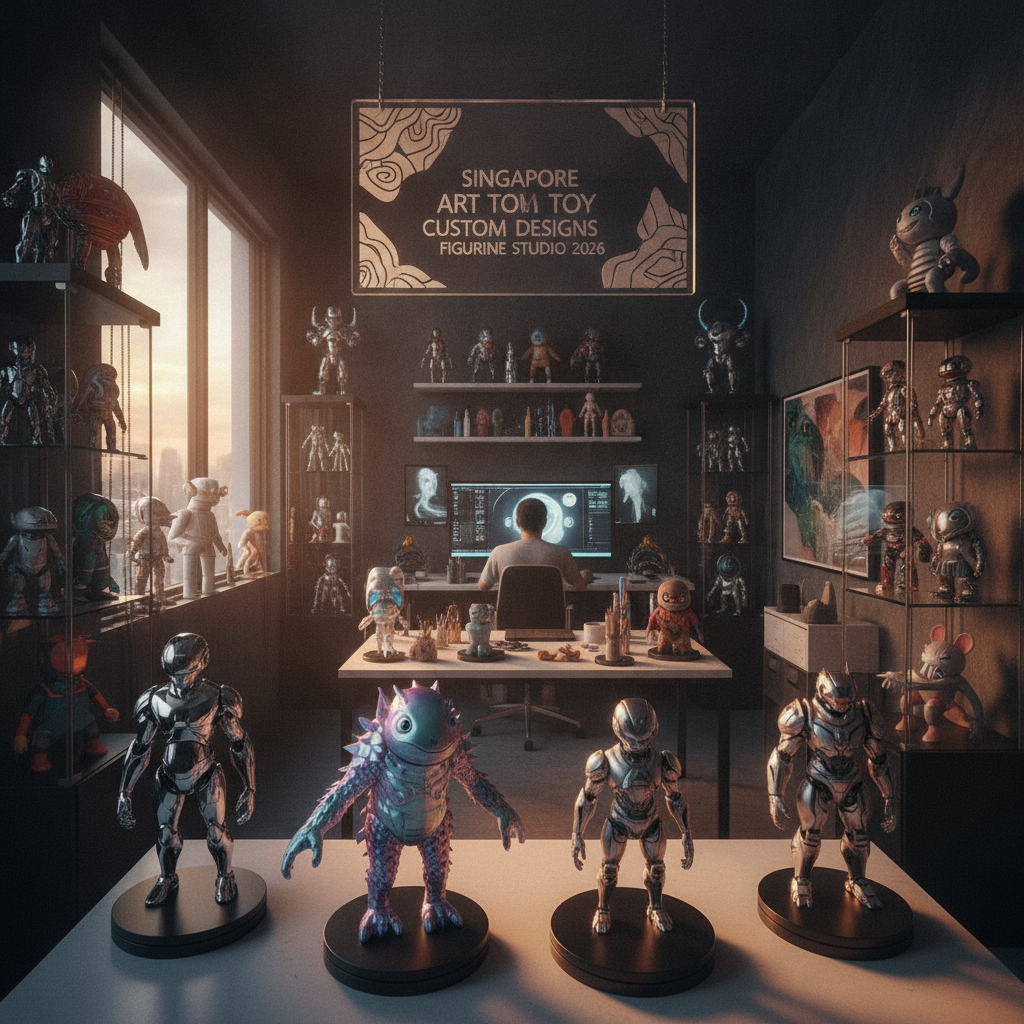
Limited editions and collectible runs are booming. Designers are leveraging additive manufacturing to create small, premium collections—especially in art toys and designer objects—where each piece can be uniquely finished or numbered. For practitioners exploring this field, resources on limited edition art toys provide useful guidance on positioning and production.
Hybrid manufacturing: Combining CNC or injection-molded components with 3D-printed parts gives the best of both worlds — the repeatability of traditional manufacturing and the customization of additive techniques.
On-demand personalization: Brands adopt digital customization platforms that feed directly into 3D-printing schedules, enabling customers to buy personalized items with short lead times.
Sustainability as a design principle: Beyond using recycled or bio-based materials, studios are designing for disassembly and repair, which extends product life and reduces lifecycle emissions.
These trends reflect a broader shift toward design practices that are nimble, customer-centered and resource-aware.
Selecting a partner is more than comparing price-per-part. Evaluate providers based on:
For an end-to-end local partner that supports both design-focused work and production-grade output, explore options listed under custom 3D printing Singapore services such as those at custom 3d printing Singapore. If your project needs to specifically target lifestyle applications, check resources about lifestyle product design Singapore to align expectations and technical specs.
A transparent vendor will offer DfAM guidance to reduce unnecessary material use and propose finishing strategies that balance cost and retail appeal.
Singapore’s compact geography makes it ideal for local, low-transport manufacturing. Designers should prioritize:
Implementing design-for-disassembly principles also allows repairability and material recovery at end-of-life, aligning product narratives to eco-conscious consumers.
When you reach the stage of production and refined finishing, partnering with specialized services for FDM 3D printing Singapore or tailored small-run providers ensures consistent output and professional finishes.
By 2026, custom 3D printing has become an essential tool for Singaporean lifestyle product designers who want to reduce time-to-market, offer distinctive products and experiment with sustainable, localized production models. Thoughtful integration of the right technologies, materials and production partners lets creators maintain high design standards while keeping development cycles lean.
Adopt a staged approach — iterate quickly, validate materials and finishes, then scale thoughtfully through small-batch production. This path preserves design intent, reduces waste and unlocks business models like limited editions and personalization that resonate with modern consumers. For further practical guidance on production-ready workflows and market positioning, the resources linked throughout this article provide targeted insights to move from prototype to polished product.