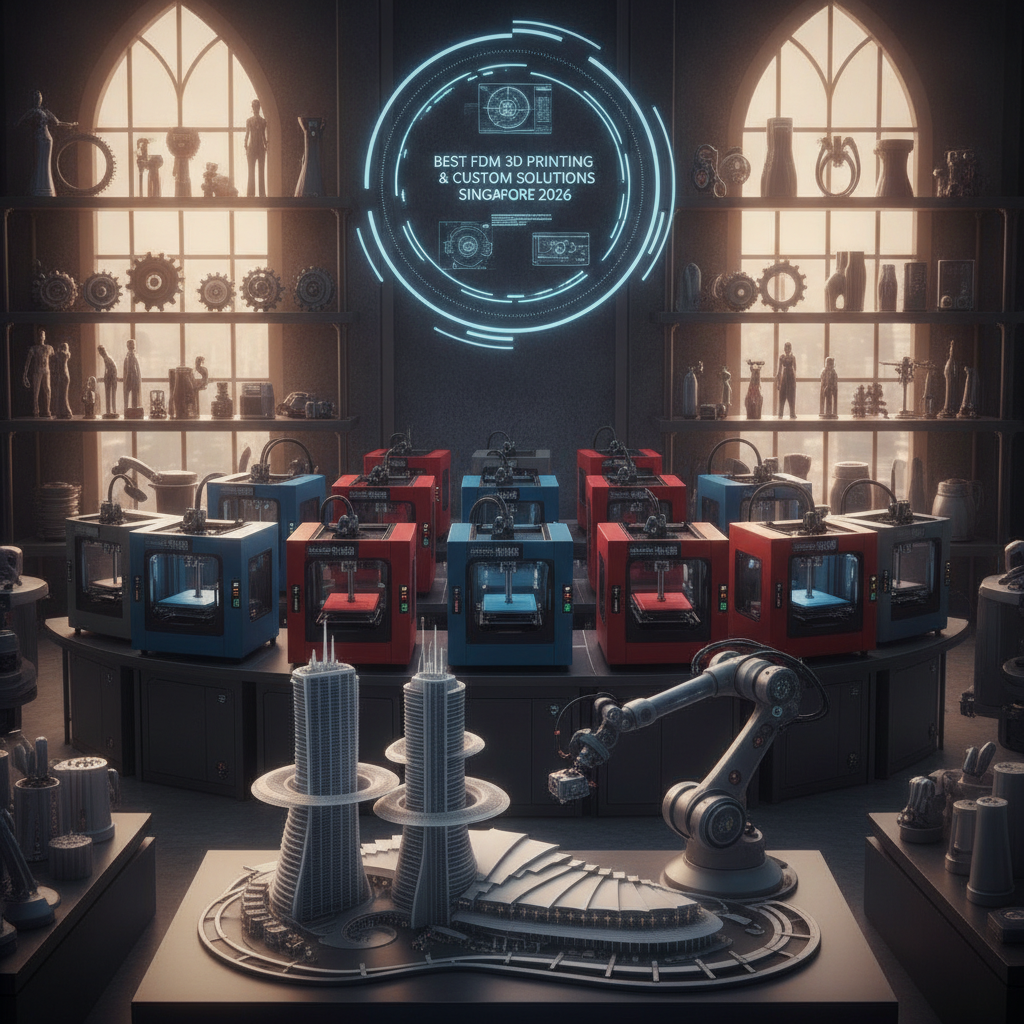

Singapore Custom Figurine Design For Art Toys 2026

Why Singapore is becoming a hub for custom figurine design and art toys

Singapore’s creative manufacturing ecosystem is maturing fast. Designers, small studios, and collectors are converging around a simple proposition: high-quality, limited-run art toys and custom figurines produced on-demand with modern digital workflows. Advances in 3D printing, AI-assisted CAD, and streamlined finishing are lowering barriers to entry and enabling new collectible narratives that thrive in 2026.

The city-state’s strategic logistics, robust IP environment, and strong design education pipeline make it an ideal place to prototype, produce, and ship collectible works. Local studios no longer just paint vinyl—they offer end-to-end services from concept sketches to photorealistic prototypes and production runs.

Market trends shaping art toys and custom figurines in 2026

  • Personalization at scale: Buyers expect unique variants—nameplates, custom colorways, and small-run personalization are now standard features.
  • Sustainable materials: Biobased resins and recycled polymers are increasingly used for premium art toys to meet collector and regulatory expectations.
  • Hybrid manufacturing: A combination of SLA for fine detail, SLS for durable parts, and CNC or vacuum casting for larger series is common practice.
  • Digital-to-physical storytelling: Designers use AR previews, animated unboxing content, and linked digital twins to increase perceived value.
  • Collaboration-first drops: Brands partner with illustrators, musicians, and gaming studios to create narrative-driven limited editions that sell out quickly.

These dynamics drive demand for reliable local providers of bespoke production and creative consulting. If you’re researching options in the region, consider professional services focused on custom figurine design Singapore to ensure both creative control and production quality.

Key stages of a modern custom figurine project

A reliable production pipeline typically follows these stages:

  • Concept and art direction: Define character, scale, articulation, and finish.
  • 3D modeling and CAD: Create a production-ready CAD file with clear tolerances and assembly points.
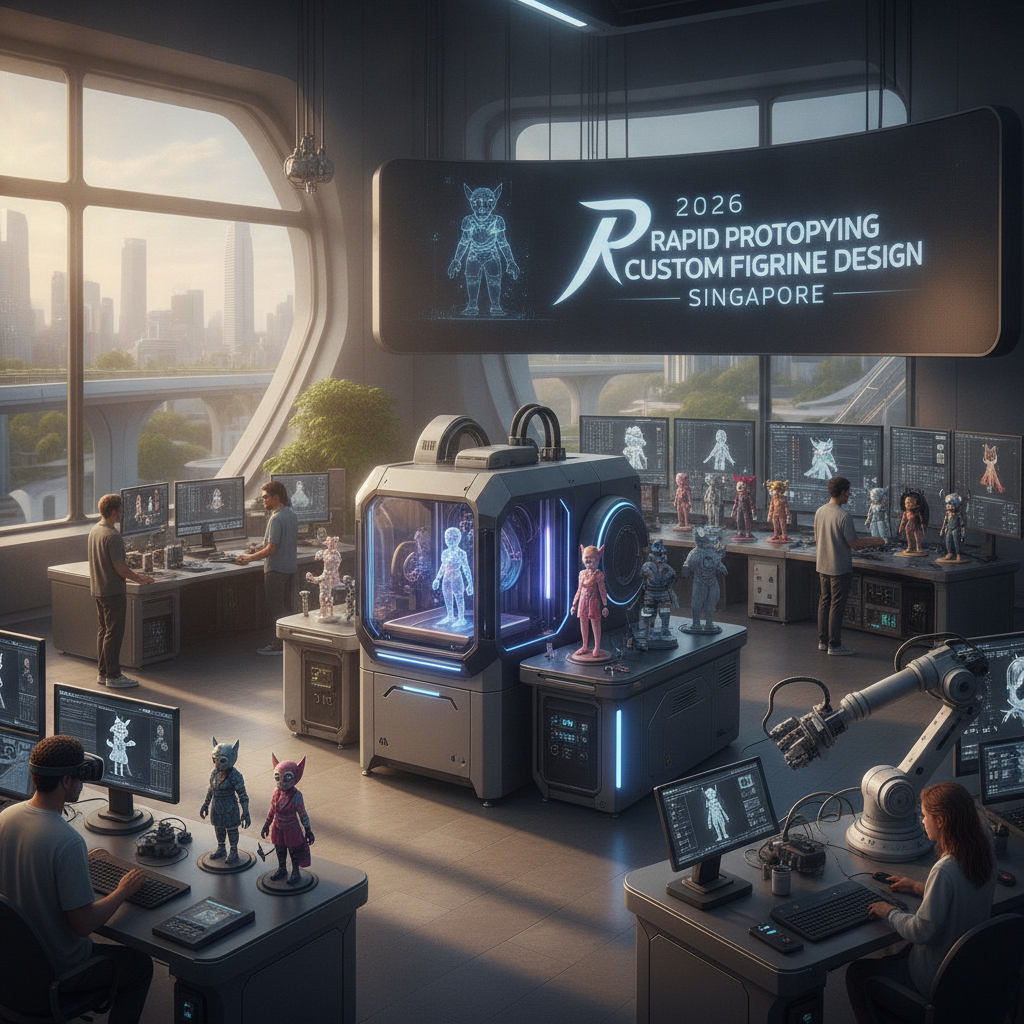
  • Prototyping: Use high-resolution 3D printing (SLA/DLP) for master models.
  • Tooling or short-run production: Decide between soft tooling (silicone molds), vacuum casting, or direct digital manufacturing.
  • Finishing and QC: Hand-painting, pad printing, tampo printing, and varnishes.
  • Packaging and distribution: Design collector-friendly packaging and certificate of authenticity.

If rapid prototyping and local speed are priorities, explore providers specializing in top custom 3D printing and rapid prototyping to compress development cycles without sacrificing detail.

Materials and processes: what collectors and designers should know

Material choice directly affects perception of value, durability, and finish.

  • SLA/DLP resins: Excellent for fine detail, perfect for prototype masters and small high-detail runs.
  • SLS nylon: Strong and suitable for mechanically functional parts or articulated figures.
  • PVC/vinyl: Traditional for mass-produced figures—cost-effective for larger runs and smooth finishing.
  • Silicone + PU casting: Ideal for low-volume collectible editions where the surface finish from a resin master is preserved.
  • Bioplastics and recycled polymers: Growing in popularity for eco-conscious collectors.

Post-processing matters as much as the print: sanding, solvent smoothing, primer layers, hand or airbrush painting, and protective coatings all contribute to a premium look.

3D printing methods compared for art toys

  • FDM (Fused Deposition Modeling): Good for concept models, large forms, and budget prototypes.
  • SLA/DLP (Stereolithography / Digital Light Processing): Best for ultra-fine detail and smooth surfaces.
  • SLS (Selective Laser Sintering): Great for durable, functional parts and complex geometries without supports.
  • MJF (Multi Jet Fusion): Efficient for small to medium production runs with consistent mechanical properties.

For studios offering on-demand collectible production, a mixed-method approach is common—use on-demand custom art toys services that combine SLA masters with silicone casting or SLS parts for assembly.

The role of AI and CAD in speeding design cycles

AI-driven tools are changing how figurines are conceived and validated:

  • Generative design for accessories and structural parts that balance form and strength.
  • Automated retopology and UV unwrapping to accelerate texture painting workflows.
  • Predictive tooling suggestions to reduce trial-and-error with molds.

Companies that integrate AI CAD modeling for lifestyle product design can shorten iteration times, optimize material usage, and create production-ready assets faster—critical for limited drops and seasonal collections.

Pricing and timelines: realistic expectations for Singapore projects

Costs vary by complexity, material, and finish. Rough guidance for 2026:

  • Concept sketch to digital prototype (single character): 1–3 weeks, depending on rounds of revisions.
  • High-detail SLA prototype: 3–7 days print time plus 2–5 days finishing.
  • Small batch of 50–200 units (casting from silicone molds): 3–6 weeks including painting and packaging.
  • Short-run injection molding (1,000+ units): 6–12 weeks depending on tooling lead times.

A local partner decreases lead-time risks and international shipping delays. For projects requiring both speed and high fidelity, investigate studios offering combined services and regional fulfillment such as those listed under their custom figurine and collectible art toys pages.

Designing for collectors: features that add value

Collectors are drawn to scarcity, story, and quality. Consider these value drivers:

  • Numbered editions and certificates of authenticity.
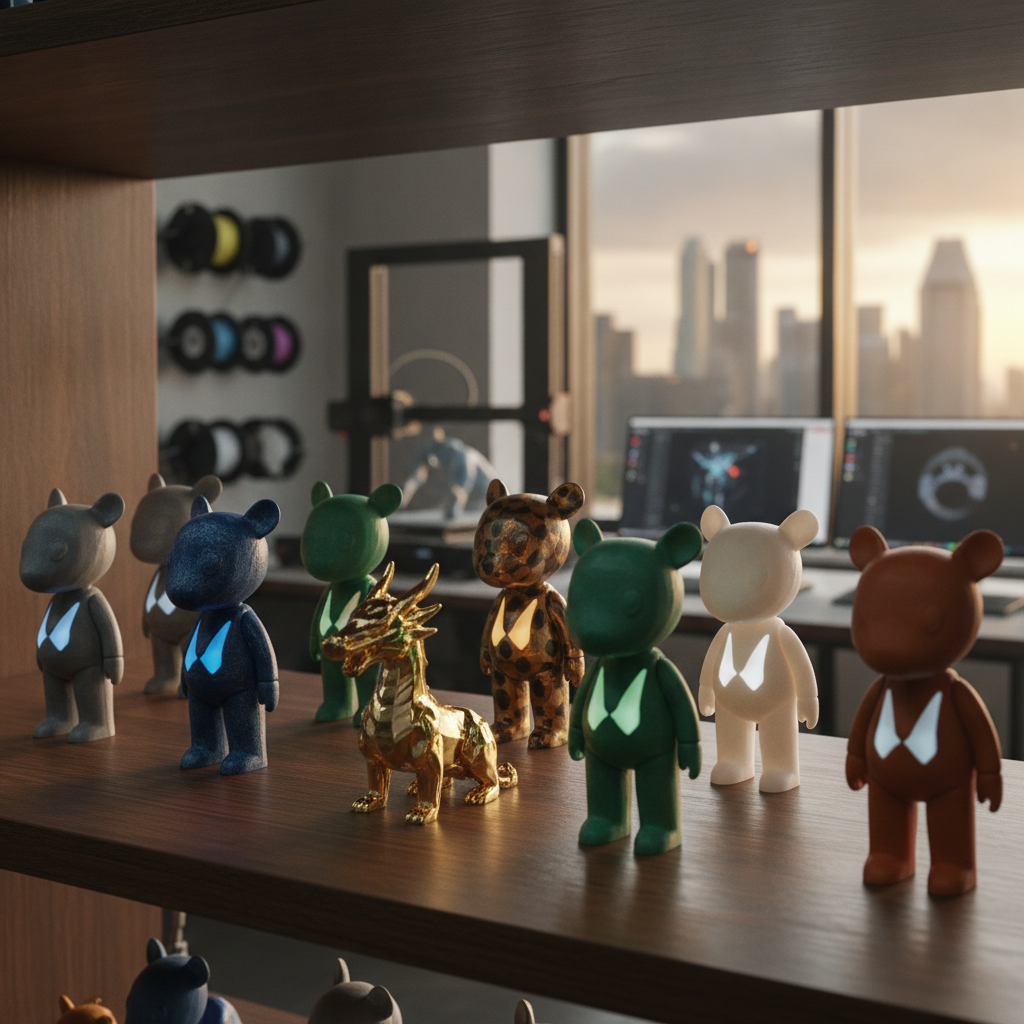
  • Multiple colorways or chase variants (e.g., 1:10 chance glow-in-the-dark).
  • Artist-signed pieces or collaboration labels.
  • Premium packaging and display stands.
  • Cross-media storytelling: comics, AR filters, or companion NFTs that add provenance.

Thoughtful design for display—magnetic bases, removable parts, and modular sets—can justify higher price points and increase secondary market interest.

Working with a studio: practical steps and tips

  • Prepare a creative brief: character backstory, target size, articulation needs, and target price.
  • Share visual references and acceptable tolerances for moving parts.
  • Ask for material samples and painted prototypes before committing to a run.
  • Clarify ownership and IP rights: custom figurine projects often involve license terms.
  • Confirm QC standards: paint adhesion, color matching, and assembly durability.

For an integrated approach that combines creative consulting with shop-floor capabilities, consider studios focused on the Singapore market and beyond, including those offering streamlined, on-demand manufacturing and design consultation.

Sustainability and regulatory considerations

As consumers demand greener products, studios are adopting:

  • Recycled or bio-resin options.
  • Low-VOC paints and coatings.
  • Recyclable packaging with minimal plastics.

Complying with toy safety standards (where applicable) and accurate labeling is also essential for collectors and resellers. Manufacturers that are transparent about materials and testing build trust and long-term value.

Case uses: from brand activations to boutique collectibles

Custom figurines have become versatile creative assets:

  • Brand activations and event giveaways that create social buzz.
  • Limited-run art drops sold through galleries and online platforms.
  • Crowdfunded projects where prototypes and stretch goals drive engagement.
  • Licensing for games, music, and film IP where figurines become tangible merch.

To scope a collector-focused drop or a branded campaign, research providers who can manage both creative direction and fulfillment—services that package design, prototyping, print, finishing, and logistics into one workflow.

Getting started: next steps for creators and collectors

Begin by defining the core concept, target production size, and anticipated retail price. From there, choose a workflow tailored to your needs—rapid prototype-heavy for high-detail limited editions, or tooling-first for larger volumes. A great reference point for local capabilities and case studies is providers that highlight outcomes for the regional market and production methods.

Explore integrated service pages for inspiration and technical guidance: browse offerings for custom figurine design Singapore, evaluate on-demand custom art toys, and study how AI CAD modeling for lifestyle product design is accelerating time-to-market.

Closing perspective

The intersection of craft, digital manufacturing, and storytelling has matured into a vibrant market in Singapore. For designers and collectors in 2026, successful custom figurine design and art toys balance artistic vision with production-savvy decisions—choosing materials, processes, and partners who understand the collector mindset and the realities of modern fabrication. Whether producing a single bespoke showpiece or planning a limited-edition drop, the right combination of creativity and technical rigour turns concept into collectible reality.
Share this story: