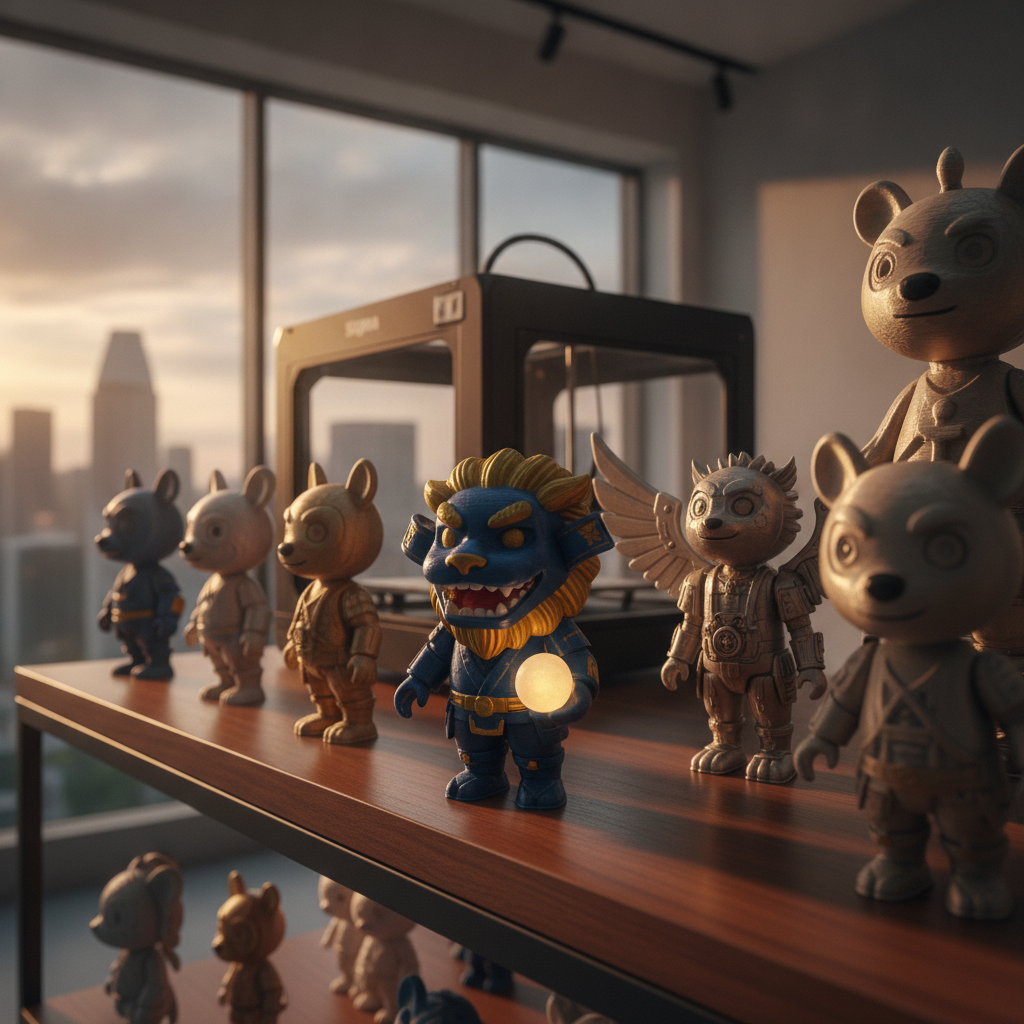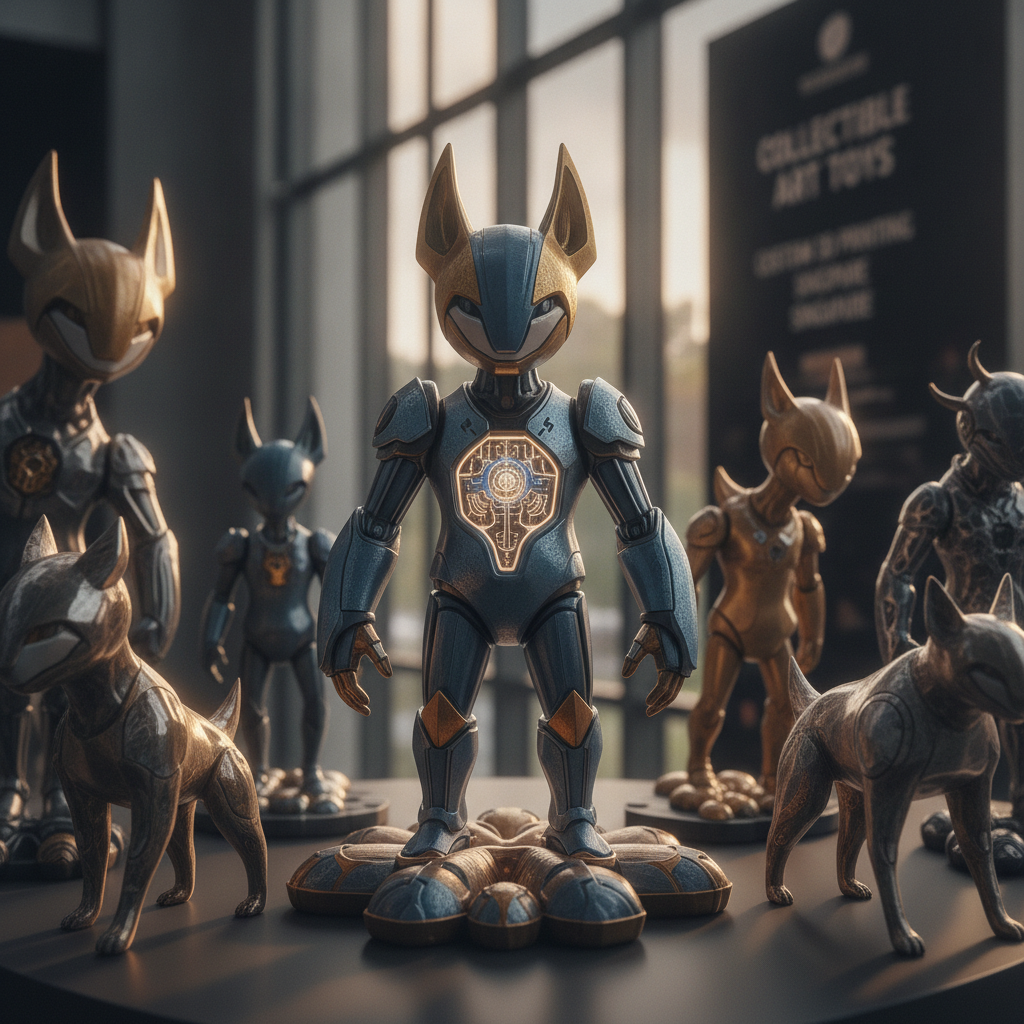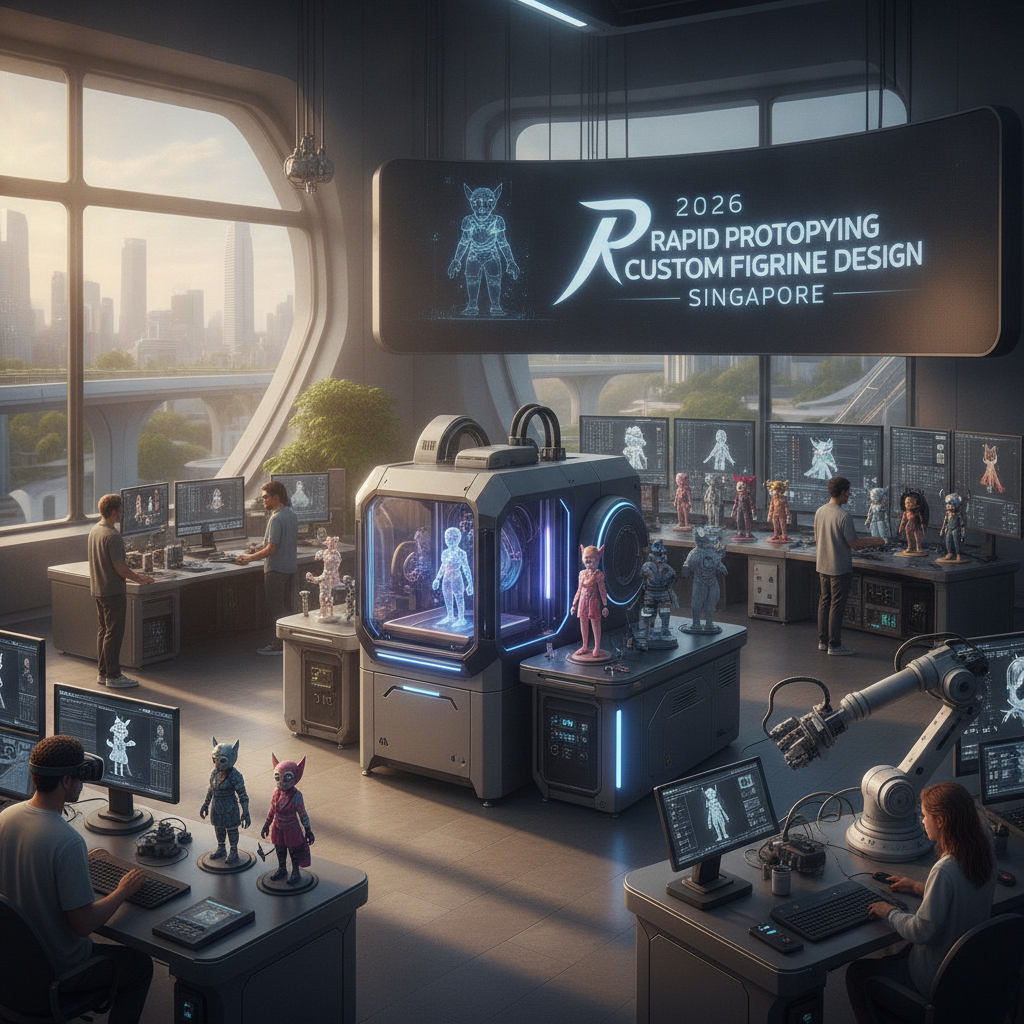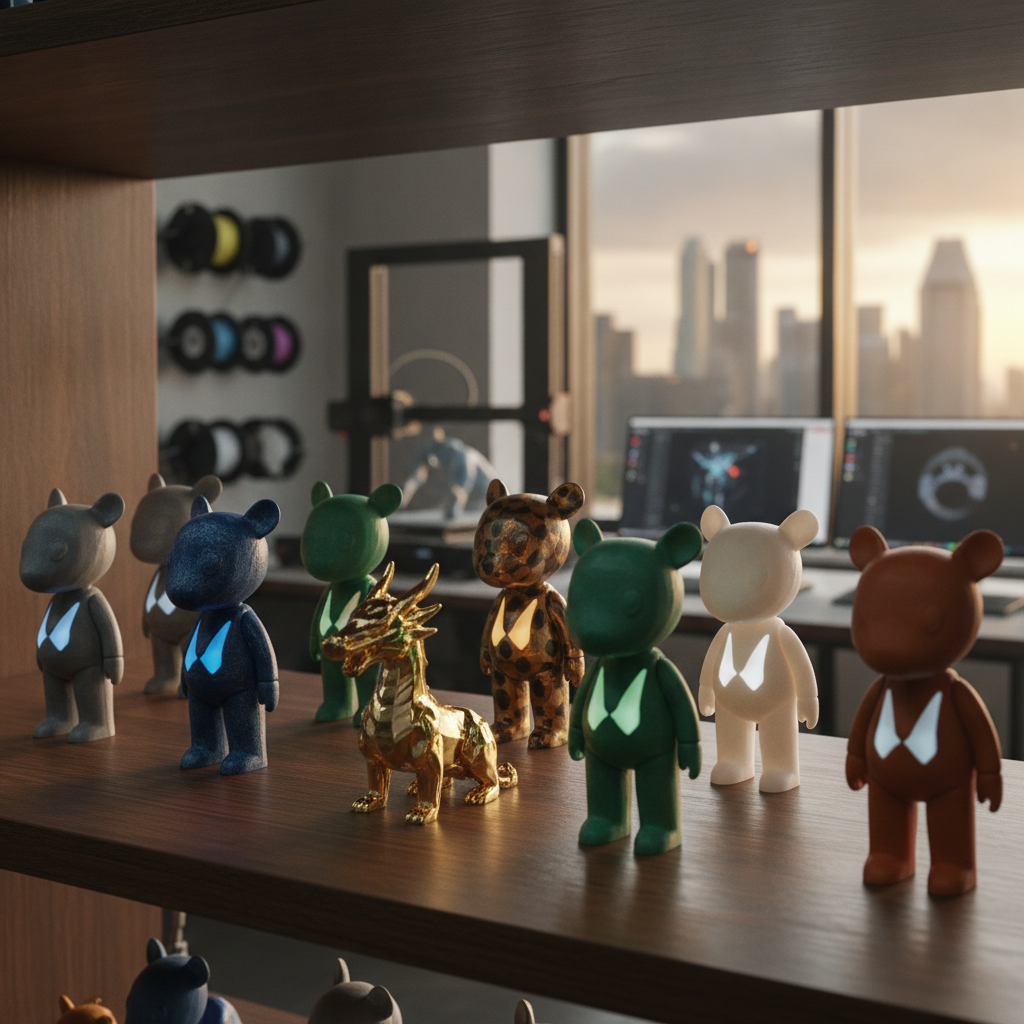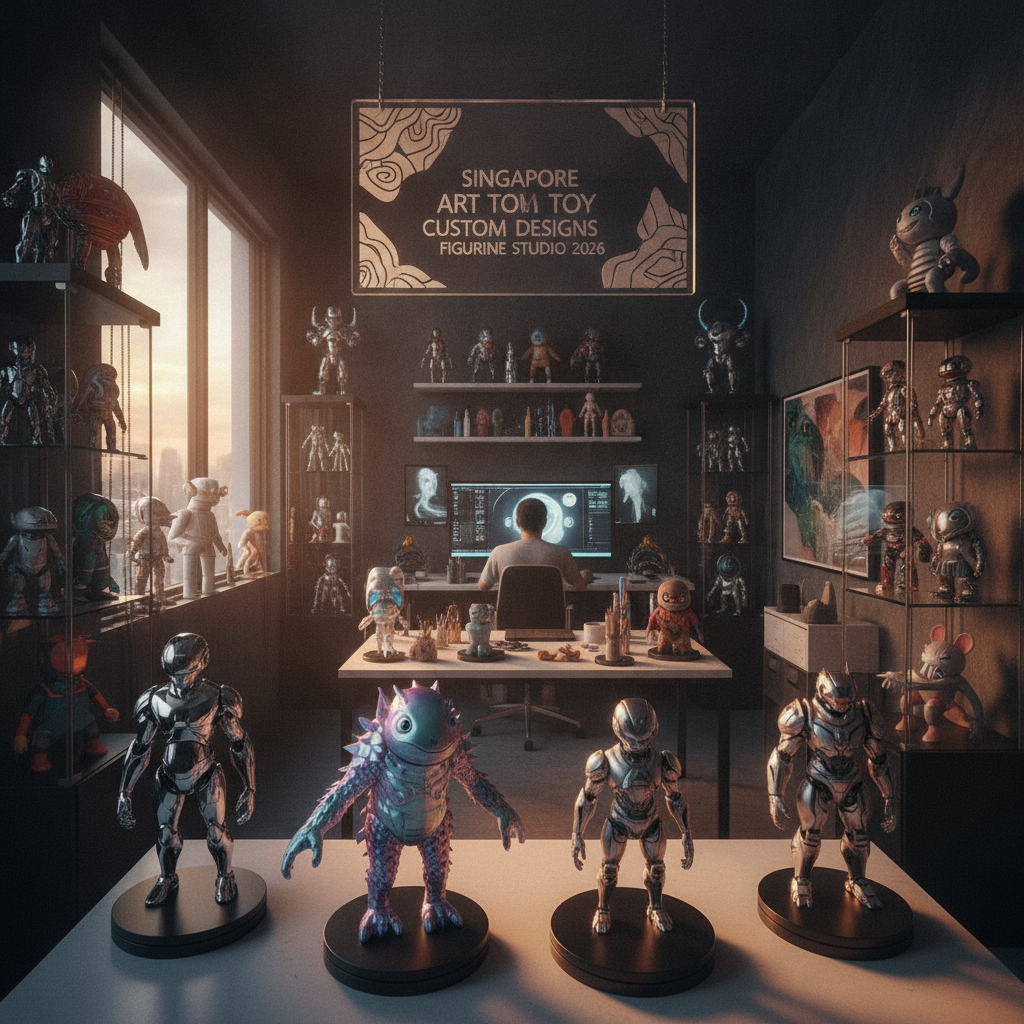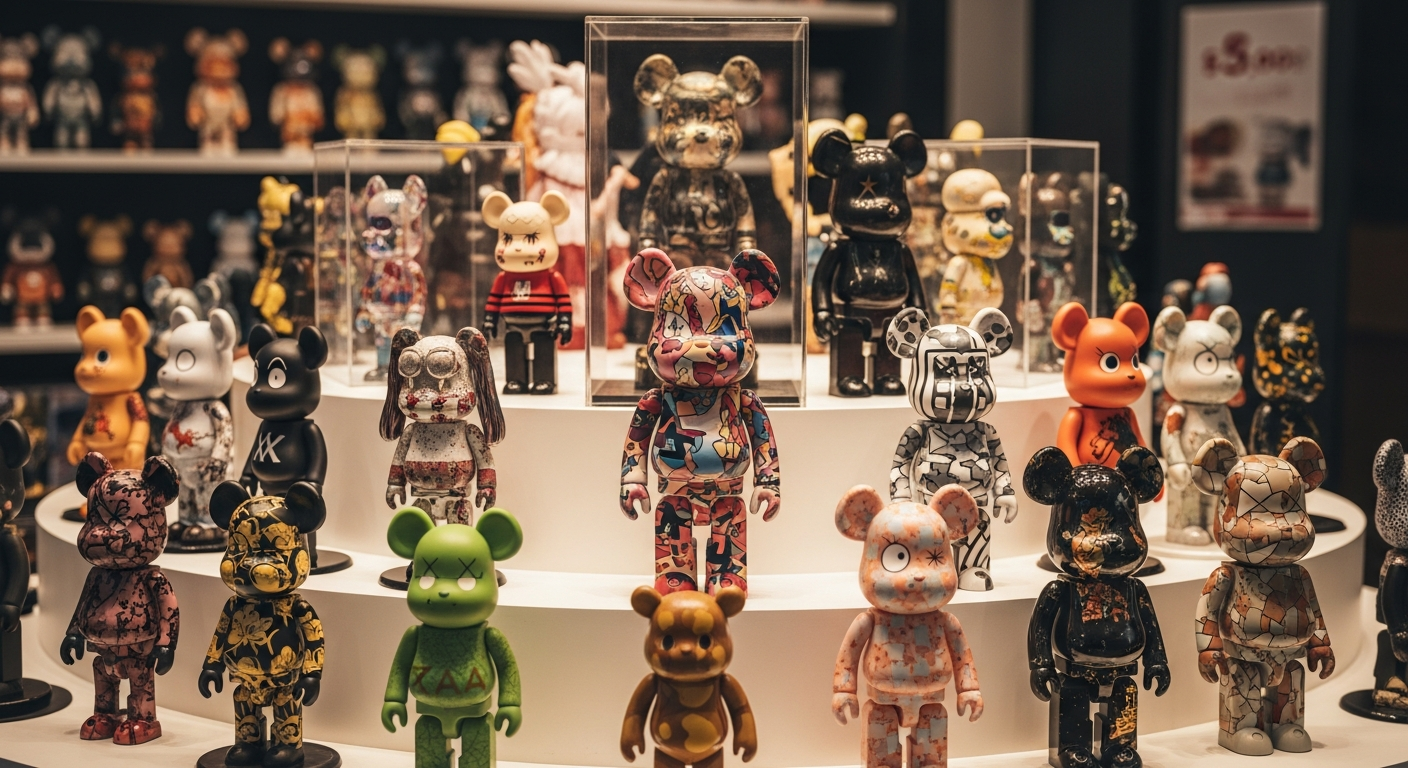

Collectible art toys have moved well beyond childhood playthings. They are now a vibrant intersection of design, pop culture, and limited-edition craftsmanship. In Singapore, a compact but energetic creative ecosystem is driving interest in bespoke pieces and small-batch releases. This article unpacks current trends in collectible art toys and custom figurine design Singapore, covering market dynamics, production workflows, and practical advice for creators and collectors.
Singapore’s strong design education, active maker communities, and excellent prototyping infrastructure make it fertile ground for niche creative industries. The collectible art toys market benefits from several converging forces:
Local studios are experimenting with crossover projects that appeal to both art collectors and lifestyle consumers, reshaping how limited-edition runs are marketed and sold.
Collectors often evaluate pieces on more than just aesthetics. Key value drivers include:
These factors combine to make certain collectible art toys desirable investments as well as objects of personal enjoyment.
Custom figurine design Singapore has evolved from bespoke fan merchandise to a recognized design service. Designers and small studios now offer end-to-end workflows: concept, sculpt, prototyping, finishing, and limited production. Custom figurines let creators build direct relationships with collectors through commissions, drops, and collaborative projects.
For designers seeking a deep-dive on process and market positioning, resources like a dedicated custom figurine and lifestyle product design guide outline best practices for development, branding, and launch strategy.
Rapid prototyping is a game-changer for collectible art toys. Designers can iterate quickly on scale, pose, and surface detail, reducing time-to-market and minimizing costly tooling mistakes. Key prototyping trends include:
To better understand how rapid prototyping supports the collectible art toys lifecycle, review guides that focus specifically on prototyping approaches for designer runs, such as this piece on collectible art toys rapid prototyping.
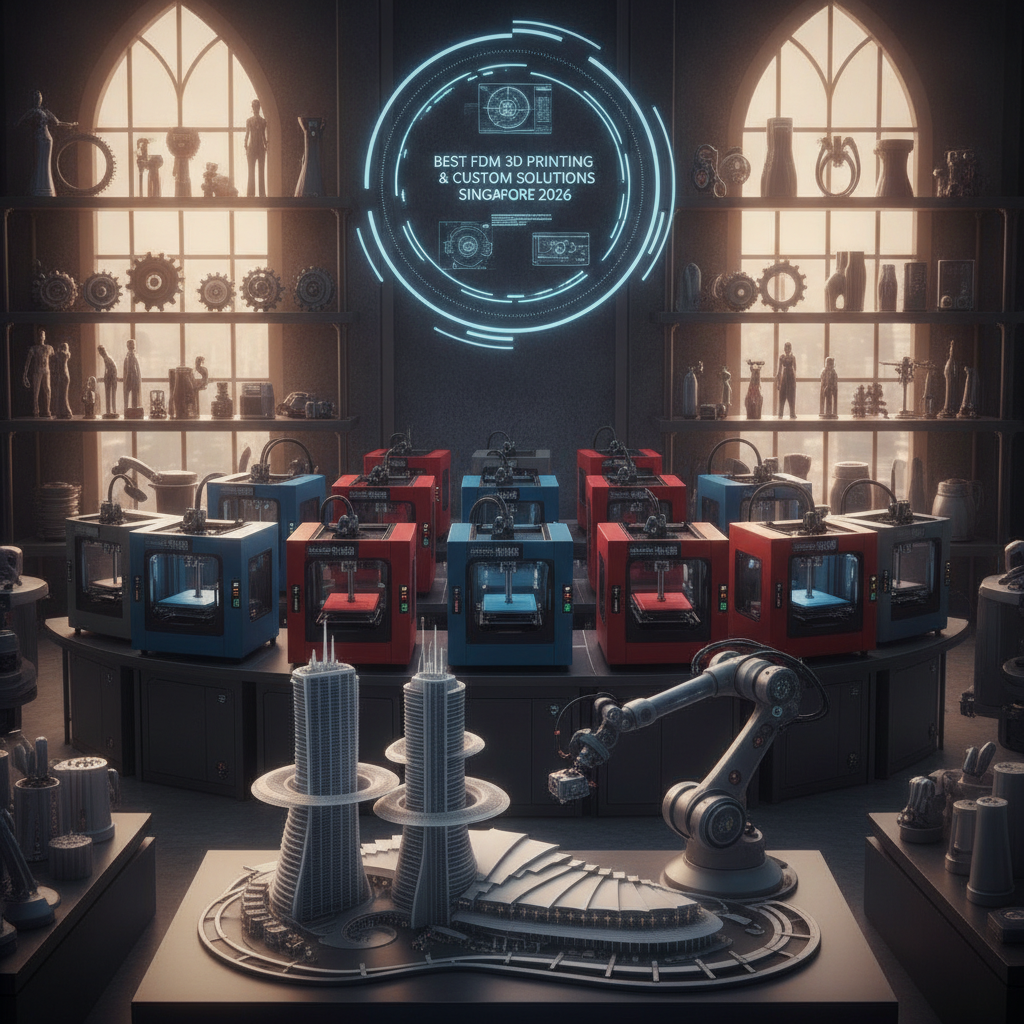
3D printing has broadened the tools available for creators, from detailed SLA resin prints for masters to FDM printing for functional parts and jigs. Each method has trade-offs:
Local services often combine methods to achieve the best results. For a practical overview of how 3D printing supports art toy production workflows, see this resource on 3D printing rapid prototyping for art toys. For creators considering larger lifestyle runs or practical prototyping using FDM, a focused article on FDM 3D printing for lifestyle products is useful.
Sustainability is increasingly important to both creators and collectors. Trends include:
Collectors appreciate transparency about materials and production footprint. Studios that document their environmental choices often strengthen brand trust.
Successful launches for collectible art toys lean on scarcity, storytelling, and timing. Popular strategies:
A detailed designer-oriented resource on limited runs and release strategies can help creators plan a successful launch; for example, this limited edition designer guide provides practical advice on edition sizing and marketing.
For creators in Singapore, integrating local prototyping partners early reduces logistical friction. A practical introduction to end-to-end custom figurine workflows can be found in guides like the custom figurine and lifestyle product design guide.
Collectors should evaluate pieces across a few core criteria:
Buying from reputable creators or platforms that document production steps helps mitigate risk.
Pricing for collectible art toys depends on materials, edition size, and artist reputation. Small-batch runs are more expensive per unit, while larger production reduces per-piece cost but increases risk.
Legal considerations:
Clear contracts and proper documentation protect both creators and collaborators.
Singapore hosts pop-up events, gallery shows, and toy fairs where designers can test concepts and collectors can discover new talent. Community spaces and maker labs are valuable for prototyping, networking, and cross-disciplinary collaborations. Engaging with these networks often leads to collaborative projects that reach international audiences.
The collectible art toys and custom figurine design Singapore scene is poised for steady growth. Advances in prototyping, a stronger emphasis on storytelling, and smarter small-batch manufacturing will continue to empower independent designers. Sustainability and community engagement will play larger roles in purchasing decisions, and hybrid products that span art, apparel, and lifestyle categories will open new revenue channels.
For creators and collectors alike, the practical combination of design rigor, smart prototyping, and thoughtful release strategies will determine success. When executed well, collectible art toys deliver cultural value as much as aesthetic pleasure, turning small-scale objects into meaningful pieces of modern design history.
Collectible art toys and custom figurine design Singapore are evolving fields shaped by technology, community, and market-savvy approaches to scarcity and storytelling. Whether you are a designer refining your workflow, a collector hunting for the next limited edition, or a brand exploring collaborations, the right mix of prototyping, production planning, and thoughtful marketing will make the difference between a transient novelty and a lasting collectible.