

In 2026, lifestyle brands in Singapore face a market that demands speed, customization and sustainability. AI-driven CAD modeling is transforming how designers move from concept to consumer-ready products. For studios and product teams focused on lifestyle product design Singapore, integrating AI into CAD workflows reduces iteration time, lowers costs, and unlocks new creative possibilities — from parametric accessory systems to limited-edition collectibles.
AI is no longer a peripheral tool. It’s becoming a core part of the digital design pipeline that includes generative design, physics-aware simulation, cloud collaboration and direct links to rapid prototyping technologies. The result is a design-to-market cycle that is faster, more resilient, and more aligned with user expectations.
AI enhances CAD modeling Singapore teams use in several concrete ways:
These capabilities allow designers in Singapore to spend more time on strategy and aesthetics, while routine tasks are accelerated. The net effect is higher-quality output produced in less time.
Singapore is a compact but innovation-dense market. Local brands benefit from AI CAD modeling in measurable ways:
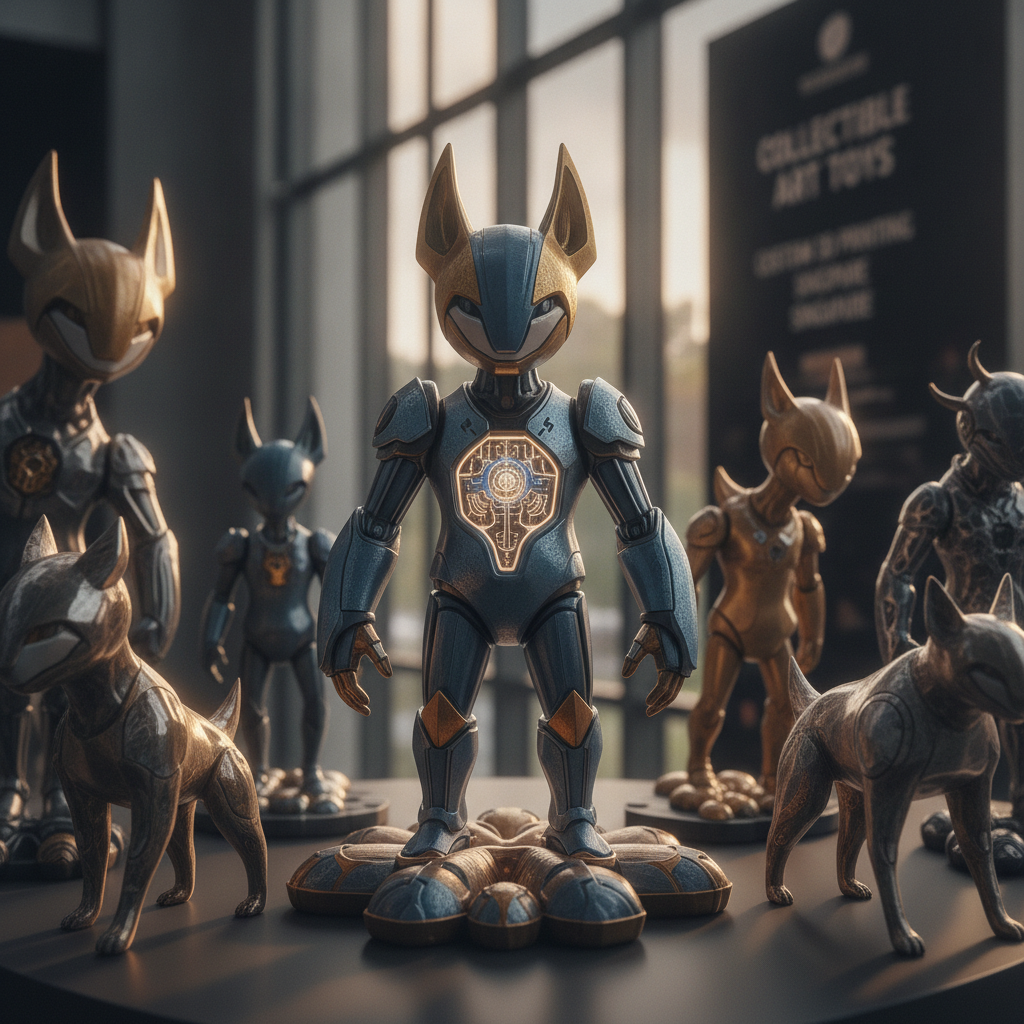
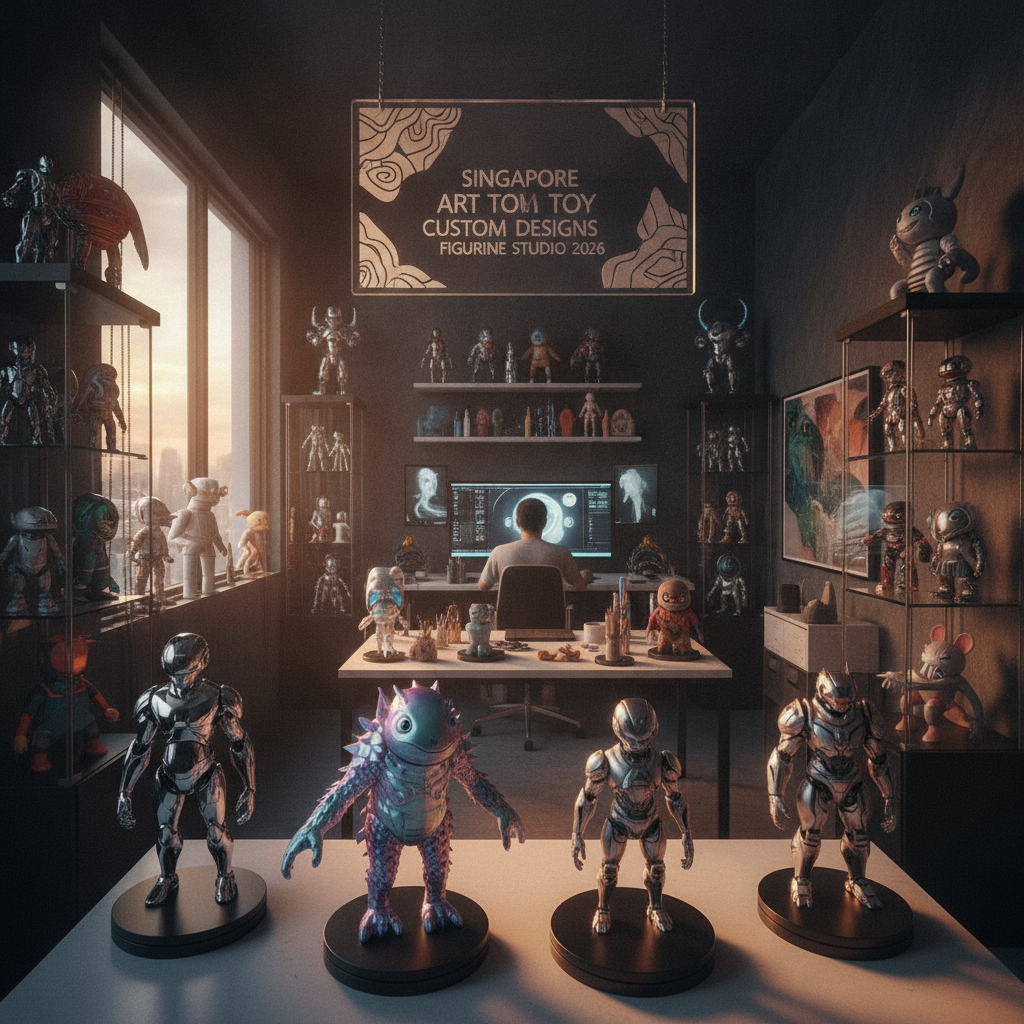
These benefits are especially relevant to designers pursuing collectible or limited-edition runs, where differentiation and speed are critical. For examples and practical guides on limited editions and designer-led collectibles, refer to the collectible art toys designer guide.
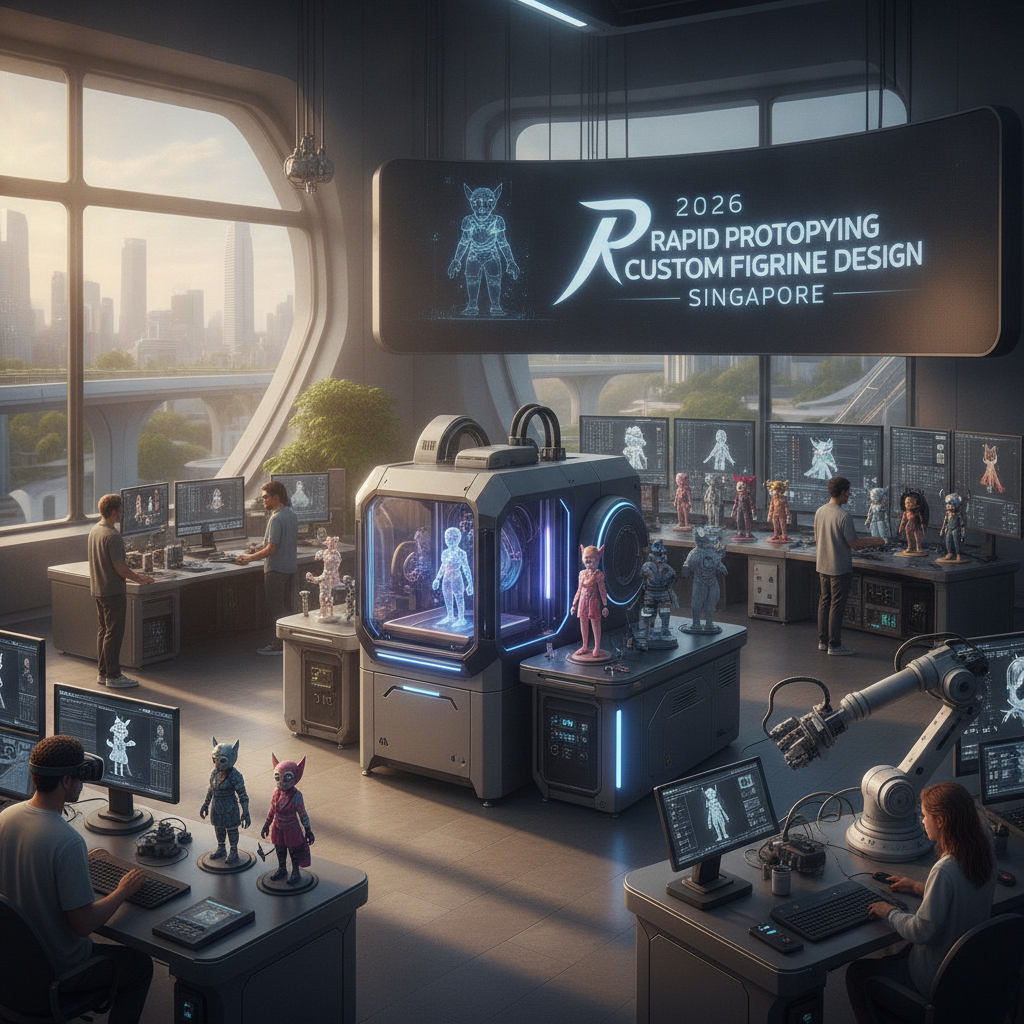
AI-optimized CAD files are most valuable when they feed directly into prototyping and manufacturing workflows. Singapore’s ecosystem of 3D printing and FDM services provides low-latency feedback loops that accelerate product refinement.
If you’re specifically evaluating prototyping partners, research best practices for rapid prototyping Singapore and how studios there integrate AI-optimized CAD files into print-ready formats.
Design teams should focus on tools that enable AI features while remaining compatible with established CAD standards (STEP, IGES, STL):
Adopting modular workflows helps maintain interoperability with manufacturing partners and makes it easier to pivot as new AI features emerge.
Consider a Singapore studio designing a limited-edition lifestyle accessory: the team defines ergonomics, target weight and a production budget. Using generative design, they produce several topology-optimized shells. AI-driven surfacing ensures the parts are comfortable and visually coherent. Rapid prototyping with local FDM services verifies fit and finish. Final adjustments are made in the cloud CAD environment, and direct print files are prepared for a small-batch run.
This compressed loop — concept, AI-generation, simulation, 3D printing and final tuning — is the new baseline for agile lifestyle product design Singapore teams competing in premium segments.
Explore hands-on prototyping workflows for art toys and designer collectibles to see how these steps are combined in practice.
Challenges:
– Data and model quality: AI needs clean geometry and accurate constraints to produce usable outputs.
– Change management: Designers may resist losing control over low-level decisions; education and incremental adoption help.
– IP and reproducibility: Generative outputs can complicate intellectual property considerations.
– Production readiness: Not all AI-generated geometry is easy to manufacture; validation steps are essential.
Best practices:
– Maintain a strong human-in-the-loop: Use AI to augment, not replace, creative decision-making.
– Standardize data hygiene: Naming conventions, version control and constraint documentation reduce errors.
– Pair AI with physical testing: Validate AI choices with targeted prototypes and material tests.
– Collaborate with local makers: Use Singapore’s prototyping network to verify manufacturability before committing to tooling.
For teams focused on limited edition and small-batch runs, tying CAD outputs to reliable local prototyping partners is essential. Learn more about rapid prototyping methods used by collectible-focused studios.
AI CAD modeling supports sustainability and personalization — two major consumer trends shaping 2026. Topology optimization reduces material use; regionally optimized supply chains shorten logistics and emissions. At the same time, parametric CAD enables personalization without extensive manual rework, allowing brands to offer customized products at premium margins.
Business leaders should evaluate AI CAD investments against metrics like time-to-market, prototype counts, material savings and conversion lift from personalized SKUs. In Singapore’s compact market, the ability to iterate quickly and offer localized variants often drives outsized returns.
Short-term trends to watch:
– Wider adoption of generative AI inside CAD tools for idea generation.
– Tighter integration between CAD and additive manufacturing workflows, especially FDM and SLA.
– Growth in cloud-native design collaboration tailored to APAC time zones and compliance requirements.
– More off-the-shelf AI plugins for tasks like manufacturability checks and surface beautification.
Medium-term possibilities:
– Digital twins of lifestyle products for performance monitoring and iterative updates.
– AI-assisted supply chain optimization linking CAD choices to local manufacturing constraints.
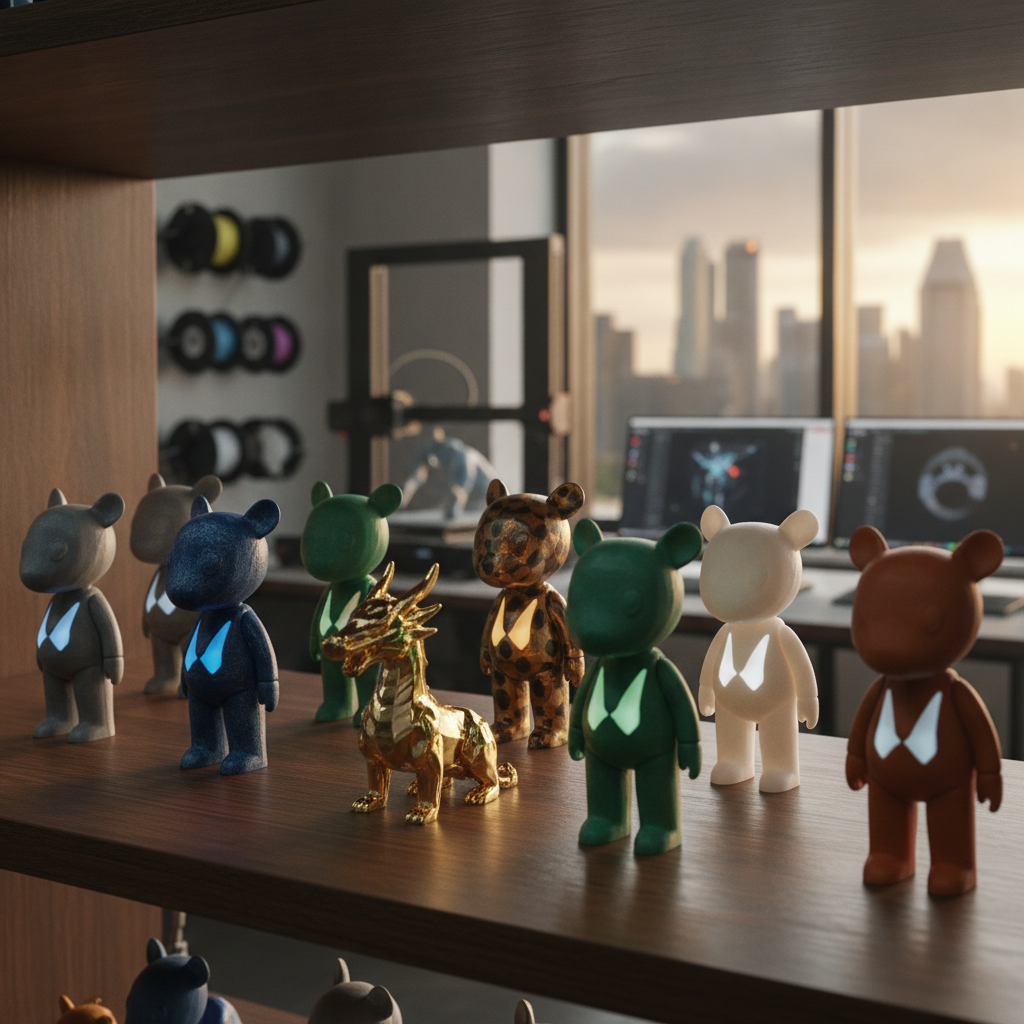
Singapore’s strong design and fabrication network positions it well to adopt these advances quickly. For teams working on FDM-driven lifestyle products, review resources on FDM 3D printing for lifestyle products to understand material, finish and scale trade-offs.
Pairing AI CAD modeling with local prototyping expertise shortens feedback loops and helps teams ship higher-quality lifestyle products with confidence.
By 2026, AI CAD modeling will be a standard component of efficient lifestyle product design Singapore teams rely on. When combined with local rapid prototyping and FDM expertise, AI-enabled CAD brings faster iterations, better personalization and more sustainable outcomes. Designers who adopt AI thoughtfully — keeping humans in control, validating with physical prototypes, and leveraging Singapore’s dense prototyping ecosystem — will lead the next wave of innovative lifestyle products.
For concrete workflows and case studies on prototyping and collectible product runs, review resources on rapid prototyping Singapore and specialized 3D printing practices highlighted by Singapore studios.
collectible art toys designer guide
collectible art toys rapid prototyping Singapore
cad modeling Singapore resources