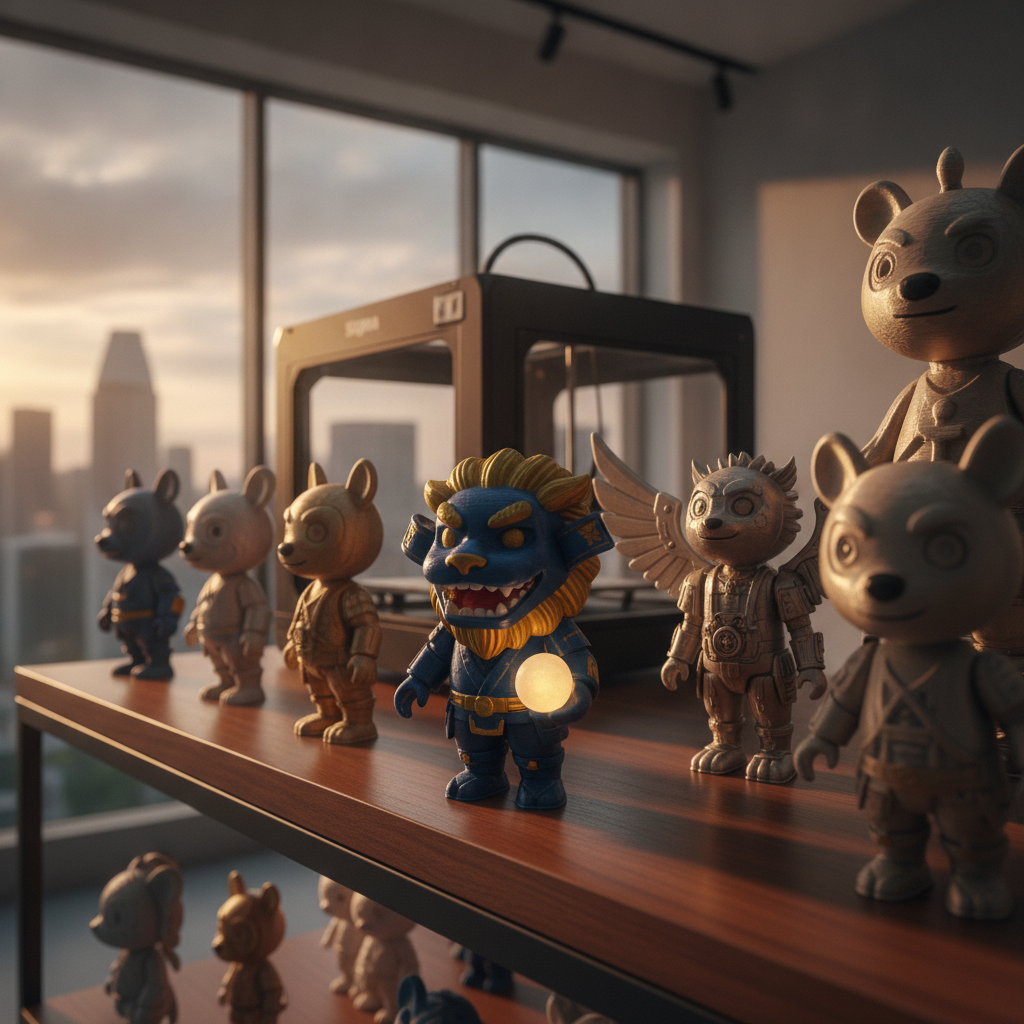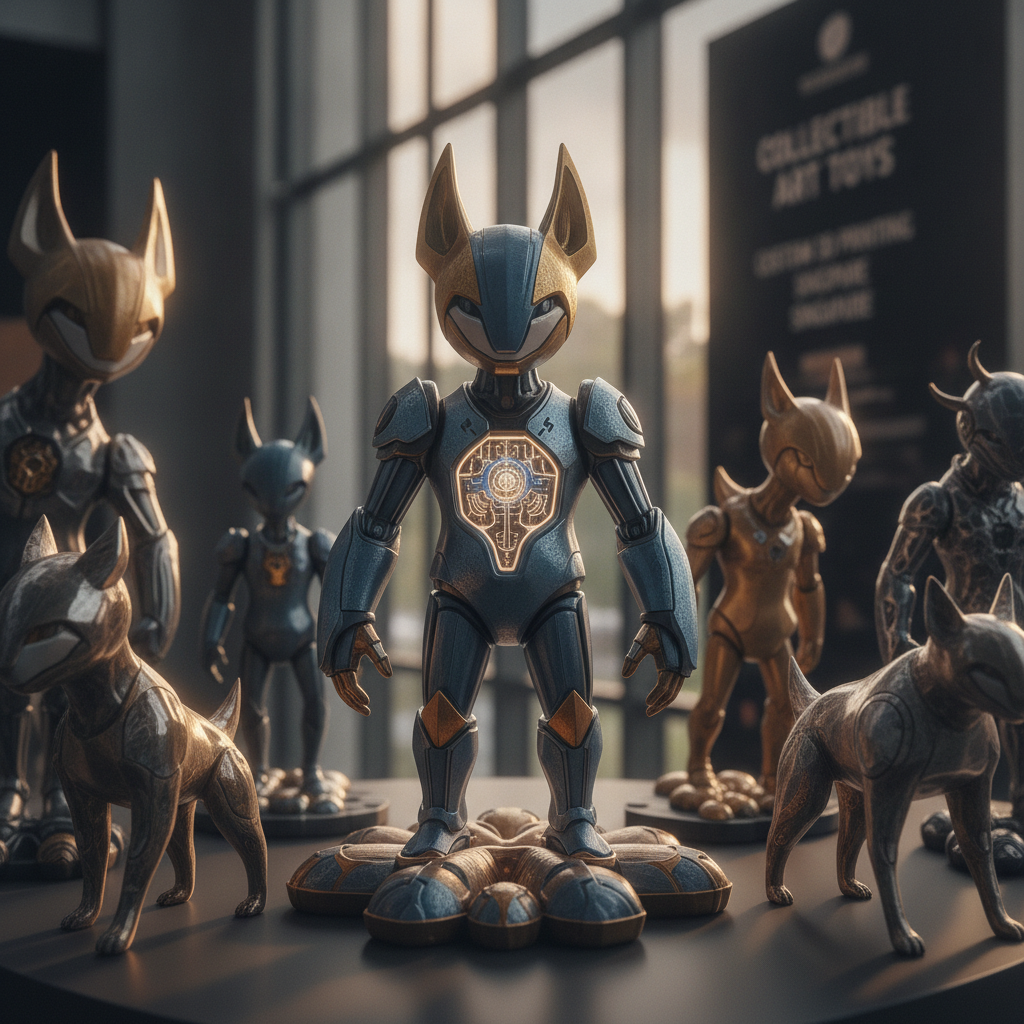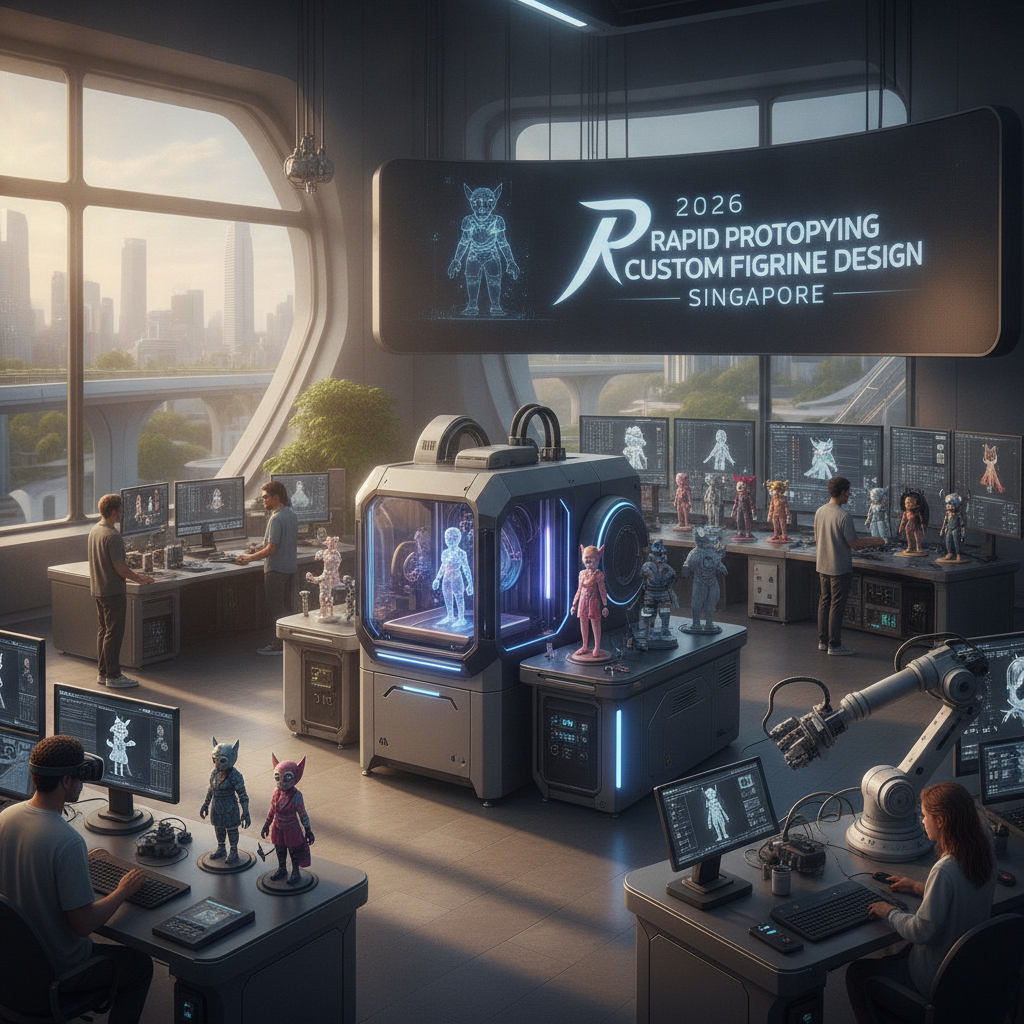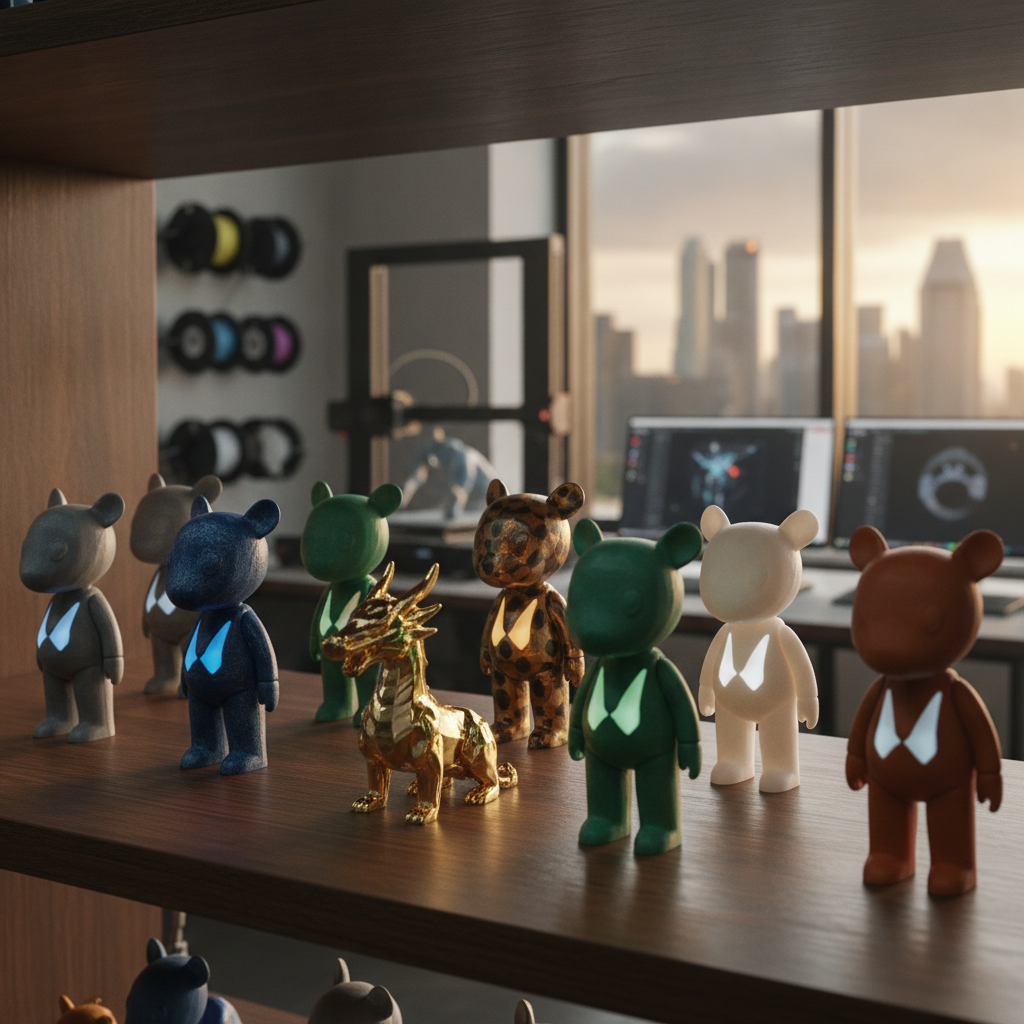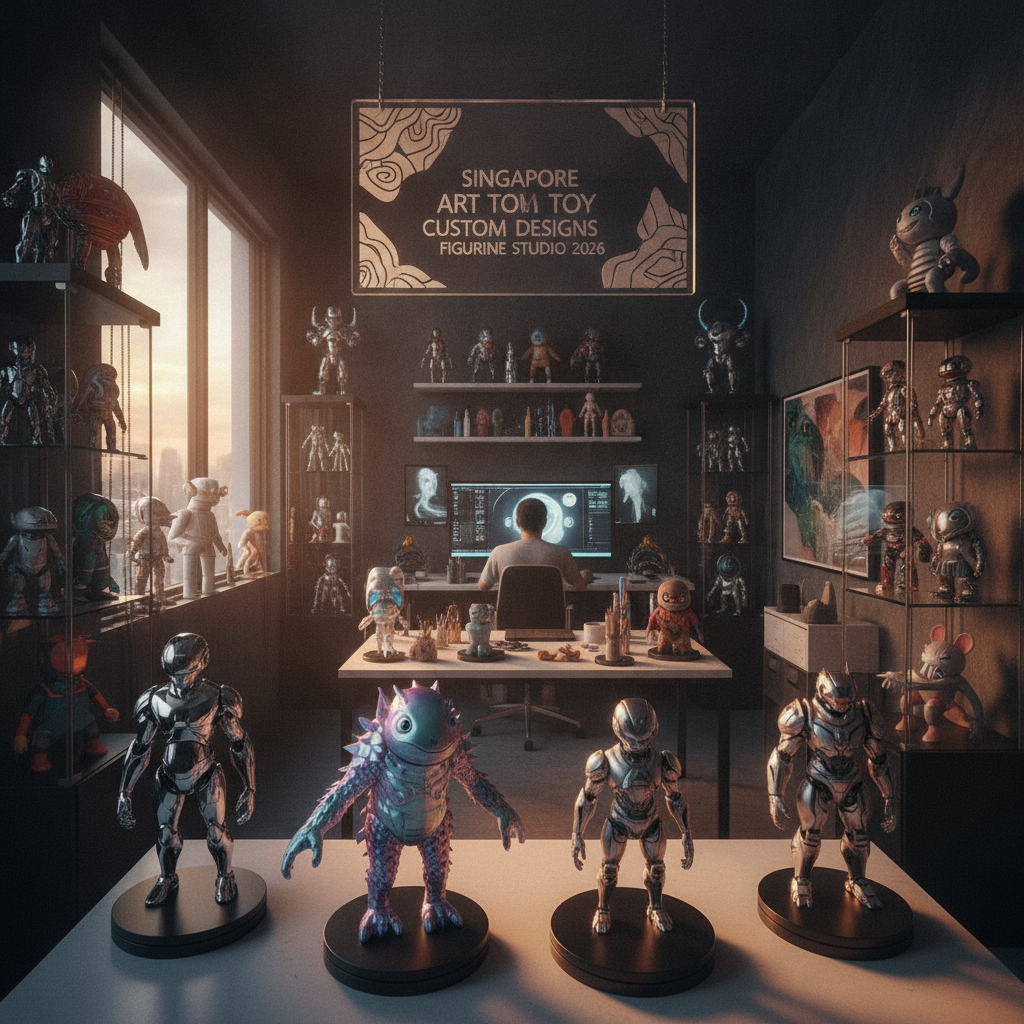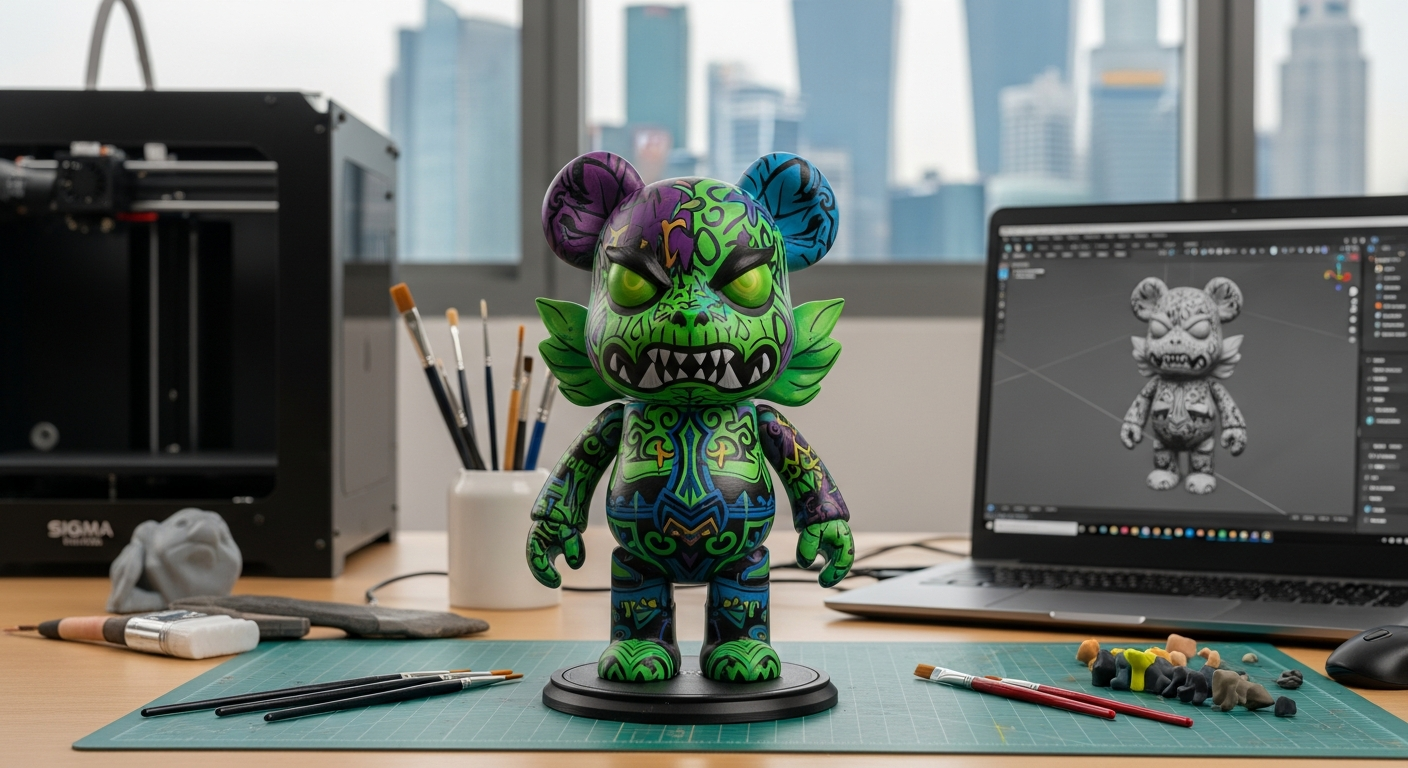
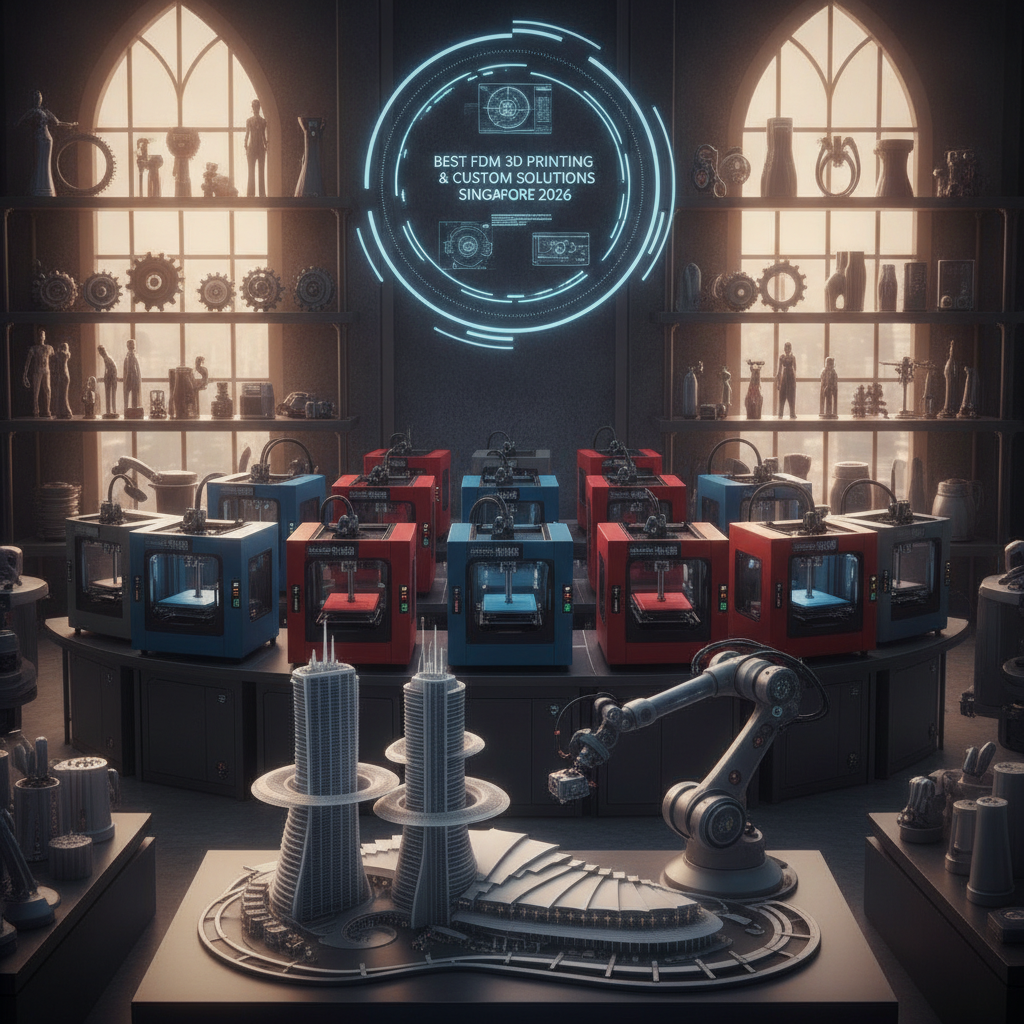

The world of art toys has evolved from small underground runs and garage vinyl casts to a thriving international market where designers, studios and brands release highly collectible limited editions. Central to that shift is the rise of on-demand manufacturing — and in Singapore, custom 3D printing has become the go-to method for prototyping, short runs, and richly detailed collectibles.
Custom 3D printing Singapore services let creators move from sketch to shelf quickly. Instead of long tooling lead times and expensive molds, designers can validate shapes, test assembly methods, and iterate finishes in days. That agility means more experimental designs, tighter control over quality, and the ability to produce micro-editions that cater directly to collectors.
Art toys are a hybrid of sculpture, product design and pop culture. They demand fine detail, consistent tolerances, and often multi-part assemblies that require precise fit. Traditional manufacturing techniques (rotational molding, injection molding) are excellent for large runs but costly to start. 3D printing removes the upfront mold cost while offering:
These advantages make on-demand custom 3D printing Singapore solutions ideal for designers who need quality and flexibility.
Not all 3D printing is the same. Choosing the right process and material directly affects surface finish, paintability, strength and tactile feel.
Material choices — rigid resins, engineering plastics (nylon, ABS-like compounds), flexible TPU and paint-ready resins — influence decisions about post-processing, painting and the expected lifecycle of the toy.
A predictable, repeatable workflow helps maintain quality across art toy projects:
This cycle can be condensed when using on-demand custom 3D printing in Singapore, allowing designers to push rapid drops and small-batch launches.
A printed part is just the beginning — finishing defines the collectible. Popular finishing techniques for designer toys include:
For creators looking to outsource the whole process, experienced partners offer integrated finishing services and can produce production-ready pieces after printing. If you need professional figurine design and finishing, explore dedicated services at https://artsoustudio.com/custom-figurine-design-singapore-collectible-art-toys-2026/.
Cost dynamics differ radically between injection molding and 3D printing. Injection molding has low per-unit cost at high volumes but tens of thousands in upfront tooling. On-demand custom 3D printing Singapore eliminates tooling, shifting costs toward time and material. This makes it economical for runs from single prototypes to hundreds or a few thousand units depending on the process.
Benefits of the on-demand model:
For many brands and independent artists, low-run economics combined with collector-friendly storytelling creates new revenue models.
The collectible toy space continues to innovate. Key trends to watch include:
To stay current on collecting trends and local market direction, review research on collectible art toys and custom figurine trends at https://artsoustudio.com/collectible-art-toys-and-custom-figurine-trends-singapore/ and the designer-focused limited-edition guide at https://artsoustudio.com/collectible-art-toys-2026-limited-edition-designer-guide/.
Selecting a production partner is as much about process fit as capability. When vetting suppliers, check for:
One-stop studios that combine design and manufacturing can speed campaigns and reduce handoffs. For integrated custom figurine and lifestyle product design expertise, consider established teams documented here: https://artsoustudio.com/custom-figurine-and-lifestyle-product-design-singapore-2026-2/.
A typical schedule for a small limited release using on-demand custom 3D printing Singapore might look like this:
This timeline is scalable. The faster a studio can iterate on finishes and approvals, the more compact the launch window becomes.
Collectors expect consistency and high craftsmanship. Key QC checkpoints include:
Working with reputable 3D printing partners reduces the risk of surprises and ensures pieces arrive collector-ready.
On-demand custom 3D printing Singapore has opened a new chapter for art toys. Designers can experiment with form, color and limited runs without the prohibitive costs of traditional tooling. Whether you’re an independent artist, a small studio, or a brand exploring collectible drops, the combination of advanced printing technologies, professional finishing and smart manufacturing workflows creates an accessible path from concept to collectible.
For artists and brands committed to quality and innovation, partnering with studios that understand both design and production is essential. Resources and specialist services can be found across established providers, including hands-on design and prototyping teams and dedicated collectible production guides that help navigate choices, timelines and finishes.
On-demand production has moved beyond a temporary workaround — it is now a strategic advantage for creators who want to deliver distinctive, high-quality art toys to a global audience.