Introduction
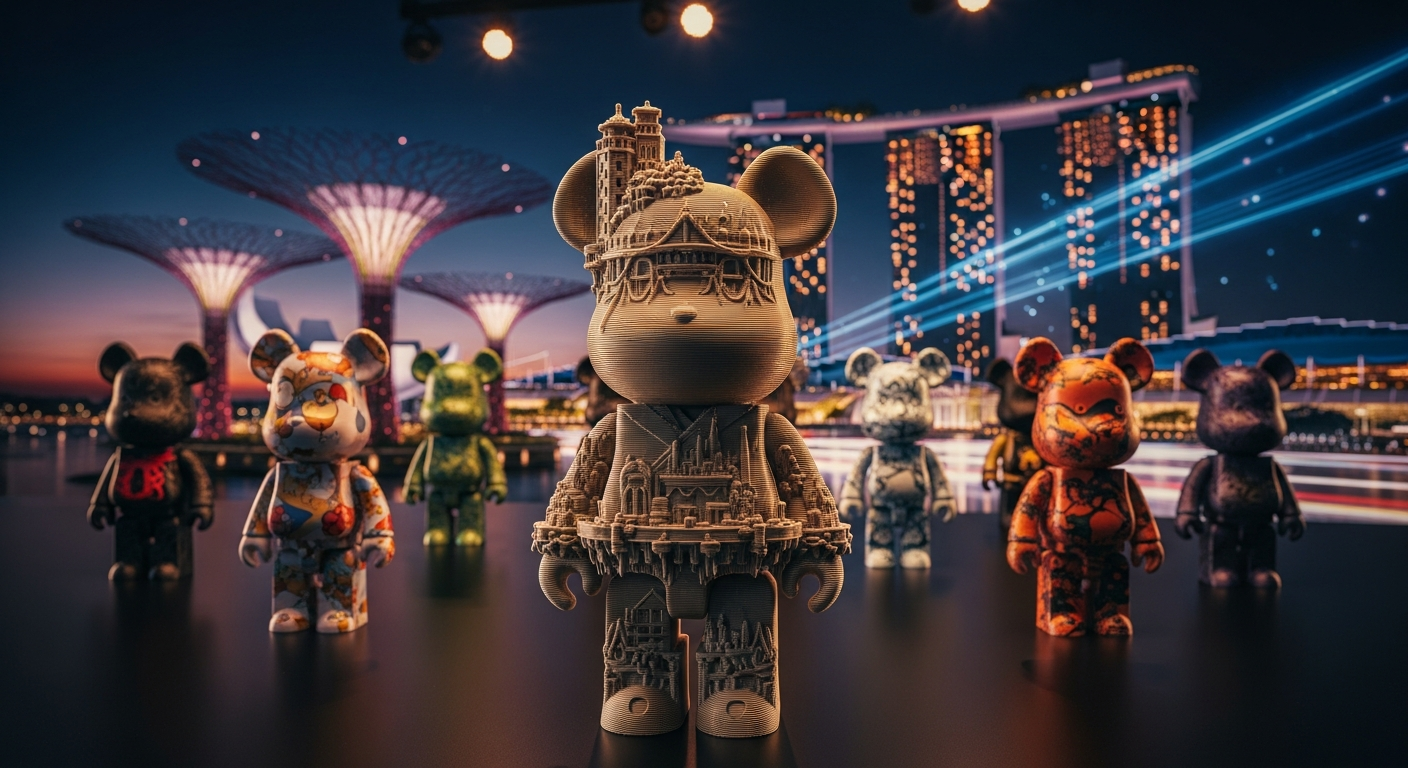
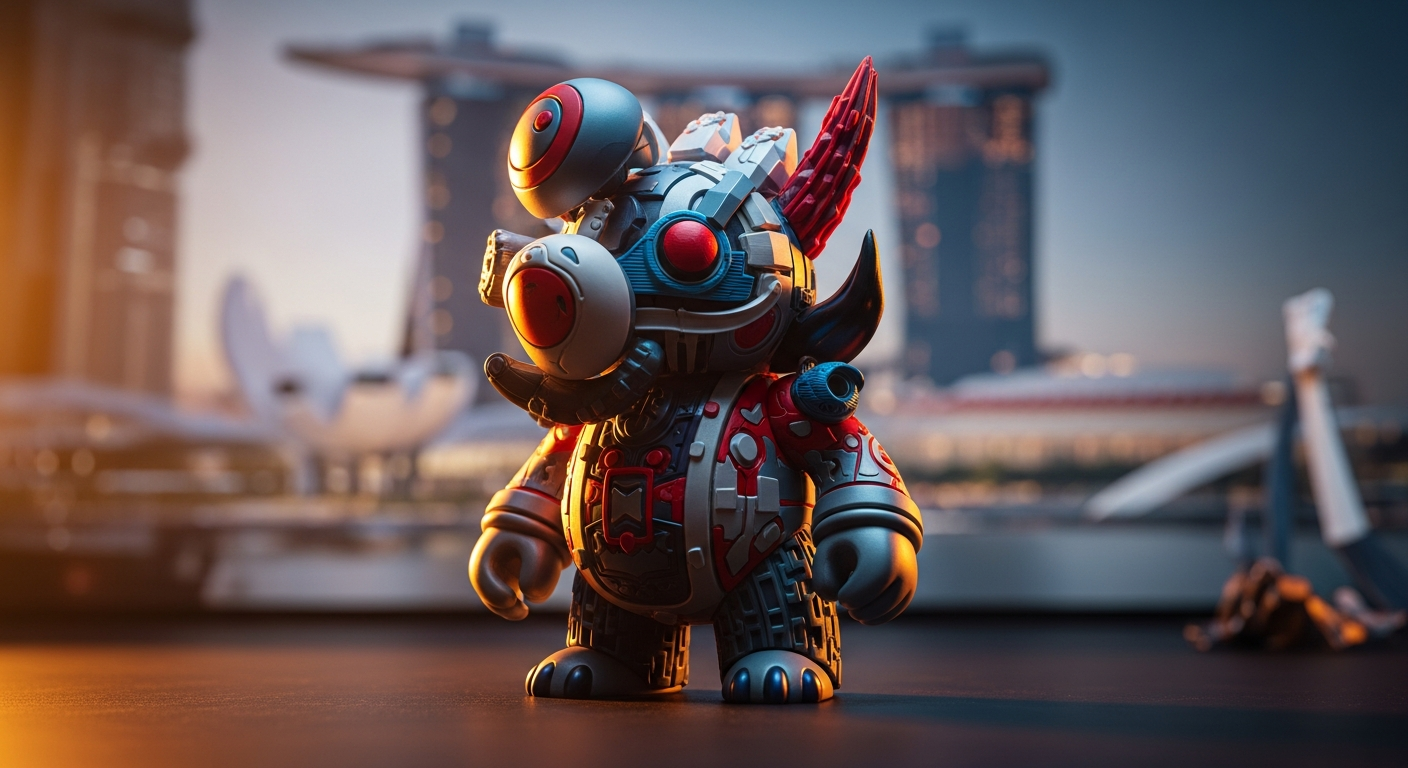
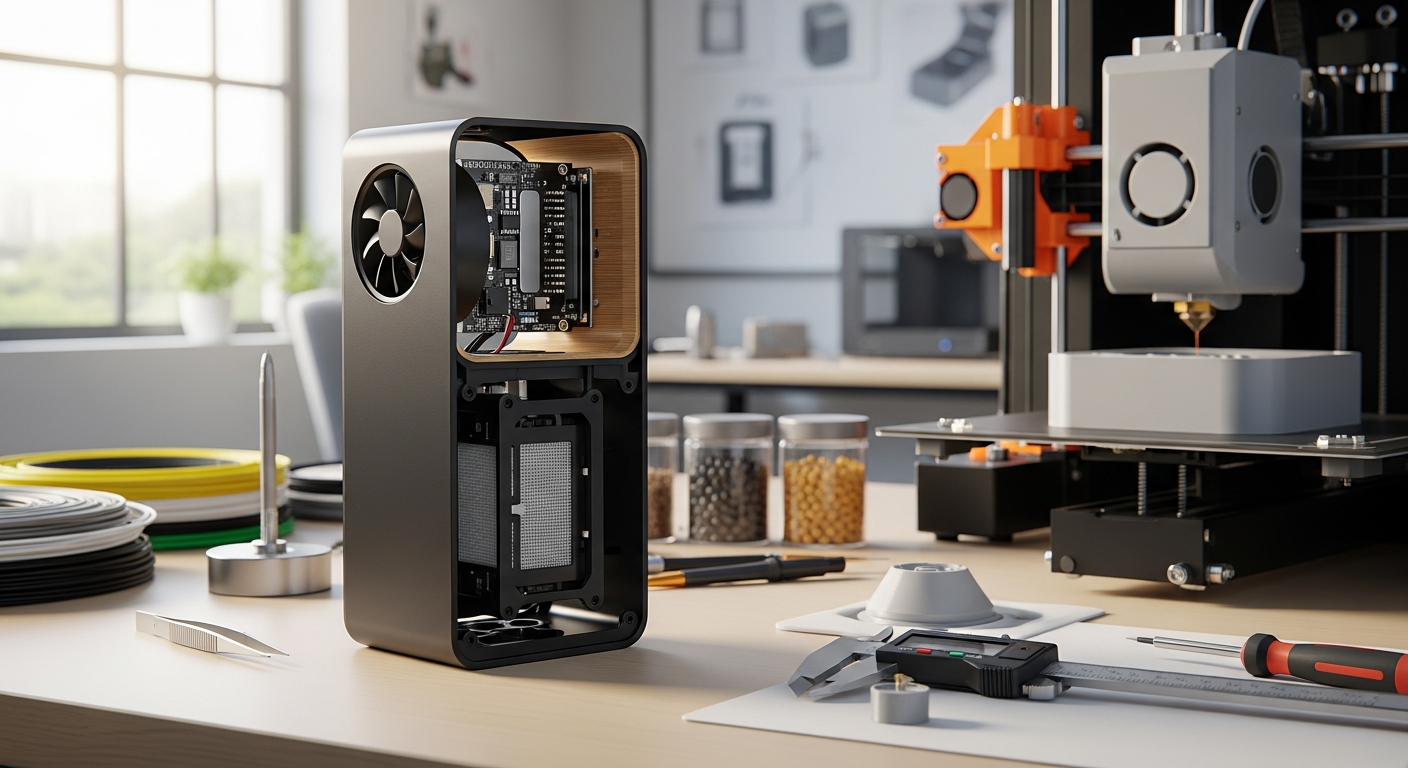
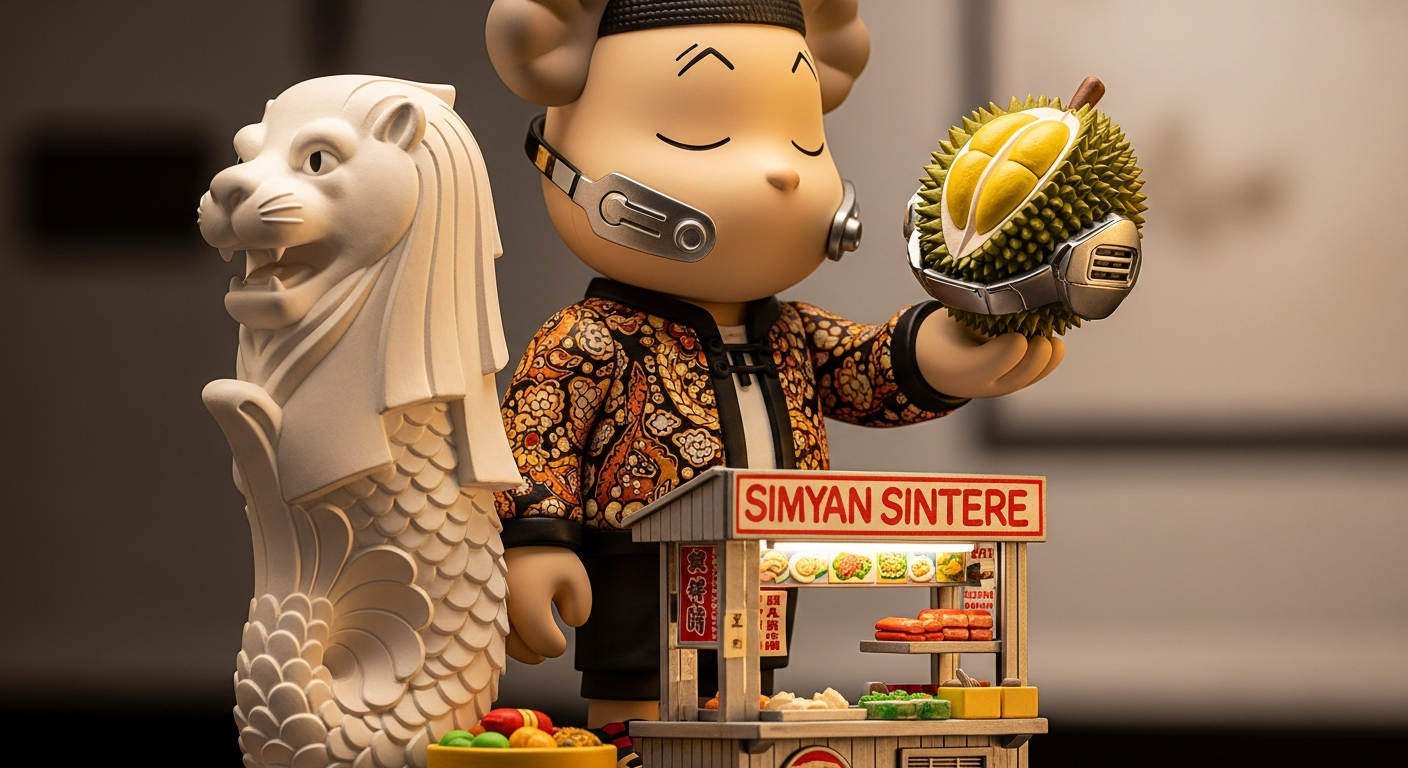
The intersection of collectible art toys and FDM 3D printing Singapore has created a vibrant niche where artists, designers and collectors converge. In 2026, advances in desktop and production FDM technology, refined post-processing workflows, and growing demand for limited-run pieces have transformed how art toys are conceived, produced and valued. This article explains the technical and creative ecosystem powering collectible art toys made with FDM 3D printing in Singapore, and provides practical insights for creators and collectors alike.
Why FDM is reshaping collectible art toys
Fused Deposition Modeling (FDM) is often associated with prototyping, but the past few years have seen it embrace production-ready workflows. For collectible art toys, FDM offers several advantages:
- Cost-effective small runs: FDM reduces setup costs for one-offs and limited editions, letting artists create collectible art toys without the financial overhead of injection molding.
- Fast iteration: Designers can test forms and surface treatments quickly, refining characters and articulation before committing to final finishes.
- Material variety and mechanical strength: Modern engineering filaments provide durability and finish options suitable for toys, from matte PLA blends to tough nylon and PETG mixes.
- Local production advantages: In Singapore, quick turnaround times and proximity to designers allow for tighter quality control and responsive limited drops.
These strengths have made FDM 3D printing Singapore a go-to choice for independent toy designers and boutique studios turning imaginative concepts into tangible collectibles.
Materials, machines and surface finishes that matter
Choosing the right filament and equipment is crucial when creating collectible art toys with FDM. Key considerations include:
- Filament selection: PLA is accessible and prints with excellent detail for display pieces, while PETG and ABS provide better impact resistance for playable toys. Specialty blends (silk, wood-fill, and matte) enable varied aesthetics.
- High-resolution nozzles and layered heights: Using smaller nozzle diameters (0.2–0.3 mm) and finer layer heights (0.08–0.15 mm) improves surface quality, reducing the need for excessive post-processing.
- Enclosed printers and temperature control: For materials like ABS or Nylon, enclosures and filament dryers protect against warping and moisture—critical for consistent collectible production.
- Post-processing options: Sanding, chemical smoothing, priming and multi-stage painting transform an FDM print into a gallery-quality collectible. Advanced finishing techniques—like resin coating, selective plating or hydro-dipping—are also increasingly popular.
Together, these machine and material choices define the tactile feel and perceived value of collectible art toys produced via FDM 3D printing Singapore.
Design and CAD workflows for collectible art toys
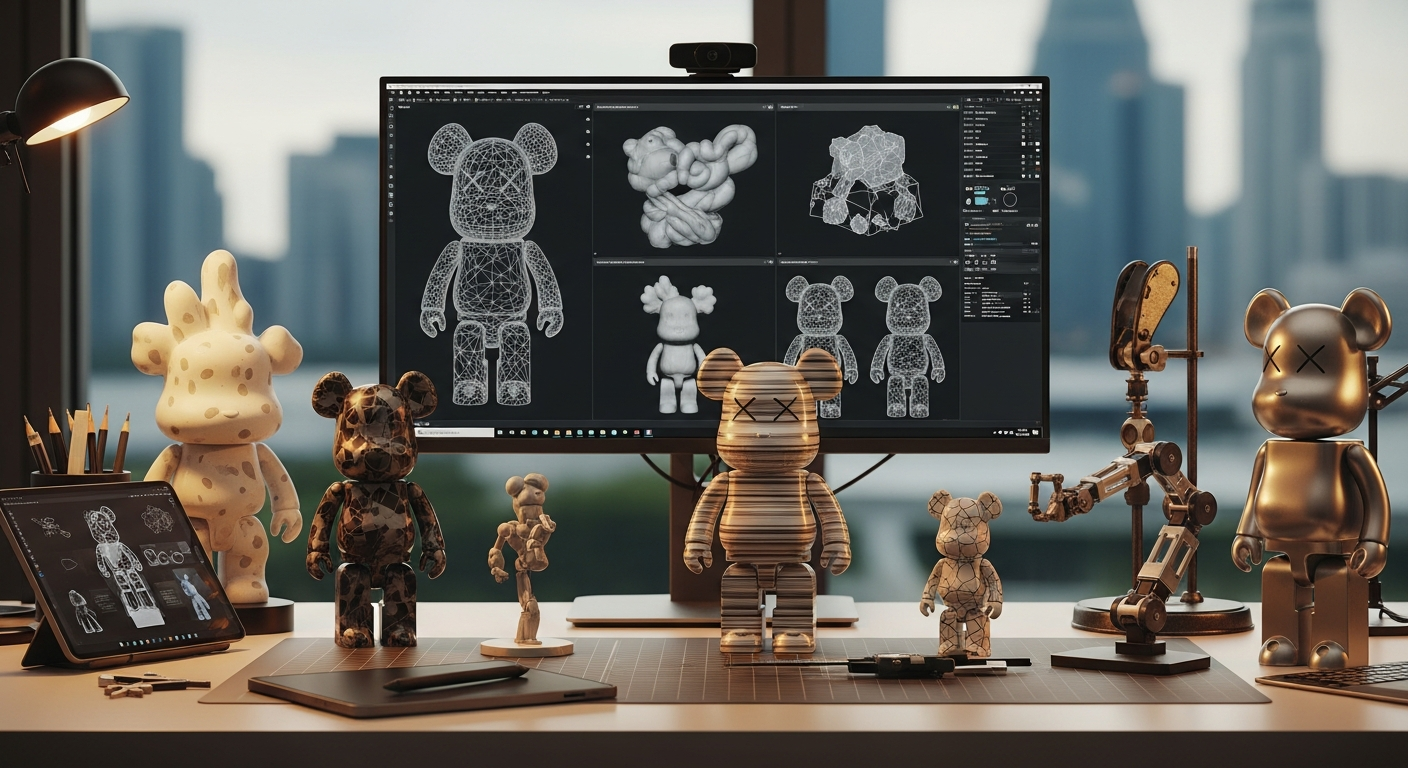
Great toy design starts in CAD. Designers focused on collectible art toys follow precise workflows to ensure aesthetic, assembly, and manufacturability are balanced:
- Modular design: Creating snap-fit joints and removable parts simplifies printing orientation and post-processing while enabling articulated figures.
- Hollowing and wall thickness control: Thoughtful hollowing reduces material cost and avoids internal stresses, but requires careful attention to wall thickness to maintain structural integrity.
- Support strategy and orientation: Effective support design minimizes surface scarring and reduces finishing time. Strategic orientation also optimizes layer lines for the final aesthetic.
- Tolerance planning: For moving parts and multi-piece assemblies, precise tolerances ensure parts fit consistently across small production batches.
For artists looking to level up their manufacturing knowledge, resources like limited edition art toys and CAD modeling in Singapore provide detailed process breakdowns and case studies.
Quality control: making FDM collectibles that last
One myth to dispel is that FDM-printed toys are inherently low quality. With disciplined workflows, FDM can produce enduring collectibles:
- Consistent print profiles: Using calibrated slicer profiles and regularly maintained machines reduces variability between units.
- Batch testing: Random stress and articulation tests help identify weak points before a limited run is released.
- Surface treatment protocols: Defined sanding, priming and sealing steps ensure each piece meets the aesthetic bar collectors expect.
- Documentation: Including care instructions and a certificate of authenticity increases collector confidence and resale value.
Studios in Singapore often combine these practices with high-detail finishing to produce sold-out limited editions. Examples of successful merges between art direction and production can be seen in projects like limited edition art toys meet custom 3D printing, where scalable customization is prioritized.
Limited editions, scarcity and collector psychology
Collectibility is driven by scarcity, provenance and storytelling. FDM supports those pillars by enabling:
- Short, verifiable runs: Small batch production (e.g., 50–300 units) is economically feasible with FDM, letting artists create deliberate scarcity.
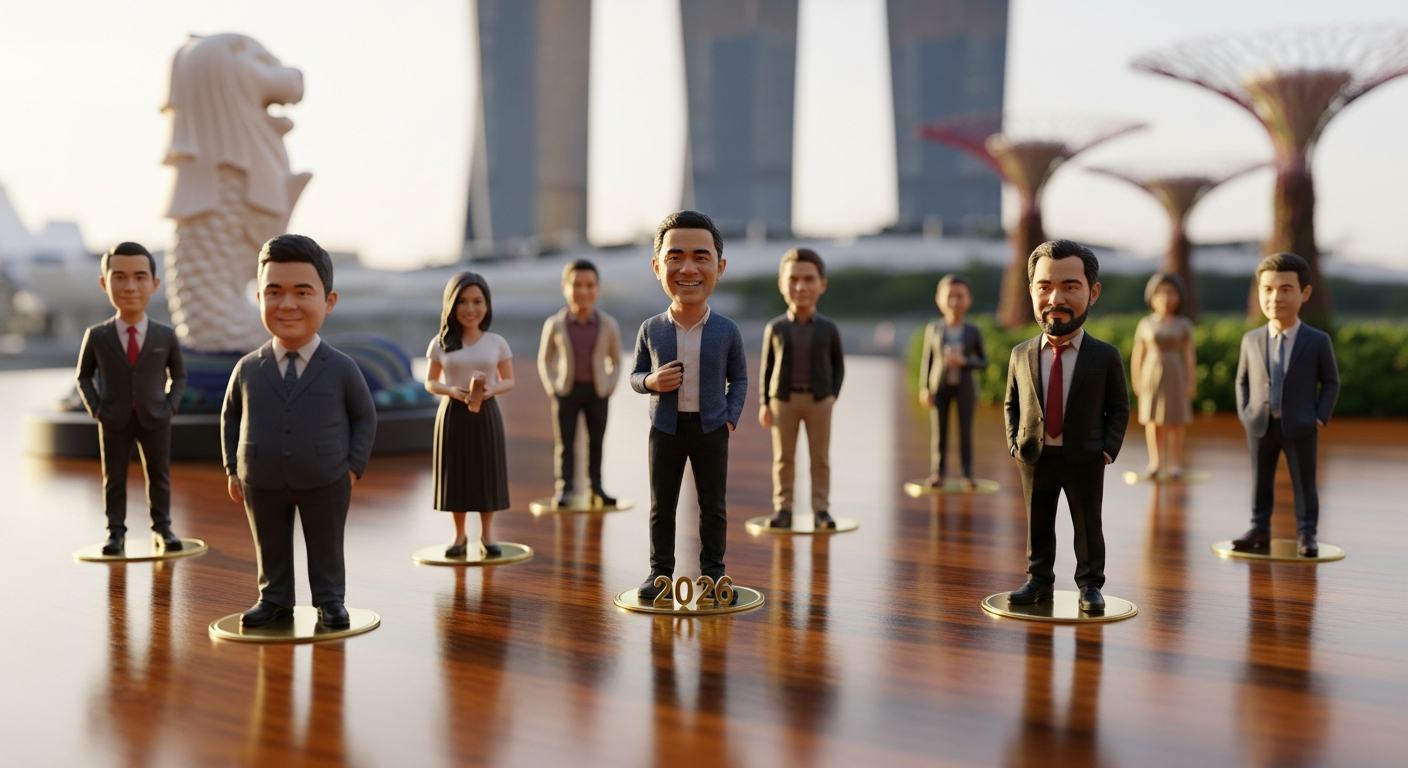
- Customization and personalization: Limited variants, artist-signed pieces, or bespoke colorways increase desirability.
- Traceable production: Local manufacture in Singapore and serialized pieces build provenance—key for secondary markets.
For designers, combining a compelling narrative with careful edition planning often yields better engagement than simply increasing technical fidelity.
Singapore’s ecosystem for collectible art toys and FDM
Singapore has developed a robust maker and boutique production ecosystem that supports collectible art toy creators:
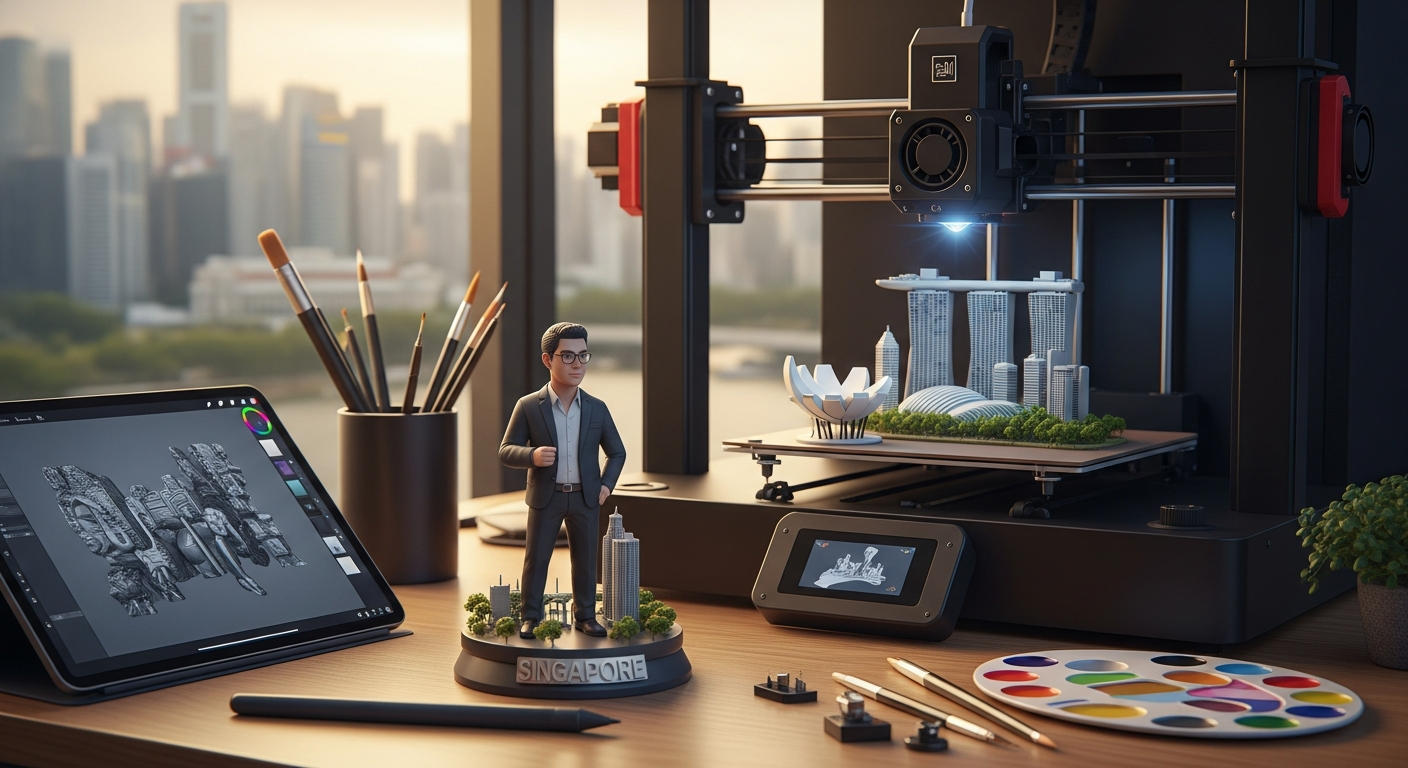
- Specialist studios: Local studios provide end-to-end services from CAD modeling to painting and packaging. Those focused on both design and production often list workflows for figurines and toys, such as FDM 3D printing Singapore and CAD modeling.
- Rapid prototyping networks: Access to diverse machine types and finishing equipment accelerates iteration and quality control.
- Events and community: Design fairs, toy conventions and online communities in Singapore support artist discovery and collector engagement.
This ecosystem lowers barriers for independent creators to bring collectible art toys to market with professional standards.
Case study keys: what to evaluate when buying FDM art toys
Collectors and retail buyers should evaluate several practical aspects to assess the quality and investment potential of FDM-produced collectibles:
- Surface finish and seams: Are layer lines minimized and well-direct? Post-processing quality (priming, sanding, and paint) should be consistent across pieces.
- Material suitability: Is the filament appropriate for the piece’s intended use (display vs play)? Ask whether parts are reinforced or use tougher filaments for joints.
- Assembly and fit: Check for tight tolerances and robust connectors. Poorly designed joints are the main cause of wear.
- Provenance and limited runs: Serial numbers, certificates, and any artist statements increase long-term collectibility. Studio-backed projects often provide production transparency, similar to the practices in limited edition art toys Singapore custom figurine design.
A little due diligence goes a long way in confirming the long-term value of FDM collectibles.
Sustainability and the 2026 outlook
Sustainability is now a major factor in both design and purchasing decisions. In 2026, trends shaping collectible art toys with FDM include:
- Recyclable and bio-based filaments: Increased availability of recycled PETG and bio-PLA offers lower environmental impact without compromising finish.
- On-demand production: Printing to order reduces inventory waste and supports limited-edition economics.
- Repairable designs: Designers are creating modular parts that can be easily replaced instead of discarding entire figures.
- Localized micro-manufacturing: Singapore’s compact supply chain reduces shipping emissions and supports transparent production practices.
These trends align with collector preferences for ethically produced, durable collectibles.
For designers aiming to refine their production pipeline, the 2025 guide to FDM 3D printing for figurines remains a useful technical reference for finishing, materials and batch strategies.
Practical tips for designers and studios in Singapore
- Prototype with purpose: Use FDM for initial runs, then test finishes and interactions before scaling.
- Standardize finishing: Create checklists for sanding, priming, painting and sealing to ensure consistency across limited runs.
- Leverage local partnerships: Collaborate with finishing studios and photographers to present your collectible art toys professionally.
- Offer multiple tiers: Consider raw-print editions, hand-finished editions and fully customized artist editions to appeal to different buyer segments.
Studios that align their creative vision with disciplined production workflows can command higher prices and stronger collector loyalty, as demonstrated in structured projects such as custom figurine design.
Conclusion
Collectible art toys produced with FDM 3D printing in Singapore are no longer just prototypes — they are finely crafted objects of design and desire. With improved materials, refined CAD and finishing workflows, and an ecosystem that supports limited and on-demand production, artists can create pieces that meet collector expectations for quality, rarity and storytelling. Whether you are designing, buying, or curating, understanding the nuances of FDM production and Singapore’s local ecosystem helps turn imaginative concepts into collectible realities.
For creators aiming to scale from concept to limited release, combining thoughtful design, reliable production partners and sustainable practices will remain the most effective strategy in 2026 and beyond.