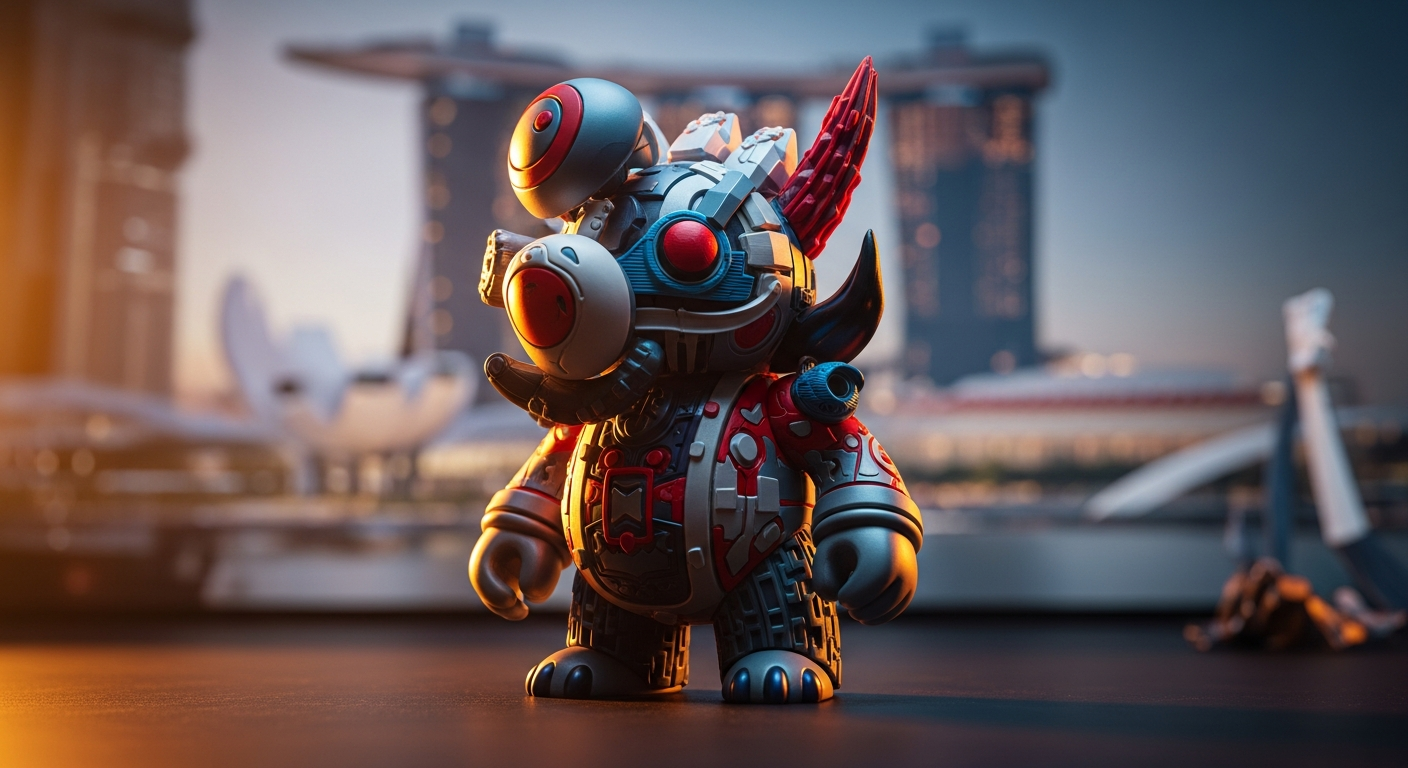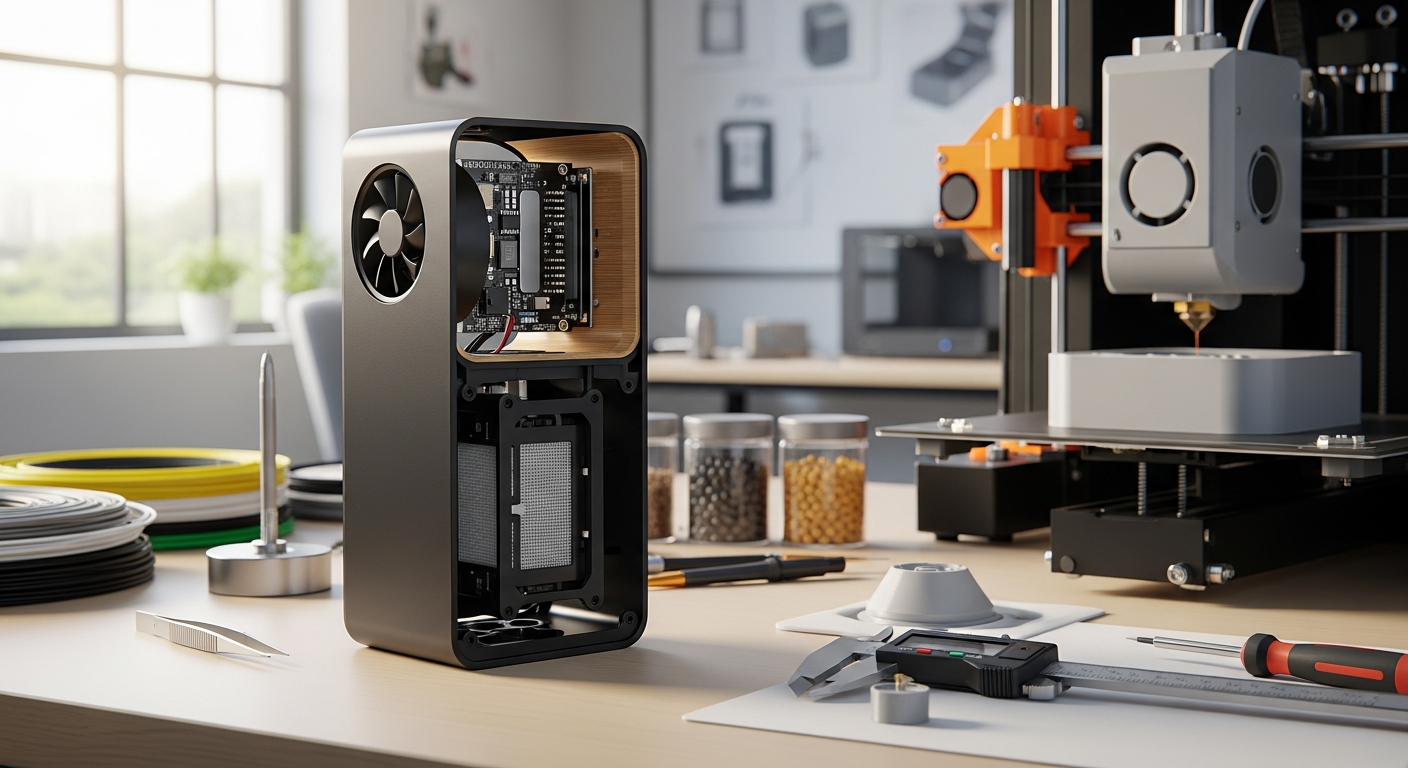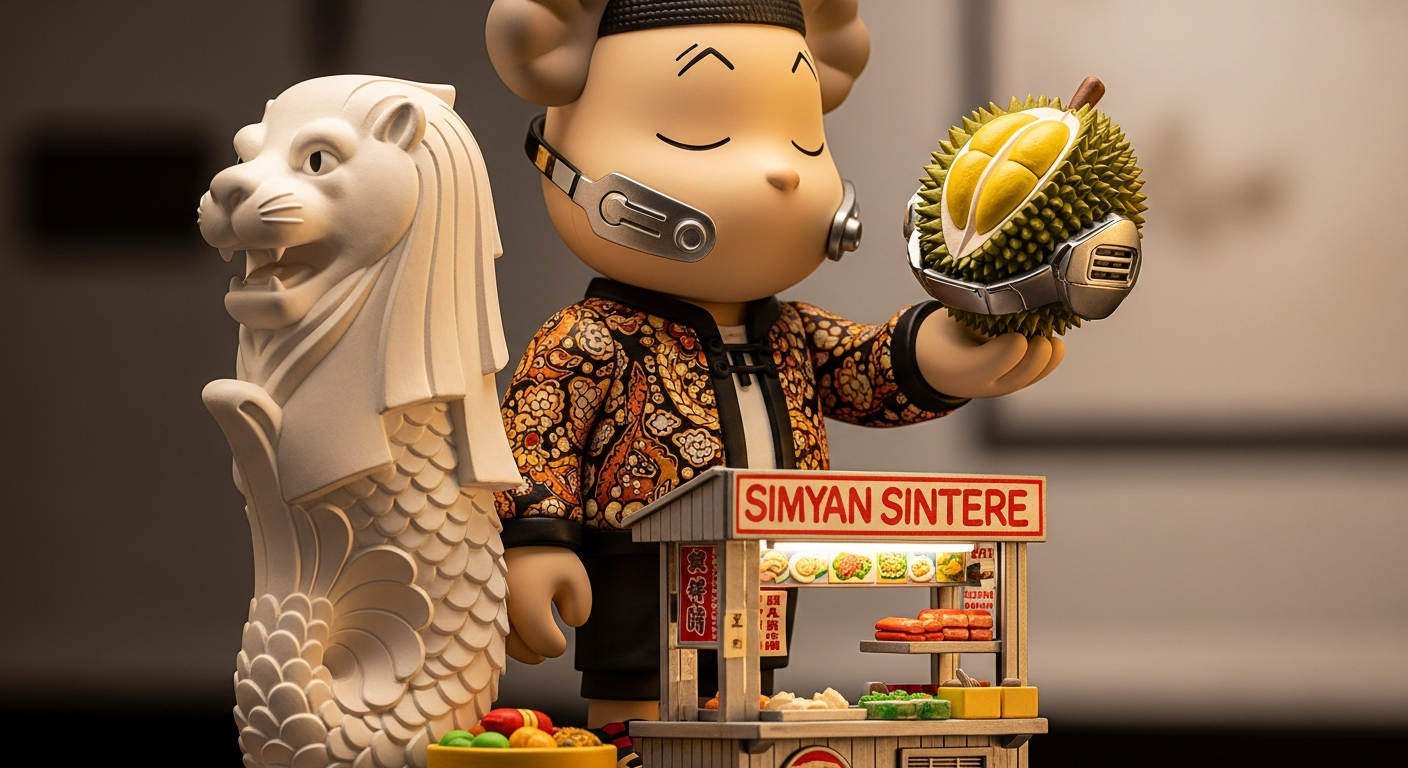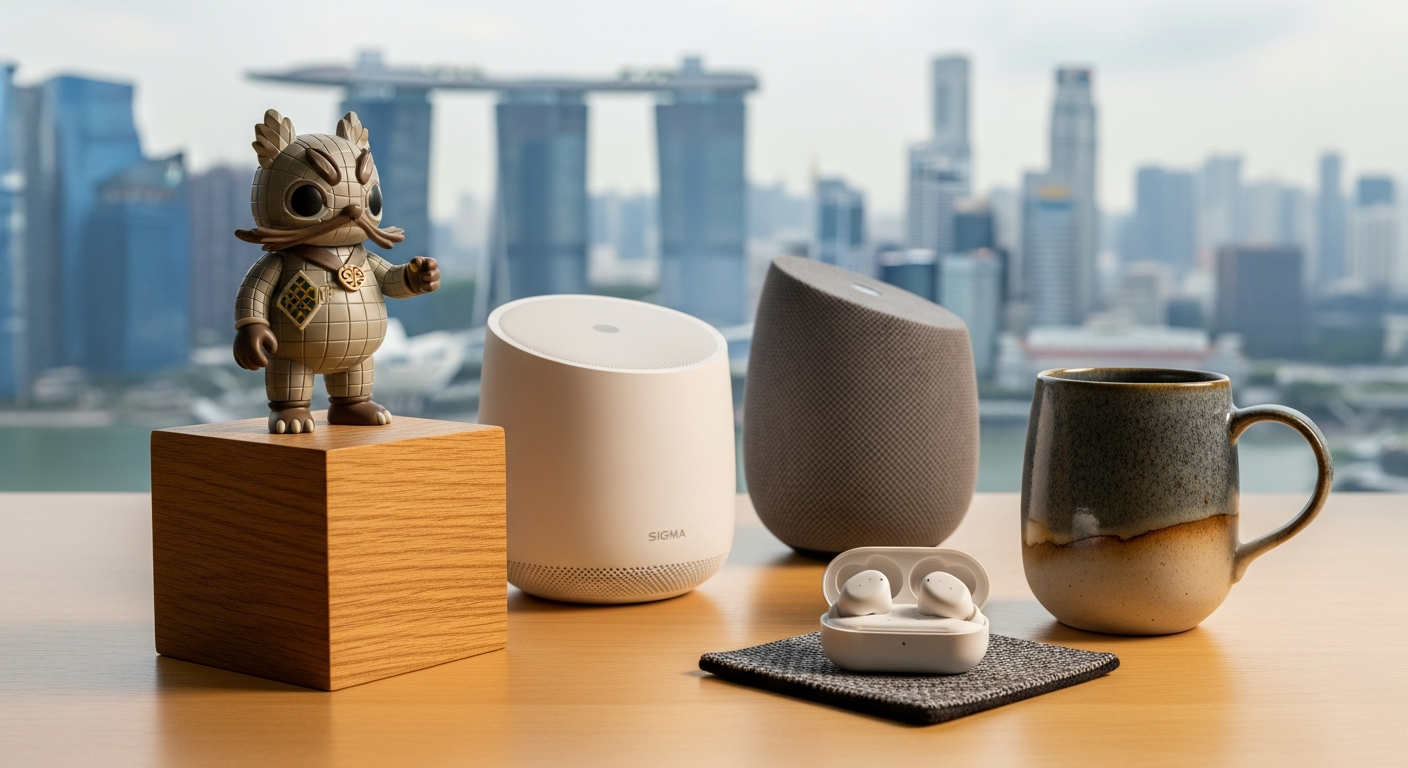
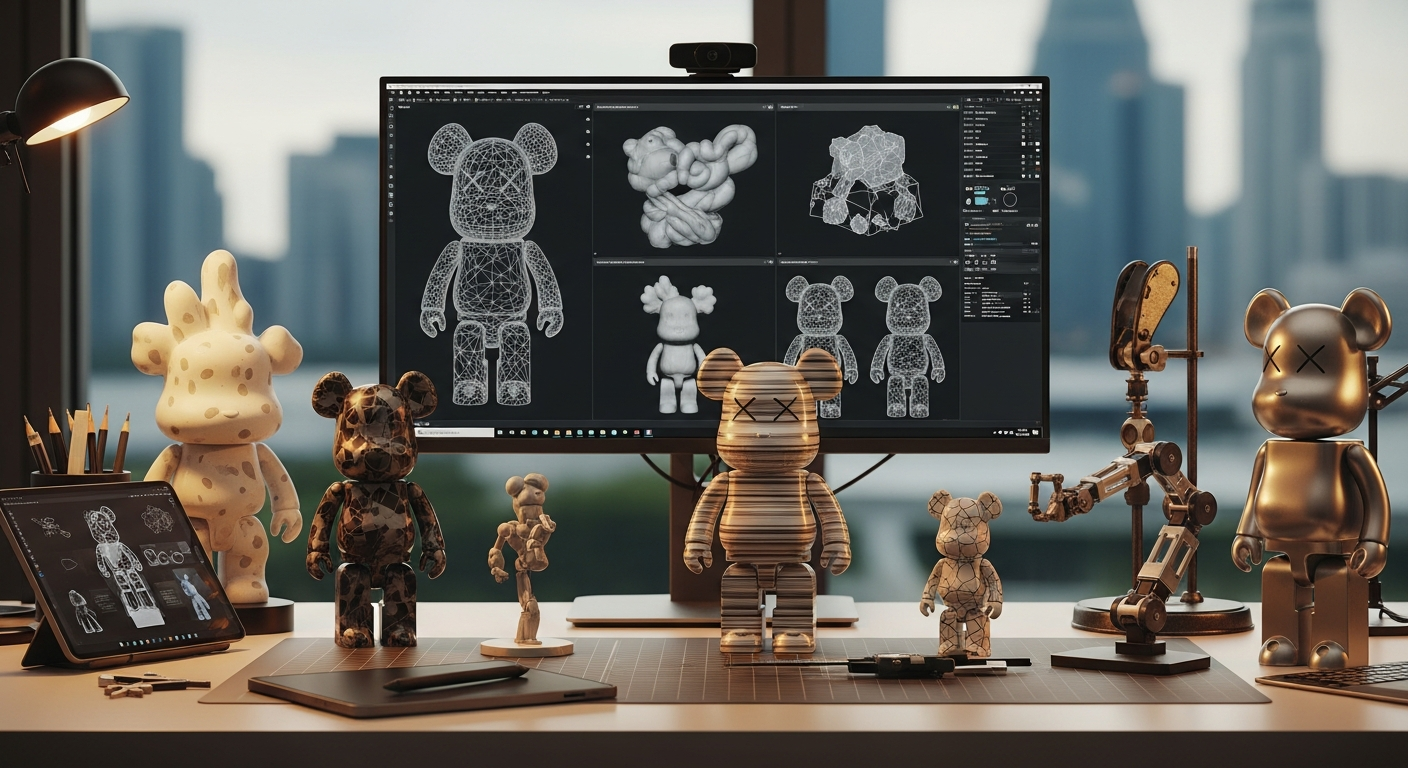

Custom Figurine And Lifestyle Product Design Singapore 2026

Introduction

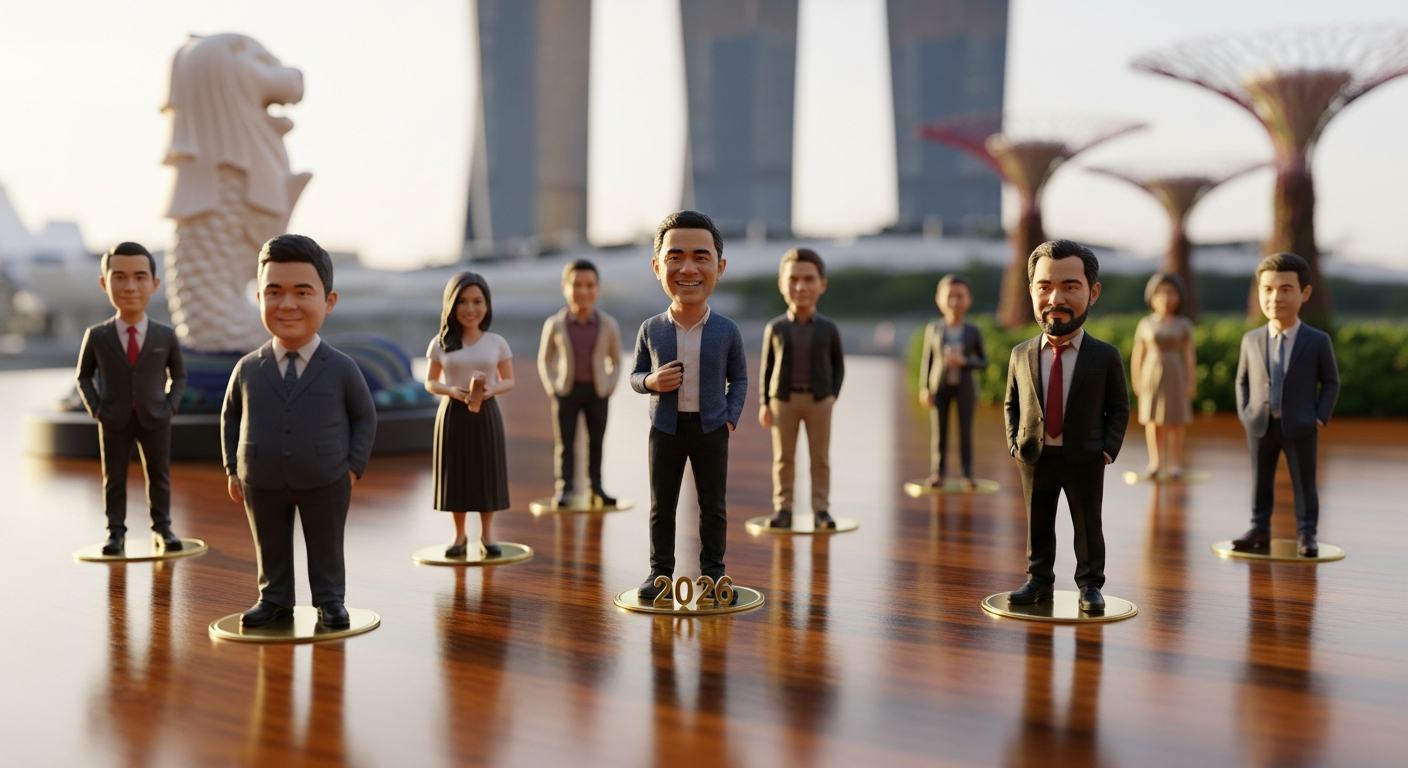
Singapore has emerged as a regional hub for bespoke product design, blending advanced manufacturing, strong creative communities, and a market hungry for unique lifestyle goods. For collectors, small brands, and lifestyle studios, custom figurine design Singapore and lifestyle product design Singapore are no longer niche services — they are mainstream pathways to differentiation in 2026.

This article explains the market trends, technical workflows, material choices, sustainability concerns, and practical steps to commission or design custom figurines and lifestyle products in Singapore today. It also points to specialist resources and service providers to help you move from concept to collectible.

Why custom figurines and lifestyle products matter in 2026

  • Personalization is the dominant consumer trend. Buyers increasingly expect products that reflect identity, fandom, or social values.
  • The rise of limited editions and small-batch drops makes product storytelling and scarcity valuable for lifestyle brands.
  • Improvements in digital manufacturing reduce the cost and lead time for short runs, enabling micro-brands to compete.

For businesses and creators in Singapore, combining good design with smart manufacturing unlocks new revenue streams and strengthens brand loyalty.

Current trends shaping design in Singapore

  • Digital-first workflows: Designers start with CAD and 3D sculpting before physical prototyping. This reduces iterations and supports seamless production handoffs.
  • Sustainable materials and processes: Bioplastics, recycled resins, and solvent-free finishing are becoming standard considerations in lifestyle product design Singapore.
  • Cross-disciplinary collaborations: Artists, toy designers, and lifestyle brands collaborate with engineers to produce more functional and collectible pieces.
  • Community-driven launches: Crowdfunding and community pre-orders validate demand and fund production without heavy upfront inventory.

These trends create a fertile environment for designers focused on bespoke figurines and lifestyle objects.

The design process: from brief to prototype

A clear, repeatable process saves time and cost. Typical stages are:

  • Briefing and research: Define target audience, scale, function, and desired materials.
  • Concept sketches and mood boards: Explore proportions, poses, and aesthetic language.
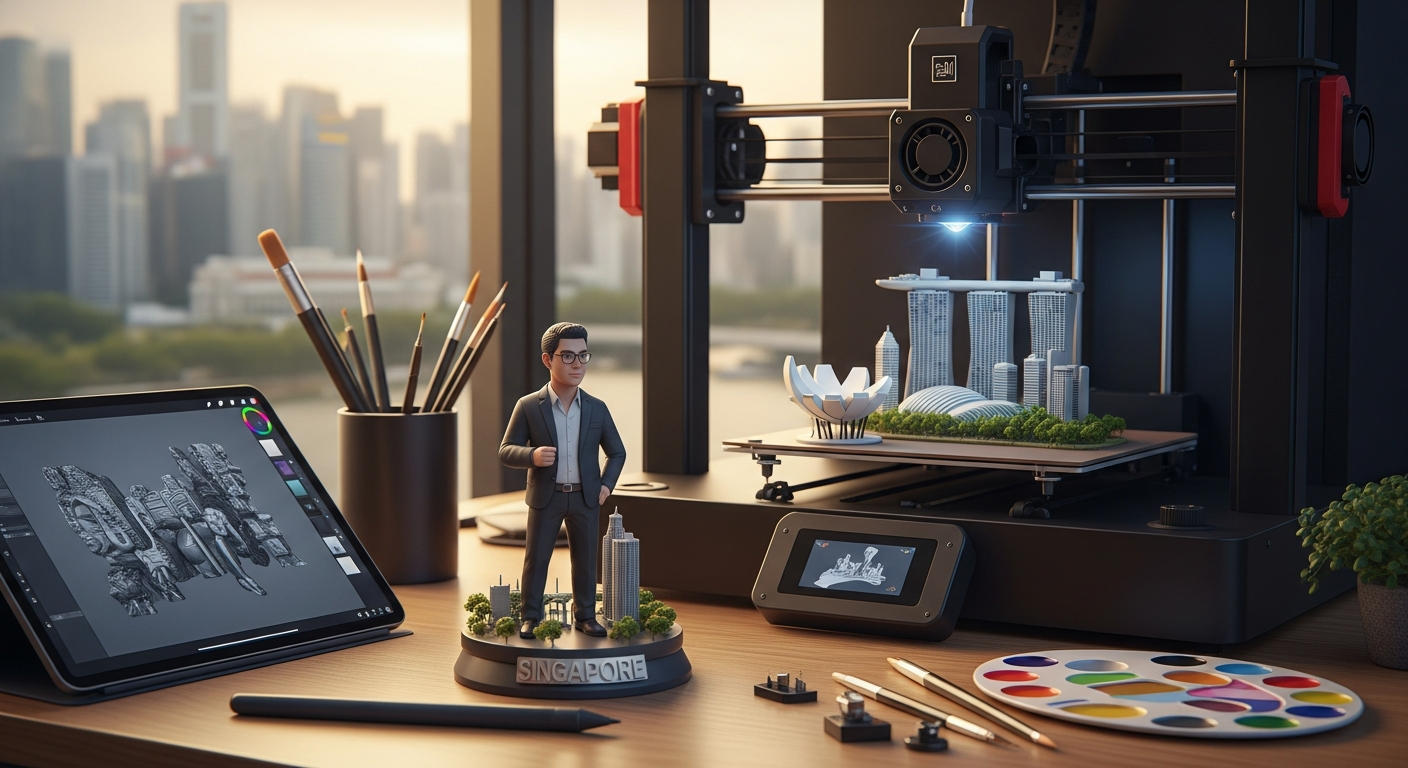
  • 3D modeling and sculpting: Use CAD or organic sculpting tools to translate concepts into printable models.
  • Prototyping: Produce physical prototypes using FDM, SLA, or resin casting depending on detail requirements.
  • Testing and refinement: Check tolerances, assembly points, paintability, and user handling.
  • Small-batch production: Move to limited runs, often leveraging local 3D printing or short-run injection molding.

For hands-on guides and methods, designers often look for specialized studios that combine art direction with engineering capabilities, such as artists who publish case studies about collectible art toys and manufacturing approaches. See an example exploration of collectible art toys with modern printing techniques at https://artsoustudio.com/collectible-art-toys-with-fdm-3d-printing-singapore-2026/.

Technology choices: which manufacturing method to pick

  • FDM 3D printing: Ideal for rapid prototyping, durable parts, and larger figurines. It is cost-effective for short runs and iterating geometry. Many Singapore studios offer high-quality FDM services with post-processing options. Learn more about FDM capabilities and CAD workflows at https://artsoustudio.com/fdm-3d-printing-singapore-and-cad-modeling-2025/.

  • SLA / resin printing: Best for highly detailed figurines and finely sculpted miniatures. Resin prints require more post-processing but deliver superior surface finish for collectors.

  • Resin casting: Useful when creating small editions from a master sculpt. Once a master is made, silicone molds can produce multiple copies with consistent detail.

  • Short-run injection molding: Efficient for small but consistent volumes, especially for functional lifestyle products that require stronger mechanical properties.

Choosing the right process depends on desired surface detail, durability, finish, and budget. If you need professional guidance, studios that advertise the best custom 3D printing service often pair design support with manufacturing expertise; an example resource is https://artsoustudio.com/best-custom-3d-printing-service-singapore-2026/.

Materials and finishing: look, feel, and longevity

Material selection affects aesthetics, tactile quality, and product lifespan.

  • Thermoplastics: PLA and ABS variants are common for FDM parts. PLA is easier to print but less heat resistant; ABS is stronger but needs controlled printing.
  • Resins: Offer fine detail but vary in brittleness. Engineering resins provide improved toughness.
  • Bioplastics and recycled resins: Eco-conscious options that support sustainable product claims.
  • Paints and coatings: Primer, airbrush paints, and varnishes protect surfaces and add premium looks. UV-resistant coatings are essential for collectibles meant to last.

The finishing stage is where products transform from a prototype into a collectible or lifestyle object, with painting, assembly, and packaging playing big roles in perceived value.

Sustainability and circular design considerations

Sustainability is increasingly important to Singaporean consumers and regional markets. Designers should consider:

  • Material choice: Use recycled or bio-based polymers where possible.
  • Design for disassembly: Make parts easy to separate for recycling or repair.
  • Localized production: Shorter supply chains reduce carbon footprint and allow for on-demand manufacturing.
  • Reuse packaging: Design packaging for secondary uses, which increases perceived value and reduces waste.

Brands that include transparent sustainability claims often command higher engagement and premium pricing.

Working with studios and manufacturers in Singapore

Selecting the right partner is critical. Key evaluation criteria include:

  • Portfolio and specialization: Look for experience with figurines, toys, or lifestyle goods.
  • Technical capability: Confirm available technologies, tolerances, and post-processing services.
  • Communication and project management: Fast, clear feedback loops reduce iteration costs.
  • Local compliance and IP protection: Ensure contracts address IP ownership and confidentiality.

A number of local studios combine creative direction with technical services — some even publish case studies on limited edition art toys and CAD modeling workflows. For deeper process examples, see https://artsoustudio.com/limited-edition-art-toys-and-cad-modeling-singapore-2025/ and https://artsoustudio.com/limited-edition-art-toys-meet-custom-3d-printing-singapore/.

Pricing, timelines, and realistic expectations

  • Concept to prototype: Expect 2 to 6 weeks depending on complexity and revision rounds.
  • Prototype to small-batch run: An additional 3 to 8 weeks for tooling, production, and finishing.
  • Costs: A simple 3D-printed character prototype can range from a few hundred to a few thousand SGD. Small-batch production costs depend on batch size, materials, and finishing.

Transparent budgeting should include design fees, prototyping, printing or tooling, finishing, packaging, and logistics.

Marketing and launch strategies for custom products

  • Limited drops: Create scarcity with numbered editions and launch events.
  • Collaborations: Pair designers with influencers, artists, or lifestyle brands to broaden reach.
  • Storytelling: Use behind-the-scenes content to highlight craftsmanship and design intent.
  • Community pre-orders: Validate demand and cover upfront production costs.

Combining a well-crafted product with a clear narrative is essential to stand out in Singapore’s competitive lifestyle market.

Actionable checklist for commissioning a custom figurine or lifestyle product in Singapore

  • Define goals and audience: Collectible, gift, retail, or functional lifestyle item.
  • Prepare reference materials: Mood boards, size references, and functional requirements.
  • Choose manufacturing process early: This affects design constraints and cost.
  • Request a prototype schedule: Confirm milestones for modeling, prototyping, and revisions.
  • Agree on IP terms and quality acceptance criteria before production.

If you are exploring professional 3D-printing or studio partnerships, compare offerings and case studies to find the right fit for your project.

Conclusion

Custom figurine design Singapore and lifestyle product design Singapore are thriving fields in 2026. Advances in digital design, 3D printing, and sustainable materials have democratized access to high-quality short runs and collectible products. By following a robust design process, choosing appropriate technologies, and partnering with experienced local studios, creators and brands can deliver memorable, market-ready products that resonate with today’s discerning consumers.

For practical examples of manufacturing approaches and studio capabilities, the resources linked above provide detailed case studies and service descriptions to help turn concepts into successful products.
Share this story: