Introduction
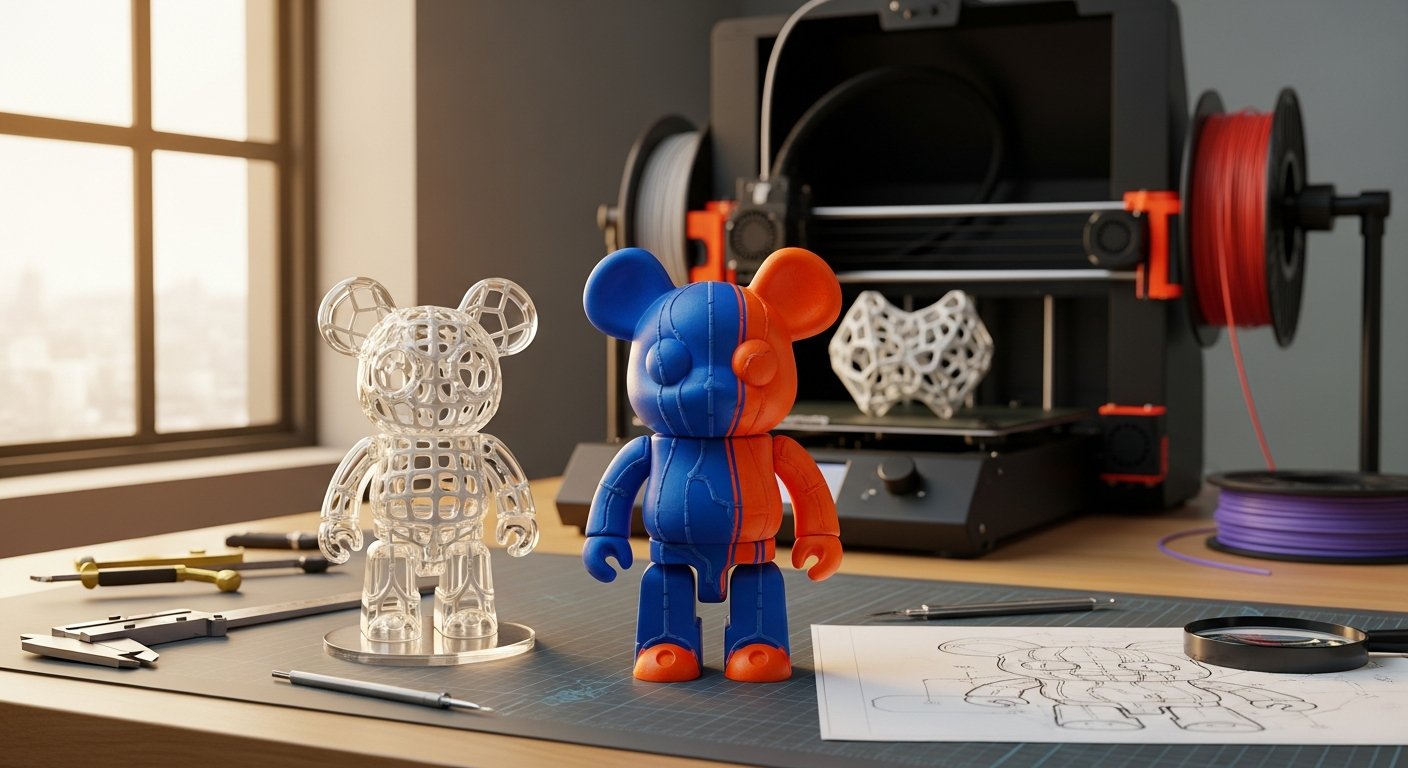
Designers and studios creating limited edition art toys are operating in an era where speed, precision, and finish quality determine commercial and collectible success. Singapore has become a regional hub for fast, high-fidelity prototyping, helping independent artists and brands compress development timelines while improving final-piece quality. This article explores how rapid prototyping Singapore is reshaping the limited edition art toy market, the technologies behind the shift, and practical guidance for creators looking to benefit from these capabilities.
Why rapid prototyping matters for limited edition art toys
Limited edition art toys rely on scarcity, design detail, and collector appeal. Traditional development—sketch, clay sculpt, tooling, then production—can take months and often requires expensive molds for small runs. Rapid prototyping changes that formula by enabling:
- Faster iteration cycles so sculptors and designers can test several variations without prohibitive cost.
- High-fidelity prototypes that reveal surface texture, articulation, and paint behavior prior to tooling.
- Efficient small-batch production options that maintain collectible exclusivity while controlling unit economics.
These capabilities are especially valuable when launching limited edition drops, seasonal series, or artist collaborations that demand tight turnaround and consistent quality.
Core technologies powering rapid prototyping Singapore
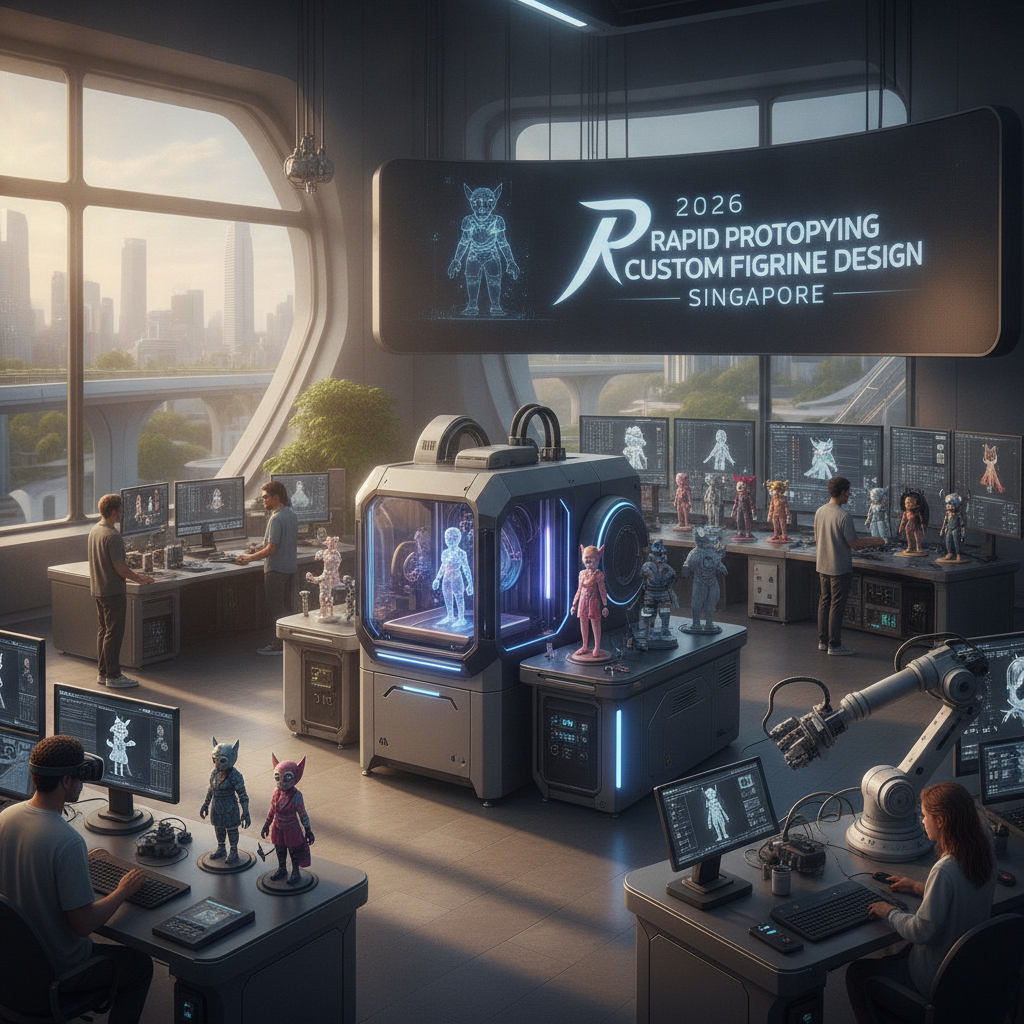
Singapore’s prototyping ecosystem leverages a blend of additive and subtractive manufacturing methods suited to the demands of art toy design:
- SLA and DLP resin 3D printing: Excellent for high-resolution surface detail and smooth finishes needed in designer toys. Resin prints capture sculptural subtleties and are ideal for master models.
- SLS and MJF powder-based printing: Useful for functional prototypes with complex internal geometry or integrated moving parts.
- CNC machining: For metal or high-strength parts, especially when integrating mechanical components or creating jigs and molds.
- Vacuum casting and silicone molds: Quick tooling for short runs that preserves surface texture from a 3D-printed master.
- Hybrid workflows: Combining printed masters with CNC-modified tooling or hand-finishing to achieve premium tactile finishes.
Local Singapore studios often bundle these technologies with finishing services such as sanding, priming, multi-stage painting, tampography (pad printing), and PVD/coating options to produce prototypes that are showroom-ready.
Singapore advantages: speed, infrastructure, and IP safety
Several regional advantages make Singapore attractive for creators of limited edition art toys:
- Proximity to manufacturing hubs: Quick access to partner factories across Southeast Asia shortens supply chains for small runs and final production.
- Advanced prototyping facilities: Specialist labs and studios in Singapore offer end-to-end services from CAD cleanup to final finishing.
- IP protection and professional services: Singapore’s strong legal framework and business ecosystem make it easier to protect designs and handle licensing or collaboration agreements.
- Time-to-market leadership: Rapid iteration and local testing let designers react to market feedback or trend shifts quickly, which is crucial in the collectible toy space.
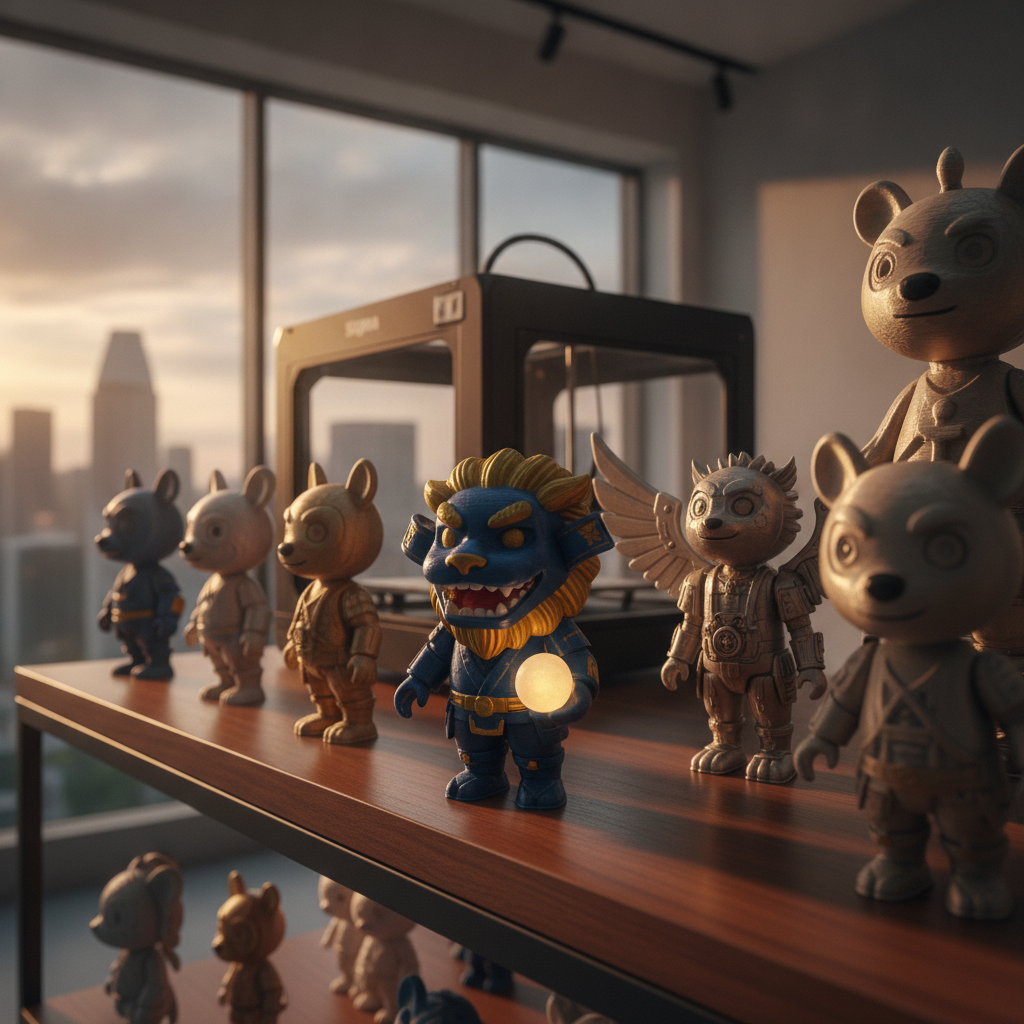
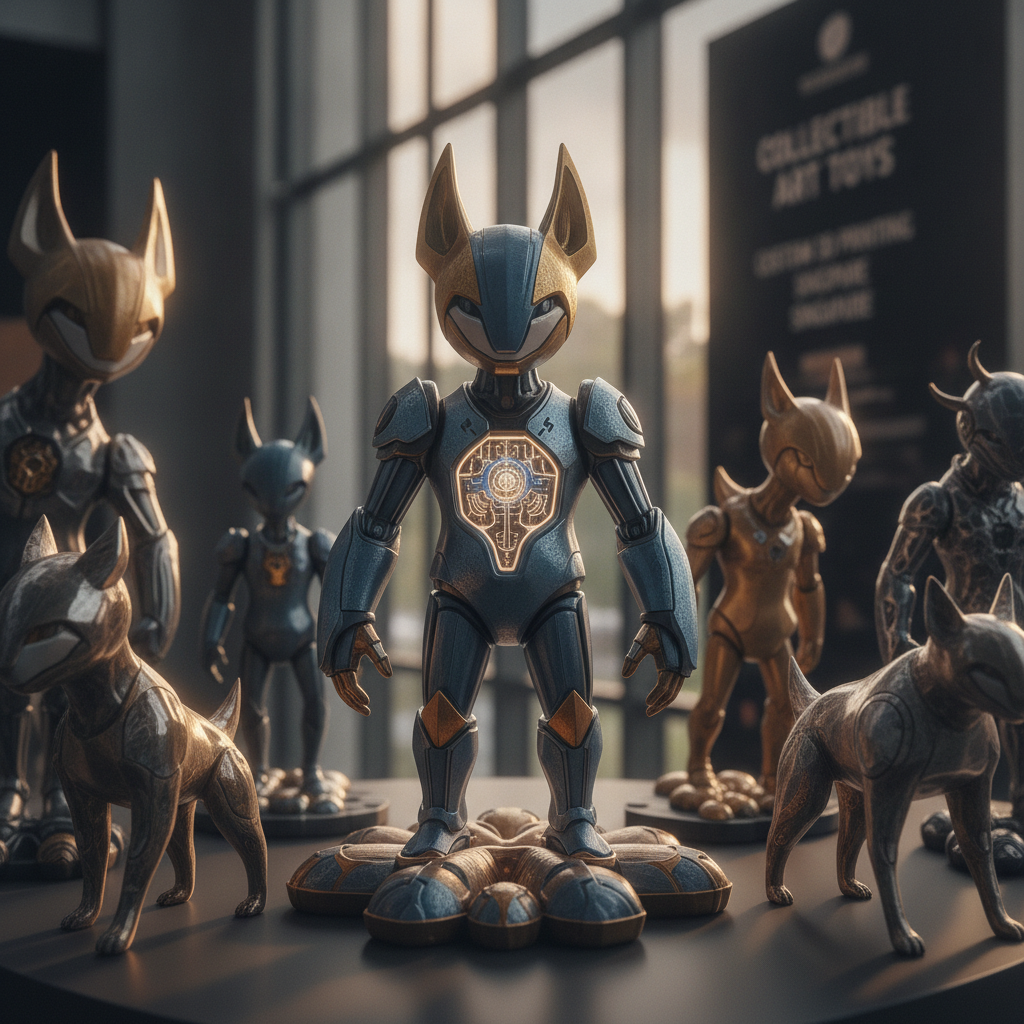
For more context on how these capabilities translate into curated releases, see examples of the best limited edition art toys and collectibles.
From prototype to small-batch production: practical pathways
Designers typically follow one of several pathways depending on edition size, budget, and finish requirements:
- Digital sculpt -> high-resolution resin print -> vacuum casting: Best for ultra-detailed pieces with runs of 20–200 units.
- Digital sculpt -> silicone mold -> urethane casting with hand-finishing: Great for artist-signed editions and limited colorways.
- Digital sculpt -> low-volume injection molding (rapid tooling) -> final production: Viable for slightly larger limited editions (200–1,000 units) when units need consistent fit and finish.
- Direct production via SLS/MJF for functional, low-detail toys that prioritize structural properties over surface detail.
Studios in Singapore can advise on the most cost-effective route. For designers experimenting with seasonal drops, the ability to go from CAD to finished prototype within days supports bold creative choices and tight release schedules. Explore examples of limited edition art toys new releases to see how release cadence is evolving.
Achieving collector-grade finish: techniques and materials
Collectors expect pristine paintwork, crisp seams, and durable finishes. Rapid prototyping doesn’t stop at producing a shape—finishing is essential:
- Resin selection: Use high-detail resins that sand and polish well; some resins accept primers and paints better, reducing finish time.
- Seam and joint engineering: Design with assembly in mind; prototyping helps test snap-fit tolerances and articulation points before committing to tooling.
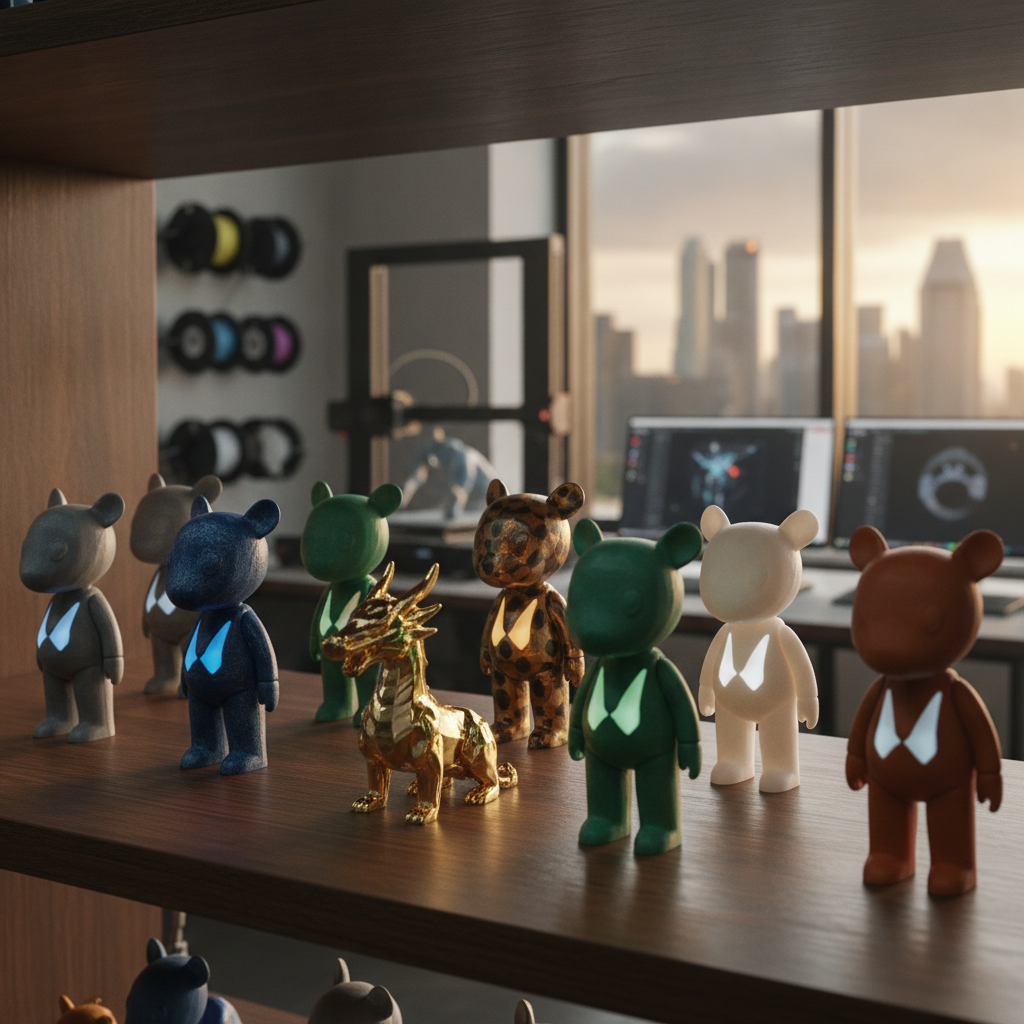
- Multi-stage painting: Airbrushing, masking, tampography, and hand-applied washes are commonly combined to emulate factory-level paint quality.
- Surface treatments: UV-stable topcoats, anti-yellowing agents, and metallic coatings preserve appearance in collectible displays.
Many Singapore prototyping houses provide integrated finishing so prototypes match the look of final limited editions, helping artists and buyers align expectations.
Cost, timing, and realistic expectations
Rapid prototyping reduces time but not always cost—high-detail methods and premium finishes carry expenses. Typical considerations include:
- Prototype cost: A high-resolution master print plus finishing can range from tens to a few hundred dollars depending on size and complexity.
- Small-batch unit cost: Vacuum casting or urethane casting spreads set-up costs across small runs; per-unit costs decline as batch size grows.
- Lead times: Concept to prototype can take 1–2 weeks for small projects; small-batch production might require an additional 2–6 weeks depending on finishing and delivery.
Singapore providers often present transparent quotes and advise on trade-offs—fastest delivery vs. optimal finish vs. cost-efficient batch size—allowing creators to plan releases that align with collector expectations.
Emerging trends shaping limited edition releases
Several trends intersect with rapid prototyping to change how limited edition art toys are designed and sold:
- Designer-collector co-creation: Iterative prototyping enables collaborative releases where feedback from small collector groups influences final designs.
- Sustainability: Bio-based resins, recycled plastics, and solvent-free coatings are being explored to reduce the environmental footprint of collectible toys.
- Provenance and authentication: Physical collectibles are increasingly paired with digital provenance—QR tags or blockchain entries—that are tested at prototype stage for integration.
- Customization and personalization: Rapid prototyping supports bespoke variants, artist-signature runs, and micro-editions tailored for VIP collectors.
- Cross-disciplinary collaborations: Collaboration between lifestyle brands and toy designers is on the rise, facilitated by shared prototyping services like custom 3D printing for lifestyle design.
These trends create new monetization models and deepen collector engagement, while also placing new demands on prototyping quality and traceability.
Case study: iterative drop strategy enabled by prototyping
Consider a hypothetical artist-run studio launching a 250-unit series with three colorways. Using rapid prototyping Singapore, the team:
- Produced three prototype colorways via SLA masters and vacuum casting in one week.
- Held a small pre-launch preview for collectors to select preferred finishes and minor sculpt tweaks.
- Finalized molds for a 250-unit run using rapid tooling, reducing per-unit cost while preserving the chosen colorways.
This iterative approach increased collector satisfaction and allowed the studio to market scarcity-backed exclusives with confidence. For more design-focused perspectives on bridging lifestyle design and art toys, see limited edition art toys Singapore lifestyle product design.
Choosing a prototyping partner in Singapore
When selecting a prototyping partner, look for:
- Proven experience with art toys and collectibles, not just generic prototyping.
- Portfolio of finishes, paints, and surface treatments that meet collector expectations.
- Flexibility on batch sizes and willingness to iterate quickly.
- Clear IP and confidentiality policies to protect original designs.
- End-to-end services from CAD cleanup to final finishing and packaging.
If you want to evaluate a single-source solution that focuses specifically on limited edition art toys and prototyping workflows, review dedicated resources like rapid prototyping Singapore for limited edition art toys.
Practical tips for designers to maximize prototyping value
- Design for assembly early: Prototyping reveals fit issues; integrating assembly-friendly features in CAD reduces rework.
- Test paints and coatings on prototype samples: Small samples save time and ensure color fidelity at scale.
- Start with masters that reflect final intended texture and weight: Collector perception depends on tactile cues.
- Consider limited runs with multiple value tiers: Basic editions for accessibility and premium signed editions for collectors.
- Document changes: Keep versioned CAD and prototype photos to simplify mold updates and future reissues.
Conclusion
Rapid prototyping Singapore is more than a convenience—it’s a strategic enabler for designers and brands creating limited edition art toys. The combination of advanced printing, local finishing expertise, and efficient small-batch production lets creators iterate faster, achieve collector-grade finishes, and adapt releases to market feedback. As sustainability, customization, and digital provenance grow in importance, Singapore’s prototyping ecosystem is positioned to support the next generation of highly collectible, well-crafted art toys. For inspiration and launch ideas, check contemporary releases and curated lists like limited edition art toys and collectibles and new releases.