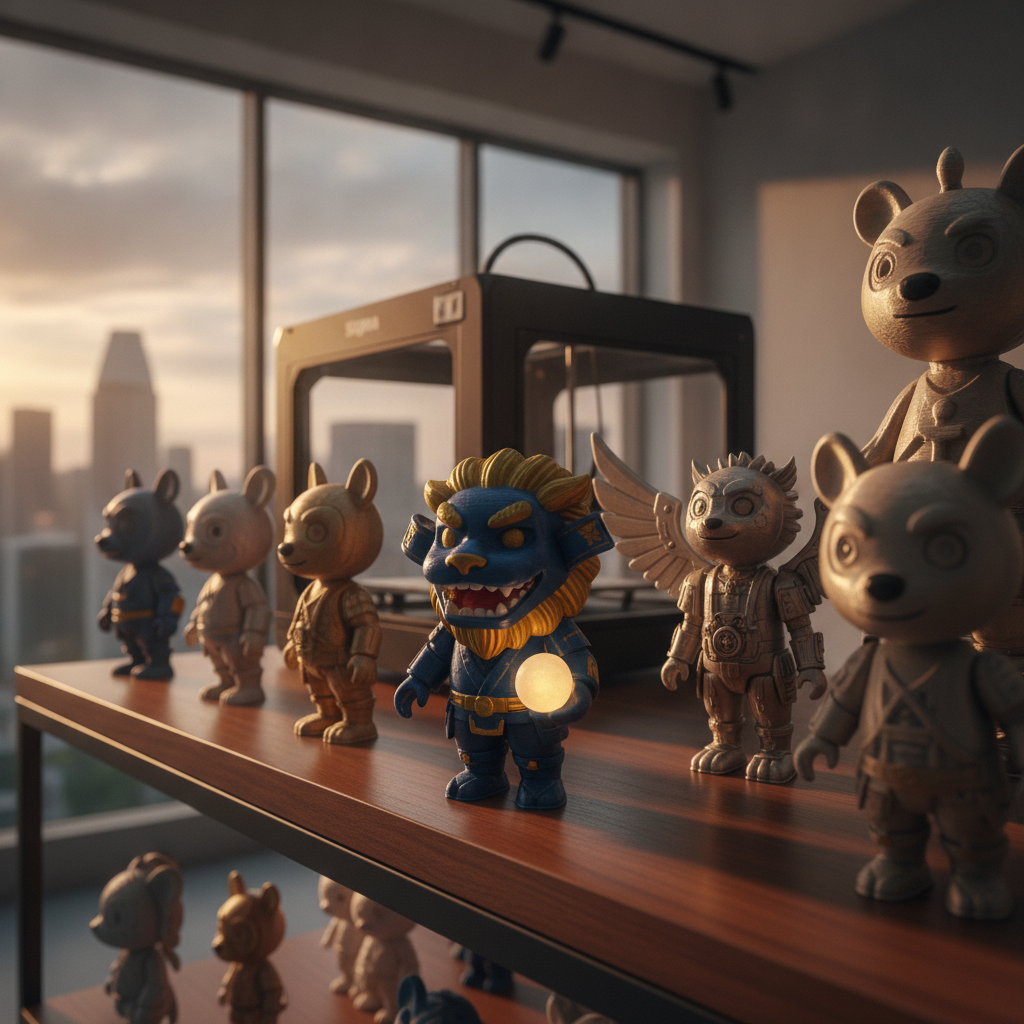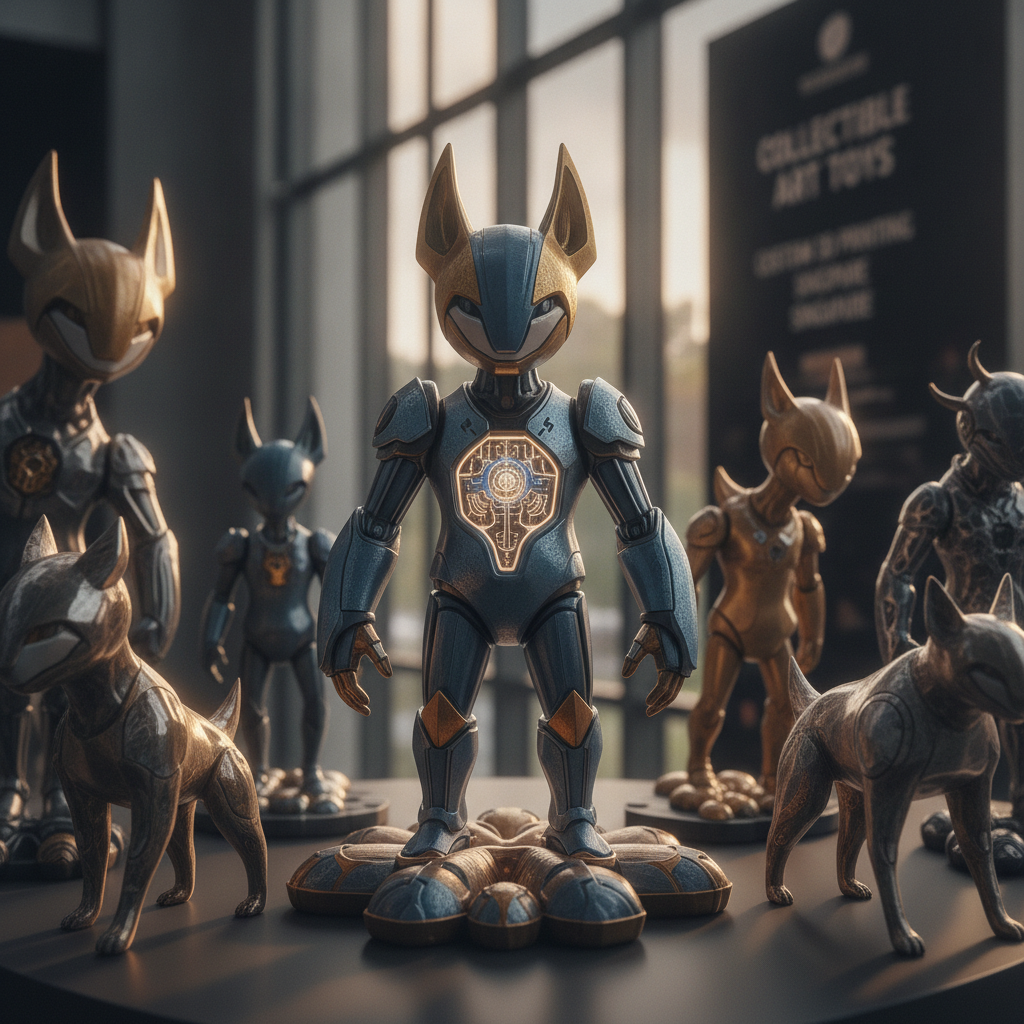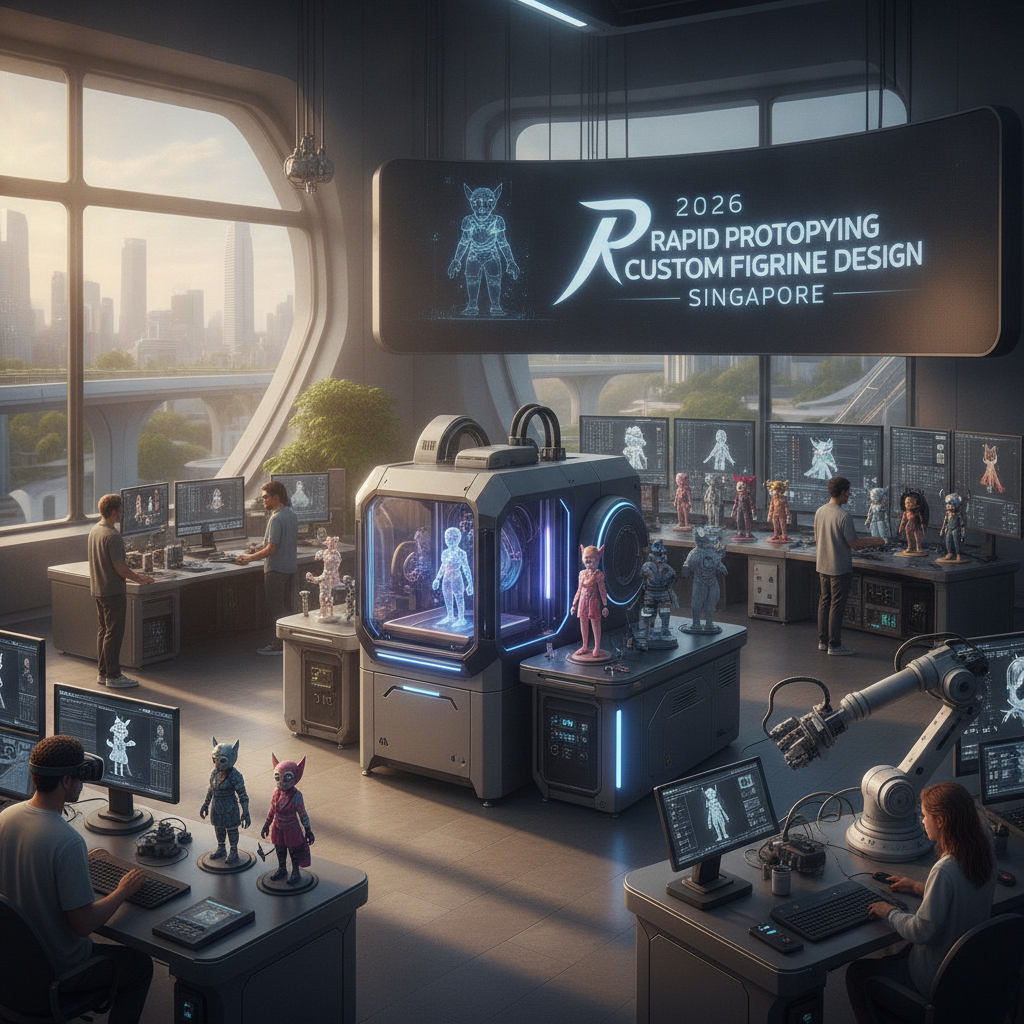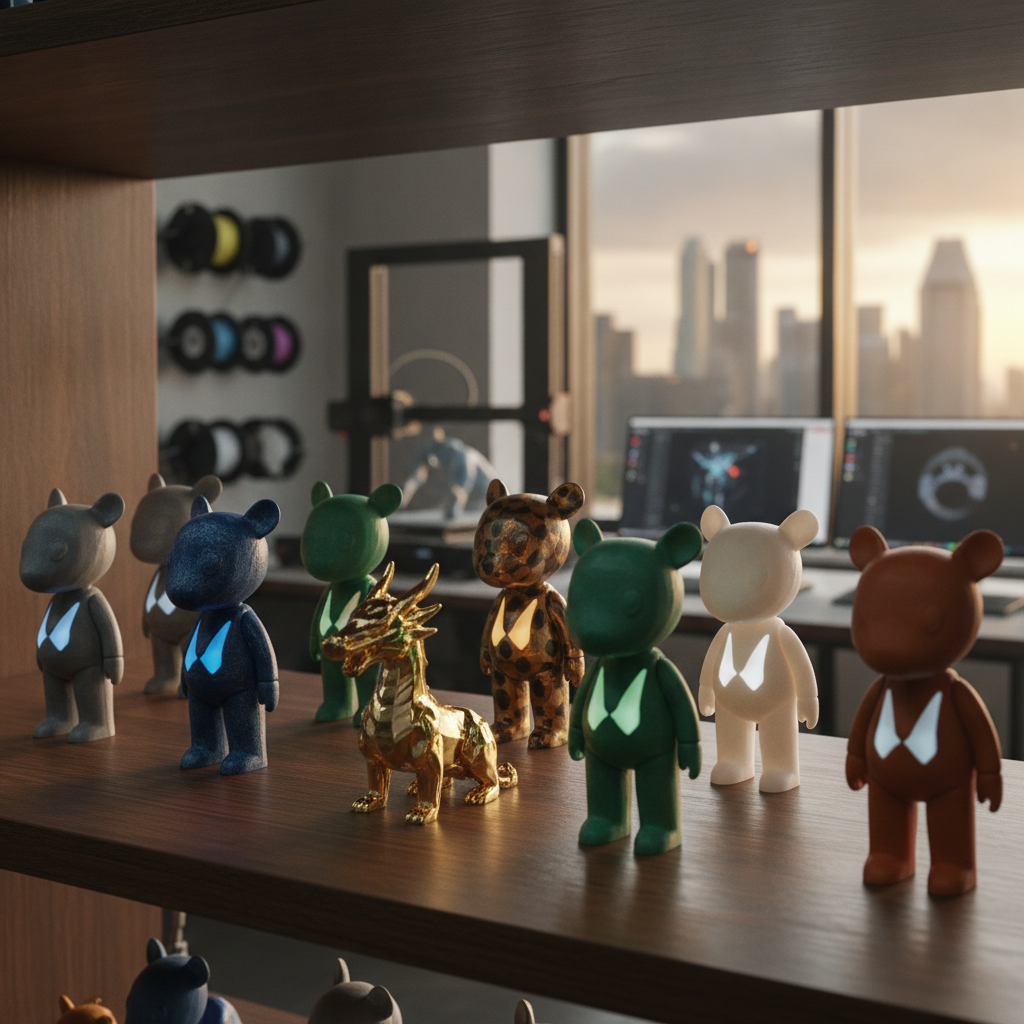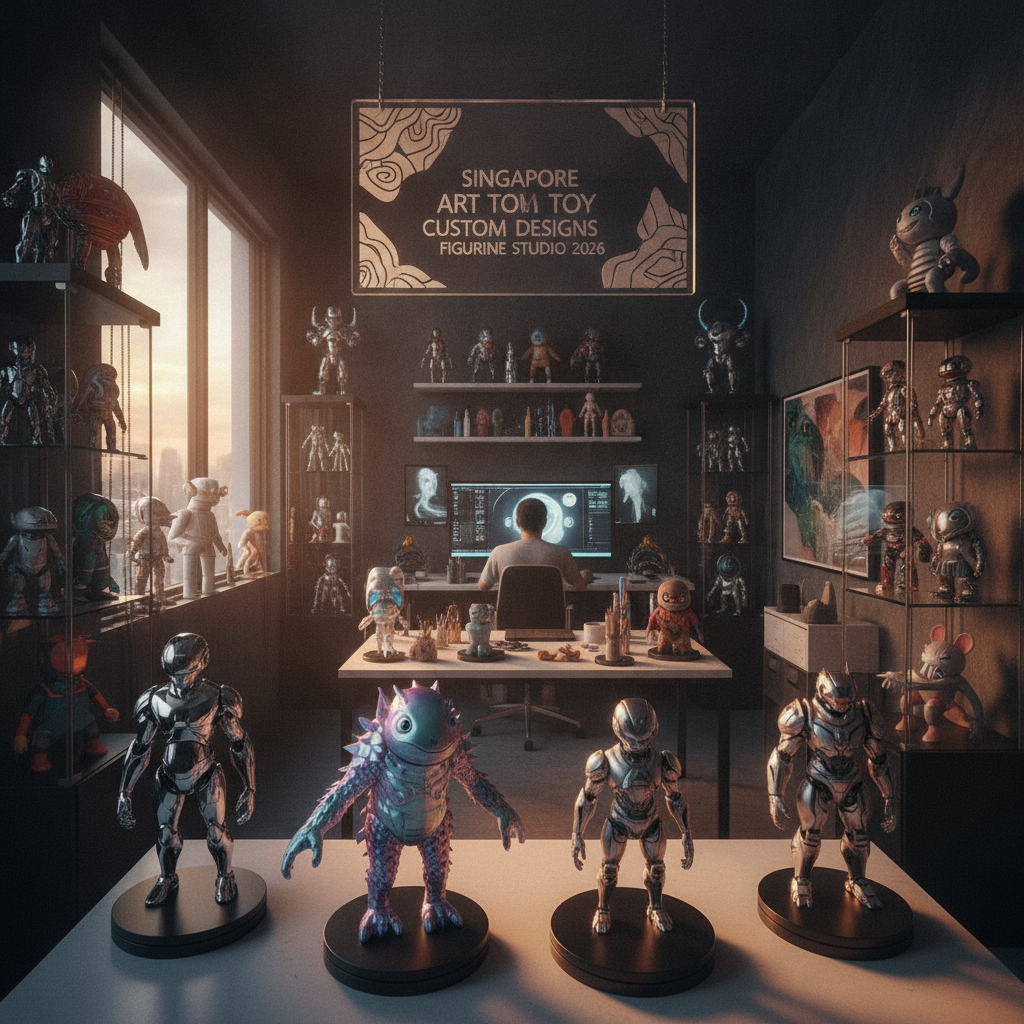

Collectors and designers are calling 2026 a turning point for limited edition art toys. After several years of pandemic-driven supply chain shifts, rapid advances in prototyping and additive manufacturing, and a renewed appetite for tactile design, artists and studios are releasing smaller, smarter runs of highly collectible figures. These drops marry thoughtful sculpt, refined paint, sustainable materials, and provenance features that boost both aesthetic value and long-term investment potential.
In this guide you will find an overview of the major design and production trends shaping 2026 releases, practical tips for evaluating new drops, marketplace dynamics that affect pricing, and where to learn more about prototyping and small-batch manufacturing for art toys.
The new releases this year emphasize concept-driven narratives and cross-disciplinary collaborations. Expect:
These shifts reflect collectors’ desire for meaningful pieces with clear stories and traceable origins, not just mass-produced toys with high resale potential.
Visual trends this year lean into retro-futurism, organic textures, and minimalist color palettes. Sculptors are experimenting with tactile surfaces—matte microtextures, engineered grain, and layered patinas—that read beautifully in small runs. In parallel, collaborations with illustrators and muralists produce character-driven universes where each limited edition art toy functions as a chapter in a larger narrative.
Designers are also leveraging modular concepts: swappable heads, interchangeable accessories, and base elements that let collectors mix-and-match to create bespoke variants. This approach increases play and collector engagement while keeping edition sizes intentionally limited.
Manufacturing choices directly influence both the look and collectibility of art toys. Short runs benefit from flexible tooling and rapid iteration. For designers exploring scaled prototyping and batch manufacturing, resources on rapid prototyping can be invaluable. Learn more about rapid prototyping for limited edition art toys here: rapid prototyping for limited edition art toys.
Key production methods in 2026 include:
Studios are also adopting local, sustainable material choices to reduce carbon footprint and support transparent supply chains. When planning a limited run, consider working with a partner that understands small-batch dynamics—custom 3D printing for lifestyle design is a pivotal capability for many independent creators: custom 3D printing for lifestyle design.
Scarcity is a proven driver of collector enthusiasm, but not all scarcity is equal. The most desirable limited edition art toys combine scarcity with: a strong artistic voice, high production standards, verifiable authenticity, and a compelling release story.
Features that enhance desirability:
For creators based in or working with Southeast Asia, design and product development can be paired with specialist services in Singapore that focus on lifestyle product design for limited editions. Explore studio approaches to limited edition art toys in Singapore product design: limited edition art toys Singapore lifestyle product design.
When a new limited edition art toy drop happens, evaluate it like a small investment in craft:
For makers, picking the right manufacturing partner is essential to match design intent and maintain quality at low volumes. Trusted custom 3D printing services bridge the gap between concept and collectible: custom 3D printing services.
Secondary market activity continues to influence primary release strategies. Many brands now price initial drops modestly and rely on scarcity to generate later resale premiums. However, sustainable long-term value usually correlates with artistic merit and production transparency rather than pure hype.
Expect these pricing dynamics in 2026:
Collectors should diversify: buy pieces you love for display, not only for short-term flips.
Finding reputable drops requires a mix of primary research and trusted suppliers. Official brand sites, artist mailing lists, and curated boutiques remain the best places to buy at retail. For creators and small studios, working with established prototyping and manufacturing partners in Singapore and beyond can ensure the final product meets collector expectations. If you are developing prototypes or small series, consider the efficiency and fidelity offered by FDM and other additive technologies—learn more about FDM 3D printing for lifestyle product makers here: FDM 3D printing for lifestyle product makers.
Other practical sourcing tips:
Preserving value means preserving condition. Follow these care best practices:
For articulated toys, test joints gently and avoid over-posing. When shipping, double-box with foam or bubble wrap and include documentation for provenance.
When moving from prototype to production, vet the capabilities of your fabrication partner to ensure they can deliver consistent quality across an entire limited run. Studio partnerships that blend prototyping with small-batch manufacturing help designers preserve the original vision while meeting collector expectations.
2026’s limited edition art toys market rewards creators who combine strong artistic storytelling with transparent, high-quality production. Collectors benefit from having clearer provenance and more creative release formats than in previous cycles. Whether you are buying, collecting, or producing, focus on craft, traceability, and the long-term story behind each piece—those are the attributes that will define the most desirable art toys of the year.
For creators who want to prototype intelligently and bring small runs to market with confidence, exploring reliable fabrication partners and 3D printing workflows is essential. Good production partnerships make it possible to keep edition sizes limited while raising standards for detail, finish, and authenticity.