Why this guide matters in 2026
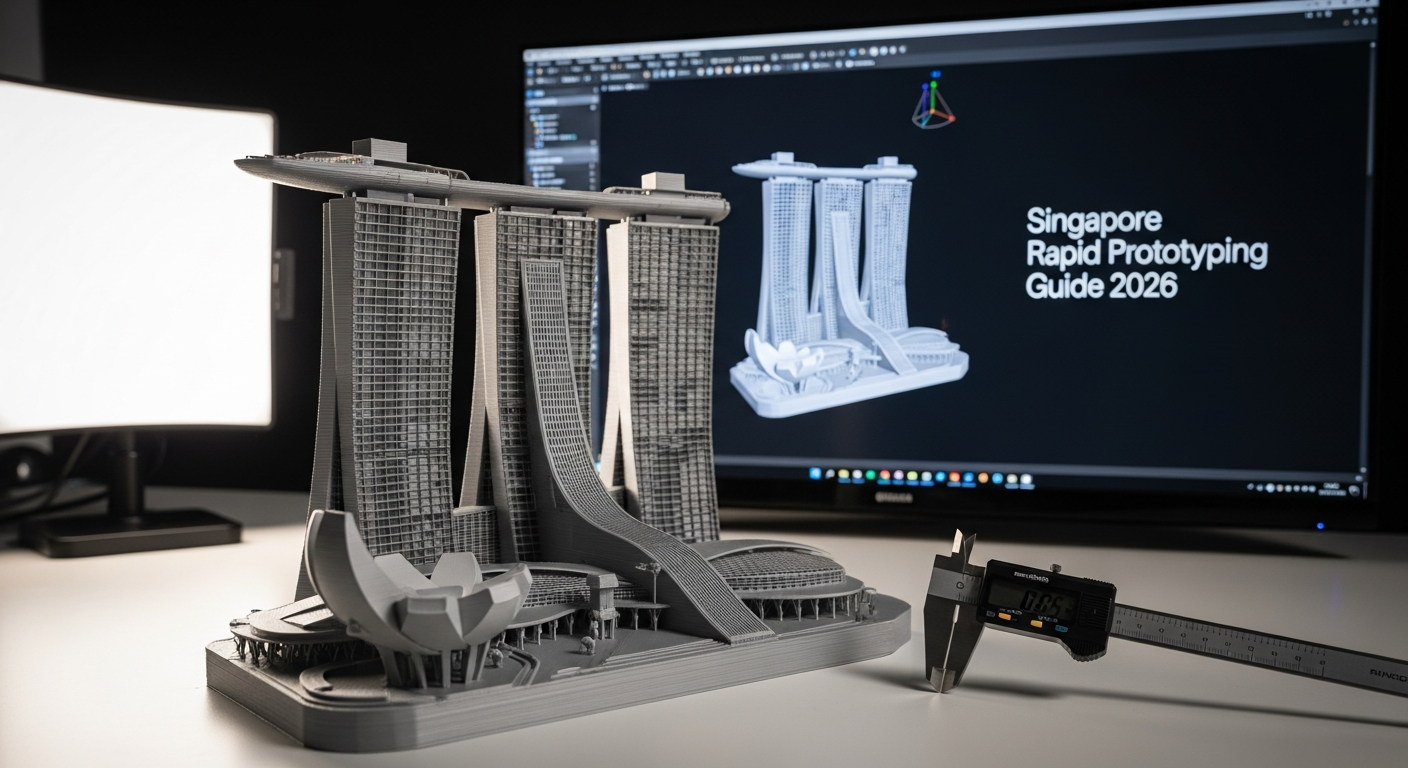
Singapore has become a regional hub for fast, high-quality product development. For designers, startups and manufacturers, mastering CAD workflows and rapid prototyping workflows is the fastest route from idea to validated product. This guide explains the modern tools, materials, costs and selection criteria you need for successful CAD modeling Singapore and rapid prototyping Singapore projects in 2026.
CAD modeling fundamentals for Singapore projects
Good CAD is the foundation of every successful prototype. In Singapore’s competitive market, CAD models must be precise, manufacturable and compatible with additive and subtractive processes.
Key CAD practices
- Start with the right file formats: use STEP or IGES for CNC and injection tooling, and export high-resolution STL, AMF or 3MF for additive manufacturing. Maintain native CAD files for iterative edits.
- Design intent and parametrics: use parametric features so changes propagate cleanly across assemblies — this reduces rework during rapid prototyping iterations.
- Keep tolerances realistic: Singapore prototyping houses commonly quote tolerance bands. For most consumer parts target ±0.1–0.2 mm for tight fit features, and ±0.3–0.5 mm for large geometries unless you choose precision metal printing or CNC finishing.
- Geometry health: check for non-manifold edges, inverted normals or tiny slivers before export. Automated geometry repair is common but prevents delays if models are clean from the start.
Designer tools and AI trends
2026 sees stronger AI-assisted CAD features: generative design suggestions, automated chamfer/radii recommendations for manufacturability, and cloud-based collaboration that reduces back-and-forth. These tools speed up initial concept modeling and optimize parts for strength and weight.
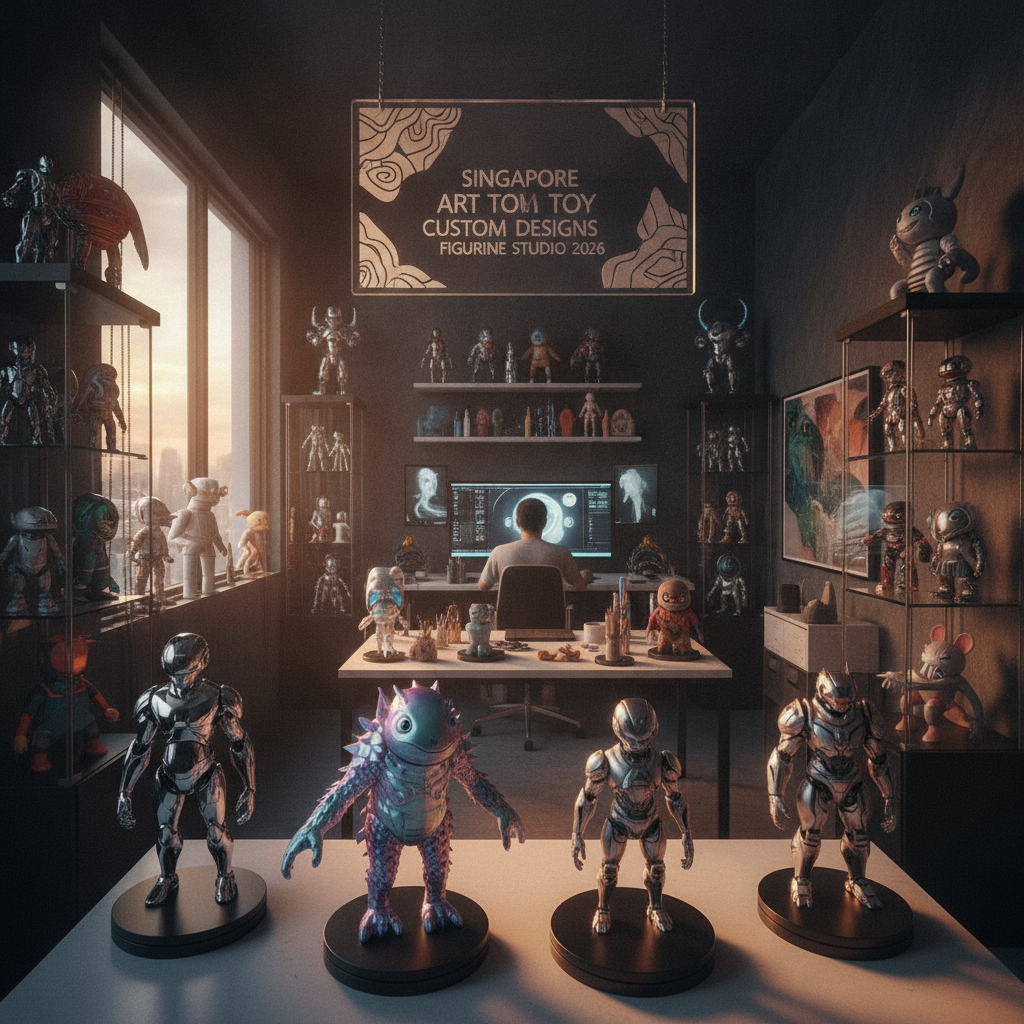
For artists and makers working on collectibles or toys, combining creative sculpting tools with parametric CAD is now standard practice — you can sculpt organic forms and quickly generate watertight CAD for prototyping or molding. See how rapid manufacturing supports creative runs in Singapore’s art toy scene with this example: CAD modeling Singapore.
Rapid prototyping technologies available in Singapore (what to pick and why)
Singapore prototyping providers offer a broad range of technologies. Choose based on function, finish and budget.
- SLA (Stereolithography): Excellent for high-fidelity parts and smooth finishes. Ideal for concept models and master patterns for silicone molding.
- SLS (Selective Laser Sintering): Strong, functional nylon parts suited to fit testing and small-batch production. Good for snap fits and durable prototypes.
- MJF (Multi Jet Fusion): Fast, consistent mechanical properties, and good surface detail for functional prototypes.
- FDM (Fused Deposition Modeling): Cost-effective for large form studies and durable prototypes; requires more post-processing.
- Resin-based color/full-color 3D printing: Increasingly used for collectibles with pre-colored prototypes; reduces painting time for display models.
- Metal additive (DMLS/SLM): Used for functional metal parts and low-volume production; consider heat treatment and surface finishing steps.
- CNC machining: Best for high-precision parts and production-grade materials like aluminum and engineering plastics.
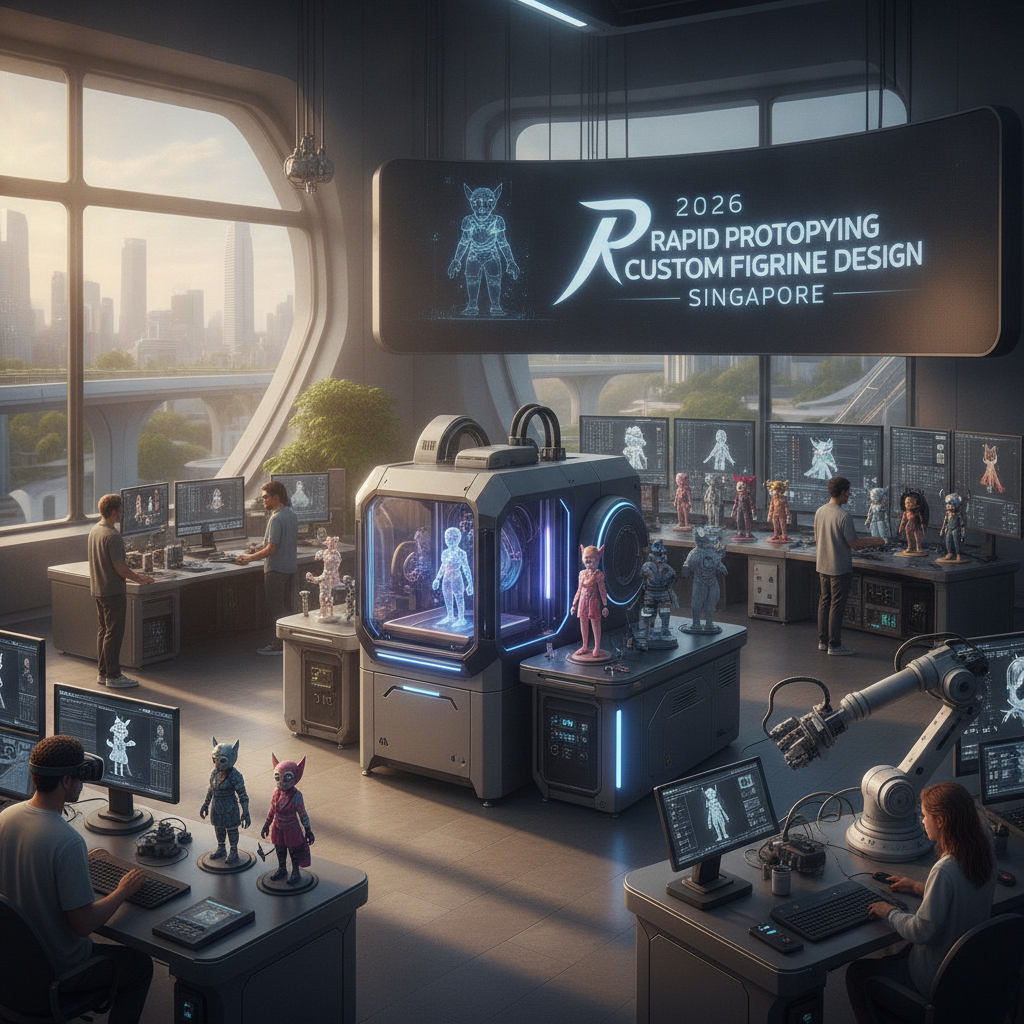
For projects that combine artistic detail and functionality — for example, limited collectible models — suppliers in Singapore often pair SLA masters with silicone molding or small-batch urethane casting to reach high-quality finishes while keeping costs manageable. Learn how rapid prototyping accelerates limited artist runs here: rapid prototyping Singapore.
Materials, finishes and sustainability in 2026
Materials choices have matured. Expect engineering-grade plastics, bio-based resins, recycled nylon options and castable resins for lost-wax workflows.
Sustainability trends
- Recycled and bio-based feedstocks: Many Singapore vendors offer recycled nylon or PLA blends that reduce carbon footprint.
- Closed-loop finishing: Increasingly common recycling of support materials and solvent recovery in post-processing.
- Local on-demand production: Shorter logistics chains reduce emissions and lead times compared with overseas factories.
Finishes and post-processing
- Vapor smoothing and resin coating for smooth aesthetics.
- Painting and pad printing for complex colorways — particularly important for collectibles.
- Mechanical finishing and anodizing for metal parts.
Cost, lead times and budgeting expectations
Typical turnaround and cost factors in Singapore (2026):
- Concept models (SLA): 2–5 business days; SGD 50–500 depending on size and finish.
- Functional nylon parts (SLS/MJF): 3–7 business days; costs vary with volume and packing density — SGD 100–1,500.
- Low-volume metal prints: 2–4 weeks including heat treatment and machining; higher material and processing costs (SGD 1,000+ per part depending on complexity).
- CNC prototypes: 3–10 business days depending on complexity and material choice.
Budget tips
- Consolidate small parts into assemblies where possible to reduce per-part setup costs.
- Choose the appropriate tolerances — tighter tolerances add cost and time.
- Factor in post-processing and multiple iterations when forecasting budget and schedule.
How to select a Singapore prototyping partner
Evaluate providers on these criteria:
- Technology breadth: a full suite reduces vendor switching.
- Turnaround and capacity: can they meet your sprint timelines?
- Materials expertise: can they recommend materials for end-use performance?
- Surface finishing capabilities: critical for consumer-facing products.
- IP confidentiality: NDAs and secure data handling practices are essential.
- Local knowledge and creative industry experience: providers who understand limited-edition runs (for example, art toys) can advise on molds, batch sizing and finishing.
For creative product launches consider working with vendors who have experience in collectibles and small-series manufacturing — they can help you launch limited-edition art toys by pairing prototyping, finishing and fulfillment services.
Design for prototyping: a checklist
- Validate wall thicknesses for chosen processes (e.g., 0.8–1.2 mm for structural resin parts; 1.5–2.0 mm for injection-ready prototypes).
- Add escape holes or vents for hollow resin prints to avoid trapped uncured material.
- Add reference datums and witness marks for inspection.
- Use standard fasteners and assembly features where possible to speed testing.
- Plan for assembly tolerances and insert features if moving to molded production.
File handoff and communication best practices
- Provide an assembly drawing and BOM alongside 3D files.
- Include a readme with target tolerances, critical surfaces, and finish requirements.
- Where color or texture matters, share reference images and color codes.
- Use collaborative cloud platforms for version control and to ensure everyone is working from the latest CAD.
Case study: small-batch collectible launch (practical workflow)
- Concept and sculpt: concept sculpting in organic tools, exported as watertight mesh.
- CAD refinement: convert to parametric CAD to define snap fits, mounting points and interaction features.
- Prototyping passes: first SLA for look-and-feel, then SLS or MJF for functional testing of assemblies.
- Finishing: resin masters painted or printed in color; silicone molds created for urethane casting if production runs are <500 units.
- Launch: short run production and distribution; many creators sell direct or via specialty shops.
If you’re in the collectibles space, you can see how prototyping integrates with product promotion and release schedules via examples of Singapore projects and artist collaborations: limited-edition art toys. For operational workflows aimed at launching runs, this resource is useful: rapid prototyping.
Risk management and regulatory considerations
- Product safety: for toys and consumer products, check regional standards (e.g., EN71, toy safety guidelines) early in prototyping.
- Material declarations: request MSDS and RoHS/REACH compliance statements where applicable.
- Traceability: for regulated products, ensure serialisation and batch records are maintained.
Practical next steps for teams in Singapore
- Audit your current CAD workflow and file hygiene.
- Identify the prototyping technologies you will need for the next 3 iterations.
- Get quotes from at least two vendors and compare total landed costs including post-processing.
- Build a simple test plan and schedule to validate fit, function and finish in three prototype cycles.
Final note
In 2026, CAD modeling Singapore and rapid prototyping Singapore combine smarter software, better materials and local agility to compress development timelines and reduce risk. Whether you’re iterating on industrial parts or preparing a limited creative run, applying the right CAD practices, choosing suitable prototyping technologies, and partnering with experienced local vendors will determine how quickly you reach a production-ready product.
For inspiration on how rapid prototyping supports creative launches in Singapore’s art toy community, explore these curated project examples and vendor workflows: launch limited-edition art toys.