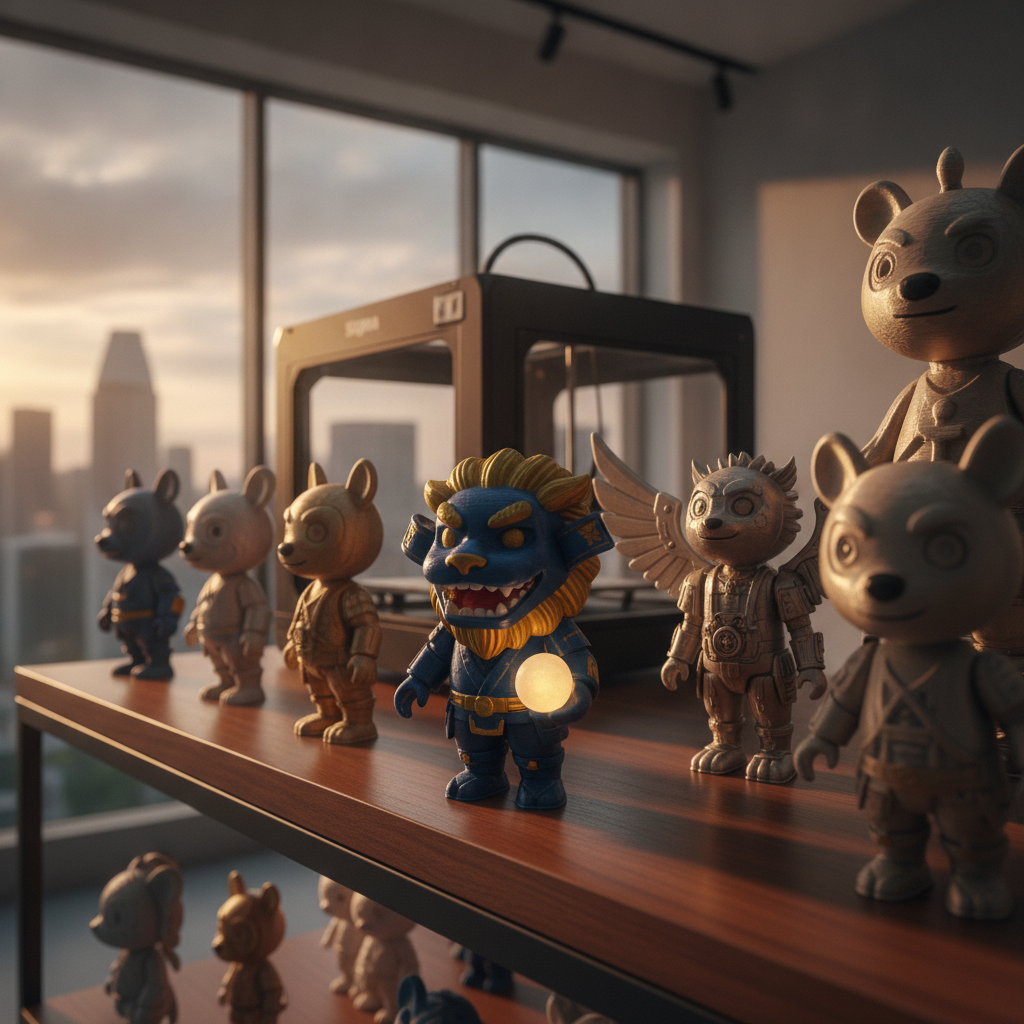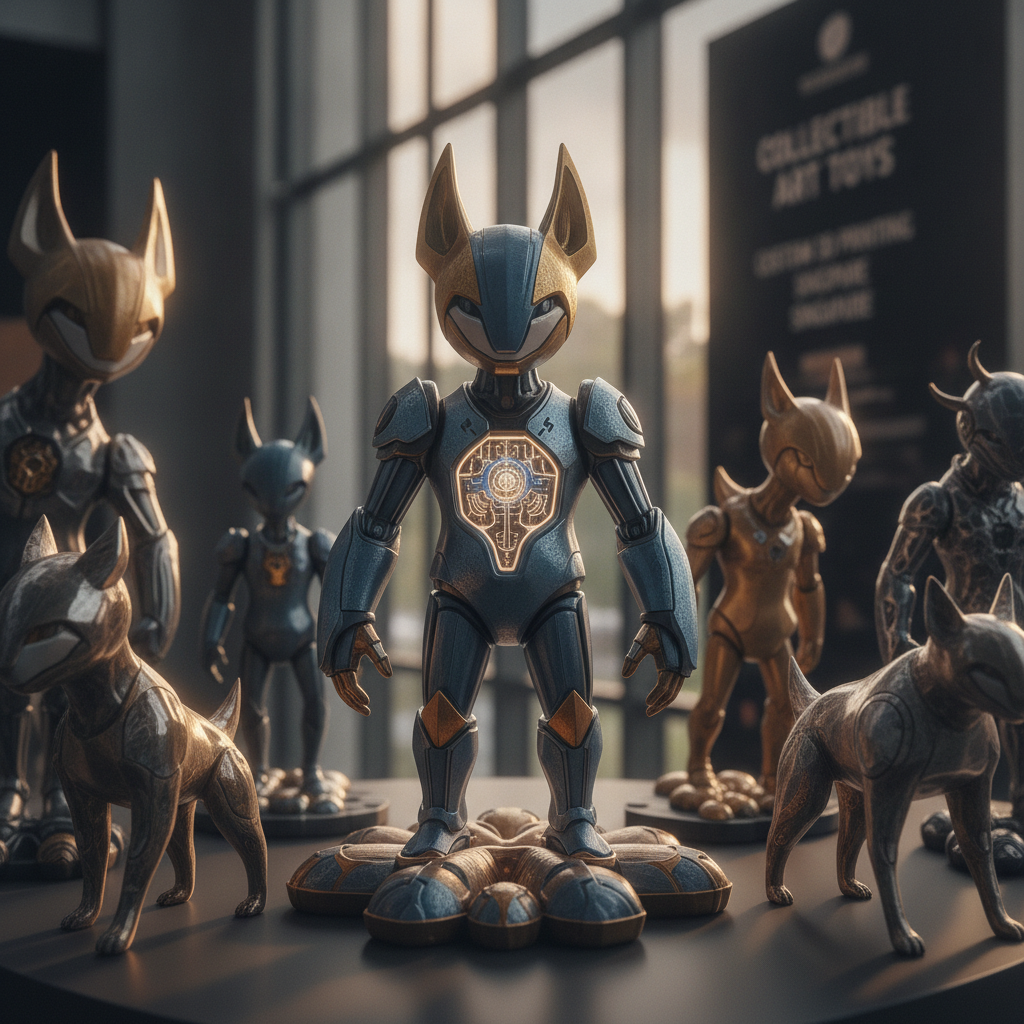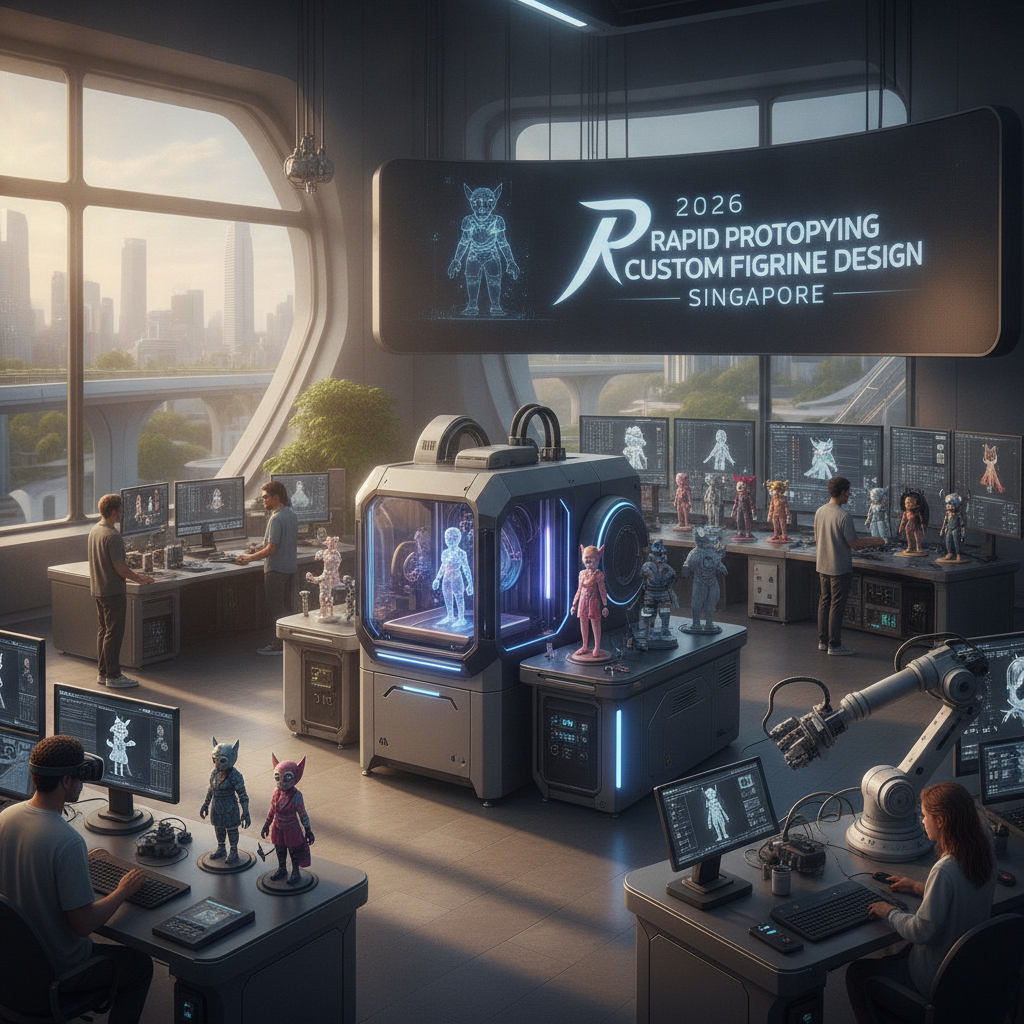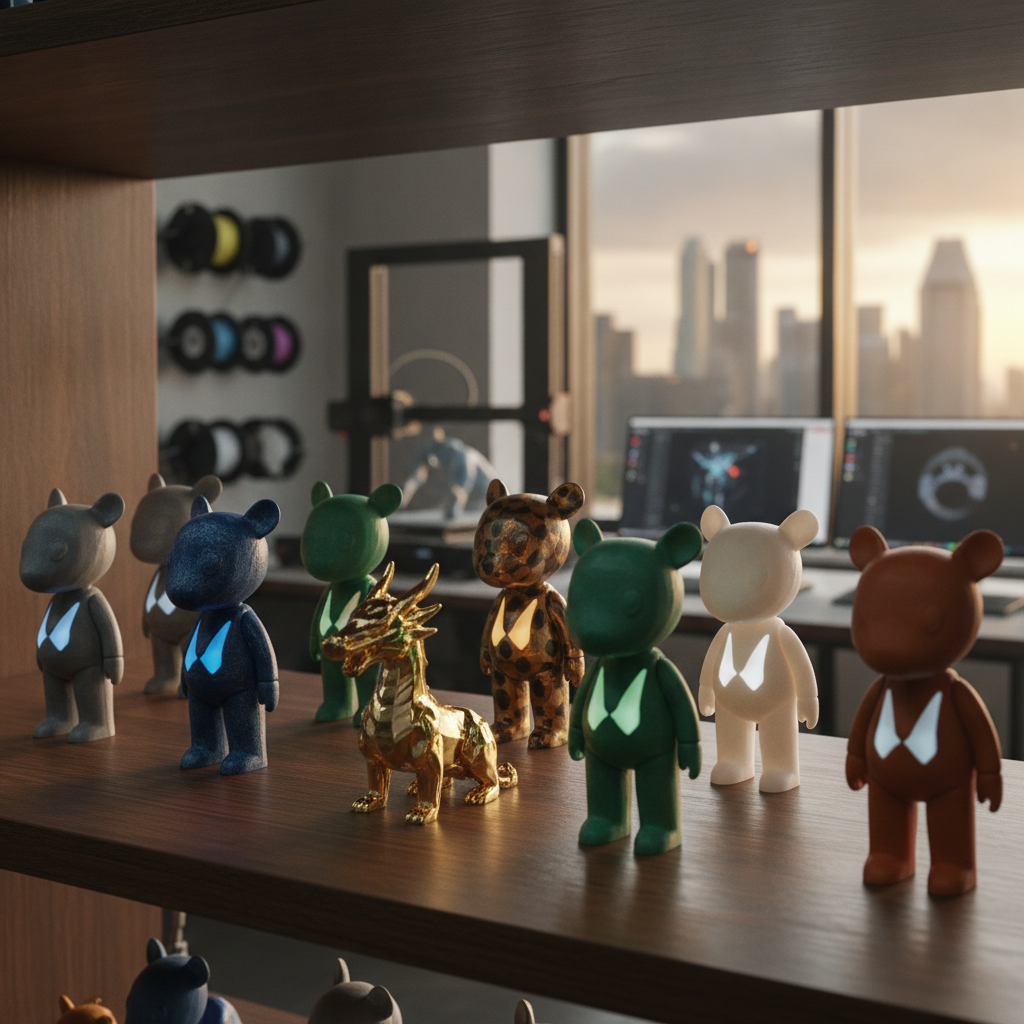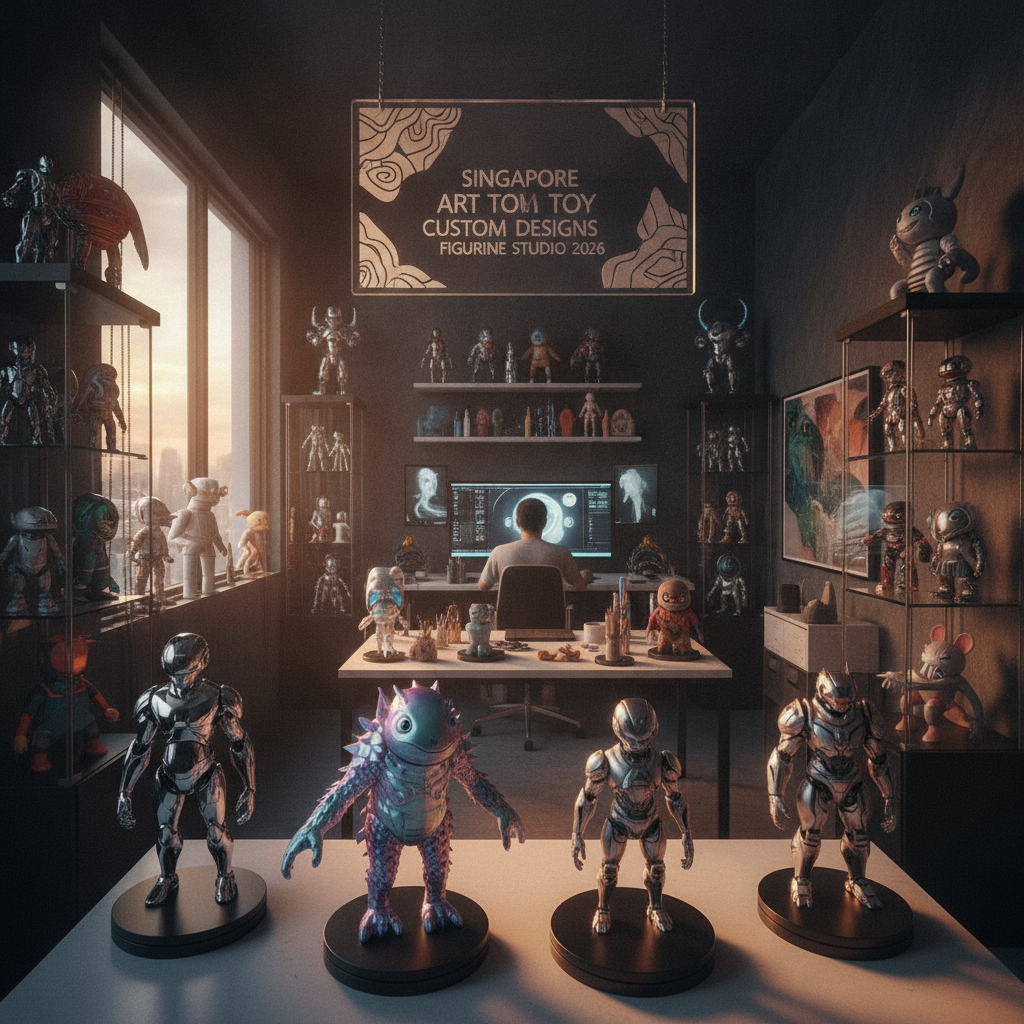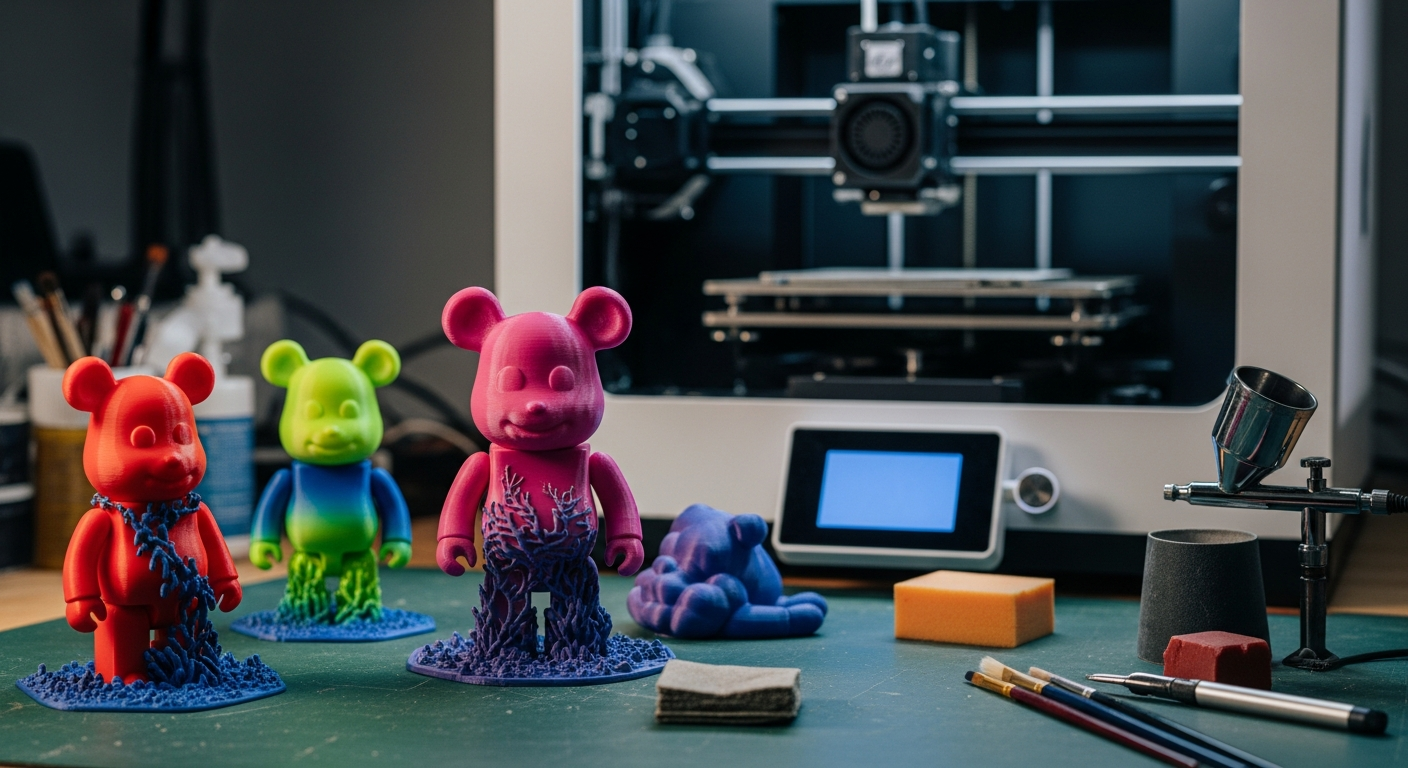
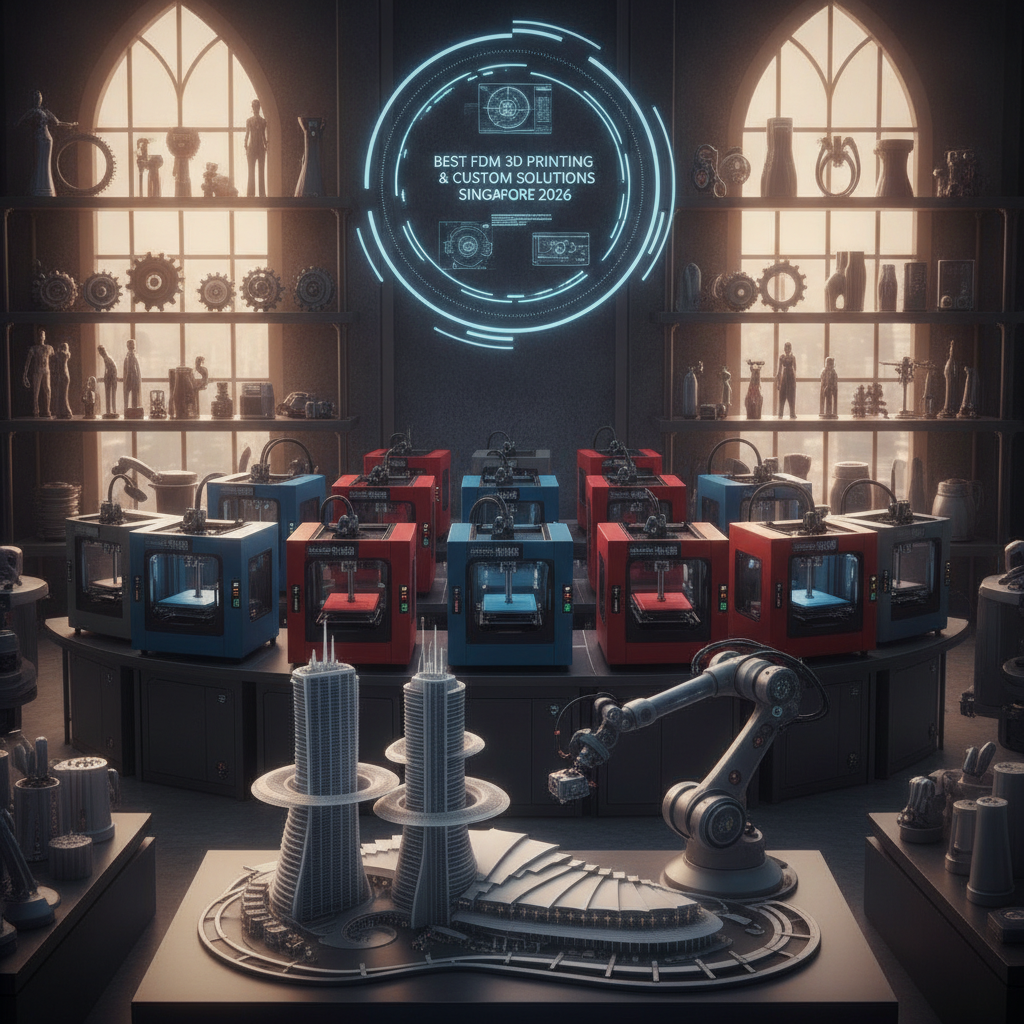

The art toy market has shifted from purely collectible vinyl runs to designer-led limited editions, experimental materials and micro-runs that rely on fast, accurate development. For creators and small studios in Singapore and beyond, rapid prototyping Singapore services turn concepts into touchable models in days rather than months. This gives artists the freedom to iterate on sculpt, pose, surface texture and assembly while managing cost and schedule.
This article explains how 3D rapid prototyping supports art toys development in 2026, the best technologies and materials to consider, practical design tips, and how to select a local service provider that can deliver high-quality, small-batch products.
Rapid prototyping collapses the traditional feedback loop. Instead of sending sketches off for months-long tooling, designers can:
In Singapore’s fast-moving creative scene, this speed matters: designers can launch limited runs for events, collaborate with brands, or react to trends quickly. For bespoke character work, look to studios that combine sculpting with digital workflows, such as teams focused on custom figurine design for limited editions: https://artsoustudio.com/custom-figurine-design-singapore-for-limited-edition-art-toys/.
Knowing the strengths of each process helps pick the right route for prototypes or final pieces.
For one-stop production of collectible runs without tooling, many Singapore studios now combine high-resolution resin prints with careful finishing, priming and painting — a practical path from prototype to product. Compare local options and service capabilities in articles about Singapore custom figurine design and rapid development: https://artsoustudio.com/singapore-custom-figurine-design-and-rapid-prototyping-2026/.
Material choices directly affect paint adhesion, durability and the perceived value of an art toy.
Finishing techniques — sanding, priming, wet-sanding, airbrushing, pad printing and metal plating — transform raw prints into gallery-ready toys. Many studios in Singapore provide professional finishing and small-batch production services; search for a dedicated 3D printing service that supports painting and assembly: https://artsoustudio.com/best-3d-printing-service-for-art-toys-singapore-2026/.
Designing specifically for rapid prototyping reduces iteration cost and speeds up time-to-shelf. Key rules to follow:
Implementing these early will cut wasted prints and speed up design validation — especially important when using rapid prototyping Singapore vendors that bill by machine time and material.
Typical steps for a designer launching a small collectible run:
Many Singapore studios now offer a hybrid model: they prototype in-house, produce final pieces using small-batch 3D printing or resin casting, and handle finishing and packaging. That integrated approach shortens lead times and reduces coordination overhead — see how lifestyle product design firms are aligning capabilities for limited editions: https://artsoustudio.com/lifestyle-product-design-singapore-limited-edition-art-toys/.
While prices vary by complexity and finish, you can expect approximate benchmarks in 2026:
Turnaround is improving thanks to faster printers and efficient post-processing workflows. For tight timelines or multi-disciplinary services, partner with an experienced local provider: https://artsoustudio.com/rapid-prototyping-singapore-art-toys-trends-2026/.
Several developments are reshaping how art toys are made:
These trends affect both aesthetics and production decisions — studios that stay current can help artists convert a concept into a market-ready collectible faster than ever. For more on emerging directions, see coverage of trends and practical applications: https://artsoustudio.com/rapid-prototyping-singapore-art-toys-trends-2026/.
Evaluate vendors on these points:
If you need an end-to-end partner that mixes sculpting, engineering and production, explore providers that specialise in both custom figurine development and rapid prototyping: https://artsoustudio.com/singapore-custom-figurine-design-and-rapid-prototyping-2026/. And for a vendor that balances production reliability with creative collaboration, review local recommendations on 3D printing services for art toys: https://artsoustudio.com/best-3d-printing-service-for-art-toys-singapore-2026/.
The physical prototype is only part of the collectible experience. Finishing quality (primer, paint gradation, metallics, weathering) must match the concept. Packaging — often custom boxes with inserts and certificates — defines perceived value and collector appeal.
Consider limited edition numbering, artist signatures and small bonuses (stickers, art cards, mini-prints) that elevate a small run. Integrated studios can prototype packaging mockups alongside figures, ensuring a cohesive unboxing experience.
For artists and designers building art toys in 2026, rapid prototyping Singapore services are no longer a luxury — they’re central to creative agility. With advances in high-detail resin printing, multi-material capabilities and streamlined finishing, creators can go from idea to collectible faster and with higher fidelity than ever. By choosing the right technologies, designing for manufacturability, and partnering with local studios that understand both design and production, you can launch limited editions that stand out in a crowded market.
End-to-end workflows, flexible small-batch production, and closer collaboration between artist and manufacturer are the practical advantages that make rapid prototyping indispensable to modern art toy development.