Introduction
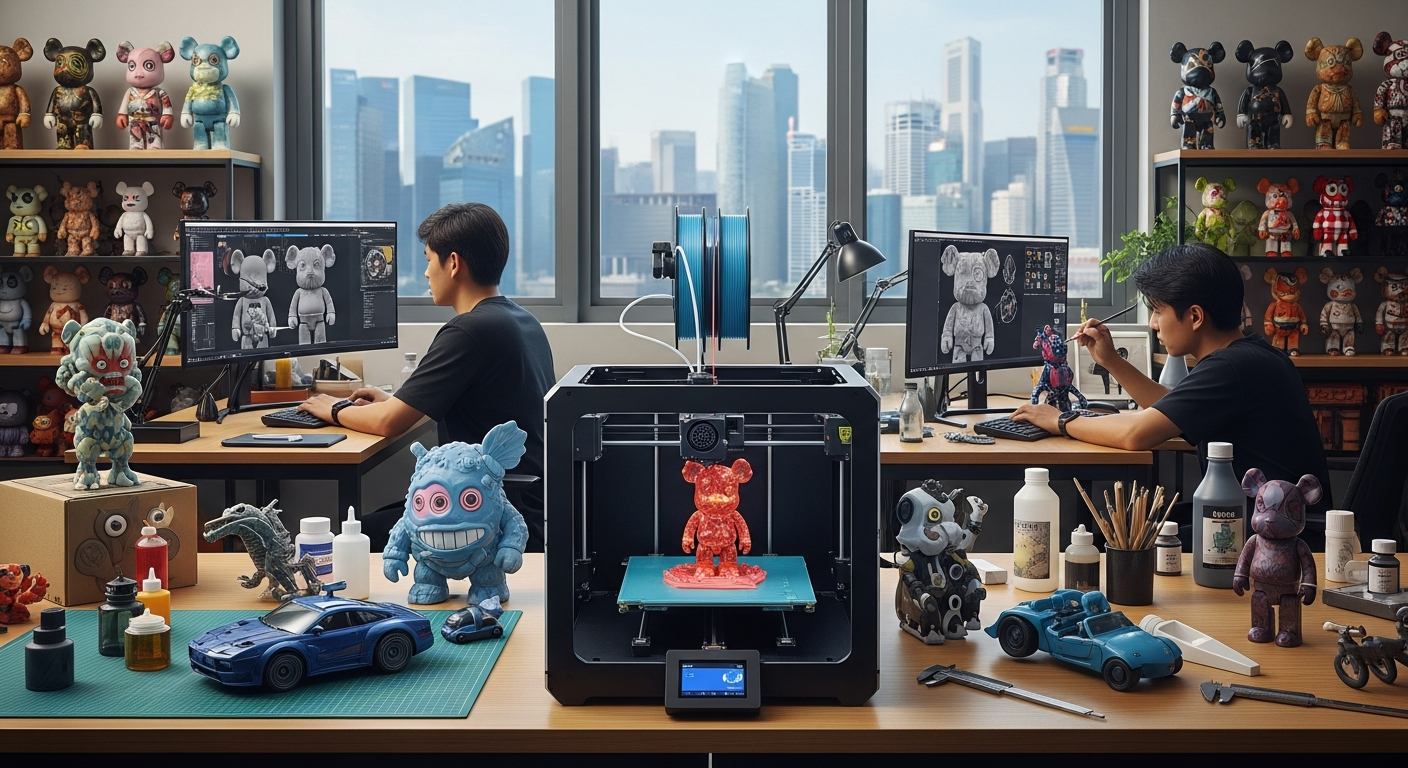
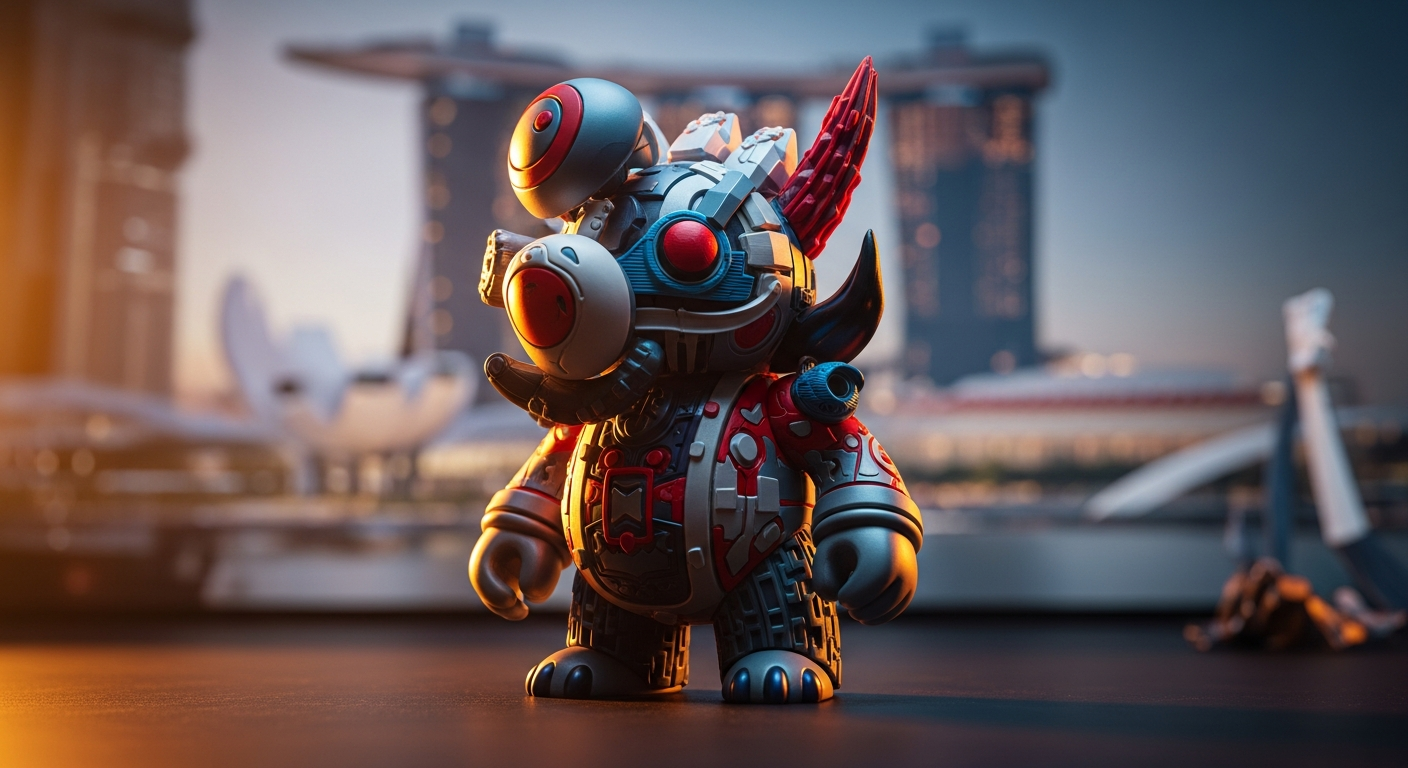
Collectible art toys demand a balancing act: sculptural detail, repeatable quality, and the agility to respond to market signals. In 2026, creators and brands that want to scale limited runs without sacrificing artistic integrity are leaning heavily on rapid prototyping Singapore services. This combination of advanced 3D techniques, localized manufacturing, and smart design-for-manufacture lets designers go from concept to collectible faster, cleaner, and more sustainably than ever.
Why rapid prototyping matters for collectible art toys
Rapid prototyping is not just about speed. For collectible art toys it delivers three practical advantages:
- Fidelity: High-resolution 3D printing captures sculpt details, texture, and undercuts that traditional early-stage methods miss.
- Iteration: Quick test prints let artists refine pose, balance, and assembly before committing to tooling.
- Validation: Proof-of-concept pieces aid in packaging design, photography, and collector feedback loops so you can pre-sell or gauge demand.
When you combine these benefits with the right finishing processes, you get limited-edition runs that look and feel premium but are produced with the economics of short-run manufacturing.
Singapore as a strategic prototyping hub
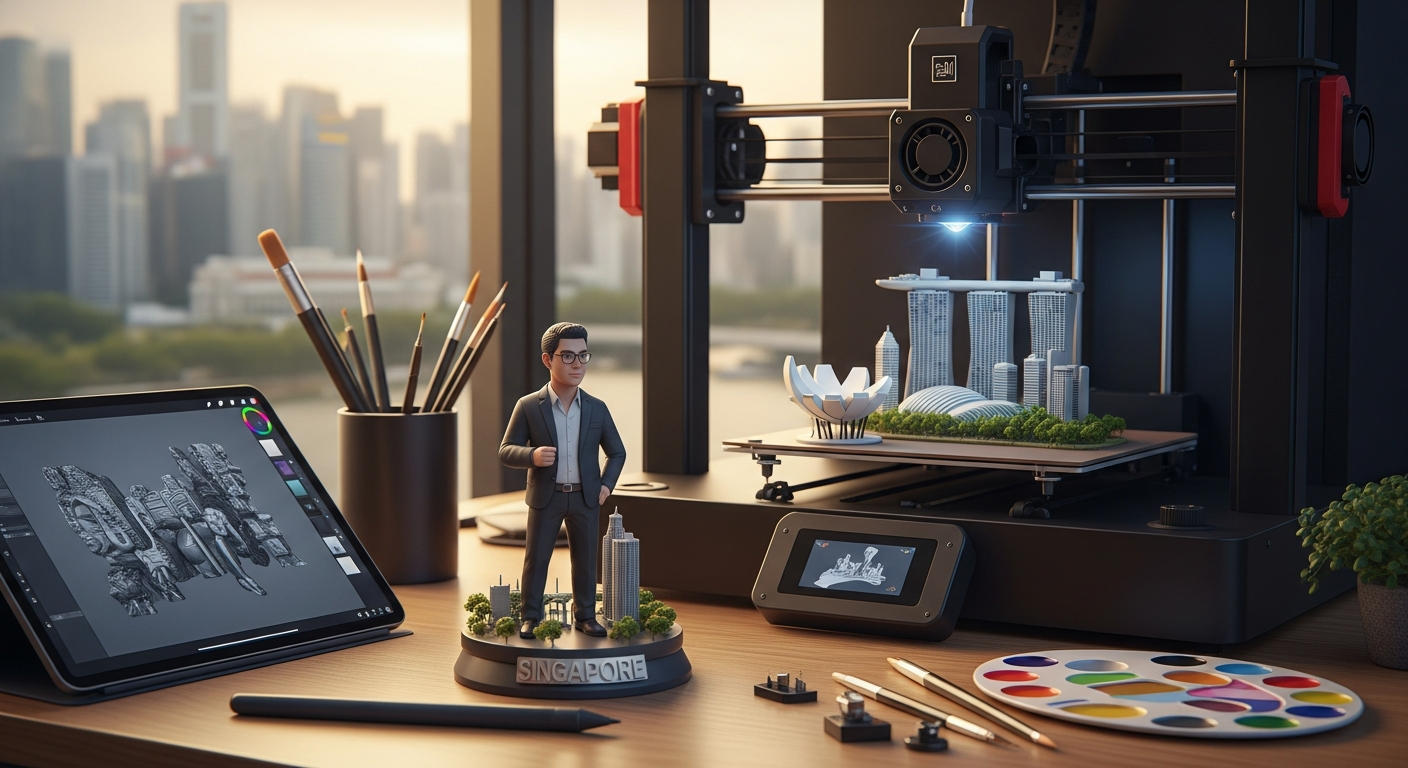
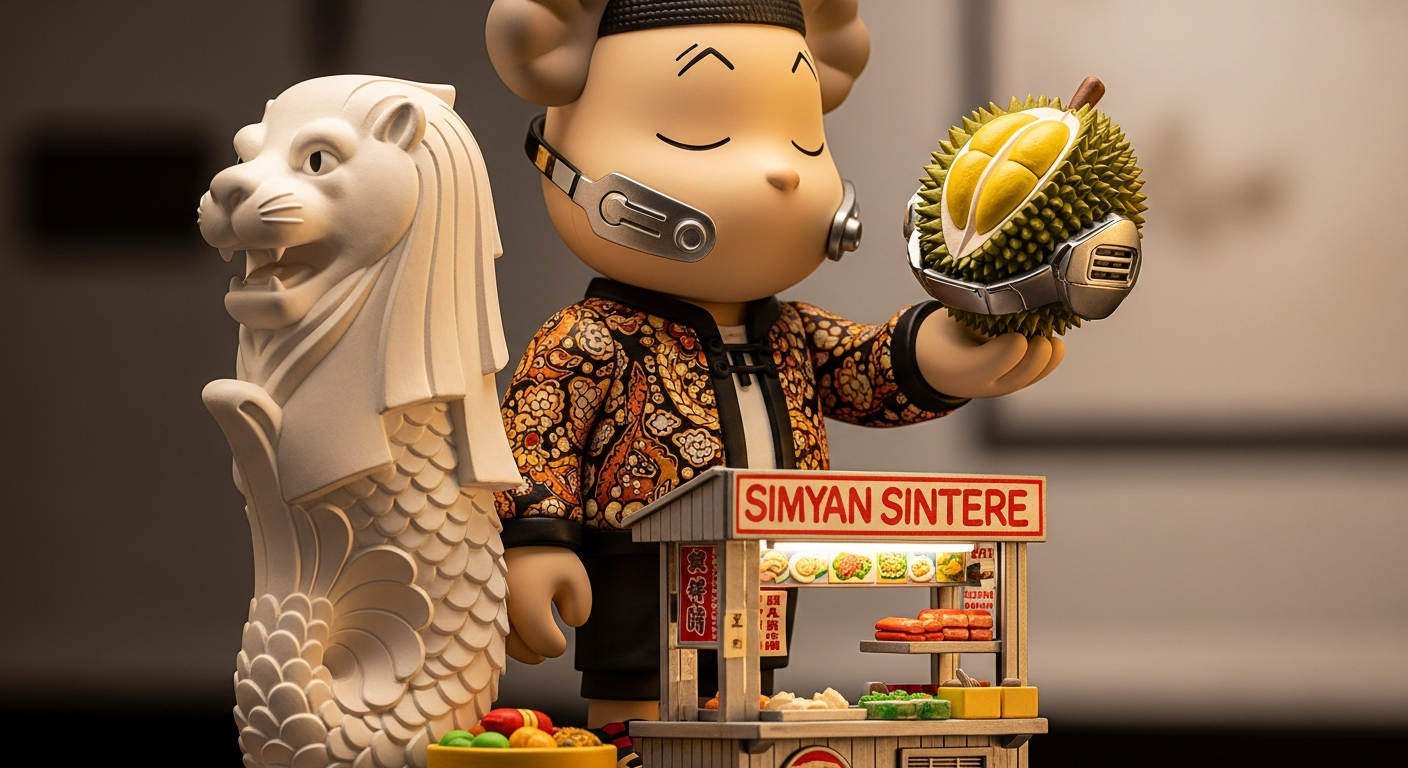
Singapore has matured into a compelling locus for makers of collectible art toys. Geographic proximity to Southeast Asian supply chains, robust IP protections, and advanced prototyping ecosystems make it attractive for international brands and local studios alike. Working with partners in Singapore shortens lead times for iterations and supports tighter quality control across the production lifecycle.
If you want dedicated services tailored to artists and small brands, consider exploring specialized resources for rapid prototyping Singapore.
Core technologies to scale collectible art toys
Understanding the toolkit is crucial. In 2026 the most relevant technologies for art toys include:
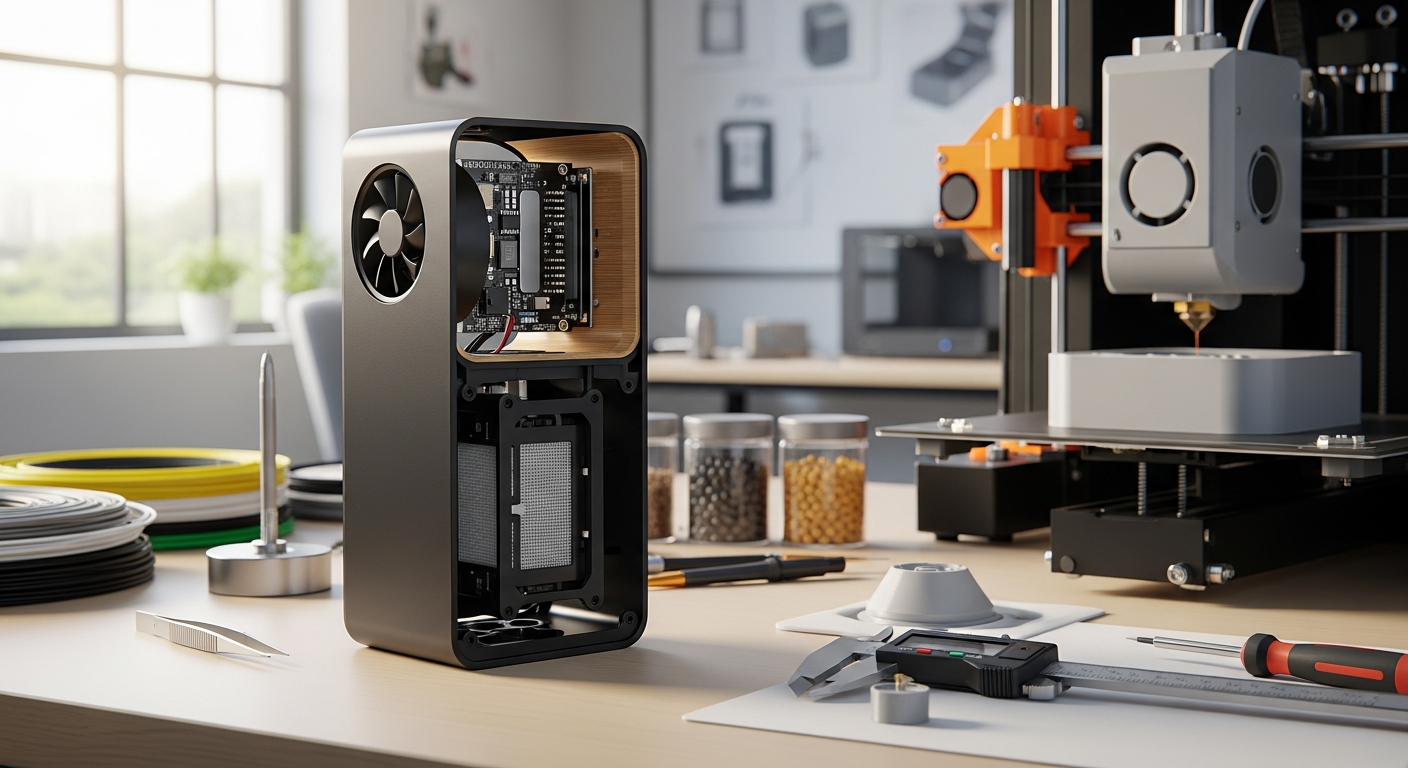
- SLA/DLP (resin) 3D printing: Ideal for high-detail master models and small series thanks to fine layer resolution and smooth surfaces.
- PolyJet/multi-material printing: Useful for complex assemblies and multi-material prototypes that showcase how hard and soft parts interact.
- MJF / SLS: Powder-bed techniques fit when strength and functional testing are needed, especially for articulated pieces.
- Vacuum casting: A staple for short runs; vacuum-cast polyurethane reproductions from a 3D-printed master give resin-like finishes and paint-ready surfaces.
- Micro-injection molding: For higher-volume runs with tiny, repeatable details, micro tooling in Singapore gives a bridge between prototyping and full production.
For artists focused on highly detailed, small-batch collectible toys, 3D methods combined with vacuum casting remain a popular pathway. Check approaches specific to 3D production in Singapore at 3D rapid prototyping for art toys.
Design-for-scale: practical guidelines
Design decisions early on influence production cost and end-user satisfaction. Key DfM tips for collectible art toys:
- Hollow strategically: Reduce weight and resin cost by hollowing large volumes with proper wall thickness and escape holes.
- Add alignment features: Integrate pegs, slots, and indexed surfaces to make assembly consistent across limited runs.
- Consider split molds: Design parts for two- or three-piece molds to capture deep undercuts and maintain surface quality.
- Tolerances: Specify tolerances for fits (press-fit vs. screw-fit) so finishers and assemblers know acceptable variation.
- Surface texture: Treat texture deliberately—fine textures can be preserved in SLA masters but may require refinement for casting.
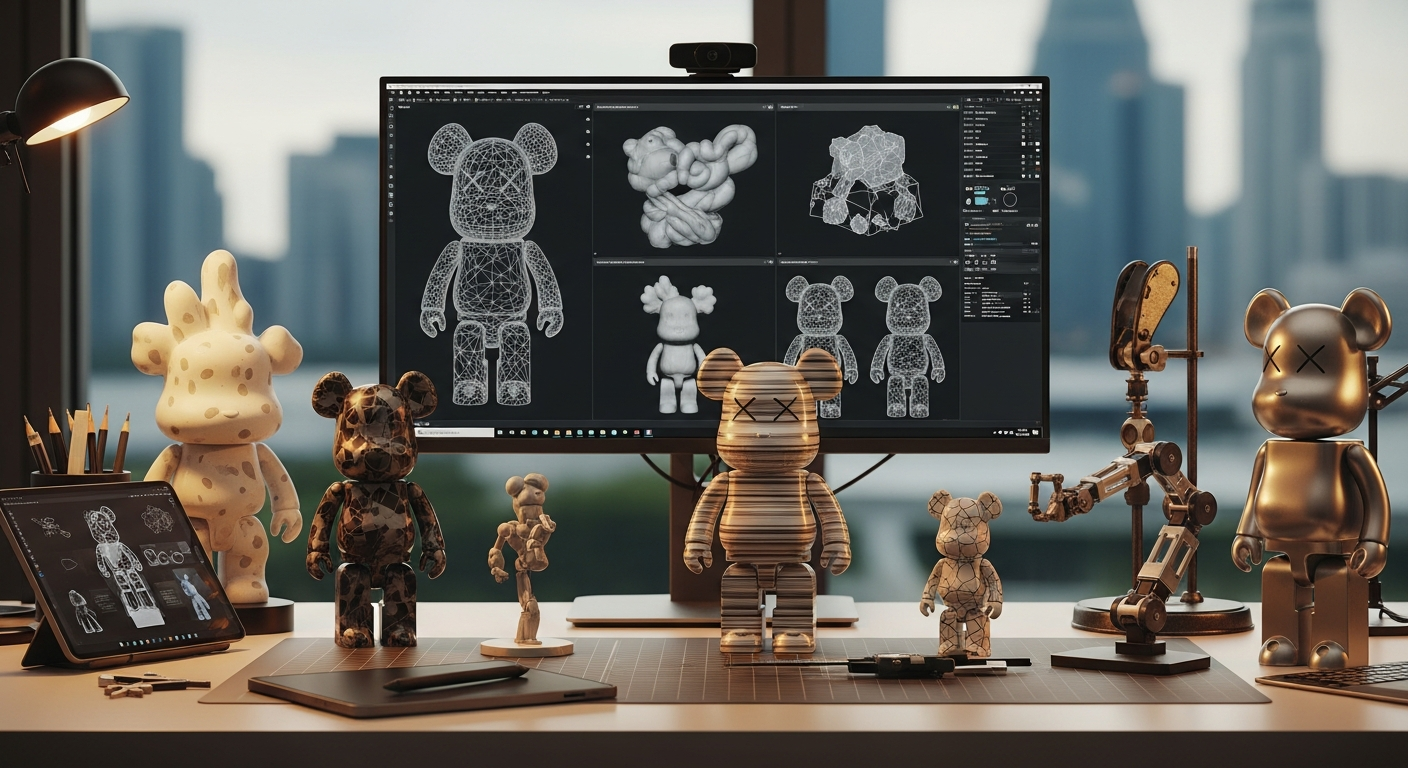
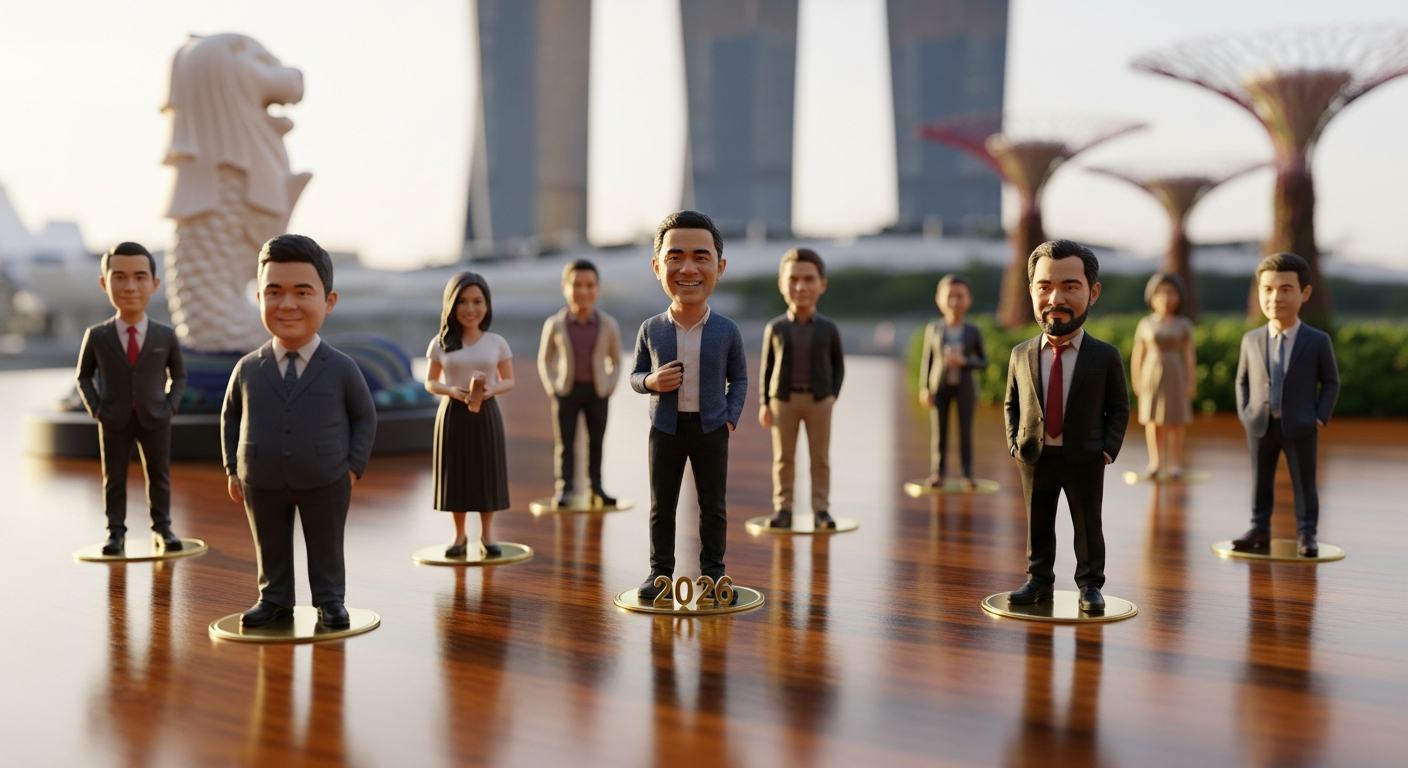
For projects that start as one-off figures but scale into limited editions, robust CAD modeling and prototype-ready files are essential. Resources on custom figurine design describe workflows optimized for scaling.
Finishing, color matching, and presentation
Collectors judge value on finish and presentation. Rapid prototyping in Singapore now includes post-processing capabilities that rival full-scale factories:
- Surface prep and priming: Sanding, primer, and micro-filler treatments remove print layer lines for a smooth paint base.
- Paint workflows: Hand-paint, airbrush, pad printing, and automated color matching (PANTONE mapping) ensure consistent series colorways.
- Metallics and special effects: Vacuum metallization, pearlescent coatings, and textured finishes add perceived value to limited editions.
- Decals and tampography: For fine lettering and repeatable graphics, pad printing ensures durability and precision.
Don’t overlook packaging and certificates of authenticity—numbering, COAs, and premium boxes are part of the collectible’s narrative.
Short runs, economics, and manufacturing strategies
Scaling collectible art toys is often about choosing the right volume band:
- Proof-of-concept / pre-sale: Single-digit to low-double-digit units produced via SLA and vacuum casting to validate demand.
- Limited edition runs: Tens to a few hundred pieces using vacuum casting, micro-molding, or short-run injection combined with professional finishing.
- Transition to production: Hundreds to thousands may justify low-volume injection molding and dedicated tooling.
Singapore’s ecosystem supports each band, especially short-run injection and micro-tooling that bridges prototype to production. To understand the economics and operational steps, review localized strategies like Singapore custom figurine design and rapid prototyping.
Quality control and traceability
Collectors expect consistent quality. Implementing inspection and traceability controls helps maintain reputation:
- First article inspection (FAI): Validate the first batch against specifications.
- Sample-based QC: Define acceptance criteria for paint, structural integrity, and fit.
- Lot numbering and digital provenance: Use serialized COAs or digital tags to link each item to production records—2026 buyers increasingly value documented provenance.
A strong QC plan reduces returns and protects the collectible value of limited editions.
Sustainability and trends in 2026
By 2026, sustainability is no longer an optional buzzword for creators — it’s expected. Key trends impacting collectible art toys include:
- Eco-resins and bio-polymers: New resin chemistries reduce VOCs and incorporate bio-based feedstocks while retaining detail fidelity.
- Localized micro-factories: Producing closer to demand reduces shipping emissions and speeds up iteration cycles.
- Digital twins for marketing: High-fidelity 3D scans create digital assets used in AR previews, e-commerce 3D viewers, and limited-run virtual releases.
- AI-assisted sculpting: Generative design tools accelerate concept exploration while keeping the artist in control of final aesthetics.
Being transparent about materials and process creates stronger brand trust among environmentally conscious collectors.
Go-to-market tactics for limited editions
Scaling isn’t just about physical production; it’s about narrative and scarcity:
- Pre-orders & tiered drops: Use staged sales to fund tooling and validate colorways.
- Collector communities: Engage via Discord, Telegram, and collector forums to co-create limited variants and drive pre-sales.
- Exclusive add-ons: Signed prints, alternative paint plates, or numbered COAs enhance perceived rarity and justify premium pricing.
- Cross-channel fulfillment: Combine local pickup, regional distribution hubs, and premium shipping for collectors worldwide.
A robust prototype program supports marketing materials, enabling early photography and AR previews that drive sales.
Practical checklist to scale successfully
- Start with a clear edition plan: decide edition size, price, and tiers.
- Use high-resolution prototyping to refine sculpt, balance, and assembly.
- Select a Singapore-based rapid prototyping partner for shorter loops and IP protection: explore options like rapid prototyping Singapore and CAD modeling.
- Choose production tech by volume: SLA + vacuum casting for short runs; micro-injection for larger limited runs.
- Define finishing specs and test a small sample run for paint and packaging.
- Implement QC, lot numbering, and provenance documentation.
- Plan logistics and community engagement channels to maximize launch momentum.
For a deeper primer on how to position limited-run releases, see the 2026 guide to limited-edition art toys and collectibles.
Conclusion
Scaling collectible art toys in 2026 is a multidisciplinary effort: artistic vision, smart DfM, and the right prototyping partner. Rapid prototyping Singapore delivers fast iterations, high-fidelity masters, and pathways into short-run production while supporting modern expectations around sustainability and provenance. With strategic planning and the right local partners, creators can preserve artistry while building a scalable, collectible product line that resonates with discerning buyers.